Perfect Beach Waves at Home: 7 Methods for All Hair
That tousled, just-got-back-from-the-beach look is easier to recreate at home than most people think. You do not need a salon, a special trip, or salt water. Perfect beach waves at home are achievable with tools you probably already own, and the method that works best depends more on your hair type than your budget.
This guide covers seven techniques, from heat styling to completely heatless, along with the specific steps that actually make waves last more than a few hours.
What Makes the Perfect Beach Wave?
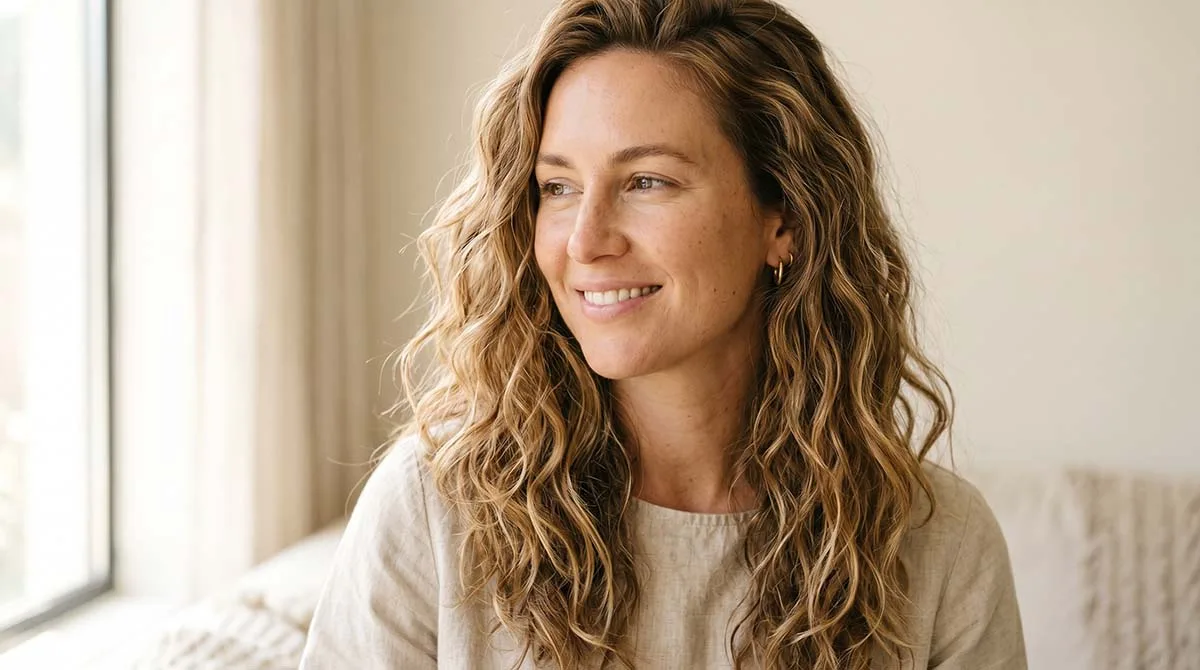
Before picking up a tool, it helps to understand what you are going for. Beachwaves are not tight curls, and they are not simple bends either. The defining quality is texture: loose, slightly undone, with movement that looks accidental rather than styled.
A few traits separate a genuine beach wave from a regular wave. The shape is irregular, so no two waves look exactly alike. The ends are soft and piecey rather than curled under or coiled. There is volume at the root (a flat root kills the look entirely), and the hold is light enough that the hair actually moves.
The goal during styling is to imitate what saltwater, wind, and sun do naturally. Once you frame it that way, every technique below makes more sense.
Tools and Products You Need
Having the right setup before you start saves a lot of frustration. You do not need an extensive collection, just a handful of items suited to the method you choose.
Heat Styling Tools
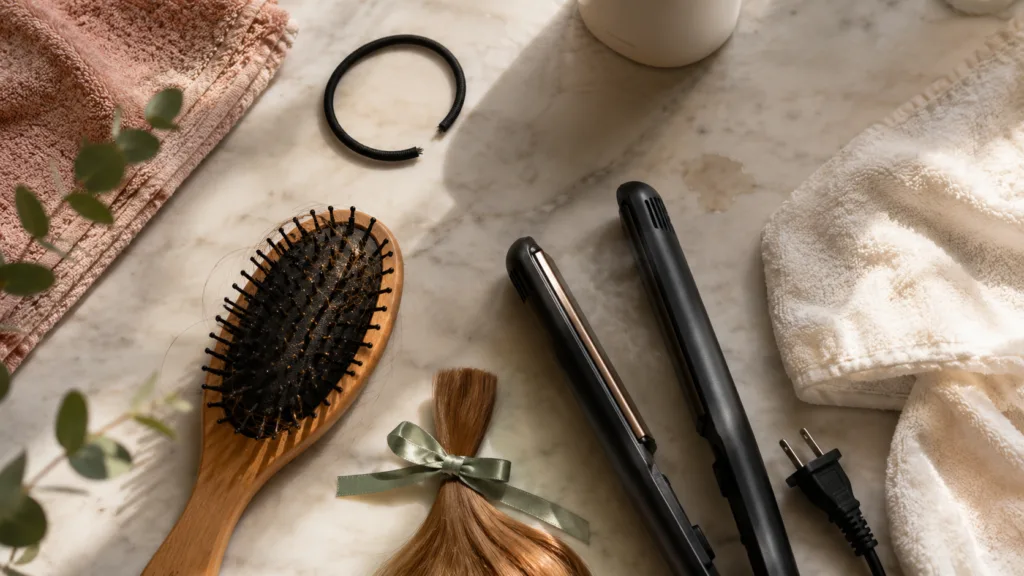
For heat-based methods, the two most useful tools are a curling wand and a flat iron. A curling wand with a 1-inch barrel creates tighter, longer-lasting waves. A 1.25–1.5-inch barrel gives softer, more relaxed bends. For classic beach waves, 1.25 inches is the sweet spot. A flat iron with rounded edges often produces a more natural result than a wand, especially on fine or straight hair, because the bend it creates is subtler.
Always use a heat protectant spray before applying any hot tool. Hair exposed to heat above 365°F (185°C) without protection develops structural damage over time.
Essential Styling Products
On the product side, a lightweight mousse applied to damp hair creates a foundation that holds texture without weighing the wave down. Sea salt spray adds grit and natural movement, and you can apply it before or after styling depending on the method. Dry shampoo absorbs oil and adds grip, which is why waves almost always hold better on second-day hair. A light-hold hairspray sets the finished look without making it feel stiff or crunchy.
For fine hair, skip heavy creams. For thick hair, a curl styling cream helps manage volume so the wave bends rather than just puffs outward.
7 Methods to Get Perfect Beach Waves at Home
Waves are not one size fits all. The right technique depends on your hair type, how much time you have, and whether you want to use heat. The methods below range from a fast-curling wand routine to overnight heatless options that require almost no effort at all.
1. Curling Wand
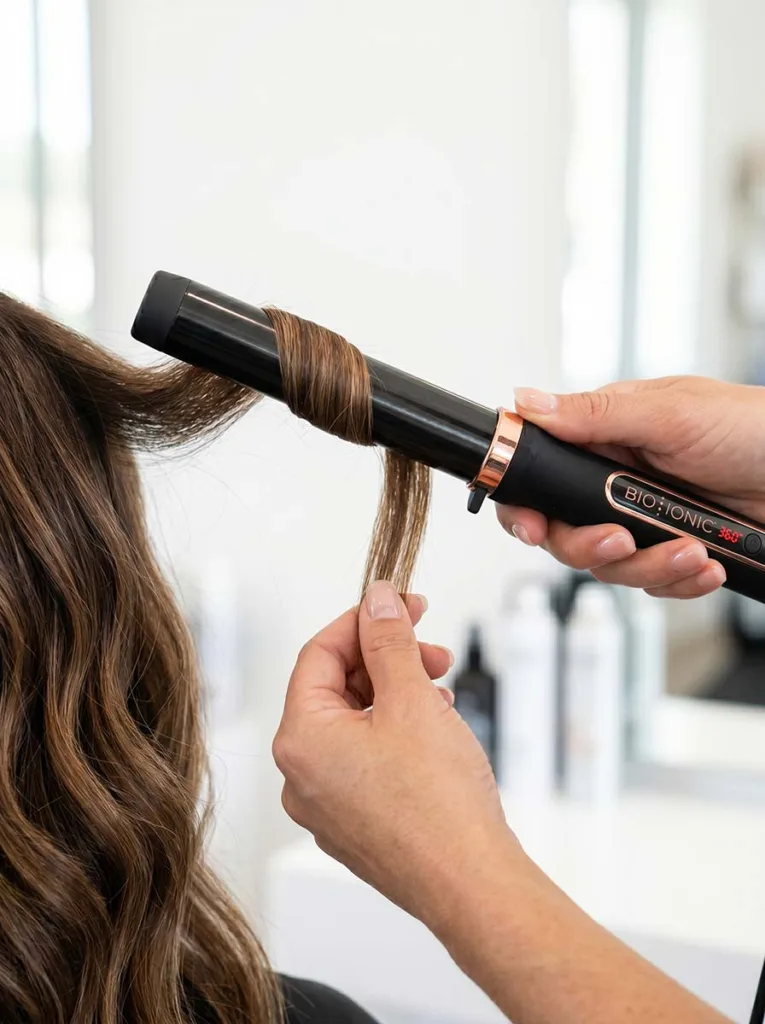
The curling wand is the fastest route to defined beach waves with consistent results. The technique matters more than the tool, though.
- Section dry hair into four quadrants: two at the back, two at the front.
- Take a 1-inch section and wrap it loosely around the barrel, keeping the ends out.
- Hold for 8–10 seconds, then release. Do not pull the curl tight.
- Alternate the direction of each section: wrap one forward, the next backward. This variation is what makes the finished result look natural rather than uniform.
- Let curls cool fully before touching them. Disturbing a warm curl breaks it flat.
- Once cool, break waves apart with your fingers, then mist with sea salt spray.
2. Flat Iron
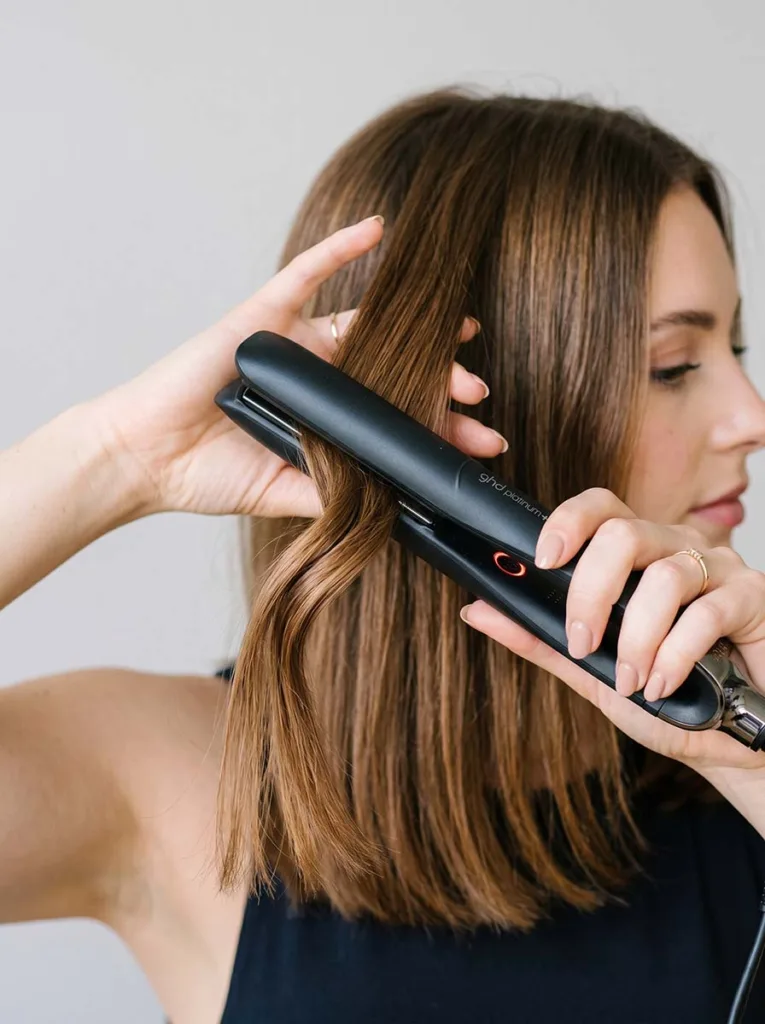
Many people overlook the flat iron for waves, but it often produces a softer, more natural-looking bend than a wand. If your goal is texture rather than curl, the flat iron is worth trying.
- Take a 1.5-inch section of dry hair and clamp the flat iron about 2 inches from the root.
- Rotate the iron away from your face, then slowly slide it down the length while maintaining the rotation.
- Release before reaching the last inch of the ends. Leaving the ends straight is what gives the style its beachy finish.
- Alternate directions: rotate away on one section, toward your face on the next.
- Finish with a texturizing spray scrunched through the lengths.
3. Twist and Clip
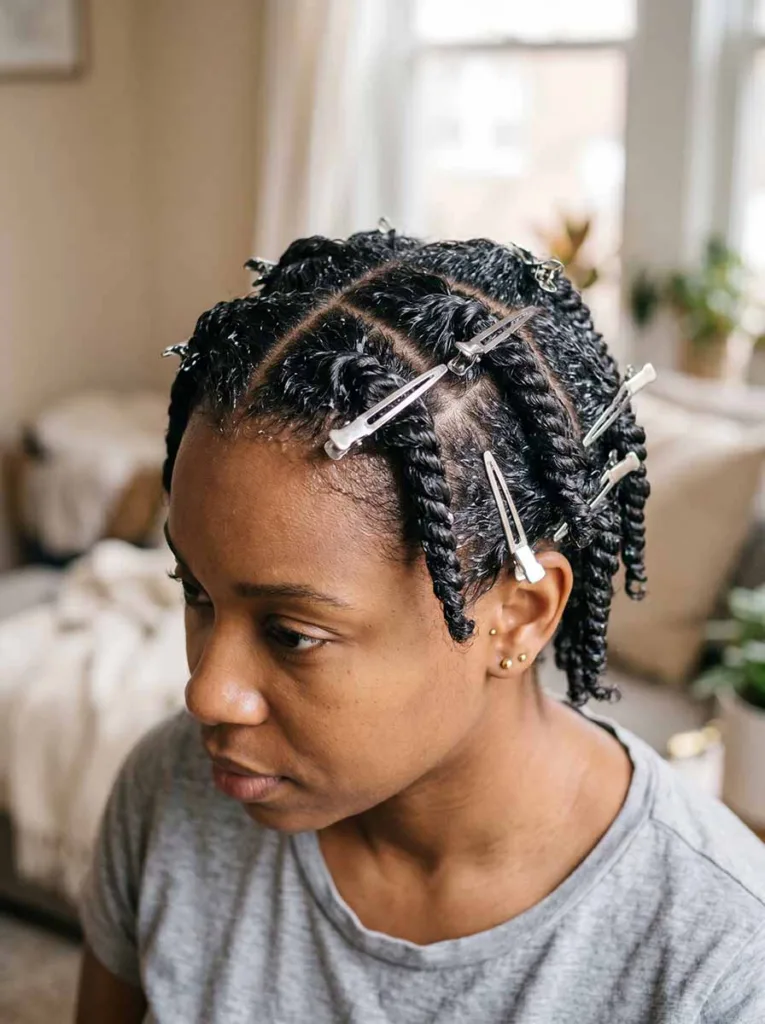
No heat, minimal effort, and genuinely good results if you have a few hours to spare. This method works best on damp hair.
- Apply lightweight mousse to damp hair.
- Take a 2-inch section, twist it tightly from root to tip, and coil it flat against your head.
- Clip it in place with a bobby pin or duck bill clip.
- Repeat across the entire head. More sections mean tighter waves.
- Sit under a hooded dryer or air dry completely. Damp hair will not set properly.
- Remove clips, unfurl each coil with your fingers, and scrunch with a small amount of sea salt spray.
4. Sleeping Braids
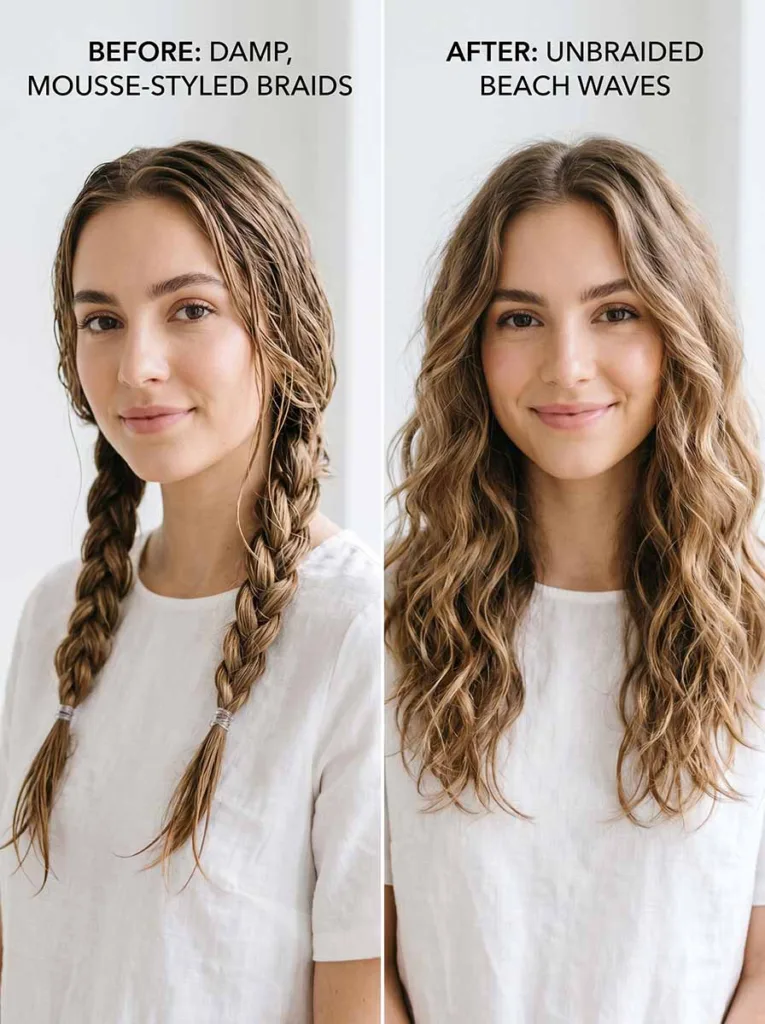
This is the lowest-effort method on the list. You braid before bed and wake up with the work already done.
- Start with damp hair — not soaking wet, about 70% dry.
- Apply a leave-in conditioner or light mousse throughout.
- Divide hair into two to four sections and braid each one loosely from root to end. Looser braids produce more relaxed waves. Tighter braids produce crimpier ones.
- Secure with a hair tie and sleep on a satin or silk pillowcase to prevent frizz.
- In the morning, undo braids and gently separate with fingers.
- Scrunch in a sea salt spray and tousle for added texture.
5. Bantu Knots (Heatless)
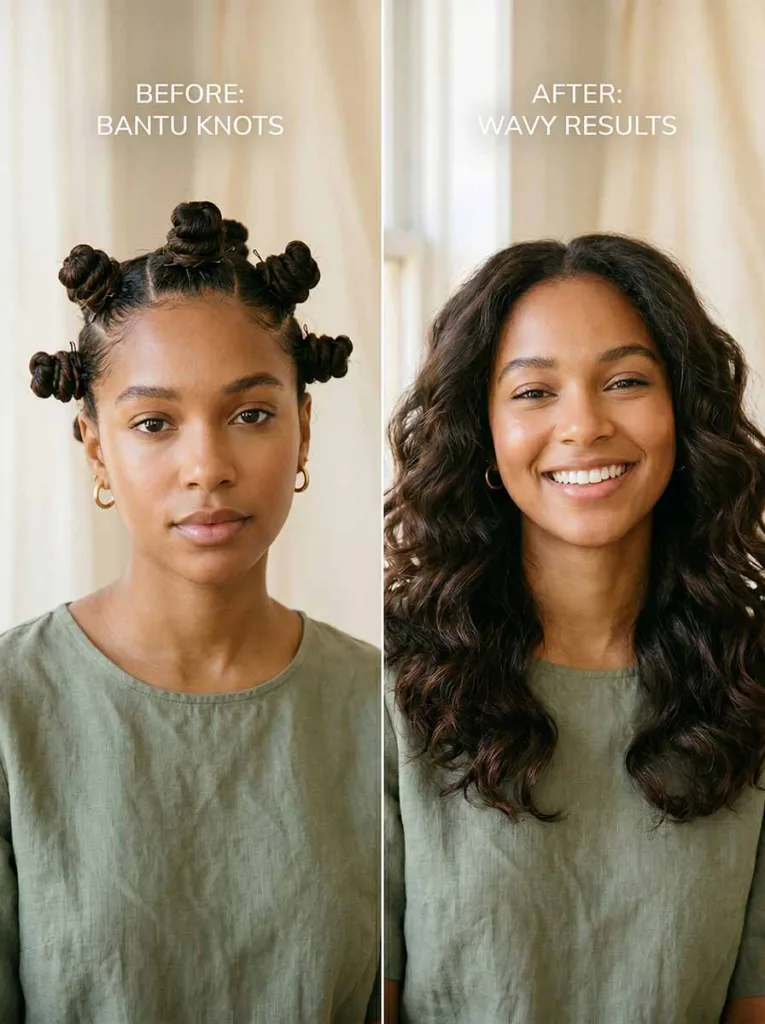
Bantu knots create rounder, more voluminous waves and are especially effective on medium to thick hair.
- On damp hair, apply a light hold moisturizing product throughout.
- Divide hair into six to eight sections.
- Twist each section tightly and coil it around its own base, pinning it flat. It should look like a small spiral bun.
- Let hair dry completely — overnight is best.
- Unravel each knot carefully, separate waves with fingers, and finish with a light-hold hairspray.
6. Sea Salt Spray Scrunch
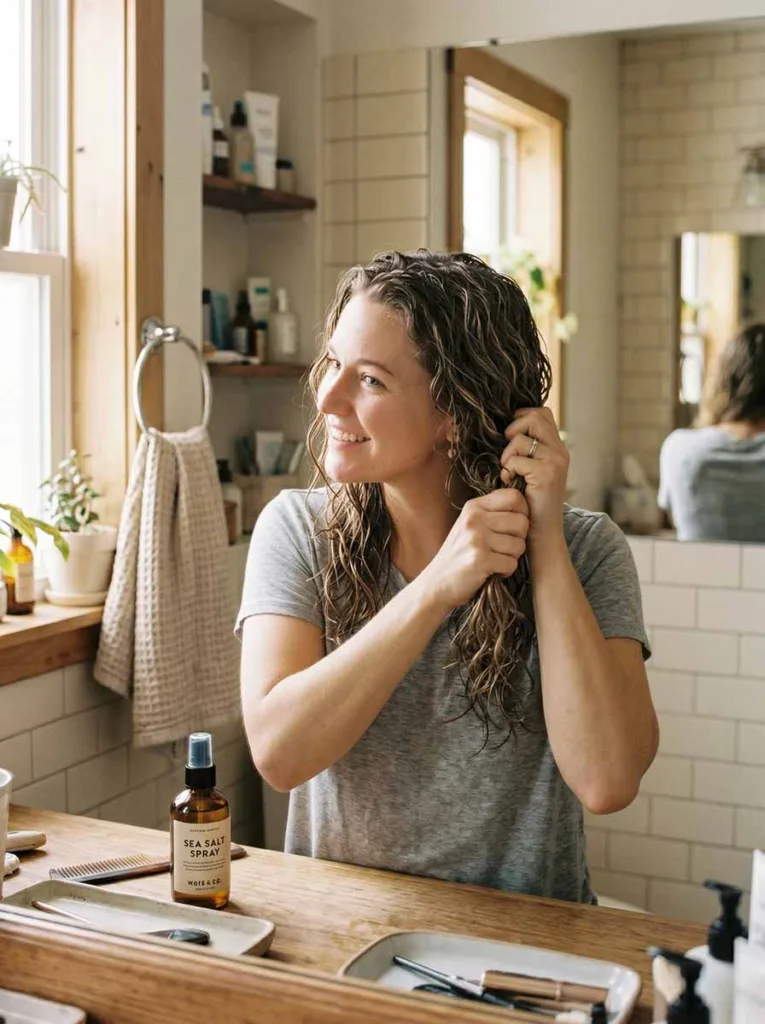
For hair that already has natural texture or wave, this is the fastest technique of all. No tools required.
- Spray sea salt spray generously through damp, just-washed hair.
- Scrunch sections upward toward the scalp repeatedly.
- Tilt your head upside down and scrunch for added volume at the root.
- Air dry or use a diffuser on low heat to speed up drying without disrupting the wave pattern.
- Once dry, break the slight cast that salt spray leaves by scrunching with your palms.
You can make a DIY sea salt spray at home: mix 1 cup of warm water, 1 teaspoon of sea salt, a few drops of hair oil, and a small amount of light conditioner in a spray bottle.
7. Diffuser Method (for Wavy or Curly Hair)
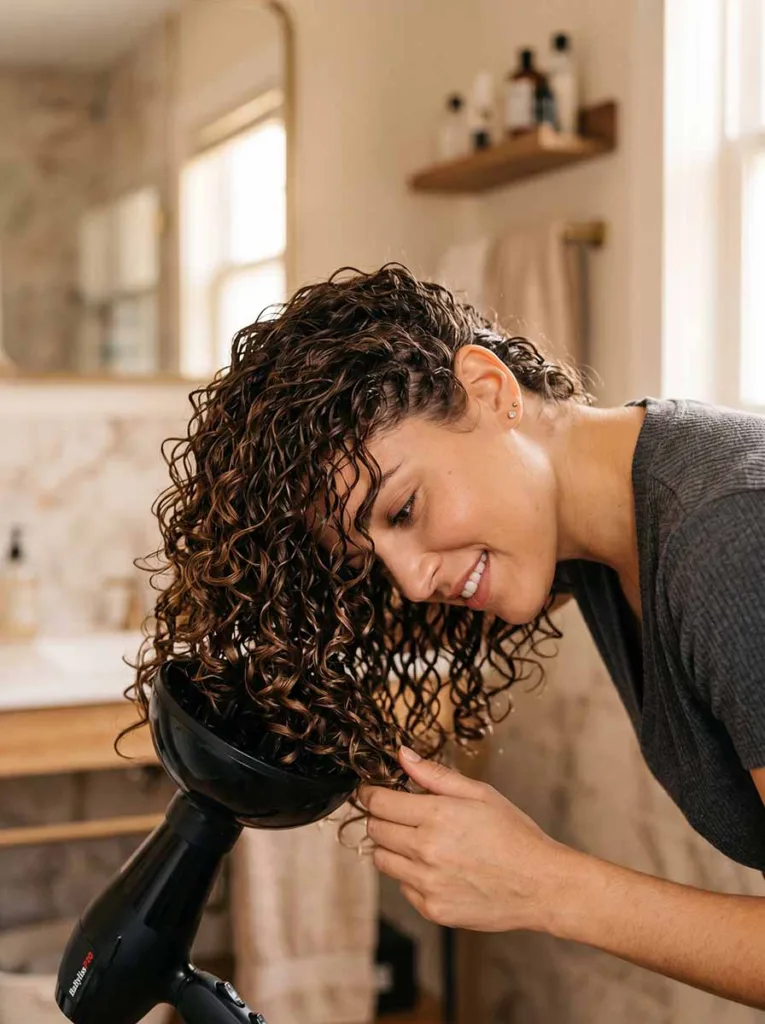
If you have naturally wavy or type 2–3 curly hair, a diffuser works with your natural wave pattern rather than against it.
- Apply a curl cream or mousse to soaking wet hair.
- Flip hair forward and place sections into the diffuser bowl without disturbing the wave clumps.
- Use medium heat and low airflow. High airflow causes frizz.
- Lift the diffuser upward toward the scalp as you dry each section.
- Finish with the dryer on cool setting to seal the cuticle.
Beach Waves for Your Hair Type
Not every technique works equally well for every hair type. Here is how to adapt your approach.
Fine and thin hair
Fine hair holds texture best on second-day hair because the natural oils from your scalp add grip. Freshly washed fine hair is often too slippery for waves to hold. Use a volumizing mousse before heat styling, keep barrel temperatures below 350°F (175°C), and always let curls cool completely in a clip before releasing. A 1-inch barrel is better than a larger one here. The tighter initial wave relaxes into a softer bend rather than dropping completely.
Thick hair
Thick hair holds texture well, but it needs more sections and more time than other hair types. Divide it into at least six sections before styling. Use heavier products like curl defining cream to manage volume and ensure the wave actually bends rather than just puffs outward. The sleeping braid method works especially well for thick hair because the weight of the hair helps the wave set firmly overnight.
Curly and natural hair
If you have type 2 or loose type 3 curls, the diffuser method and the bantu knot method give you the most control. The goal is to stretch your natural curl into a looser wave pattern. Avoid touching the hair once product is applied. Damp curly hair that gets handled repeatedly frizzes. Let it dry mostly untouched and only separate it when fully dry.
How to Make Beach Waves Last Longer
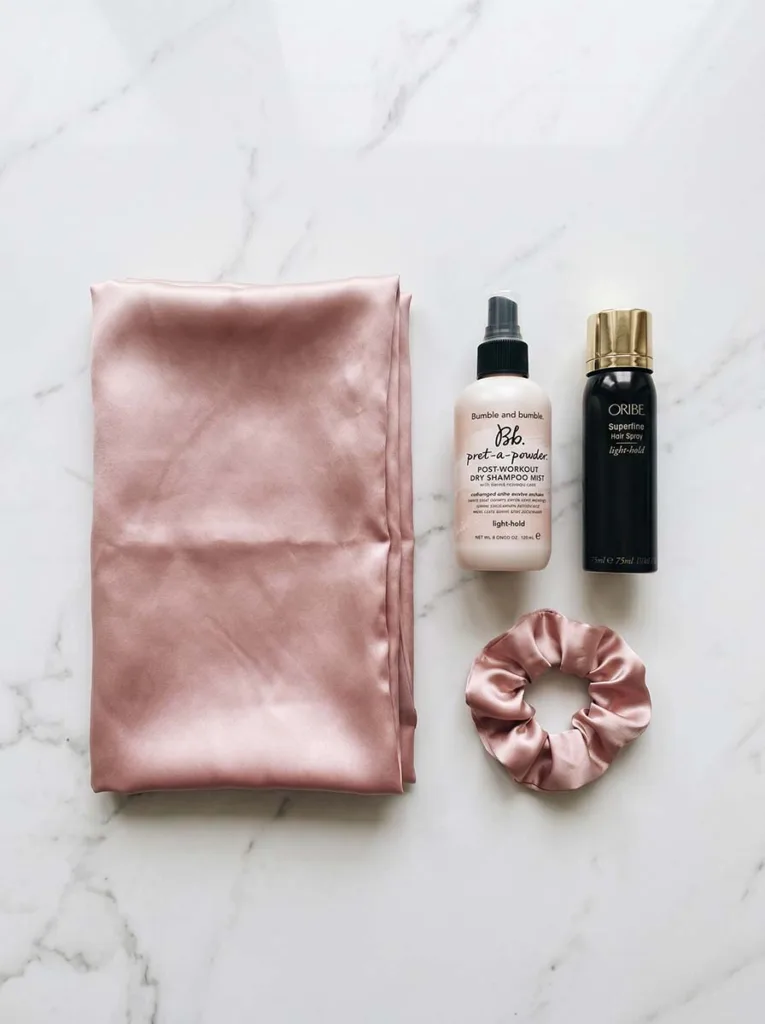
The biggest complaint about beach waves is that they drop within hours. A few changes to your routine make a real difference.
Style On Second-Day Hair
Hair washed the day before has just enough natural oil to give the wave something to grip. Freshly washed hair, especially fine hair, is often too smooth to hold texture at all.
Let Curls Cool Completely
This is the most skipped step. A curl that has not cooled is still malleable, so touching or brushing it warm will flatten it out immediately. Wait at least five minutes after heat styling before running your fingers through.
Use Dry Shampoo at The Roots
Applying a light dry shampoo at the root before styling adds grip and keeps oil from building up throughout the day, which extends the style.
Sleep On a Satin Pillowcase
Cotton creates friction that breaks down your wave pattern overnight. A satin or silk pillowcase preserves the shape and cuts down on frizz.
Loose Bun Overnight
To carry waves into a second day, twist your hair into a very loose bun at the nape of your neck before sleeping. Take it down in the morning and refresh with a small amount of sea salt spray.
Choose The Right Hairspray
A light-hold flexible hairspray (not maximum hold) allows movement while preserving shape. Spray from at least 12 inches away for an even, non-crunchy finish.
Frequently Asked Questions
1. How long do beach waves last?
Beach waves typically last one to three days, depending on hair type and the products used. Fine hair tends to drop faster. Thick hair holds waves longer. Using dry shampoo and sleeping on a satin pillowcase extends the style.
2. Do beach waves work on short hair?
Yes. For short hair, use a smaller barrel (0.75–1 inch) and shorter sections. The flat iron method and the twist-and-pin method work particularly well. Expect softer waves than longer hair produces due to less weight pulling the wave down.
3. Can you get beach waves without heat?
Yes. The sleeping braid method, bantu knots, and the twist-and-clip technique all create genuine beach waves without any heat. Results set best on damp hair with a light mousse applied before starting.
4. What is the best product for beach waves?
Sea salt spray is the most essential product. It adds texture, grit, and natural movement. Pair it with a lightweight mousse for hold on fine hair, or a curl cream for thick and coarse hair.
Conclusion
Perfect beach waves at home are genuinely achievable, but the method has to match your hair type. Fine hair needs grip and a smaller barrel. Thick hair needs more sections and heavier products. Curly hair needs less manipulation, not more.
Pick one technique from this guide based on what you have, try it on second-day hair, and let the waves cool completely before touching them. That last part is what most people skip, and it is usually why the style drops early. Try it once and see what your hair does.