How to Improve Scalp Health for Faster Hair Growth
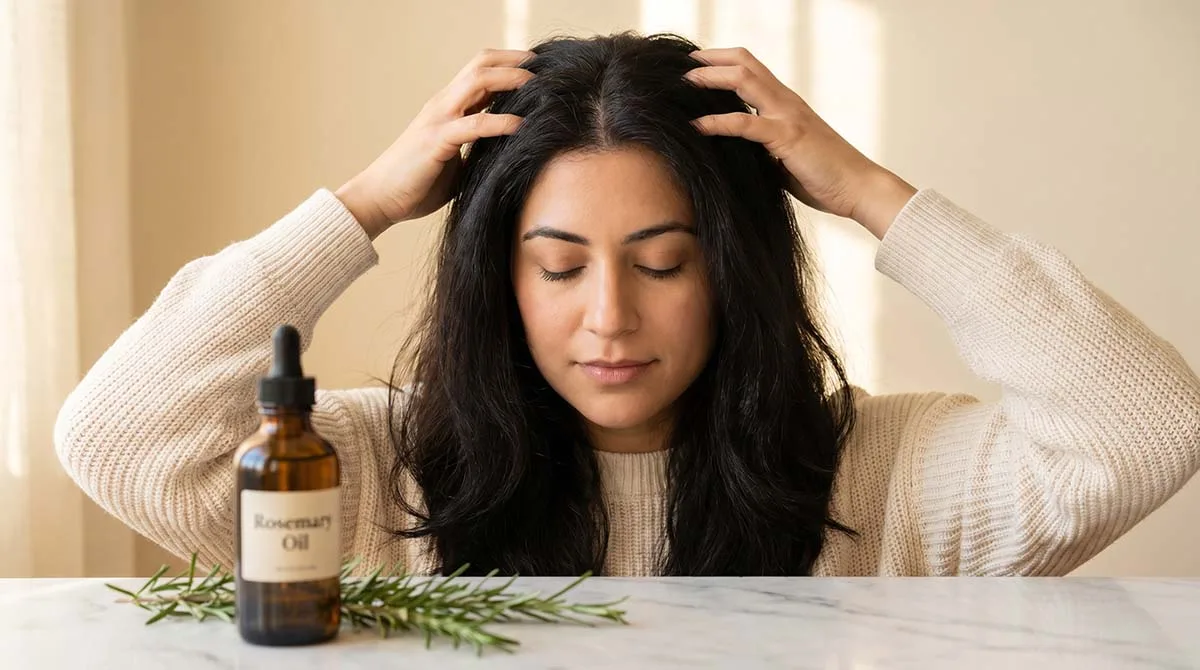
4 minutes a day was all it took to increase hair thickness in 24 weeks, according to a published study. Not a new product. Not a supplement. Just consistent attention to the one thing most people ignore completely: their scalp.
Most hair growth advice skips straight to serums, vitamins, and trims. But if your strands are thin, slow-growing, or breaking before they reach length, the issue is almost never the hair itself. It starts at the root. A congested, inflamed, or nutrient-starved scalp cannot produce strong hair, no matter what you apply to the lengths.
Scalp health determines how fast your hair grows, how thick each strand gets, and how long it stays. Fix the scalp first, and everything else starts working better. Here is exactly what needs to change.
Why Scalp Health Directly Affects Hair Growth
Most people treat their hair and ignore their scalp entirely. That approach is backwards. Your scalp is living skin. It contains hair follicles, sebaceous glands, blood vessels, and a delicate microbiome of bacteria and fungi that keep the environment balanced.
When the scalp is healthy, follicles stay in the active growth phase (called anagen) longer. When it is compromised by buildup, inflammation, or an imbalanced microbiome, follicles shrink, growth slows, and shedding picks up. A 2024 study in the Journal of Investigative Dermatology found that scalp inflammation is a primary contributor to miniaturized follicles, which is the early stage of hair thinning.
Sebum, the natural oil your scalp produces, conditions hair and feeds the beneficial microbes that protect against pathogens. Strip too much of it with harsh shampoos and you destabilize the whole system. The result is not clean, healthy hair. It is a stressed scalp producing hair that is weaker than it should be.
Signs Your Scalp Needs Attention
Your scalp tells you when something is wrong. Most people just miss the signals.
Visible buildup and flakes
Product buildup and dead skin accumulate on the scalp when you skip exfoliation or over-use dry shampoo. This blocks hair follicle openings, slowing growth and triggering itching. Flakes can signal either dry scalp or dandruff, which are two different conditions that need different fixes.
Persistent itching or tenderness
Occasional itching is normal. Chronic itching or scalp tenderness points to inflammation, fungal overgrowth (like Malassezia), or contact dermatitis from a product ingredient. Neither goes away by ignoring it.
Excessive oiliness or extreme dryness
Both are signs of a disrupted scalp barrier. An oily scalp often means the sebaceous glands are overproducing to compensate for being stripped. A dry, flaking scalp means the skin barrier has broken down and cannot retain moisture.
Increased hair shedding
Losing more than 100 hairs per day consistently is a red flag. Temporary shedding spikes happen after stress or illness, but ongoing loss tied to scalp discomfort suggests a structural issue at the follicle level.
How to Improve Scalp Health for Faster Hair
Building a scalp care routine does not require a shelf full of products. It requires doing the right things consistently.
Cleanse without stripping your scalp
Washing your hair cleans the scalp, but the wrong product or the wrong frequency does more damage than dirt ever could. Use a sulfate-free shampoo that removes buildup without stripping natural oils. Most people wash their hair too often. 2 to 3 times per week is enough for the majority of scalp types.
When you shampoo, focus on the scalp rather than the lengths. Use your fingertips (never your nails) to work the product through with gentle, circular movements. Rinse thoroughly. Leftover shampoo residue is a common cause of follicle blockages, so spend at least 30 seconds rinsing under warm (not hot) water.
Look for shampoos containing zinc pyrithione (for oily or dandruff-prone scalps), salicylic acid (for buildup), or tea tree oil (for mild fungal issues).
Exfoliate to clear blocked follicles
Scalp exfoliation is the step most people skip entirely, and it may be the most impactful thing you can add to your routine. Just like the skin on your face, your scalp accumulates dead cells, hardened sebum, and product residue that physically block hair follicles. Clearing this buildup gives follicles room to function properly.
Use a physical scalp scrub or a chemical scalp exfoliant (with glycolic acid or salicylic acid) once every 7 to 10 days. Apply to a dry or slightly damp scalp before shampooing, massage gently for 2 minutes, then rinse before washing. Do not over-exfoliate. More than once a week on a sensitive scalp creates irritation and wipes out the benefit.
Massage your scalp the right way
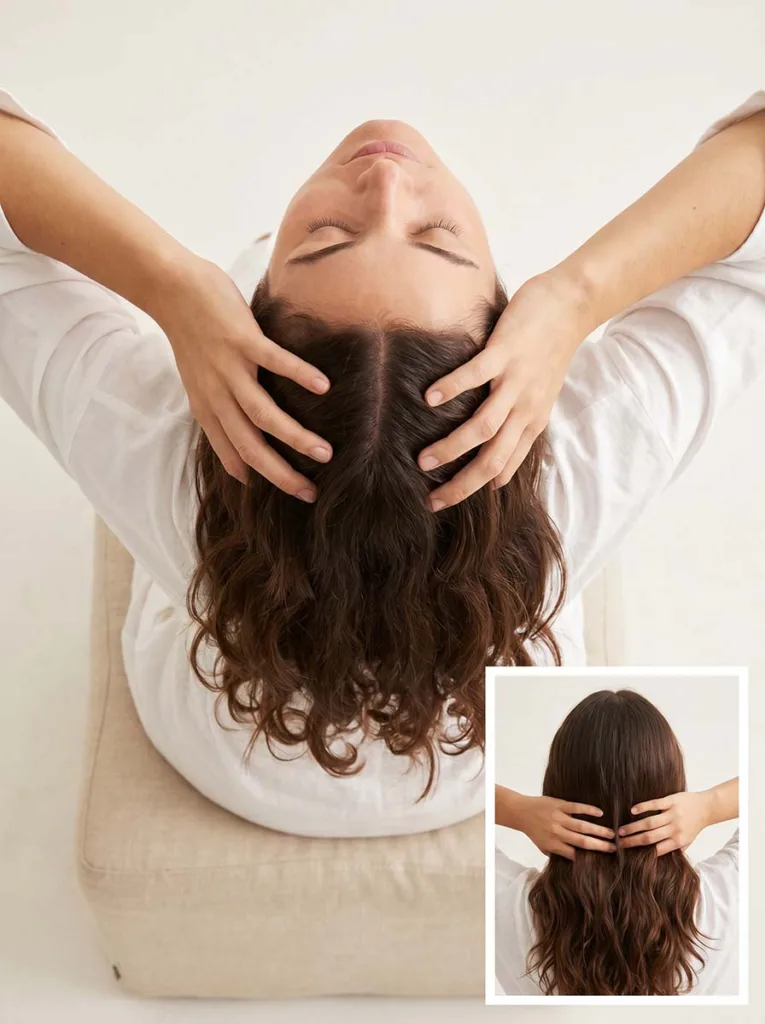
Scalp massage increases blood circulation to hair follicles, delivering more oxygen and nutrients directly to the root. A 2016 study in the journal ePlasty found that participants who massaged their scalps for 4 minutes daily for 24 weeks saw measurable increases in hair thickness.
You do not need oil to massage effectively, though it helps. Use your fingertips or a silicone scalp massager brush and apply firm but gentle pressure in slow, circular movements. Work from the nape of the neck toward the crown. Aim for 4 to 5 minutes daily, either in the shower while conditioning or dry before bed.
Consistency is what makes it work. One massage a week won’t move the needle.
Use the right oils for your scalp type

Scalp oiling nourishes the follicle and strengthens the scalp barrier, but the wrong oil for your scalp type can create new problems.
For oily or acne-prone scalps, use lightweight, non-comedogenic oils. Jojoba oil closely mimics natural sebum and regulates oil production without clogging follicles. Rosemary oil (diluted in a carrier oil) is clinically shown to stimulate hair growth comparable to 2% minoxidil in some studies.
For dry or flaky scalps, richer oils work better. Castor oil is dense and deeply moisturizing, and its ricinoleic acid content has mild anti-inflammatory properties. Argan oil adds moisture without heaviness.
For sensitive or irritated scalps, keep it simple. Sweet almond oil or calendula-infused oil soothes without clogging.
Apply oil directly to the scalp, not the lengths of hair, 30 minutes to 2 hours before shampooing. Section the hair, apply with a dropper or fingertips, massage in, then wash out completely.
Apply a scalp serum with proven ingredients
Scalp serums have become the most science-backed addition to any hair growth routine. Unlike oils, which sit on the surface, serums use lighter molecular formulas that penetrate the scalp and deliver active compounds to the follicle.
The most effective ingredients to look for in 2026:
- Rosemary extract: Clinically supported for hair regrowth; blocks DHT at the scalp level
- Biotin (Vitamin B7): Strengthens keratin structure in growing strands
- Caffeine: Stimulates follicle cell proliferation; shown to counteract testosterone-induced hair follicle shrinkage
- Peptides (e.g., Capixyl): Signal follicles to re-enter the growth phase; non-hormonal option for both men and women
- Niacinamide: Improves scalp circulation and reduces inflammation
- Prebiotics and postbiotics: Support a balanced scalp microbiome
Apply scalp serum to a clean, dry scalp 4 to 5 evenings per week. Serums work best overnight when the scalp is not exposed to friction, heat, or styling products. Do not rinse out.
What You Eat Affects Your Scalp
No topical treatment compensates for nutritional deficiency. Hair follicles are among the most metabolically active cells in the body. They need a constant supply of protein, vitamins, and minerals to produce hair at a healthy rate.
Protein matters more than most people realize. Hair is made almost entirely of keratin, a structural protein. Eating insufficient protein (under 50g per day for most adults) causes follicles to shift into a resting phase and triggers shedding. Eggs, chicken, fish, and legumes are your best sources.
Iron deficiency is one of the most common and most overlooked causes of hair loss, particularly in women. Low ferritin (stored iron) tells the body to redirect iron away from hair follicles to more critical organs. If you are experiencing persistent shedding, get your ferritin levels checked before spending money on topical treatments.
Other nutrients that matter for scalp and hair health:
- Zinc: Regulates sebaceous gland activity and supports follicle repair
- Vitamin D: Low levels are strongly linked to alopecia
- Omega-3 fatty acids: Reduce scalp inflammation; found in salmon, walnuts, and flaxseed
- Biotin: Supports keratin production (best absorbed from food, not supplements alone)
Hydration also matters. A dehydrated scalp is a dry, flaky scalp. Drink enough water, at least 8 glasses daily, before reaching for more products.
Common Mistakes That Damage Scalp Health
Even people with good intentions make these errors.
1. Washing With Hot Water
Hot water strips natural oils and disrupts the scalp microbiome. Use warm water and finish with a cool rinse to seal the cuticle.
2. Using Too Many Products Without Washing Them Out Properly
Dry shampoo, hairspray, and texturizing sprays leave residue that accumulates over days. If you use dry shampoo frequently, shampoo the scalp twice on wash day to break through the buildup.
3. Scratching An Itchy Scalp
Scratching feels satisfying but it makes things worse. It introduces bacteria, creates micro-wounds that let irritants go deeper, and sets off more inflammation. Treat the itch at its source with an appropriate shampoo, serum, or oil.
4. Wearing Tight Hairstyles Daily
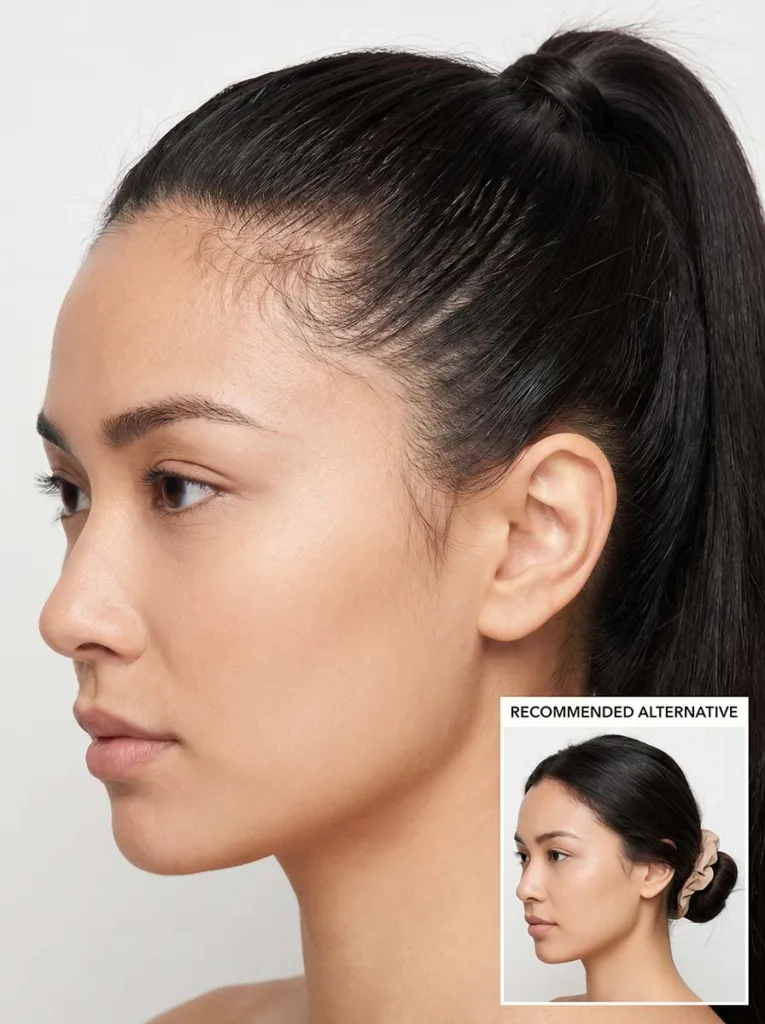
Ponytails, buns, and braids that pull constantly on the hairline cause traction alopecia, a form of hair loss from mechanical stress on the follicle. Vary your styles and use soft hair ties.
5. Skipping Scalp Care During Protective Styling
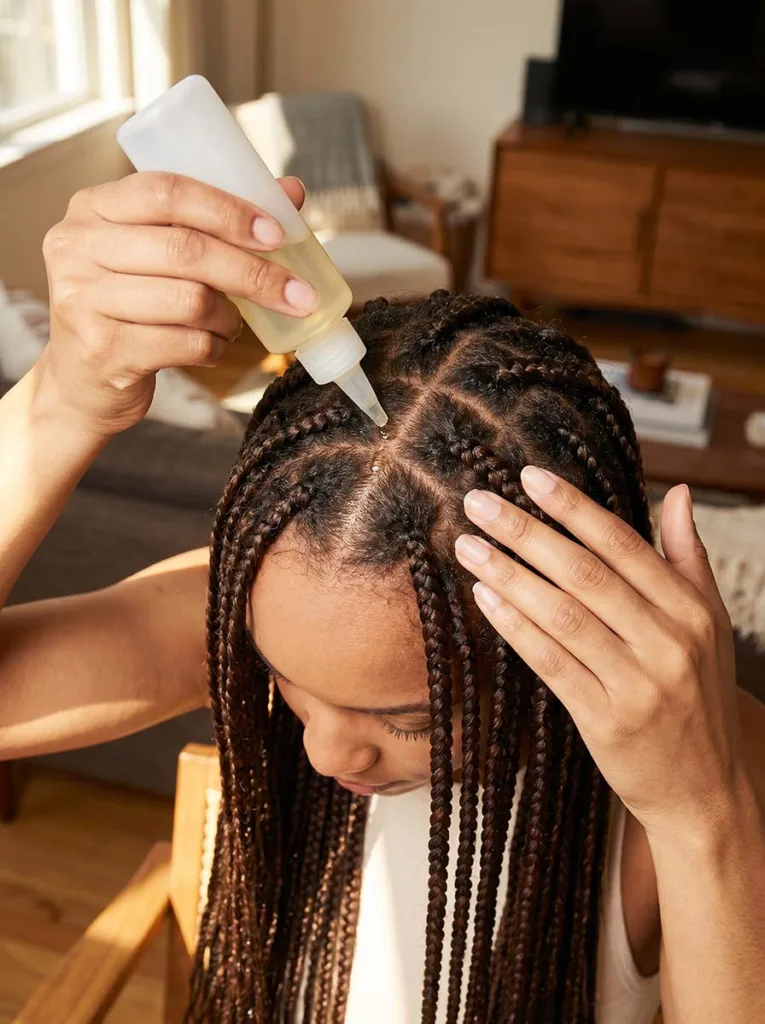
Many people assume protective styles mean zero maintenance. Neglecting the scalp for weeks or months under braids or extensions leads to significant buildup, potential fungal issues, and matted new growth.
When to See a Dermatologist
Some scalp conditions require more than a better routine. See a board-certified dermatologist if you experience:
- Hair loss in circular patches (potential alopecia areata)
- Severe, persistent dandruff that does not respond to medicated shampoo after 4 weeks
- Yellow or red crusty patches on the scalp (seborrheic dermatitis)
- Sudden, dramatic shedding after illness, surgery, or extreme stress (telogen effluvium)
- Scalp pain, sores, or open lesions
A dermatologist can perform a scalp biopsy, check iron and hormone levels, and prescribe topical or oral treatments, including prescription minoxidil, finasteride, or corticosteroid injections, that are not available over the counter.
Do not wait years before seeking help. Early intervention dramatically improves outcomes for most scalp and hair loss conditions.
FAQ Section
1. How long does it take to see results from scalp care?
Most people notice reduced itching and less flaking within 2 to 4 weeks of consistent scalp care. Measurable improvements in hair thickness and growth rate typically take 3 to 6 months, because that is the length of a full hair growth cycle.
2. Can a dry scalp cause hair loss?
Yes. A chronically dry scalp disrupts the follicle environment, increases inflammation, and can accelerate shedding. Treating dryness with the right oils, a gentle shampoo, and adequate hydration usually reverses this type of loss within a few months.
3. Is scalp massage actually proven to grow hair?
Research supports it. A 2016 study found that 4 minutes of daily scalp massage increased hair thickness after 24 weeks. The mechanism is increased blood flow delivering more nutrients to follicles. Daily massage delivers the most benefit.
4. What is the best oil for scalp health?
Rosemary oil (diluted in jojoba or coconut oil) has the strongest clinical evidence for stimulating hair growth. Jojoba oil is best for balancing oily scalps. Castor oil works well for dry or damaged scalps.
Conclusion
Scalp health is not a bonus step. It is the foundation everything else builds on. Start with a sulfate-free shampoo, add exfoliation every week or two, and commit to daily massage. Add the right oil for your scalp type and a serum with clinically backed ingredients. Support it with enough protein and iron. Your scalp is a living ecosystem, and it responds to consistent care. Start this week and give it a full 90 days before judging the results.
For more insightful articles related to hair care, please visit VelvetBoard.