Remove Dandruff Naturally at Home: 9 Remedies That Work
There is a reason dandruff keeps coming back no matter what shampoo you try. It is not the shampoo. The real driver is Malassezia, a yeast-like fungus present on every scalp, responsible for roughly 50% of adult dandruff cases. Shampoo masks symptoms temporarily. It rarely fixes the root problem.
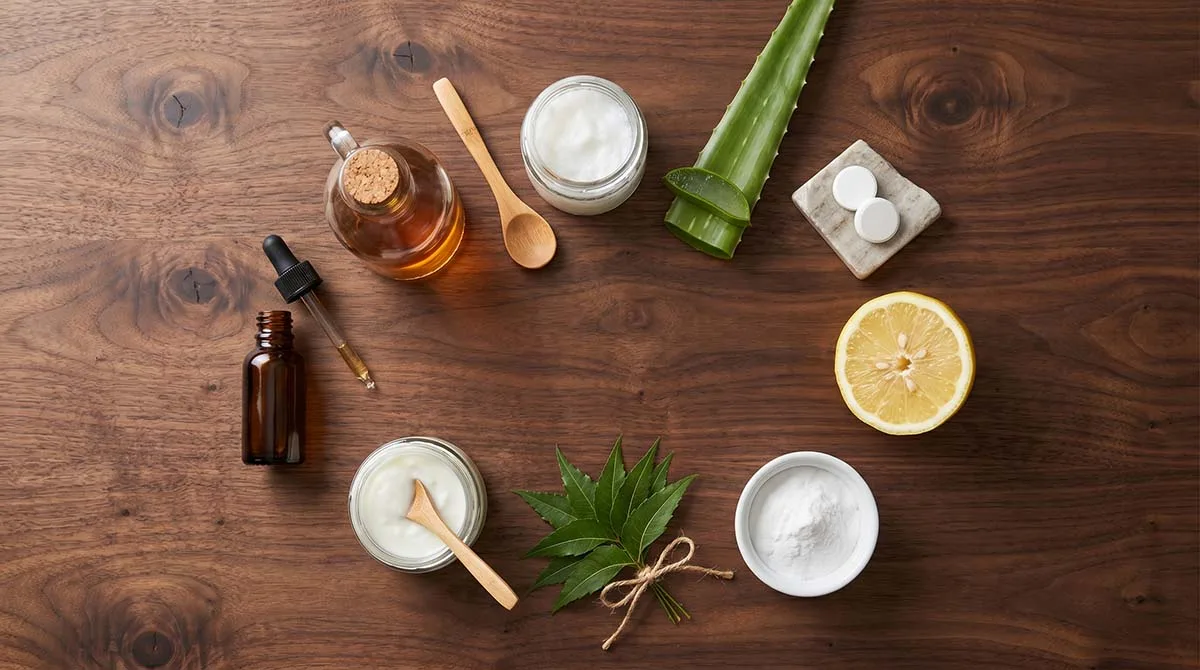
Learning how to remove dandruff naturally at home starts with knowing what you are treating. These 9 remedies address the actual causes: fungal overgrowth, pH imbalance, inflammation, and scalp buildup. Most ingredients are already in your kitchen. Each comes with exact steps, the right frequency, and guidance on which scalp type it works best for.
What Actually Causes Dandruff
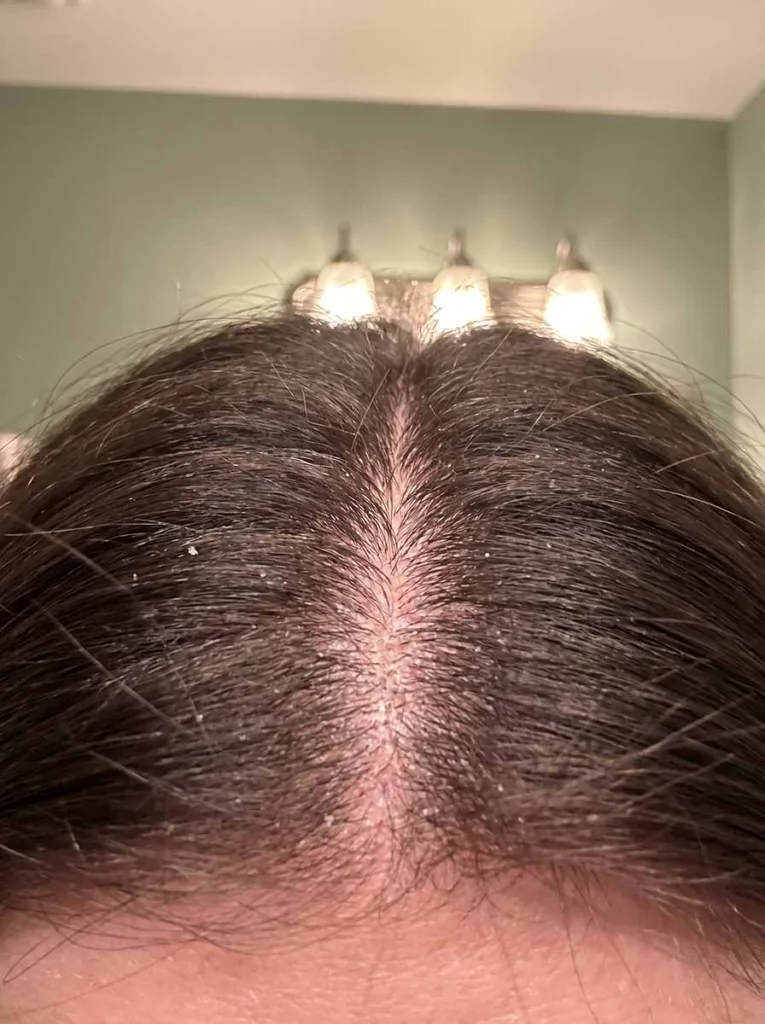
Dandruff is not simply dry skin. Treating it that way is one of the most common reasons home remedies fail. The remedy that works depends on the root cause, and shampoo rarely addresses it.
The main culprit is Malassezia, a yeast-like fungus that lives on most scalps without problems. When it grows out of control, it breaks down scalp oils into oleic acid. That compound irritates the skin and triggers rapid cell turnover. The excess dead cells are the flakes you see.
Dry Scalp Vs. Oily Scalp Dandruff
Both types flake, but they need different approaches.
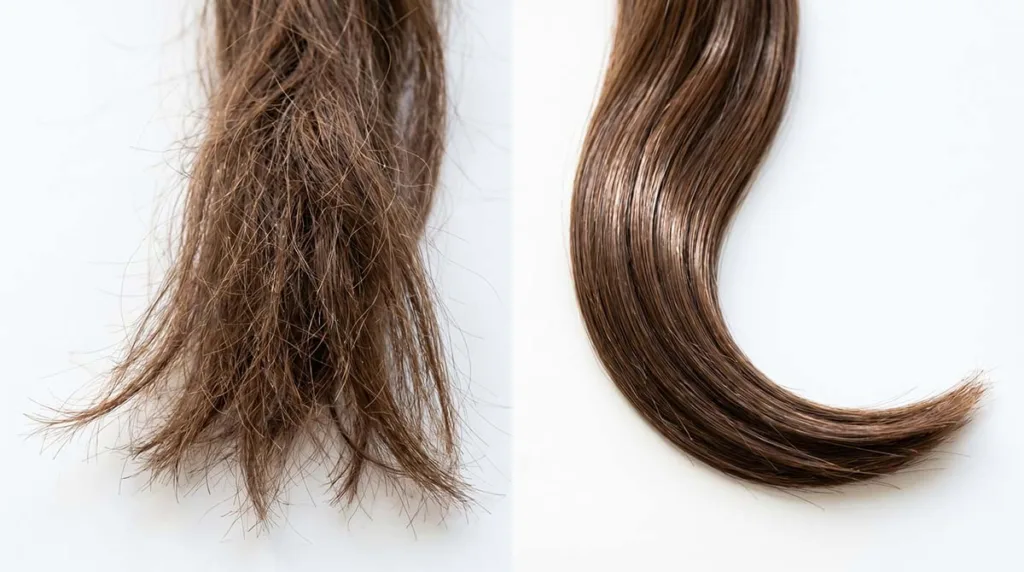
Dry scalp dandruff produces small, powdery white flakes. The scalp often feels tight or slightly itchy, and it tends to get worse in cold, dry weather.
Oily scalp dandruff, which is linked to seborrheic dermatitis, produces larger, yellowish flakes that can look greasy. The scalp may feel red or irritated.
Small white flakes usually point to dryness; large yellowish ones usually point to oil-driven fungal growth.
Common Dandruff Triggers
- Stress weakens the immune response, making it harder for your scalp to keep Malassezia in check
- Hormonal changes increase sebum production, giving the fungus more to feed on
- Infrequent washing lets oil and dead skin cells pile up
- Sulfates and alcohol-heavy sprays strip the scalp and throw off its natural pH balance
9 Natural Remedies to Remove Dandruff at Home
No single remedy works for everyone. The same ingredient behaves differently depending on scalp type and dandruff severity. Start with the remedy that best matches your situation. Give it at least 2 to 3 weeks of consistent use before deciding if it is working.
1. Tea Tree Oil
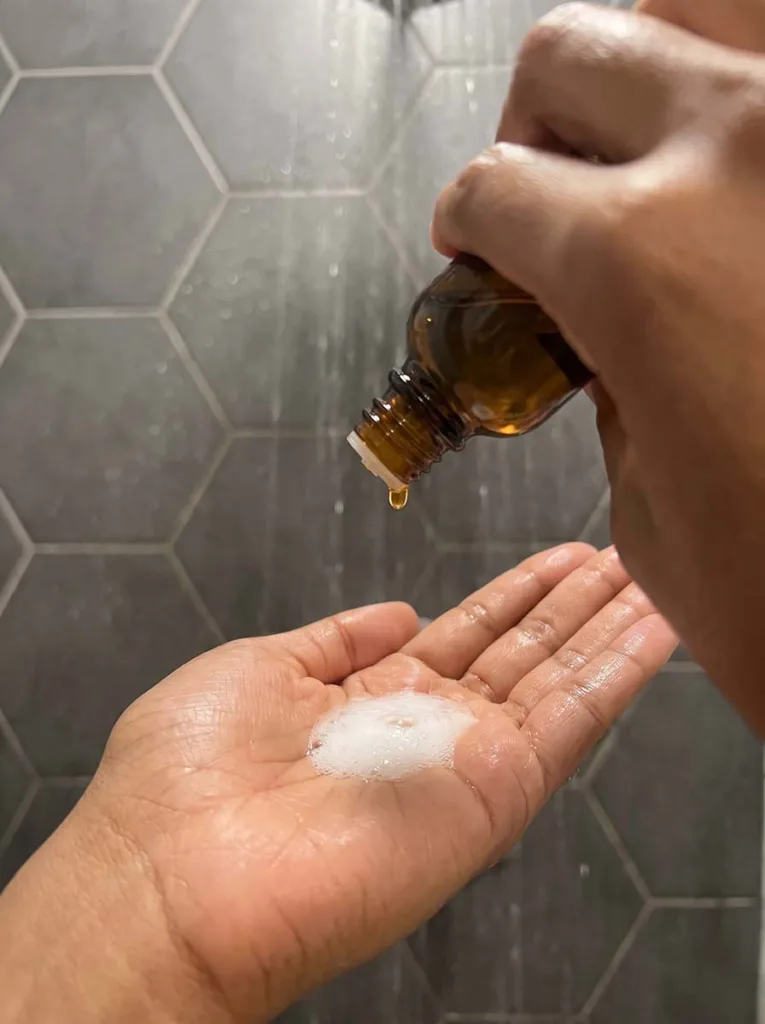
Tea tree oil is one of the most studied natural antifungal agents available. A 2002 clinical trial in the Journal of the American Academy of Dermatology found that a 5% tea tree oil shampoo reduced dandruff by 41% over four weeks. It targets Malassezia directly.
Do not apply it undiluted. Add 5 drops to your regular shampoo and massage into the scalp. Leave it for 3 to 5 minutes, then rinse. Use it every wash, roughly 2 to 3 times per week.
2. Apple Cider Vinegar
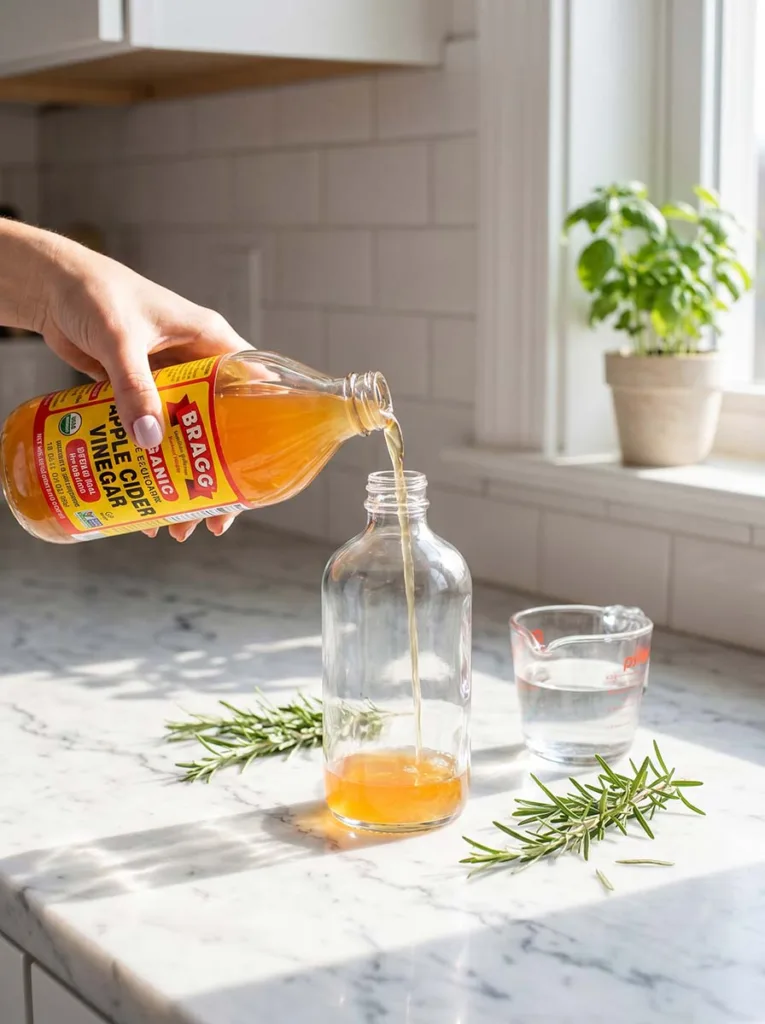
A healthy scalp sits between 4.5 and 5.5 on the pH scale. When it tips too alkaline, Malassezia grows more easily. Apple cider vinegar (ACV) lowers the scalp’s pH back into a range where Malassezia grows more slowly.
Mix equal parts ACV and water in a spray bottle or small bowl. After shampooing, apply it to your scalp, work it in with your fingertips, and leave it for 5 minutes before rinsing with cool water. Once a week is enough. Used more frequently, ACV can dry the scalp out.
3. Coconut Oil
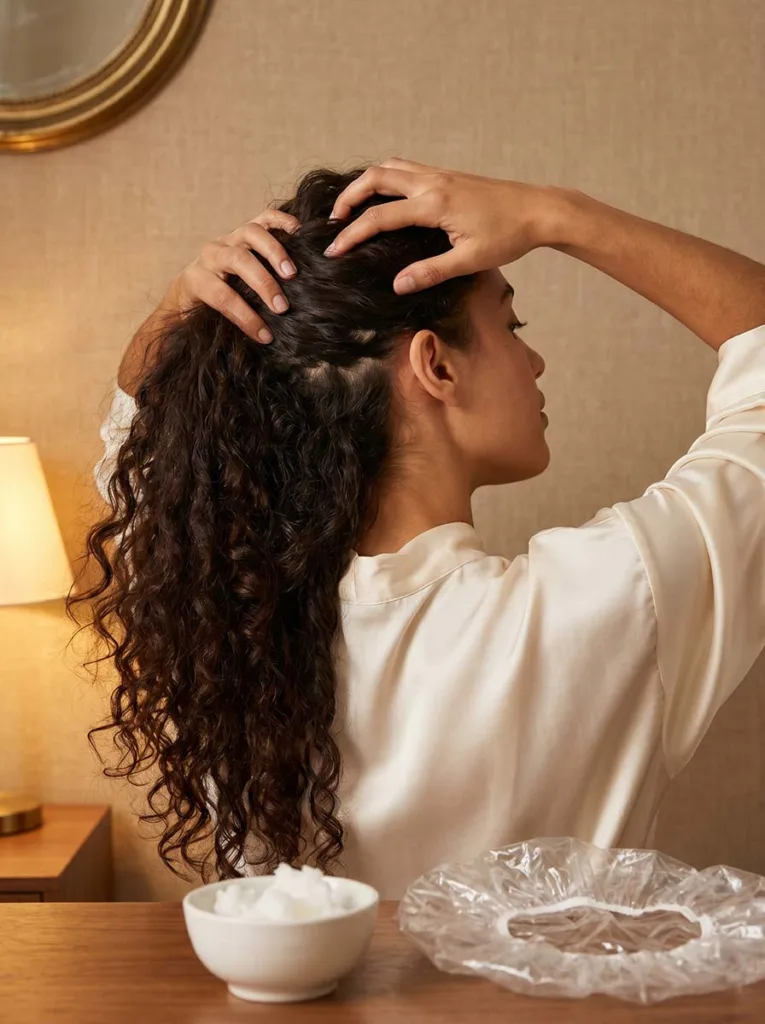
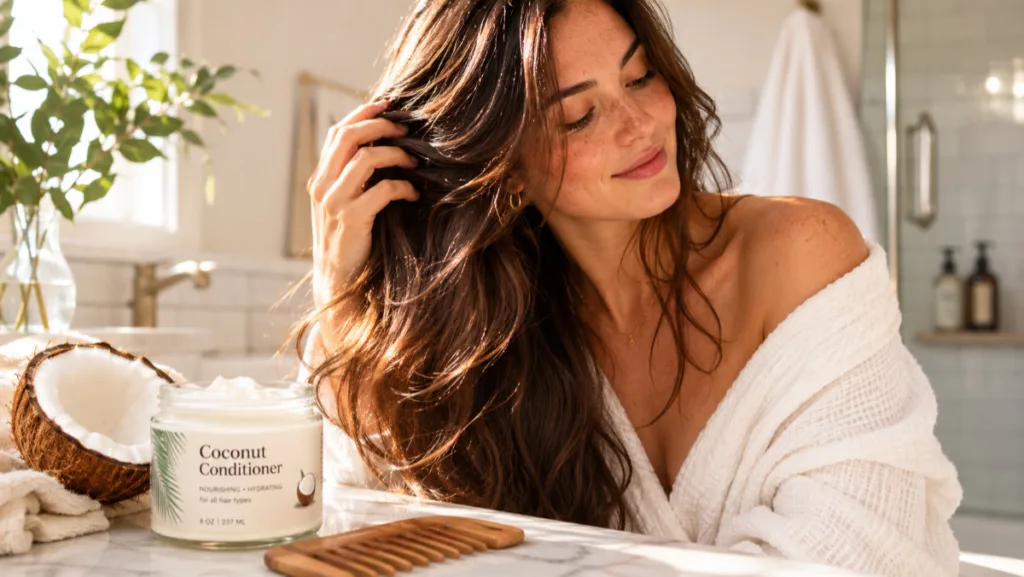
Coconut oil moisturizes deeply and fights fungal growth through its lauric acid content, which inhibits Malassezia and certain bacteria. It works best for dry scalp dandruff, where flakes come paired with tightness and itching.
Warm 2 to 3 tablespoons between your palms. Massage it into the scalp in small circular motions for about 5 minutes and leave it on for at least 30 minutes. Overnight with a shower cap works well for a deeper treatment. Shampoo it out thoroughly afterward since residue can clog hair follicles. Use it once or twice a week.
4. Aloe Vera
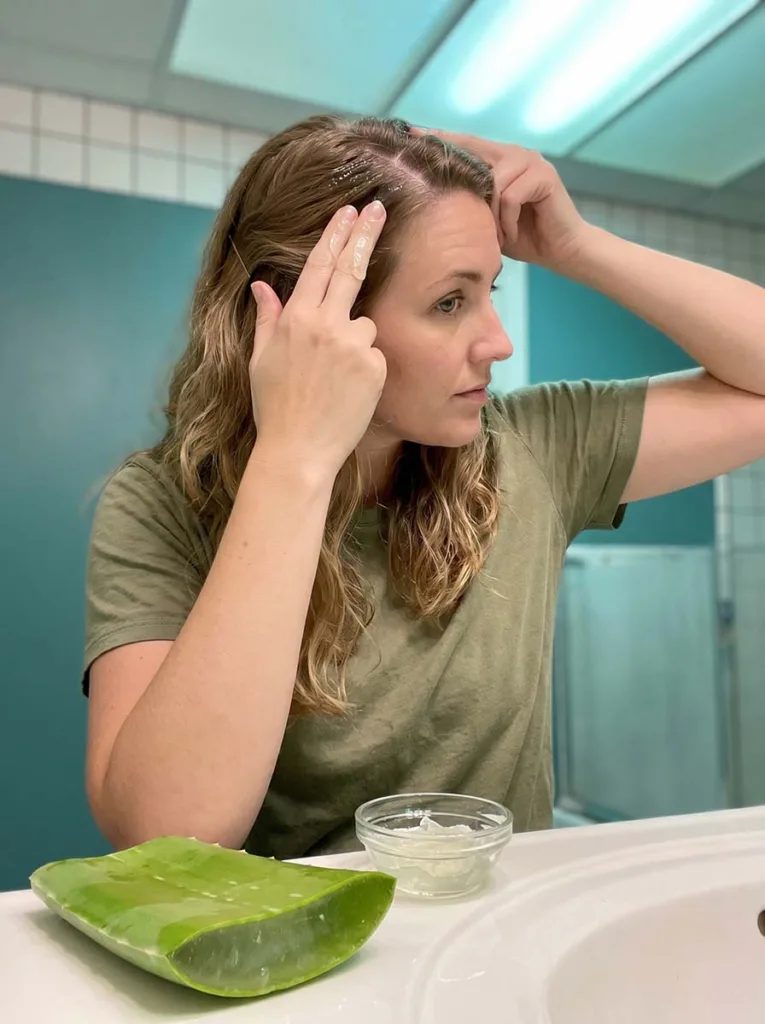
Aloe vera targets the inflammation that makes dandruff uncomfortable rather than the fungus itself. Its anti-inflammatory compounds, aloin and anthraquinones, calm irritation, redness, and itching. It also provides lightweight moisture without adding grease to an oily scalp.
Scoop fresh gel from an aloe leaf, or use a store-bought gel with no added fragrance or alcohol. Apply it directly to the scalp (not just the length of the hair), massage gently, and leave it for 30 minutes. Rinse with a mild, sulfate-free shampoo and cool water. Repeat 2 to 3 times a week.
5. Neem
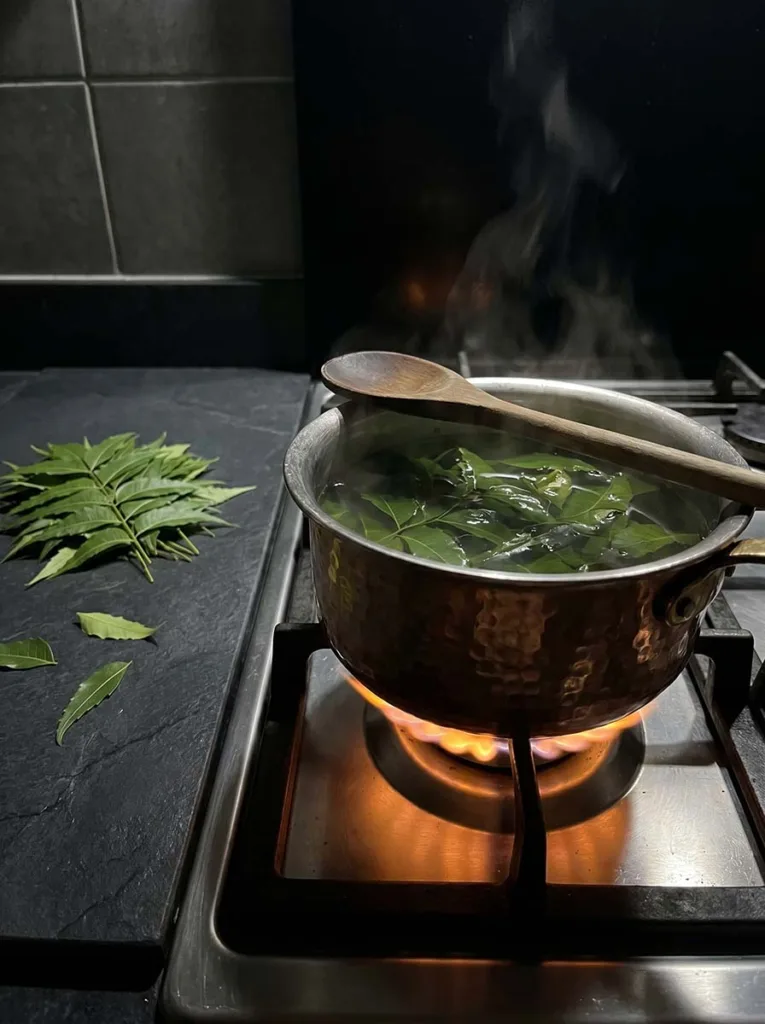
Neem has been used in Ayurvedic hair care for centuries. Studies confirm neem extracts inhibit both Malassezia and Candida species, making it one of the stronger natural antifungal options available. It is worth reaching for when other remedies have not cleared stubborn or recurring dandruff.
Boil a generous handful of neem leaves in 2 cups of water for 10 minutes. Let it cool and strain out the leaves. Pour the neem water over your scalp after shampooing as a final rinse. Do not rinse it out. Use it twice a week.
6. Baking Soda
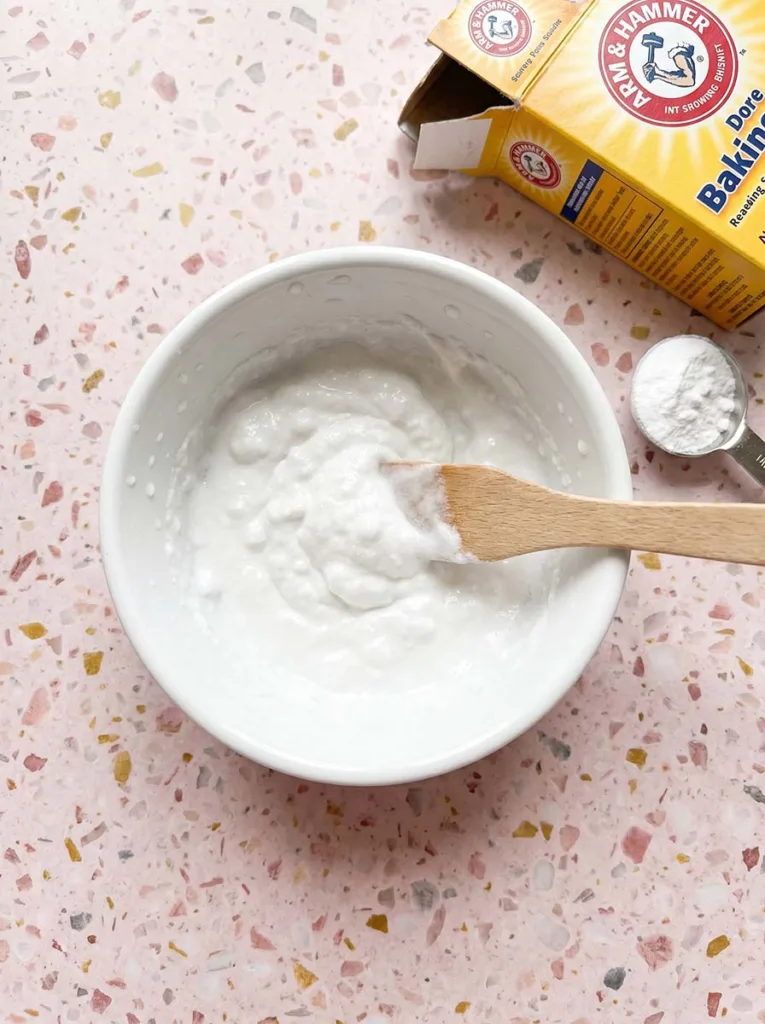
Baking soda is a physical scalp exfoliant that scrubs away dead skin cells and excess oil between washes. It also has mild antifungal properties. It works best for mild dandruff where visible flake accumulation is the main problem, before fungal overgrowth becomes significant.
Mix 1 tablespoon with just enough water to make a paste. Apply it to a wet scalp, massage gently for 2 to 3 minutes, and rinse well. Stick to once a week at most. Baking soda is alkaline, and overuse can disrupt the scalp’s natural pH over time.
7. Lemon Juice
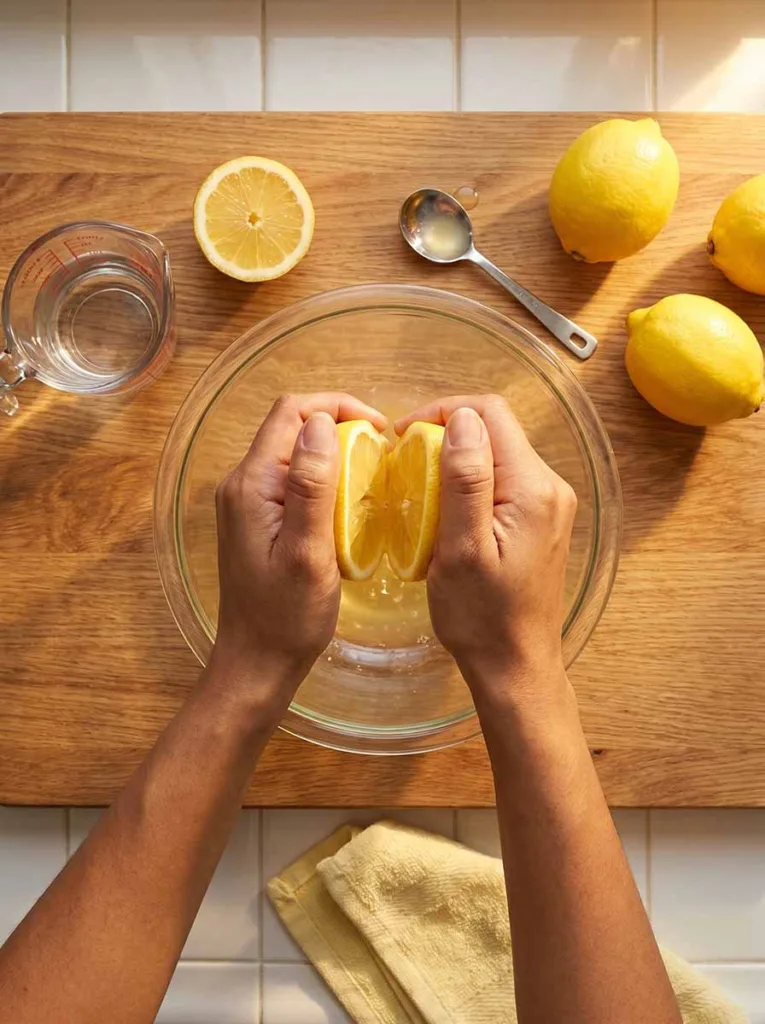
Lemon juice lowers scalp pH through its citric acid content, making conditions less favorable for Malassezia. It also has mild antimicrobial properties.
Massage 2 tablespoons of fresh lemon juice into your scalp and let it sit for 1 to 2 minutes. Follow up by mixing 1 teaspoon of lemon juice into a cup of water and using it as a rinse. Always patch test first. People with sensitive skin, cuts, or sores on the scalp can find it irritating. Avoid going outside right after use since citric acid increases scalp sun sensitivity. Use it once a week.
8. Aspirin (Salicylic Acid)
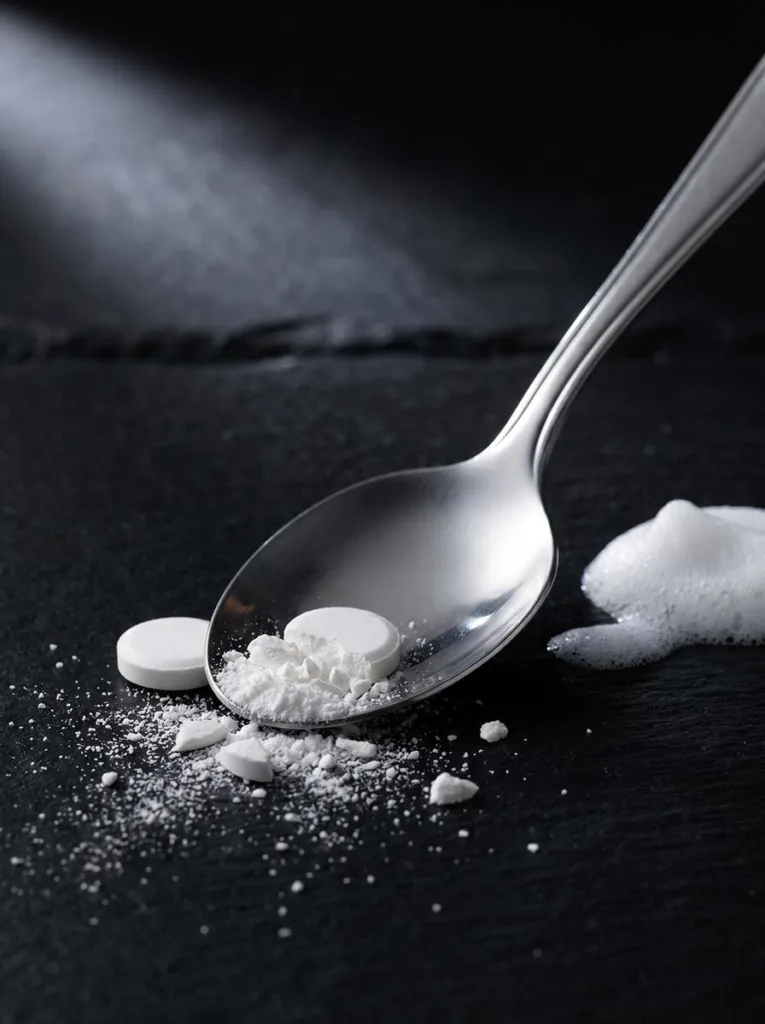
Aspirin contains salicylic acid, the same active ingredient in many over-the-counter medicated dandruff shampoos. Salicylic acid is a keratolytic agent, meaning it breaks down the bonds between dead skin cells so they shed more efficiently.
Crush 2 uncoated aspirin tablets into a fine powder and stir it into your usual amount of shampoo. Massage the mixture into the scalp and leave it for 1 to 2 minutes before rinsing completely. Use it once a week. Skip this one if you have a salicylate sensitivity or any broken skin on the scalp.
9. Yogurt And Probiotics
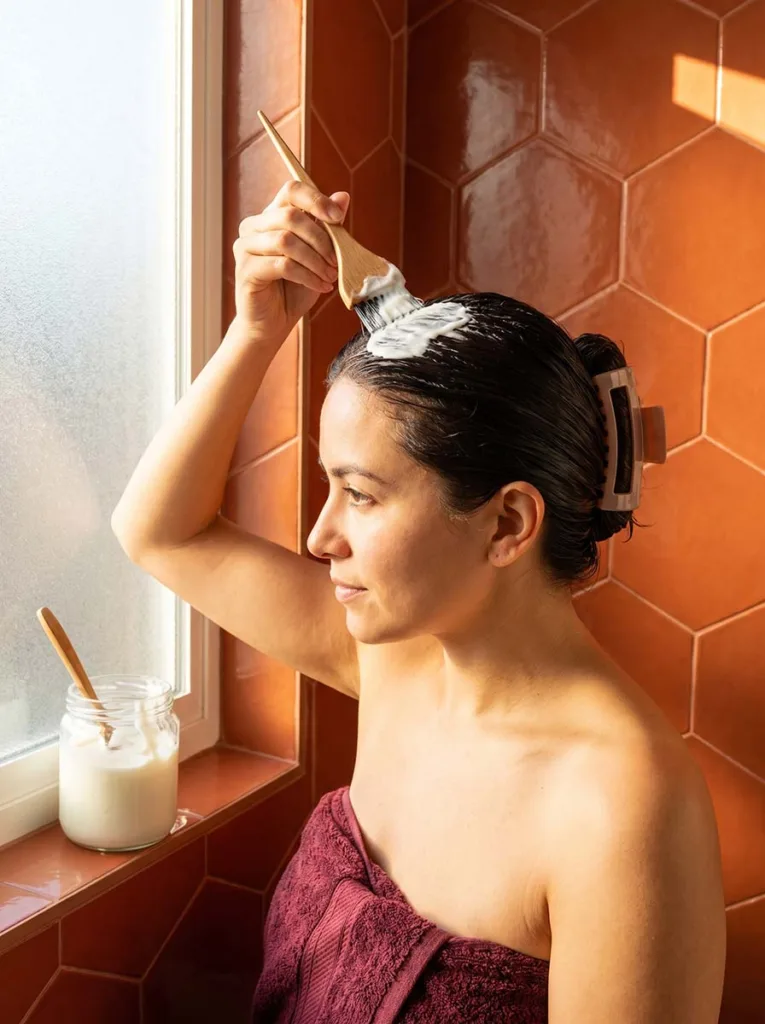
Plain yogurt contains live probiotic cultures, beneficial bacteria that help restore balance to the scalp’s microbiome. A 2018 study published in Frontiers in Cellular and Infection Microbiology found that healthy and dandruff-affected scalps show distinct differences in microbiome composition, confirming that scalp microbial balance directly influences dandruff severity. Disruptions from antibiotics or harsh products can tip that balance and contribute to dandruff. Topically, yogurt’s lactic acid also provides mild exfoliation.
Apply 3 to 4 tablespoons of plain, full-fat yogurt (not flavored) directly to the scalp, massage it in, and leave it for 20 to 30 minutes. Rinse with lukewarm water, then shampoo normally. Use it once a week. Eating yogurt daily or taking an oral probiotic supplement can support scalp health from the inside as well.
Foods And Lifestyle Habits That Make Dandruff Worse
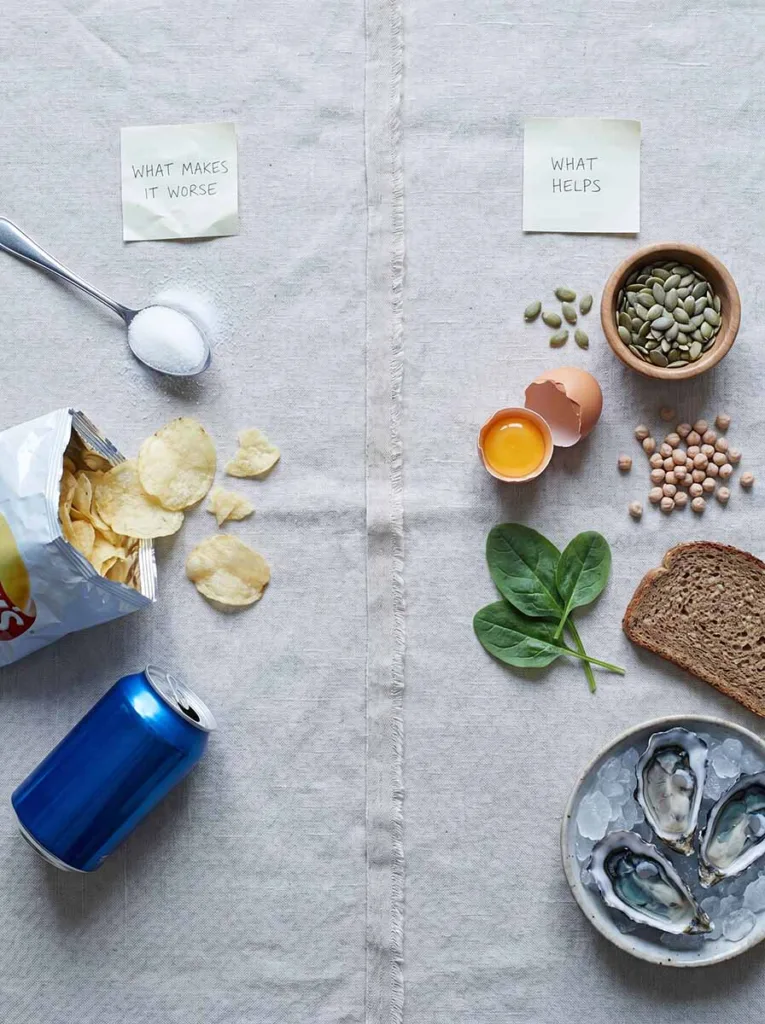
Applying remedies to your scalp works better when your daily habits are not undoing that work. Diet and stress drive some of the most persistent dandruff cases.
Diet
Diet matters more than most people expect. A diet high in refined sugar and processed carbohydrates causes rapid blood sugar spikes. Those spikes trigger hormonal shifts that increase sebum production, giving Malassezia more to feed on. Foods high in zinc (pumpkin seeds, chickpeas, oysters) and B vitamins (eggs, whole grains, leafy greens) support a healthier scalp environment. Both are worth adding to your regular diet.
Stress
Stress weakens immune function, letting Malassezia grow unchecked. Even a short high-stress stretch, a brutal deadline week or a difficult month, can cause a visible flare-up. Regular sleep and daily movement help keep the immune response steady.
Washing Frequency
Washing frequency also plays a role. Washing 2 to 3 times per week with a gentle, sulfate-free shampoo keeps oil and dead skin from building up without stripping the scalp dry. Washing too rarely lets oil accumulate; washing daily with a harsh shampoo tips the scalp toward dryness. Both ends of that spectrum can make dandruff worse.
When Natural Remedies Are Not Enough
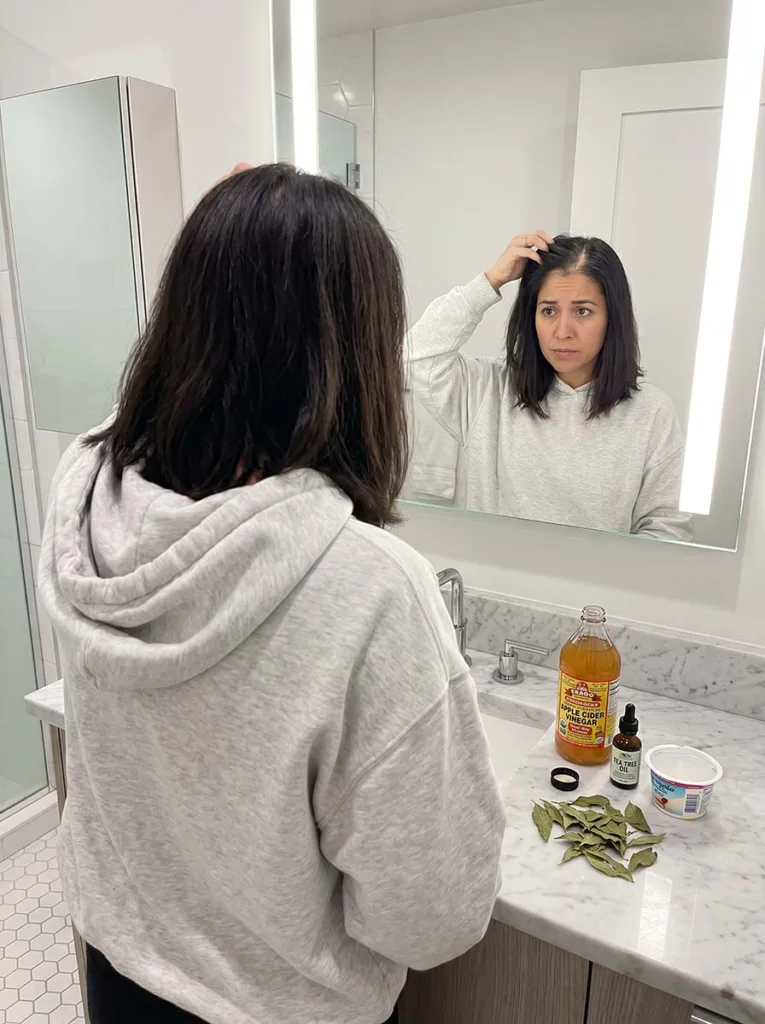
Most mild to moderate dandruff clears up with consistent natural treatment over 4 to 6 weeks. Some cases need more.
If two or more remedies fail after four weeks of consistent use, the dandruff is likely driven by significant fungal overgrowth. A medicated shampoo containing zinc pyrithione, selenium disulfide, or ketoconazole is the next step. These ingredients target Malassezia more aggressively than any natural remedy.
See a dermatologist if you notice:
- Thick, crusty, yellow patches on the scalp that do not respond to any treatment
- Red, inflamed skin spreading beyond the scalp to your face, eyebrows, or ears
- Hair thinning or significant scalp shedding alongside the flaking
- Symptoms that clear up briefly but keep returning within a few weeks
These patterns can indicate seborrheic dermatitis, a chronic inflammatory condition that is related to dandruff but requires ongoing medical management rather than kitchen remedies.
How to Prevent Dandruff From Coming Back
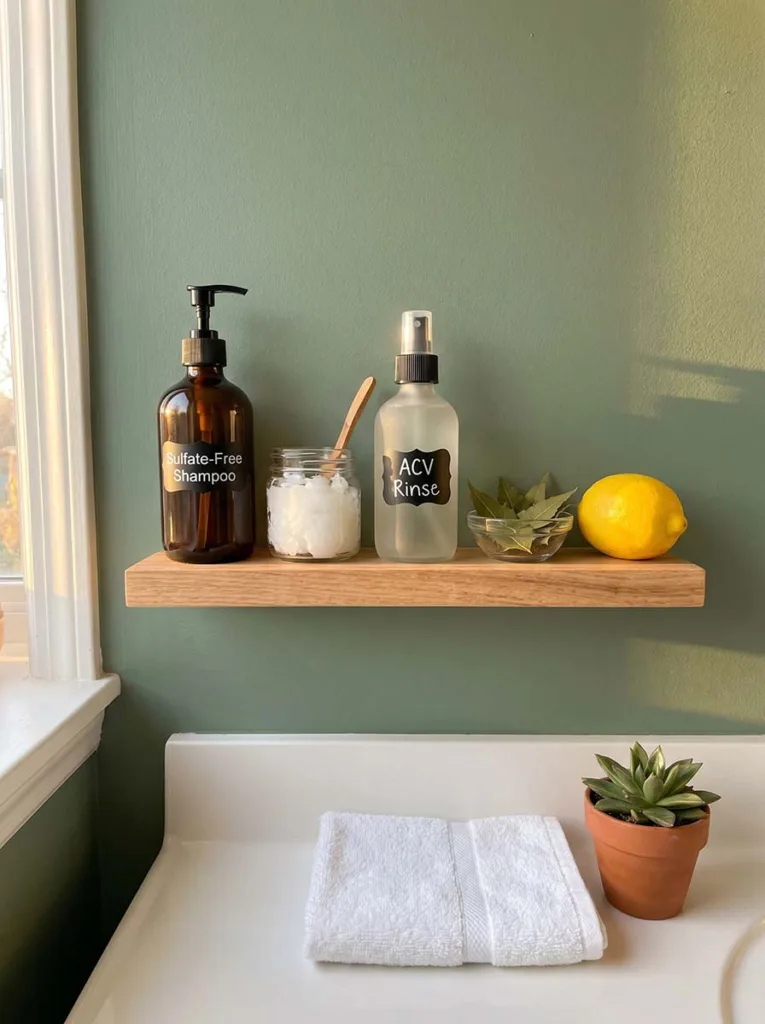
Most people clear up dandruff without much trouble. Keeping it clear is where consistency matters.
Stick with one or two remedies on a light weekly schedule even after the flakes are gone. Malassezia is always present on the scalp in small amounts, so the goal is balance, not elimination. A weekly coconut oil treatment or a monthly apple cider vinegar rinse usually holds that balance without much effort.
Longer-term, keep your scalp’s microbiome healthy by eating a varied diet, keeping sugar low, and avoiding unnecessary antibiotic use. Choose hair products that are sulfate-free and skip anything with heavy alcohols, which break down the scalp’s natural barrier over time. Most natural remedies fail because people stop using them once the symptoms ease, not because the remedies stopped working.
FAQ Section
How long does it take to remove dandruff naturally at home?
Most natural remedies show visible results within 2 to 4 weeks with consistent use. Severe or long-standing dandruff may take up to 6 weeks. Using a remedy weekly without skipping works better than doing intense treatments sporadically.
Can dandruff go away on its own?
Mild dandruff sometimes improves on its own when seasonal conditions change or stress decreases. Because dandruff is driven by Malassezia fungus, though, it tends to return without regular treatment. Active home remedies are more reliable than waiting it out.
Is dandruff contagious?
No. Dandruff is not contagious. It is caused by your scalp’s individual response to a naturally occurring fungus, not by contact with another person. Sharing combs or hats is unhygienic for other reasons, but dandruff itself does not pass from person to person.
Conclusion
Dandruff is common, and most cases respond well to natural treatment without medicated products. Start with a remedy matched to your scalp type: tea tree oil for fungal-driven dandruff, coconut oil for dry scalp flaking, or apple cider vinegar for oily roots. Use it consistently for at least three weeks, pair it with a lower-sugar diet and gentle washing habits, and keep using it after the flakes clear. Stopping early is where most people go wrong.
For more helpful articles related to hair and scalp care, please visit VelvetBoard.