9 Natural Remedies for Weak Hair: DIY Recipes That Work
One morning you notice your broken hair in the drain. Then on your brush. Then in your hands when you run them through your hair. It builds slowly, and then one day it just feels like too much.
Most products sit on the surface and make your hair feel better temporarily without fixing anything. Weak hair needs protein to rebuild the strand and moisture to keep it flexible. You can do both with things already in your kitchen.
These 9 natural remedies for weak hair at home are backed by clinical research, cheap, and take less than an hour a week.
What Causes Weak Hair In The First Place
Hair strength depends on keratin, a structural protein making up around 95% of each strand. When keratin is damaged or depleted, strands become brittle, dry, and prone to snapping.
Nutritional deficiencies hit hair hard. Low levels of biotin, iron, and dietary protein all compromise hair follicle function. Your follicles need iron to produce healthy cells. Without enough protein in your diet, your body cannot build strong strands from the inside out.
Heat and chemical damage cooks the protein inside each strand. Flat irons, bleach, and relaxers break down the disulfide bonds that give hair its structure. Once those bonds break, the strand stays weakened unless you actively rebuild from the outside.
Environmental stressors like UV rays, hard water, and pollution strip away the natural oils that protect your hair cuticle. Without that protective layer, moisture escapes and strands dry out fast.
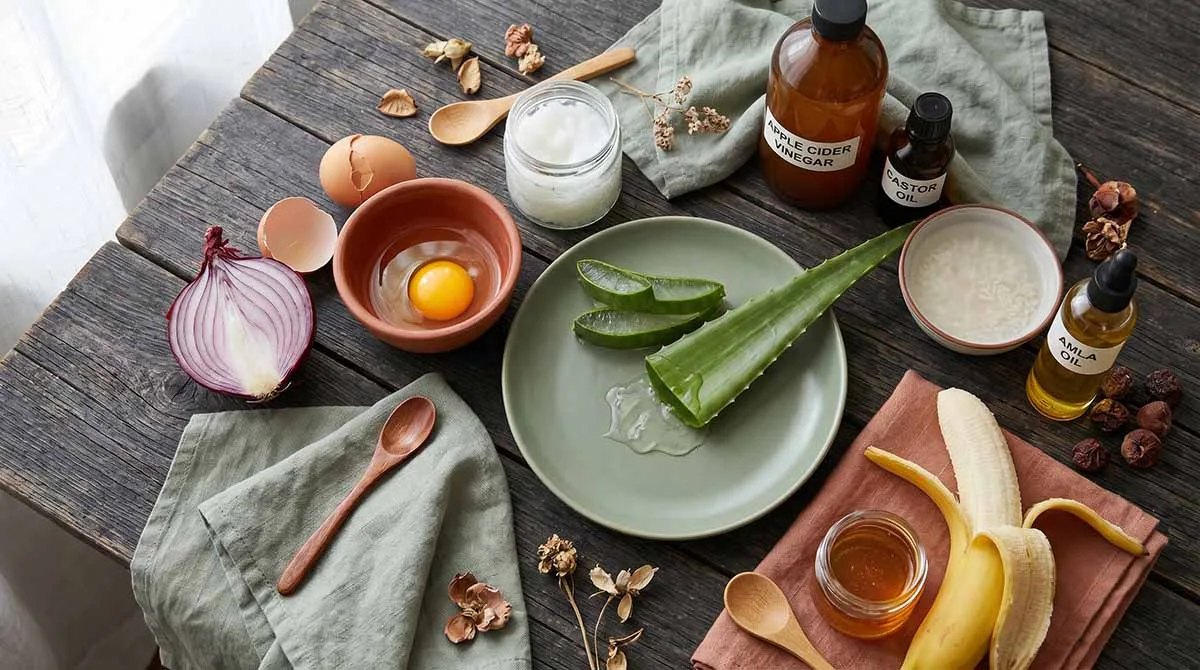
9 Natural Remedies For Weak Hair At Home
Some of these deliver protein, some restore moisture, and some stimulate scalp circulation to encourage healthier growth. You don’t need all nine. Pick the one that matches your hair’s biggest problem and start there.
1. Onion Juice Treatment
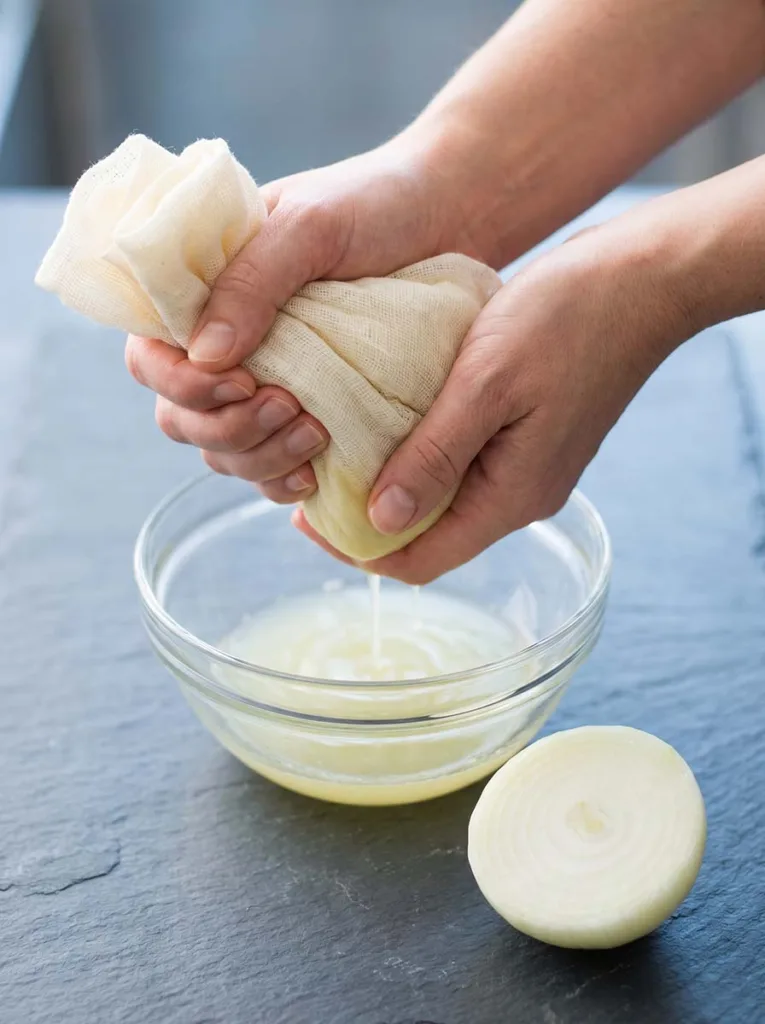
Onion juice is one of the most well-studied home remedies for weak hair. A 2014 clinical trial published in the Journal of Dermatology found that 86.9% of participants who applied onion juice twice daily for 6 weeks showed significant hair regrowth, compared to just 13.3% in the control group.
It comes down to sulfur, an essential mineral in keratin production. Onion juice is rich in sulfur, which supports the structural bonds inside each strand and improves blood circulation to the scalp.
How to make it:
- Blend or grate 1 medium onion and strain out the juice using a fine mesh strainer or cheesecloth
- Apply directly to your scalp using a cotton ball or your fingertips
- Massage gently for 2 to 3 minutes to boost absorption
- Leave on for 30 to 45 minutes
- Rinse with a mild, sulfate-free shampoo
Good for fine, thinning hair that breaks at the root. Apply 2 to 3 times per week. The smell fades completely after rinsing. Expect reduced shedding within 4 to 6 weeks and visible new growth by 3 months of consistent use.
2. Egg Protein Mask
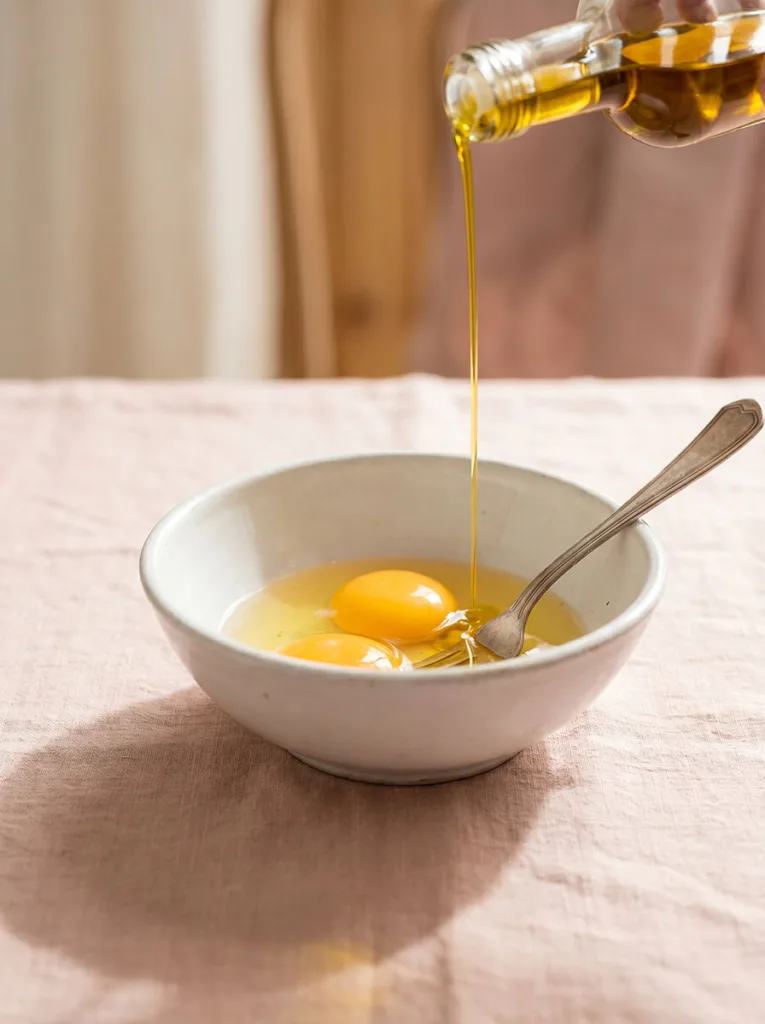
Hair is essentially pure protein. When strands are weak and brittle, a protein treatment rebuilds the structural integrity of the hair shaft. Eggs are one of the richest natural sources of amino acids, biotin, and keratin-building nutrients available without a prescription.
Egg whites deliver protein that fills in cracks along the cuticle. Egg yolks add fatty acids and vitamins A, D, and E, which lock in moisture and reduce frizz.
How to make it:
- Beat 2 whole eggs in a bowl until smooth
- Add 1 tablespoon of olive oil and 1 teaspoon of raw honey
- Mix into a smooth, pourable paste
- Apply from roots to ends on damp hair
- Leave on for 20 to 30 minutes
- Rinse with cool water only — hot water scrambles the egg and makes it nearly impossible to wash out
- Follow with a gentle shampoo
Good for chemically damaged, color-treated, or over-processed hair. Use once per week. If your hair feels stiff or crunchy after rinsing, you’ve hit the protein limit, so cut back to once every 10 days. Skip this one entirely if you have an egg allergy.
3. Coconut Oil Deep Conditioning
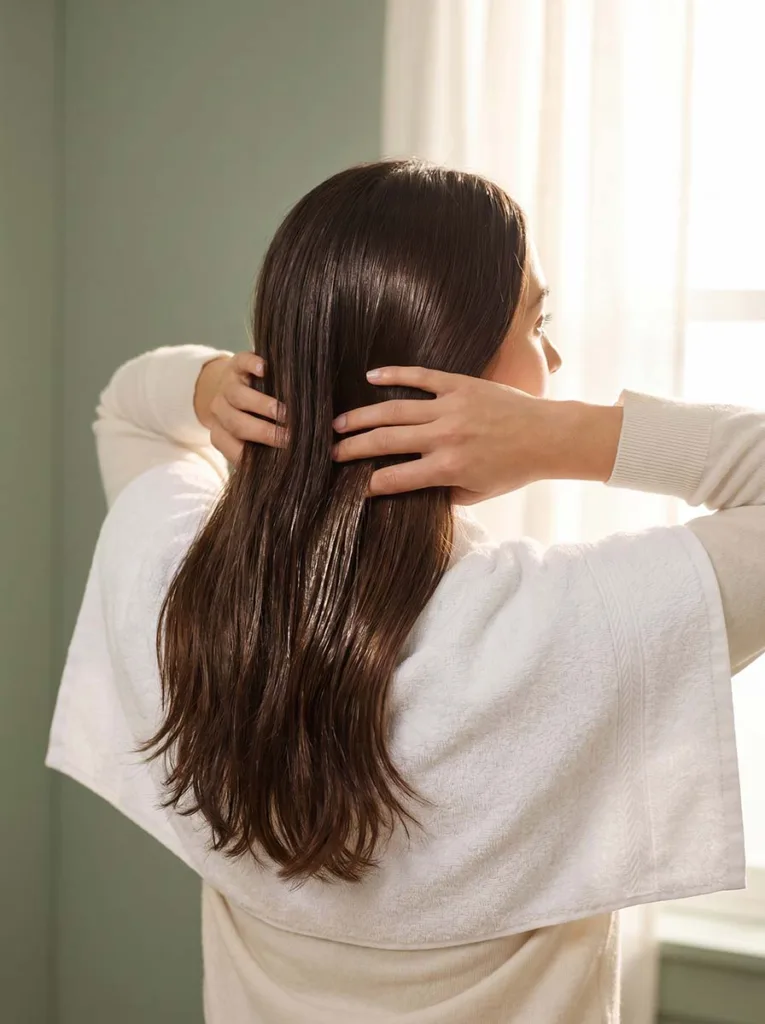
Coconut oil penetrates the hair shaft rather than just coating the surface. Research published in the Journal of Cosmetic Science confirms it reduces protein loss in both undamaged and damaged hair. Most natural oils can’t do this.
Its lauric acid content is why. Lauric acid has a low molecular weight, small enough to slip inside the strand and bind directly to the keratin proteins already there.
How to apply it:
- Warm 2 tablespoons of virgin coconut oil until just liquid, not hot
- Work it through your hair from mid-length to ends, skipping the scalp if you have oily roots
- Cover with a shower cap
- Leave on for 1 to 2 hours, or overnight for deeper penetration
- Wash out with shampoo — you’ll likely need two rounds
Good for dry, coarse, or curly hair prone to breakage and frizz. Use once a week. If your hair feels heavy or greasy the next day, cut back to once every 2 weeks and use less product.
4. Aloe Vera And Fenugreek Mask
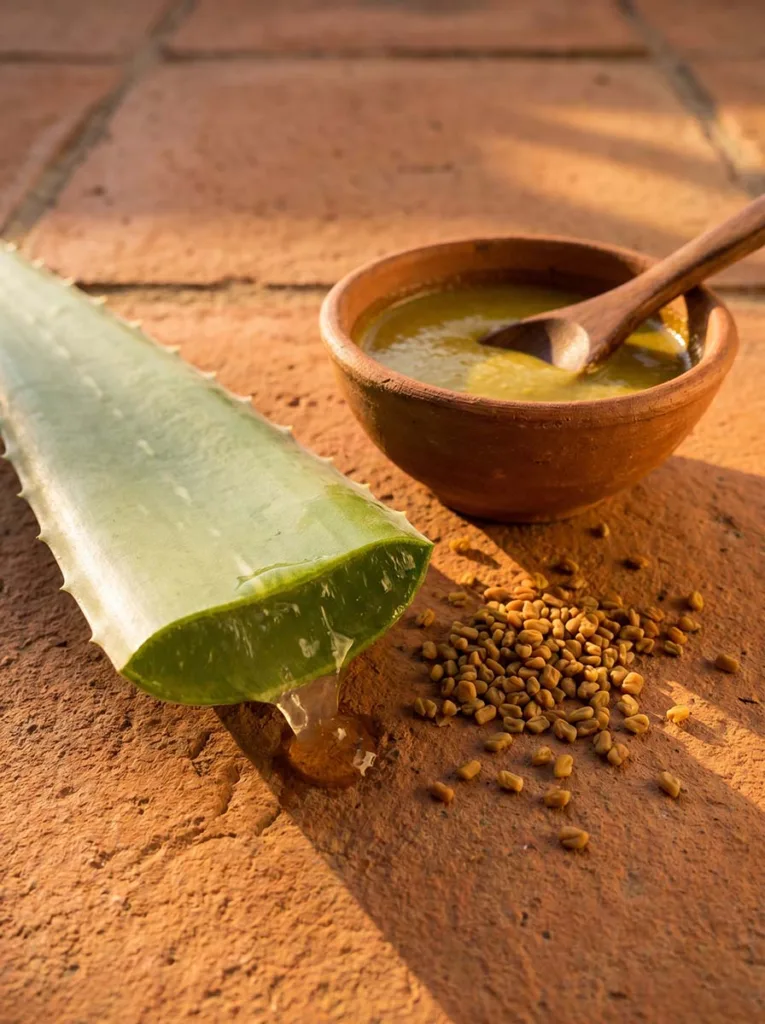
Aloe vera contains proteolytic enzymes that repair dead skin cells on the scalp, clearing blocked follicles and creating a healthier environment for growth. Fenugreek seeds are rich in nicotinic acid and plant proteins that strengthen hair roots. A 2006 study in the Journal of Ethnopharmacology found fenugreek extract reduced hair fall and improved density after 6 months of use.
How to make it:
- Soak 2 tablespoons of fenugreek seeds in water overnight
- Drain and blend into a smooth paste
- Mix with 3 tablespoons of fresh aloe vera gel until fully combined
- Apply to your scalp first, then work down through your lengths
- Cover with a shower cap and leave for 30 minutes
- Rinse with cool water and a mild shampoo
Good for weak roots, a flaky or irritated scalp, and hair that breaks close to the scalp rather than at the ends. Use once or twice a week. Fenugreek has a mild, distinctive scent that disappears after the hair dries.
5. Apple Cider Vinegar Rinse
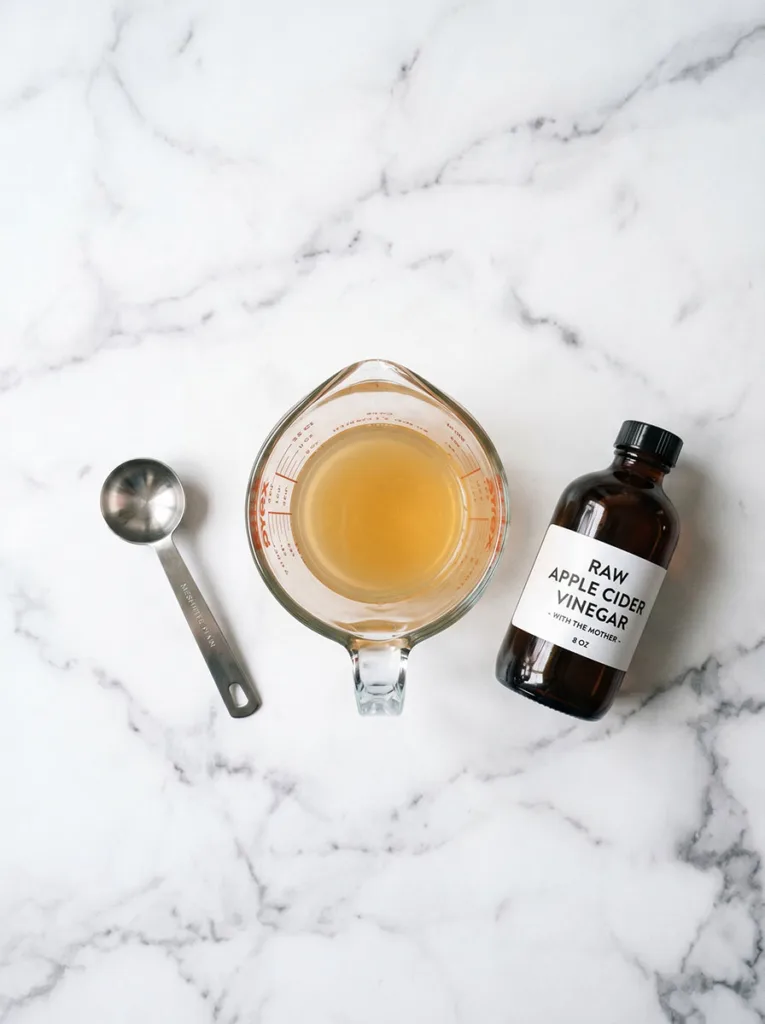
Apple cider vinegar (ACV) restores your scalp’s natural pH balance. Healthy hair sits at a slightly acidic pH of 4.5 to 5.5. Shampoos, hard water, and chemical treatments frequently push this toward alkaline, which forces the cuticle layer open and leaves strands rough and prone to breakage.
ACV closes the cuticle and removes product buildup in a single rinse.
How to apply it:
- Mix 2 tablespoons of raw, unfiltered ACV with 1 cup of water
- After shampooing and rinsing, pour the mixture slowly over your scalp and hair
- Massage gently and let it sit for 2 to 3 minutes
- Rinse with cool water
Good for dull, tangled, or breakage-prone hair caused by hard water or buildup. Use once a week as a final rinse. Never apply undiluted — concentrated ACV can irritate the scalp and strip moisture.
6. Castor Oil Scalp Massage
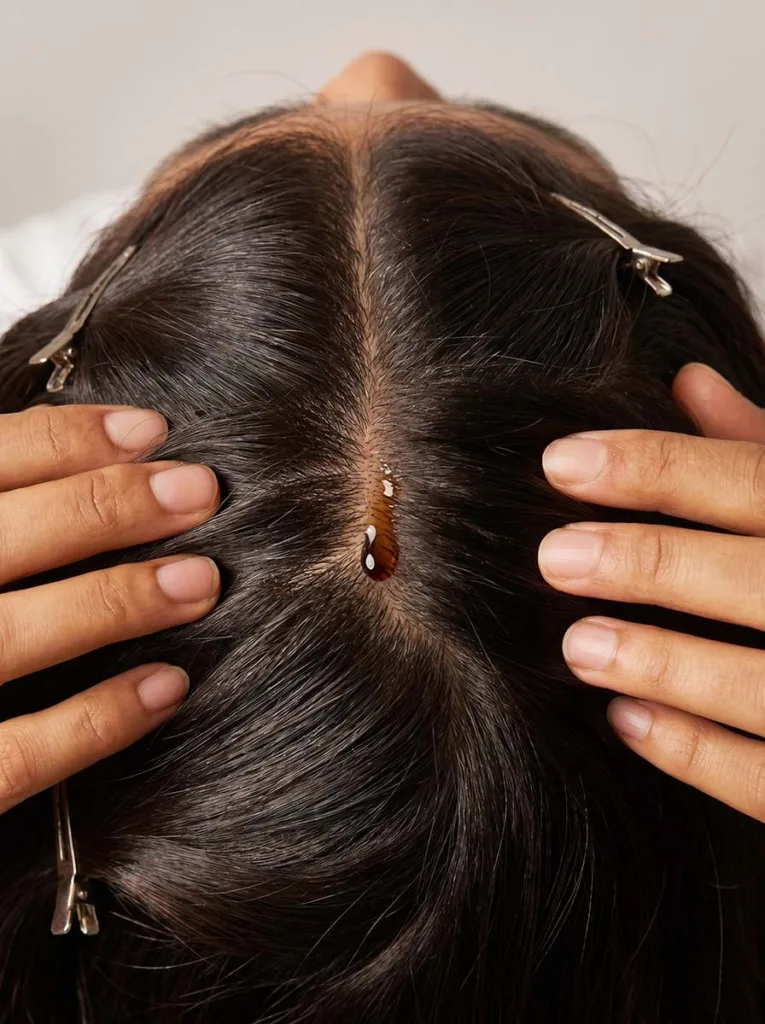
Castor oil contains ricinoleic acid, which makes up roughly 90% of its composition. When massaged into the scalp, ricinoleic acid boosts blood circulation to the follicle, increasing the flow of nutrients to actively growing strands. Its thick consistency also seals moisture into the hair shaft, keeping strands flexible rather than brittle.
How to apply it:
- Mix 1 tablespoon of castor oil with 1 tablespoon of a lighter carrier oil like argan or jojoba, as castor oil alone is too thick to distribute evenly
- Apply to your scalp section by section
- Massage for 5 minutes using firm circular motions
- Leave on for 1 to 2 hours or overnight
- Wash out thoroughly — plan on two rounds of shampoo
Good for thinning edges, slow-growing hair, and dry ends prone to snapping. Use once a week. Avoid applying to the lengths if you have fine hair, as the weight adds stress to fine strands rather than relieving it.
7. Rice Water Rinse
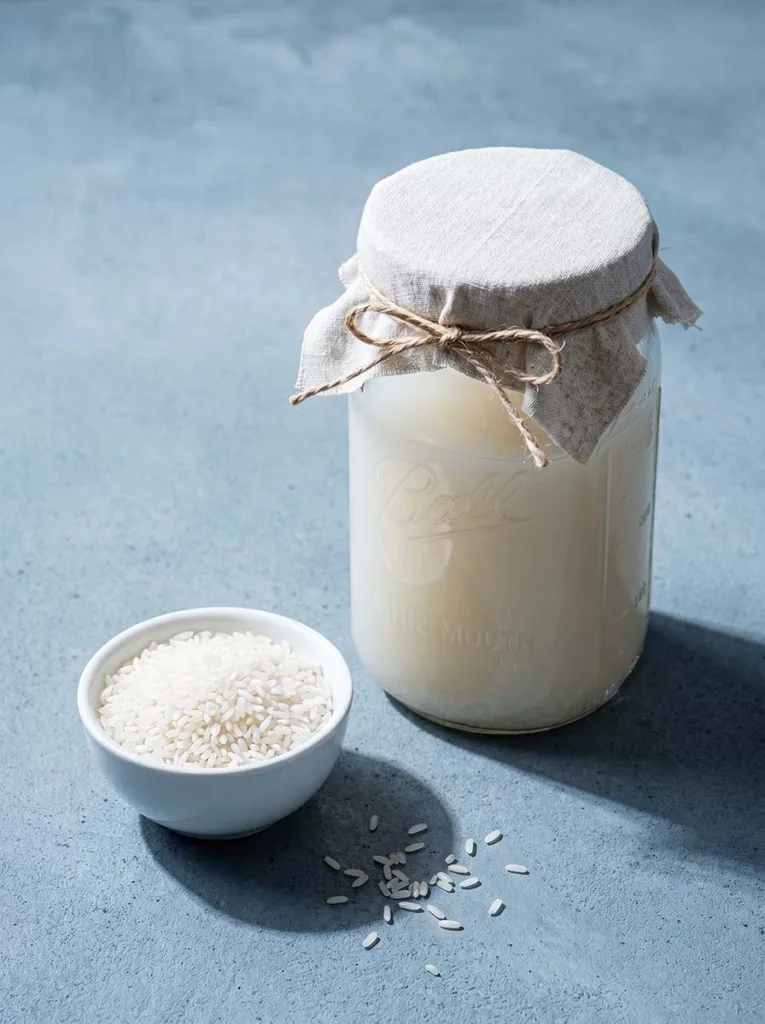
Fermented rice water has been used for hair care in parts of Asia for centuries. Research shows it has anti-elastase activity, meaning it reduces the breakdown of elastin in the hair shaft — the protein that keeps strands flexible under tension rather than snapping. It also contains inositol (vitamin B8), a compound small enough to penetrate the hair shaft and repair it from within.
Plain soaked rice water works, but fermentation increases the inositol concentration and makes the nutrients more bioavailable.
How to make it:
- Rinse half a cup of uncooked white rice to remove surface starch
- Soak in 2 cups of water for 24 to 48 hours at room temperature, covered
- Strain out the rice and dilute the liquid with 3 to 4 parts water before use — undiluted fermented rice water can cause protein overload
- After shampooing, pour it over your scalp and hair
- Massage for 2 to 3 minutes, then leave on for 8 to 10 minutes
- Rinse with cool water
Good for hair that feels limp, stretchy when wet, or breaks mid-strand. Use once a week. If your hair starts feeling stiff or dry after a few uses, extend to once every two weeks — it’s a sign of protein buildup.
8. Amla Oil Treatment
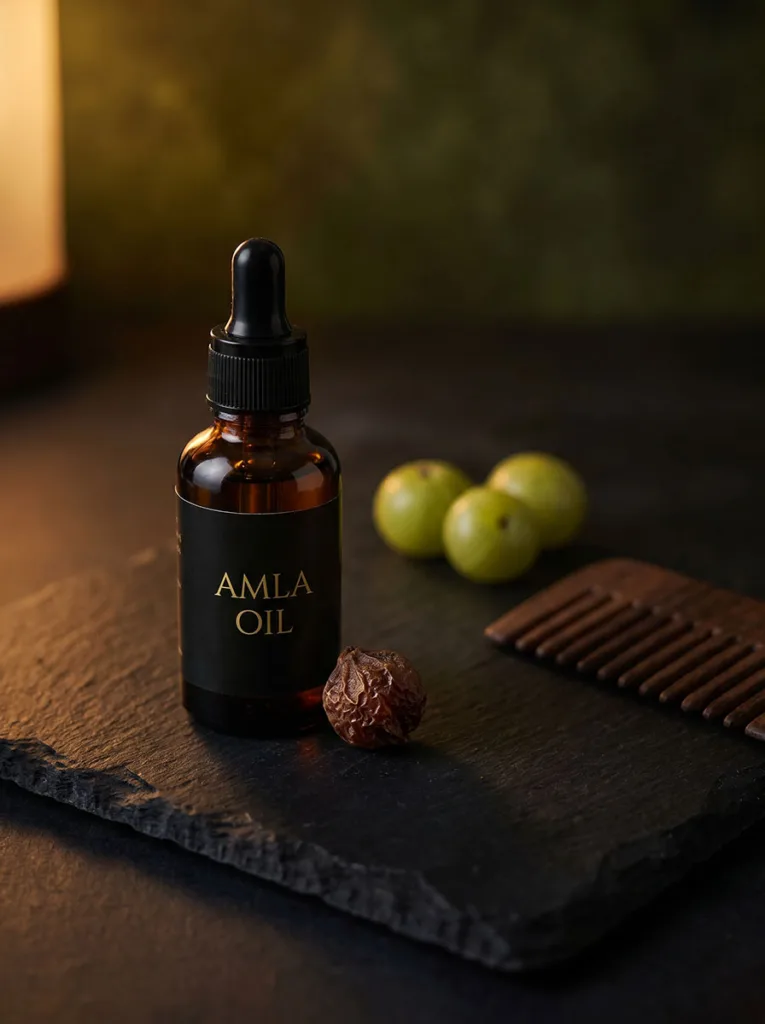
Amla, or Indian gooseberry, is one of the richest natural sources of vitamin C, containing up to 720 mg per 100g of fresh fruit. Vitamin C drives keratinocyte production, the cells responsible for building the hair shaft. Amla also contains tannins, phenolic compounds that bind directly to keratin proteins and protect them from breaking down.
A study cited in PubMed found amla components increased hair follicle size and prolonged the anagen (active growth) phase, which means more of your existing follicles stay in the growing stage longer.
How to apply it:
- Warm 2 tablespoons of amla oil until just liquid
- Section your hair and apply directly to the scalp using your fingertips
- Massage for 5 minutes using circular motions
- Work any remaining oil down through your lengths
- Leave on for 1 hour or overnight under a shower cap
- Wash out with a mild shampoo — two rounds if needed
Good for slow-growing hair, premature thinning, and hair that loses strength over its full length rather than just at the ends. Use once a week. Amla oil has a strong, earthy scent — rinsing with a few drops of rosemary essential oil mixed into your shampoo helps neutralize it.
9. Banana And Honey Mask
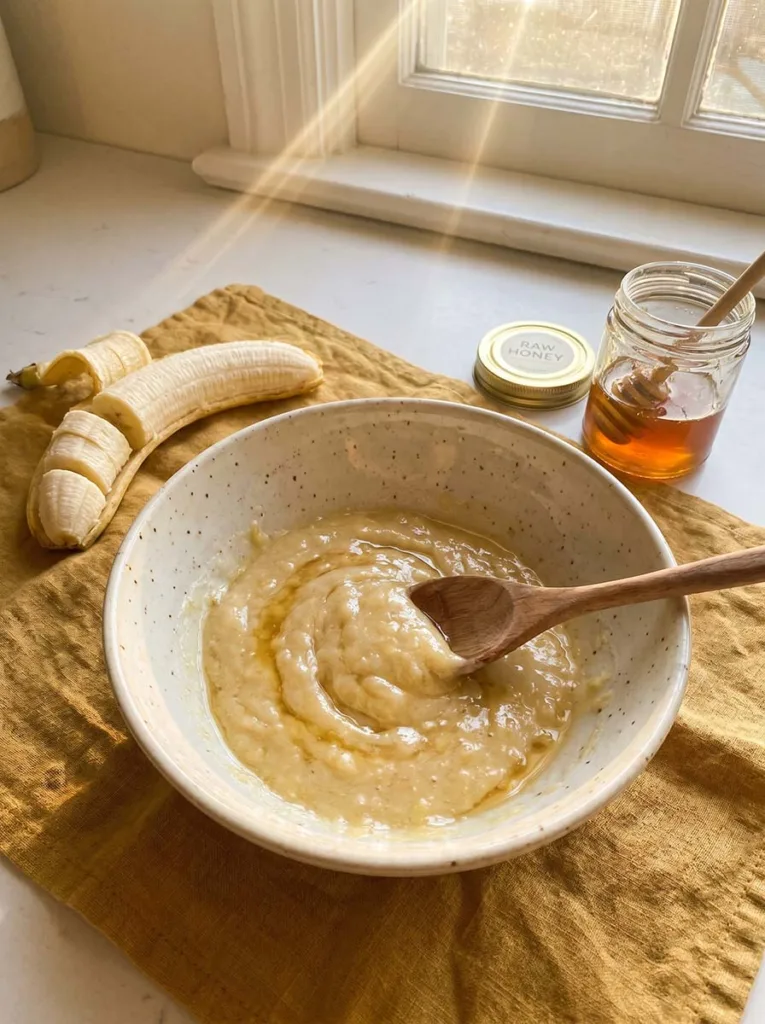
Bananas are high in potassium, natural silica, and moisture-retaining sugars that smooth the cuticle and restore elasticity to dry, brittle strands. Honey is a humectant — it draws moisture from the air into the hair shaft and holds it there. Together, they address the moisture side of weak hair without adding protein, making this a good option on weeks when you’ve already done a protein treatment.
How to make it:
- Mash 1 ripe banana thoroughly in a bowl until no lumps remain — blend it if possible, as chunks are very difficult to rinse out
- Add 2 tablespoons of raw honey and 1 tablespoon of olive oil
- Mix into a smooth paste
- Apply from roots to ends on damp hair
- Cover with a shower cap and leave for 20 to 30 minutes
- Rinse with warm water, then shampoo as normal
Good for dry, over-processed, or color-treated hair that feels rough and lacks shine. Use once a week on a non-protein treatment day. The riper the banana, the softer it mashes and the easier it rinses — underripe bananas leave residue.
How To Get The Best Results
Natural remedies require consistency. Most people quit too early and never see results.
Weeks 1 to 4: Reduced shedding and less breakage when brushing or combing. Your scalp health improves first, before you see changes in the hair itself.
Months 1 to 3: Noticeably softer, stronger strands. Existing damage doesn’t reverse, but new growth comes in with more tensile strength and elasticity.
Month 3 Onward: Visible improvements in density and shine, especially if you’ve also increased your intake of protein, iron, and biotin through your diet.
One warning on protein: don’t use protein-based treatments (egg mask, fenugreek mask) more than once a week. Overloading hair with protein causes protein overload, where strands become stiff, feel like straw, and snap more easily than before. If your hair feels hard or crunchy after a mask, skip protein treatments for 2 full weeks and stick to moisture-based options like coconut oil or aloe vera.
What To Avoid While Using Natural Remedies
Natural treatments work slower when you keep stacking the same damage on top. Heat styling above 180°C erases the progress from protein and oil treatments in a single session. Over washing strips your scalp’s oils faster than any remedy can replace them.
Keep treatment days simple. Silicone-based conditioners coat the strand in a film that blocks natural oils and masks from penetrating. Shampoo once, apply one treatment, rinse.
Frequently Asked Questions
1. How long does it take for natural remedies to strengthen weak hair?
Most people notice reduced shedding within 4 weeks. Visible improvements in hair strength and texture typically appear after 2 to 3 months of consistent weekly use. Results vary based on the original cause of weakness.
2. Can I combine these remedies in the same week?
Yes, but avoid stacking two protein-based treatments in the same week. Use an egg mask on Monday and a coconut oil treatment on Thursday, for example. Never apply two protein masks in the same session.
3. Which remedy works best for very fine hair?
Start with the ACV rinse and onion juice treatment. Both are lightweight and won’t weigh fine strands down. Skip castor oil on the lengths of fine hair, as it’s too heavy and can make breakage worse.
Conclusion
Weak hair responds reliably to the right care applied consistently. Start with one remedy this week — the onion juice treatment if shedding is your main concern, or the egg protein mask if breakage and dullness are the bigger problems. Apply it once a week for 8 weeks before adding or switching. Take a photo before you start. By month three, you won’t need to guess whether it’s working.
For more insightful articles related to hair care, please visit VelvetBoard.