21 Best Braided Ponytail Hairstyles You Will Love Most
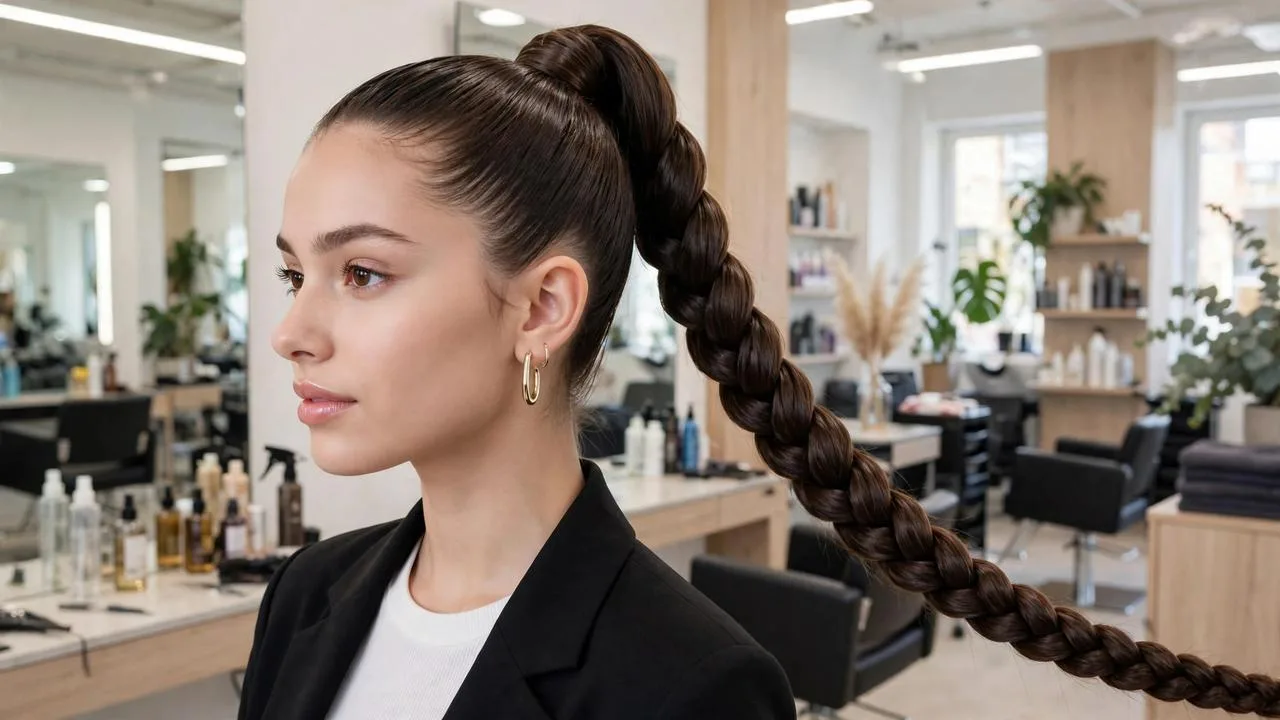
Braided ponytail hairstyles turn a plain gathered tail into pattern, length, and hold that survives the whole day. This guide covers 21 versions, from a sleek low braid to an extra-long feed-in ponytail. Each entry names the braid type, the placement, and the care it needs. You will find options for natural hair, added length, fine edges, and short chair time.
Pick by placement first, then by braid pattern. A high gather lifts the face and clears the neck. A low base reads softer and can feel kinder on the hairline. The pattern then sets the mood: stitch braids look precise, while loose curls read relaxed.
One booking can carry you from a workday to an evening out without restyling. The gathered tail also keeps hair off your neck and shoulders. That helps on warm days and under collars, scarves, and hats.
The best braided ponytail matches your hairline comfort, braid pattern, and how long you plan to wear it.
How to Choose Your Braided Ponytail
Placement sets comfort before it sets style. A high base gives lift and swing, but it pulls more at the front. A low or mid base spreads weight and often feels calmer after long hours.
Pattern sets upkeep. Cornrows and stitch rows hold a crisp shape for weeks with scalp care. Loose curls and curly ends need daily finger work to stay separate and soft.
For upkeep basics between installs, our guide to braided crown hairstyles shows how braided bases hold shape. Braider India Bridges puts the comfort point plainly: “If you’re going to get a ponytail ask your stylist to make a circle in the middle of your head and braid it in a plaque. Then proceed with your ponytail to avoid tension.” Her point matches guidance on traction and tight hairstyles from the American Academy of Dermatology about easing pull at the hairline.
1. Classic High Braided Ponytail
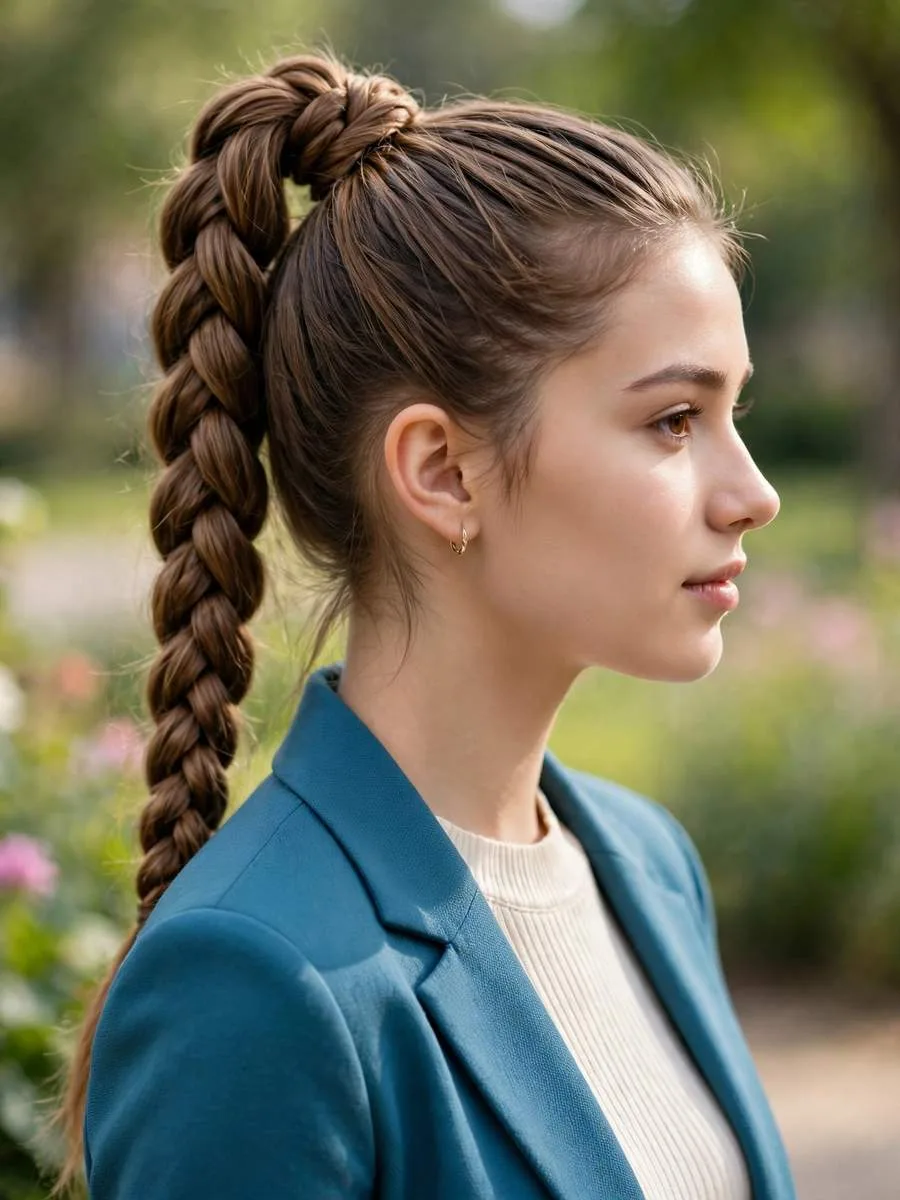
This high gather sits at the crown and falls in one clean three-strand braid. The front stays smooth, the tail swings free, and the shape reads sharp from every angle. Brush hair up in sections and secure the base firm, not tight. A wrapped base hides the elastic and keeps the finish neat for work or events.
Best for: High placement, long or medium hair, and busy days off the neck.
Ask your stylist for: A high ponytail at the crown, braided down in a classic three-strand plait.
2. Sleek Low Ponytail with One Braid
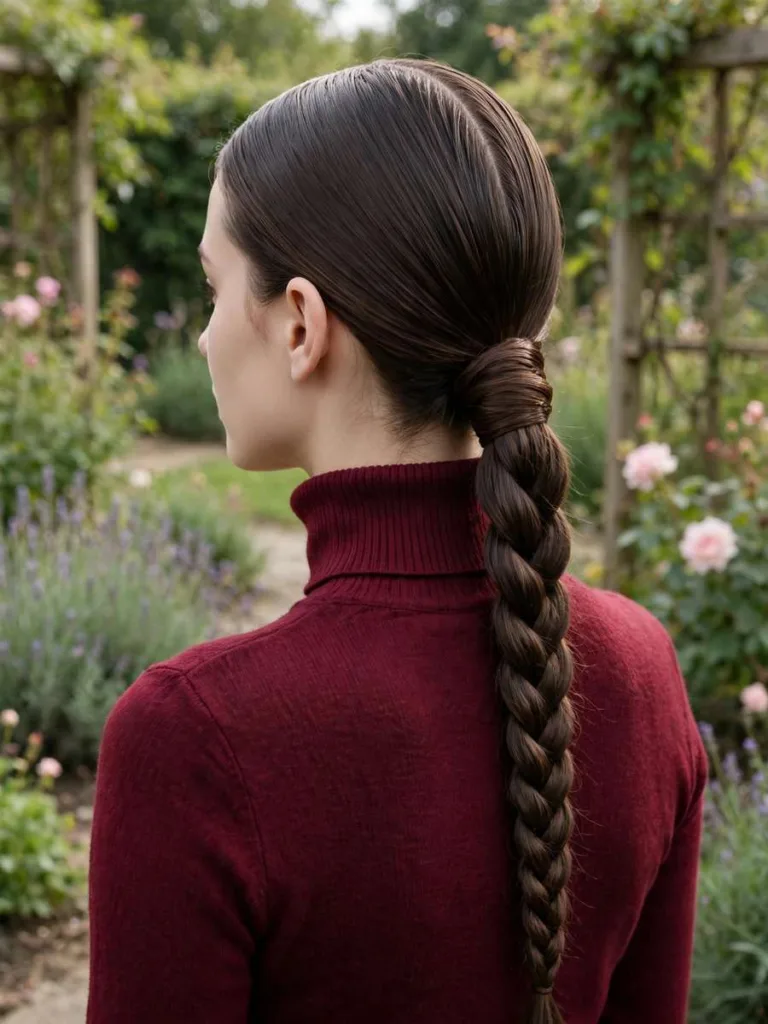
A low base at the nape gives this version a calm, polished feel. Hair parts in the center or on the side, then gathers into a single smooth braid. The low position can feel gentler on the hairline than a high gather. Add a light shine serum through the tail for a clean, even finish.
Best for: Sensitive edges, office days, and formal outfits that need soft polish.
Ask your stylist for: A low ponytail at the nape with a smooth part and one sleek braid.
3. Feed-In Ponytail with Straight-Back Cornrows
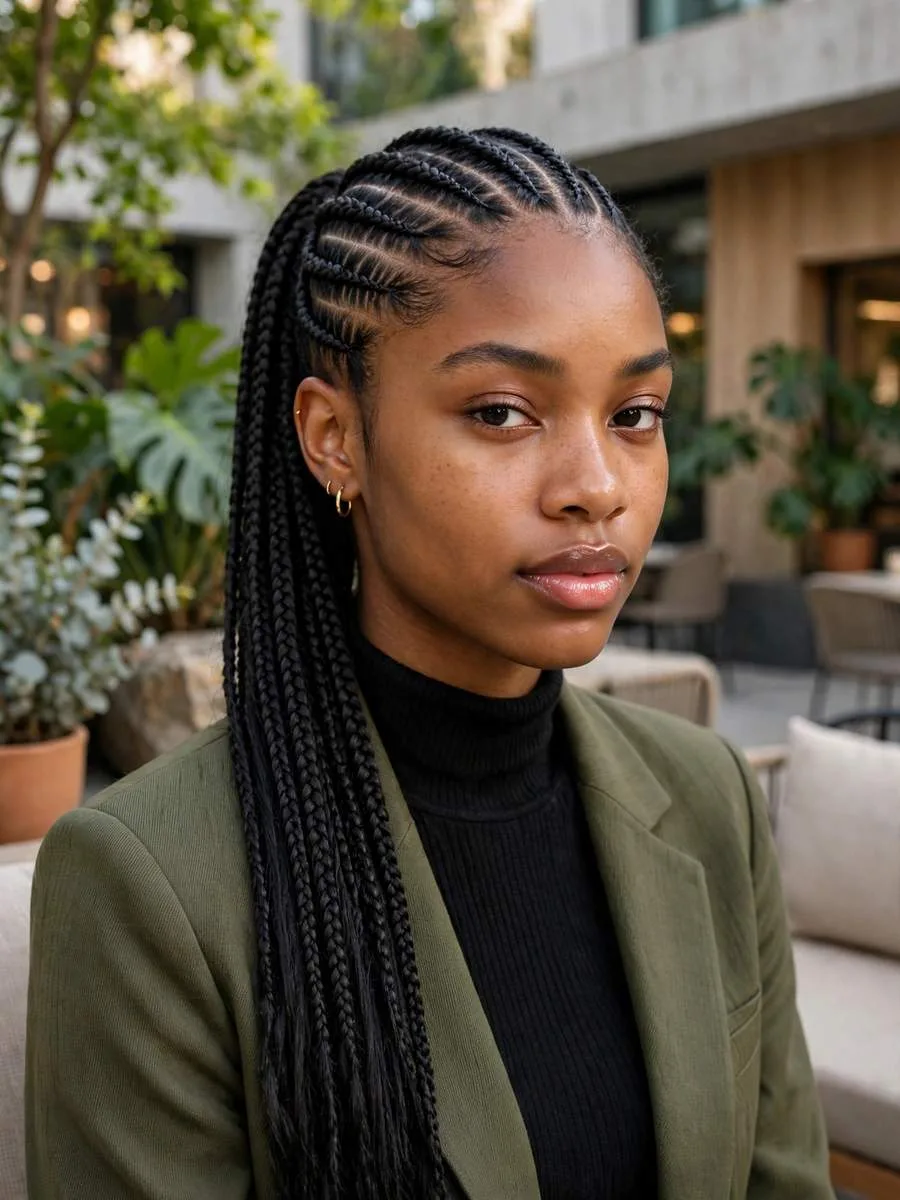
Feed-in braids start small at the hairline and grow fuller as the braider adds hair. Straight-back cornrows lead the eye to one point, where the tail drops long and full. The pattern looks crisp in photos and holds its shape for weeks with care. Ask for even spacing so the rows read clean.
Best for: Protective wear, added length, and a sharp, defined pattern.
Ask your stylist for: Straight-back feed-in cornrows gathered into one long ponytail.
4. Stitch Braid Ponytail
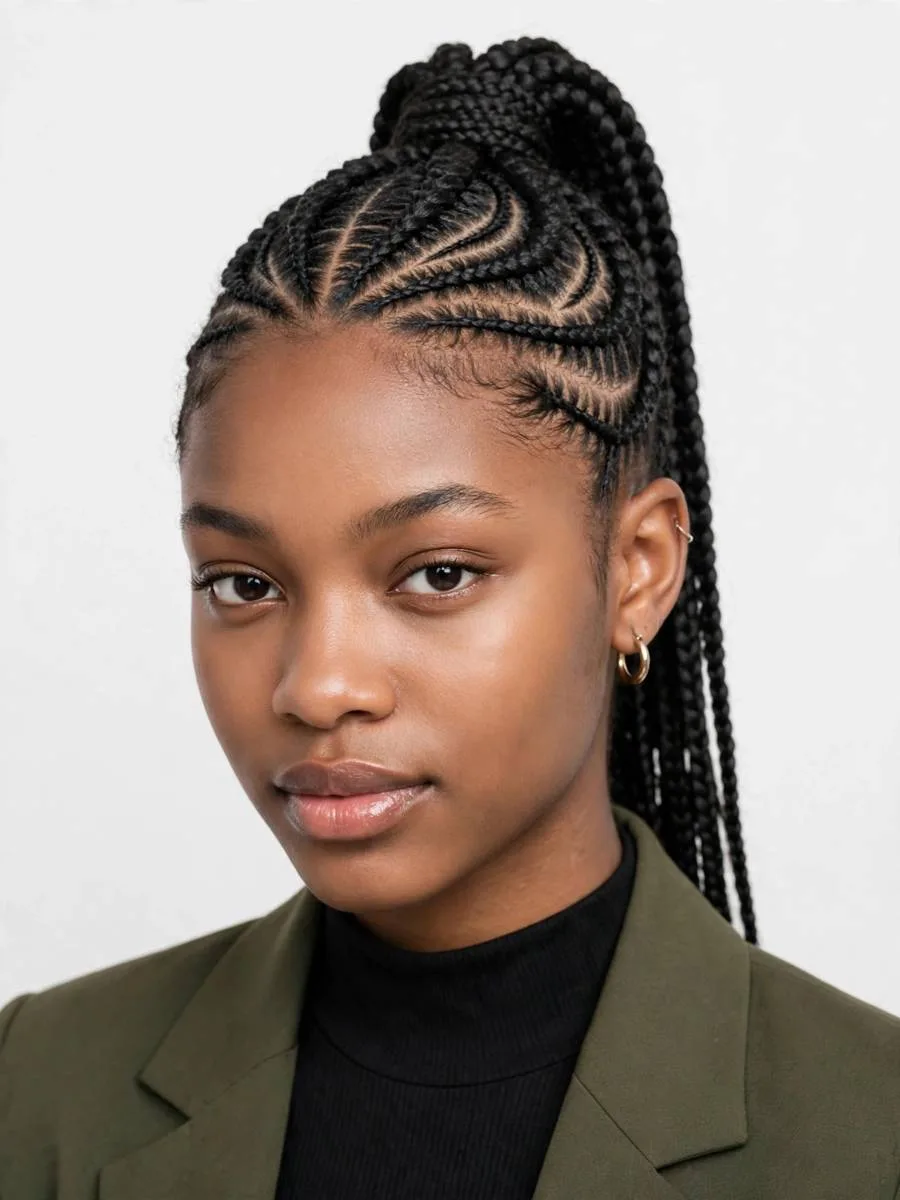
Stitch braids use a fingernail or comb to carve thin lines across each cornrow. The result looks precise, almost drawn on, and the ponytail keeps that neat detail in view. This pattern needs a braider with a steady hand and patience. Keep the scalp clean with a diluted wash between rows.
Best for: Fine detail, crisp lines, and photos that show the pattern up close.
Ask your stylist for: Stitch cornrows with clean horizontal lines, gathered into a ponytail.
5. Knotless Braided Ponytail
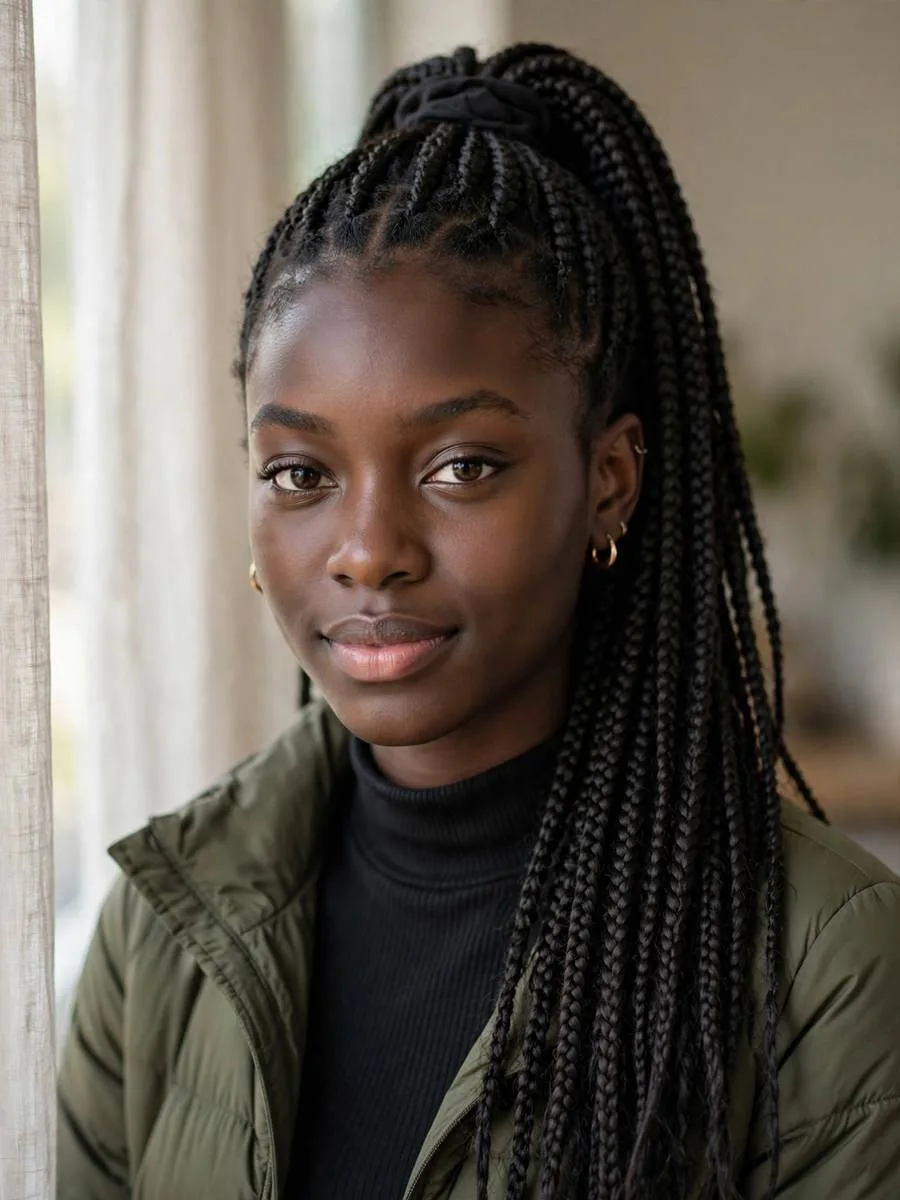
A knotless braid starts with your own hair, then feeds in extension hair in small pieces. The base lies flat and can feel lighter at the root than a knotted start. Gathered into a ponytail, the braids move with soft swing. This route suits people who want length with less pull at the front.
Best for: Gentler tension at the hairline and a flat, natural-looking base.
Ask your stylist for: Knotless braids started with natural hair, gathered into a ponytail.
6. Boho Braided Ponytail with Loose Curls
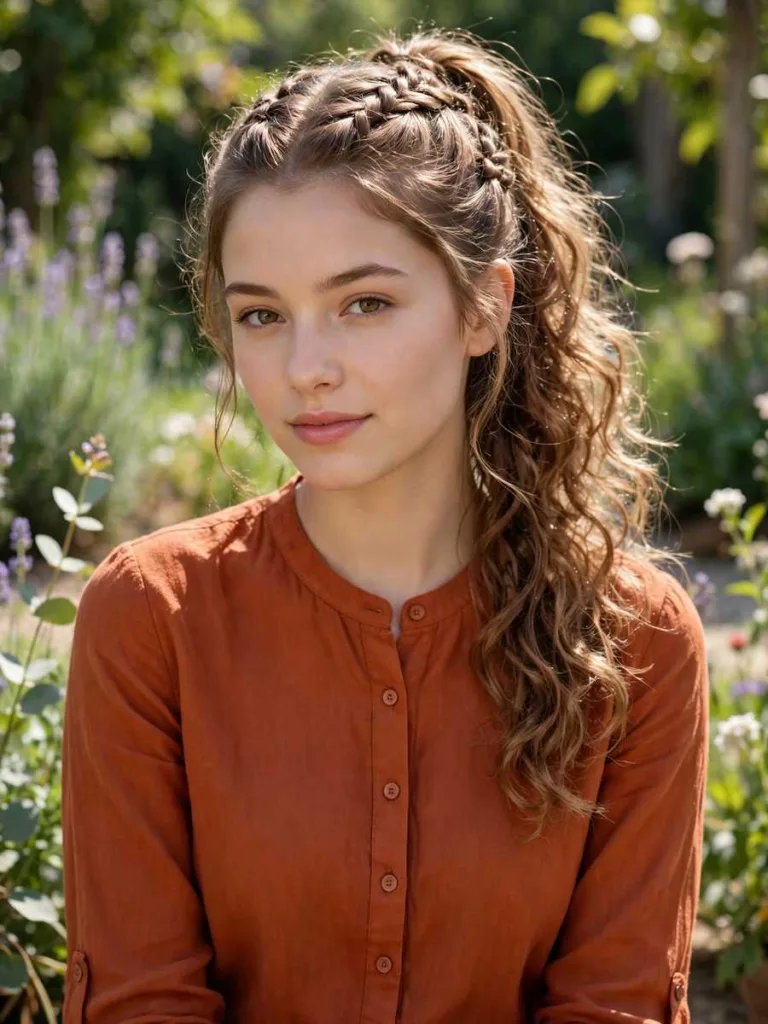
This version mixes neat braids with loose curly pieces left out along the tail. The contrast gives movement without losing the gathered shape. Your braider can use human hair curls for a softer blend and easier care. Separate the curls with fingers each morning and keep heavy oils off them.
Best for: Soft movement, outdoor events, and a relaxed finish over sharp lines.
Ask your stylist for: Braids gathered high with loose curls worked through the ponytail.
7. Fishtail Ponytail
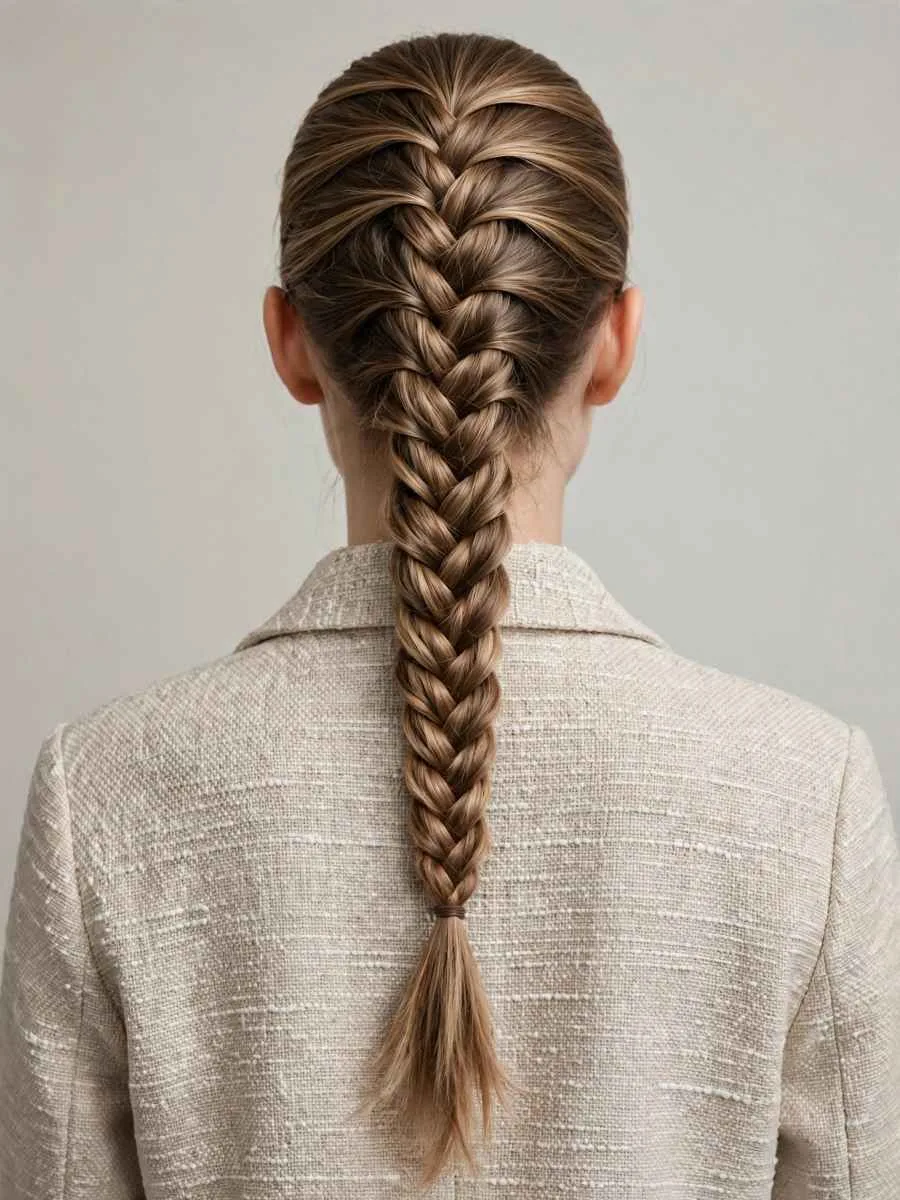
A fishtail braid crosses small strands from each side into the center, one over the other. The pattern looks woven and fine, with a flat profile against the back. It works on natural hair alone, with no added length needed. Pancake the edges with care for a fuller look, or keep it tight for clean lines.
Best for: Medium to long hair and detail that rewards a close look.
Ask your stylist for: A ponytail braided in a fishtail pattern from base to ends.
8. Dutch Braid into a Ponytail
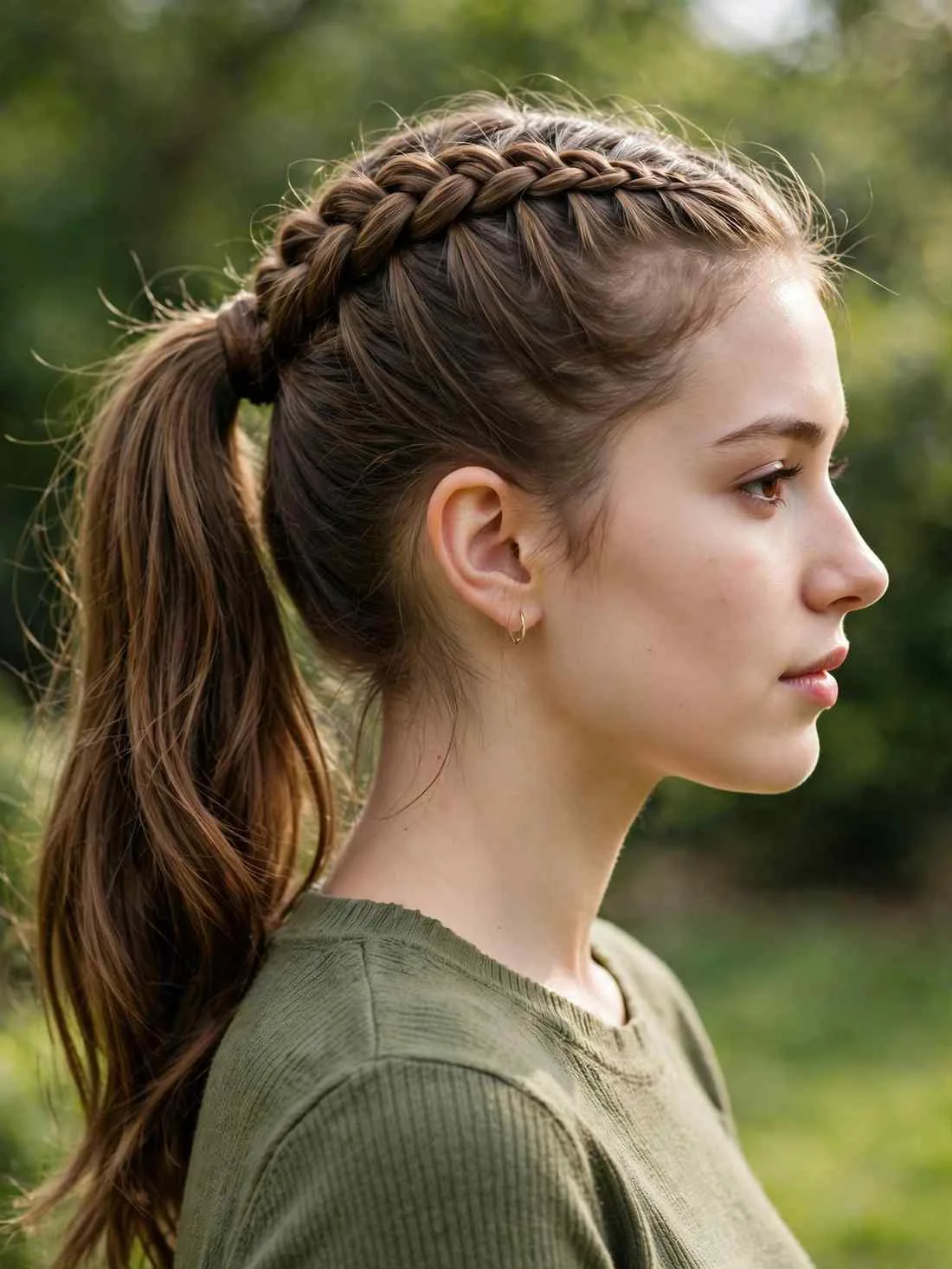
A Dutch braid crosses strands under, so the braid sits on top of the hair. The raised ridge reads bold from the side and holds well through a long day. Start the braid at the front hairline and feed it back into the gather. Two face-framing pieces left loose can soften the front.
Best for: Active days, strong hold, and a braid with clear 3D texture.
Ask your stylist for: A raised Dutch braid along the top, feeding into a ponytail.
9. French Braid into a Ponytail
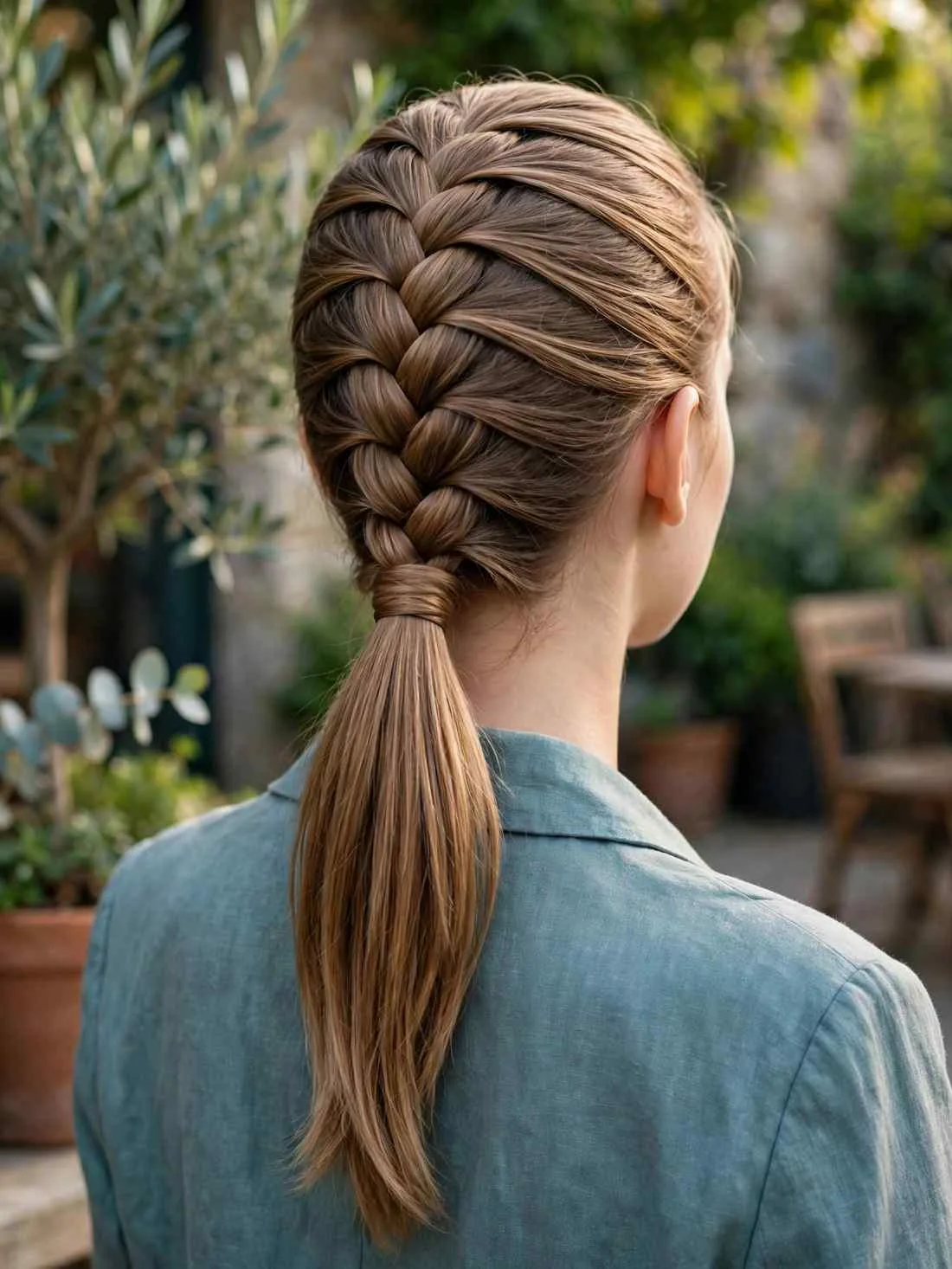
A French braid crosses strands over, so the pattern melts into the hair surface. It looks smooth and classic, and it suits many hair lengths. The braid can start at the crown or lower, near the gather point. Finish the tail loose or braid it down, based on the day ahead.
Best for: A classic, smooth pattern and hair that needs gentle control.
Ask your stylist for: A French braid from the crown into a ponytail, tail loose or braided.
10. Side-Swept Braided Ponytail
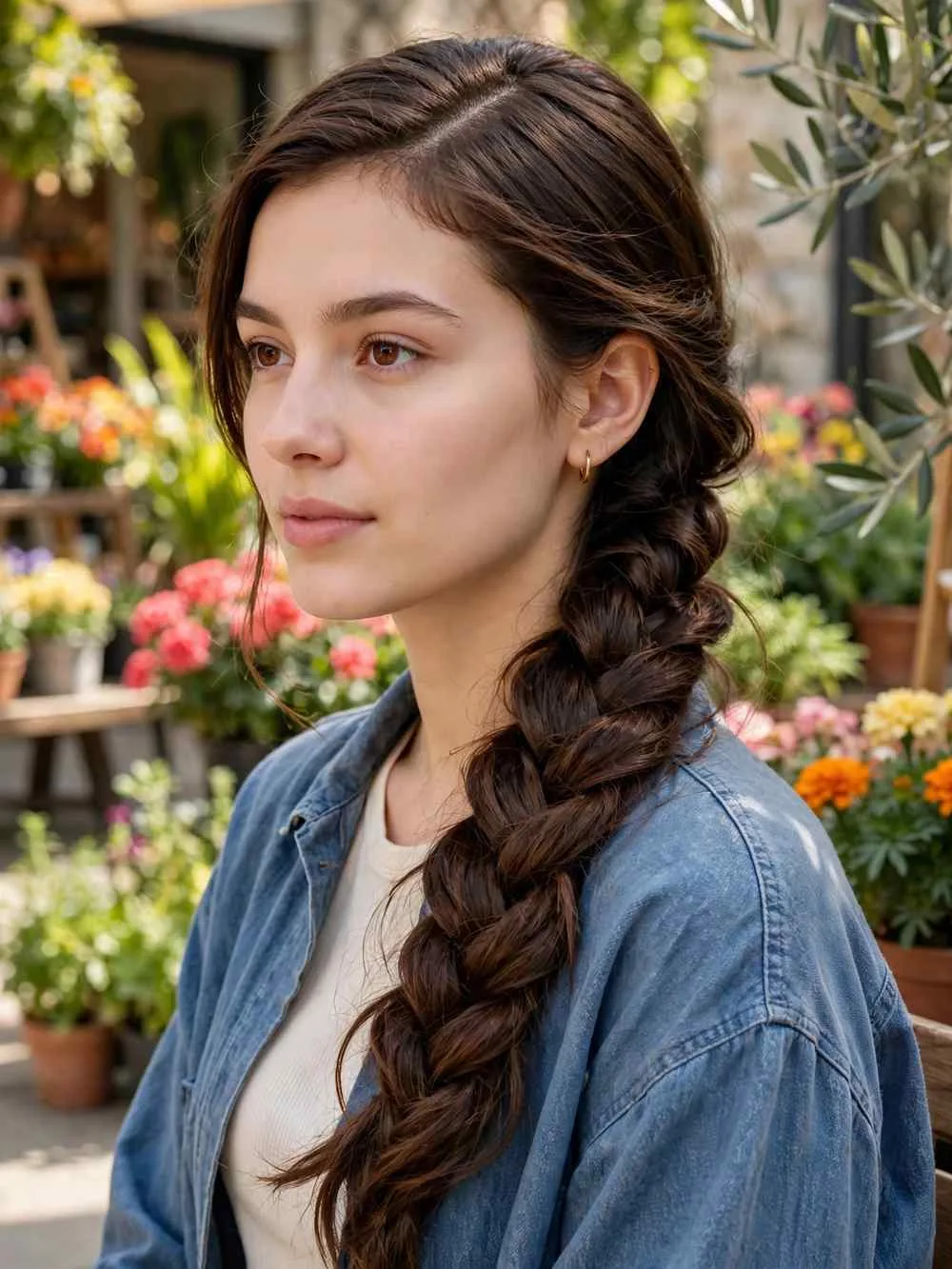
The gather sits off center, so the braid drapes over one shoulder. A deep side part sets the direction and adds sweep across the forehead. This placement flatters photos because the braid stays in frame. Secure the base at an angle so the tail falls where you want it.
Best for: Photos, date nights, and outfits with an open neckline on one side.
Ask your stylist for: An off-center ponytail with a side part, braid draped over one shoulder.
11. Half-Up Braided Ponytail
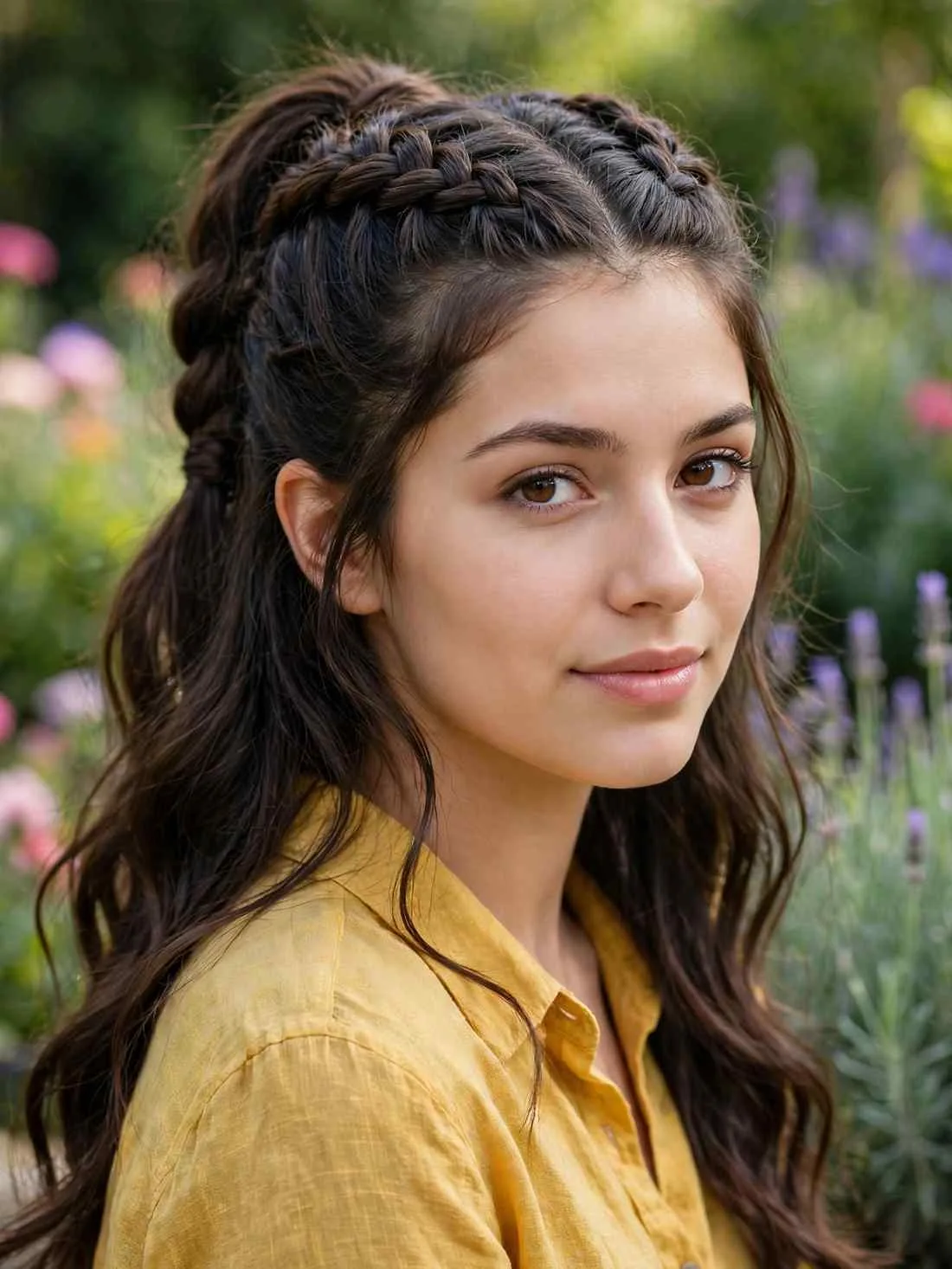
Only the crown section gathers up, while the lower hair stays down. Small braids along the top add pattern without a full-head install. This style takes less chair time than most braided sets. It also gives fine hair a lift at the crown while the loose lengths keep the body below.
Best for: Shorter appointments, fine hair, and a mix of up and down.
Ask your stylist for: The top section braided and gathered, with the lower hair left loose.
12. Ponytail Braids with Curly Ends
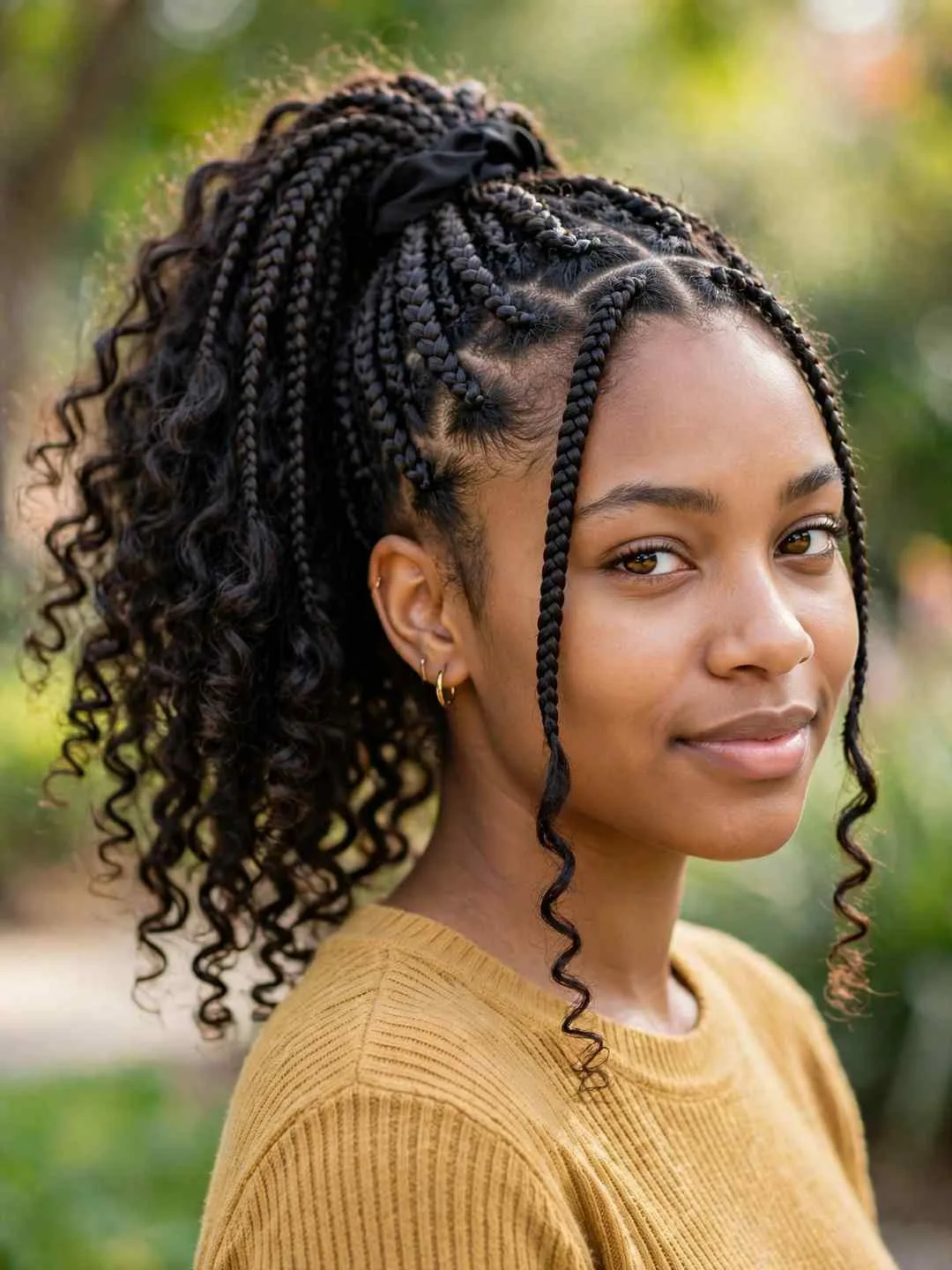
The braids run smooth for most of the length, then open into loose curls at the ends. That soft finish changes the whole mood of the tail. Your braider can set the ends on flexi rods or use pre-curled hair. Keep a light mist for the curls and braid the tail at night.
Best for: Soft ends, romantic outfits, and movement at the tail tip.
Ask your stylist for: Braids gathered into a ponytail with the last inches left curly.
13. Bubble Ponytail with a Braided Base
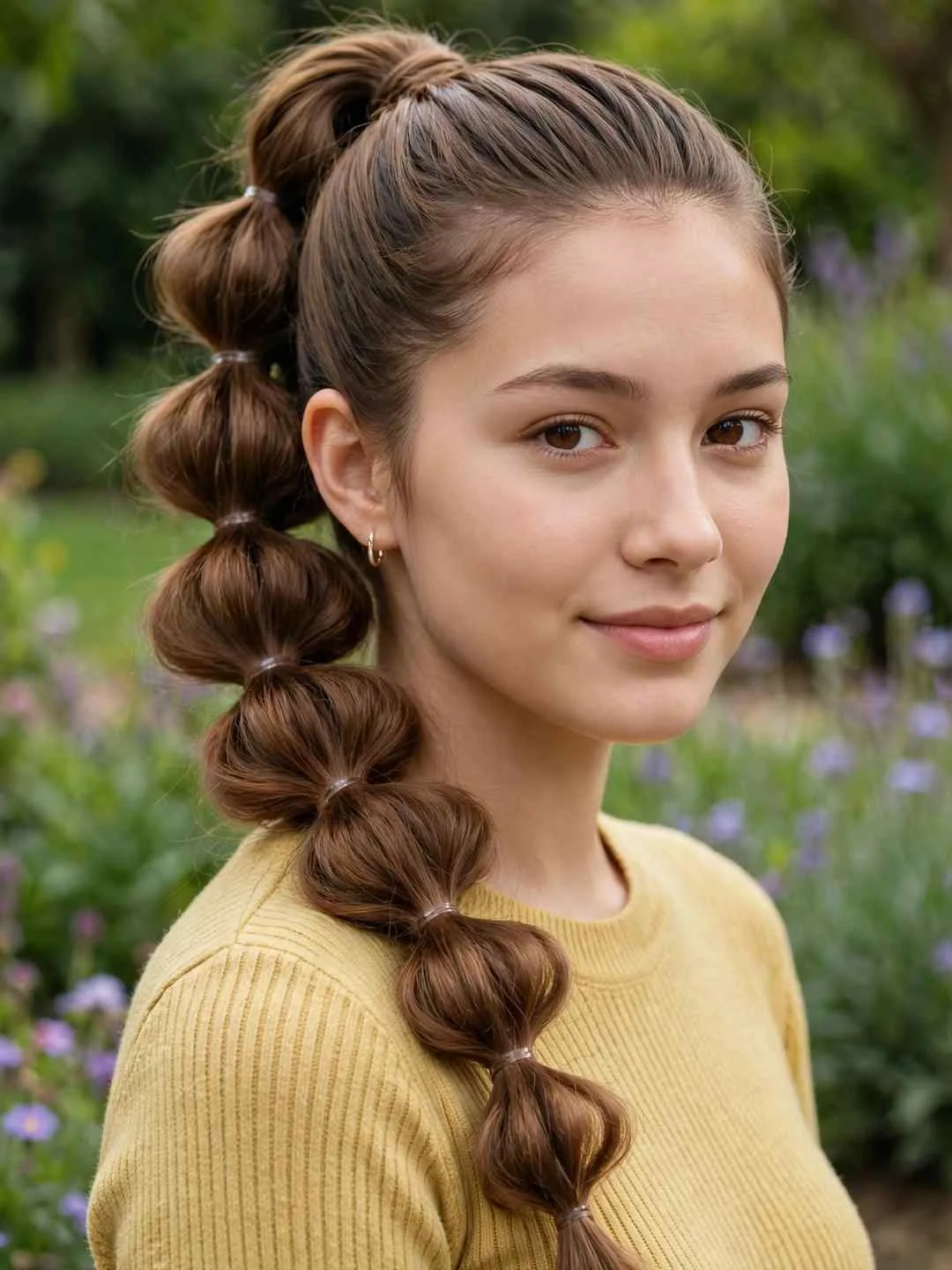
Small elastics pinch the tail into round sections, like beads on a string. Each bubble gets a gentle pull outward for even shape. The base braid can be a single plait or a few cornrows. Space the elastics with a finger measure so the bubbles match down the full length.
Best for: Playful shape, medium hair, and a style kids and adults share.
Ask your stylist for: A ponytail sectioned with elastics into even bubbles down the tail.
14. Rope Twist Ponytail
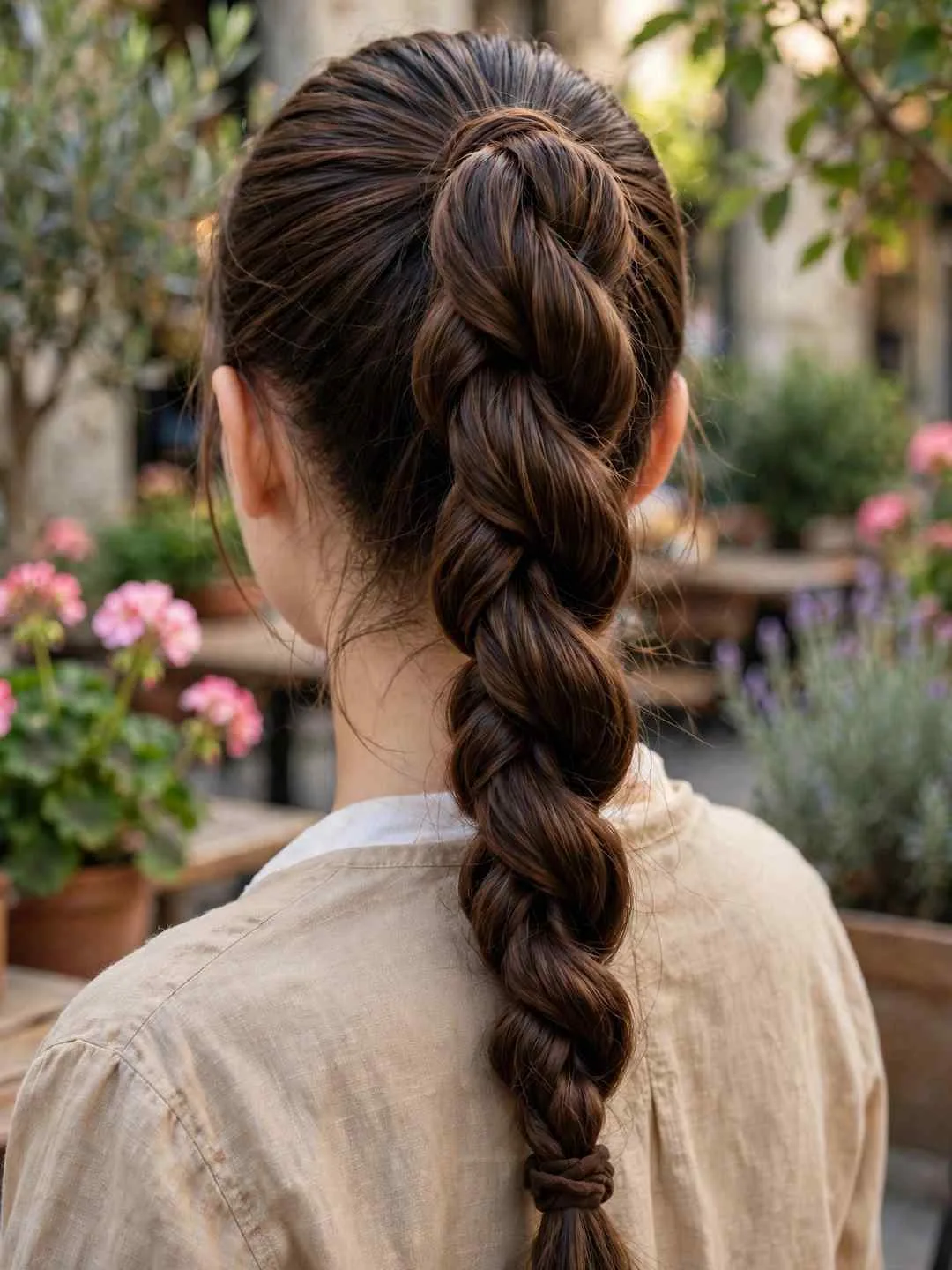
Two strands twist around each other to form a rope braid with a spiral grain. The twist reads clean and holds its shape with little frizz at the surface. Twist each strand in one direction, then wrap them in the other. That counter-wrap locks the rope and stops it unwinding through the day.
Best for: Clean spiral texture and a tail that holds shape all day.
Ask your stylist for: A two-strand rope twist from the ponytail base to the ends.
15. Ponytail Braid Wrapped into a Bun
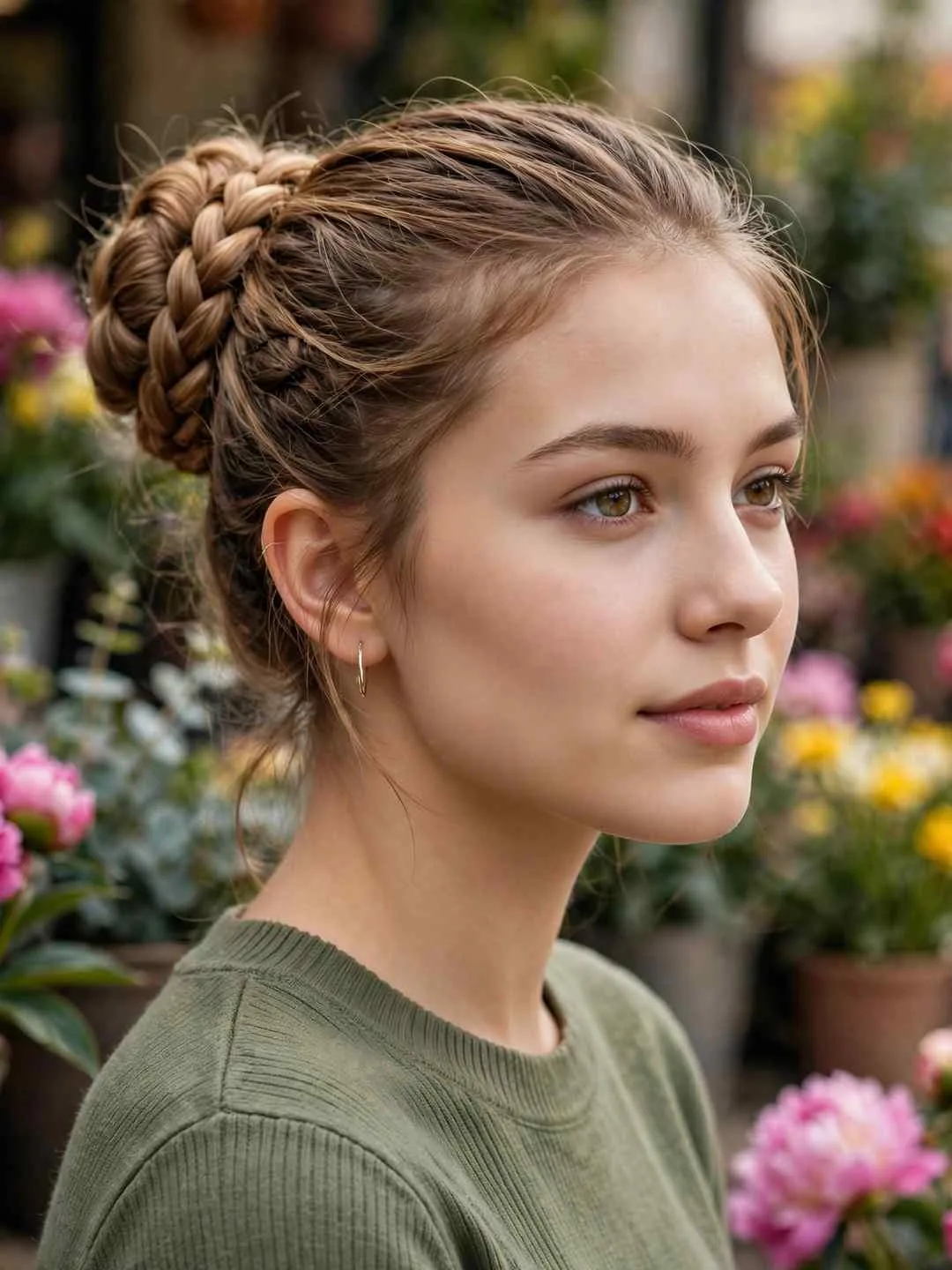
Here the braided tail wraps around its own base to form a bun. Pins hold the wrap flat, and the braid pattern shows in a neat coil. This keeps long braids off the back on hot days. It also turns a week-old ponytail into a fresh shape in minutes.
Best for: Hot days, long braids, and a quick change from a worn ponytail.
Ask your stylist for: A braided ponytail wrapped and pinned into a bun at the base.
16. Jumbo Braids in a Ponytail
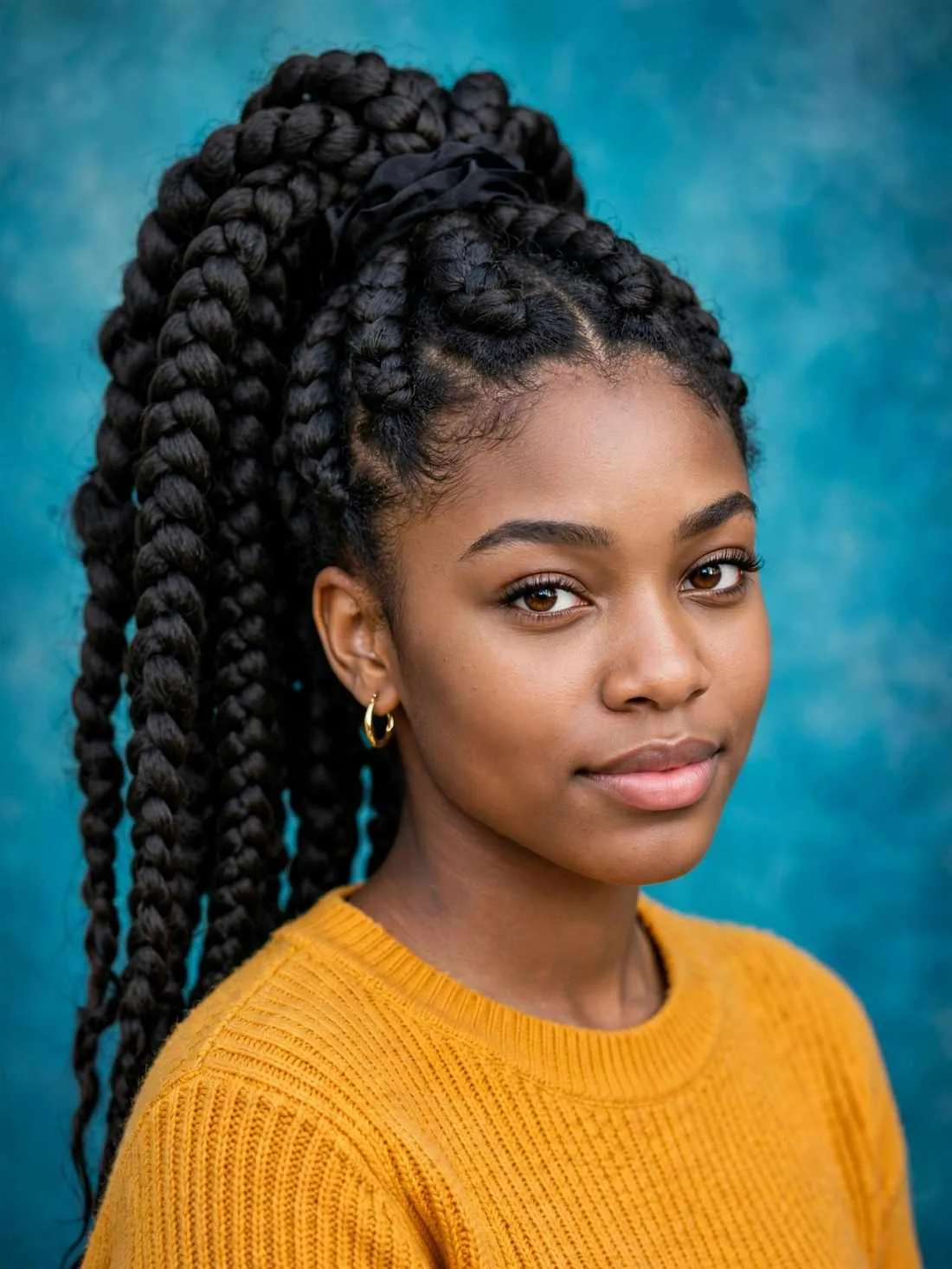
Jumbo braids use fewer, thicker sections, so the install moves fast. Gathered up, the tail looks bold and full with clear chunky texture. Thick braids weigh more per piece, so keep the base placement balanced. A mid-height gather can spread that weight and feel steadier than a high one.
Best for: Fast installs, bold texture, and fullness without many braids.
Ask your stylist for: Large jumbo braids gathered into a mid or high ponytail.
17. Braided Ponytail with Gold Cuffs and Beads
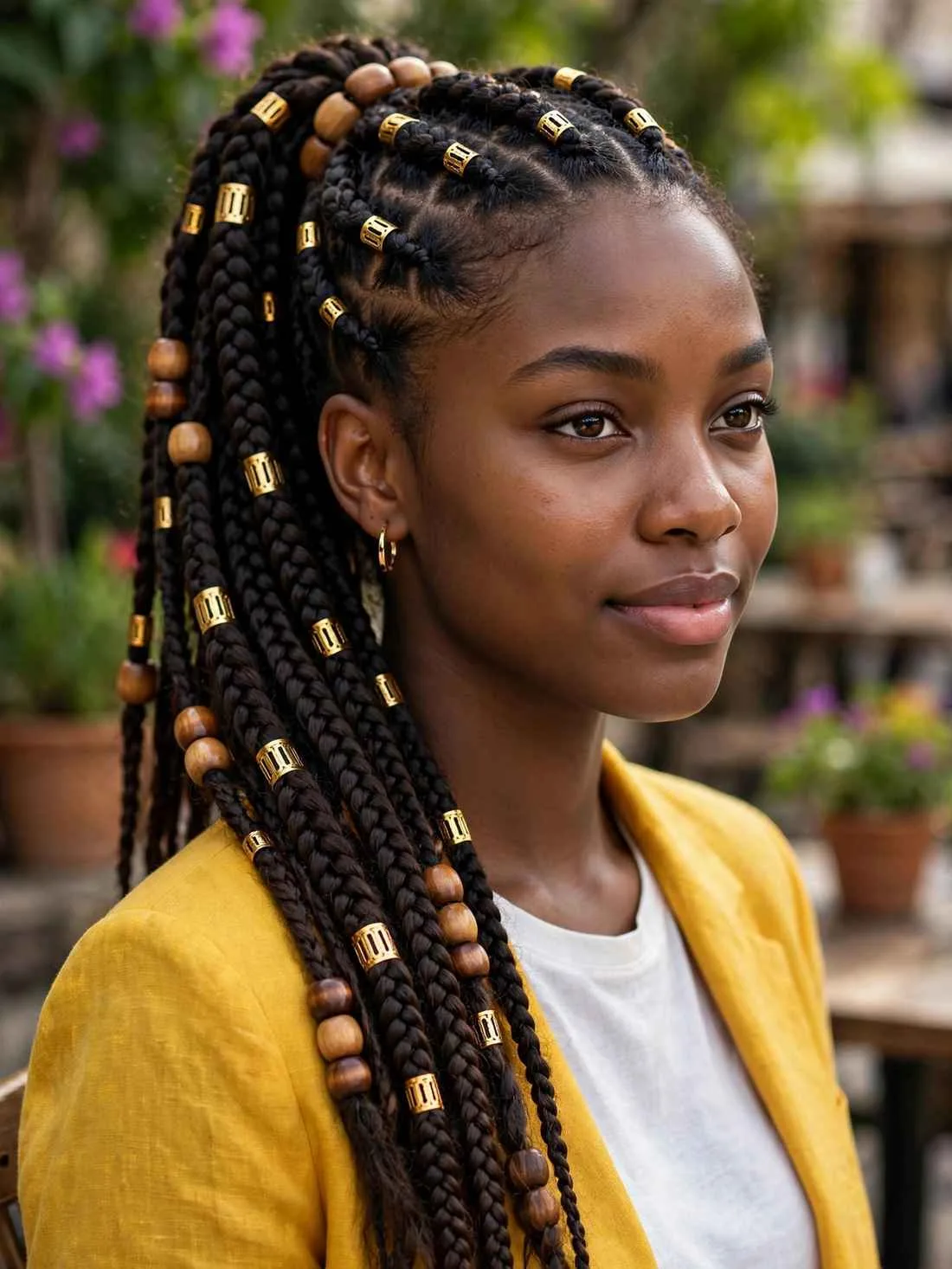
Gold cuffs clamp onto single braids, and wooden beads thread onto the ends. The hardware catches light as the tail moves and needs no extra styling. Place cuffs at mixed heights so the pattern looks planned, not random. Check each cuff sits snug, so none slide off during the day.
Best for: Festivals, parties, and plain braids that need one strong accent.
Ask your stylist for: A braided ponytail with gold cuffs and beads placed through the tail.
18. Two Braided Tails
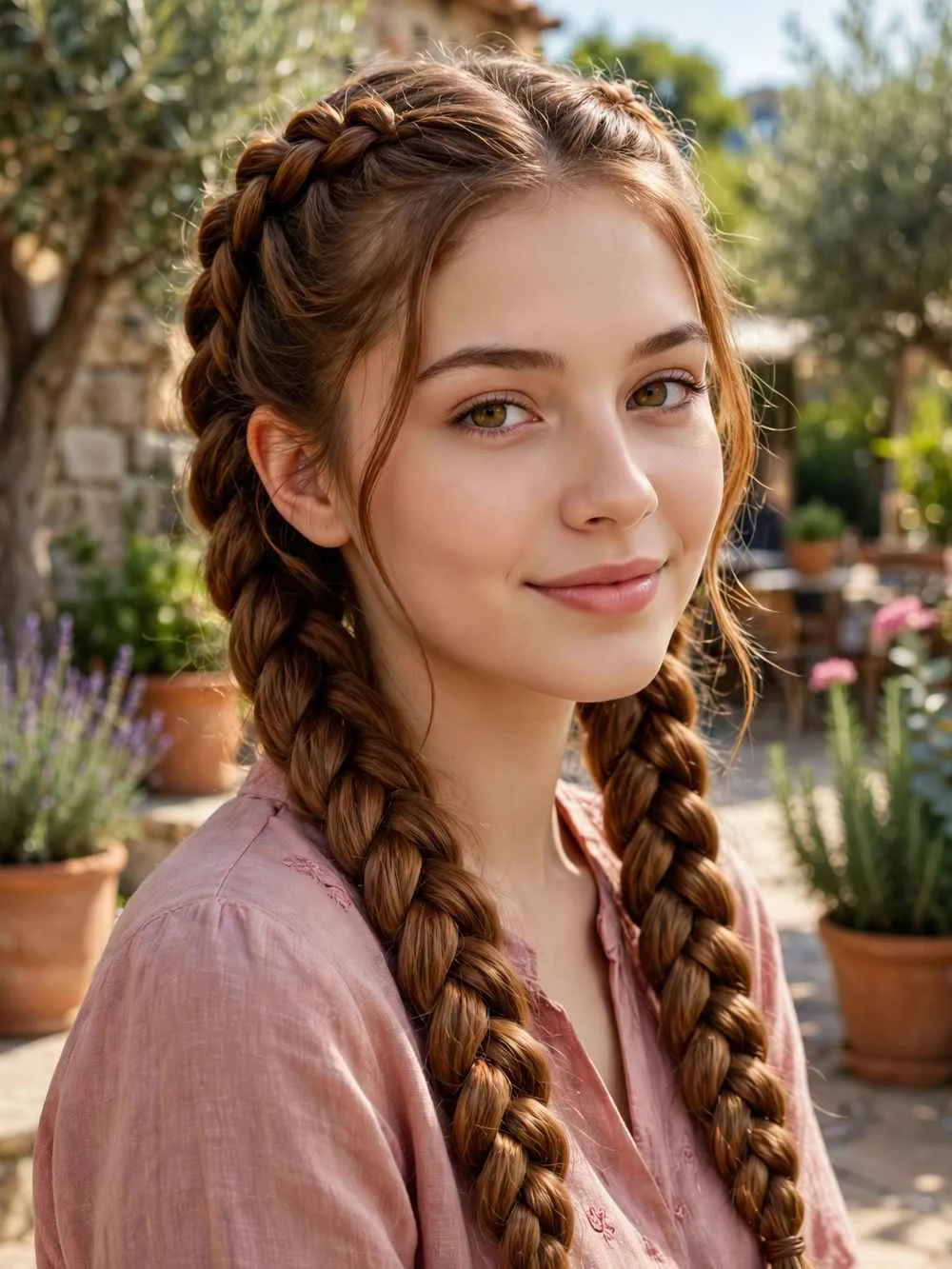
Hair splits into two gathers, one on each side, for a matched pair. Each tail braids down in the same pattern and length. The look reads youthful and balanced, and it keeps weight even across the head. Match the part and braid size on both sides for a tidy finish.
Best for: Even weight, sport days, and a playful matched-pair look.
Ask your stylist for: Two side ponytails, each braided down in a matching pattern.
19. Braided Ponytail with Face-Framing Pieces
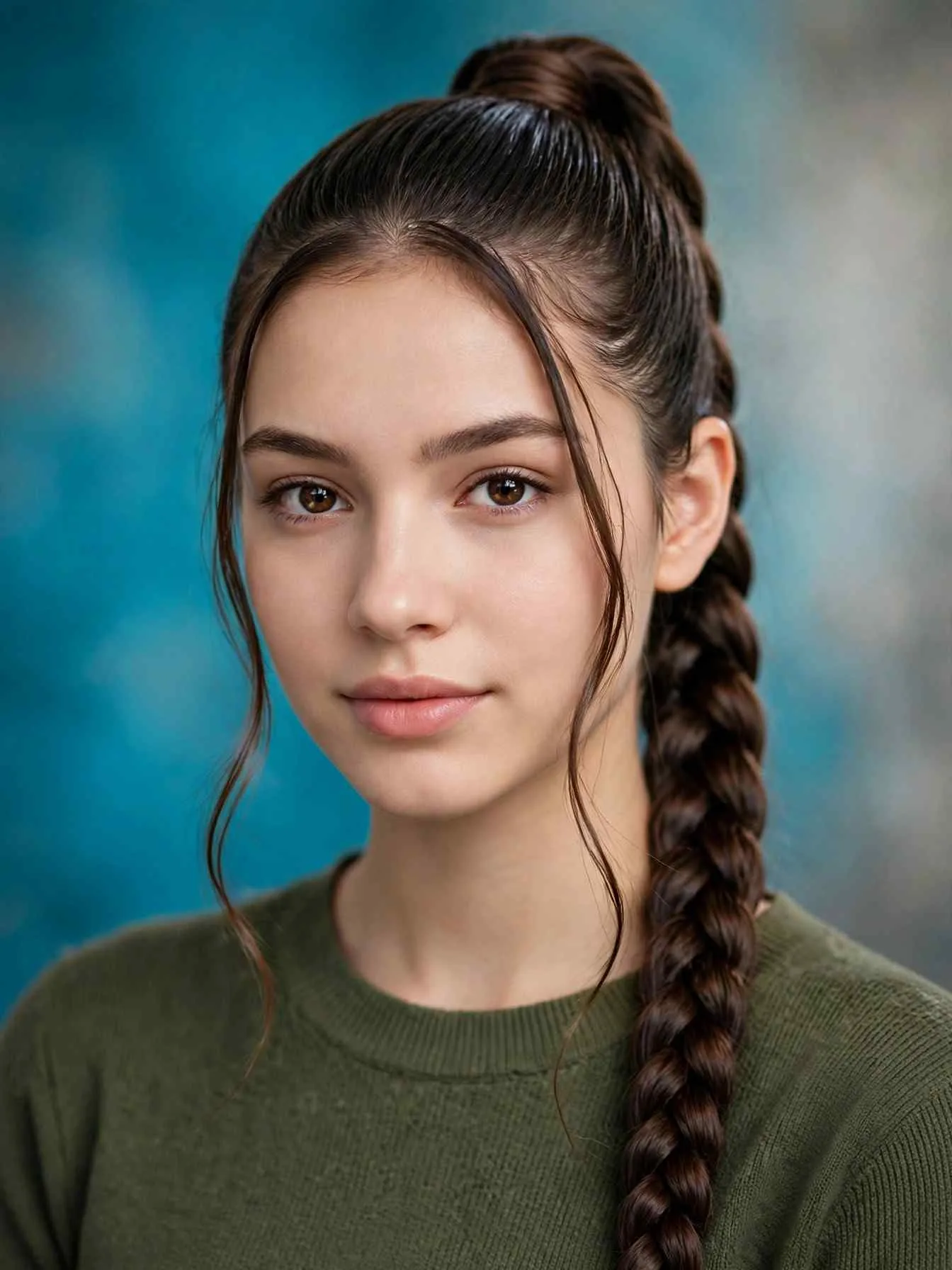
Two thin pieces stay loose at the front while the rest gathers back. The loose strands soften the hairline and frame the cheeks. Curl them, wave them, or leave them straight to match the tail. This detail suits a sleek braided ponytail that might otherwise read severe.
Best for: Softer fronts, sleek bases, and photos taken face-on.
Ask your stylist for: A braided ponytail with two loose face-framing pieces at the front.
20. Low Ponytail with a Wrapped Base
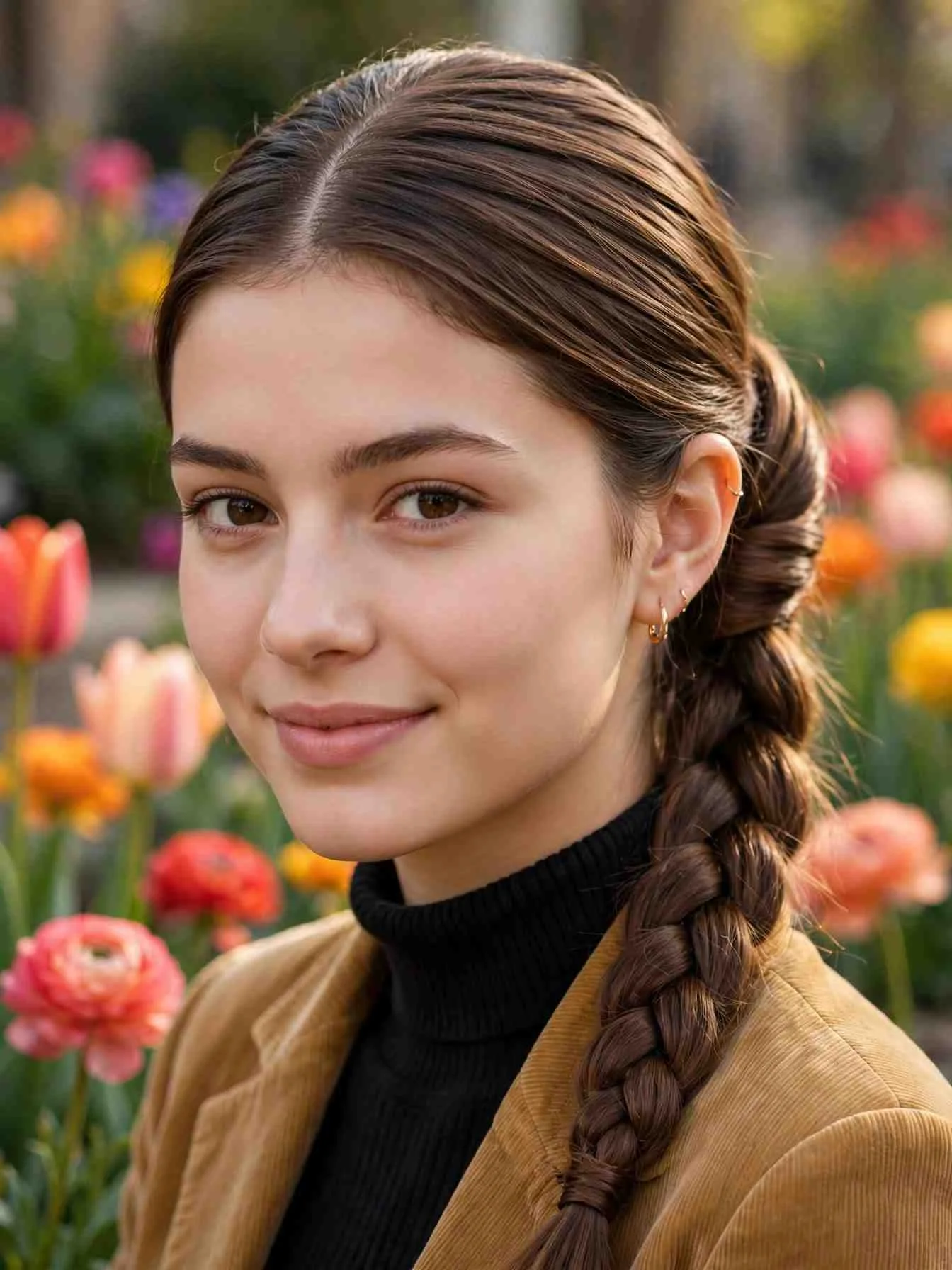
A strand of hair or a thin braid wraps the base to hide the elastic. The wrap gives a finished look with no extra tools or clips. Keep the low tail smooth with a boar brush and a light gel pass. This version pairs well with center parts and simple studs or hoops.
Best for: Clean finishes, low effort, and a polished everyday base.
Ask your stylist for: A low ponytail with the base wrapped in hair, tail braided down.
21. Extra-Long Feed-In Tail
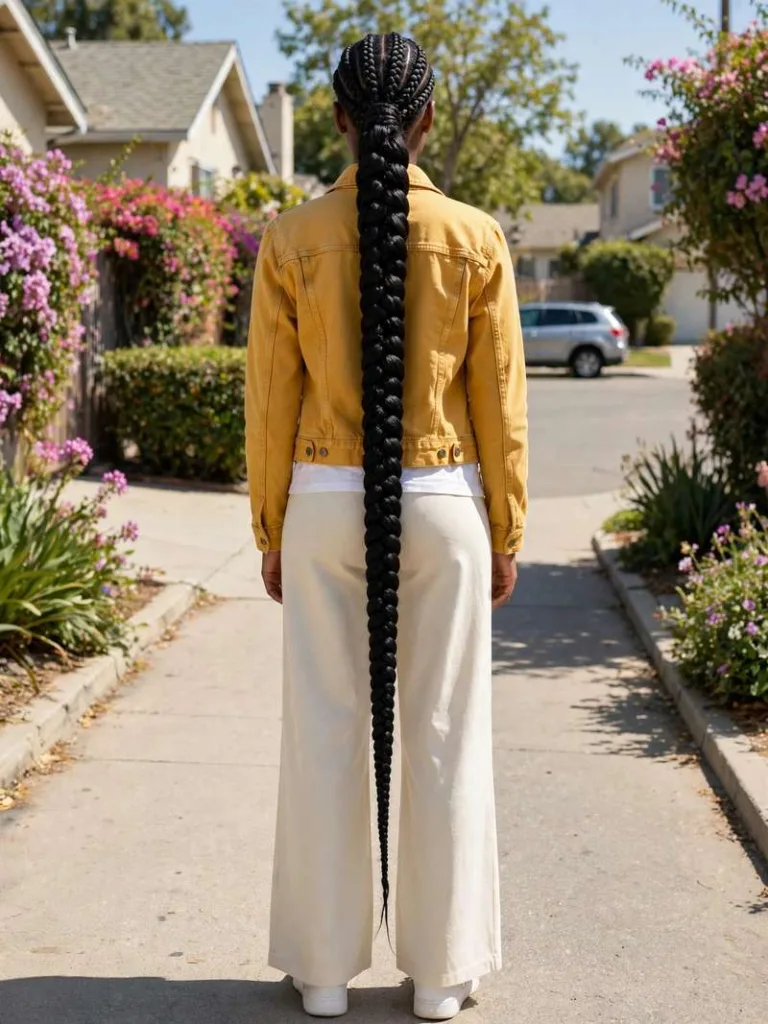
This tail falls past the waist, built with added braiding hair fed in at the crown. The length makes the swing dramatic in motion and in photos. Long tails weigh more, so base comfort matters from the first hour. Ask for a braided circle at the center first, which can cut tension at the base.
Best for: Statement length, events, and readers who love a dramatic tail.
Ask your stylist for: An extra-long feed-in ponytail reaching past the waist.
FAQs
How Long Does a Braided Ponytail Last?
Wear time depends on the pattern and your scalp care. Cornrow and feed-in versions often last two to four weeks. Single-braid ponytails on natural hair may last a few days before the base softens.
Do Braided Ponytails Damage Your Edges?
They can strain edges if the base sits too tight. Ask for a comfortable fit, pick a lower base, and speak up during the install. Pain at the hairline means the gather needs loosening.
How Much Hair Do You Need for a Feed-In Ponytail?
Most feed-in ponytails use one to two packs of braiding hair. The count shifts with length and fullness. Your braider can confirm the amount once you pick a tail length and braid size.
Can You Do a Braided Ponytail on Short Hair?
Yes, feed-in cornrows can gather shorter hair into a tail. The braider adds hair along the rows for grip and length. Very short edges may need to stay loose to avoid extra pull.
How Do You Sleep in a Braided Ponytail?
Wrap the tail in a satin scarf or bonnet before bed. For long tails, braid the length loose or fold it under the scarf. Satin cuts friction and helps the pattern stay neat longer.
How Do You Wash a Braided Ponytail?
Dilute shampoo with water and apply it along the rows. Massage the scalp with fingertips, rinse well, and dry the base in full. A light oil can follow once the hair feels dry.
Final Thoughts
Save two or three favorites from this list before your appointment. Show your braider the placement, the pattern, and the tail length you want. Speak up about tension at the base during the install, not after. Book the version that fits your hairline and your week, then wear it with the comfort check done.