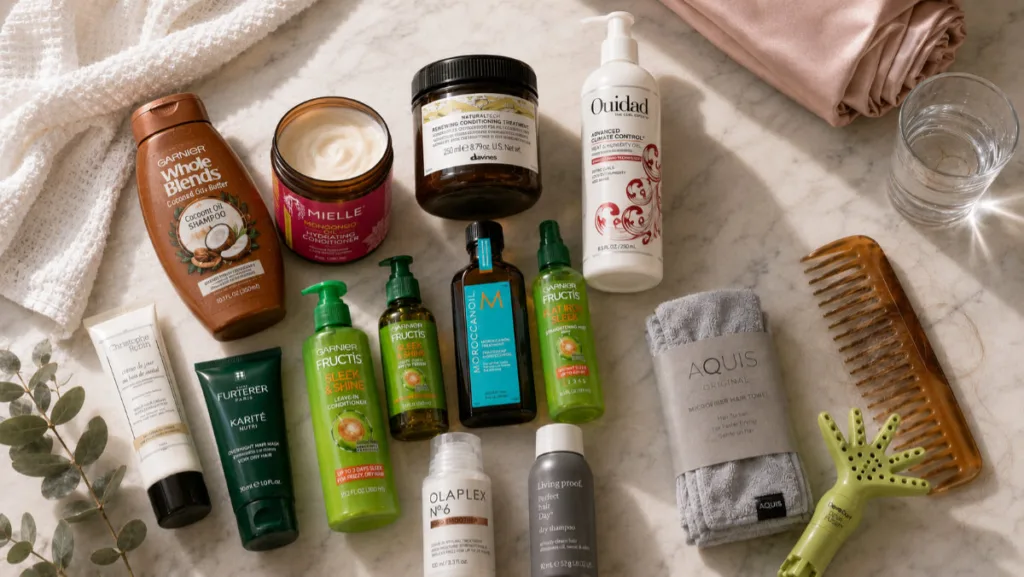
Hair Growth Tips: Grow Faster, Stronger Hair

Your scalp produces half an inch of hair every single month. Most people never see it — because breakage, a congested scalp, and nutritional gaps erase that progress before it ever shows.
That means the problem is rarely slow growth. It is lost length. Strands snap off at the ends, shed prematurely from stressed follicles, or stall because the body is not getting the nutrients it needs to keep producing. Every one of those causes is fixable.
If you want to know how to grow hair faster, the answer is almost never “grow more” — it is “lose less.” These hair growth tips cover the full picture: how your follicles actually work, what to eat, which daily habits quietly sabotage your length, and what the research says about the methods that genuinely move the needle. Fix the right things, and the growth you already have starts showing up.
Quick facts:
- Average hair growth: ~0.5 inches per month (6 inches per year)
- 85% of scalp hairs are in the active growth phase at any time
- The active growth phase lasts 2 to 7 years per strand
- Scalp massage for just 4–5 minutes daily measurably increases thickness over 24 weeks
Understanding Your Hair Growth Cycle
Your hair does not grow continuously. It moves through three distinct phases, and understanding them changes how you approach growth.
| Phase | What Happens | Duration |
| Anagen (growth) | Strand actively grows from the follicle | 2–7 years |
| Catagen (transition) | Growth stops, follicle shrinks | ~2 weeks |
| Telogen (rest) | Strand rests, then sheds to start a new cycle | ~3 months |
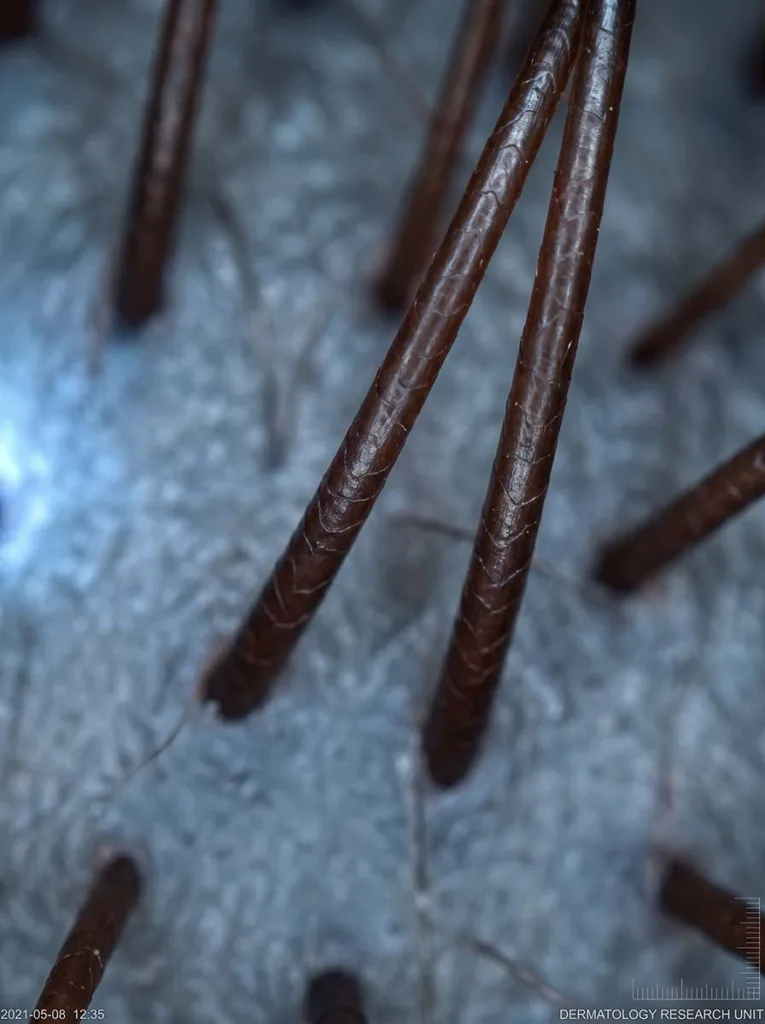
At any moment, roughly 85% of your scalp hairs are in the anagen phase. Every hair growth strategy aims to keep follicles there as long as possible and pull resting ones back into active growth.
Stress, nutritional deficiencies, and hormone changes can push follicles into telogen early, triggering excessive shedding. This condition, called telogen effluvium, is one of the most common and most preventable causes of stalled length.
Scalp Health: The Foundation of Real Growth
Hair grows from the scalp, and that is where growth either builds or breaks down. Prioritizing scalp health for hair growth is the highest-leverage place to start. A clean, well-circulated scalp delivers the oxygen and nutrients follicles need to stay active. Clogged follicles produce thinner, weaker strands and sometimes stop producing altogether.
How to massage your scalp the right way
Scalp massage is among the most research-supported natural methods for improving hair thickness. A study tracking daily four-minute massages over 24 consecutive weeks found measurable increases in strand thickness. The mechanical stimulation stretches dermal papilla cells deep inside the follicle, pulling them from the resting phase back into active growth.
How to do it:
- Use your fingertips, not your nails
- Apply firm circular pressure across the scalp
- Work for 4 to 5 minutes per session
- Do it daily — before shampooing or while applying oil

Daily repetition produces the result. How hard you press does not.
Natural hair growth remedies: oils that actually work
Rosemary oil has real clinical backing. A 2015 study in SKINmed found it produced comparable hair counts to 2% minoxidil over six months without the scalp irritation. Dilute three to five drops in a tablespoon of carrier oil like jojoba or coconut before applying to the scalp.

Peppermint oil increases blood flow to the scalp, which means follicles get more of the nutrients circulating in your system. Dilute it the same way and leave it on for at least 30 minutes before rinsing.
Note: Apply undiluted essential oils directly and you will get irritation, not growth. Always dilute first.
Feed Your Follicles: Nutrition for Hair Growth
Hair is made of keratin, a fibrous protein. Without enough dietary protein, your body deprioritizes hair production and redirects amino acids to more critical functions. This is where most nutritional plans fall short before anything else.
Aim for 0.8 grams of protein per kilogram of body weight daily. Eggs, Greek yogurt, chicken, and legumes are solid sources. Eggs also supply biotin, a B vitamin that supports keratin production. Biotin deficiency slows growth and causes shedding, but supplementing when your levels are fine produces no measurable change.
Iron carries oxygen to follicles through red blood cells. Low iron is one of the leading causes of hair loss in women. Spinach, lentils, and red meat all deliver it. Pair plant-based sources with vitamin C to improve absorption.
Zinc regulates the growth and repair cycle. A deficiency extends the telogen phase and accelerates shedding. One medium oyster covers up to 96% of daily zinc needs for women. Pumpkin seeds and chickpeas work when shellfish is not an option.
Vitamin D activates receptors inside hair follicles. Low levels consistently link to increased hair loss in clinical data. Fatty fish, fortified dairy, and sunlight are the most reliable sources.

| Nutrient | Role in Growth | Top Food Sources |
| Protein | Builds keratin | Eggs, chicken, legumes |
| Iron | Oxygenates follicles | Spinach, lentils, red meat |
| Zinc | Regulates growth cycle | Oysters, pumpkin seeds |
| Vitamin D | Activates follicle receptors | Salmon, fortified milk |
| Biotin | Supports keratin structure | Eggs, almonds, sweet potato |
Common Mistakes That Sabotage Hair Growth

Growing longer hair is partly about what you start doing. It is also about what you stop. Several common habits quietly break off the length you are already building.
1. Rough towel drying
Wet hair is at its most elastic and fragile. Rubbing it with a terry cloth towel causes mechanical breakage along the shaft.
Fix: Squeeze moisture out with a microfiber towel or a soft cotton T-shirt instead.
2. Brushing from the roots down
This creates unnecessary tension and tears through tangles rather than releasing them.
Fix: Start detangling from the ends and work upward with a wide-tooth comb or a paddle brush built for wet hair.
3. Tight hairstyles worn daily
Ponytails, buns, and braids create traction stress on follicles. Clinicians call this traction alopecia. The damage accumulates and can permanently weaken follicles over time.
Fix: Alternate your styles and give your scalp regular breaks from tension.
4. Skipping conditioner
This leaves the shaft rough and prone to friction breakage. Conditioner coats and smooths the strand above the scalp — that surface protection stops the breakage that makes hair appear to stop growing.
Fix: Condition after every wash, focusing on the mid-lengths and ends.
Heat Styling, Trimming, and Protective Habits
High heat damages hair when applied often and without protection. Flat irons and curling wands above 230°C (450°F) break down the protein structure of the shaft, producing split ends and mid-shaft breakage that shortens the length you have already grown.

Four habits that protect your length:
- Heat protectant spray before every heat session. These products form a thermal barrier that absorbs heat before it reaches the cortex of the strand.
- Air-dry days between heat sessions to give the shaft recovery time.
- Trims every 8 to 12 weeks to stop split ends from traveling up the shaft. An untrimmed split keeps splitting higher, eventually requiring a much larger cut to fix.
- Silk or satin pillowcases to cut overnight friction that breaks strands during sleep. Cotton absorbs moisture and creates surface drag. The pillowcase swap costs almost nothing. The difference in hair health over months adds up.
Sleep, Stress, and the Growth Connection
Your body does its repair work during sleep. Human growth hormone, which drives cell reproduction including follicle activity, peaks during deep sleep. Getting fewer than seven hours per night cuts that cellular repair short, including inside hair follicles.

Chronic stress pushes follicles into the telogen phase early. Elevated cortisol triggers shedding weeks or months after the stressful period, which is why most people never connect the two. The hair that falls out in October often traces back to a difficult August.
Stress management and adequate sleep directly control how many follicles stay in active growth. They are not lifestyle extras. Aerobic exercise also raises scalp circulation, delivering more blood to follicles during and after a workout.
Quick Tip: Even a 20-minute walk three times a week improves scalp circulation enough to support follicle health over time.
Frequently Asked Questions
1. How fast does hair actually grow?
Hair grows approximately half an inch per month, or around six inches per year. The rate varies by genetics, age, and health. Scalp hair typically grows faster than body hair.
2. Does biotin make hair grow faster?
Biotin supports hair growth only if you are deficient. With adequate levels, extra biotin has no measurable effect on growth rate. Most people get enough through eggs, nuts, and whole grains.
3. Can scalp massage really help hair grow?
Yes. Daily scalp massage for four to five minutes increases hair thickness in clinical studies. It improves blood flow to follicles and helps resting follicles return to the active growth phase.
4. What deficiency causes slow hair growth?
Iron, vitamin D, and zinc deficiencies are the most common nutritional causes of slow or reduced hair growth. A blood test identifies which, if any, you are low on.
Conclusion
Most people spend years waiting for their hair to grow, not realizing they are undoing progress faster than they are making it. The biology is already working in your favor — half an inch every month, every follicle, without you doing a thing. What changes the outcome is how much of that growth you actually keep.
Start with two habits: a daily scalp massage and enough protein in your diet. Both are free, both have clinical evidence behind them, and both produce results within months. Add the protective habits — silk pillowcase, heat protectant, gentle detangling — one at a time. Fix your iron or vitamin D if bloodwork suggests a deficiency.
There is no shortcut past the biology. But the biology is on your side. Work with it, and the length follows.
For more helpful articles related to hair care, please visit VelvetBoard.