Nail Colors For Skin Tone: Shade And Contrast Guide
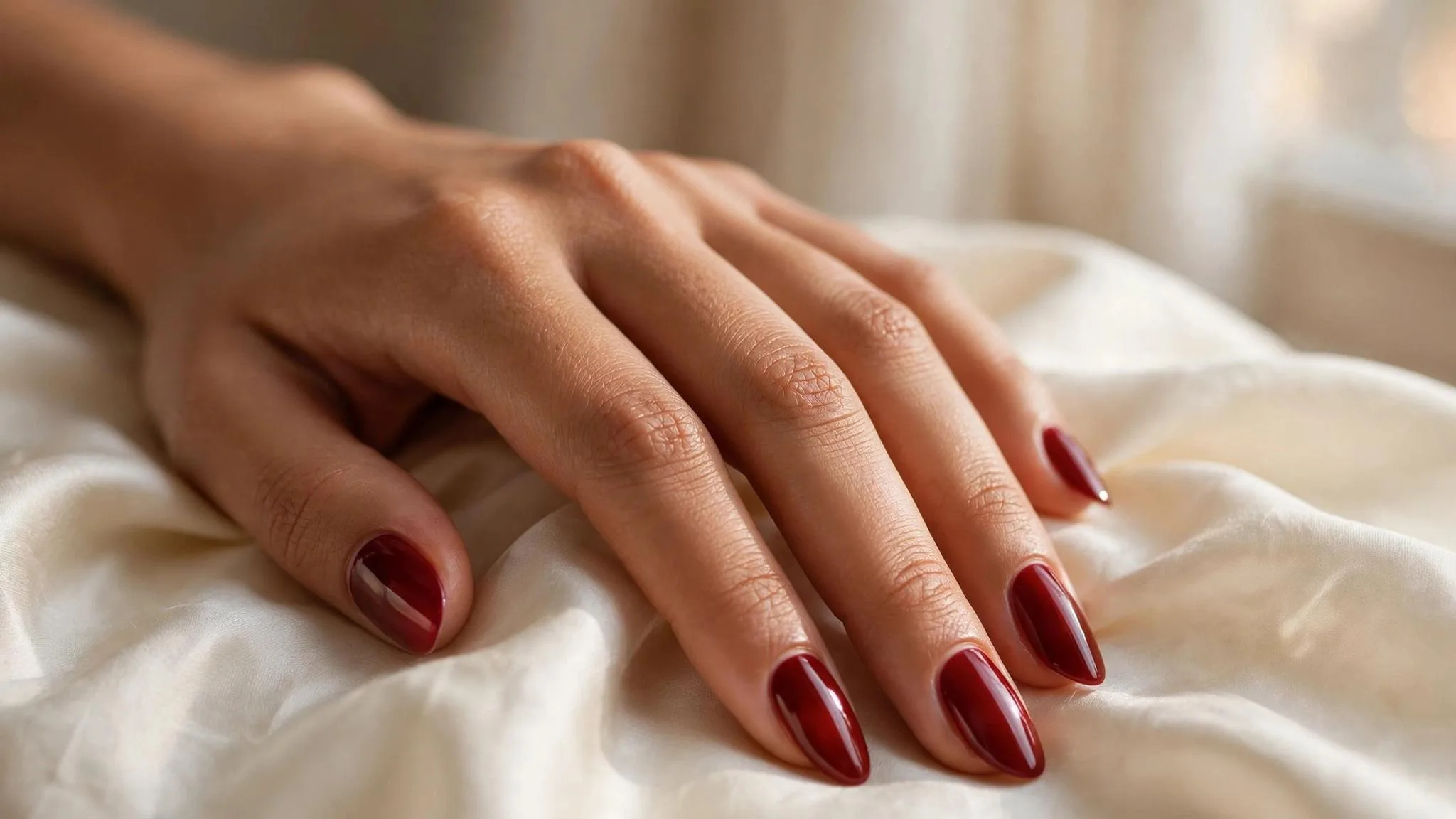
Nail colors for skin tone are easier to choose when you compare undertone, depth, and the contrast you enjoy. A nude can blend softly with your fingers, while burgundy creates a clear outline. Neither effect is a mistake. Seeing the shade beside your hand tells you more than judging the bottle alone.
This guide offers shade families and a comparison table to help you narrow the options. You will learn how undertone differs from depth and why olive skin deserves separate consideration. Simple comparisons can suggest a starting point, even when your undertone feels unclear. They cannot determine which colors you are allowed to wear.
Start with the effect you want: subtle, vivid, harmonious, or contrasting. Then compare a few finishes in consistent lighting. Your preference remains the deciding factor.
How To Explore Your Undertone
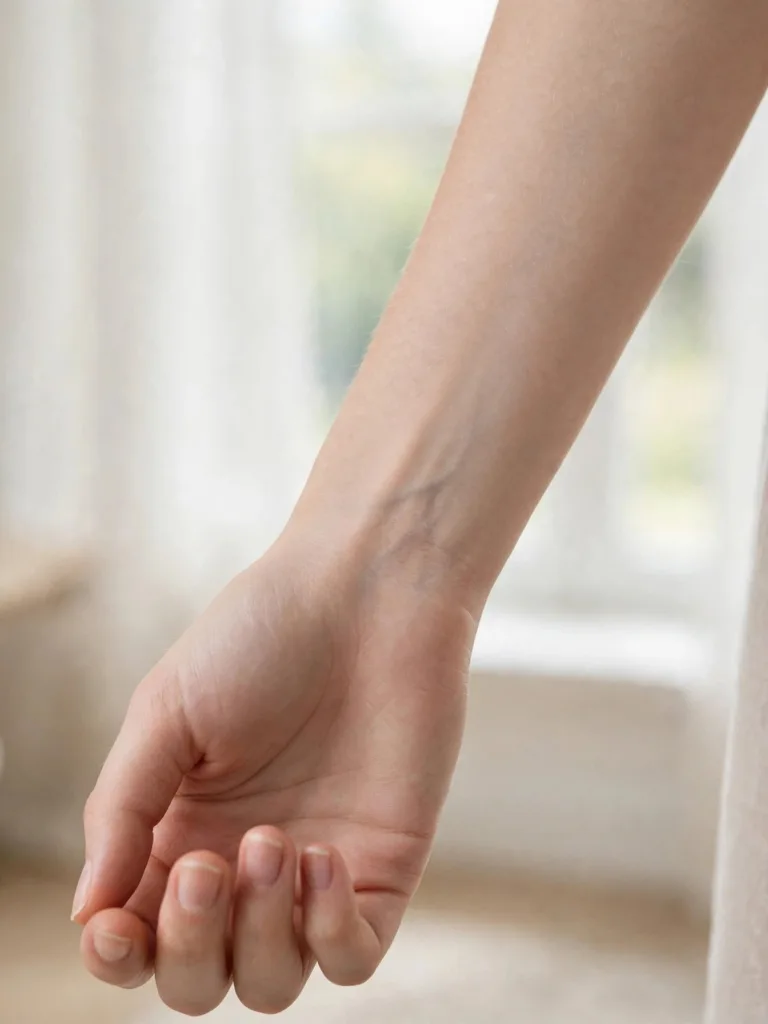
Undertone describes the underlying color impression of your skin, often discussed as warm, cool, neutral, or olive. The checks below are informal styling clues, rather than definitive tests.
The Vein Test
Look at your inner wrist in indirect daylight. Some styling guides associate green-looking veins with warmth and blue-looking veins with coolness. Treat that association as a clue, since visible vein color alone cannot reliably settle your undertone.
Mixed or indistinct vein colors do not require a neutral label.
The Jewelry Test
Compare gold and silver jewelry against the same area of skin in the same light. Notice whether you prefer a blended effect or stronger contrast.
The White Paper Test
Hold a plain white sheet beside your bare hand in indirect daylight. Notice any pink, golden, or muted green cast without forcing a label.
Colored walls, warm bulbs, and reflections can change the impression. Compare again in another neutral setting if needed.
Undertone Vs Depth: Why They Are Not The Same
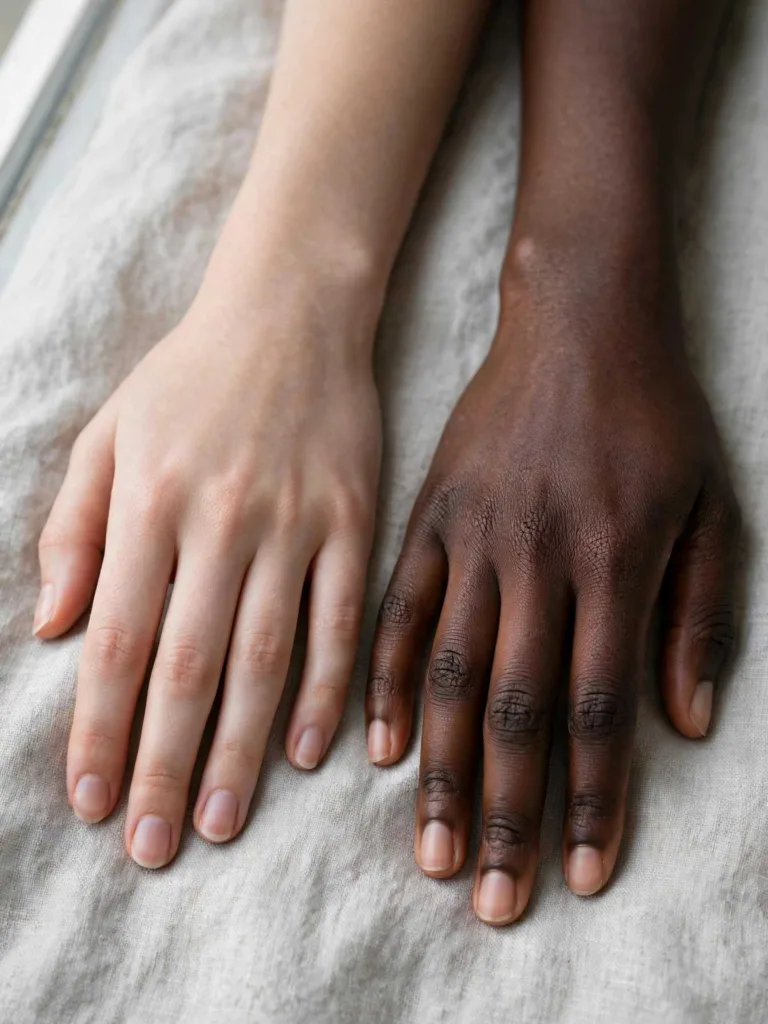
Skin depth describes how light or deep your skin appears. Undertone describes its underlying color impression. Keeping these ideas separate makes nail colors for skin tone advice more useful.
Fair skin can appear golden, rosy, neutral, or olive, and deeper skin can also have varied undertones. Surface tanning and lighting can change the way a polish looks beside your hand.
Two people with a similar depth may enjoy different polishes because of undertone, finish, or personal taste.
The Fair Skin Palette
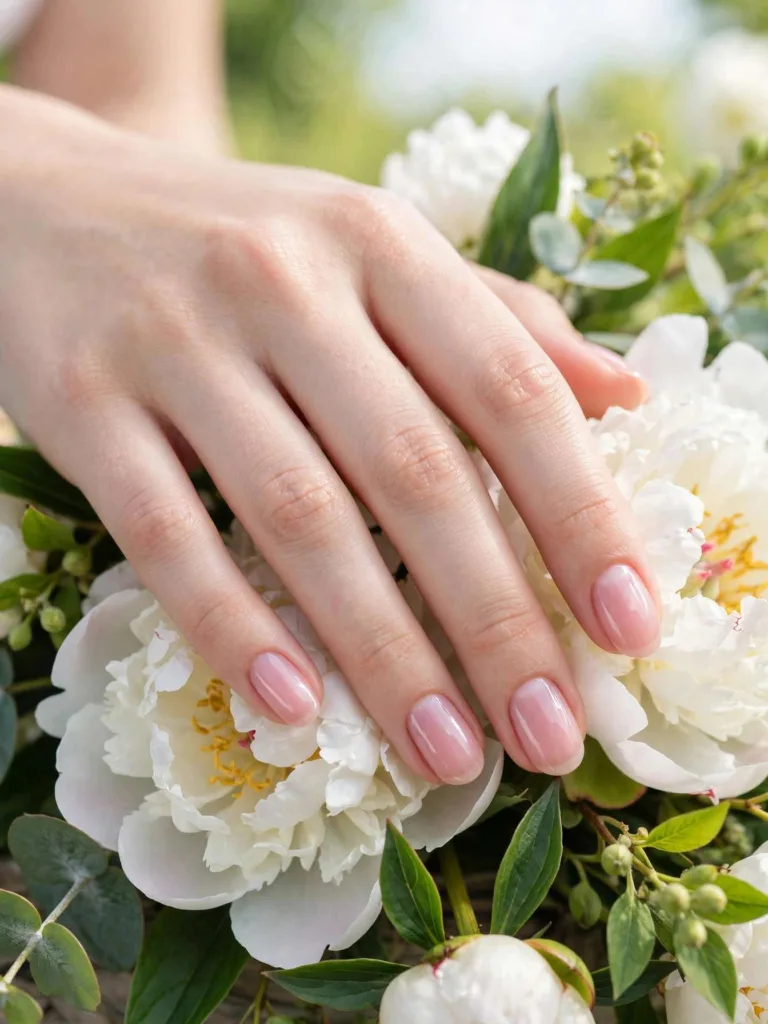
Dark or highly saturated polish can create clear contrast against fair skin. A sheer nude can offer a softer transition between nail and finger. Choose the effect first, then explore the warm, cool, and neutral options below.
Warm Fair Skin
Peach, soft coral, and golden-beige nudes can echo warm tones in fair skin. An orange-red offers a brighter, more distinct option.
Creamy off-white and warm milky pink can create a soft manicure. Gray-based shades offer a cooler contrast if you enjoy that effect.
Cool Fair Skin
Sheer pink, mauve, and blue-based red can echo rosy or cool tones. Lavender and icy pastels provide another direction, with stronger contrast in opaque formulas.
Berry and ruby shades can create a deeper accent. White-based nudes can look deliberately pale, while translucent versions let more natural nail color show through.
Neutral Fair Skin
Beige-pink, soft rose, and cream are useful comparisons for neutral fair skin. Try one warmer and one cooler version beside each other. A sheer finish gives a subtle result, while navy or red creates a clear contrast.
The Medium Skin Palette
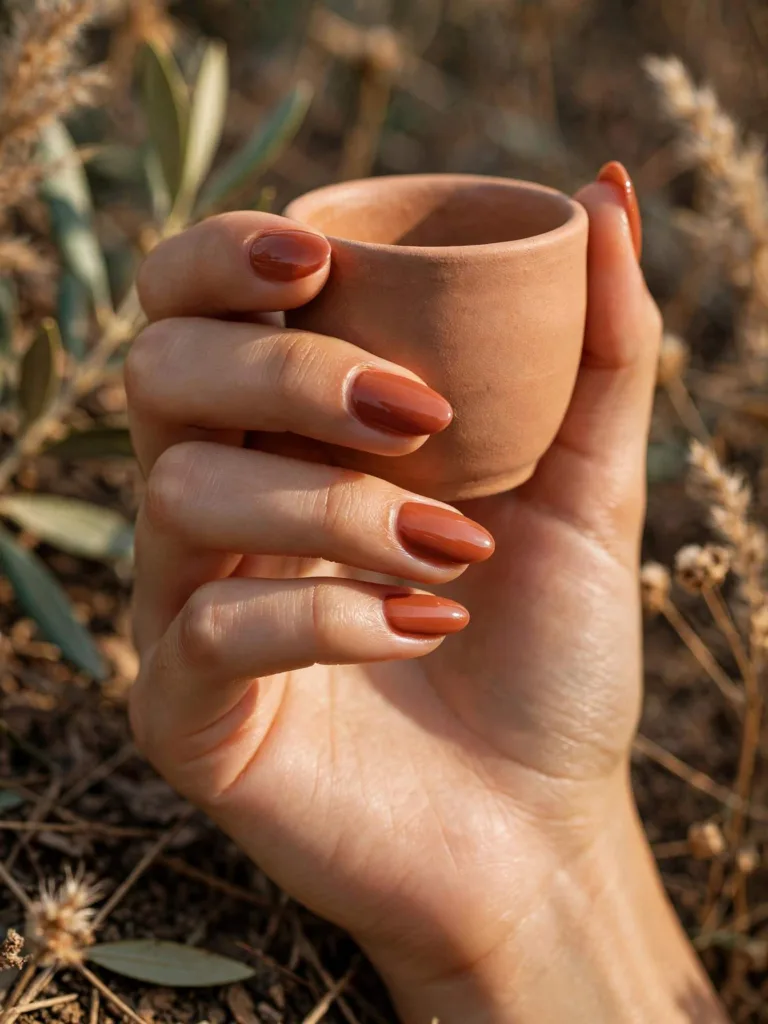
Medium skin can carry subtle nudes, pale contrasts, and vivid shades, depending on the effect you prefer. Warm, cool, and neutral examples below help organize the choices. Olive is an undertone characteristic that can occur at different depths, so it gets separate guidance afterward.
Warm And Neutral Medium Skin
Terracotta, caramel, and golden-beige nudes can echo warmth in medium skin. Dusty rose and muted mauve offer softer alternatives for neutral undertones. Try several versions, since shade names do not describe a consistent color across brands.
Warm red provides a distinct accent; plum offers a deeper option.
Cool Medium Skin
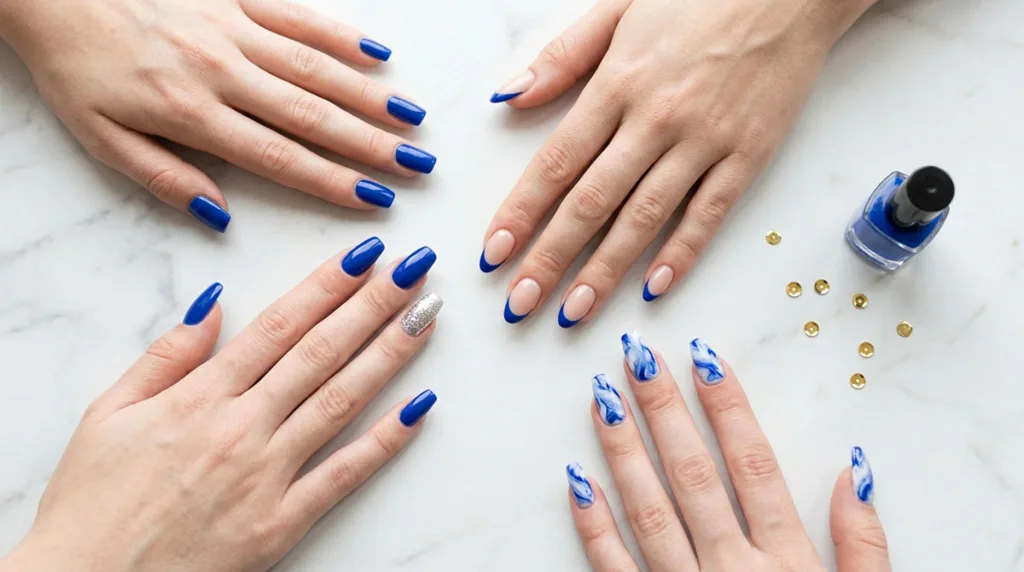
Rosy beige, mauve, berry, and blue-based red are useful options for cool medium skin. Soft pink can give a quieter finish, while cobalt or burgundy adds stronger contrast. Warm coral remains an option when you prefer a contrasting color temperature.
Choosing Shades For Olive Undertones
Olive skin has a muted greenish impression and can be fair, medium, or deep. It can also lean warmer or cooler. Compare shades against your own hand rather than assuming the medium-depth column will fit.
Terracotta, caramel, and sage can echo warmer olive tones. Dusty pink, lavender, and muted berry offer alternatives for cooler olive tones. Pale polish and gold metallics can create deliberate contrast, with the finish changing how strong that contrast appears.
The Deep Skin Palette
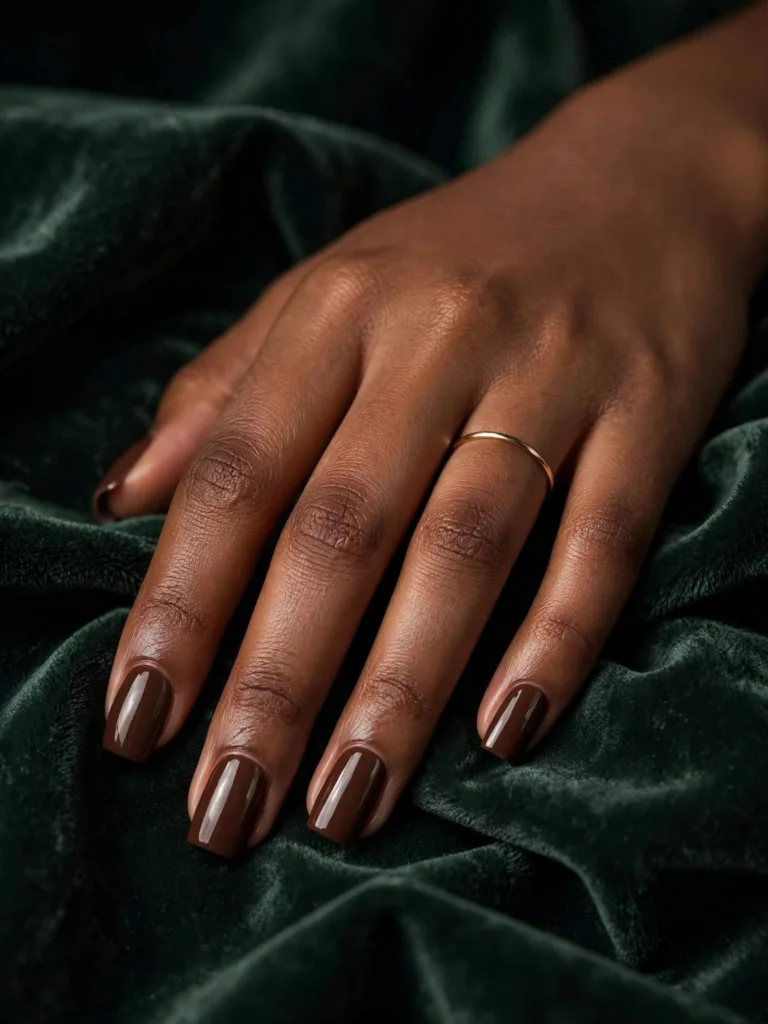
Deep skin offers many possibilities for both subtle and contrasting manicures. Chocolate shades can sit close to the skin, while pale pink or bright cobalt can stand out.
Saturated polish gives a vivid effect, and muted polish gives a softer one.
Warm Deep Skin
Chocolate, caramel, and red-brown nudes can echo warm tones in deep skin. Burnt orange and gold provide brighter accents.
Red can create a distinct outline, while a close brown gives a quieter result. Gloss adds reflections; matte finishes reduce that shine.
Cool And Neutral Deep Skin
Plum, burgundy, and blue-based red can echo cool tones in deep skin. Emerald and cobalt provide vivid alternatives.
Rosy beige and sheer berry are additional options for a subtle finish. A grayish beige may look muted, which some readers will prefer.
Nail Colors For Skin Tone: The Quick Match Method
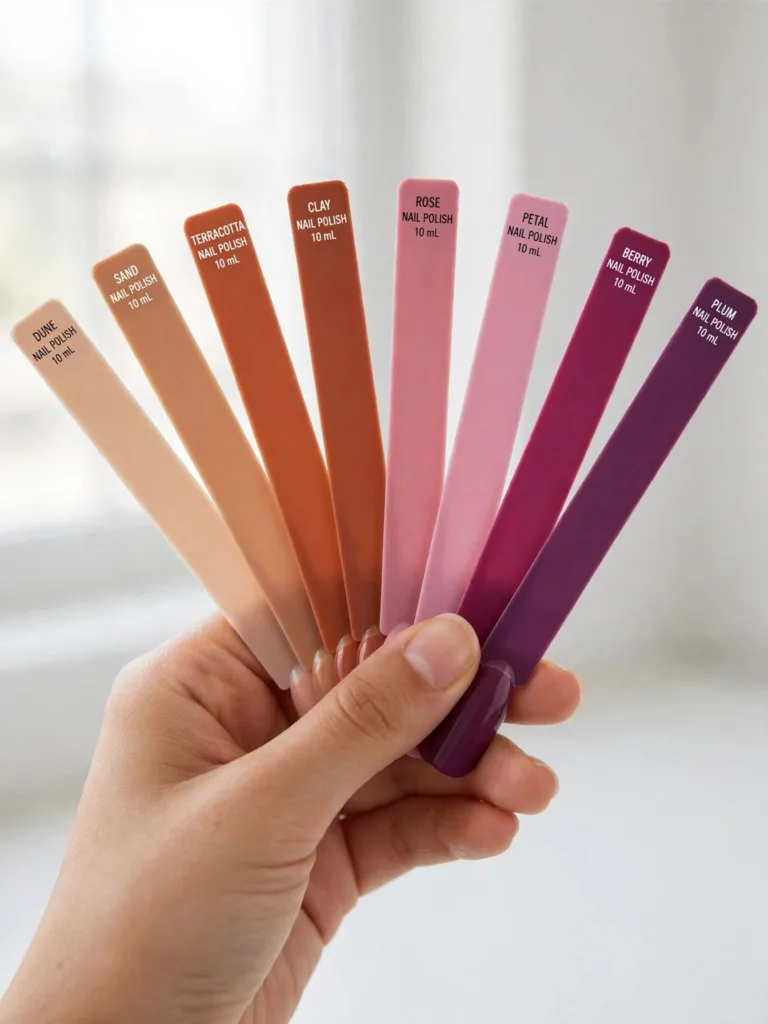
Use this table to shortlist shade families, then compare them against your hand. Its depth columns are broad starting points, and olive undertones can occur in any column.
| Undertone | Fair | Medium | Deep |
|---|---|---|---|
| Warm | Peach, coral, warm nude | Terracotta, caramel, warm red | Chocolate, gold, burnt orange |
| Cool | Sheer pink, mauve, and blue-based red | Dusty rose, plum, berry | Burgundy, cobalt, emerald |
| Neutral | Soft beige-pink, cream | Dusty rose, mauve, taupe | Rosy beige, plum, classic red |
For a harmonious effect, try a polish that echoes your undertone. For contrast, change its depth, color temperature, or saturation. You can also keep a nude close to your skin for a subtle finish.
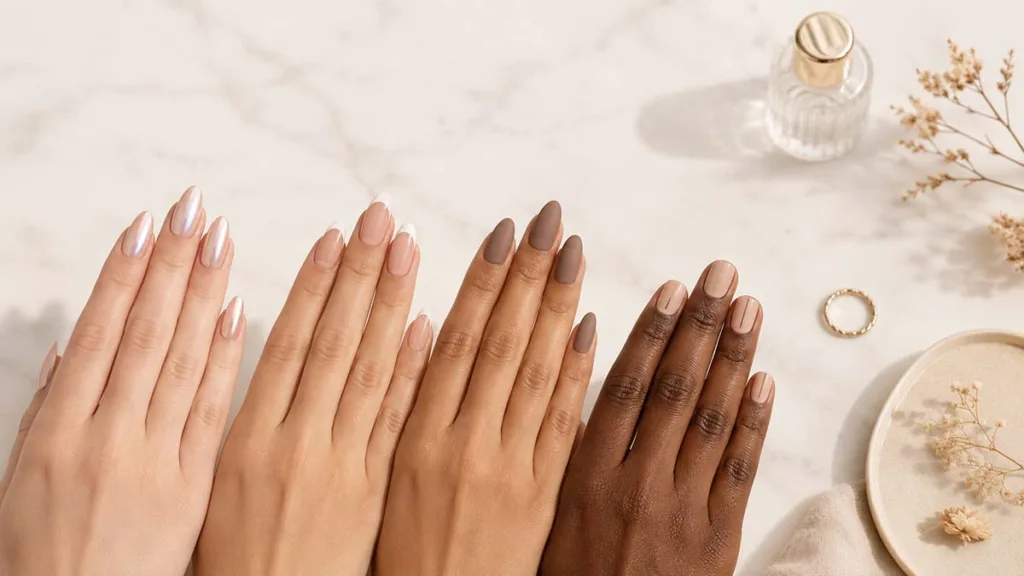
Nudes: Choose Your Preferred Contrast
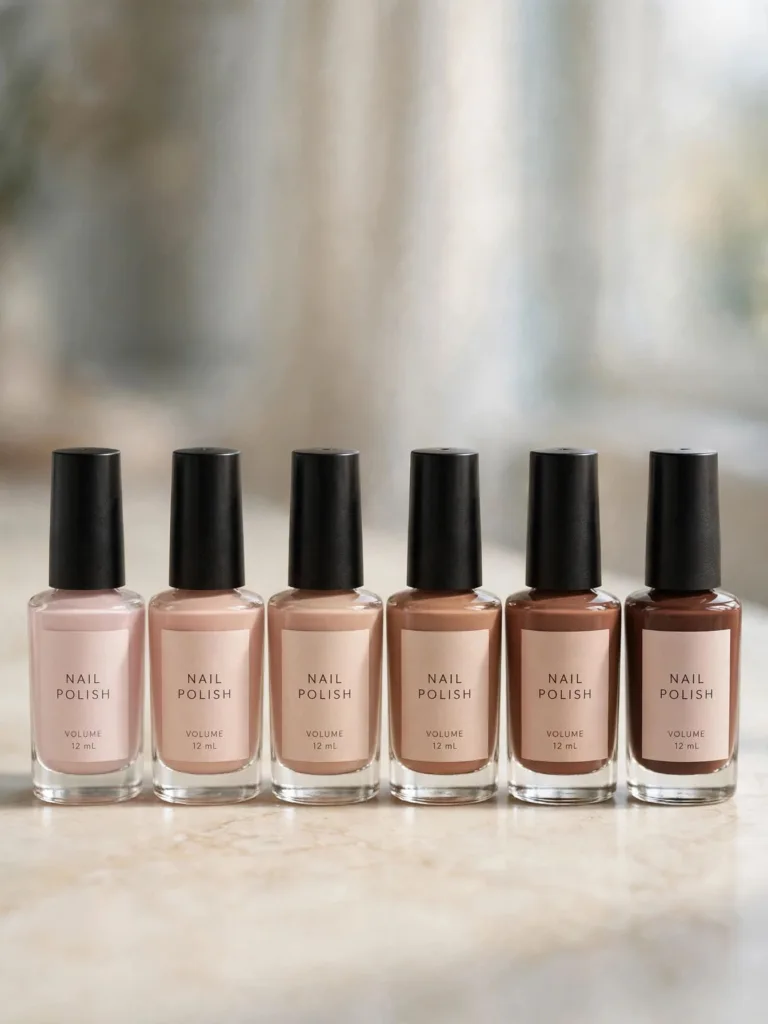
The useful question is how closely you want it to blend with your hand. Different depths and finishes can all give an intentional result.
A close match gives a subtle transition between nail and finger. For readers who prefer more separation, nail artist Miss Pop recommends avoiding an exact match in Allure’s nude polish guide. That is a styling preference you can try, rather than a universal restriction.
Compare a nude close to your skin with one noticeably lighter or deeper. There is no standardized two-shade gap across polish ranges. Choose the amount of contrast that suits the manicure you want.
Sheer polish lets the natural nail influence the final color; opaque polish covers it more fully. Our glazed donut nails guide offers ideas for translucent, reflective finishes.
Compare nudes beside your fingertips as well as the back of your hand, since those areas can look different. In The Zoe Report’s nude polish guide, nail artist Amy Le suggests using nail-bed color when undertone feels unclear. Treat that as another comparison point rather than a guaranteed match.
Why A Shade May Look Different Than Expected
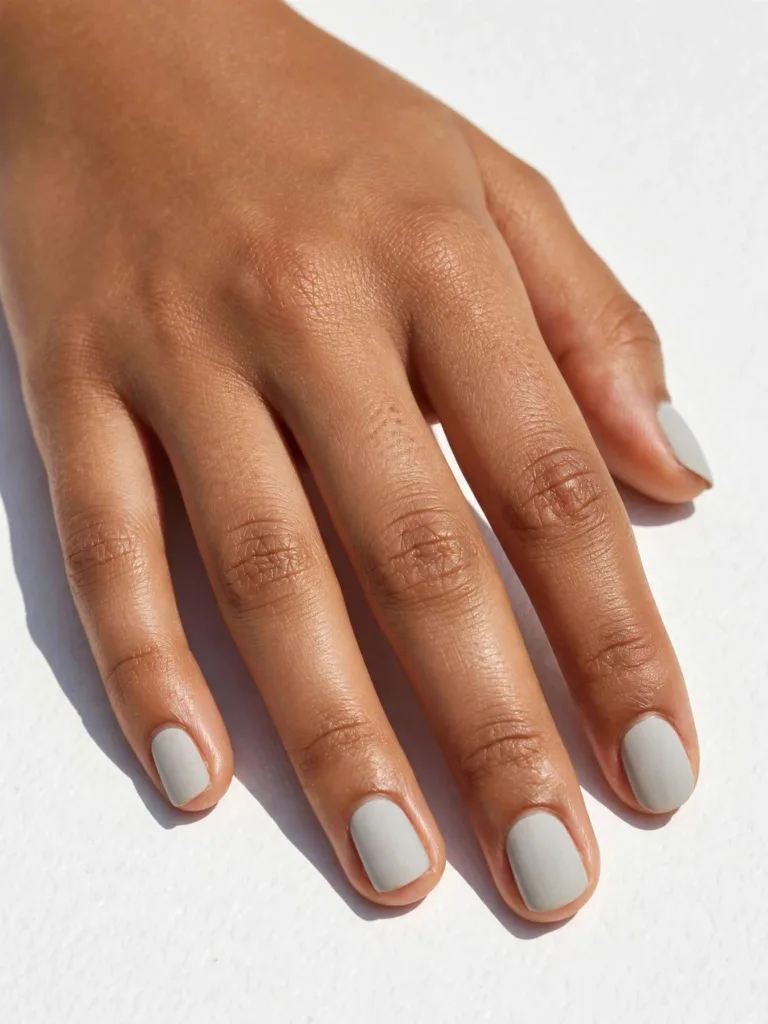
White-based polish can appear distinctly pale, while gray-based polish can look muted. A close nude match gives less separation between the nail and finger.
Store lighting can change your impression of a polish compared with daylight. Check the applied shade or a swatch near your hand in more than one setting. Undertone, depth, opacity, and surrounding colors can all influence the result.
How To Test A Shade Before You Buy

Testing one nail helps you compare the applied color with your hand. If testing before purchase is unavailable, use a swatch stick or look for clear application photographs.
Where testers are permitted, follow the shop’s testing rules or ask staff for a swatch. Compare the shade in indirect daylight and indoor light, alongside clothing you often wear. Photos can help record the comparison, but cameras and screens can also alter color.
If the shade blends more than you wanted, compare a lighter, deeper, or more opaque version. If it feels too stark, try a sheer formula or a closer depth.
Nail length and shape also change how much color is visible. Our nail shape guide shows options for almond, oval, and square tips. If you already own the polish, wear it normally to decide whether you enjoy the shade beyond the first application.
Small Tweaks For Season And Occasion
You can change your palette with the season or keep a favorite year-round. Coral, blue-red, and bright pink offer vivid options; oxblood, espresso, and forest green offer deeper ones. None belongs exclusively to one undertone or season.
For an event, consider your outfit, dress code, and preferred finish. Sheer nudes can feel understated, while metallics or matching lipstick can make a coordinated statement. Your undertone can inform the choice without limiting it.
Frequently Asked Questions
These answers offer starting points for common shade choices. Personal preference matters more than fitting a fixed palette.
What Is The Best Nail Color For Fair Skin With Cool Undertones?
Sheer pink, mauve, and blue-based red can echo rosy or cool tones. Lavender and icy pastels provide another direction, with stronger contrast in opaque formulas.
How Do I Know My Undertone For Nail Polish?
Vein, jewelry, and white-paper comparisons offer informal clues, but none conclusively identifies undertone. Compare warm and cool polish swatches beside your hand in consistent light. You can choose a favorite without finding a definite label.
Which Nude Nail Polish Will Not Wash Me Out?
Compare a close nude match with lighter and deeper alternatives. A sheer finish gives a softer transition, while opaque polish makes the color more distinct. There is no mandatory two-shade difference.
Can Pale Skin Wear Dark Nail Colors?
Yes, dark polish can create strong contrast against fair skin. Berry, navy, espresso, and black are options. Choose the contrast you enjoy rather than treating pale skin as a restriction.
Which Nail Colors Make Deep Skin Glow?
Gold adds reflection, while cobalt, emerald, and burgundy can create vivid accents against deep skin. Chocolate and muted beige offer quieter alternatives. Your preferred finish determines whether the result feels subtle or bold.
Can I Wear The Same Shade On Hands And Feet?
Yes, matching hands and feet gives a coordinated look. Different shades can work just as well, whether they share an undertone or create contrast. Consider both colors together with the shoes or accessories you plan to wear.
Should My Nail Color Match My Lipstick?
Matching nail color and lipstick is optional. An exact red match creates coordination, while different shades can connect through a shared undertone or finish. Choose the combination you enjoy.
Final Thoughts
Choosing nail colors for skin tone becomes more practical when you compare the result you want with the polish you see. A blended nude, a cool accent, and a bright contrast can all belong in the same collection. You do not need a fixed undertone label to enjoy them.
For your next manicure, compare one familiar shade with a lighter or deeper alternative in consistent light, then choose your favorite.