Nail Shapes Guide: Find The Shape That Flatters You

This nail shapes guide gives you every popular shape and honest upkeep notes. It also gives you a simple way to pick the right one for your hands. The wrong shape can make strong nails chip faster and good polish look off. The right one does the opposite: fingers look longer, polish lasts, and filing takes minutes.
Below you will find all nine nail shape names. Each comes with filing notes. You also get a shape-and-length reference table, upkeep tips, and a short script for your nail tech.
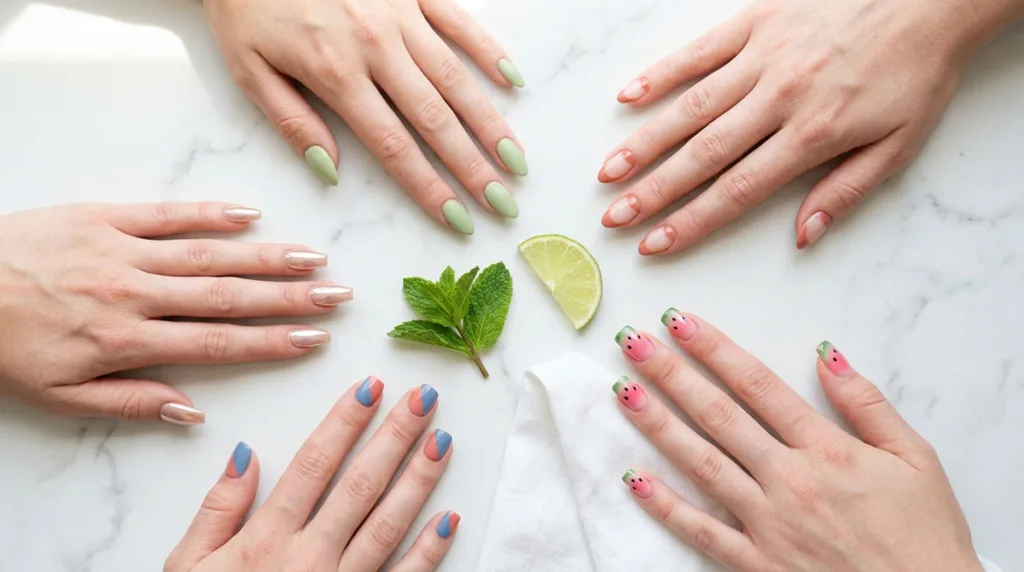
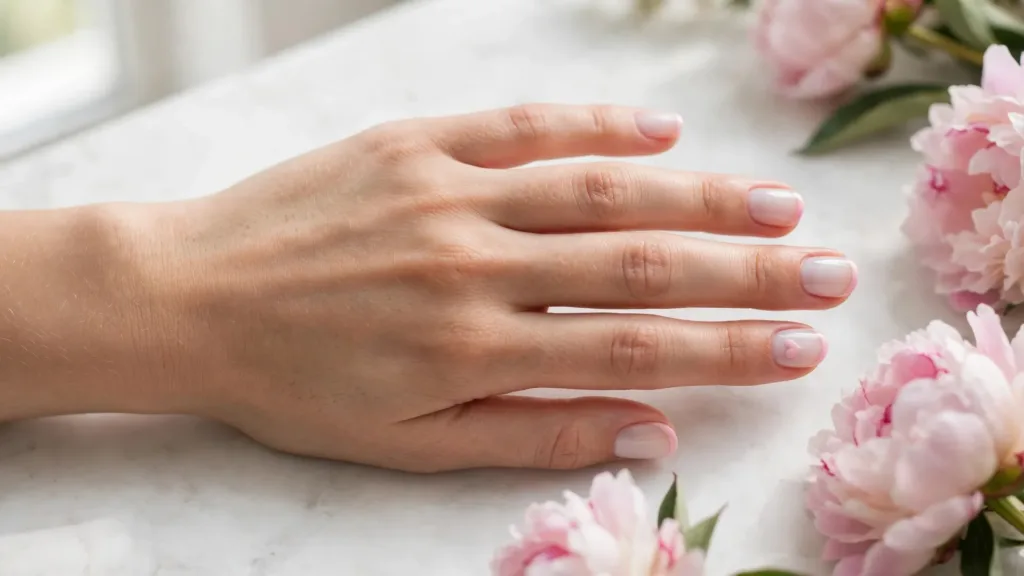
Use the photos as a nail shape chart as you read. By the end, you will know which types of nail shapes flatter your hands. You will also know how to ask for them at the salon. No guessing, no jargon, and no shape you cannot maintain.
This nail shapes guide walks through all nine popular nail shapes. It shows how to choose one based on your fingers, nail beds, lifestyle, and nail strength. It also adds a shape-and-length reference table, upkeep tips, and a salon script for your next appointment.
Every Nail Shape, Explained One By One
Nine shapes cover almost everything salons file today. Each entry below names the shape, describes its silhouette, and notes filing, length, and upkeep. Find the ones you keep coming back to, then read the choose section before your next appointment. Keep this nail shapes guide saved on your phone for the salon.
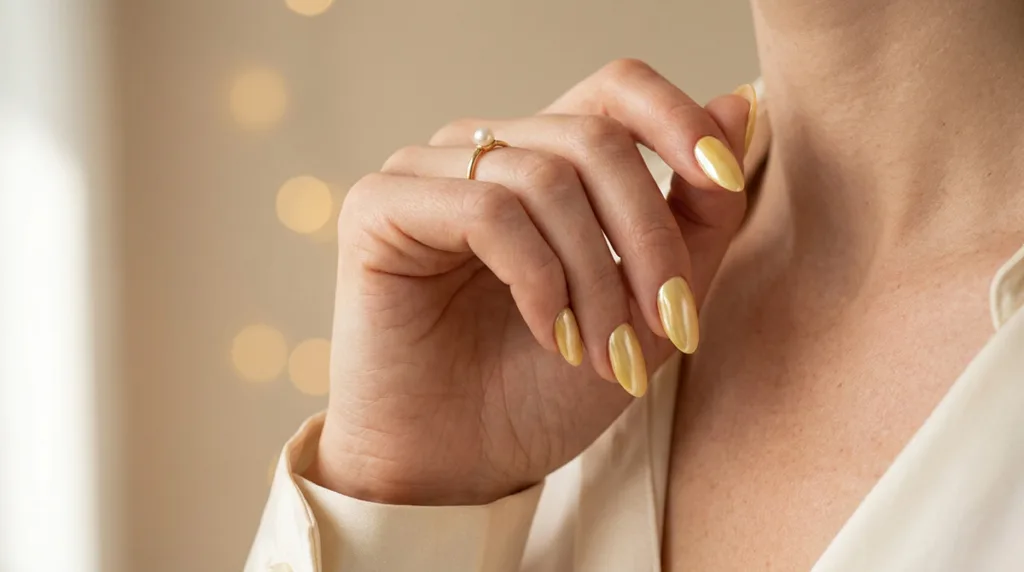
01. Almond Nails
The almond shape tapers the sides into a soft, rounded point, like the nut it is named for. It needs medium to long nails; the taper eats length, so short nails cannot hold it. File the sides at an even angle and round the tip into a gentle peak.
Almond is one of the most requested types of nail shapes. The taper makes fingers look longer and nail beds look slimmer. It reads feminine without the drama of a true point.
Upkeep is medium: the tip can snag, so a nail file touch-up every few days keeps the peak even. If your nails are weak, almond works best over gel extensions, which add the structure the point needs.

02. Oval Nails
The oval is almond’s softer sister: tapered sides with a smooth, half-moon tip instead of a point. It suits medium to long nails and looks at home with classic manicures. File the sides inward, then round the free edge into an even curve.
The oval elongates fingers the way almond does, but the rounded tip feels calmer and more traditional. Upkeep is low to medium. The shape follows the natural curve of the nail, so it grows out gracefully and rarely snags. This is the shape many techs file when a client asks for something elegant but not fussy.

03. Round Nails
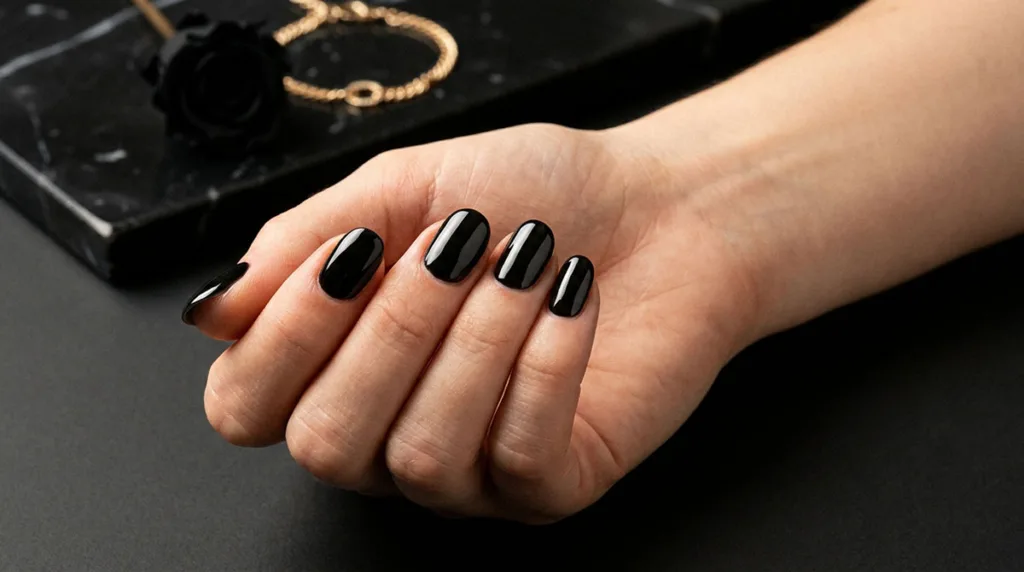
Round nails follow the natural curve of your fingertip, slightly lifted. They work at any length, even very short. File the sides straight, then round the free edge into a half-circle that mirrors the fingertip.
Round is the strongest of all the shapes because no corners or points take impact. Upkeep is low: file every week or two and you are done.
OPI’s Rebecca Reller shared a filing trick with Essence. Follow your fingertip’s curve, then flip the nail over to check the symmetry of the curve. That flip test catches lopsided edges before polish goes on.

04. Square Nails
Square nails have straight sidewalls and a flat free edge with crisp corners. They need at least some length past the fingertip; on very short nails the shape reads stubby. File the sides straight, then file the tip straight across so it sits perpendicular to the sides.
Square gives polish a clean, graphic frame and suits French manicures well. The corners are the weak point: they catch on fabric and chip first. Upkeep is medium to high, since corners need regular re-squaring. For a softer take, see squoval below.
05. Squoval Nails
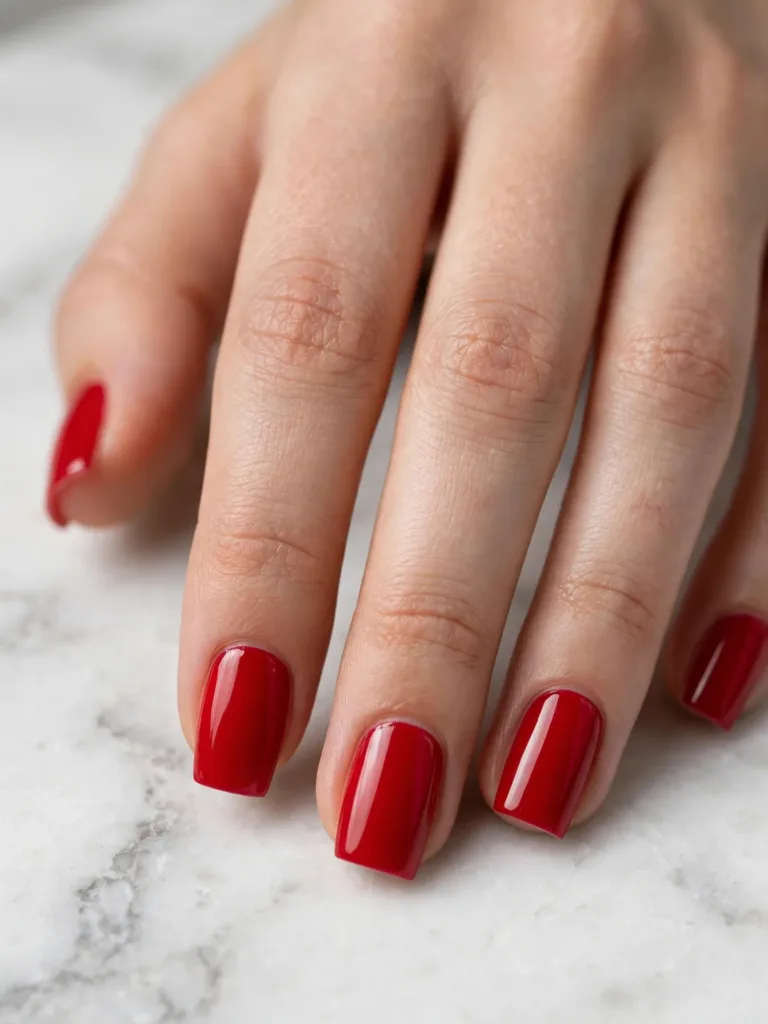
Squoval is a square with softly rounded corners, the middle ground between square and oval. It works at short, medium, and long lengths. File straight across first, then round each corner in one smooth stroke.
Squoval keeps the modern edge of a square but drops the fragile corners, so it lasts longer between appointments. Upkeep is low. Nail techs call it the safe pick for first-timers because it flatters most hands and forgives uneven filing.

06. Coffin (Ballerina) Nails
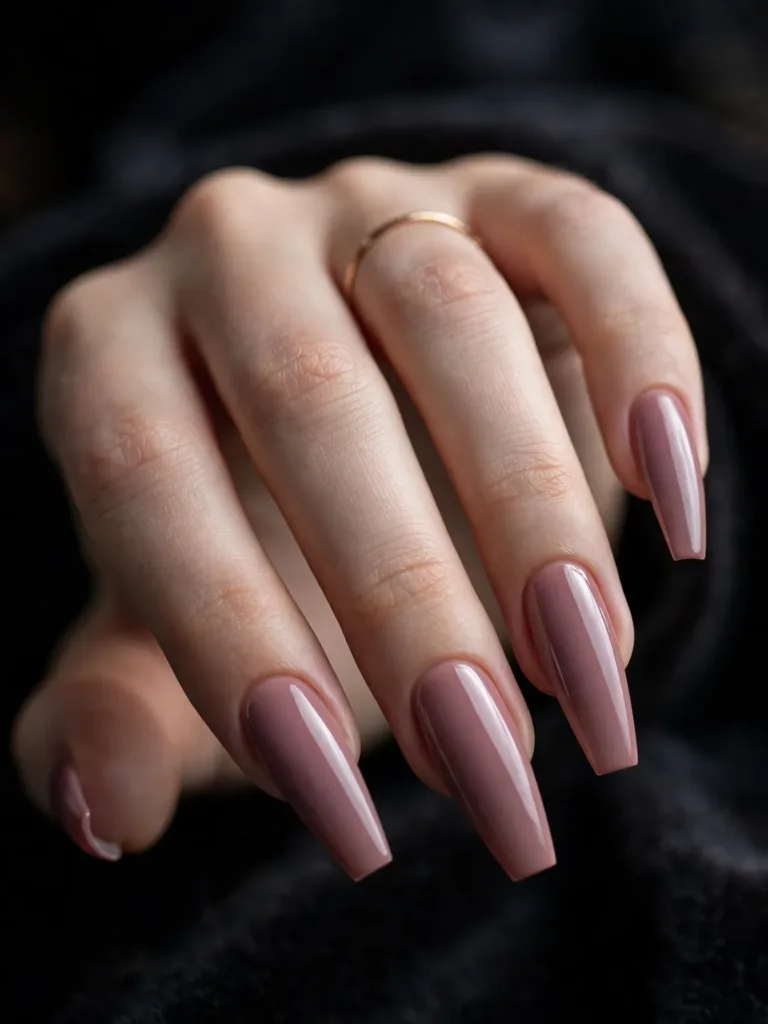
Coffin nails taper the sides and end in a flat, narrow tip. It takes its name from a coffin or a ballerina slipper on pointe. The two names describe the same silhouette; salons use them interchangeably. This shape needs long nails and usually acrylic or gel extensions for support.
The tapered sides make fingers look long. The wide flat tip gives nail art and chrome nails plenty of canvas. Upkeep is high: the slim tip is fragile, and fills keep the structure sound.
07. Stiletto Nails
Stiletto is the boldest shape: long sides filed to a sharp point, named for the shoe heel. It only works on long nails, almost always with extensions. The point draws the eye and makes fingers look their longest.
Daily life gets harder with stilettos; typing, buttons, and contact lenses all take practice. Upkeep is high. The tip needs frequent smoothing, and breaks often start at the point. Choose stiletto for the look, not for convenience.

08. Lipstick Nails
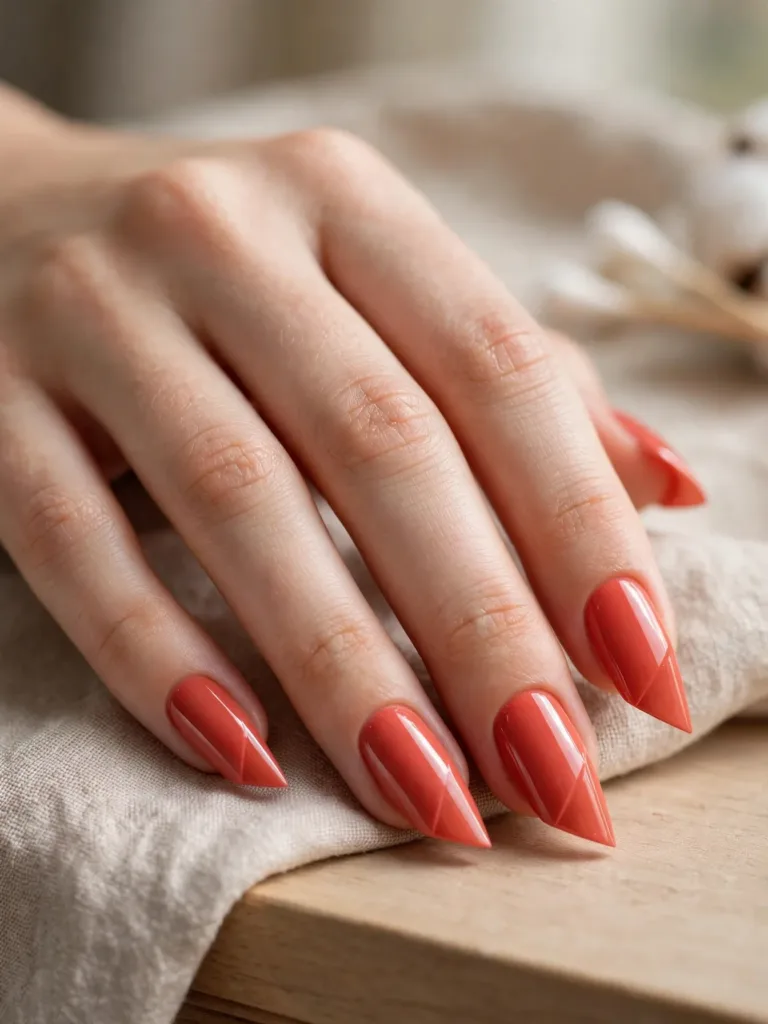
Lipstick nails end in a sharp diagonal slant, like a fresh lipstick bullet. The asymmetry is the whole point. They need medium to long nails; the slant needs length to read clearly. File one side higher than the other to set the angle, then sharpen the slant.
Lipstick suits people who want an art-forward shape without the length of a stiletto. Upkeep is medium to high, since the slant’s high corner chips and the angle needs re-setting. Keep the color simple and let the silhouette do the talking.
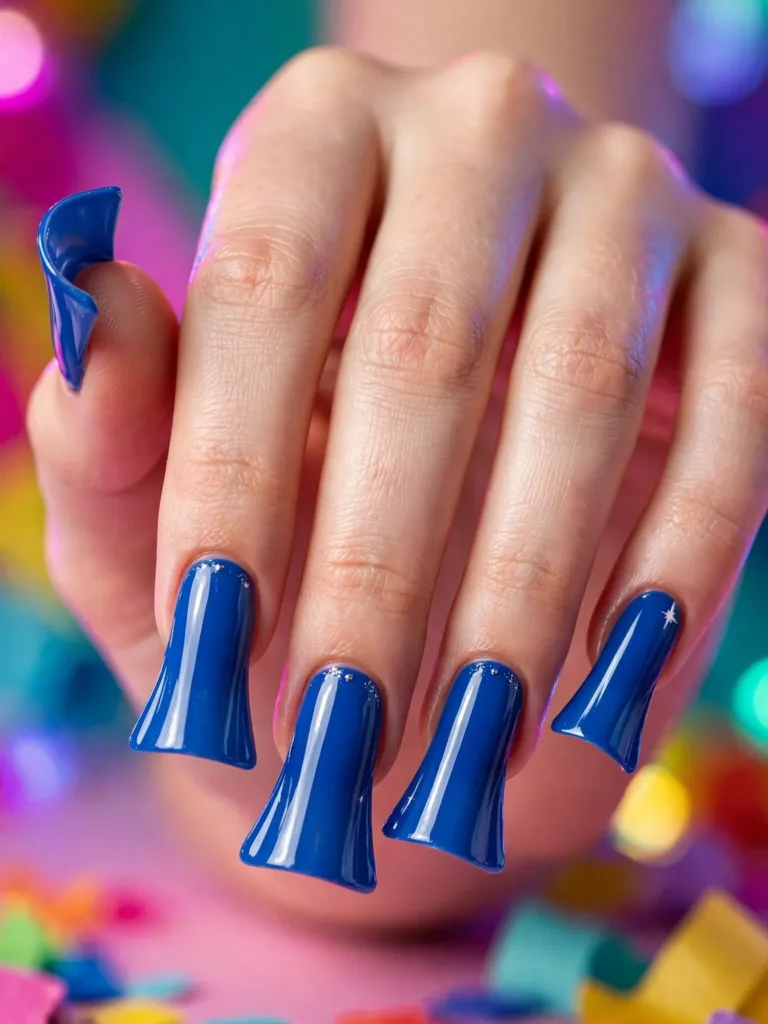
09. Flare (Duck) Nails
Flare nails widen from the nail bed to a broad tip, like a tiny fan. “Duck nails” is the nickname. They are built with acrylics, not filed from natural nails. The wide free edge is a big canvas for bold nail art.
This is the least everyday shape in this nail shapes guide. The wide tip catches on everything, and the look divides opinion. Upkeep is high, and removals need a tech. Try flare if you collect statement shapes; skip it if you want low effort.
Rare Shapes You Might Spot
Edge, arrowhead, and mountain peak nails all riff on the stiletto. Edge adds a raised center ridge. Arrowhead shortens the point, and mountain peak keeps it short and sharp.
You will rarely see them outside editorial shoots and nail competitions. Knowing the nail shape names helps at the salon. Any of the nine shapes in this nail shapes guide covers real life.
How To Choose The Right Nail Shape
So what nail shape suits me? No single rule answers that, but four checks narrow the field fast. The rest of this nail shapes guide is a how to choose nail shape checklist. Work through it in order before you book.
I suggest starting with your hands, not with a trend photo.
Check Finger Length And Nail Bed Width
Long, tapered shapes like almond and oval make short fingers look longer. They add a vertical line the eye follows. If your fingers are already long, blunt shapes like square add width and balance.
Now look at your nail beds. Wide beds carry square and squoval well, while narrow beds look balanced with round and oval. A quick test: if your nail is wider than a pencil eraser, treat the nail bed as wide.
These are tendencies, not rules. Plenty of people break them and love the result.
Match The Shape To Your Daily Routine
Your hands’ real job matters more than any chart. Typing all day, lifting kids, cooking, or manual work all punish long points and sharp corners. Round, squoval, and short oval survive busy hands best. If your nails are mostly decorative and you type lightly, longer shapes like almond, coffin, or stiletto become realistic.
Stay realistic here. A shape you fight daily is a shape you will stop maintaining.
Know Your Nail Strength
Thin, peeling, or brittle nails break fastest at points and corners. Round and squoval put the least stress on weak nails; stiletto and coffin put the most. If your nails bend easily, choose a forgiving shape or add structure with gel or acrylic extensions.
A short round nail on healthy natural nails often outlasts a long stiletto on weak ones. For day-to-day strengthening habits, see our guide to keep nails strong naturally at home.
Nail Shape And Length Reference Table
Use this nail length guide as a quick reference before your appointment. Find your usual length, then see which shapes it supports and what upkeep each demands.
| Shape | Minimum Length | Upkeep | Breakage Risk |
|---|---|---|---|
| Almond | Medium | Medium | Medium |
| Oval | Medium | Low to medium | Low |
| Round | Short | Low | Very low |
| Square | Short to medium | Medium to high | Medium |
| Squoval | Short | Low | Low |
| Coffin (Ballerina) | Long | High | High |
| Stiletto | Long | High | Very high |
| Lipstick | Medium | Medium to high | Medium |
| Flare (Duck) | Long, extensions | High | High |
Moving between shapes takes patience. Growing a square into an almond works. File the corners a little more each week and let the sides taper as length builds. Never file aggressively in one sitting; thin sides break.

Keeping Your Shape Looking Sharp
A good shape fades fast without upkeep. These habits keep the silhouette crisp between appointments. Every shape in this nail shapes guide needs the same basics.
File in one direction with a fine-grit nail file, 180 grit or higher, to avoid micro-tears. Touch up the free edge every few days; small chips change a shape’s look quickly. Oil the cuticles daily with cuticle oil; dry cuticles lift and make the base look ragged.
Extension shapes like coffin and stiletto often need salon fills every two to three weeks to stay structurally sound. Natural-nail shapes can usually stretch to three or four weeks. Never use nails as tools: opening cans and peeling stickers break tips regardless of shape.

What To Ask Your Nail Tech
Bring words, not just a photo. This part of the nail shapes guide gives you a short script. It gets you closer to the shape you actually want.
Say your shape name first, then your length limit and lifestyle. Try: “I want almond, medium length, and I type all day.” Ask which shapes your nail beds suit; techs make this call daily.
Ask about upkeep: “What will this need between appointments?” If you want extensions, ask which system the salon recommends for your shape and why. A good tech will talk you out of a shape that fights your nails. Listen when that happens.

Nail Shapes Guide FAQ
Quick answers to the questions readers ask most about nail shapes.
What Is The Most Popular Nail Shape?
Squoval and almond lead most salon request lists. Squoval wins for everyday wear because it flatters most hands and needs little upkeep. Almond wins for a polished, elongating look.
Which Nail Shape Makes Fingers Look Longer?
Tapered shapes lengthen the eye’s path: almond, oval, and stiletto. They work best with some length past the fingertip. On very short nails, round gives the longest look available.
What Nail Shape Is Best For Short Nails?
Round, square, and squoval all work at short lengths. Round is the strongest and easiest to file. Squoval adds a modern edge without fragile corners.
Which Nail Shape Is Strongest?
Round. With no corners or points, impact spreads across the curve instead of concentrating at a weak spot. Squoval comes next. Points and sharp corners break first.
Do Coffin And Ballerina Mean The Same Shape?
Yes. Both names describe tapered sides with a flat, narrow tip. Salons use the two terms interchangeably, so either name gets you the same shape.
Can I File These Shapes At Home?
Round, oval, square, and squoval are all doable at home with a 180-grit file and patience. Almond takes practice. Coffin, stiletto, and flare need extensions and are best left to a tech.
How Often Should I Reshape My Nails?
Touch up the free edge every few days. Do a full reshape every one to two weeks for natural nails. Extension shapes need salon fills every two to three weeks to stay structurally sound.
Final Thoughts
Pick one shape that fits your length, your routine, and your patience for upkeep. Then commit to it for a full growth cycle. Shapes look better after two or three consistent filings than after one ambitious appointment.
Screenshot your favorite shape photo from this nail shapes guide. Show it to your tech at your next visit. That single reference photo does more than any description.