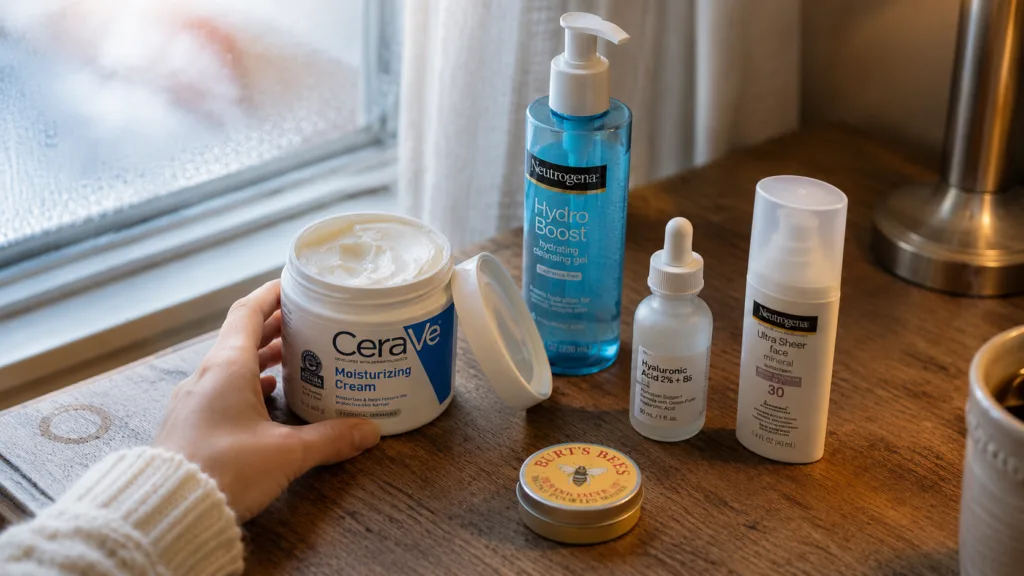
Strawberry Legs: Gentle Care For Dots And Rough Bumps

Do strawberry legs leave dark dots after shaving, even when your skin feels smooth? A closer shave or stronger scrub may not address what you are seeing. Visible hair, rough follicular bumps, and marks left after irritation can look similar from a distance. The useful first step is noticing the pattern without turning it into a home diagnosis.
Gentle cleansing and regular moisturizer can support dry skin, while shaving changes may reduce repeated irritation. Exfoliating products can help some rough bumps, but they do not suit every dotted patch. Painful or spreading bumps need a different response from a cosmetic routine. You should not wait several weeks to get concerning symptoms checked.
This guide explains possible causes, a simple routine, safer shaving habits, and realistic expectations for texture and color. It also covers when to pause products and seek professional advice.
What Strawberry Legs Can Describe
Strawberry legs is an informal description of visible follicular dots, rather than one medical diagnosis. Their appearance, location, timing, and symptoms offer clues, but touch alone cannot confirm the cause.
Flat Dots With Smooth Skin
Flat dots after shaving may include visible hair beneath the surface or darkened follicular openings. Shaving cuts hair near the surface rather than removing the whole follicle. Scrubbing harder cannot erase every visible hair shadow. A smooth leg can still have visible follicles without needing stronger treatment.
Look at whether the dots appeared with shaving or remained after previous bumps healed. Compare the same area in similar lighting rather than judging it only immediately after hair removal. Persistent changes or an uncertain pattern deserve assessment. A photograph can document changes without proving which condition caused them.
Rough Bumps And Dry Patches
Small, rough bumps on the thighs can fit keratosis pilaris, which involves keratin plugging follicular openings. The bumps may look skin-colored, brown, or red depending on the person. Similar textures can occur with other conditions. A clinician can assess the pattern if the diagnosis is unclear or products keep causing irritation.
Tender Bumps And Pustules
Painful bumps, pus, increasing warmth, or spreading discoloration need more attention than ordinary shaving dots. Pause hair removal and exfoliation over that area. Avoid picking or trying to release a hair with a needle. Seek medical advice according to the symptoms rather than using a cosmetic treatment deadline.
Why Strawberry Legs Can Keep Returning
Several processes can overlap, so the same routine will not suit everyone. Repeated shaving irritation, rough follicular plugs, and residual pigmentation may need different changes.
Ingrown Hairs And Shaving Irritation
After shaving or waxing, a hair can grow into the skin and trigger a bump. Coarse or curly hair can make this more likely. Very close shaving and repeated passes may add irritation. Reducing that repeated trigger can matter more than adding another exfoliating product.
Folliculitis Does Not Always Mean Infection
Folliculitis means inflammation of a hair follicle. DermNet explains its infectious and noninfectious causes, including irritation and blockage. A pustule does not tell you which treatment to choose by yourself. Antibiotics only suit certain causes and should follow a clinical assessment.
Dark Marks Can Outlast The Bumps
Inflammation from shaving, ingrown hairs, or other skin problems can leave darker marks after the active bump settles. Those marks are different from a raised plug or visible hair shadow. Removing more surface skin is not a reliable shortcut to fading them. Continued irritation can create further marks while older ones remain.
A Gentle Routine For Strawberry Legs
Start with tolerated basics and add a treatment only for a clear reason. Our body care routine guide covers the wider routine, while the steps here focus on dotted or rough legs.
Step 1: Cleanse Without Stripping Skin

Use lukewarm water and a mild, fragrance-free cleanser where needed. Wash with your hands or a soft cloth, using light pressure. Avoid scrubbing until the skin feels squeaky or sore. Keep showers brief if long washing leaves your legs dry or tight.
Pat with a towel rather than rubbing, leaving some moisture on the skin before ordinary moisturizer. A cleanser does not need exfoliating particles to remove everyday sweat and residue. If a product repeatedly stings, stop using it and review the formula. Persistent soreness deserves advice rather than more vigorous washing.
Step 2: Consider Exfoliation For Suitable Rough Bumps
For keratosis pilaris, AAD self-care guidance describes exfoliating ingredients and warns against excessive use. Salicylic acid, lactic acid, and urea appear in products for rough skin. Their effects depend on the concentration and finished formula. Choose one suitable product rather than combining several treatments at once.
Follow its instructions for amount, frequency, application area, and whether skin should be dry. Avoid broken, inflamed, or freshly irritated skin. Do not add an acid scrub over an acid cream to speed up results. A pharmacist or dermatologist can help when the label or your existing treatments make the choice unclear.

The salicylic-acid tube in the illustration is not a tested product recommendation or a dosing guide. Its pictured strength does not make it suitable for every reader or every area. Review the actual product you intend to use. Follow any age, pregnancy, medical condition, or application warnings on its label.
Step 3: Moisturize According To Dryness
Apply a comfortable fragrance-free moisturizer after washing, while the skin is slightly damp. A cream may suit dry areas better than a light lotion, but comfort and tolerance matter. You can repeat plain moisturizer when needed according to its directions. This does not mean applying an exfoliating cream several times daily.
Keep ordinary moisturizing and medicated treatment instructions separate. If a thick product seems to trigger more bumps, reassess it instead of applying heavier layers. The aim is comfortable skin without new irritation. A moisturizer can support dryness while a painful or persistent eruption still needs its own assessment.

Shaving Habits That May Reduce Irritation
Hair removal is optional, and repeated bumps are a reason to reconsider how closely you shave. The aim is fewer irritated follicles rather than a guarantee of poreless legs.
Prepare The Hair And Check The Blade
Soften the hair with warm water and use a shaving cream or gel you tolerate. Use a clean, sharp razor and replace it when it pulls or becomes damaged. Rinse the head during shaving so residue does not build up. Do not share razors.
Follow Hair Growth With Light Strokes
Notice the direction your leg hair grows instead of assuming it is identical across the whole leg. Shave in that direction using light strokes. Avoid repeatedly passing over the same patch to remove a remaining shadow. Hair beneath the surface may still be visible after a close shave.
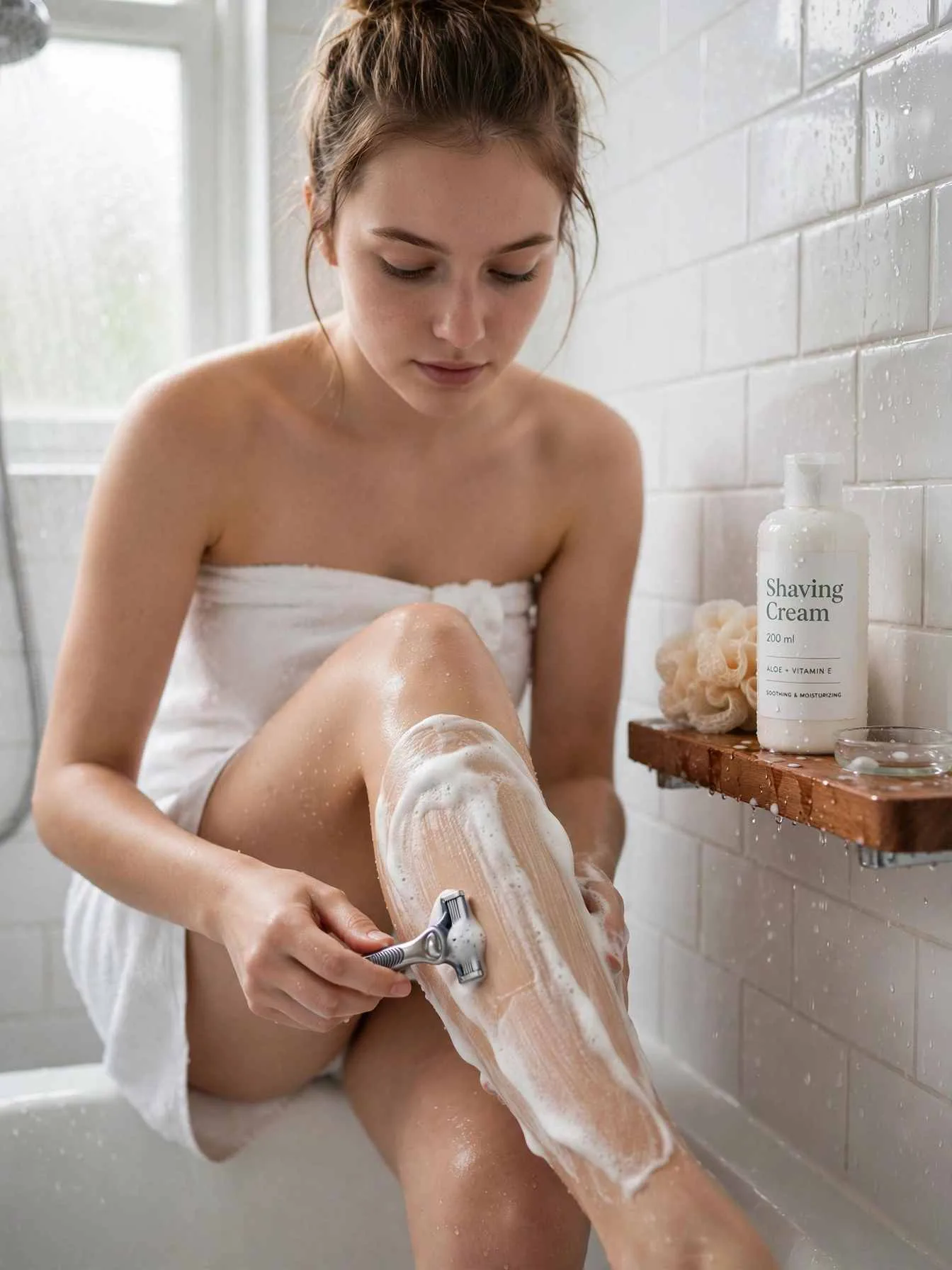
A still photograph shows lather and razor placement but cannot establish the direction or pressure of a stroke. Use the written technique and your own growth pattern. Rinse afterward and apply a tolerated moisturizer. Pause shaving if the skin is cut, sore, or developing inflamed bumps.
Separate Shaving From Irritating Treatments
Check whether an exfoliating product warns against use around hair removal. There is no universal waiting period that fits every acid and formula. If freshly shaved skin stings, skip the active and return to tolerated basics. Do not apply more product to test whether the discomfort will disappear.
Rinse the razor after use and let it dry outside the damp shower area. Store it somewhere clean where water does not collect around the head. These habits reduce avoidable contamination but cannot guarantee that bumps will never occur. Recurrent symptoms still deserve a review of technique and possible causes.
What To Do When Products Sting
A routine should not require enduring burning to prove that it works. Irritation can make both roughness and discoloration harder to manage.
Pause Actives And Avoid Picking
Stop the new exfoliant if it causes burning, persistent stinging, swelling, or a rash. Wash it off as directed and use tolerated basics while seeking advice if symptoms persist. Avoid picking plugs or squeezing ingrown hairs. Digging into the skin can add injury and leave further marks.
Introduce Products In A Small Area
Test a new product on a small area according to its instructions before wider use. Watch for delayed irritation as well as an immediate reaction. A quiet test area does not guarantee tolerance with frequent use or on freshly shaved skin. Ask for advice if eczema or recurring reactions complicate the choice.
Sun Protection And Dark Marks
Sunscreen supports protection of exposed skin and can help limit sun-related worsening of pigmentation. It does not remove hair shadows or unblock follicles.
Protect Exposed Legs Outdoors
Choose broad-spectrum, water-resistant SPF 30 or higher and apply it according to the label. Reapply at least every two hours outdoors and after swimming or sweating as directed. Clothing and shade add protection. Choose a texture you tolerate rather than forcing a formula that burns on application.
Use Gentle Pacing On Every Skin Tone
Anyone can develop irritation from harsh scrubbing or excessive acids. Post-inflammatory dark marks may be especially noticeable or persistent in deeper skin tones. Our skincare guide for dark skin discusses related care considerations. Increasing exfoliation because marks remain visible can restart the irritation cycle.
Realistic Expectations For Strawberry Legs
Texture, active bumps, and pigment do not necessarily improve together. Track the specific change you want instead of expecting every kind of dot to disappear on one schedule.
Measure Comfort And Texture Separately From Color
Dryness may feel better before rough bumps change, while dark marks can remain after inflammation settles. Results depend on the cause and whether the chosen treatment suits it. Guidance about several weeks of keratosis-pilaris care should not become a deadline for every dotted patch. Visible hair shadow may need a different cosmetic choice altogether.
Use occasional photographs in similar lighting if that helps you assess changes. Record new pain, itching, or pustules separately from cosmetic appearance. If a well-tolerated routine is not helping, ask for assessment rather than continually increasing its strength. You do not need to finish an arbitrary six-week trial before requesting help.
Consider Maintenance And Hair-Removal Alternatives
Keratosis pilaris can return when effective care stops, so maintenance may be part of the plan. That does not mean every strawberry-legs pattern needs permanent acid use. Adjust the routine to the diagnosis and response. Keep useful moisturizing habits without continuing a treatment that repeatedly irritates.
If close shaving repeatedly causes bumps, consider less-close trimming or discussing longer-term hair-removal options with a qualified professional. Laser suitability depends on the hair, skin, equipment, and operator. It is not a universal cure for pigmentation or keratosis pilaris. Ask about benefits, risks, and realistic results before booking.
When To Seek Medical Care
The appearance alone cannot tell you whether a condition needs prescription treatment. Changing symptoms and recurring problems matter as much as how visible the dots look.
Get Prompt Help For Worsening Symptoms
Seek prompt care for spreading redness or discoloration, increasing warmth, swelling, pus, or significant pain. Fever, red streaks, rapidly worsening symptoms, or feeling unwell warrant urgent assessment. Do not keep shaving or exfoliating the area while waiting for advice. Avoid treating a suspected infection with leftover medication.
Ask About Persistent Or Uncertain Changes
Arrange a review when bumps recur, products repeatedly irritate, or an appropriate routine gives no useful improvement. Mention when symptoms began and how they relate to shaving, waxing, or product changes. Take the packaging of treatments you use. A clinician can distinguish possible causes and decide whether testing or prescription care is appropriate.
FAQs
How Can I Reduce Strawberry Legs At Home?
Start with mild cleansing, tolerated moisturizer, and less-irritating shaving habits. A suitable exfoliant may help rough follicular bumps, but cannot address every cause. Painful, spreading, or persistent symptoms need assessment.
Are Strawberry Legs The Same As Keratosis Pilaris?
Strawberry legs describes an appearance, while keratosis pilaris is one possible cause of rough bumps. Visible hair, ingrown hairs, inflammation, and residual marks can also contribute. Touch alone cannot confirm the diagnosis.
Will Exfoliating Remove Dark Hair Shadows?
Exfoliation cannot remove every hair visible beneath the surface after shaving. More scrubbing may irritate the skin without changing that shadow. Review hair-removal options if this is your main concern.
How Often Should I Use An Acid Cream?
Follow the finished product’s directions and introduce one treatment at a time. Strength, application area, other products, and skin tolerance affect frequency. Stop if irritation develops and seek advice when needed.
Can I Use Exfoliating Cream After Shaving?
Check the product’s hair-removal warnings and your skin’s condition. Avoid applying irritating actives to cut, inflamed, or freshly irritated skin. There is no single waiting period suitable for every formula.
How Long Does Strawberry Legs Care Take?
The timeframe depends on the cause and the outcome being measured. Roughness, inflamed bumps, and dark marks can change at different rates. Do not wait through a cosmetic trial when symptoms suggest infection or another problem.
Does Folliculitis Always Need Antibiotics?
Folliculitis can result from infection, irritation, or other causes. Antibiotics suit some bacterial cases rather than every inflamed follicle. A clinician can assess the cause and choose appropriate treatment.
When Should I See A Doctor About Leg Dots?
Seek prompt care for spreading discoloration, warmth, swelling, pus, or significant pain. Fever, red streaks, or feeling unwell need urgent assessment. Recurring bumps and uncertain skin changes also deserve a review.
Final Thoughts
Useful strawberry legs care starts with the change you can observe: roughness, irritation, visible hair, or leftover marks. A mild cleanser and tolerated moisturizer provide a starting point while you decide whether an exfoliant has a purpose. Comfortable skin and fading pigmentation are different outcomes, and worsening symptoms deserve attention sooner than a cosmetic deadline. Make a short record of your symptoms, shaving habits, and products for your next care decision.