21 Winter Hair Colors For Blondes To Refresh Your Look

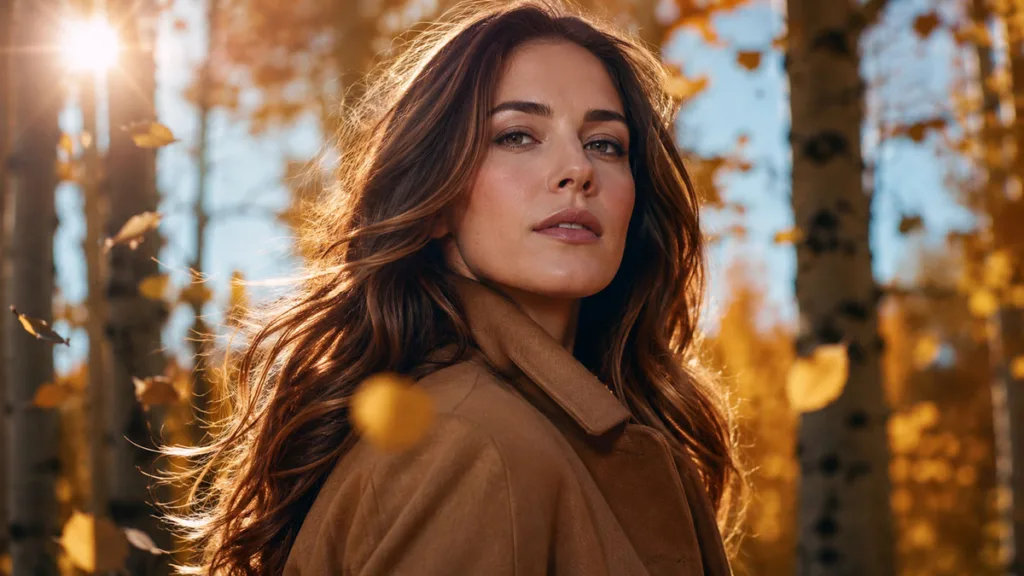
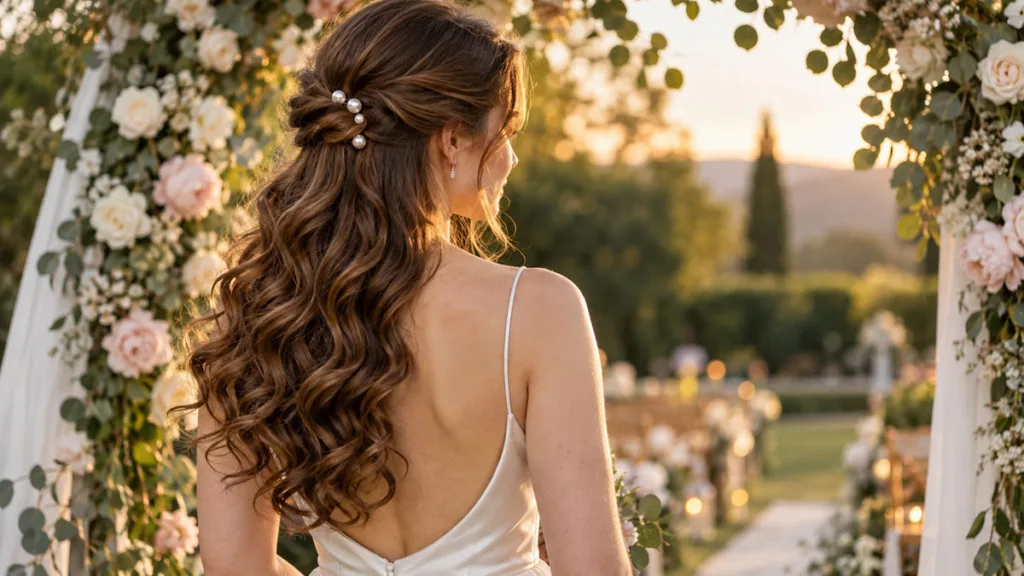
Want winter hair colors for blondes that refresh your shade without committing to an all-over darker color? These 21 looks compare cool, creamy, golden, and rooted finishes for hair that is already blonde. Some changes involve depositing tone, while others need carefully placed lighting or added depth. The photograph shows a destination rather than the exact service your hair will require.
Your starting shade matters, but previous color, porosity, and condition matter too. A pale end can absorb a tint differently from a darker root. Lowlights may linger when you later want brightness again, even if the original service used a demi-permanent formula. Discuss that return plan before adding substantial depth.
Use the descriptions to compare tone and placement, then take your favorite reference to a colorist. The choosing and care sections explain the questions that make that consultation more useful.
How To Choose Winter Hair Colors For Blondes
Winter hair colors for blondes can change the tone, depth, or placement of an existing blonde. Decide which change you want before choosing a service or maintenance schedule.
Separate The Shade From The Service
Tone describes reflections such as gold, beige, or ash, while depth describes lightness or darkness. Highlights and balayage place lighter areas; lowlights place deeper ones. A shadow root concentrates depth near the scalp. A gloss or toner can refine color, but those names do not identify one universal formula.
A pale reference may require additional lightening even when your hair is already blonde. Tonal correction cannot reproduce every lighter result on a darker or uneven base. Tell your colorist about previous dye, lightening, straightening, and other chemical services. Strand testing and condition checks help set a realistic target.
Choose The Contrast You Enjoy
Skin undertone can inform a discussion about harmony and contrast, but it does not prescribe a shade. Warm blonde can create contrast beside cooler coloring, while a cooler blonde can create a different balance. Compare swatches near your face in neutral light. Your preference matters more than a rule based on undertone or eye color.
Bring one photograph showing the whole look and another showing the root or ribbon detail you like. Photos in different lighting can reveal why the same color appears warmer indoors. They cannot establish the exact formula used. Ask which features your starting hair can realistically reproduce.
Agree On Maintenance Before Adding Depth
A tonal refresh, regrowth service, and highlight appointment solve different problems. They do not need to happen together or follow a universal calendar. Ask what change would signal that each service is due. Washing habits, product choice, porosity, and the contrast with your natural root affect that plan.
If returning to a lighter blonde matters, discuss it before adding lowlights or copper. Demi-permanent color may still leave pigment in porous hair. Repeated lightening may involve extra sessions or compromise the ends. For wider seasonal comparisons, see our winter blonde shade guide and fall hair colors for blondes.
1. Icy Platinum Toner Shift

Icy platinum removes much of the visible warmth from a very pale blonde result. A suitable toner may be enough when the starting color is already evenly light. Darker areas or old colors can require additional work before the tone looks consistent.
The aim is a cool finish without assuming another lightening service is automatically appropriate.
Best for: Cool, very pale blonde with minimal visible gold.
Ask your stylist for: an assessment of the existing lift and an icy toner if appropriate.
2. Frosted Pearl Gloss

Frosted pearl softens platinum with a pearly reflect rather than a strongly grey finish. It can be lean neutral-cool, with a pink or lilac variation if that is what you request. Describe how noticeable you want that reflection to be.
Pale blonde may accept the tone readily, while uneven lightness can complicate the result.
Best for: A softer alternative to a stark platinum finish.
Ask your stylist for: a pale pearl finish with the amount of pink or violet reflect agreed upon during consultation.
3. Vanilla Cream Blonde

Vanilla cream keeps a little pale warmth through the blonde, giving it a softer beige-gold appearance. It differs from butter blonde by keeping the gold relatively restrained. Ask which areas should stay brightest and where a little depth would help.
A gloss may adjust the tone, but the starting lightness still limits the finished result.
Best for: Pale blonde with restrained creamy warmth.
Ask your stylist for: a light vanilla tone with subtle dimension and enough warmth to avoid an icy finish.
4. Champagne Beige Blonde
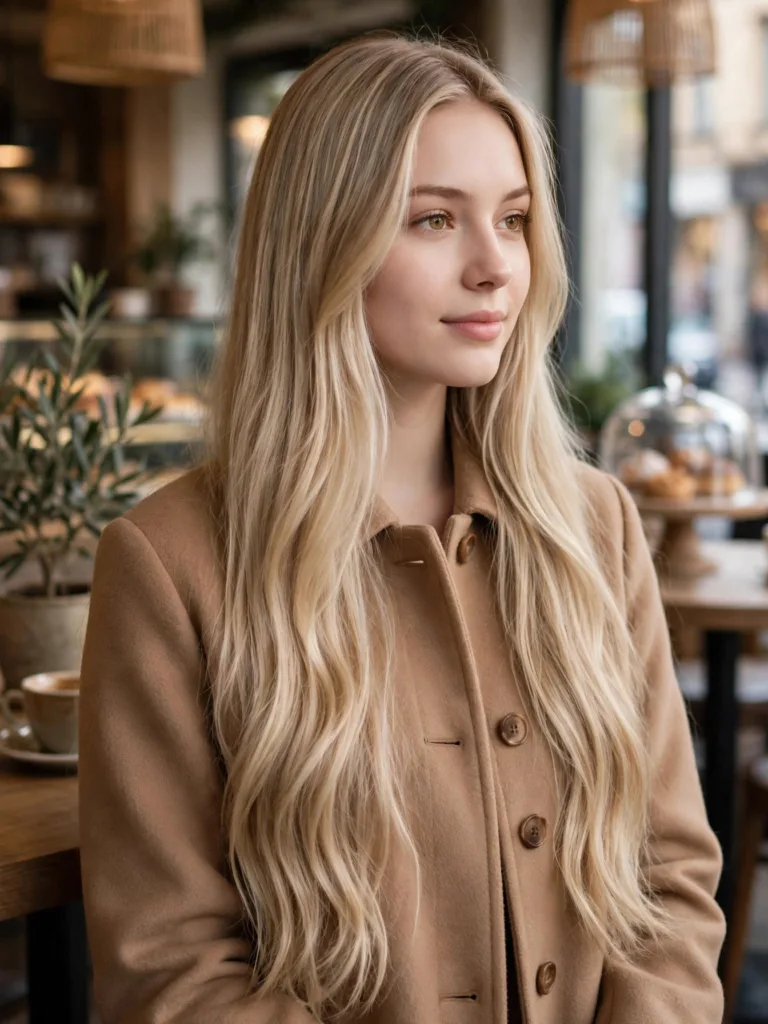
Champagne beige balances soft gold with a beige reflect, creating a more neutral impression than a strongly golden blonde. Compared with vanilla, the beige balance is the main distinction. Bring references that show how warm you want it in daylight.
A colorist can adapt the formula to your existing shade rather than promising a universal beige-and-gold mixture.
Best for: A balanced beige finish with a little gold.
Ask your stylist for: a champagne-beige result, with the warmth and depth adjusted to the existing blonde.
5. Mushroom Blonde Lowlights
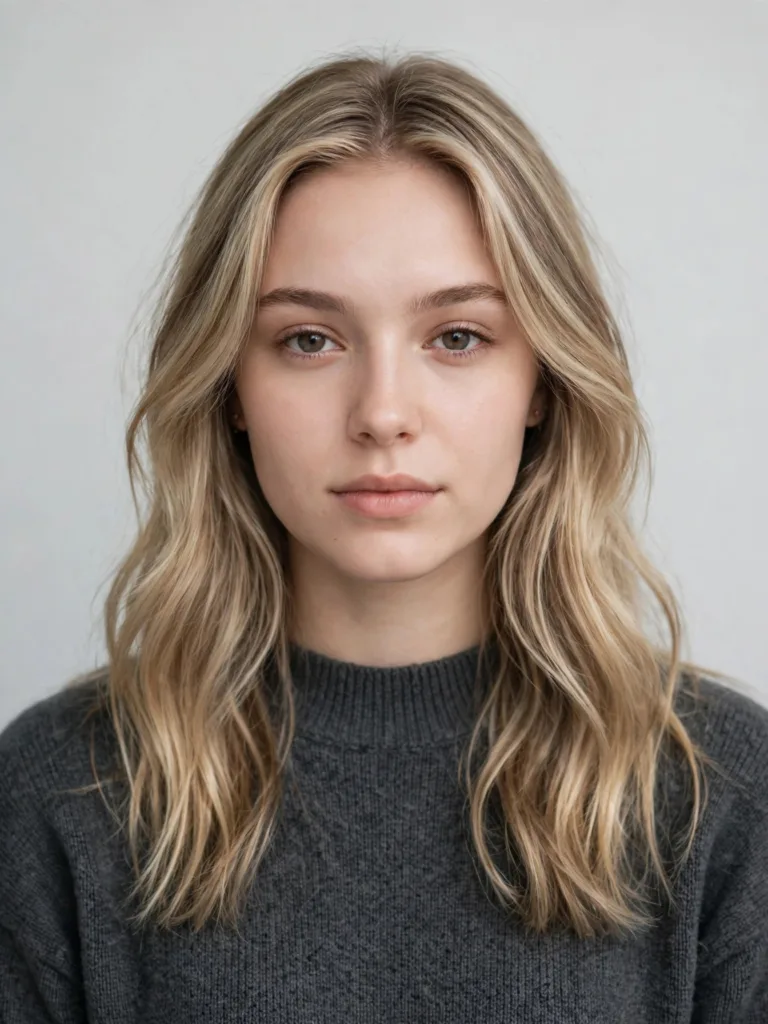
Mushroom lowlights add cool taupe or beige depth between lighter strands. The darker ribbons make the light pieces more distinct without darkening every strand. Their width and spacing matter as much as the shade name.
Placement near your natural color may soften regrowth, but lowlights still affect future lightening plans.
Best for: Cooler depth through an existing lighter blonde.
Ask your stylist for: soft taupe-beige lowlights with a contrast level and placement suited to the current base.
6. Iced Chestnut Blonde

Iced chestnut blonde blends beige, pale honey, and cooler champagne reflections. The result should feel softly dimensional rather than sharply striped. Colorist Min Kim describes this blend in The Zoe Report’s December 2025 winter forecast, recommending periodic glossing.
Treat that as guidance for the look, with your own schedule agreed individually.
Best for: A beige blend that retains some honey warmth.
Ask your stylist for: low-contrast beige, honey, and champagne dimensions, with a gloss plan based on fading.
7. Smoky Ash Blonde
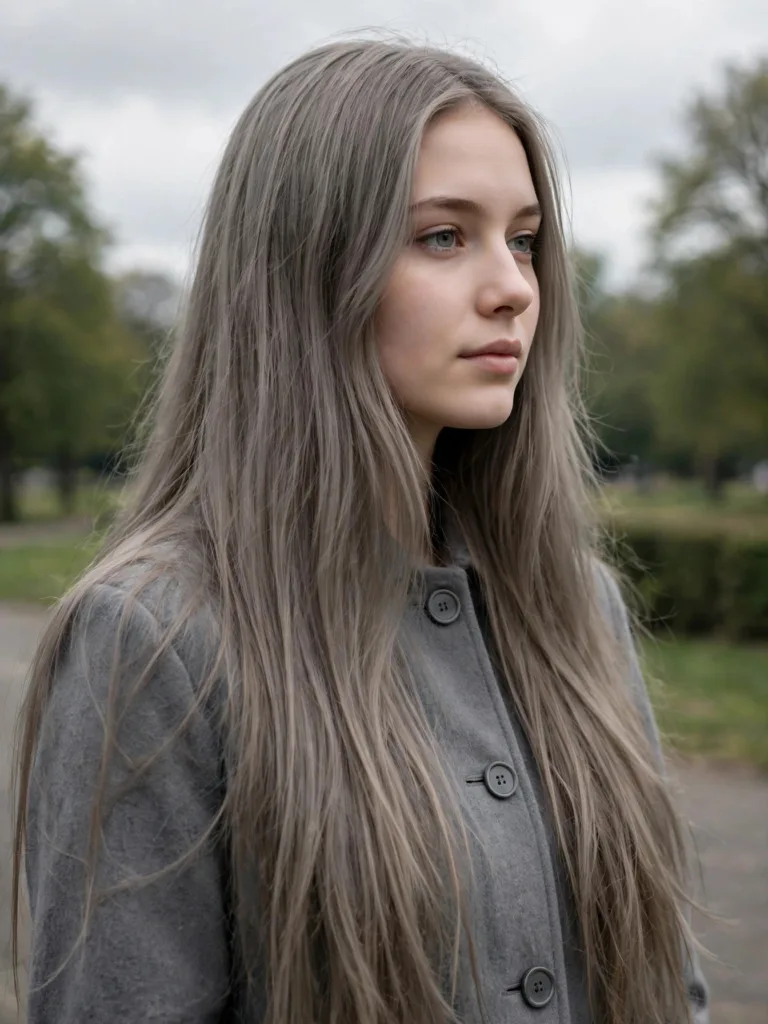
Smoky ash gives blonde a muted grey-beige cast rather than maximum white brightness. It is distinct from silver because the result can remain deeper and less metallic-looking. Some grey strands may blend visually, but that is different from guaranteed coverage.
Ask how the cool pigments are likely to look as they fade on your particular hair.
Best for: A muted ash finish with less obvious gold.
Ask your stylist for: a smoky ash tone at a suitable depth, with any grey-blending goals discussed separately.
8. Silver Blonde Melt

A silver blonde melt combines deeper roots with cool silver lengths and a gradual transition between them. The root depth and the length of the blend control the contrast. Silver often needs a sufficiently pale, even starting canvas, so toner alone may not achieve it.
A softer root transition does not remove the maintenance needs of the silver lengths.
Best for: Silver lengths with deliberate depth near the scalp.
Ask your stylist for: a blended root transition into silver, after checking whether the lengths can support that result.
9. Butter Blonde Refresh
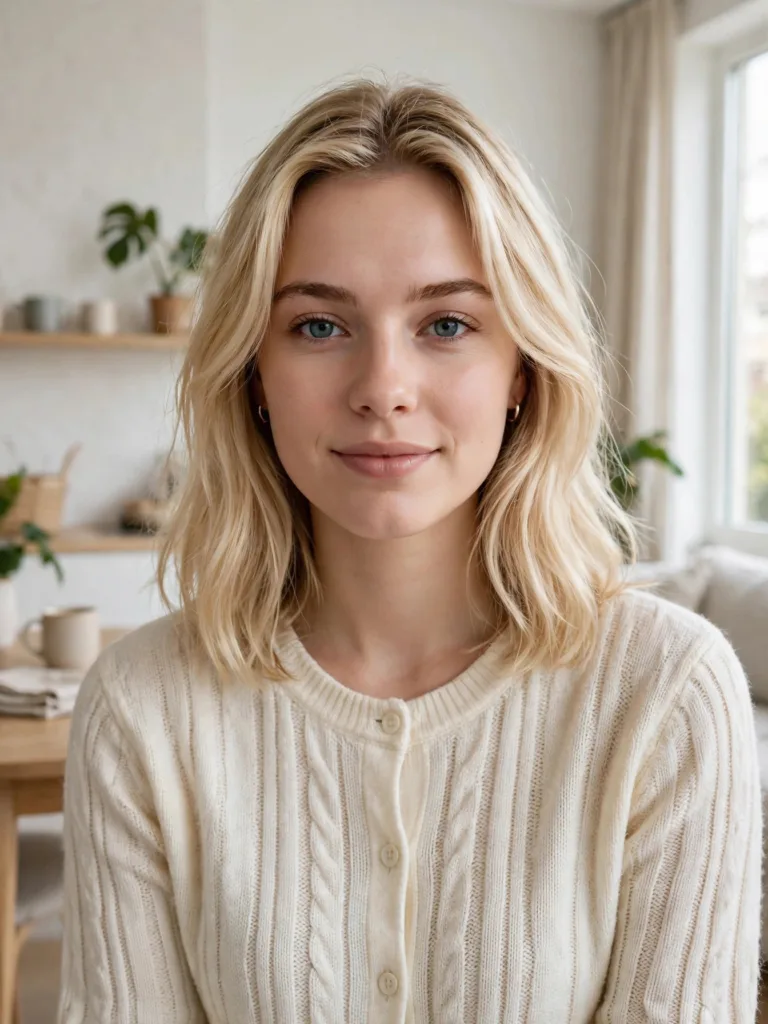
Butter blonde carries clearer yellow-gold warmth than vanilla or champagne beige. It can still look pale and creamy without being an accidental brassy result. Explain which golden reflections you want to keep rather than asking to remove all warmth.
The colorist can then assess whether a tonal refresh or changes to the underlying blonde are needed.
Best for: A light blonde that intentionally keeps creamy gold.
Ask your stylist for: a butter-blonde finish with controlled golden warmth and subtle dimension where needed.
10. Honey Blonde Lowlights

Honey lowlights place darker golden strands through a lighter blonde base. The result differs from an all-over golden toner because some strands remain distinctly lighter. Fine ribbons give a softer contrast, while broader ones make the depth more obvious.
Adding color may avoid new lightening in those sections, but the full service depends on the existing pattern.
Best for: Golden depth placed between lighter blonde strands.
Ask your stylist for: honey lowlights with the ribbon width, spacing, and retained brightness agreed upon first.
11. Rooted Platinum With Shadow Root

Rooted platinum concentrates the darker color near the part while keeping most lengths very pale. Compared with a longer silver melt, this version can use a shorter shadow area and a brighter blonde finish. A root shade close to your natural depth may soften the grow-out line.
It does not guarantee a fixed interval between appointments.
Best for: Very pale lengths with a compact root shadow.
Ask your stylist for: a soft shadow root near the natural depth, with pale platinum lengths.
12. Cashmere Blonde Gloss
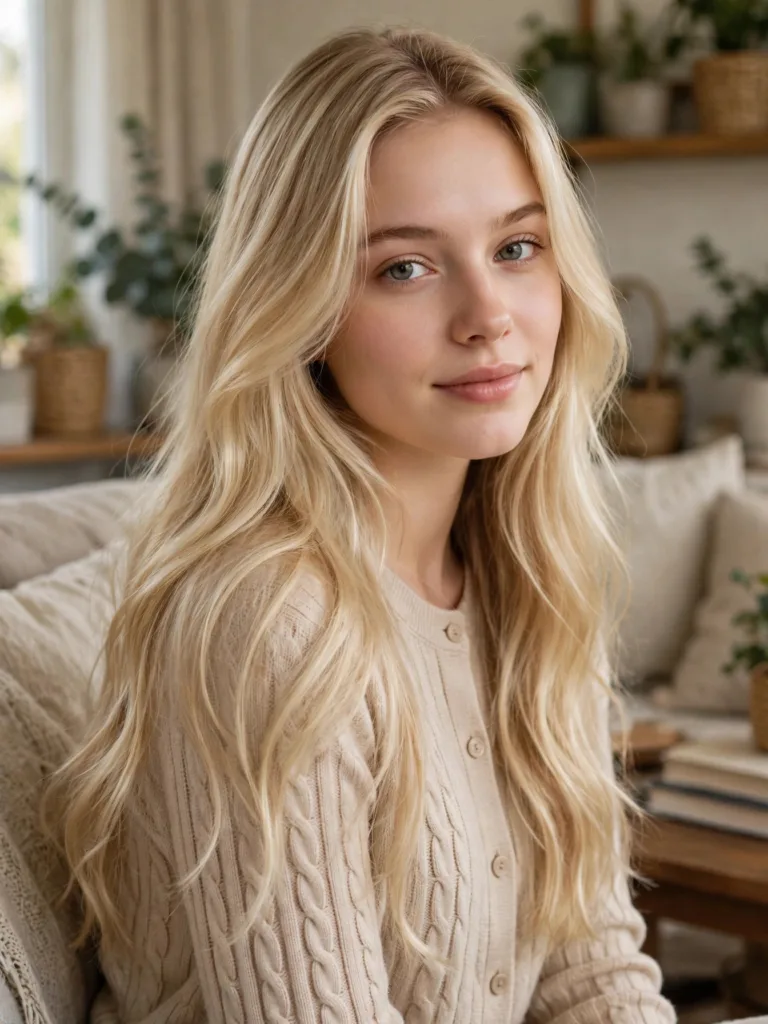
Cashmere blonde mixes creamy beige with fine depth and a restrained pearl reflect. Its distinction is the soft combination of tones rather than one solid pale shade. Lowlights may create that dimension when the existing blonde looks too uniform.
A gloss can refine the balance afterward, depending on the hair’s porosity and current color.
Best for: Soft beige dimension rather than a uniform blonde.
Ask your stylist for: a creamy beige result with fine lowlights and a subtle pearl balance if appropriate.
13. Beige Blonde Balayage Refresh
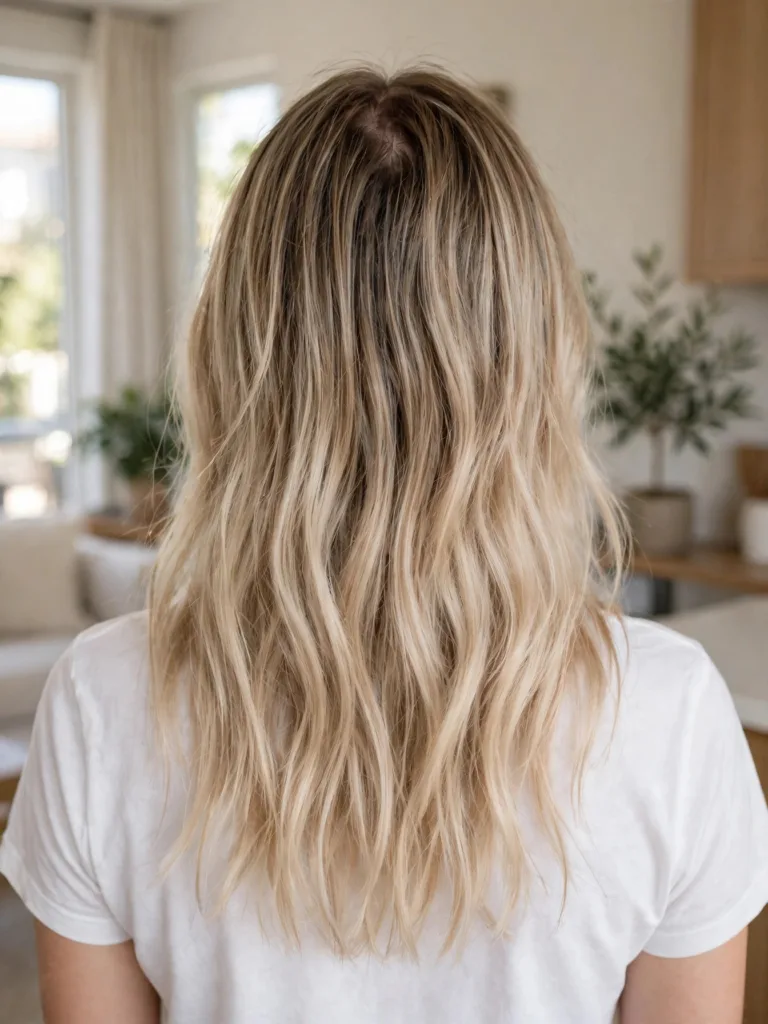
A beige balayage refresh changes the placement of brightness as well as its tone. Selected pieces may need lightening, while a gloss can adjust areas that are already light enough. Keep the brightest sections where you want them to show when the hair moves.
Existing color and fragile ends can limit how much refreshing is sensible in one session.
Best for: Refreshing selected bright pieces in a grown-out blonde.
Ask your stylist for: a targeted balayage assessment, with beige toning and only the lightening the hair can support.
14. Strawberry Blonde Tint
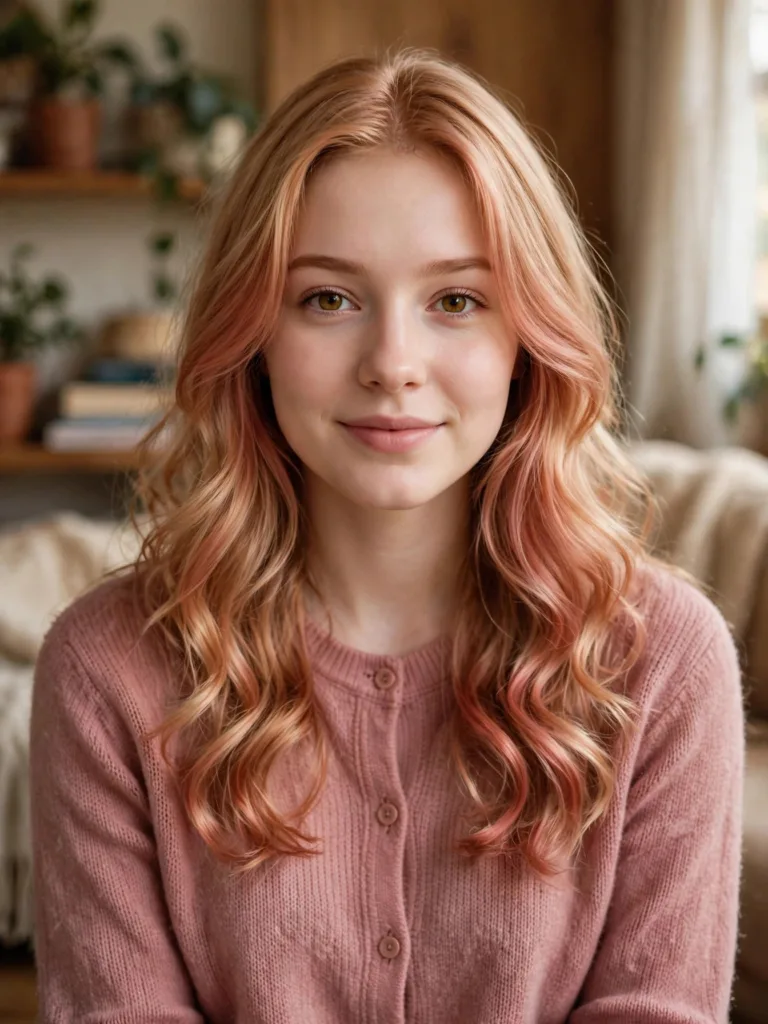
Strawberry blonde adds copper and rosy-gold reflections while retaining a blonde impression. On sufficiently light hair, depositing color may create the change without fresh lift. That does not make it risk-free or guarantee an even fade.
Pale porous ends may hold onto warmth, so discuss the desired intensity and your later return-to-blonde plan.
Best for: A blonde result with visible copper warmth.
Ask your stylist for: a soft strawberry tone with the intensity and fading assessed on a test strand.
15. Golden Blonde Revival
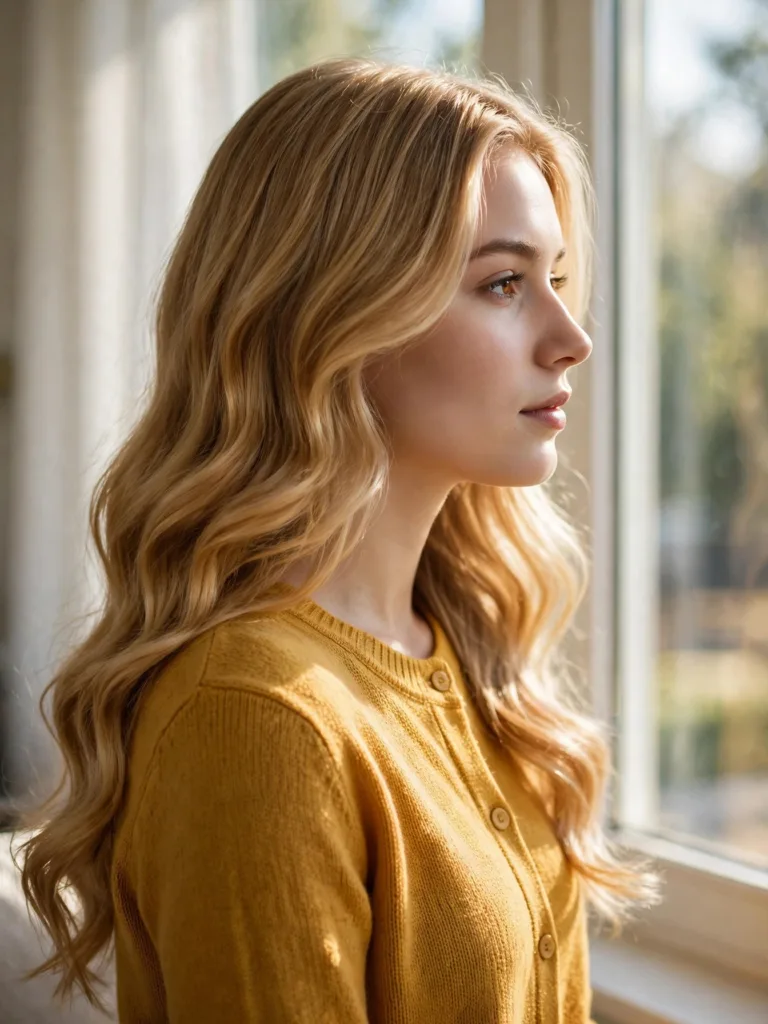
Golden blonde brings gold through more of the hair than honey or caramel ribbon lowlights do. It offers an overall warmer impression while still allowing lighter and deeper areas. Decide whether you want a pale gold or a richer golden blonde.
This gives the colorist a clearer target than asking for brightness without any warmth.
Best for: An overall golden finish rather than isolated warm ribbons.
Ask your stylist for: a golden blonde tone at the desired depth, preserving enough dimension to show the placement.
16. Pearl White Bob

Pearl white on a blunt bob pairs a very pale color with a defined cut. The shorter length does not make heavily processed hair automatically ready for more lightening. Condition and previous services still determine the route.
Discuss a softer pearl alternative if needed, keeping the haircut decision separate from the color process.
Best for: A pale pearl finish paired with a defined bob.
Ask your stylist for: a blunt bob and a pale pearl-color consultation, with lightening limited by hair condition.
17. Toasted Coconut Blonde
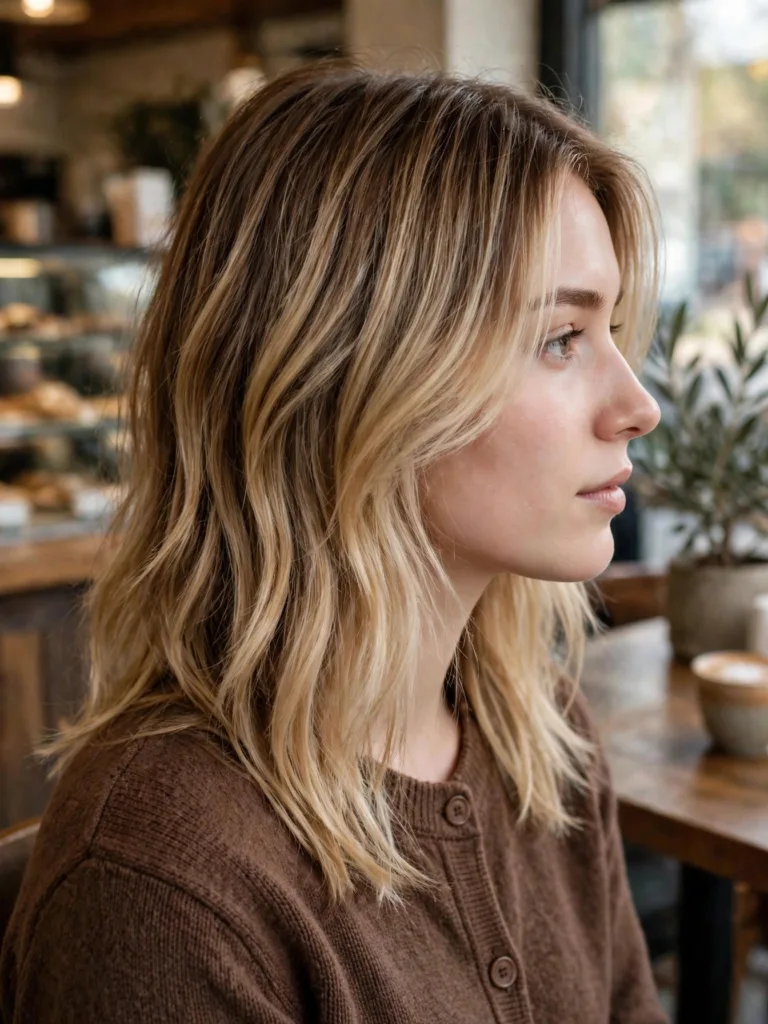
Toasted coconut uses a deeper, warmer root area with pale creamy ends. Compared with rooted platinum, the warmth and more extended transition make the difference. The root depth can relate to your natural color, but it does not need a fixed two-level change.
Keep enough blonde visible near the face if you want the result to remain predominantly light.
Best for: Warm rooted dimension with creamy blonde ends.
Ask your stylist for: a warm root blend into pale ends, with depth chosen against the natural color.
18. Cool Beige Face Frame

A cool beige face frame places the strongest brightness around the front while keeping the remaining lengths more subdued. Wider pieces give a clearer contrast; finer ones blend more quietly into the rest. The placement draws attention toward the face without guaranteeing a change in perceived face shape.
The front pieces may need lightening before toning.
Best for: Concentrated brightness around the face.
Ask your stylist for: a face frame of the agreed width, with beige toning through the remaining blonde.
19. Linen Blonde

Linen blonde aims for a pale neutral result with less obvious gold, pink, or grey reflect. It differs from cashmere by keeping the overall impression more uniform and restrained. Soft dimension can still prevent a solid block of color.
Compare references under neutral light because warm bulbs and cool backgrounds can make this balance difficult to judge.
Best for: A pale neutral finish with subtle tonal contrast.
Ask your stylist for: a neutral linen-blonde result, keeping strong gold and strong ash out of the agreed target.
20. Caramel Ribbon Lowlights
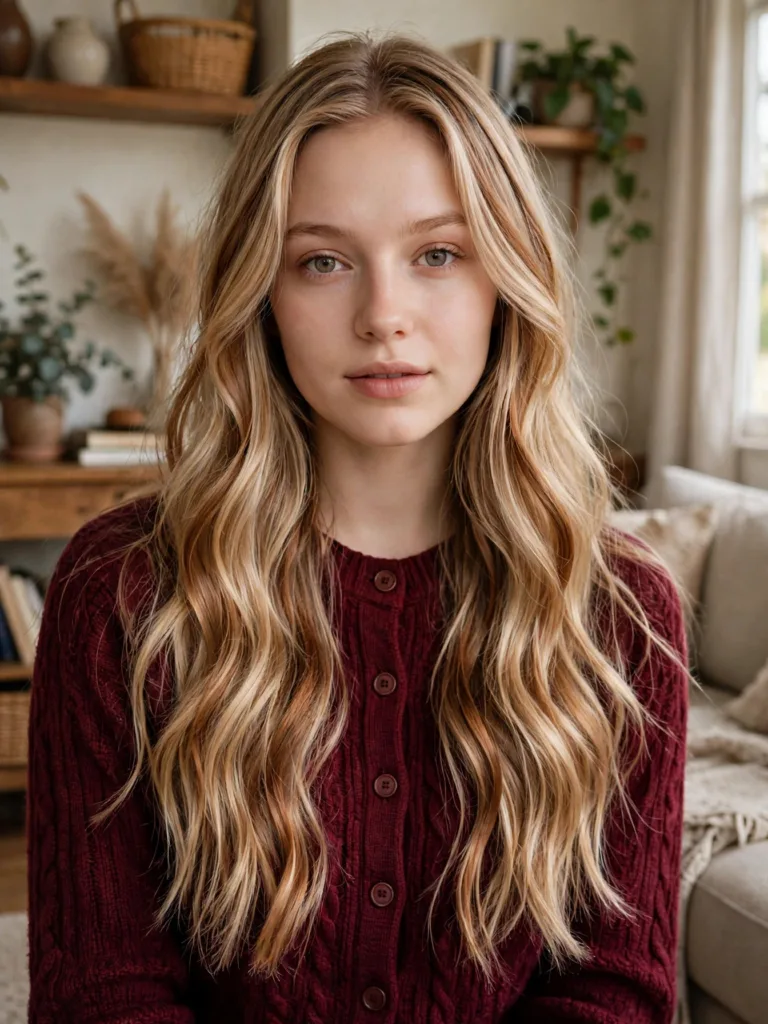
Caramel ribbons add warmer, deeper contrast than fine honey lowlights usually do. Leave lighter blonde visible between them so the caramel remains a placed detail rather than an all-over darkening. The contrast can show in straight hair or curls, depending on placement.
Plan future lightening before adding depth, since a lighter spring result is not guaranteed to be simple.
Best for: More visible warm ribbons within a blonde base.
Ask your stylist for: caramel lowlights with enough retained blonde, plus a realistic plan for any later lightening.
21. Dimensional Babylight Blonde

Babylights are fine woven highlights, so this option changes the distribution of brightness rather than naming one exact shade. Crown and part placement can soften contrast when the weave is subtle. The service may involve fresh lightening and should account for previous highlights.
Choose the final toner separately, based on whether you prefer neutral, cool, or warm blonde.
Best for: Fine highlights rather than broad contrasting pieces.
Ask your stylist for: selected babylights without unnecessary overlap, followed by a toner suited to the desired finish.
Care For Winter Hair Colors For Blondes
Lighting changes how blonde looks, while washing, buildup, and product use can change its appearance between appointments. Separate those effects before deciding that the color needs more toner.
Use Purple Shampoo For A Specific Need
Wella’s purple-shampoo guide explains that violet pigment neutralizes unwanted yellow tones rather than lightening the hair. Frequency depends on the desired finish, the product, and how the hair absorbs pigment. Follow the label and your colorist’s advice. More frequent toning is not automatically better, especially when the ends look dull or violet.
Intentional honey, butter, and gold do not need all their warmth removed. A shampoo chosen to preserve an icy result may work against that warmer goal. Orange-looking areas may need a different correction from yellow ones. Ask for advice rather than increasing the processing time of a product that is not solving the problem.
Match Conditioning To The Hair
Use conditioner and a mask or leave-in when the hair needs them, following the product instructions. Limit unnecessary heat and use a suitable heat protectant when styling. Bond-focused treatments have product-specific uses and limits. They do not make fragile hair automatically ready for further lightening.
If the hair feels increasingly rough, tangles unusually, or breaks, discuss the condition before booking more color. A tone that looks deeper may be a better short-term choice than pursuing another level of lift. Bring details of your home products to the appointment. Avoid stacking color-depositing products when you cannot tell which one is changing the result.
FAQs
These answers distinguish the look you want from the services needed to achieve it. Your current color and condition still determine the individual plan.
Which Winter Hair Colors For Blondes Need The Least Upkeep?
A result close to your natural root and current depth may create less visible regrowth. Tonal fading is a separate maintenance issue. Discuss both instead of assuming that every rooted or warm blonde needs fewer visits.
Can Toner Make My Blonde Platinum Without Bleach?
Toner may refine a base that is already sufficiently pale and even. It cannot reproduce every platinum result on darker or uneven blonde. A colorist should assess whether further lightening is possible or appropriate.
How Often Will I Need A Toner Or Gloss?
There is no single interval for every shade or formula. Washing, porosity, starting color, and the target finish affect fading. Agree on a review plan and distinguish tonal refresh from root and highlight maintenance.
Can I Return To Light Blonde After Lowlights?
A lighter result may be possible, but deposited pigment can linger or fade unevenly. Porous ends and previous services affect the process. Discuss the return plan before adding substantial depth rather than assuming easy removal.
Does Purple Shampoo Work On Every Blonde?
Purple shampoo targets unwanted yellow reflections and does not lighten hair. Use depends on your desired tone, porosity, and the product directions. Overuse can work against intentional warmth or leave an unwanted cool cast.
Is A Gloss A Temporary Trial Color?
A gloss can be clear or tinted, and salon products differ in formulation and longevity. Tinted color may persist on porous hair. Ask about the actual product and test-strand result rather than assuming a complete return to the starting shade.
Do I Need A Particular Skin Undertone For These Shades?
Skin undertone can influence perceived harmony or contrast, but it does not limit your choices. Compare references and swatches in neutral light. Choose the visual effect you prefer with guidance on achieving it.
Final Thoughts
A useful winter hair colors for blondes reference shows your preferred warmth, root depth, and placement. Your current hair determines whether that means a tonal refresh, selective lightening, or added depth. Maintenance and a future return to brighter blonde belong in the same conversation, especially when the ends are porous. Save one reference and send it with your color history for a consultation about the achievable result.