Types of Manicures: Choose the Right One for Your Nails
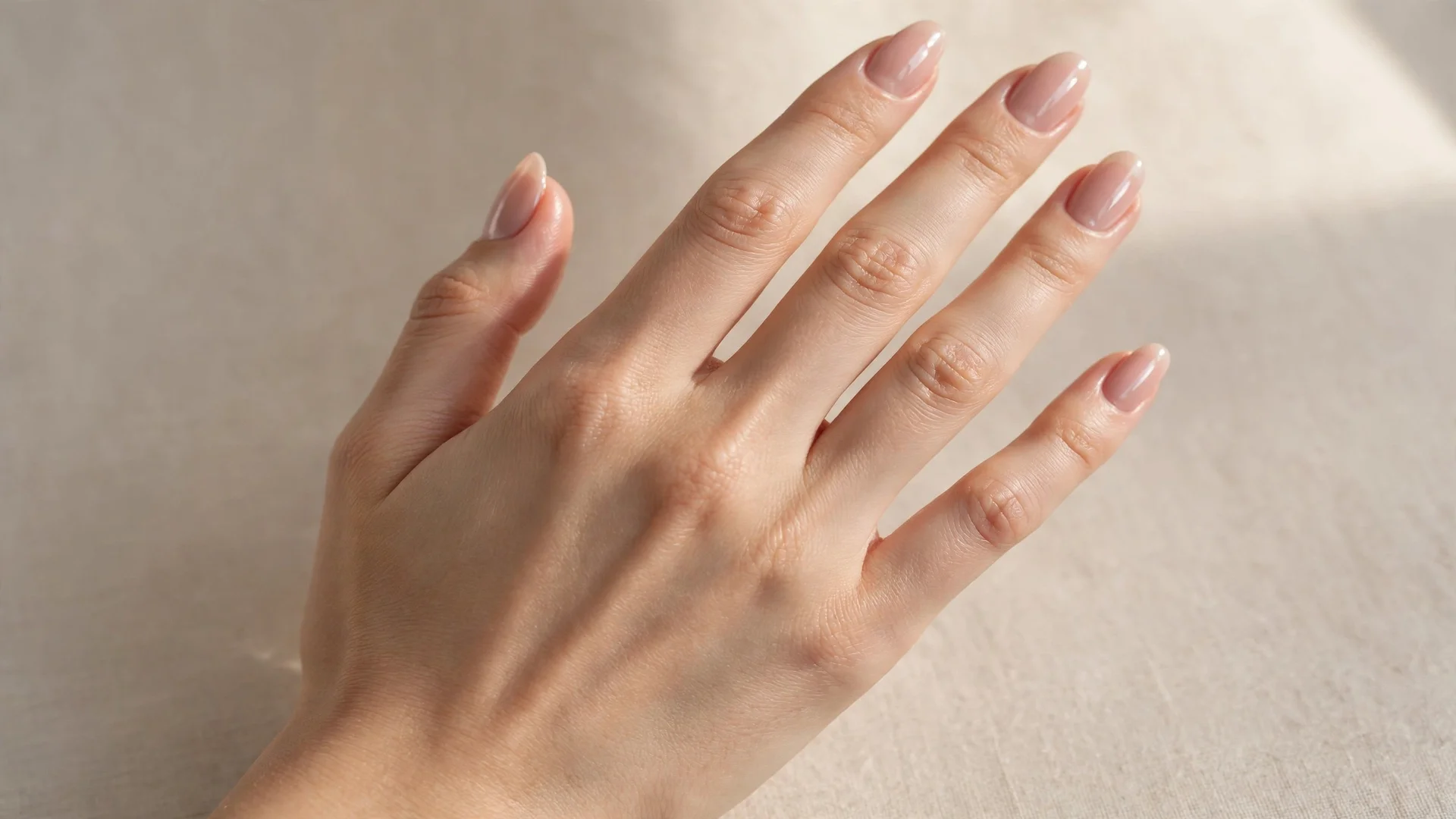
Types of manicures can look alike in photos; compare their upkeep and removal before choosing your next set. A glossy pink finish might be regular polish, builder gel, or a full-cover extension. You cannot identify the material from color alone. The difference becomes clearer when you ask how your technician applies, maintains, and removes it.
Your starting point matters too. Healthy nails may suit several options, while persistent peeling or soreness needs attention before another coating. Longer extensions also mean adjusting everyday tasks and returning for maintenance. A finish you love should come with an upkeep plan you can manage.
These eight options cover regular polish, overlays, and extensions. Compare what each adds, then check the exact product your salon uses. Keep your preferred length and previous reactions in mind as you narrow the choice.
Types Of Manicures At A Glance
Types of manicures include regular polish, gel coatings, powder systems, builder overlays, and extensions.
Use these ranges for planning; wear time and the interval between maintenance appointments describe different things. Growth, lifting, and the product instructions can mean returning sooner.
| Manicure | Adds Length | Wear Or Maintenance Guide | Removal |
|---|---|---|---|
| Classic polish | No | A few days | Polish remover |
| Gel polish | No | Around 2 to 3 weeks | Acetone for soak-off formulas |
| Acrylic | Optional | Fills often take 2 to 3 weeks | Bulk reduction and acetone |
| Dip powder | Possible with tips | Product-dependent; often several weeks | Product-specific soak-off |
| Builder gel / BIAB | Formula-dependent | Technician-assessed infills | Soak-off or file-off |
| Polygel | Optional | Technician-assessed maintenance | Brand-specific: Gelish PolyGel files off |
| Gel-X | Yes | Product and growth-dependent | Acetone soak-off |
| Press-ons | Optional | Adhesive-dependent | Tab or glue removal instructions |
Classic Manicure
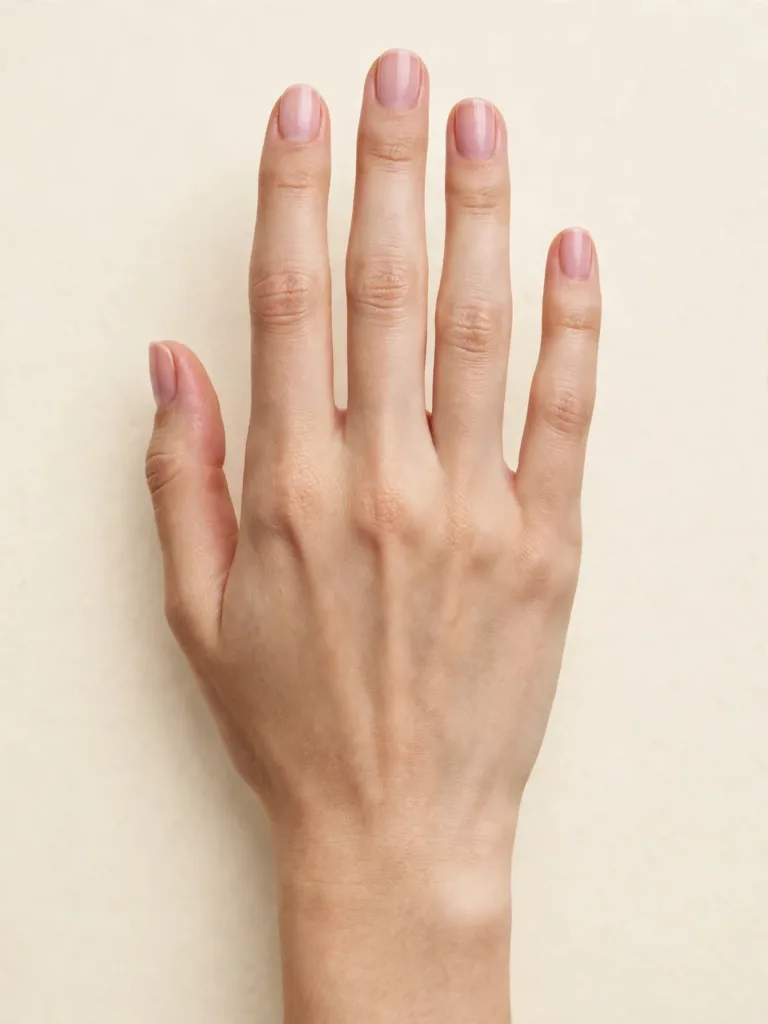
A classic manicure combines nail shaping, gentle cuticle care, and regular polish. Your technician applies a base coat, a color, and a top coat. Avoid cutting the protective skin around the nail.
You can change the color at home with polish remover. Allow drying time before handling keys or getting dressed; dry surfaces can hide soft layers underneath. Expect a few days of wear, with variation between products and daily tasks.
Best for: healthy natural nails and frequent color changes.
Ask your nail tech for: a comfortable length, your preferred shape, and regular polish.
Gel Manicure
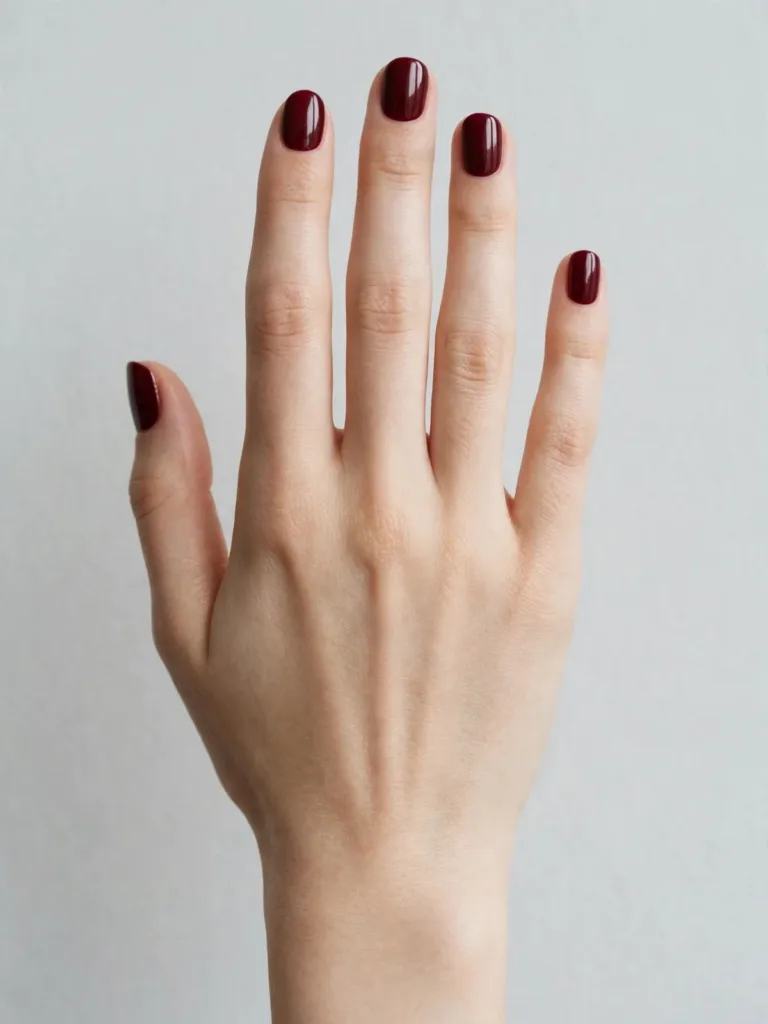
Gel polish adds a thin color coating over natural nails. Your technician cures each layer under the product’s recommended UV or LED lamp. LED nail lamps also use ultraviolet light.
Gel polish often wears for around two to three weeks. It adds less structure than a builder overlay, so bending nails can still split. For soak-off formulas, follow the manufacturer’s acetone removal method; avoid peeling or scraping resistant product.
Best for: longer-lasting color on healthy natural nails.
Ask your nail tech for: the polish name, compatible lamp, and removal instructions.
Acrylic Manicures
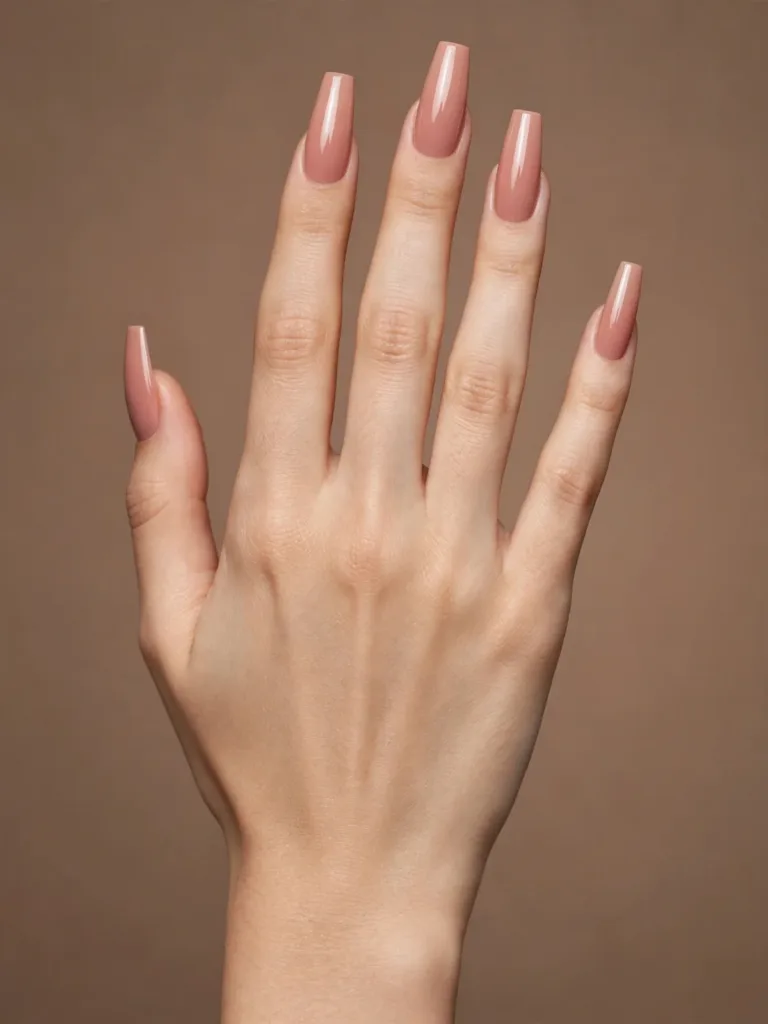
Your technician mixes liquid monomer and powder polymer, then sculpts the mixture over nails, tips, or forms. It hardens without lamp curing. Acrylic can create an overlay or add length with a defined shape.
Arrange maintenance around two to three weeks, depending on growth and the technician’s assessment. Suitable length depends on nail condition and structure. For removal, a technician reduces bulk before softening suitable acrylic products with acetone. Prying can damage the natural nail.
Best for: sculpted extensions and readers who can maintain regular appointments.
Ask your nail tech for: a manageable first length and a clear fill schedule.
Dip Powder Manicure
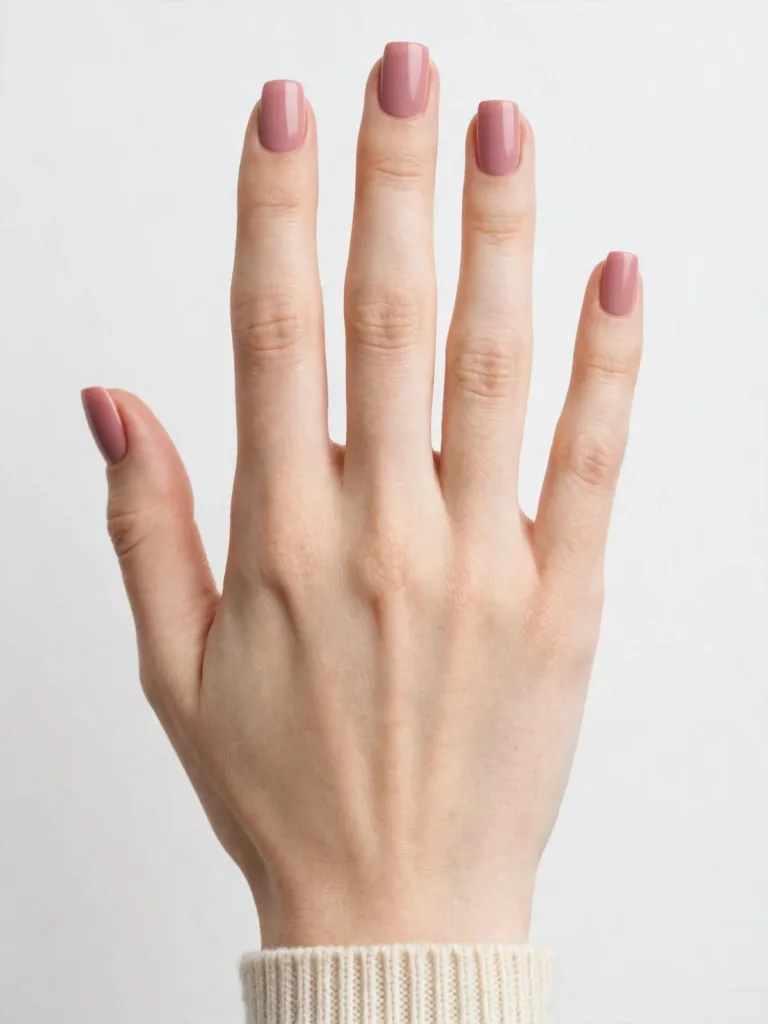
Your technician layers resin and colored powder, then applies an activator. Standard dip systems set without a lamp, although some salons add a gel top coat. Confirm the complete service if you want to avoid lamp curing.
Ask for powder in a separate portion or a hygienic pour-over application. Avoid dipping fingers into a container shared between clients. Wear can reach several weeks, depending on the system. Removal requires the product’s soak-off method, sometimes after a technician files the surface.
Best for: a powder coating when you prefer a service without lamp curing.
Ask your nail tech for: a hygienic application and confirmation of the top coat.
BIAB And Builder Gel Manicure
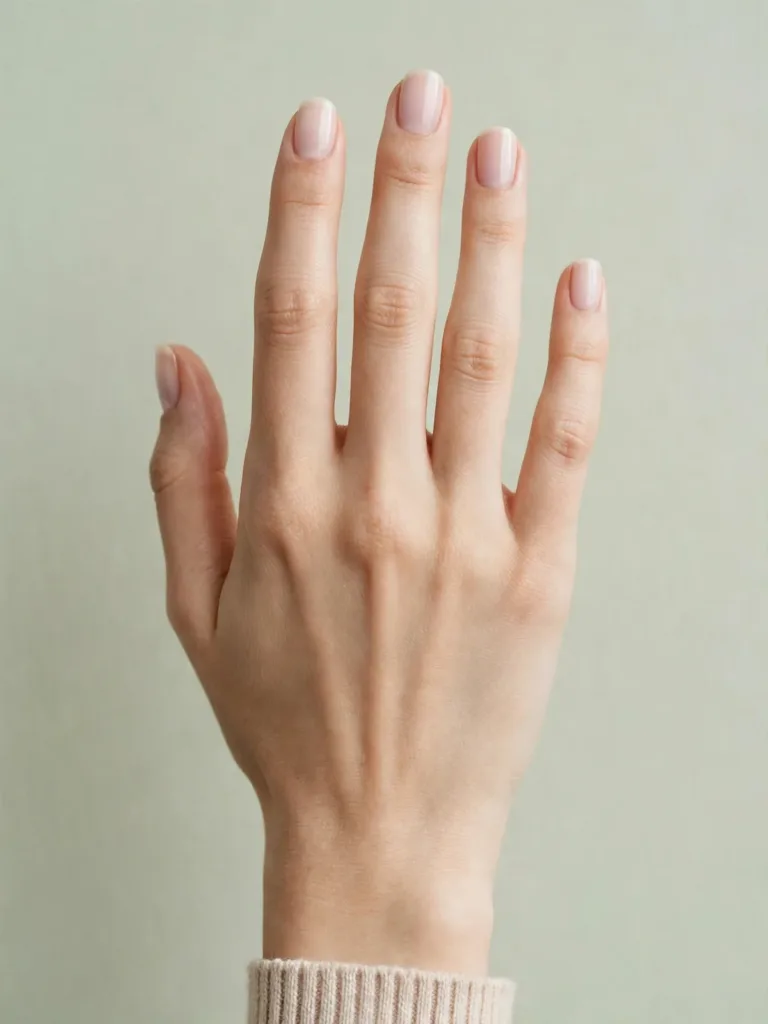
BIAB is The GelBottle’s branded builder range. Other brands sell builder gels with different formulas. Your technician uses builder gel to create a supportive overlay, then cures it under a compatible lamp.
Some formulas flex; others provide a more rigid structure. Extension length and removal depend on the exact product. Soak-off builders and file-off hard gels need different removal methods. An overlay can support suitable natural nails, but it does not treat damage or cure persistent peeling.
Best for: healthy nails when you want added structure or an overlay.
Ask your nail tech for: the exact formula, suitable length, and an assessed maintenance schedule.
Polygel Manicure
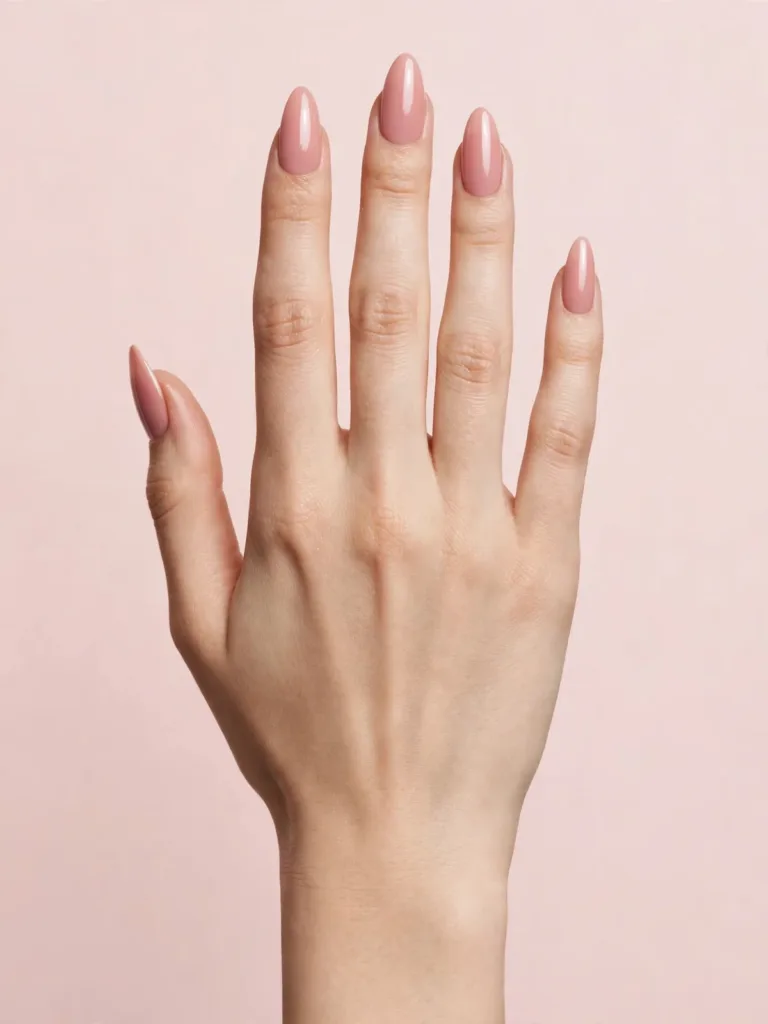
Polygel-style products use a thick paste that a technician shapes before lamp curing. They can create overlays or extensions using tips or forms. The finished thickness and length affect how the nails feel.
Removal varies by brand. Gelish PolyGel is a file-off product, so an acetone soak is not a universal removal step. Book professional removal for a file-off system. Lower odor does not mean allergy-free, and uncured product still needs careful handling.
Best for: sculpted extensions when you prefer this application method.
Ask your nail tech for: the product name, removal method, and a length suited to daily tasks.
Gel-X Extensions
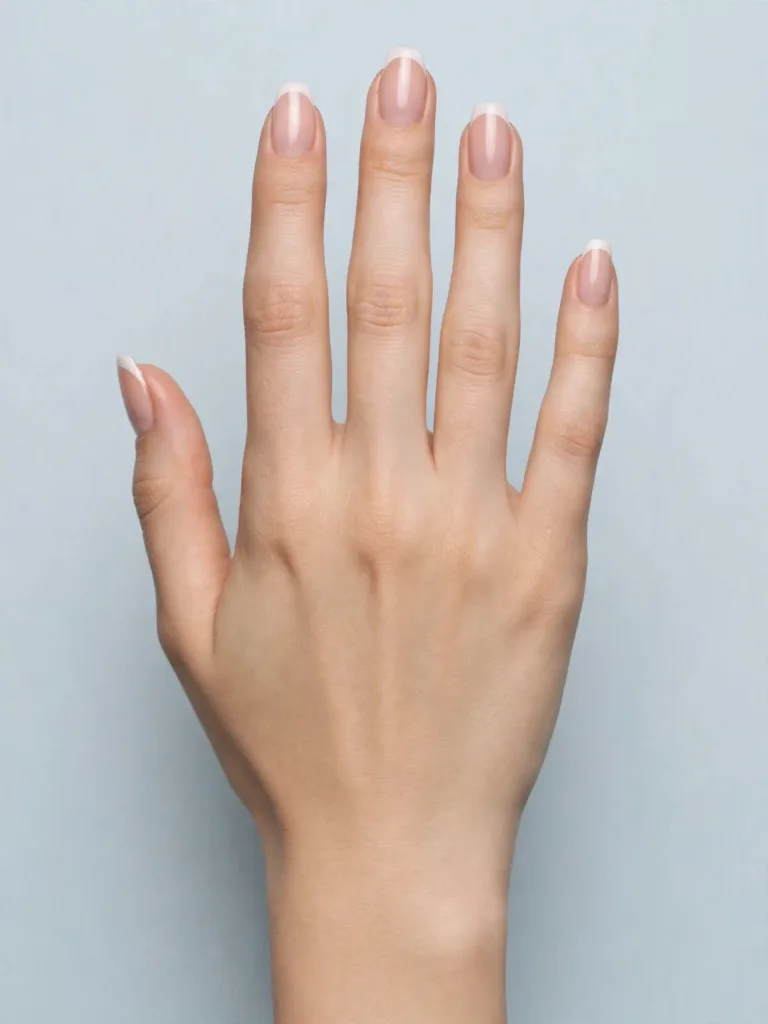
Gel-X is Aprés’ system of full-cover soft gel tips. Your technician selects a tip for each nail, bonds it with gel, and cures it. The tip supplies the extension’s shape before color application.
Fit matters: a tip should match the nail’s width and curve without pressure. Appointment length depends on preparation and design. Gel-X tips soak off with acetone using the system’s removal instructions. Avoid levering a softened tip away if any area still resists.
Best for: extensions with a pre-shaped tip and a choice of lengths.
Ask your nail tech for: a fit check, comfortable length, and a removal booking.
Press-On Manicure
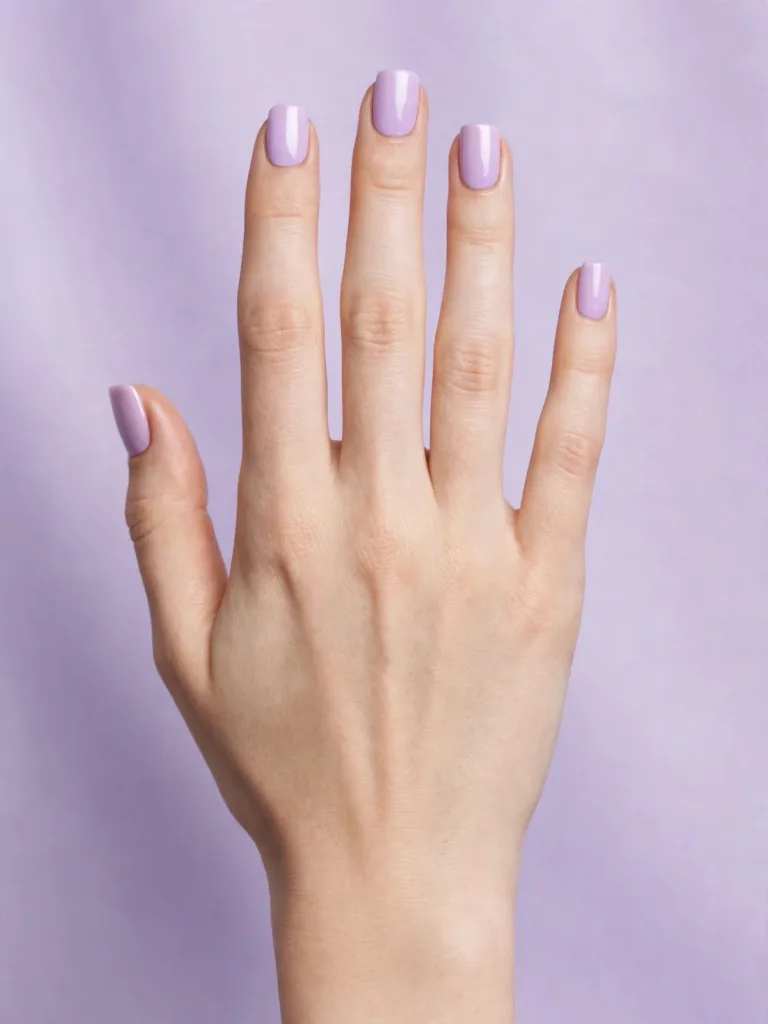
Press-ons attach ready-made nails with glue or adhesive tabs. Choose a size that covers the nail without pressing into surrounding skin. Follow the kit’s fitting instructions rather than filing the underside as a general rule.
Tabs often suit short wear; glue can offer longer wear, depending on the product. Check the stated wear limit. Removal differs between adhesives: some tabs release with soaking, while nail glue may need a dedicated remover or acetone. Avoid pulling or prying.
Best for: events, home application, and trying a different shape.
Ask your nail tech for: a sizing check for a custom set and adhesive-specific removal advice.
Gel Vs Acrylic Nails: What You Are Comparing
On a salon menu, “gel” can mean gel polish, builder gel, or hard gel. Ask which one the salon means before comparing it with acrylic. Gel polish supplies color; acrylic can add structure and length.
For the same short, colored finish, compare a gel polish service with an acrylic overlay. For extensions, compare acrylic with a suitable builder or tip system. Ask about the finished thickness and maintenance, as well as the initial appointment.
Prices vary by salon, location, and design. Request a quote covering application, later maintenance, and removal. Gel polish appointments often involve removing the color and reapplying it; that differs from filling an acrylic enhancement.
How To Choose The Right Manicure
Start with nail condition and the amount of upkeep you can manage. Then choose a length that feels comfortable during your usual tasks.
Match The Manicure To Your Week
For a single event, removable press-ons may make more sense than extensions that need salon maintenance. For frequent color changes, regular polish offers a simpler home removal routine. Hands-on work may favor shorter nails, whichever material you choose.
Read our nail shapes guide to compare the visible effect of different outlines. Bring a photo showing both the shape and length you want. A technician can assess whether that length suits your nails.
Match The Manicure To Your Nails
Healthy, flexible nails and damaged, peeling nails need different decisions. A technician may recommend an overlay for suitable healthy nails. Persistent splitting, pain, discolouration, or separation needs assessment before you cover it.
The American Academy of Dermatology warns against covering damaged nails. Artificial nails can worsen existing problems. Our guide to caring for natural nails offers general care ideas alongside professional advice.
Mistakes To Avoid During Wear And Removal
Avoid using extensions to open packaging or scrape surfaces. Wear gloves for cleaning, and arrange an assessment if you notice lifting. Gluing down a lifted salon enhancement can hide the problem underneath.
Moisturise your nails and surrounding skin between applications. Cuticle oil can help with dryness, but it cannot repair poor adhesion or guarantee longer wear. Leave the attached product alone until you can follow its removal method.
The British Association of Dermatologists links acrylate allergy risk to uncured skin contact and insufficient curing. Use the manufacturer’s recommended lamp and avoid skin contact. Stop using a suspected product and seek medical advice for itching, swelling, or a rash.
For lamp-cured services, protect exposed hands with broad-spectrum SPF 30 or higher, or opaque fingerless UV-protective gloves. Ask your technician how to keep protection clear of the nail during preparation.
Frequently Asked Questions
Salon names can blur the differences between a coating and an extension. These answers focus on the product and the care it requires.
Which Manicure Lasts The Longest?
There is no universal winner for wear time. Several enhancement systems can last for weeks, but growth and lifting determine maintenance. Follow the product’s wear limit and your technician’s assessment.
Are Acrylic Nails Bad For Natural Nails?
Acrylic application and removal can thin or damage natural nails. Product chemicals can also irritate skin or cause allergy. Careful technique reduces some risks without eliminating them.
What Is The Difference Between Gel And BIAB?
Gel polish adds a thin colour coating. BIAB is The GelBottle’s builder range, which technicians use for structure. BIAB formulas differ in flexibility, extension capability, and removal.
Can I Switch Manicure Types At Each Appointment?
You can change systems after suitable removal and a nail-condition check. Repeated filing and removal can cause damage. Delay another enhancement if your nails need assessment or recovery.
Which Manicure Is Best For Weak Nails?
No manicure treats the cause of weak nails. Persistent peeling or damage deserves assessment before another enhancement. Regular polish may offer a simpler cosmetic option if your nails tolerate it.
Can Gel Removal Damage Nails?
Peeling, scraping, and excessive filing can damage nails during gel removal. Acetone can dry nails and skin. Follow the specific product’s removal instructions and moisturise afterward.
Conclusion
Choosing between types of manicures includes planning the appointment after your first set, including upkeep and removal. A refill or colour change can require different time and cost, depending on the product and design. Keep the product name with your booking details, along with any reactions you noticed during wear. Before booking, ask your salon for a plan covering the exact system, upkeep cost, and removal method.