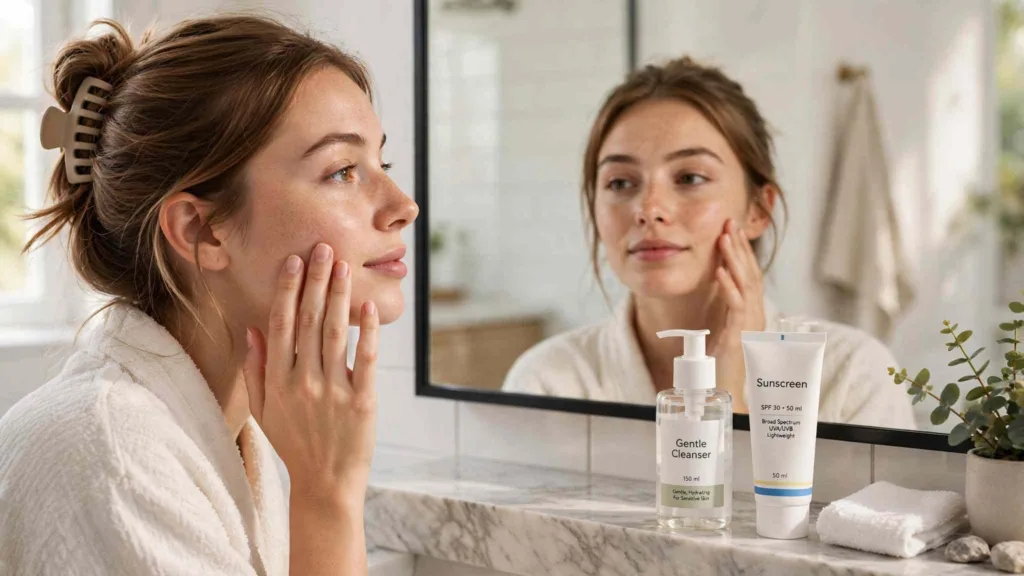
Facial Eczema Skincare: Gentle Care That Calms Skin
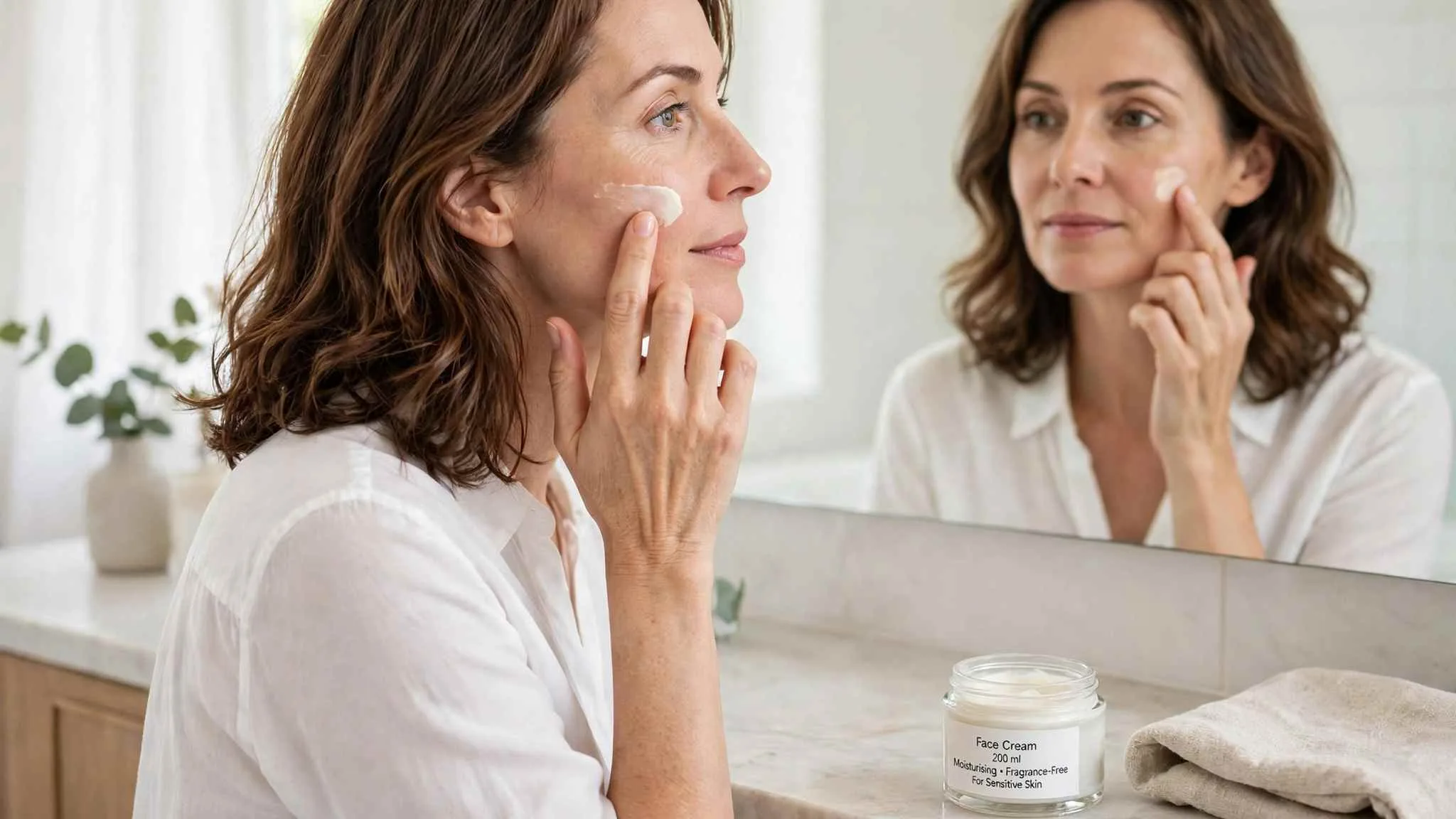
Does your facial eczema skincare leave you wondering which product will sting next? Build daily care around gentle washing, a moisturiser you tolerate, and any treatment your clinician prescribes. You do not need to add another serum every time a dry patch returns.
An itchy cheek or flaking eyelid can make ordinary skincare decisions feel difficult. Even choosing how to wash or remove makeup may need adjustment during a flare. Begin with products that already feel comfortable, then review changes one at a time. Avoid replacing your whole routine after a single uncomfortable day.
This guide focuses on supportive care for adults with facial eczema, including diagnosed atopic dermatitis. Other facial rashes can need different treatment, so persistent or uncertain symptoms deserve assessment. Follow the morning and evening steps alongside your individual treatment plan.
What Facial Eczema Skincare Can Do
Gentle cleansing and moisturising can help manage dryness and support skin comfort. They do not establish a diagnosis or replace treatment for inflammation. The right plan depends on the type of dermatitis and your symptoms.
Atopic dermatitis is one form of eczema. Contact dermatitis and seborrhoeic dermatitis can also affect the face, including the eyelids. A clinician can assess the pattern instead of treating every facial patch the same way.
Describe Symptoms Beyond Redness
Explain whether the skin itches, burns, flakes, or feels tight. Colour changes can appear different across skin tones. Mention symptoms that photographs do not capture, including disrupted sleep or discomfort when washing.
Record where patches occur and whether they return in the same places. Bring a product list if you seek assessment. Include eye drops, hair products, and medicines as well as facial cosmetics.
Keep The Plan Manageable
Our skin barrier repair guide explains supporting care in more detail. For facial eczema, choose a routine you can follow without persistent discomfort. Keep prescribed medicines in the plan rather than substituting cosmetic products.
The Morning Facial Eczema Skincare Routine
Morning care can include washing as needed, moisturiser, and sunscreen. Prescribed treatment may require a particular application order or gap between products. Check its instructions before following a general routine.
Use a light touch throughout. Leave out scrubs and unnecessary trials when your skin is sore. More steps do not establish better care.
Step One: Wash According To Your Skin’s Needs
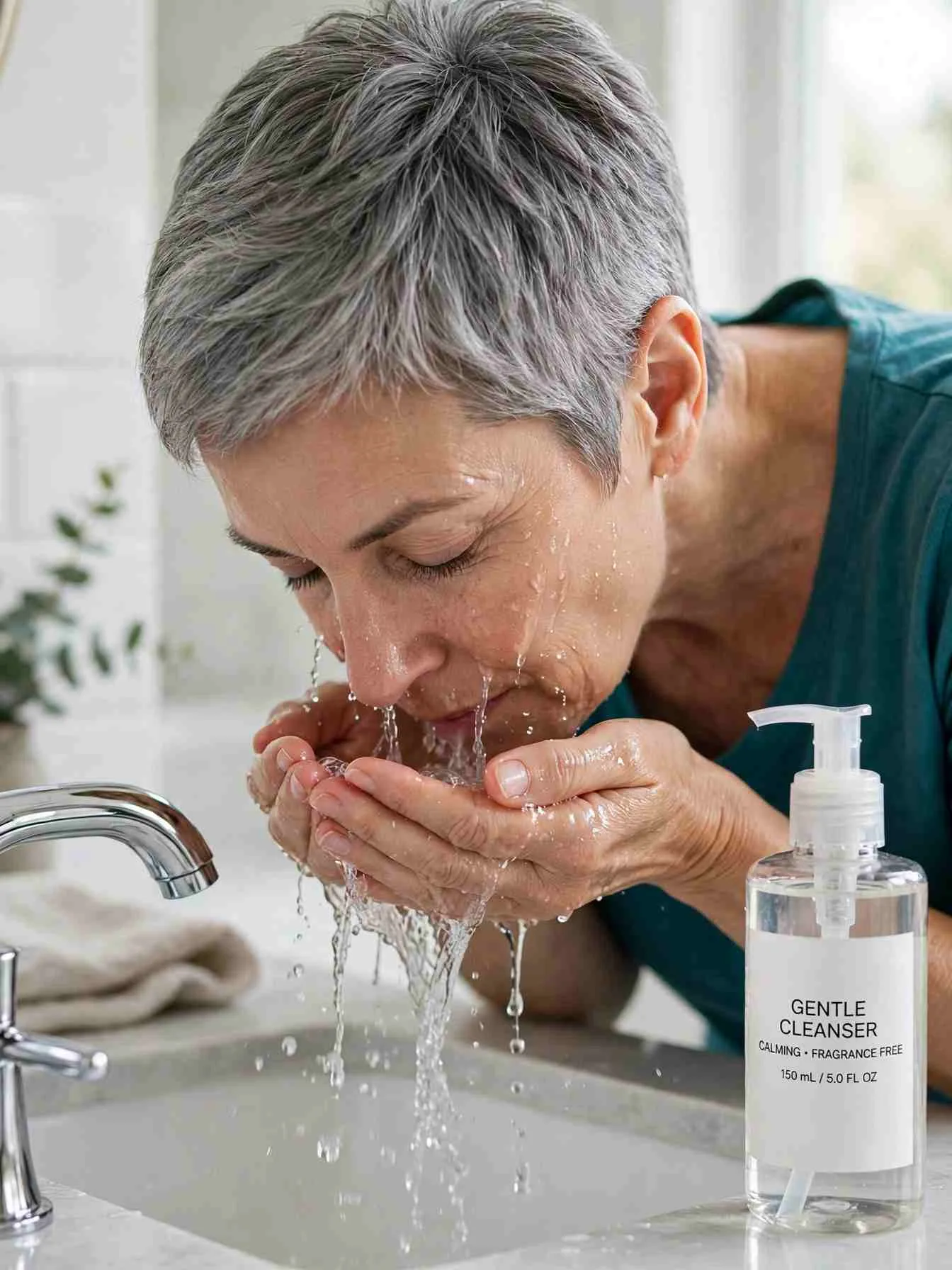
The National Eczema Association’s washing and moisturising guidance recommends lukewarm water, a gentle fragrance-free cleanser, and avoiding scrubbing. It advises patting dry and moisturising while skin remains moist. These are care principles rather than a stopwatch target.
Decide whether you need a cleanser in the morning based on residue, comfort, and your clinician’s advice. Avoid repeated washing to remove flakes. Use your fingertips instead of a rough cloth or cleansing brush.
Step Two: Apply Your Tolerated Moisturiser
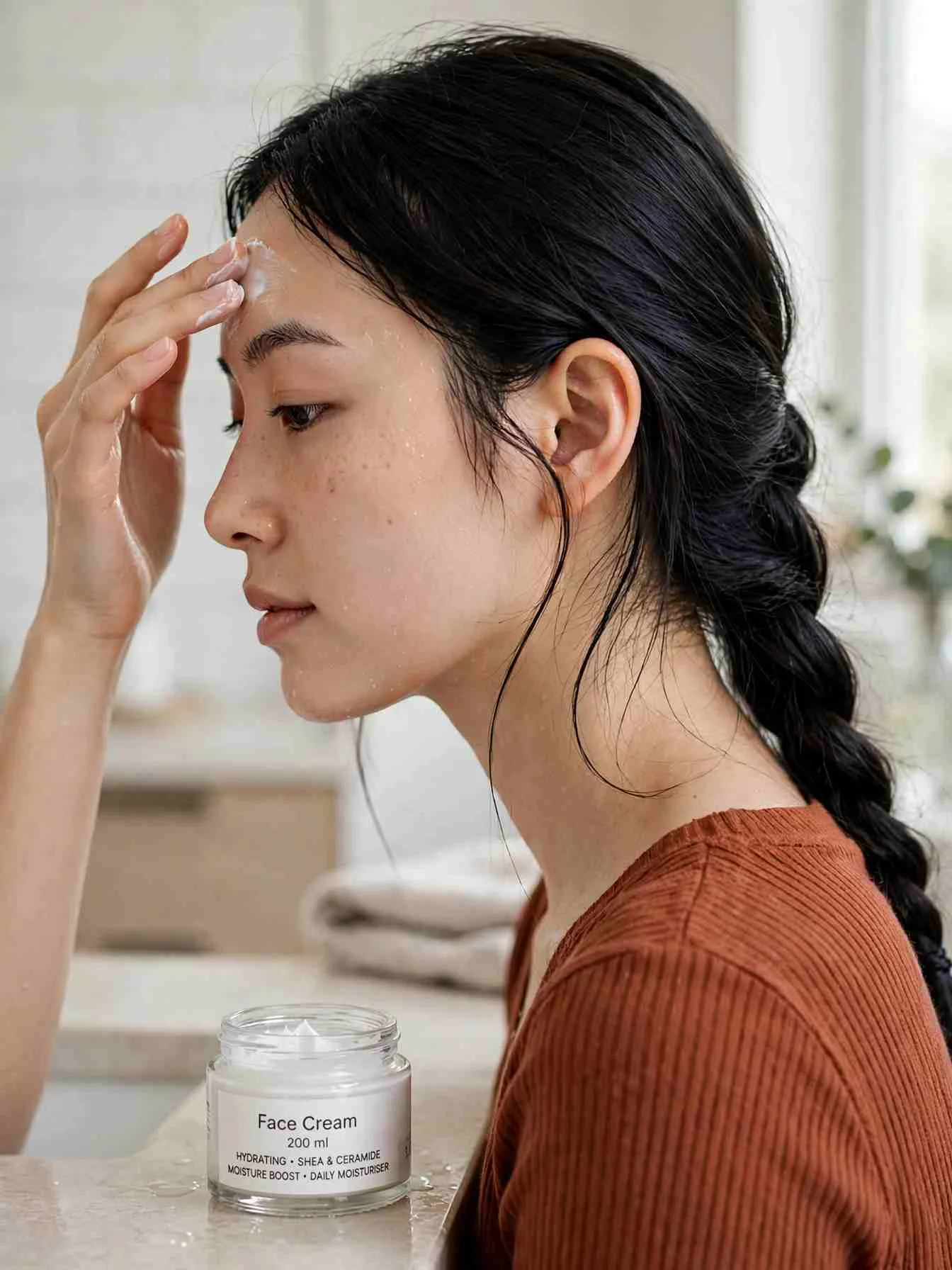
After washing, pat away excess water and apply moisturiser promptly while the skin remains slightly damp. Choose a cream or ointment that feels comfortable. Follow different timing instructions when they apply to a prescribed medicine.
Reapply moisturiser when needed and according to your care plan. You do not need to wash again before every application. Use clean hands and avoid rubbing a sore patch repeatedly.
A richer texture may suit dry areas, but the whole formula matters. Check how it feels on your face rather than assuming thicker means better. Report persistent stinging or worsening symptoms.
Step Three: Add Sun Protection
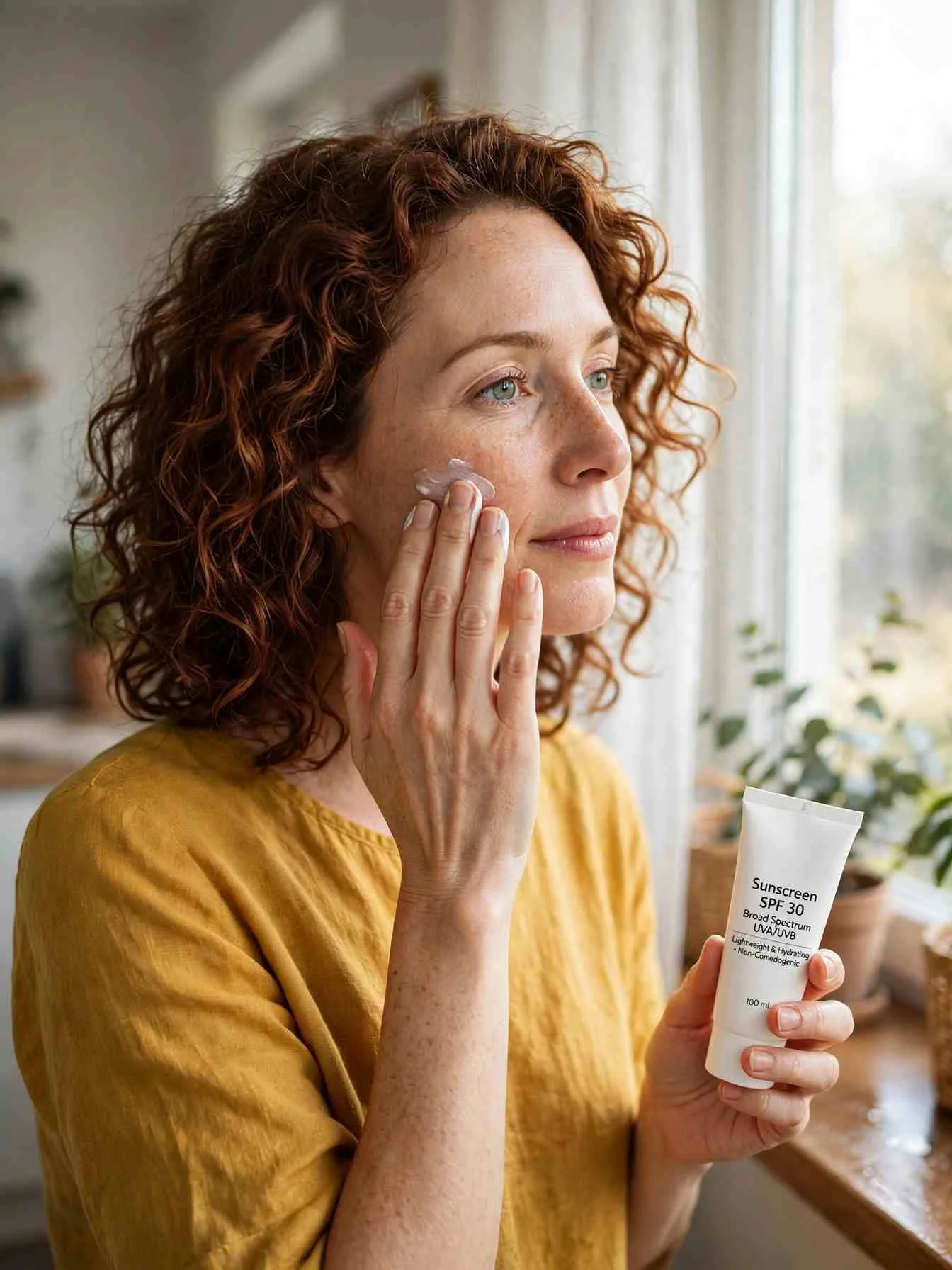
Choose broad-spectrum sunscreen with SPF 30 or higher and suitable water resistance. Follow its directions for application before outdoor exposure. A fragrance-free formula is worth considering, but no label guarantees individual tolerance.
Mineral filters such as zinc oxide or titanium dioxide are options if you find other formulations uncomfortable. Seek advice if sunscreen repeatedly irritates your skin. Clothing and shade provide additional protection.
Reapply sunscreen during outdoor exposure as directed, generally every two hours and after swimming or sweating. Cover exposed areas without rubbing sore skin. A comfortable hat can help shield your face.
The Evening Routine And Prescribed Treatment
Evening care removes sunscreen, makeup, and other residue before moisturising. Choose a cleansing method you tolerate. If removal requires repeated rubbing, review the makeup or sunscreen and the cleanser together.
Use any prescribed treatment at its instructed frequency. The medicine’s directions determine where it fits, rather than a rule that evenings allow only cleanser and cream.
Step One: Remove Residue Without Scrubbing
Use your tolerated cleanser or the washing method recommended for your eczema. Rinse as directed and pat away excess water. Avoid trying to remove every flake with another wash.
Stinging does not identify its cause on its own. Irritated skin and a product reaction can both need consideration. Stop a new cosmetic product that causes irritation and seek advice if discomfort persists.
Step Two: Follow The Medicine And Moisturiser Directions
Check whether your medicine needs dry skin or separation from an emollient. Follow the label or your prescriber’s instructions for the amount and timing. Ask your pharmacist when those directions are unclear.
Apply your tolerated moisturiser without adding an unnecessarily heavy layer. If a cream leaves the driest areas uncomfortable, discuss another texture. Do not change a prescribed regimen solely because a general article recommends fewer steps.

Choose Products By Tolerance And Purpose
Start with a clear job for each product: cleansing, moisturising, sun protection, or prescribed treatment. Keep packaging or ingredient photographs for appointments. That record helps identify the exact formulation you used.
A sensitive-skin label or eczema acceptance seal can help build a shortlist. Neither guarantees that every ingredient suits you. Check for known personal allergens and compare how the complete product feels.
Understand Ingredient Names
Ceramides, petrolatum, and glycerin appear in moisturisers with different textures. Their presence alone does not establish that a product will work for your face. Avoid buying several new formulas to compare at once.
Fragrance can be a concern for reactive skin. Ingredient names containing alcohol need context, since fatty alcohols differ from drying solvents. A pharmacist can help interpret a label when the terminology is unclear.
Introduce Changes Without Guessing
Try one new cosmetic product at a time using appropriate small-area testing guidance. Ask about a suitable method if you have active facial symptoms or previous reactions. A home trial cannot guarantee tolerance on the eyelids.
Keep notes about symptoms and timing without treating a coincidence as proof of an allergy. Clinical patch testing investigates contact allergy and differs from a home product trial. Your clinician can explain whether it is appropriate.
Eyelids Need Specific Product Advice
Eczema UK’s eyelid eczema guidance describes care that can include emollients and prescribed medicines. Eyelid symptoms may involve contact dermatitis, including substances transferred from hands. Recurrent symptoms deserve assessment rather than repeated cream changes.
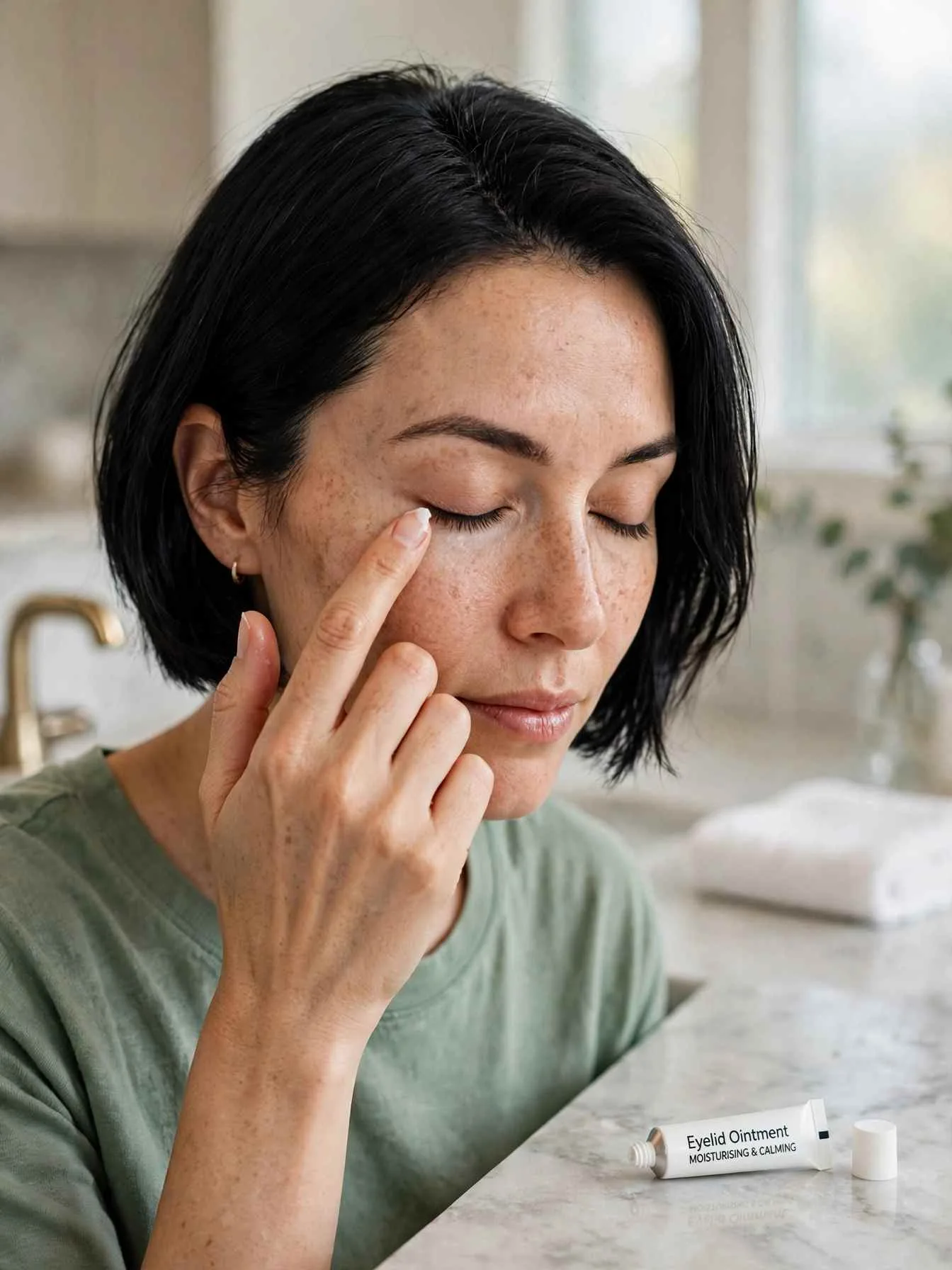
Use only products your clinician or pharmacist considers suitable for that area. A general face-cream label does not establish eyelid suitability. Avoid getting skincare into the eye or applying it to the lash margin without specific instructions.
Use Eyelid Medicines As Directed
Steroid strength and treatment duration matter around the eyes. Overuse can cause complications. Do not borrow someone else’s medicine or extend a course without checking with your prescriber.
Topical calcineurin inhibitors are another prescription option for some people. They have their own application and sun-protection instructions. Discuss persistent burning or other concerns instead of assuming every reaction is expected.
Adjust Makeup During A Flare
Pause makeup on areas where application or removal causes discomfort. You can still discuss suitable cleansing and moisturising with your clinician. Avoid covering weeping or painful skin while delaying assessment.
When symptoms settle, reintroduce cosmetics one at a time. Record the product name and any returning symptoms. If eyelid problems recur, include nail products and hair products in the discussion.
What To Do During A Flare
Follow your clinician’s flare plan, including prescribed medicine. Keep supportive skincare comfortable and avoid introducing exfoliants or other optional active products. A flare may need treatment beyond moisturiser.
If you do not have a plan, seek advice about persistent, worsening, or recurring symptoms. Describe what you have already tried. Keep the product list concise so the appointment can focus on decisions.
Keep Useful Notes
Record the affected areas, recent changes, and how symptoms affect sleep or daily activities. Note symptom-free days too. A diary supports discussion but cannot diagnose the cause.
Avoid removing foods from your diet based only on a flare. Discuss suspected allergy with a qualified clinician. Your history and examination help determine which questions need further investigation.
Recognise When Care Is Urgent
Seek prompt medical advice for new weeping, yellow crusting, pus, increasing pain, or spreading inflammation. Do not wait for a routine skincare trial to finish. Tell the clinician if the affected area is near an eye.
Painful fluid-filled blisters can indicate eczema herpeticum and need urgent assessment, especially around the eyes. Fever or feeling unwell alongside a worsening rash also warrants urgent care. Eye pain or vision changes need urgent medical attention.
When To Review The Diagnosis
Arrange a review if treatment is not helping, symptoms return, or discomfort disrupts sleep. Different facial conditions can overlap. A diagnosis may need reassessment as the pattern changes.
Ask what each prescribed product treats, how to apply it, and when to review progress. Confirm which reactions need earlier contact. Bring your questions rather than adding another treatment without guidance.
Frequently Asked Questions
These answers cover everyday care decisions. Follow your clinician’s individual instructions for treatment and eyelid products.
Can Facial Eczema Skincare Cure Eczema?
No. Supportive skincare can help manage dryness and comfort, but it does not cure atopic eczema. Other facial conditions may need a different diagnosis and treatment.
How Often Should I Moisturise?
Apply moisturiser after washing and when your skin needs it, following your treatment plan. Prescribed medicines may require separate timing.
Do I Need To Wash Twice Daily?
Not everyone needs the same cleansing frequency. Remove sunscreen and makeup with a tolerated method, and ask for advice if washing remains uncomfortable.
Can I Use My Face Cream On My Eyelids?
Check suitability with your clinician or pharmacist first. A product tolerated on your cheeks may still irritate your eyelids. Avoid getting it into your eyes.
Should I Stop Prescribed Treatment During A Flare?
Follow your prescriber’s flare instructions. Contact them if treatment causes problems or symptoms worsen. Do not replace prescribed treatment with a cosmetic-only routine.
Does Stinging Prove I Am Allergic?
No. Stinging alone cannot establish an allergy. Stop an irritating new cosmetic product and seek advice about persistent symptoms or suspected reactions.
Final Thoughts
A workable facial eczema skincare plan should explain what to use, where it belongs, and when to seek help. You deserve clear instructions when a product hurts or symptoms return. Your routine can stay manageable while still including prescribed treatment and clear directions for each area. Before your next review, list your products and medicines in application order, with questions about eyelid care.