15 Habits: How to Prevent Aging in Your 20s Now

Ever notice your skin looks a little duller than it did last year, even though nothing about your routine changed? That’s early skin aging, and it starts quieter than most people expect.
Your skin starts losing collagen in your mid-20s, years before a single wrinkle shows up in the mirror. Knowing how to prevent aging in your 20s starts here, before fine lines and dryness force the issue. Most women don’t think about anti-aging skincare in their 20s until their 30s, once the damage is already visible.
By then, sun damage has settled in deep, and fixing it takes far longer than preventing it ever would. These 15 habits target the real causes of early aging: sun exposure, a weak skin barrier, and a few neglected spots most routines skip completely.
Quick answer, before you dive in:
- Cleanse gently, layer vitamin C and hyaluronic acid, and never skip SPF in the morning
- Reapply sunscreen, wear sun protection, and skip scalding showers during the day
- Remove makeup, use retinol two to three times a week, and moisturize damp skin at night
- Eat antioxidant-rich foods, drink enough water, and sleep seven to nine hours
- Extend your routine to your neck, hands, and lips, and avoid over-exfoliating
Why Does Skin Start Aging in Your 20s?
You’d think 25-year-old skin has nothing to worry about. It doesn’t work that way. Skin aging prevention starts earlier than most people realize, since a few sneaky factors are already at work under the surface.

Collagen Loss Starts Earlier Than You Think
Collagen production drops by about 1% each year after you turn 20, according to dermatology research on extrinsic skin aging. That decline feels invisible at first. It compounds fast without any protection along the way. Genetics play a role, but lifestyle choices carry more weight than most people assume. Two sisters with identical genes can age at completely different rates if one wears daily SPF and the other skips it. That gap widens every single year.
UV Exposure Causes Most of the Damage
UV exposure causes up to 80% of visible skin aging, including fine lines, dryness, and uneven tone. Pollution and blue light from your phone screen pile on extra stress too. Hyaluronic acid, the molecule that keeps skin plump and bouncy, also starts declining in your 20s. By age 50, your natural stores drop by half. Watch for early signs of skin aging, like slightly duller mornings or makeup that doesn’t sit as smoothly as it used to.
Morning Habits That Protect Your Skin
Mornings set the tone for how well your skin holds up the rest of the day. A rushed five-minute routine often skips the exact steps that matter most. These four habits take less than ten minutes total.
1. Cleanse Without Stripping Your Skin

Skip the harsh soap. Use a gentle, pH-balanced cleanser instead, one that doesn’t leave your face feeling tight and squeaky afterward. That tight feeling is a warning sign, not a sign of cleanliness. It means your skin’s protective barrier just got stripped away. A damaged barrier lets moisture escape faster and lets irritants sneak in easier, which speeds up visible aging over time. Look for cleansers labeled “gentle” or “hydrating,” and avoid anything that lathers aggressively or contains sulfates near the top of the ingredient list.
2. Apply a Vitamin C Serum

Vitamin C is one of the hardest-working antioxidants you can put on your face. It fights free radical damage caused by sun exposure and everyday pollution, both of which quietly break down collagen. It also brightens uneven tone and fades early discoloration before it becomes stubborn. A few drops after cleansing, before moisturizer, is all you need. Look for a concentration between 10% and 20% if you’re new to it, since anything higher can irritate fresh skin. Store it in a cool, dark spot, because sunlight and heat break vitamin C down fast.
3. Layer On Hyaluronic Acid

This ingredient works like a sponge for water, pulling moisture straight into the skin and plumping out fine lines before they even form. It’s lightweight, so it layers well under heavier products without feeling greasy. Apply it to slightly damp skin, right after cleansing or after a hydrating toner, for the strongest results. In very dry climates, it can pull moisture out of your skin instead. Always seal it with a moisturizer on top, or the hydration won’t stick around.
4. Never Skip Sunscreen

This is the one habit that matters more than every other product combined. Use a broad-spectrum SPF 30 or higher every single day, rain or shine, winter or summer. UV rays pass straight through clouds and window glass, so even a day spent indoors near a window still counts toward cumulative damage. A nickel-sized amount covers your whole face properly, and most people apply far less than that. If sunscreen is the only step you commit to from this list, your skin will still thank you in ten years.
How to Layer Your Skincare Products Correctly
Most guides list products without ever explaining the order to apply them. That leaves people guessing, and it wastes money on serums that never get the chance to absorb.
Apply Products Thinnest to Thickest
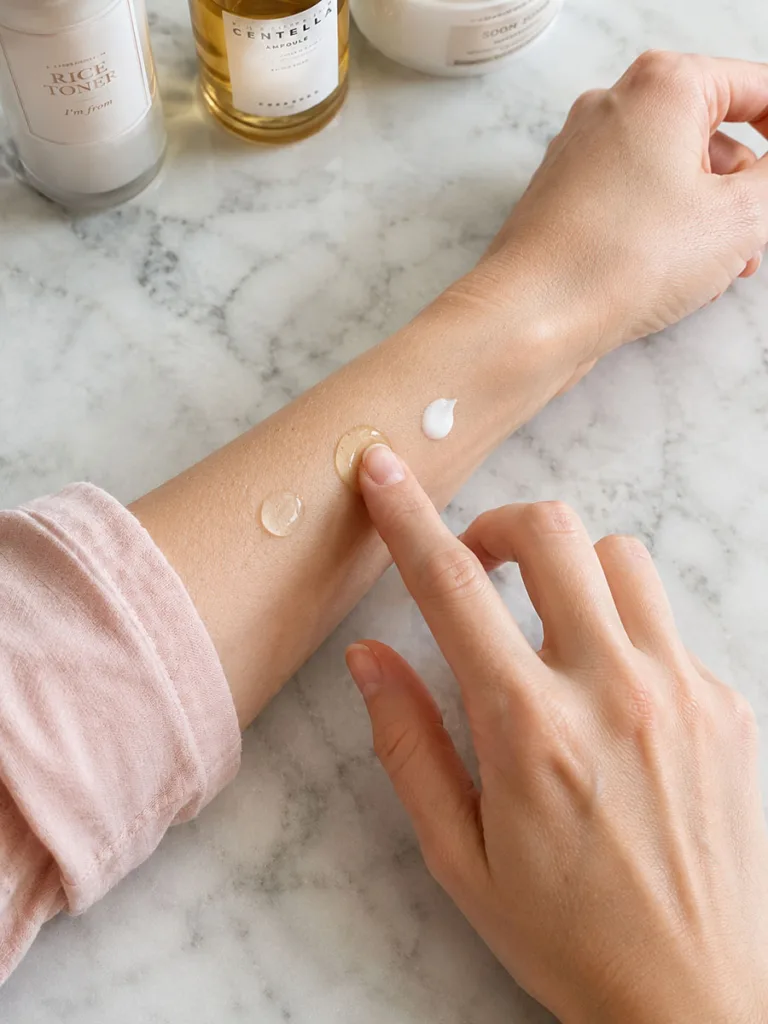
Start with cleanser, then a hydrating toner, then serums like vitamin C or hyaluronic acid, and finish with moisturizer and SPF. Wait about 60 seconds between each step so the previous layer has time to absorb fully into the skin. At night, swap sunscreen for a retinol or treatment product. Apply it after moisturizer if your skin leans sensitive or before moisturizer if your skin already tolerates active ingredients well.
Common Layering Mistakes to Avoid
- Applying a heavy cream before a lightweight serum, which blocks that serum from reaching your skin
- Skipping a spot treatment right after cleansing, so it fights through three other layers instead of reaching bare skin first
- Rushing between steps instead of giving each product a full minute to soak in
Daytime Habits That Keep Skin Protected
Morning skincare only pays off if you protect it consistently through the rest of the day. A handful of small daytime habits matter just as much as anything sitting in your bathroom cabinet.
5. Reapply Sunscreen Every Two Hours

One morning application fades fast, especially if you’re outdoors or seated near a sunny window at your desk. Keep a mineral SPF stick in your bag for quick, mess-free touch-ups over makeup. Set a reminder on your phone if you tend to forget, because most people do. Reapplication matters just as much as that first coat, and skipping it undoes a good chunk of your morning effort.
6. Wear Sunglasses and a Wide-Brim Hat

Squinting in bright light causes fine lines around the eyes to form over time. It happens gradually, so you won’t notice until it’s already there. Physical barriers like sunglasses and hats protect areas sunscreen often misses, like the delicate skin on your eyelids. A wide-brimmed hat also shields your scalp part line and the tops of your ears, two spots almost nobody thinks to protect. These are cheap habits with a real, lasting payoff.
7. Limit Hot Showers and Harsh Water Exposure

That scalding-hot shower feels amazing, but it strips natural oils straight off your skin and weakens the barrier that keeps moisture locked in. Lukewarm water keeps skin calmer, better hydrated, and far less prone to redness or that tight, dry feeling afterward. Try shortening hot showers to five minutes or less, and finish with a cooler rinse if you can handle it. Your face and neck will notice the difference within a couple of weeks.
Nighttime Habits That Help Skin Repair
Nighttime is when your skin does its heaviest repair work. That makes your evening routine just as important as your morning one, arguably more so.
8. Always Remove Makeup Before Bed

Sleeping in makeup clogs pores and traps pollutants against your skin for six to eight hours straight. That’s a long stretch of time for dirt and product buildup to sit undisturbed. Double cleanse if you wore heavy makeup or mineral sunscreen that day, using an oil-based cleanser first and a gentle foaming one second. Keep face wipes on your nightstand for the nights you’re too exhausted to make it to the sink.
9. Start Retinol Two to Three Times a Week

Retinol boosts cell turnover and stimulates collagen production over time. It’s one of the best-studied anti-aging ingredients you can buy without a prescription. Start with a low concentration, around 0.25% to 0.5%, to avoid the redness and flaking that come from jumping in too fast. Build up slowly across several weeks, adding a night here and there as your skin adjusts. Always follow it with a solid moisturizer, and never skip sunscreen the next morning since retinol makes skin more sun-sensitive.
10. Moisturize While Skin Is Still Damp

Applying moisturizer within a minute of washing your face traps far more hydration than waiting until skin is fully dry. Dermatologists call this the “damp skin” method, and it works because water on the skin’s surface pulls certain moisturizer ingredients in with it. Look for ceramides and glycerin near the top of the ingredient list, since both help rebuild your skin’s natural barrier. A thicker cream at night works better than a light lotion, since your skin isn’t fighting oil or sweat while you sleep.
Lifestyle Habits That Support Skin From Within
Skincare products only handle half the job here. What you eat, drink, and how well you sleep show up on your face just as clearly as any serum could.
11. Eat More Antioxidant-Rich Foods

Berries, leafy greens, and nuts help fight the oxidative stress that quietly breaks down collagen over years. A colorful plate does more for long-term skin health than another trendy serum. Fatty fish and walnuts add omega-3s, which support your skin barrier from the inside and help lock moisture in place. You don’t need a diet overhaul here. Just add one or two of these foods to meals you’re already eating.
12. Drink Enough Water Every Day

Dehydrated skin looks dull, feels rough, and shows fine lines faster than well-hydrated skin does. Aim for steady water intake spread across the day, rather than chugging one large glass right before bed. Coffee and alcohol both work against you here, since they’re mildly dehydrating. If plain water feels boring, add cucumber or citrus slices, or swap one coffee a day for herbal tea instead.
13. Prioritize Seven to Nine Hours of Sleep

Poor sleep raises cortisol, a stress hormone directly linked to collagen breakdown and inflammation in the skin. Your skin repairs itself most actively during deep, uninterrupted sleep stages. Sleeping on your back also reduces the pressure lines that side-sleeping presses into your cheek and forehead over years. A silk or satin pillowcase reduces friction compared to cotton, which can leave skin looking less creased come morning.
Areas Most Routines Forget
Most routines stop right at the jawline. Skin on other areas ages just as fast, and sometimes it shows the signs even sooner than your face does.
14. Extend Skincare to Your Neck and Hands

Thin skin on the neck and décolletage shows sun damage early, often before your face does. Apply the same serums and SPF here that you already use on your face, every single time. Your hands deserve the same treatment, since they’re exposed to sun and water all day. Keep a small hand cream with SPF at your desk or in your car, and you’ll thank yourself in a decade.
15. Care for Your Lips Every Day

Lips have no oil glands of their own, so they dry out and thin with age faster than most people expect. Use an SPF lip balm daily, not just in summer, since lip skin burns just as easily as facial skin does. Try to avoid constant licking. It feels soothing in the moment, but it worsens dryness once saliva evaporates. Elbows and knees deserve a quick mention too. A simple ceramide body lotion applied right after showering keeps these smaller spots from looking older than the rest of you.
Mistakes That Speed Up Skin Aging
A careful routine can still backfire if it includes a few common errors. Avoiding these protects the progress you’re already building with the habits above.

Over-Exfoliating and Mixing Too Many Actives
- Exfoliating more than two or three times a week, which strips the barrier and causes redness instead of glow
- Mixing strong actives, like retinol and acids, on the same night, which causes irritation instead of results
- Layering five potent ingredients at once instead of picking one or two and giving them room to work
Skipping Patch Tests and Chasing Trends
- Skipping a patch test before trying a new product, which often leads to unexpected breakouts
- Chasing every viral ingredient on social media, even though what works for one skin type can irritate another
- Judging a routine before six to eight weeks, and introducing more than one new product at a time
Frequently Asked Questions
1. At what age should you start anti-aging skincare?
Start in your early 20s. Prevention through daily sunscreen, antioxidants, and hydration works better than correcting damage years later.
2. Is retinol safe to use in your 20s?
Yes. Start with a low concentration two to three times a week to avoid irritation while building long-term collagen support.
3. What is the biggest cause of early skin aging?
UV exposure causes up to 80% of visible aging signs. Daily sunscreen remains the single most effective prevention step available.
4. Can diet affect how your skin ages?
Yes. Antioxidant-rich foods and proper hydration reduce oxidative stress, which directly slows collagen breakdown inside the skin.
5. Do I need an expensive routine to prevent aging?
No. Consistent cleansing, SPF, and hydration matter more than product price. A simple routine done daily beats an expensive one used rarely.
6. How long before I see results from an anti-aging routine?
Most people notice smoother texture within 4 to 6 weeks. Deeper changes, like improved firmness, take three months or longer of consistent daily use.
7. Should I use the same routine in every season?
No. Switch to a richer moisturizer in winter and a lighter gel formula in summer. Sunscreen, however, stays non-negotiable in every single season.
Conclusion
Preventing skin aging in your 20s comes down to daily consistency, not expensive products or complicated routines. The habits that matter most are simple: cleanse gently, protect with SPF every morning, hydrate inside and out, and don’t ignore your neck, hands, or lips. You don’t need all 15 habits running perfectly on day one, and no one expects that from you. Start today. Put on sunscreen before you leave the house, even if the sky looks cloudy. That one habit alone will do more for your skin over the next decade than any single product on the shelf. Check back in a month, and you’ll already see the difference in how your skin looks and feels.