How To Get Rid Of A Pimple Overnight, The Honest Way
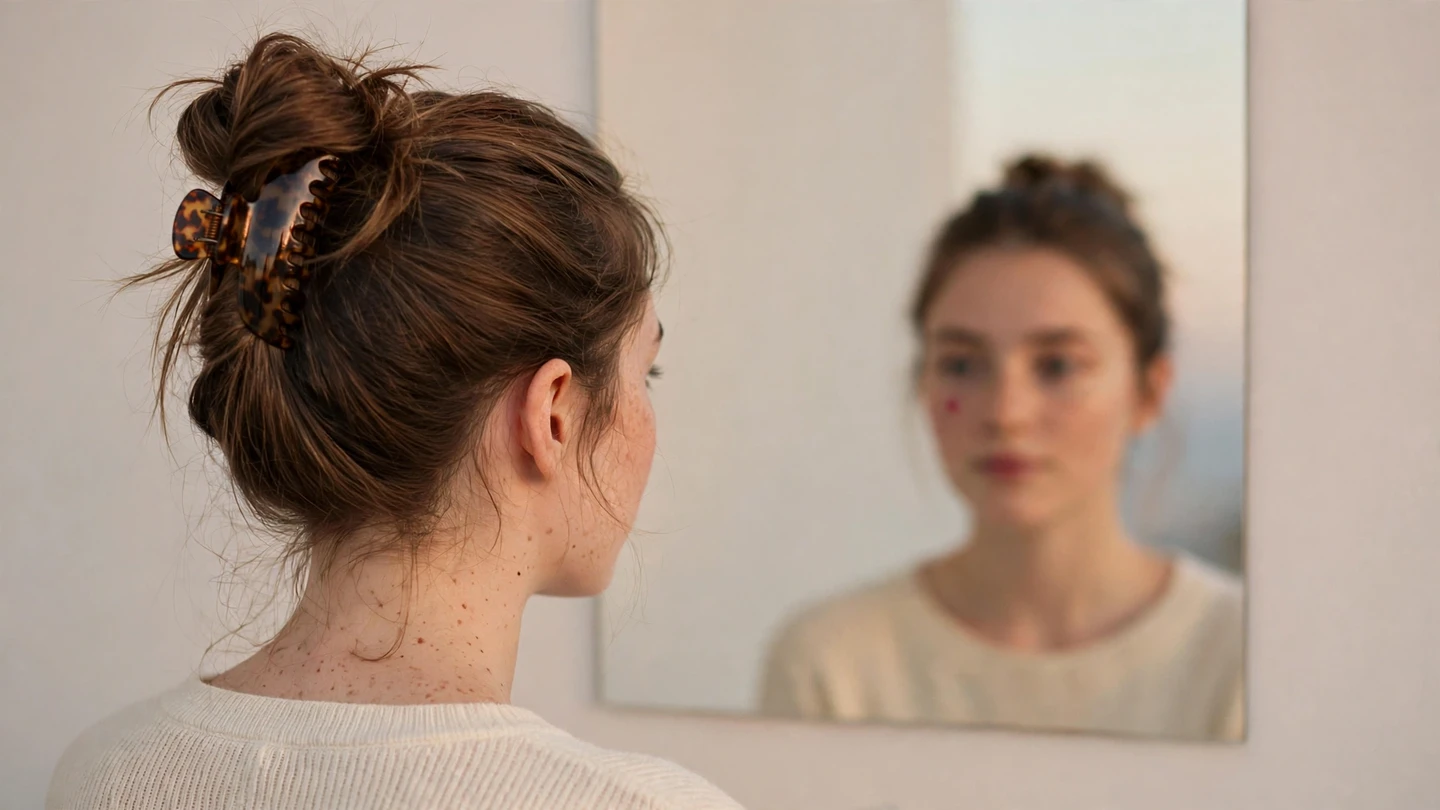
How to get rid of a pimple overnight depends on the spot; gentle care may help reduce visible irritation. Complete clearing is unlikely. A bump before an event can tempt you to try several treatments at once. That rush can leave you with irritation as well as a blemish.
Start by checking what you can see without pressing the skin. A closed whitehead, a pus-filled pimple, and a deep sore lump need different expectations. Use familiar products that suit your skin. You can keep the routine simple if you do not own a patch or spot treatment.
The five steps below explain those choices and how to avoid common mistakes. They also cover patch placement, moisturizer, and morning makeup. Your spot may still be visible tomorrow, even when you follow the advice.
What Can Change By Morning
Home care cannot reliably remove a pimple overnight, though some surface spots may look less swollen after gentle treatment.
Judge progress by comfort as well as appearance. Less tenderness can be useful even if redness remains. A deep lump often needs more time than a small surface blemish.
An overnight change also does not show whether a product prevents future acne. That requires a longer view of your skin and a consistent routine. Avoid changing several products after judging a single morning.
For a pimple before an event, decide whether comfort or temporary coverage is your main concern. Those goals do not require identical choices. A patch may protect against touching tonight, while careful makeup may be an option tomorrow.
Identify The Spot Before Choosing Treatment
Look at the area in ordinary light and leave it untouched. The descriptions below explain common acne lesions without asking you to diagnose every bump.
A sudden rash, blister, or unfamiliar sore may have another cause. Ask a clinician if you are unsure what you are treating.
| What You See | Possible Acne Type | Useful First Choice |
|---|---|---|
| Small closed white bump | Whitehead | Familiarize yourself with acne care; avoid squeezing |
| Red bump with a pus-filled center | Pustule | Gentle care; consider a suitable patch if draining |
| Red bump without visible pus | Papule | Familiar topical treatment as directed |
| Deep, tender lump | Nodule or cyst | Comfort measures and assessment if persistent |
Closed Whiteheads And Pus-Filled Pimples
A whitehead is a closed pore containing oil and dead skin cells. A pustule is an inflamed bump with a visible white or yellow pus-filled center.
The difference matters for patches. A plain hydrocolloid patch absorbs accessible fluid; it does not remove a closed pore plug. Do not squeeze either lesion to create an opening.
Red Bumps And Deep Lumps
A papule is a small inflamed bump without visible pus. Nodules and cysts develop deeper and may feel tender before they become obvious.
Depth alone does not tell you which medicine you need. Repeated painful lumps, scarring, or uncertainty about the diagnosis deserve professional advice.
Avoid repeatedly feeling the bump to judge its size. Describe changes you have noticed instead, including tenderness, drainage, and how long the spot has lasted. That information can help when you ask for advice.
How To Get Rid Of A Pimple Overnight Without Overdoing It
Use these steps as a flexible routine for tonight. Choose the options that fit your spot and your existing treatment plan.
You can skip an optional compress or an unsuitable product. Follow prescribed directions if you already receive acne treatment.
Step 1: Cleanse And Pat Dry
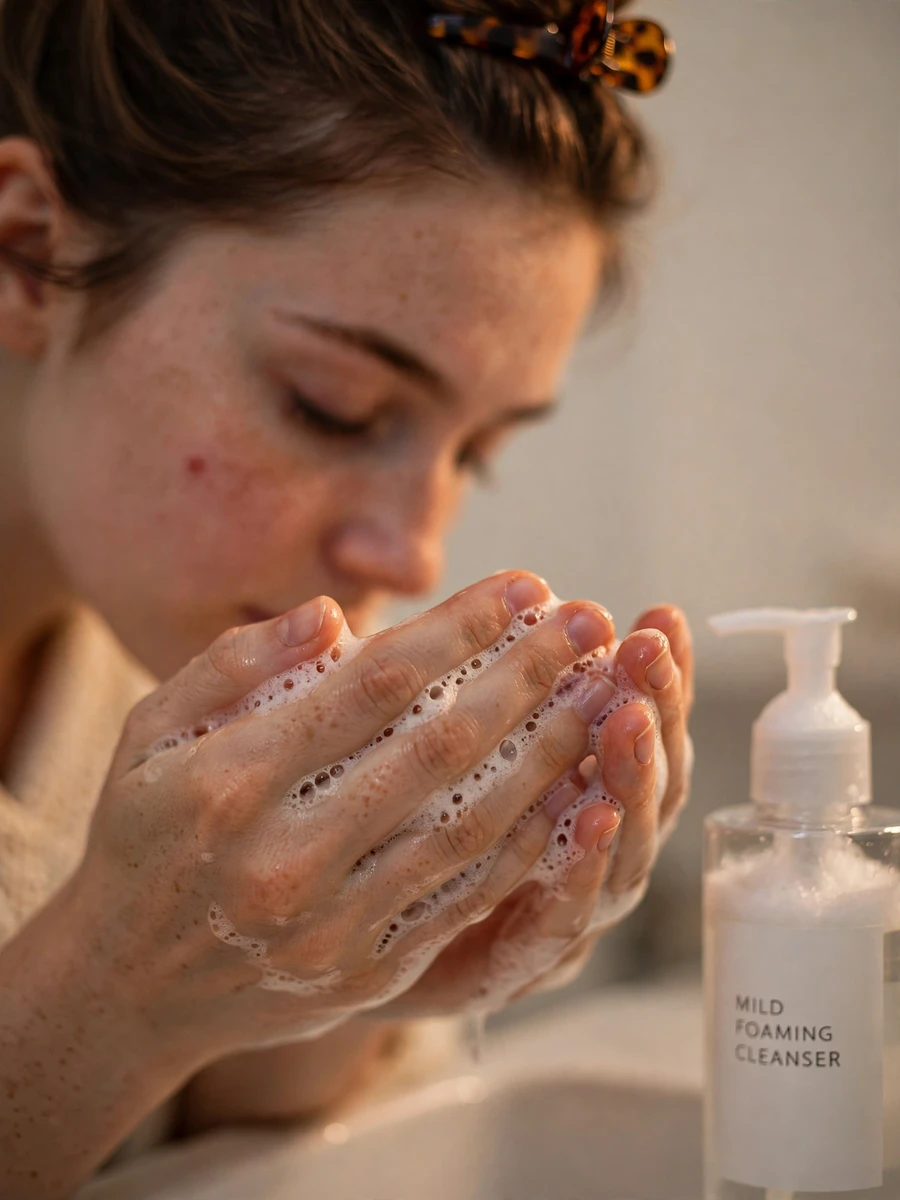
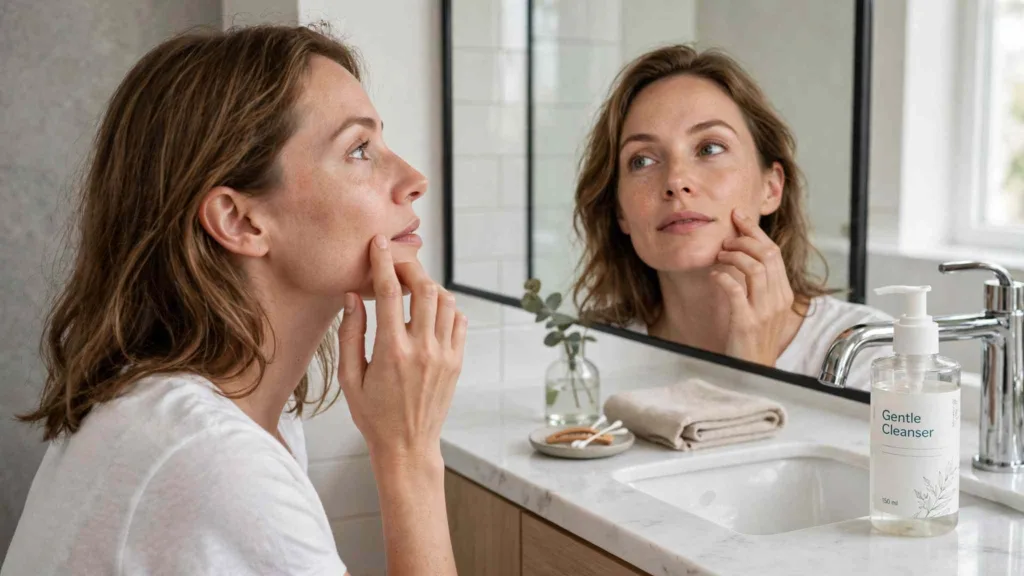
Wash with a mild cleanser and lukewarm water. Use your fingertips with light pressure, then rinse without scrubbing.
Pat dry with a clean towel. Repeated washing will not force a pimple to clear and may leave skin uncomfortable.
Remove makeup without rubbing the blemish. If your usual cleanser already contains an acne medicine, count that ingredient before adding another product.
Step 2: Consider A Warm Compress
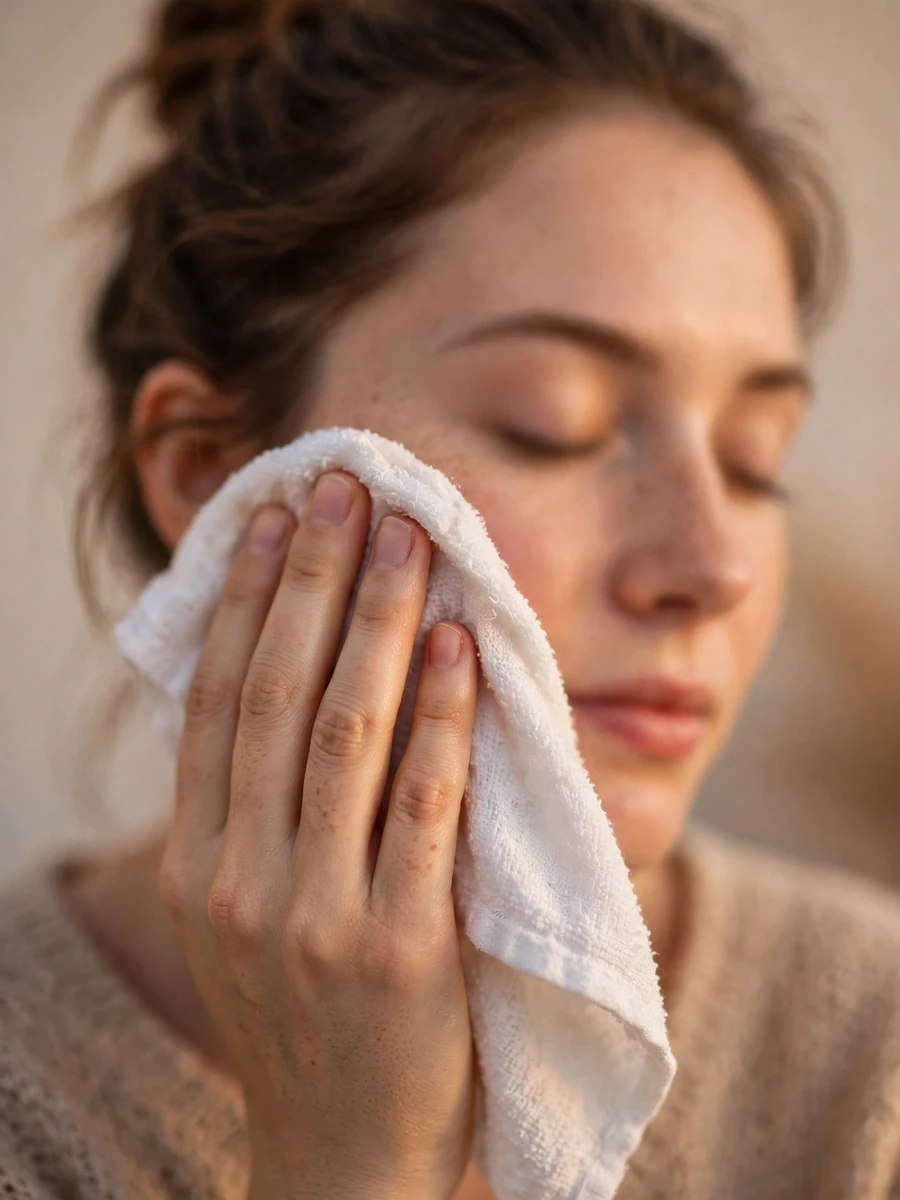
For a deep, tender acne bump, the American Academy of Dermatology suggests a warm, damp washcloth for 10–15 minutes. Its guidance for deep pimples recommends this three times daily.
Use a clean cloth each time and check that the temperature feels comfortable. Rest it against the area without squeezing. Skip the compress if it irritates your skin.
Step 3: Choose A Suitable Patch Or Familiar Treatment
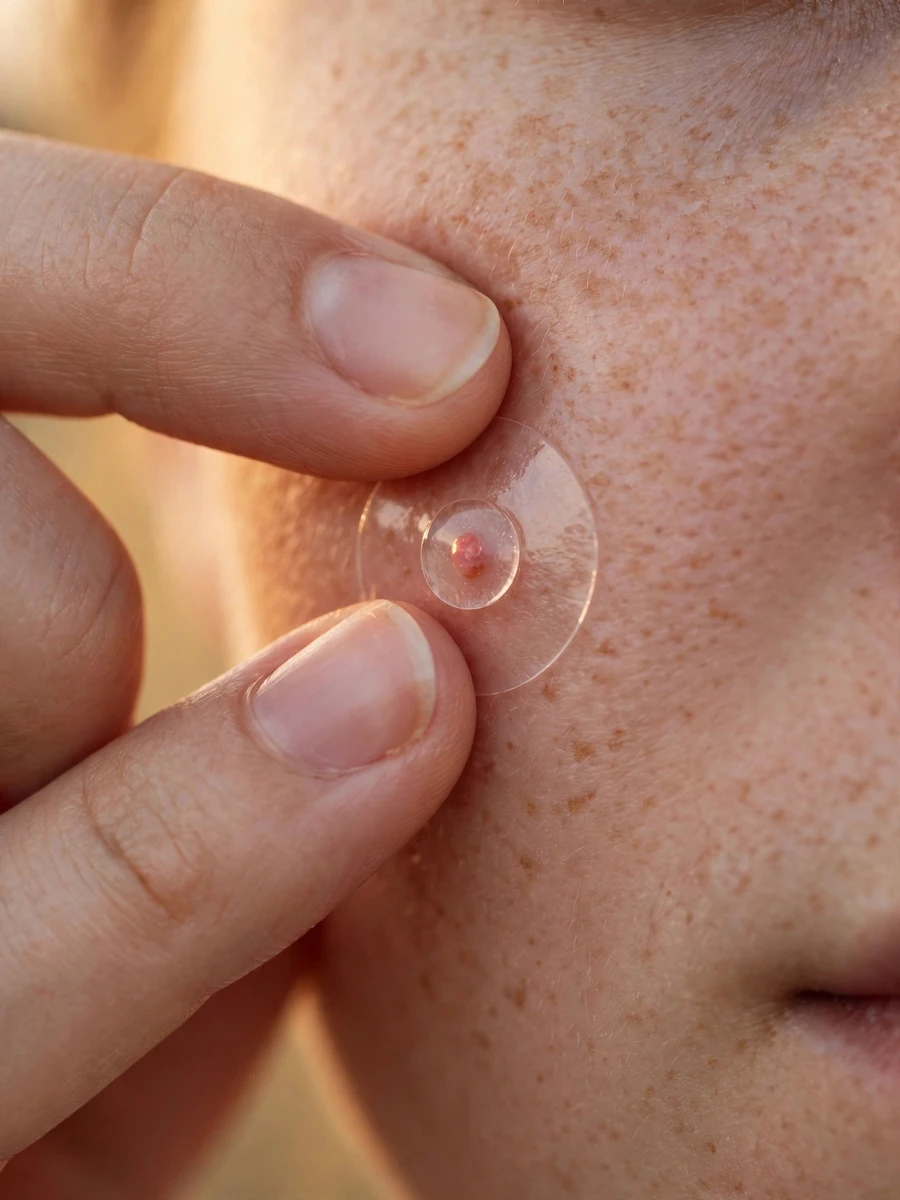
A plain hydrocolloid patch may suit a small spot that has begun draining on its own. Apply it to clean, dry skin and follow the package wear time.
For an intact blemish, a familiar acne treatment may be more suitable. Use the amount and frequency on its label or your prescription.
Avoid adding unfamiliar acids beneath a patch. Occlusion and extra ingredients can increase irritation. If you have no suitable product, cleanse and leave the spot alone.
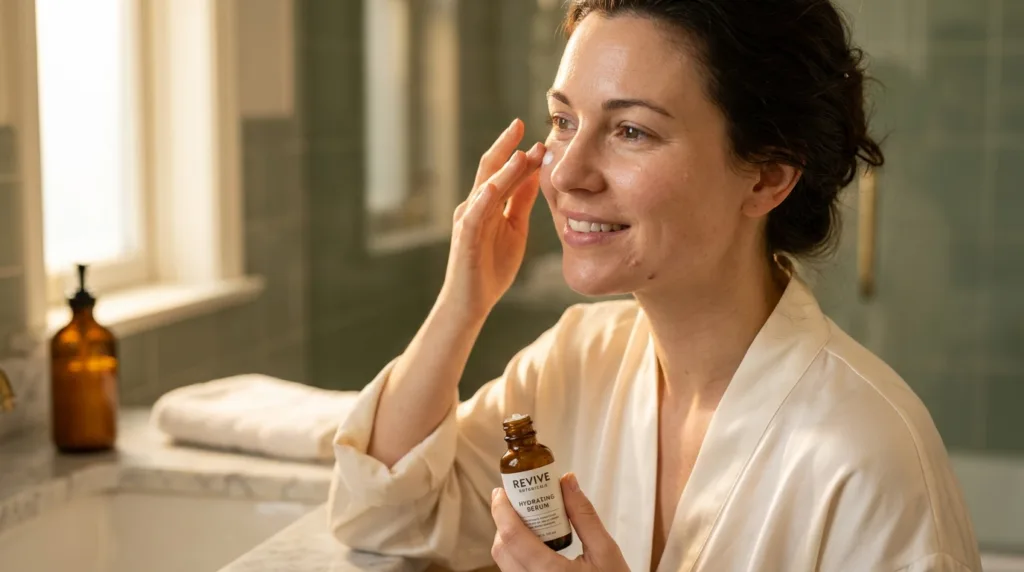
Step 4: Apply Moisturizer Around The Area
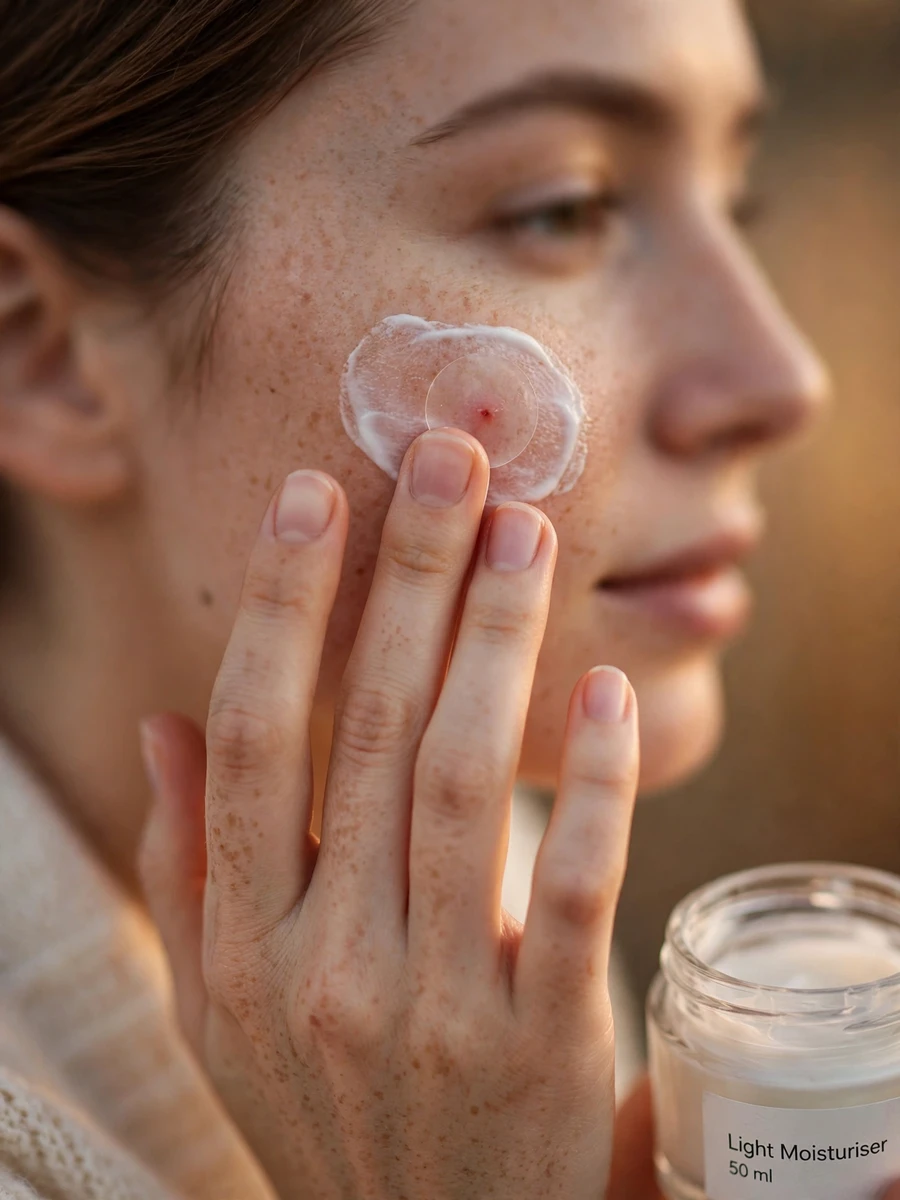
Choose a familiar, noncomedogenic moisturizer that feels comfortable on your skin. Fragrance-free options can be helpful if fragrance irritates you.
Keep cream off the area where a patch needs to stick. Apply moisturizer around an attached patch rather than underneath its adhesive.
For a topical treatment, follow its instructions about moisturizer and application order. Product texture alone does not determine whether it suits acne-prone skin.
Step 5: Leave The Spot Alone

Once the routine is complete, put away the magnifying mirror. Repeated pressing can turn a small blemish into a more irritated area.
Use clean bedding and avoid resting your hand against the spot. Sleep supports your general well-being, but it does not guarantee that acne disappears.
If you wake to stinging or itching beneath a patch, remove it. Do not continue wearing a product that causes irritation.
Understand What A Pimple Patch Can Do
Plain hydrocolloid patches and medicated patches are different products. Read the ingredient list rather than treating every clear sticker as interchangeable.
In Cleveland Clinic guidance on pimple patches, dermatologist Amy Kassouf explains their limits. They can absorb drainage and protect a spot from picking, but they do not prevent acne.
Follow the stated wear time, then discard the used patch. A patch turning white is not proof that the whole blemish has cleared. Adhesive or added ingredients can irritate sensitive skin.
Use Acne Ingredients Without Changing Your Whole Routine
Benzoyl peroxide reduces acne-causing bacteria, while salicylic acid helps clear clogged pores. Neither ingredient promises a visible overnight result.
Choose an established product rather than buying several emergency treatments. Keep a note of its active ingredient so you do not unknowingly repeat it elsewhere.
Benzoyl Peroxide
Use benzoyl peroxide according to the product directions or your clinician’s plan. It can cause dryness or irritation and may bleach hair or fabric.
Protect colored bedding and towels from contact. Do not apply extra layers because the spot still looks red after the first application.
Check whether your product is a wash or a leave-on formula. Rinse a wash as directed rather than leaving it on overnight. Avoid using a rinse-off product as an improvised spot mask.
Salicylic Acid
Salicylic acid can help with clogged pores and some pimples. Its concentration and product format affect how you should use it.
Combination treatments can be appropriate when a clinician recommends them. The aim tonight is to avoid improvising new combinations, rather than stopping a prescribed regimen.
Skip The Fixes That Add Irritation
Toothpaste and rubbing alcohol are poor substitutes for acne products. Scrubs, harsh drying pastes, and repeated squeezing can also make the area harder to manage.
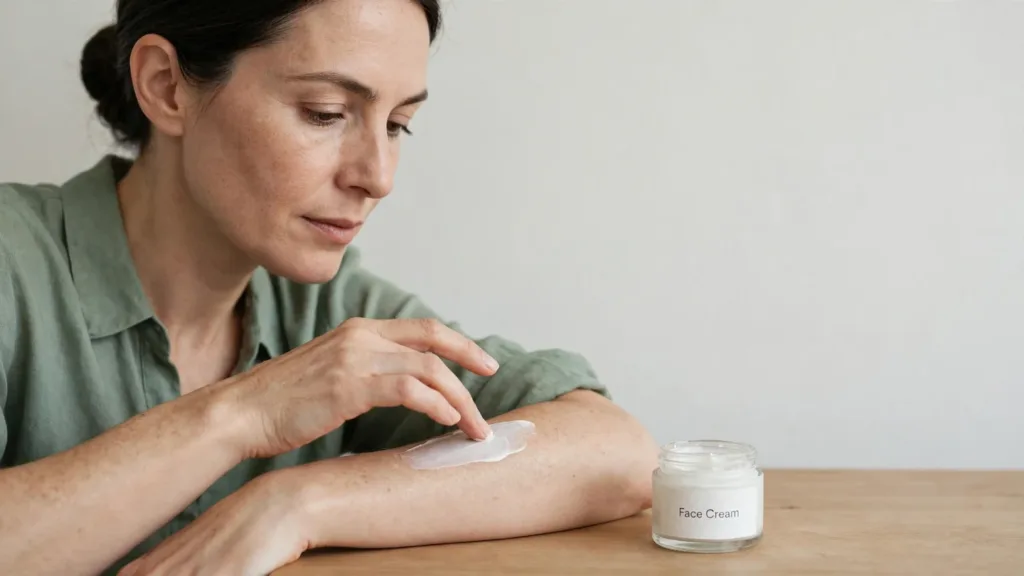
Keep unfamiliar products out of an urgent overnight routine. Our guide to patch testing skincare explains how to introduce products before you need them.
Decide When To Seek Professional Care
Seek prompt medical assessment for severe pain, marked swelling, spreading redness, fever, or a concerning spot near the eye. Avoid treating a suspected infection as an ordinary cosmetic blemish.
Book a dermatologist visit for recurring deep lumps, scarring, or acne that is not improving. Our cystic acne guide explains the deeper breakout pattern.
A dermatologist may consider an injection for a suitable painful lesion. Assessment matters because these procedures have risks and do not suit every bump. Do not expect an instant or guaranteed result.
Keep The Morning Routine Gentle
Remove any patch at its recommended time and wash without scrubbing. Check whether the skin is intact before applying other products.
Apply moisturizer and a broad-spectrum, water-resistant sunscreen with SPF 30 or higher. Reapply sunscreen according to its directions, including after swimming or sweating.
If the surface is intact and comfortable, noncomedogenic makeup may help reduce the appearance of redness. Use clean tools and a thin layer. Skip makeup on broken, oozing, or irritated skin.
Persistent redness is not a reason to repeat every treatment. Take a photo in consistent light if you want to track changes.
Remove makeup before bed, using light pressure around the affected area. Keep the next evening close to your usual routine instead of escalating treatment to compensate for a disappointing morning.
Frequently Asked Questions
These answers address decisions that can be easy to miss when a spot appears before an event. Product directions and your clinician’s advice take priority.
Can You Get Rid Of A Pimple Overnight?
Complete clearing is unlikely overnight. Gentle care may reduce discomfort or visible swelling, but the result depends on the lesion. A deep bump often needs more time.
Do Pimple Patches Work On Closed Whiteheads?
Plain hydrocolloid patches have limited benefit for closed whiteheads because there is little accessible fluid. They are more useful for drainage and protection from picking.
Which Works Faster, Benzoyl Peroxide Or Salicylic Acid?
Neither guarantees overnight improvement. Benzoyl peroxide targets acne-causing bacteria, while salicylic acid helps unclog pores. Choose according to product directions and your established treatment plan.
Can I Use A Patch Over Acne Cream?
Avoid improvising combinations beneath an adhesive patch. Check both products’ directions and ask a pharmacist or clinician if they do not explain compatibility.
What If I Have No Spot Treatment?
Cleanse without scrubbing and avoid touching the blemish. Use your familiar moisturiser if comfortable. Do not substitute toothpaste, alcohol, or an unfamiliar household remedy.
Can I Cover The Spot With Makeup?
Use noncomedogenic makeup on intact, comfortable skin with clean tools. Leave broken, oozing, or irritated skin uncovered and seek advice if the area appears infected.
Should I Stop My Prescribed Acne Routine?
Do not change a prescribed regimen to follow an emergency beauty routine. Ask your prescriber or pharmacist about irritation, compatibility, or unexpected symptoms.
Choose Tonight’s Next Step
If you searched how to get rid of a pimple overnight, focus on the decision in front of you. You do not need to add another active because an event is close. Check your existing product directions and the condition of the skin. Choose one suitable option from the routine, or leave the spot untouched after cleansing if you are unsure.