How to Get Rid of Fine Lines: 15 Real Fixes
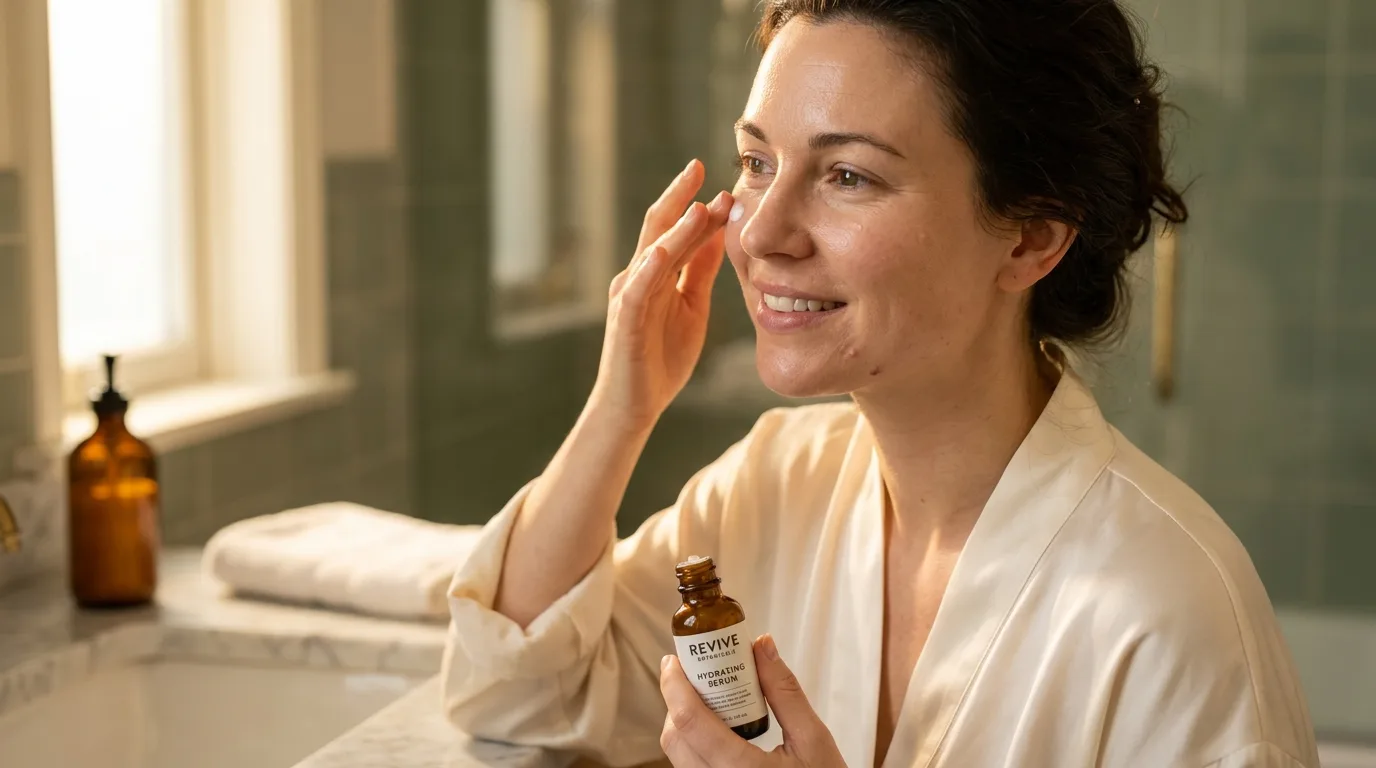
Noticing fine lines in your selfies before you spot them in the mirror? You’re not imagining it. Fine lines show up first around your eyes and mouth, where collagen and elastin break down faster than your skin can replace them.
You can soften them without surgery. This guide covers how to get rid of fine lines with ingredients that work, daily habits worth keeping, and a few natural remedies that hold up under scrutiny.
You’ll get a full morning and night routine, 15 tested fixes ranked from easiest to most advanced, and the exact mistakes that make fine lines worse.
What Causes Fine Lines to Form
Fine lines start as small creases in the top layer of your skin. They deepen into wrinkles over time if the cause keeps repeating. After age 25, your body produces 1% less collagen each year. That decline is natural, but your daily habits decide how fast it shows.
Common causes include:
- Sun exposure is the biggest driver. UV rays break down collagen and speed up skin aging.
- Smoking thins your skin’s support structure and reduces oxygen flow.
- Poor sleep limits the time your skin has to repair itself overnight.
- A diet low in antioxidants leaves collagen more exposed to damage.
- Repeated facial movements, like squinting or frowning, carve grooves that become permanent as skin loses elasticity.
How to Get Rid of Fine Lines With a Daily Routine
A routine beats a single product every time. Layer the right ingredients in the right order and give your skin time to respond. Most people see visible change in six to twelve weeks.

Morning Routine
- Gentle cleanser removes overnight buildup without stripping your skin.
- Vitamin C serum fights free radicals and brightens tone.
- Lightweight moisturizer locks in hydration before sunscreen.
- Broad-spectrum SPF 30 or higher. Skipping this step undoes everything else in your routine.
Night Routine
- Cleanse again to remove sunscreen, makeup, and pollution particles.
- Retinol or retinoid. Apply two to three nights a week if you’re new to it.
- Hyaluronic acid serum locks in moisture while you sleep.
- Richer night cream seals everything in. Your skin repairs itself overnight, so this is when active ingredients work hardest.
15 Proven Ways to Reduce Fine Lines
These methods range from daily habits to targeted treatments, and you don’t need to try all fifteen at once. Start with the basics before moving to stronger options, and give each change a few weeks before you decide if it’s working. Most people see the best results from combining three or four of these rather than chasing every tip on the list.
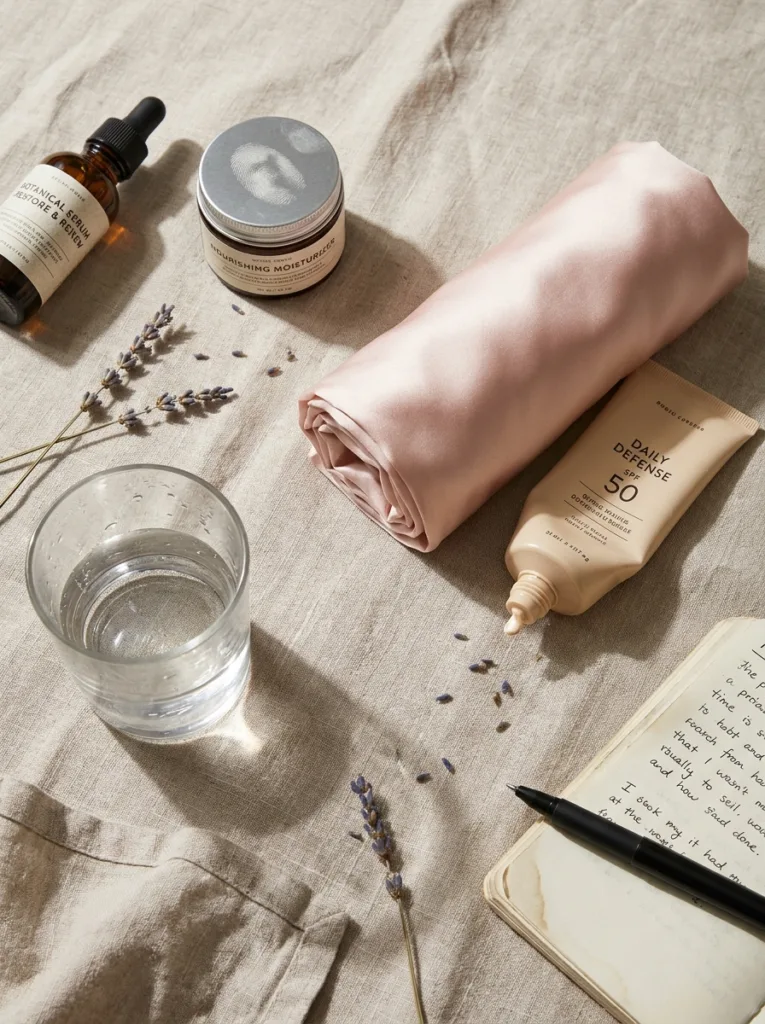
- Wear sunscreen every single day, even indoors near windows. UV rays pass through glass, and UV damage is still the top cause of premature fine lines, even on cloudy days.
- Use a retinol product two to three times a week. It boosts cell turnover and rebuilds collagen over time. Start with a low percentage and work up slowly to avoid flaking.
- Add vitamin C serum in the morning. It protects against environmental damage and evens skin tone, and it works even better when layered under sunscreen for extra protection.
- Layer hyaluronic acid on damp skin. It draws in moisture and plumps fine lines fast, but it needs a moisturizer on top to seal that hydration in.
- Try niacinamide if your skin is sensitive to retinol. It strengthens your skin barrier without irritation and pairs well with almost every other active ingredient.
- Moisturize twice daily. Dry skin shows lines more than hydrated skin, especially around the eyes and mouth where the skin is thinnest.
- Sleep on your back when possible. Side sleeping presses creases into your face over years, and those lines often become the deepest ones on your face.
- Use a silk pillowcase. It reduces friction that deepens sleep lines and causes less tugging on your skin than cotton.
- Stay hydrated. Drinking enough water supports skin elasticity from the inside out, though it works best alongside a topical routine, not instead of one.
- Eat antioxidant-rich foods like berries, leafy greens, and fatty fish. They protect collagen from breaking down and give your skin the raw material it needs to repair itself.
- Quit smoking or avoid secondhand smoke. Nicotine narrows blood vessels and starves your skin of oxygen, and it breaks down collagen faster than almost any other habit.
- Try at-home microneedling with a fine derma roller. It stimulates collagen without downtime, though you should always sanitize the roller before and after each use.
- Get a chemical peel from a licensed esthetician for deeper resurfacing every few months. Peels work well on fine lines caused by sun damage and uneven texture.
- Ask about professional microneedling or laser resurfacing if home care isn’t enough. These treatments trigger a deeper healing response than anything you can do at home.
- Consider a dermatologist consult for Botox or filler if static lines bother you long-term. A consult also helps you rule out other causes, like sun damage or dehydration, before you commit to a procedure.
Cleveland Clinic notes that microneedling works best on fine, shallow lines because it triggers new collagen as the skin heals. Most people combine two or three of these methods rather than relying on just one. A retinol and SPF routine handles daily prevention, while an occasional peel or microneedling session addresses lines that don’t respond to skincare alone. Each of these professional options counts as a genuine fine line treatment when you pair it with a solid at-home routine, not as a replacement for one. If you’re not sure where to start, sunscreen and retinol give you the biggest return for the least effort, and everything else on this list works better once those two habits are already in place.
Natural and DIY Remedies for Fine Lines
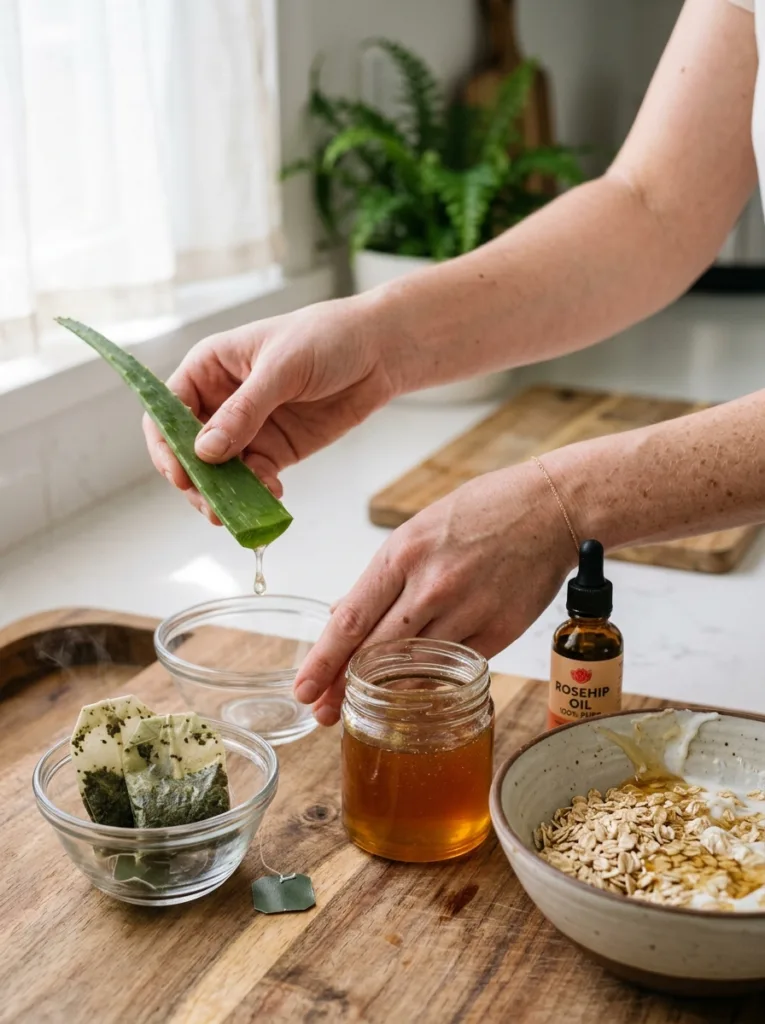
Natural remedies won’t replace retinol or SPF, but they support your routine and cost little. None of these replace sunscreen. Use them alongside your routine, not instead of it.
- Aloe vera gel soothes skin and may support collagen production. Apply a thin layer at night before your moisturizer, straight from a fresh leaf if you have a plant at home.
- Coconut oil and jojoba oil mimic your skin’s natural oils and help lock in moisture on dry patches. Use a small amount, since heavier oils can feel greasy or clog pores on oilier skin types.
- Honey mask. Leave it on for ten minutes twice a week. Its humectant properties can plump skin temporarily and leave it looking brighter right after you rinse it off.
- Cooled green tea bags are rich in antioxidants. Placed under your eyes, they reduce puffiness and calm inflammation that worsens fine lines, especially after a short night’s sleep.
- Rosehip oil contains natural vitamin A and essential fatty acids. A few drops at night can support skin texture in a way similar to a mild retinoid, without the same irritation risk.
- Oatmeal mask. Mix ground oats with a spoonful of plain yogurt and leave it on for ten minutes. The lactic acid gently exfoliates while the oats calm redness and sensitivity.
Give any natural remedy at least three to four weeks before deciding whether it helps. Skin responds slowly, and consistency matters more than the specific ingredient you choose. Patch test anything new on your inner arm first, especially if you have sensitive skin or a history of allergies to plant-based ingredients.
Mistakes That Make Fine Lines Worse
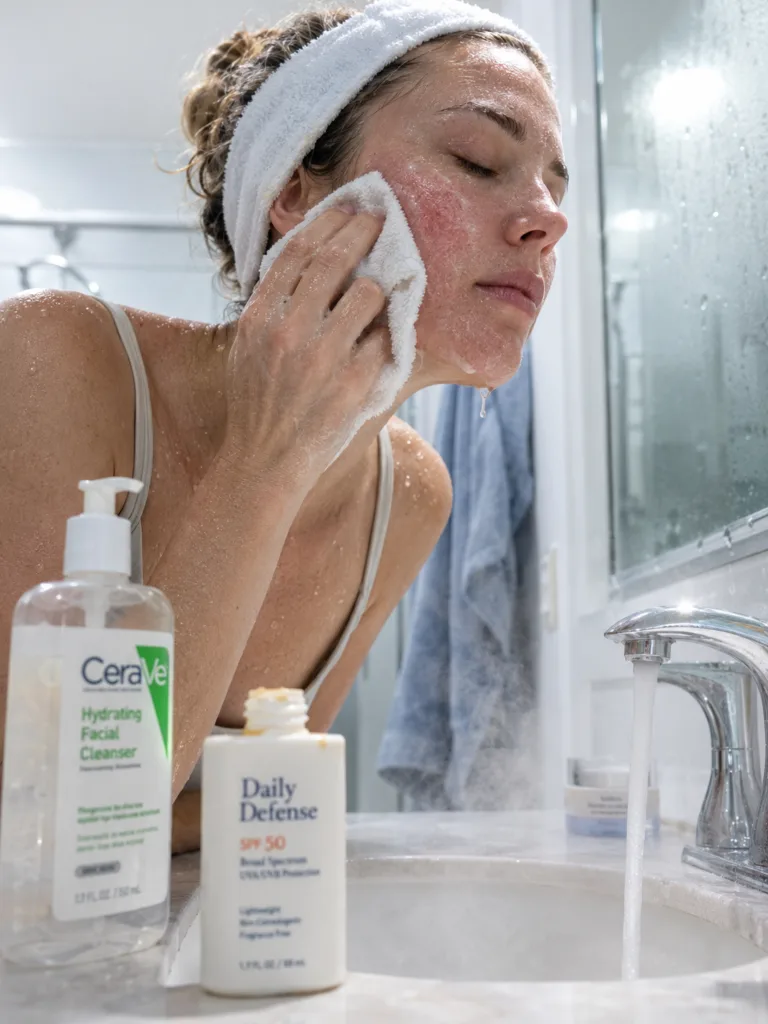
Even a well-built routine can stall out if a few daily habits work against it. Most of these mistakes are easy to miss because they feel harmless in the moment, yet they add up over weeks and months. Small habits undo even a strong routine. Watch for these:
- Rubbing your face too hard during cleansing breaks down collagen fibers over time. Pat your cleanser in with your fingertips instead of scrubbing with a washcloth.
- Skipping moisturizer after retinol increases irritation and dryness, which makes lines more visible. Retinol works best when it’s sealed in, not left to sit on bare skin.
- Using hot water on your face strips the natural oils your skin needs. Lukewarm water cleans just as well without leaving your skin tight and dehydrated.
- Applying too many active ingredients at once damages your skin barrier. Mixing retinol with strong exfoliants is the most common version of this mistake, and it usually shows up as redness or peeling within days.
- Skipping sunscreen reapplication undoes your morning routine by midafternoon. One application at 8 a.m. doesn’t protect you at 2 p.m., especially if you’re outside or near a window.
- Sleeping in makeup traps dirt and oil against your skin overnight, which increases irritation and blocks your other products from absorbing properly.
- Over-exfoliating by combining physical scrubs with chemical exfoliants strips your skin barrier faster than either one alone. Stick to one form of exfoliation, two to three times a week at most.
Introduce new products one at a time and give your skin two weeks to adjust. If your skin turns red, flakes, or stings, cut back before adding anything else. When in doubt, simplify your routine down to a gentle cleanser, a moisturizer, and sunscreen until your skin calms down, then reintroduce actives one at a time.
FAQ Section
What is the fastest way to reduce fine lines?
Hyaluronic acid serum gives the quickest visible plumping effect, often within hours. For lasting change, retinol and daily SPF matter more over weeks.
At what age should I start to prevent fine lines?
Most dermatologists recommend starting sunscreen and antioxidant serums in your mid-20s, since collagen decline begins around age 25.
Can drinking water really reduce fine lines?
Proper hydration supports skin elasticity, but water alone won’t erase existing lines. Pair it with a full skincare routine.
Does retinol work for fine lines?
Yes. Retinol boosts collagen production and speeds cell turnover, making it one of the most proven ingredients for fine lines.
Are natural remedies enough on their own?
No. Natural remedies like aloe vera and green tea support skin health but work best alongside proven ingredients like retinol and SPF.
Conclusion
Consistent care beats expensive one-time fixes for fine lines. Start with daily SPF, add retinol and hyaluronic acid to your routine tonight, and give it six weeks before you judge the results.
For more skin care tips, please visit VelvetBoard.