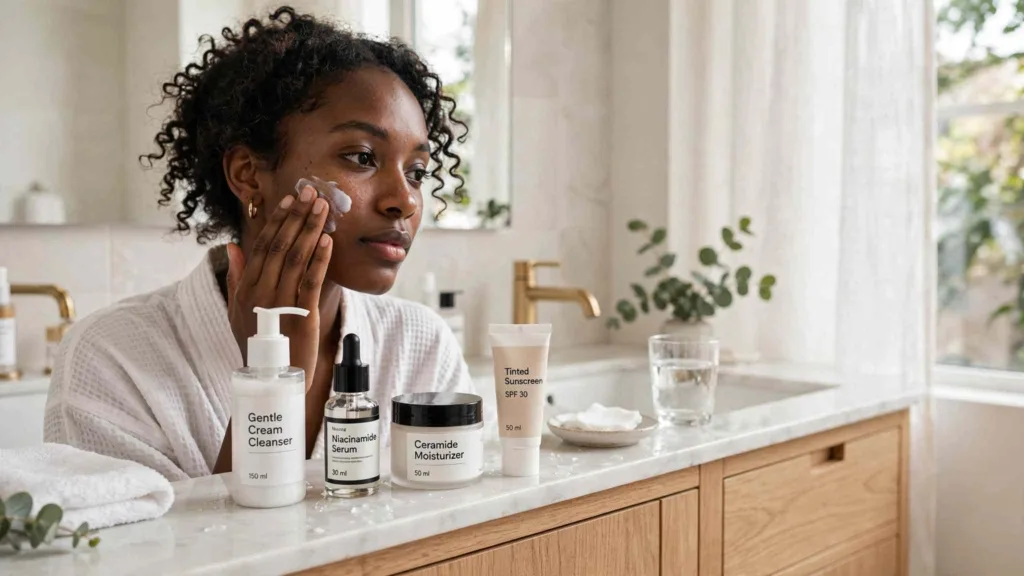
How To Get Clear Skin With Gentle, Consistent Care
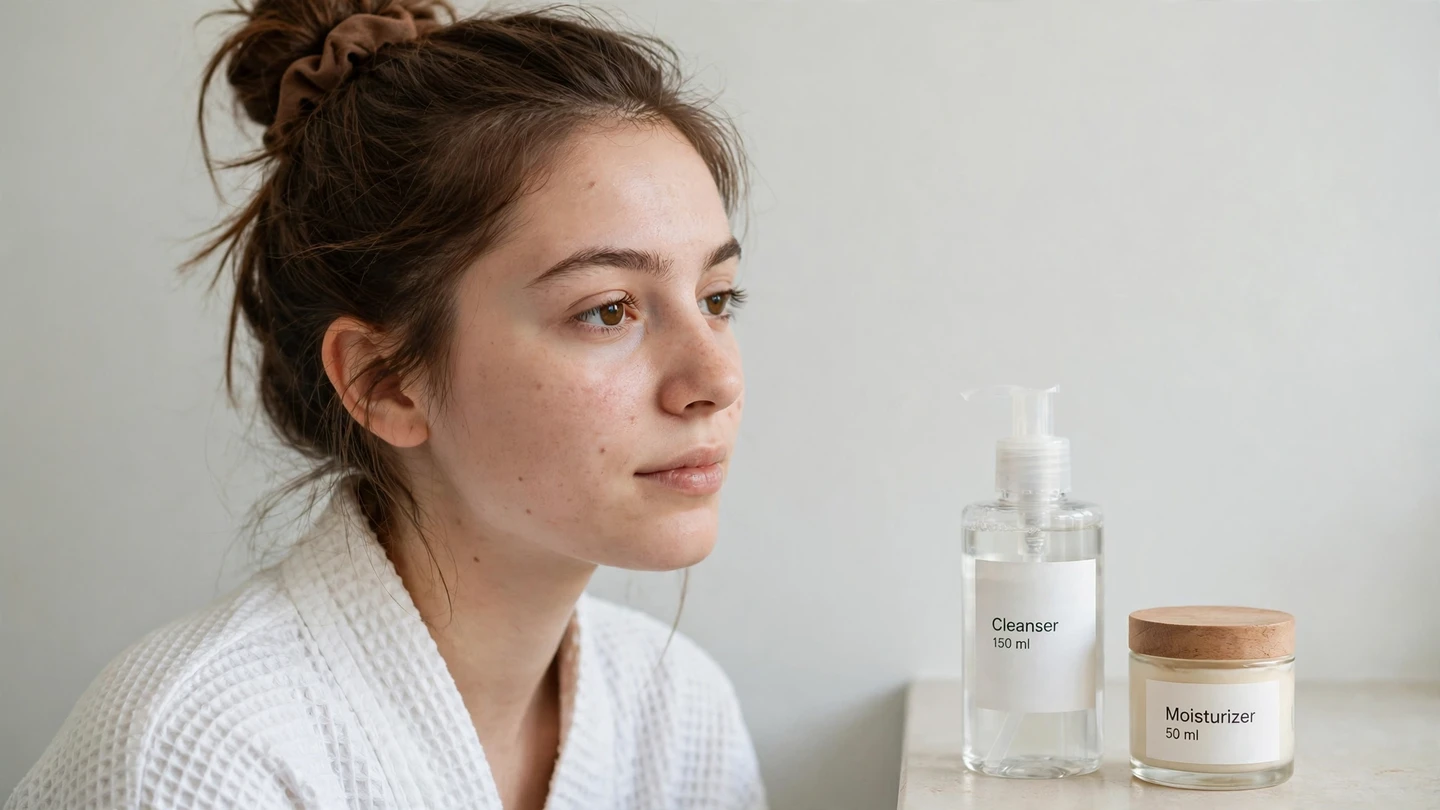
Knowing how to get clear skin starts with a routine you can tolerate long enough to assess. Adding another serum can leave you with more irritation and less certainty about what helps. Begin with gentle cleansing, moisturizer, and sun protection. For acne, choose an appropriate treatment rather than adding several new products together.
Clearer skin can mean fewer breakouts or fewer lingering marks, and those changes follow different timelines. Normal skin still has visible pores and texture. A simple routine can support treatment, but it cannot guarantee an even complexion or prevent every spot. Hormones and other factors also influence acne.
These five steps focus on basic care and mild acne. Persistent redness, a rash, or painful deep bumps may need another approach. Keep track of your products and reactions as you decide what to keep.
How To Get Clear Skin, In Plain Terms
To work toward clearer skin, combine gentle daily care with treatment suited to the cause of your breakouts.
Acne involves blocked follicles, oil, bacteria, and inflammation. Washing removes surface buildup, while acne medications address specific parts of that process. Scrubbing harder does not clear a blocked follicle.
What Progress Looks Like
Look for fewer new spots and less inflammation rather than inspecting each pore. Older discoloration can remain after a breakout settles. Compare occasional photos in similar lighting instead of judging your skin several times a day.
Who This Routine Suits
These steps offer a starting point for adults with occasional spots or mild acne. Sensitive skin may need fewer changes and more help selecting treatments. Seek advice for persistent burning, a spreading rash, or symptoms that do not resemble your usual acne.
Step One: Cleanse Gently
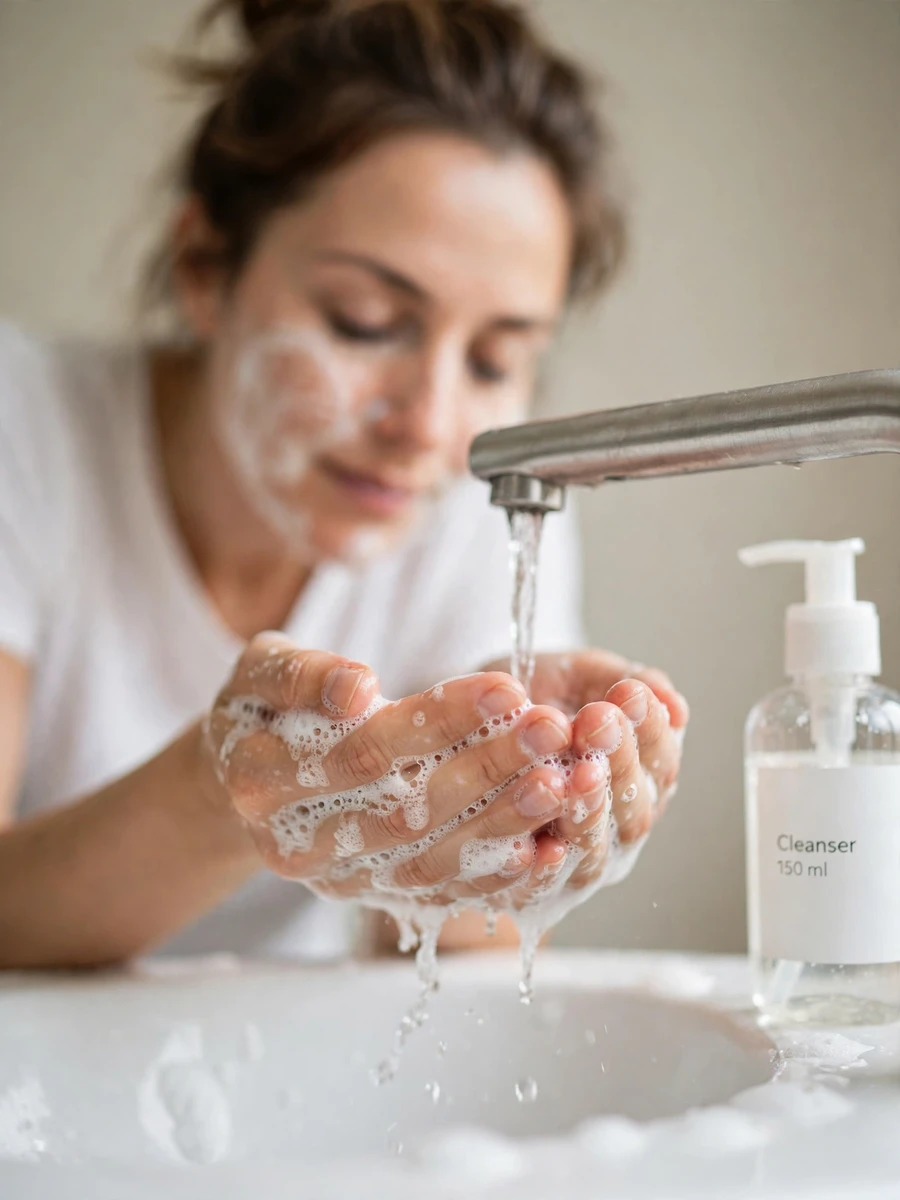
Use a mild cleanser and lukewarm water. Apply it with your fingertips, rinse, and pat dry without scrubbing. Follow the cleanser’s directions rather than timing a fixed one-minute wash.
For acne-prone skin, morning and evening cleansing plus washing after heavy sweating is common guidance. Adjust if your skin becomes dry or irritated. Avoid repeated washing because your face still feels oily.
Morning And Evening Washing
At night, remove makeup and sunscreen without rubbing. A separate makeup remover may help with resistant products, but double cleansing is optional. Choose a removal method that leaves your skin comfortable.
After exercise, wash off sweat when practical and use a clean towel to pat skin. Avoid rough brushes and abrasive scrubs. Clean skin should not feel painfully tight.
Step Two: Moisturize Every Day
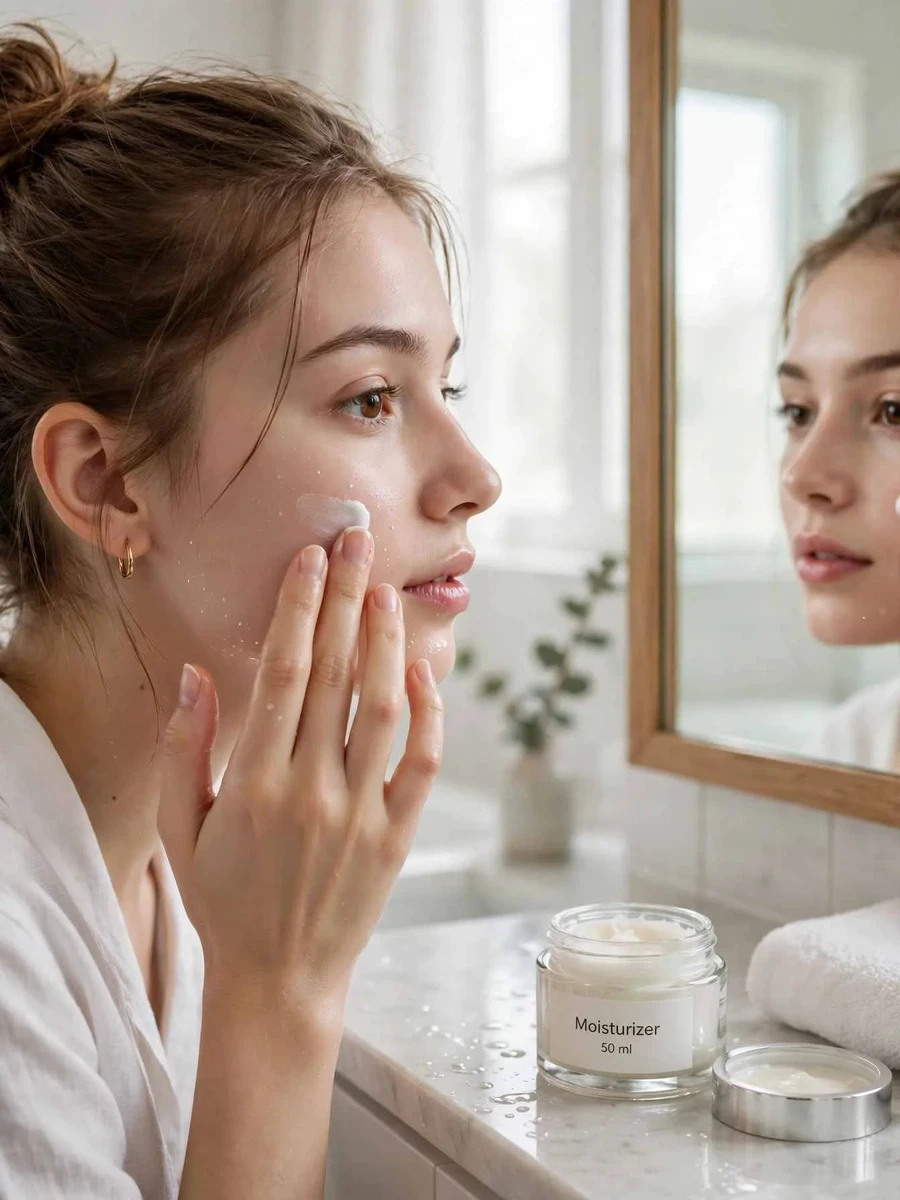
Moisturizer helps retain water and can reduce the dryness associated with acne treatments. Oily skin can still become dry or irritated. Choose a formula you tolerate, rather than trying to dry every trace of oil.
Apply moisturizer after cleansing while skin remains a little damp. For acne medication, follow the product’s separate instructions about dry skin and application order. Ask a pharmacist or clinician if you are unsure.
Our guide to repairing a damaged skin barrier explains general care for dryness and irritation. Persistent stinging needs a review of the products you use.
Picking A Moisturizer For Your Skin Type
A light lotion or gel may feel comfortable on oily skin. A richer cream may suit dry areas. Look for fragrance-free products if fragrance irritates you.
Noncomedogenic means a product is less likely to clog pores; it does not guarantee your skin will tolerate it. Ingredient-list length alone cannot predict a reaction. Change one product at a time so you can identify problems.
Step Three: Protect With Sunscreen
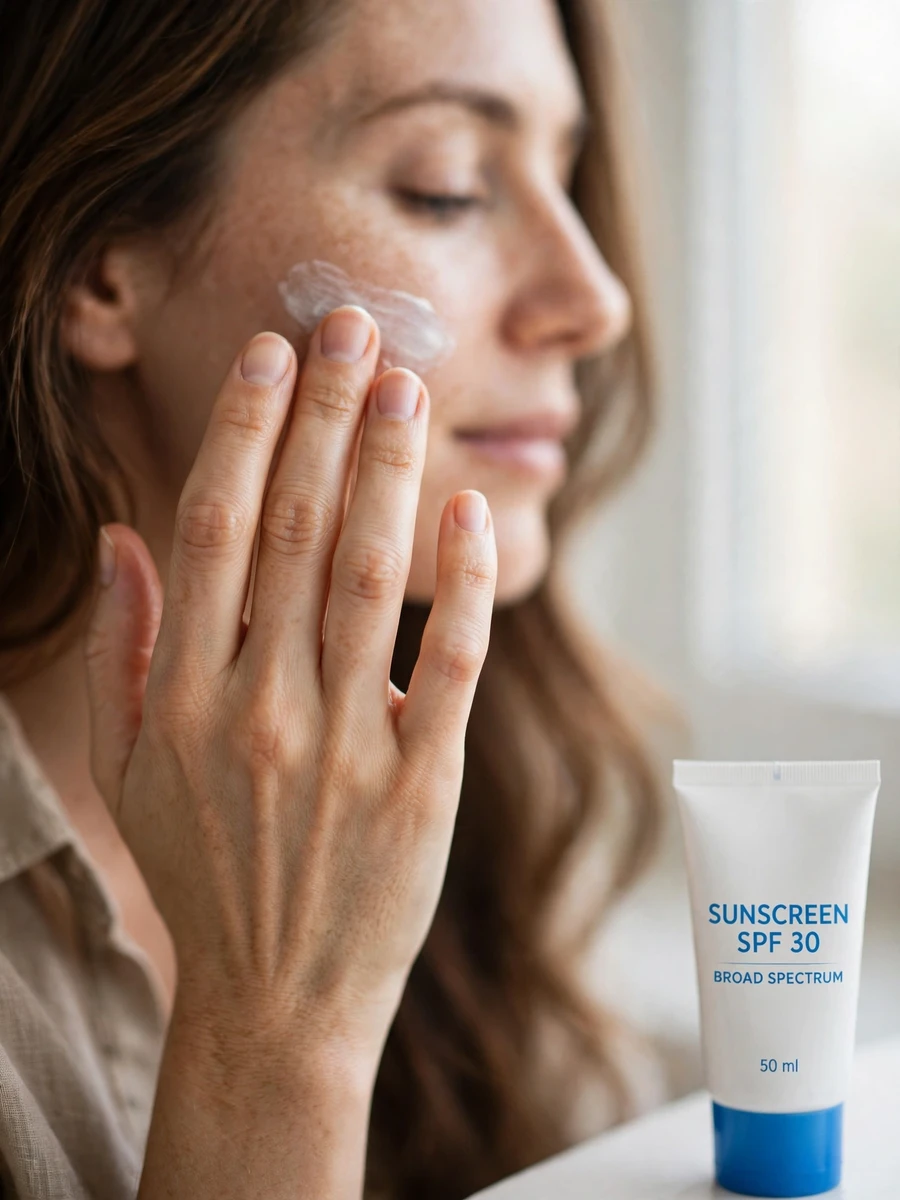
Use broad-spectrum SPF 30 or higher on exposed skin. Sunscreen helps limit sun-related darkening of marks after acne. It supports pigmentation care but does not treat active acne by itself.
Apply sunscreen before going outdoors, following the amount and timing on its label. Reapply about every two hours outdoors and after swimming or sweating, according to the directions. Add shade and protective clothing.
Choose a noncomedogenic formula that feels comfortable enough to use. For dark spots, a tinted sunscreen containing iron oxides can also help protect against visible light. Choose a tint that blends with your skin tone.
Step Four: Introduce One Acne Treatment
Choose an ingredient for the type of acne you have. Starting one new treatment helps you judge tolerance and response. A clinician may prescribe a combination to address several causes of acne.
The American Academy of Dermatology’s adult acne guidance recommends choosing a suitable acne treatment and following its directions. Give a tolerated treatment several weeks before deciding whether it helps. Stop and seek advice for a significant reaction.
Our guide on how to test new skincare products covers small-area testing for cosmetics. Use medication-specific instructions for acne drugs. A calm test area does not guarantee that full-face use will cause no irritation.
Salicylic Acid For Clogged Pores
Salicylic acid can help with blackheads and whiteheads. Wash-off and leave-on products have different directions, so avoid applying one schedule to both. Start according to the label and reduce use or seek advice if irritation develops.
Benzoyl Peroxide For Inflamed Spots
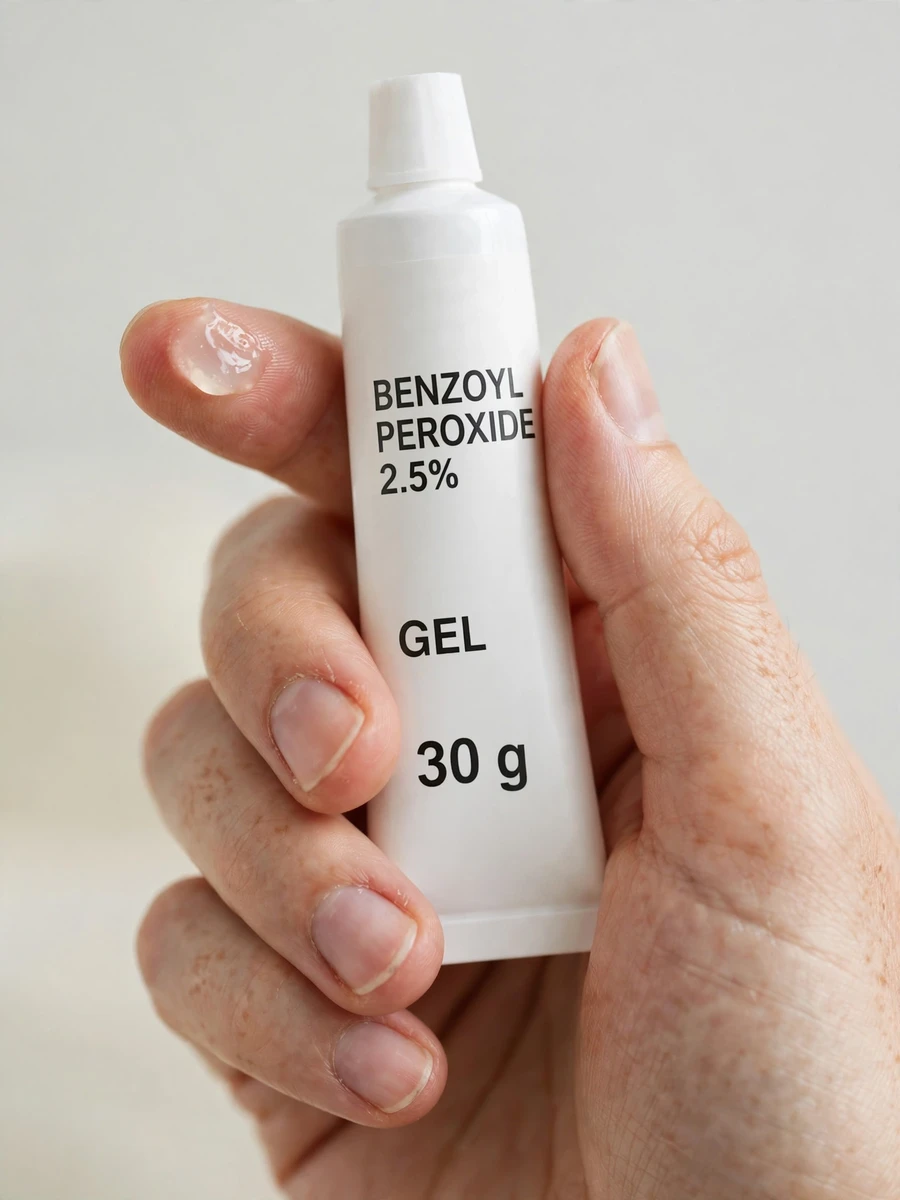
Benzoyl peroxide reduces acne-causing bacteria and can help mild inflammatory spots. A lower-strength option can reduce irritation; AAD guidance suggests starting with 2.5% for adult acne. Follow the label and protect towels and clothing because it can bleach fabric.
Retinoids For Preventing New Breakouts
Topical acne retinoids help prevent blocked follicles and new breakouts. Adapalene and prescription retinoids differ from cosmetic retinol products. Availability and directions vary by country and product.
Follow the specific treatment’s instructions for amount, frequency, and application order. More product can cause more irritation without faster improvement. Keep medication away from eyes and other sensitive areas as directed.
Avoid retinoids during pregnancy or when planning pregnancy. Ask your clinician about suitable acne treatments during pregnancy or breastfeeding. Use sun protection and discuss persistent redness or peeling rather than pushing through it.
Step Five: Avoid Picking And Repeated Rubbing
Picking and squeezing can increase inflammation and the risk of scarring or dark marks. Leave inflamed spots alone and use appropriate treatment. An occasional face touch does not automatically cause a breakout.
Keep towels and pillowcases clean, especially after sweating or using oily hair products. Follow your phone manufacturer’s cleaning advice. These habits support hygiene, but they do not replace acne treatment or guarantee fewer spots.

When To Seek Professional Help
Book an appointment for deep, painful bumps, scarring, or acne that affects your confidence. You do not need to wait for severe acne. Seek help sooner if your skin worsens or you cannot tolerate treatment.
Bring the product names, usage dates, and any photos showing change. Mention medications and symptoms such as irregular periods or new facial hair. Your clinician can assess whether hormonal or other factors need attention.
If a suitable over-the-counter treatment has not helped after consistent use, ask about the next option. Prescription choices depend on your symptoms and medical history. Follow-up timing depends on the treatment plan.
Habits That Support Skin Care
Regular sleep and manageable stress habits support general health, though they do not guarantee clearer skin. Choose activities you can sustain. Avoid treating a breakout as proof that you slept or ate badly.
Diet may influence acne in some people. Research suggests possible links with high-glycemic foods and cow’s milk, but results vary. Discuss patterns you notice without cutting entire food groups on the strength of one breakout.
Mistakes To Avoid
Changing treatments every few days makes their effects harder to assess. Keep a brief note of application frequency and new symptoms. Avoid adding an exfoliant just because progress feels slow.
Remove makeup before bed and avoid scrubbing irritated skin. Do not add another active to compensate for missed applications. Follow medication directions, and ask for help if the routine becomes too uncomfortable to maintain.
How Long Until Skin Looks Clearer
Acne improvement and fading pigmentation need different expectations. A tolerated acne treatment may reduce new breakouts within four to eight weeks. More complete improvement can take several months, with maintenance sometimes necessary.
Dark marks often fade over months rather than weeks. The AAD’s guidance on fading dark spots describes six to twelve months for some superficial marks. Deeper discoloration can last longer, and ongoing inflammation can create new marks.
Use progress photos to discuss change with your clinician. If treatment causes marked irritation or symptoms worsen, seek advice rather than waiting out a fixed timeline.
Frequently Asked Questions
A few routine details depend on your skin and the exact products you use. These answers distinguish basic care from acne treatment.
How Can I Get Clear Skin Fast?
There is no guaranteed quick fix for acne. Suitable treatment may reduce new breakouts over four to eight weeks, while dark marks can take months. Seek help for painful, worsening, or scarring acne.
What Is The Best Routine For Clear Skin?
Start with gentle cleansing, moisturizer, and broad-spectrum SPF 30 or higher. Add an appropriate acne treatment if needed, following its directions. Adjust the routine for irritation and your clinician’s advice.
Does Drinking Water Clear Acne?
Drinking enough water supports general health but is not an established acne treatment. Extra water does not replace suitable skincare or medication. Avoid forcing excessive amounts to clear your skin.
Should I Wash My Face Three Times A Day?
For acne-prone skin, washing morning and evening and after heavy sweating is common guidance. Avoid extra washing to remove every trace of oil. Adjust if cleansing causes dryness or irritation.
Can I Use Salicylic Acid And Benzoyl Peroxide Together?
Some routines combine them, but both can irritate skin. Introduce treatments according to their directions and ask a pharmacist or clinician about combining them. Avoid starting both at once if you cannot assess tolerance.
How Do I Fade Dark Spots After Acne?
Control new breakouts and use sun protection to limit further darkening. Some superficial dark spots fade over six to twelve months; deeper marks can last longer. A dermatologist can recommend treatment for persistent discoloration.
Does Diet Affect Acne?
Diet may affect acne in some people, with possible links to high-glycemic foods and cow’s milk. Evidence varies, and diet changes do not replace acne care. Discuss suspected triggers without assuming you need broad restrictions.
Final Thoughts
Record your products and application frequency while you assess how to get clear skin. That record can reveal irritation patterns and help a clinician assess your next step without repeating unsuccessful treatments. Include your priorities, such as fewer painful spots or fading marks, because they may require different approaches. Tonight, write down your current routine and identify one change to discuss or introduce according to product directions.