
13 Anti-Aging Hand Care Routine Steps to Turn Back Time

Ever caught yourself hiding your hands in photos because they look older than your face? You’re not alone, and it’s not your imagination. Hands age faster than almost any other part of the body, thanks to thin skin, constant washing, and daily sun exposure most people forget to protect. It doesn’t help that most beauty routines stop at the neck, skipping the one area that gives away your age the fastest.
This anti-aging hand care routine breaks the fix into 13 clear steps, split across morning, night, and weekly treatments, using the ingredients and habits dermatologists recommend, explained in plain language.
Start with the first step tonight, and you’ll notice softer, smoother hands within two weeks. You’ll also learn the mistakes quietly aging your hands, plus how to adjust the routine by decade.
Short on time or budget? Start with four steps: gentle cleanser, mineral SPF, nightly retinol or glycolic acid, and a rich night cream. Master those first. Add the rest later.
Why Hands Age Faster Than Your Face
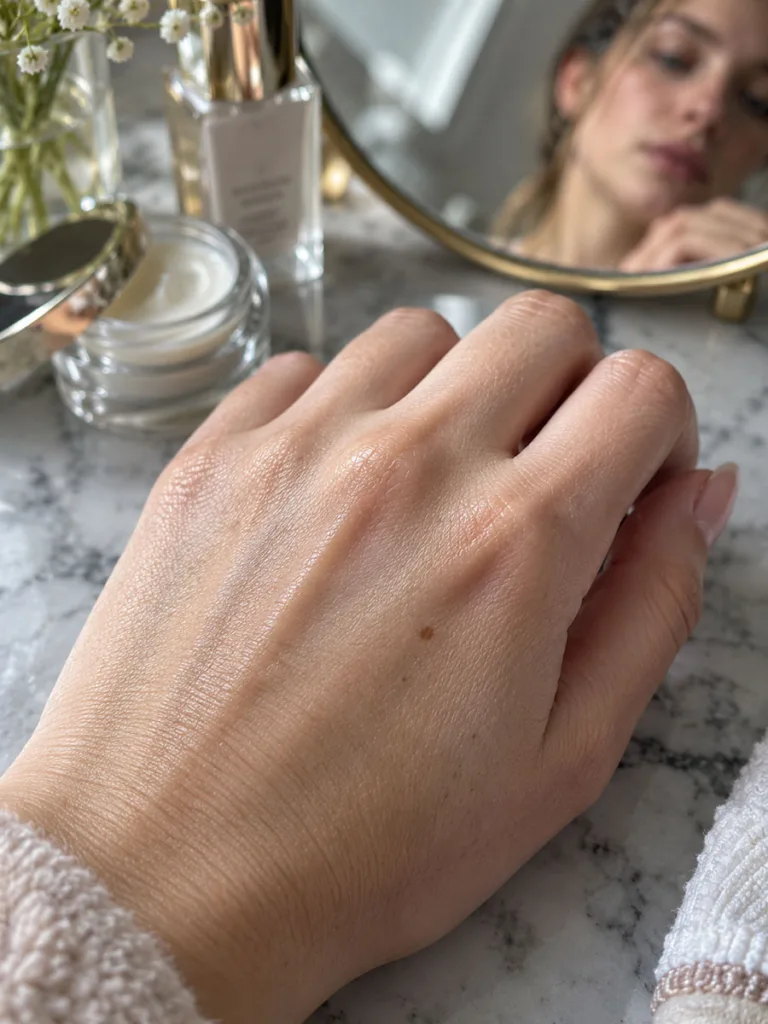
Here’s the truth. Your hands were never built to age slowly. The skin there is thin, and oil glands are scarce. That combination dries skin out fast, and dry skin ages faster than hydrated skin ever will.
The 7 Signs Your Hands Are Aging
Dermatologists watch for seven signs when they check aging hands:
- Thinning skin
- Wrinkling
- Crepey skin that looks papery to the touch
- Dryness and roughness
- Dark spots, known as solar lentigines
- Raised age spots, called seborrheic keratosis
- Rough cuticles and brittle nails
One important note: if any spot changes shape, size, or color, see a dermatologist instead of trying to treat it yourself.
What Actually Causes It
Sun does most of the damage. Ultraviolet rays cause up to 80 percent of visible hand aging, according to published dermatology research. They break down collagen and trigger the dark spots dermatologists warn about.
Sun isn’t working alone, though. Other factors add up:
- Wind dries skin out
- Constant hand washing strips natural oils further
- Harsh cleaning chemicals make dryness worse
- Certain medications and health conditions thin skin
- Natural aging causes fat loss under the skin, letting veins and tendons show through
The good news? Most of this damage responds well to a consistent routine.
Morning Anti-Aging Hand Care Routine Steps
Mornings should be quick. You have three jobs: clean, protect, and hydrate. That’s it.
Step 1: Wash With a Gentle Cleanser

Skip the harsh dish soap and bar soap loaded with sulfates. Both strip your skin’s natural oils fast. Instead, reach for a gentle hand wash built with ceramides or glycerin. These ingredients clean without wrecking your skin barrier, the thin layer that locks moisture in and keeps irritants out. A damaged barrier means faster water loss, rougher texture, and skin that ages before its time. Keep this cleanser by every sink in your house. Consistency matters more than the price tag on the bottle.
Step 2: Apply Broad-Spectrum Mineral SPF
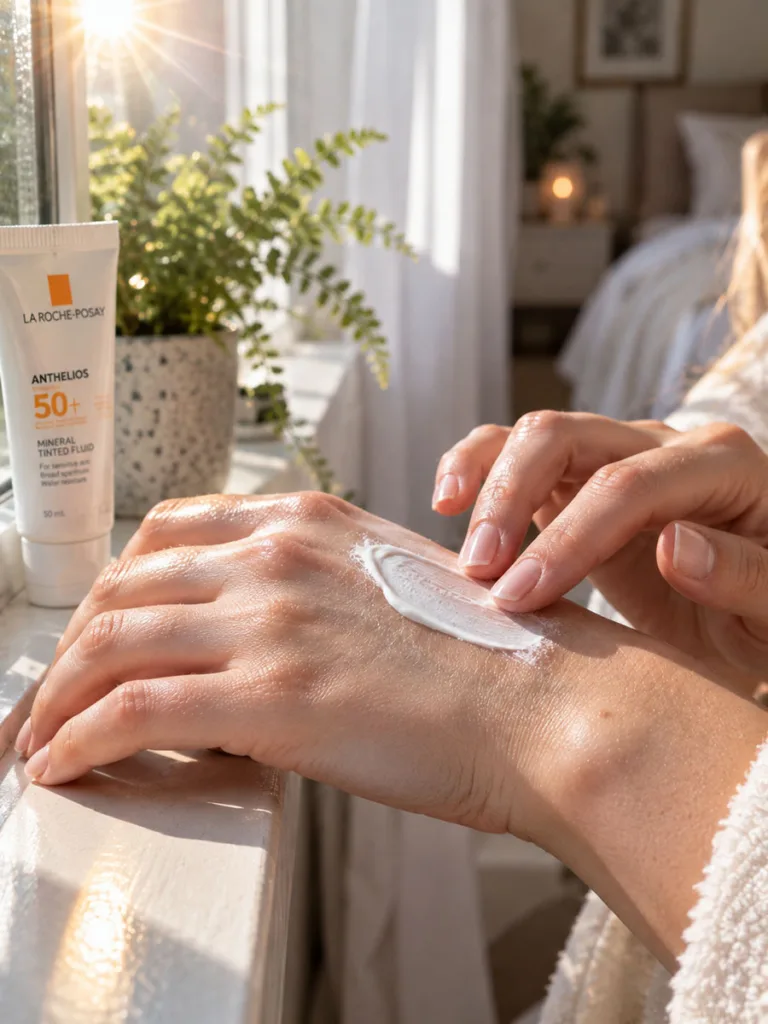
This step matters most. Sunscreen blocks the ultraviolet rays behind most visible hand aging. Choose a broad-spectrum mineral sunscreen with zinc oxide and SPF 30 or higher. Mineral formulas resist water better than chemical ones, so they survive the dozens of handwashes most people do daily. Apply a generous layer to the backs of your hands, not just your palms. Reapply right after washing your hands, since water rinses away most of the protection. Keep a small tube in your bag. You’ll actually use it that way.
Step 3: Layer a Lightweight Hand Serum

Finish with a fast-absorbing hand serum built around hyaluronic acid or vitamin C. Hyaluronic acid pulls water into the skin like a sponge. Vitamin C brightens tone and fights free radical damage from sun and pollution. Apply it before sunscreen so it has time to soak in fully. If you wash your hands a lot, keep a travel-sized cream nearby. Reapply once around midday instead of chasing every single wash. That’s realistic, and it still works.
Evening Anti-Aging Hand Care Steps
Night is where the real work happens. Your skin repairs itself while you sleep, so this is when stronger ingredients earn their keep. Nothing here sees sunlight, which means it’s safe to go bolder.
Step 4: Exfoliate Once or Twice a Week

Grab a gentle scrub or a washcloth with mild exfoliating beads. Exfoliation clears away dead skin cells sitting on the surface. Once they’re gone, everything you apply next absorbs better and works harder. Do this at night, one or two times a week, never daily. Hand skin is thinner than facial skin, so daily exfoliation causes irritation fast. If your hands feel tight or look red afterward, cut back to once a week. Your skin will tell you what it can handle.
Step 5: Apply Retinol or Glycolic Acid

Of the 13 steps here, this one does the most work. Retinol stimulates new collagen production and softens fine lines over time. Glycolic acid, an alpha hydroxy acid, takes a different route to similar results. Patch test on one hand first before committing to both. Start with a low strength, two or three nights a week. If your skin stings, peels, or turns red, cut back to once a week and add a buffer layer of moisturizer underneath before applying. Both ingredients increase sun sensitivity, so never skip your morning SPF the day after.
Step 6: Seal in Moisture With a Rich Night Cream

Once your treatment fully absorbs, layer on a thick anti-aging hand cream built with shea butter or lanolin. These ingredients replace the lipids your skin loses during the day and rebuild the barrier overnight, while you sleep. Don’t stop at the back of your hand. Work the cream into your cuticles and nail beds too. Cuticles absorb moisture just as fast as skin does, so skipping them wastes half the cream’s benefit. This step should feel almost greasy going on. That’s normal, and it’s exactly what dry, aging skin needs overnight.
Step 7: Sleep in Cotton Gloves Once a Week

Want a deeper treatment? Apply an extra thick layer of cream, then slip on a pair of cotton gloves before bed. The gloves trap moisture against your skin all night instead of letting it evaporate or rub off on your sheets. Try this once a week, ideally the same night you use your hand mask or a heavier cream. Most people wake up with noticeably softer hands the next morning. It costs almost nothing and takes thirty extra seconds before bed.
Weekly Treatments for Deeper Repair
Beyond the daily basics, a few weekly extras speed up results. These target dryness, weak nails, and dullness that daily products alone can’t fully fix on their own.
Step 8: Use a Hydrating Hand Mask

A hand mask delivers concentrated hydration in one sitting, more than any daily cream can manage alone. Most come as gloves already soaked in serum, so there’s no mixing or measuring involved. Slip them on and wear them for 20 minutes while you watch television or scroll your phone. Look for formulas built with coconut oil or niacinamide for extra brightening power. Rinse off, then follow with your regular night cream to lock everything in before bed.
Step 9: Try a DIY Hand Mask for a Budget Option

Skip the store-bought version and mix your own instead. Blend shea butter, coconut oil, and a few drops of sea buckthorn oil or olive oil in a small bowl. Warm the mixture between your palms until it turns soft and glossy. Massage it into your hands, working it into your knuckles and cuticles, then cover your hands with cotton gloves for 30 minutes. This budget-friendly dry hands treatment delivers hydration similar to pricier masks, using ingredients you probably already own.
Step 10: Strengthen Nails and Cuticles
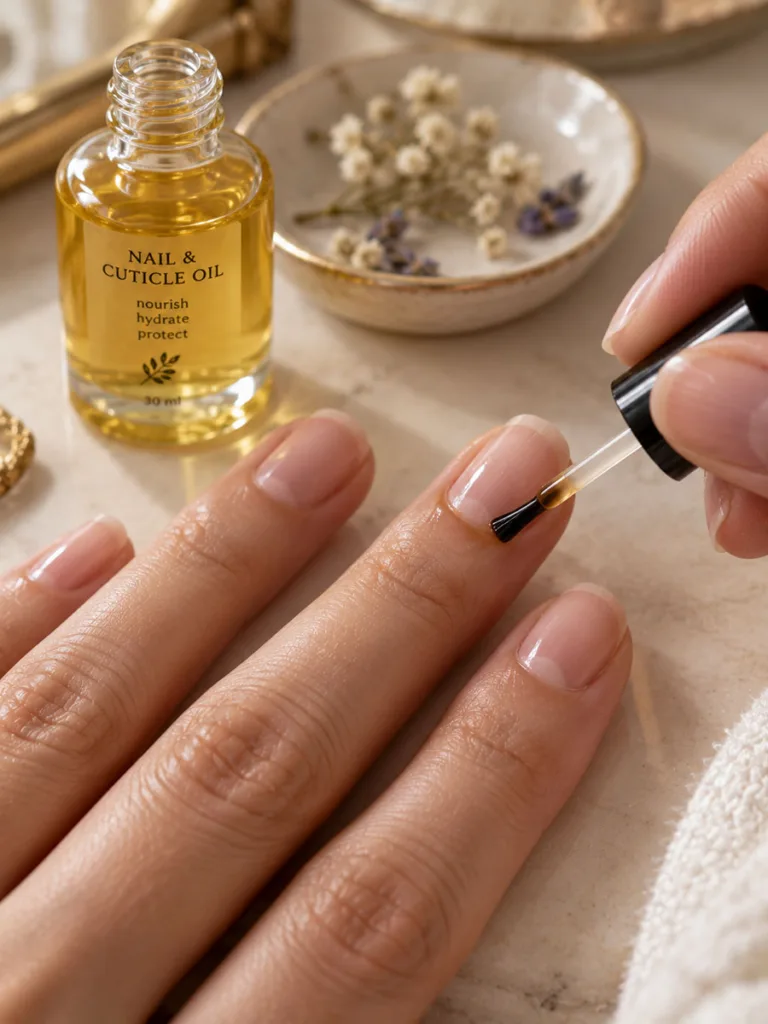
Weak nails and rough cuticles make hands look older, even when the skin itself looks fine and well cared for. Use a nail strengthener two or three times a week to reduce brittleness and peeling layers. Follow it with a drop of cuticle oil containing jojoba or almond oil every single night. Massage it directly into the base of each nail, not just on top. This tiny habit keeps nails flexible instead of dry and cracked, and it takes less than a minute total.
Professional Treatments for Stubborn Signs

Home care handles most hand aging just fine. But some signs need extra help, and that’s where a dermatologist comes in.
Dermal Fillers
Dermal fillers, such as Restylane Lyft, smooth the back of the hand and cover visible veins and tendons. One treatment often costs several hundred dollars and lasts over six months. Downtime is minimal, which makes this a popular lunch-break option for people who want quick, visible results without much disruption to their week.
Laser and IPL Treatments
Laser treatments and intense pulsed light therapy fade dark spots and even out skin tone. Expect some temporary redness afterward, and plan on more than one session for full results. These work especially well on stubborn sun spots that creams alone can’t fully clear.
At-Home LED Devices
Some clinics also sell LED light devices for home use. They cost less than in-office treatments and can reduce fine lines with regular sessions over several weeks. Results build slowly, so patience matters more here than with in-office options.
Talk to a board-certified dermatologist before booking any of these. They can confirm a spot is cosmetic, not something that needs a biopsy first, and point you toward the safest option for your skin type. These treatments work best alongside your daily routine, never instead of it.
Common Mistakes That Age Your Hands Faster
Even a solid routine can fail if a few habits keep working against it behind the scenes. Fixing these matters just as much as the products sitting in your cabinet.
Step 11: Skipping Gloves During Chores

Hot water and dish soap strip natural oils fast, faster than most people realize while scrubbing pans. Wearing rubber gloves while washing dishes or cleaning the bathroom protects your skin barrier from that daily assault. Skipping this one habit can undo much of the repair work your nighttime routine just did. Keep a pair by the sink where you’ll actually see and use them, not tucked away in a drawer somewhere.
Step 12: Forgetting UPF Gloves in Strong Sun

Sunscreen wears off during long outdoor stretches like driving, gardening, or a day at the beach. UPF 50 gloves block ultraviolet rays completely without needing constant reapplication throughout the day. Keep a pair in your car or garden bag so you’re never caught without them. They’re especially useful for long drives, since UV rays pass straight through car windows and hit the backs of your hands the entire time you’re behind the wheel.
Step 13: Using Retinol During the Day

Retinol breaks down when it hits sunlight and loses most of its effectiveness almost immediately. Using it during the day can also increase irritation, especially when it’s paired with unprotected sun exposure on top of it. Save retinol and glycolic acid treatments strictly for nighttime use, every single time, no exceptions. If you forget one night, skip it. Don’t double up the next night to compensate, since that raises your risk of irritation instead of fixing anything.
Anti-Aging Hand Care by Age

Your hand care needs shift as you get older, and adjusting early beats correcting damage later.
In Your 20s
Prevention matters most right now. Daily SPF and a lightweight hand cream are usually enough to keep skin in good shape. Skip heavy treatments unless your skin already feels dry or rough to the touch. This is the easiest decade to protect, so don’t waste it.
In Your 30s
Early sun damage may start showing up as faint spots or persistent dryness around now. This is a good time to add a hand serum with vitamin C and start using retinol two nights a week. Think of this decade as your prevention window before things get harder to reverse.
In Your 40s and Beyond
Focus shifts toward visible wrinkles, thinning skin, and stubborn dark spots that won’t fade on their own. Increase your retinol or glycolic acid frequency, add a weekly hand mask, and explore professional treatments like intense pulsed light therapy or fillers for deeper repair when home care plateaus.
Frequently Asked Questions
1. How long does it take to see results from a hand care routine?
Most people notice softer skin within two weeks. Visible changes in fine lines and dark spots usually take two to three months of consistent use.
2. Can I use my face cream on my hands?
Yes. Many facial ingredients like retinol, vitamin C, and hyaluronic acid work well on hand skin. Just introduce them slowly to avoid irritation.
3. What is the best ingredient for hand wrinkles?
Retinol is the key ingredient in any good hand cream for wrinkles. It stimulates collagen production and thickens thinning skin over time.
4. What if my hands sting or peel after using retinol?
Cut back to once a week and apply a moisturizer first as a buffer. If stinging continues after two weeks, switch to a lower strength or stop and consult a dermatologist.
5. How often should I exfoliate my hands?
Exfoliate one to two times per week. More frequent exfoliation can irritate the thin skin on the back of your hands.
6. Can a DIY hand mask replace store-bought treatments?
Yes, for basic hydration. A DIY mask with shea butter and oils hydrates well, though store-bought masks often add extra actives like niacinamide.
Conclusion
Youthful hands come down to consistency, not expensive products or complicated routines. Follow this anti-aging hand care routine every morning and night. Protect your skin from the sun, since ultraviolet rays cause most of the damage you’re trying to reverse. Avoid the mistakes that quietly speed up aging, and see a dermatologist if a spot ever changes shape or color. Start tonight with one simple step: apply a rich hand cream before bed. You’ll notice the difference by morning, and your hands will thank you for it in the years ahead.