Hormonal Acne: How To Calm The Breakouts That Return
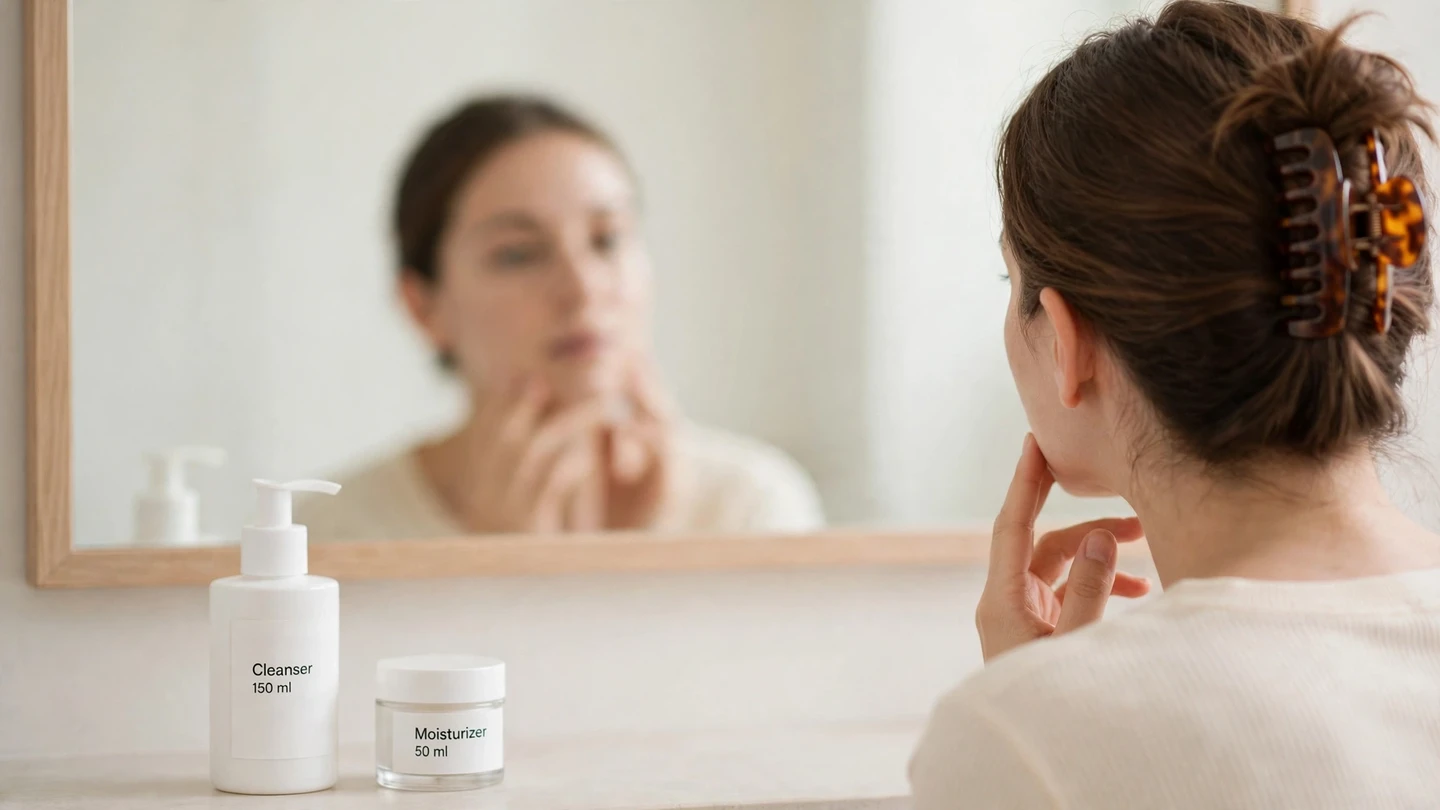
Hormonal acne can return despite a careful routine; understanding its clues can help you choose the next step. Breakouts around your period or along your jawline may suggest hormonal influence. Those clues can guide a conversation with a clinician, but they cannot confirm a diagnosis. Acne can also appear elsewhere and without a monthly pattern.
You may feel tempted to replace every product when another painful bump appears. A better starting point is to review your current treatment and note what changes. Gentle care can reduce irritation, while suitable medication addresses acne itself. Some prescription options work on the skin; others work throughout the body.
Track patterns alongside care rather than waiting several cycles for permission to seek help. Deep, painful spots or early scarring deserve prompt attention. The steps below explain what to record and how to discuss treatment.
What Hormonal Acne Means
Hormonal acne commonly describes acne influenced by hormones, including androgens that affect oil glands. Androgens occur in people of all sexes. Acne also involves blocked follicles, bacteria, and inflammation.
The term does not automatically mean your hormone levels are abnormal. Your skin’s response to hormones can matter, alongside other factors. A clinician assesses the symptoms and decides whether another condition needs investigation.
Patterns Worth Noticing
Recurring lower-face breakouts and flares around menstruation can suggest hormonal influence. You may notice tender bumps as well as smaller pimples. The location, depth, or timing of a spot cannot establish the cause alone.
Adult acne may persist from adolescence or begin later. Pregnancy, changes in contraception, and menopause can coincide with breakouts. Men can also develop acne influenced by androgens, without a menstrual pattern to track.
Other Reasons For Breakouts
Skin and hair products, medications, and repeated friction may contribute to acne or similar-looking bumps. A rash or persistent irritation may need a different diagnosis. Mention recent changes instead of assuming every jawline spot has the same cause.
Treatment choice depends on acne type and severity, rather than a forehead-versus-jawline rule. Deep, painful bumps may respond poorly to nonprescription spot products. Seek help instead of repeatedly drying or squeezing them.
Step 1: Record Patterns Alongside Care

Start a brief record when breakouts recur. You can begin suitable care or book an appointment while keeping notes. Tracking several cycles may reveal useful timing, but it is optional and should not delay treatment.
Record the date, location, and tenderness of new spots. If you menstruate, include cycle timing when useful. Note medication changes and the products you use, including how often you apply them.
Use occasional photographs in similar lighting to compare inflammation and new breakouts. Daily close-up inspection can make small changes harder to judge. Bring the record to an appointment even if no clear pattern appears.
Step 2: Build A Gentle Daily Routine
Basic skincare supports comfort and helps you tolerate treatment. It does not replace medication when acne needs it. Keep changes limited so you can identify what irritates your skin.
Our guide to building a routine for clearer skin explains the daily basics. Adjust the products and application order to your treatment instructions.
Morning: Cleanse, Moisturize, Protect
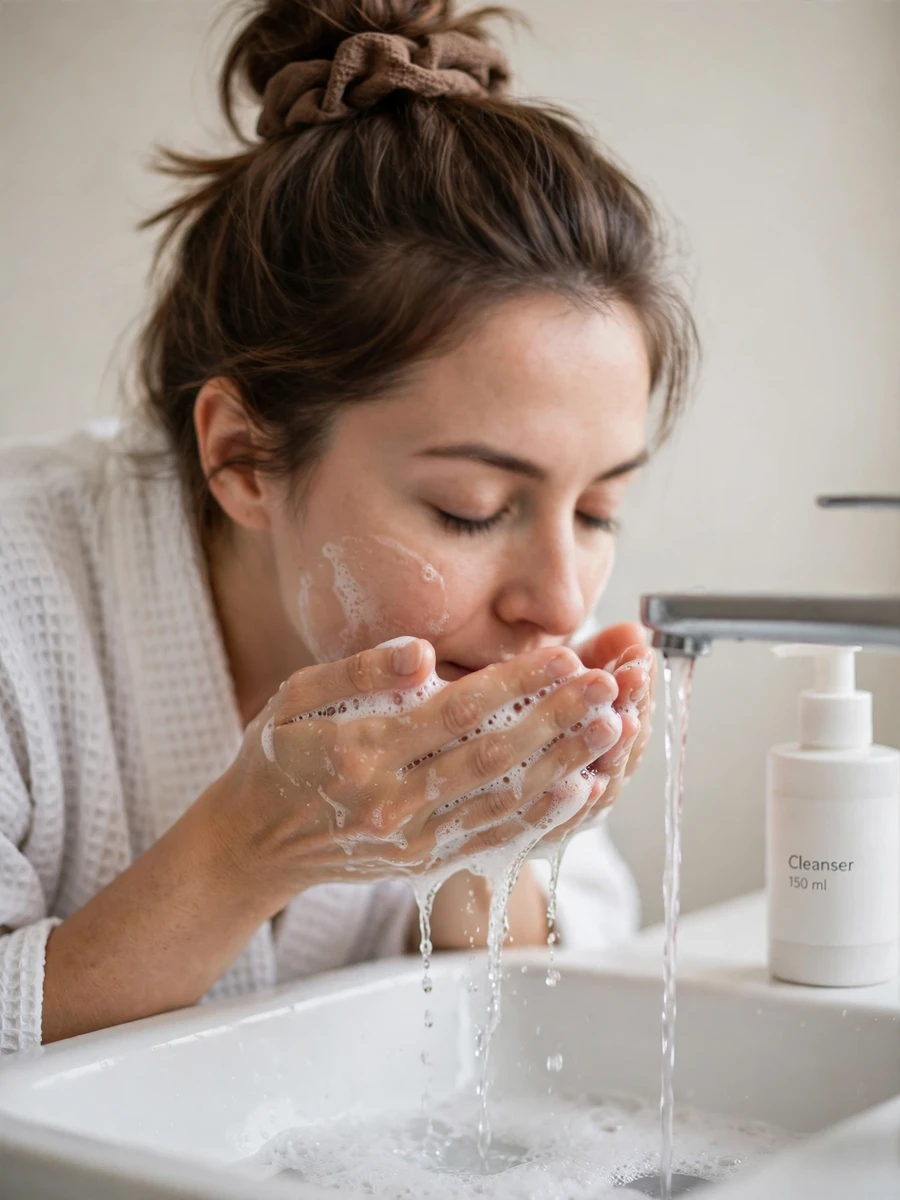
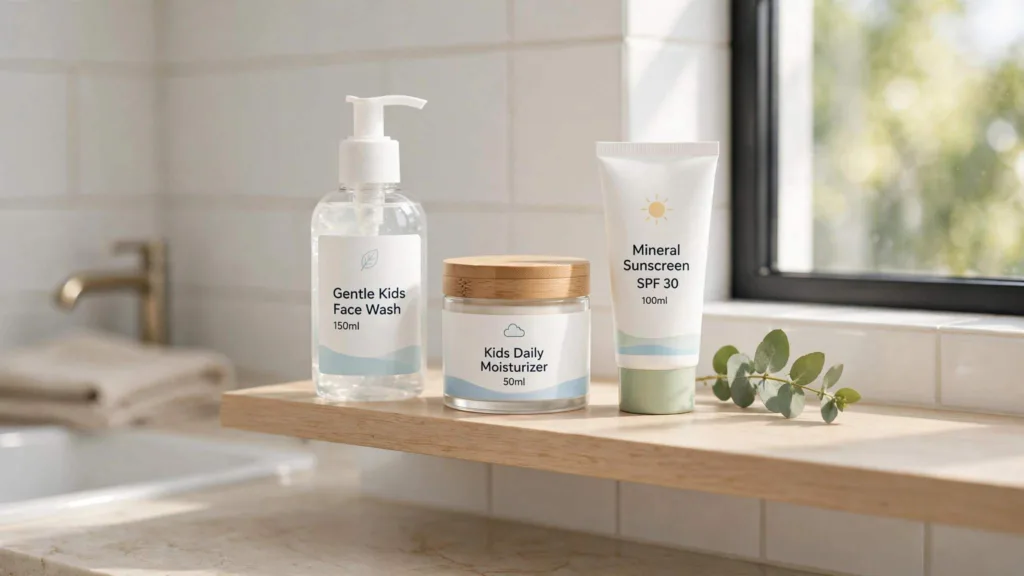
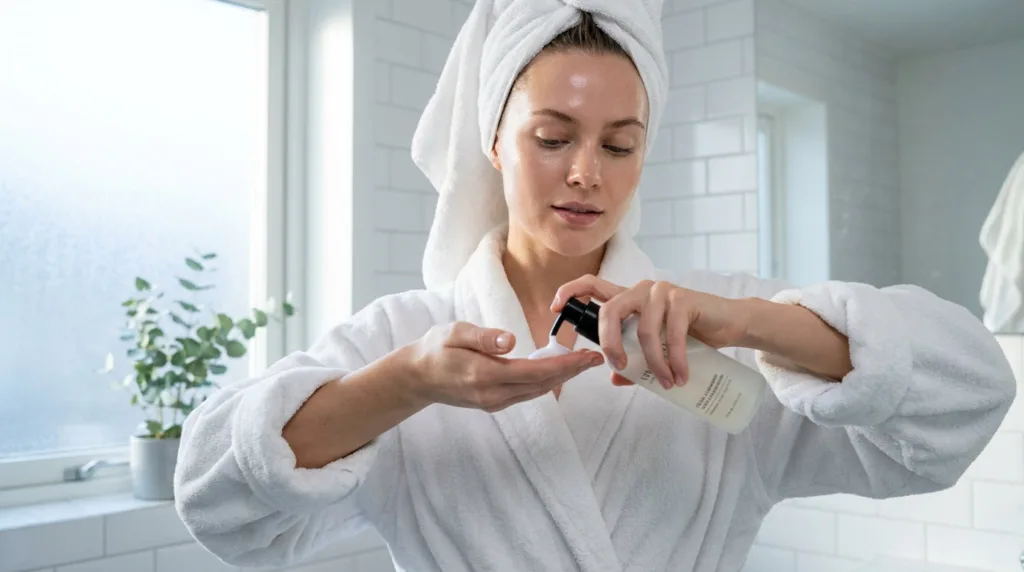
Use a mild cleanser and lukewarm water, avoiding rough scrubs. Apply a moisturizer your skin tolerates; a noncomedogenic formula is less likely to clog pores. Moisturize damp skin unless your medication directions require a different sequence.
Use broad-spectrum SPF 30 or higher on exposed skin. Follow the label’s application amount and timing. Reapply about every two hours outdoors and after swimming or sweating, according to the directions.
Sunscreen helps limit darkening of marks after acne, but does not treat active acne by itself. Choose a comfortable formula and use shade or protective clothing. A gel or cream is a texture preference, not a guarantee of tolerance.
Evening: Cleanse And Follow Your Treatment Plan
Remove makeup and sunscreen without rubbing, then cleanse as needed. Apply acne medication according to its directions, including any dry-skin requirement. Use moisturizer in the order recommended for that treatment.
Avoid extra washing because your skin feels oily. Dryness, stinging, or peeling may mean the routine needs adjustment. Pause irritating cosmetic additions and ask about persistent symptoms rather than applying more treatment.
Habits To Avoid
Avoid squeezing deep bumps and scrubbing inflamed areas. Both can worsen inflammation and increase the risk of marks or scars. Using several unfamiliar actives together also makes reactions harder to identify.
Keep towels and items that touch your face clean, without treating hygiene as an acne cure. Acne is not evidence that you have failed to wash properly. More cleansing can add irritation.
Step 3: Choose Treatment For The Acne You Have
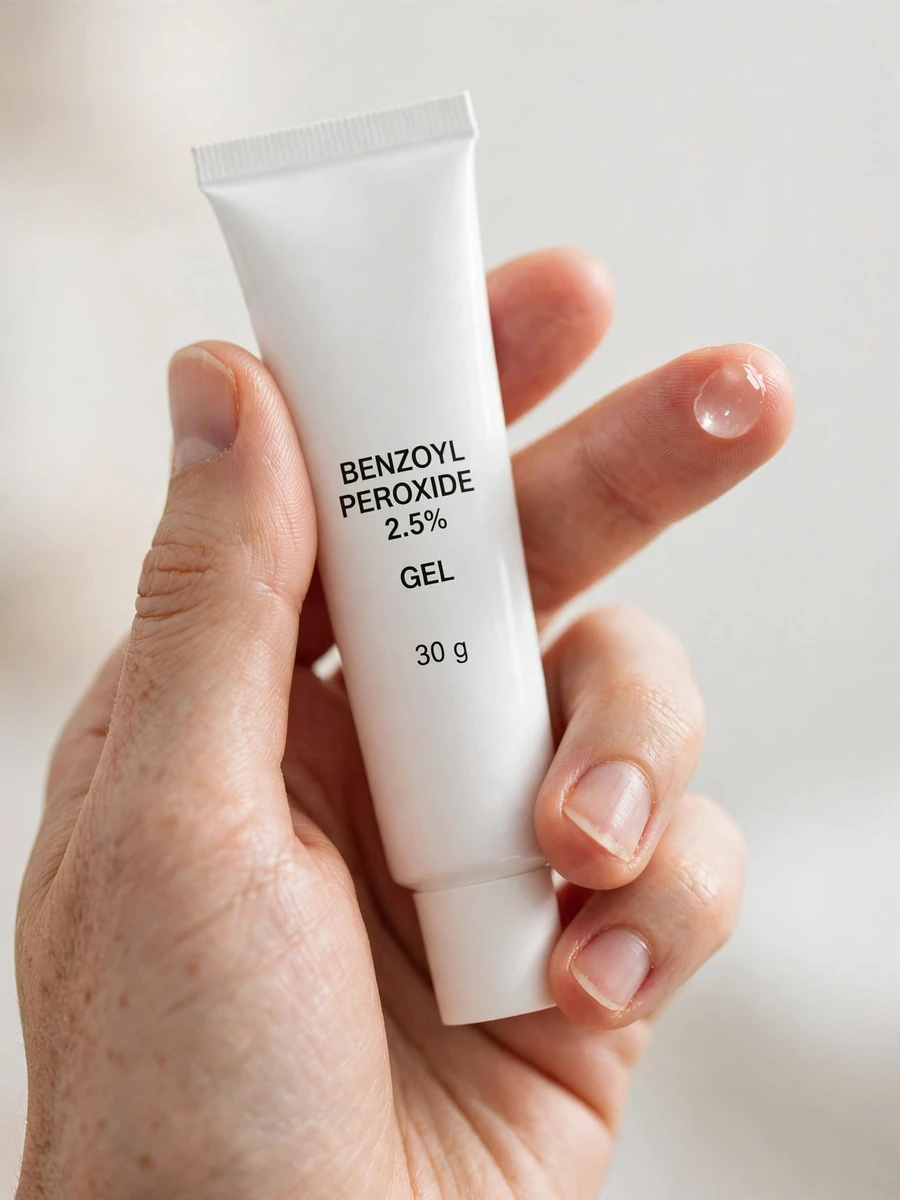
For mild acne, a pharmacist or clinician can help identify a suitable nonprescription option. Introduce a new product according to its label. Starting one at a time helps assess tolerance; prescribed combinations may address several causes of acne.
Benzoyl peroxide can help inflammatory pimples by reducing acne-causing bacteria. Azelaic acid treats acne and can help with lingering discoloration. Neither ingredient belongs in every routine, and formulas can cause irritation.
Topical retinoids help prevent blocked follicles and new breakouts. Follow the specific product’s amount, frequency, and application order. A universal schedule does not suit every formulation or prescription.
Small-area testing may help identify reactions to cosmetic products, but a single quiet day cannot establish safety. Acne medicines need their own directions. Avoid applying a cosmetic testing schedule to a prescription drug.
Basic Skincare And Prescription Treatment
Cleansers and moisturizers help with daily care, while acne medications target processes involved in breakouts. Some prescriptions are topical; others work throughout the body. The choice depends on severity, health history, and previous response.
The American Academy of Dermatology’s acne treatment guidance includes topical clascoterone, which targets androgen receptors in the skin. Availability varies by country.
Options A Dermatologist May Discuss
Combined oral contraceptives can help acne in suitable patients who also want contraception. They are not appropriate for everyone. A prescriber reviews factors such as clotting history, migraine type, smoking, and other medicines.
Spironolactone can help persistent acne in suitable women, including some lower-face breakouts. A clinician decides whether it fits your circumstances and whether monitoring is needed. Possible effects include increased urination, breast tenderness, and menstrual changes.
Other options may include a topical combination or a limited course of oral antibiotics with appropriate accompanying treatment. Severe or scarring acne may require a different approach, including discussion of isotretinoin.
Pregnancy And Treatment Precautions
Tell your prescriber if you are pregnant, planning pregnancy, or breastfeeding before choosing acne medication. Avoid retinoids during pregnancy or when planning pregnancy. Spironolactone is unsuitable during pregnancy and requires pregnancy-prevention advice when relevant.
The AAD’s pregnancy acne guidance explains why treatment needs review. Ask about suitable alternatives rather than assuming an over-the-counter product is safe. Report significant reactions and discuss medication changes with your clinician.
What To Expect From Treatment
Some acne treatments reduce new breakouts within four to eight weeks. More complete improvement can take several months. Hormonal medicines may need a longer assessment period, depending on the treatment.
Follow the review schedule you agree with your clinician. Track new spots and discomfort alongside photographs, rather than judging one difficult day.
Dark marks can remain after the active acne settles, while scars involve changes in skin structure. Sunscreen helps with pigmentation care; it does not erase scars. Discuss ongoing marks or scarring as a separate treatment goal.
Claims To Treat With Caution
Products sold as hormone-balancing fixes may promise more than the evidence supports. Evaluate the treatment claim and ingredients before spending money. A reassuring name does not establish an effect on acne.
Teas, Drinks, And Supplements
Evidence is insufficient to recommend hormone-balancing drinks or supplements as established acne treatment. Avoid replacing proven care with them. Tell your clinician about supplements because ingredients can cause side effects or interact with medicines.
Dairy-Elimination Challenges
Some research links cow’s milk or high-glycemic diets with acne in certain people, but findings vary. Diet changes are not a universal cure. Discuss suspected triggers without cutting entire food groups because of one breakout.
Routine Hormone Tests
Hormone testing is not a routine requirement for every person with acne. A clinician considers associated symptoms and medical history before ordering tests. A normal result does not rule out hormonal influence on acne.
When To See A Dermatologist

Seek help for deep, painful spots, scarring, or acne that affects your confidence. You do not need to finish months of self-treatment first. New irregular periods or increased facial hair also deserve discussion.
If a tolerated nonprescription treatment has not helped after consistent use, ask about the next step. Seek advice sooner for worsening symptoms or significant irritation. Your clinician can review the diagnosis, treatment choice, and application method.
Our skincare routine for acne-prone skin covers supportive daily habits. Bring your current routine to the visit so the clinician can identify changes. Include treatments you stopped and the reasons.
Frequently Asked Questions
Timing and location can guide questions, but they do not diagnose the cause of acne. These answers explain what those clues can and cannot tell you.
Can Hormonal Acne Go Away On Its Own?
Acne can change with age and life stage, but it may persist or recur. Menopause can also coincide with new breakouts. Seek treatment for painful or scarring acne rather than waiting for hormones to settle.
What Is The Fastest Way To Treat Hormonal Acne?
There is no guaranteed quick treatment for recurring acne. Some medicines reduce new breakouts within four to eight weeks, while fuller improvement takes longer. Deep, painful spots need professional assessment.
Does Diet Cause These Breakouts?
Diet may influence acne in some people, but it is one of several possible factors. Research on cow’s milk and high-glycemic foods does not establish a universal trigger. Avoid broad restrictions without suitable advice.
Should I Get My Hormones Tested?
Hormone tests are not routine for everyone with acne. A clinician considers symptoms such as irregular periods or increased facial hair. Testing alone cannot establish the cause of every breakout.
Can Men Have Hormonal Acne?
Androgens influence oil glands in people of all sexes, and men can develop acne. Jawline spots alone do not establish a hormonal cause. A clinician selects treatment suited to the individual.
How Long Does Hormonal Acne Last?
Acne duration varies, and some people need ongoing treatment to maintain control. Initial improvement may take weeks, while fuller results can take months. Review progress according to your treatment plan.
Do These Breakouts Leave Scars?
Deep inflammation can leave scars or dark marks, especially after picking. Early treatment can reduce the risk of further damage. Sunscreen helps limit darkening of marks but does not remove structural scars.
Final Thoughts
Your next appointment can be useful even without a clear cycle pattern or a complete product history. A few dated photos and the names of treatments you use give the clinician a starting point. Include what you want to improve, such as painful bumps, recurring spots, or lingering discoloration. Start a brief record of your hormonal acne concerns today while continuing care or arranging professional help.