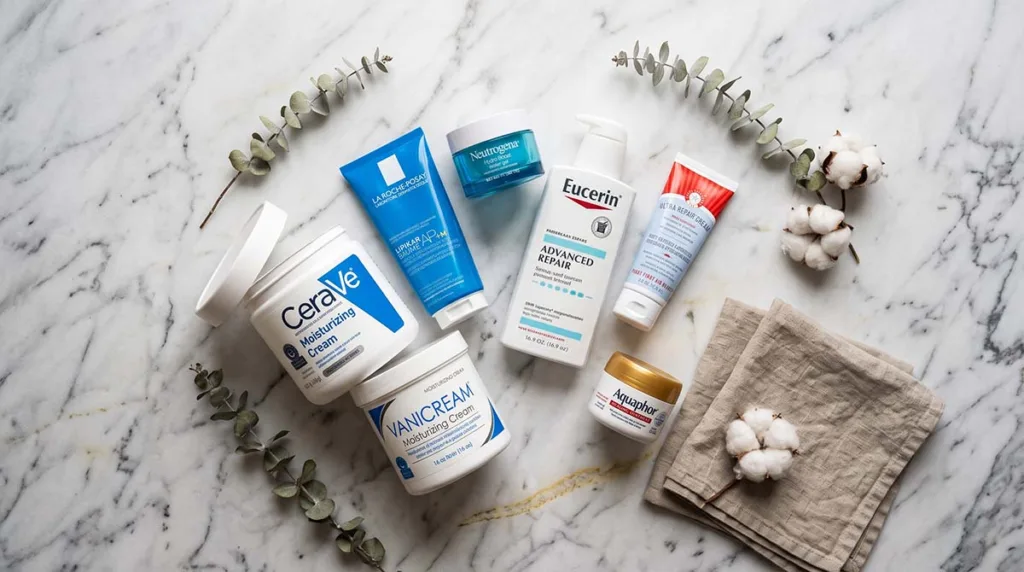
Easy Steps for a Skincare Routine That Actually Works

Stop buying more skincare products. You need a better order, not more bottles.
Most people spend money on cleansers, serums, and moisturizers, then layer them in the wrong sequence and wonder why their skin looks worse. The products are not the problem. The routine is.
A good skincare routine needs three things: knowing your skin type, applying products in the right order, and doing it every morning and night. You do not need ten steps or expensive ingredients.
These easy steps for a skincare routine cover which products to use, when to use them, and how to adjust for your skin type. If you are following a skincare routine for beginners for the first time or just starting fresh, this is where to begin.
Why a Consistent Skincare Routine Changes Everything
Your skin is dealing with UV radiation, pollution, sweat, and product buildup from the moment you wake up. Skip the cleansing and hydrating habit long enough, and that buildup shows up as dullness, breakouts, and premature aging.
A consistent routine does more than any single expensive product. A 2019 study published in the British Journal of Dermatology found that participants who followed a simple three-step routine twice daily showed measurable improvements in skin barrier function within four weeks. Results come from repetition, not from buying more.
Start with three to five products. Once your skin stabilizes, layer in targeted treatments.
Identify Your Skin Type Before Buying Anything
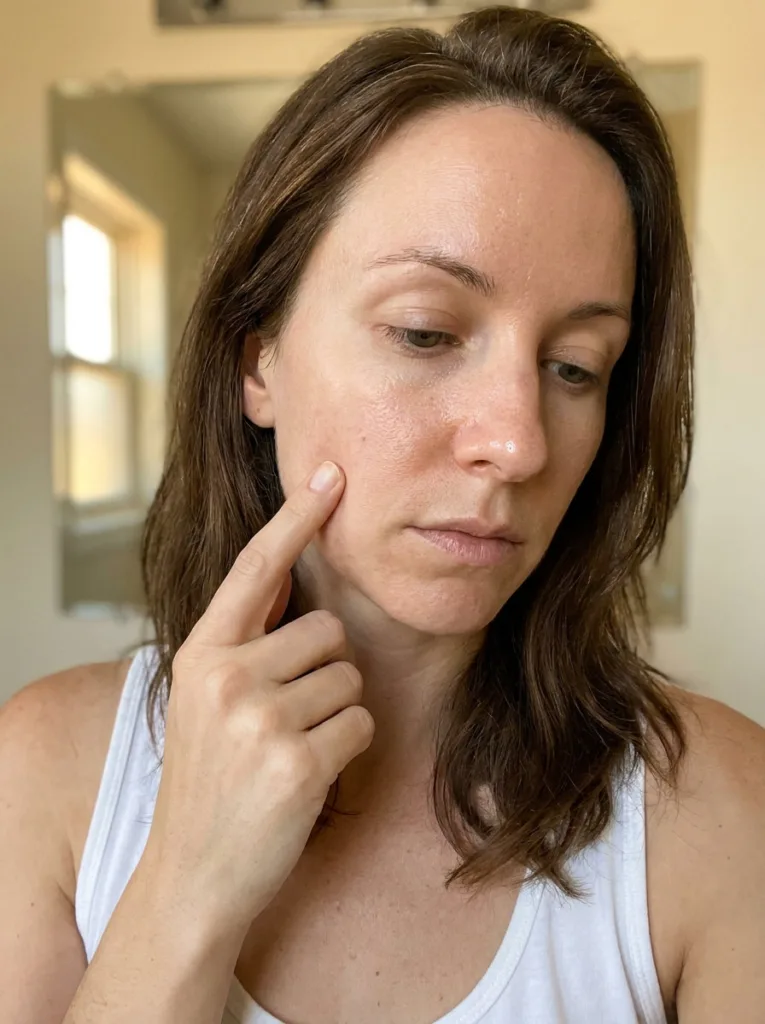
Skipping this is the most common mistake beginners make. The wrong products for your skin type cause breakouts, irritation, or excessive dryness, even if those products are high quality.
Here is a quick way to test: wash your face with a gentle cleanser and do nothing else. Wait 30 minutes. Then check how it feels.
Oily Skin
Your face looks shiny, especially in the T-zone (forehead, nose, and chin). Pores appear larger. Makeup slides off by midday. You produce excess sebum, which can clog pores and trigger breakouts. Look for gel cleansers, oil-free moisturizers, and products containing niacinamide or salicylic acid.
Dry Skin
Your skin feels tight, rough, or flaky after washing. It may look dull or ashy. Dry skin lacks enough oil to maintain a healthy moisture barrier. You need cream cleansers, rich moisturizers with hyaluronic acid or ceramides, and gentle formulas with no alcohol.
Combination Skin
Your T-zone is oily, but your cheeks feel dry or normal. This is the most common skin type. Use a balancing gel-cream moisturizer and keep heavier creams off the oily areas. A pH-balanced toner helps even out both zones.
Sensitive Skin
Your skin reacts to new products with redness, itching, or stinging. Fragrance, alcohol, and strong acids are your biggest triggers. Stick to fragrance-free, hypoallergenic formulas. Calming ingredients like centella asiatica, aloe vera, and ceramides are your safest starting point.
Your Morning Skincare Routine, Step by Step
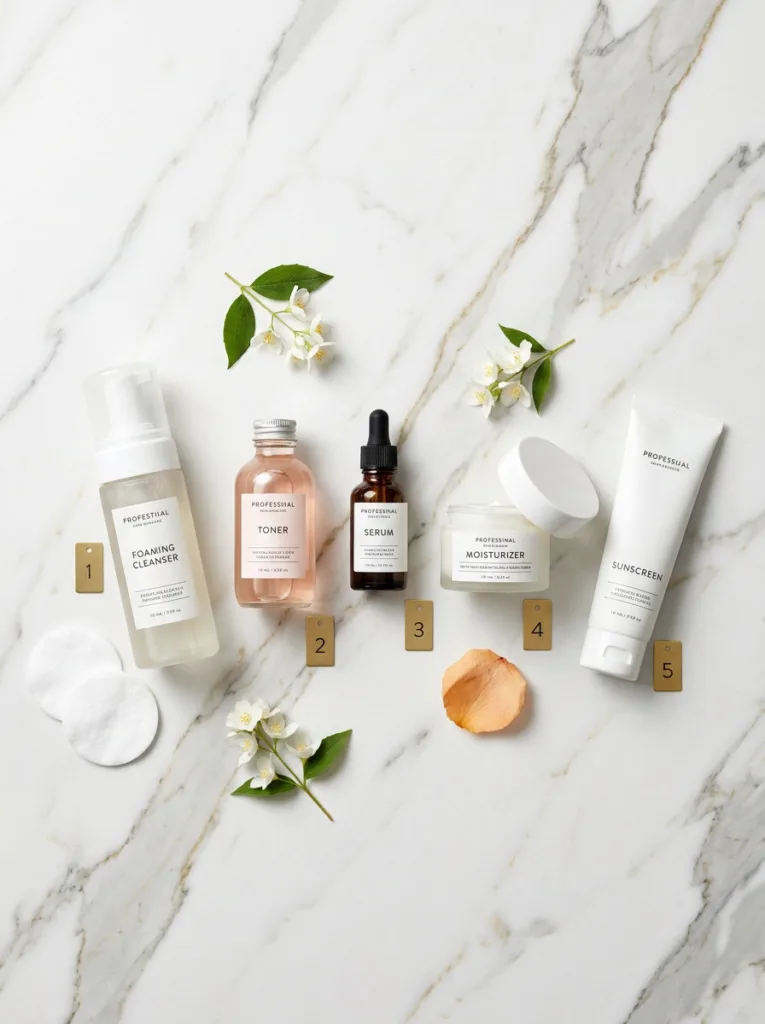
These morning skincare steps have one goal: protect your skin from the day ahead. Everything you apply should defend against UV damage, pollution, and moisture loss.
The correct order to apply skincare products is always thinnest to thickest. Water-based products go on before oil-based ones, which keeps each product from blocking what comes after it.
Step 1: Cleanser
Start with a gentle face wash. In the morning, your skin has only dealt with sweat and natural oils from sleep, so a mild cleanser is enough. Gel cleansers work well for oily skin. Cream or milk cleansers suit dry or sensitive skin.
Use lukewarm water. Hot water strips natural oils. Cold water does not do what people think it does. Rinse thoroughly and pat dry; never rub.
Step 2: Toner (Optional but Helpful)
Old toner formulas were loaded with alcohol and stripped the skin. That reputation stuck around longer than those formulas deserved. Today’s toners restore skin pH, add hydration, and prep skin to absorb what comes next—a layering step central to Korean skincare routines that has since become standard practice everywhere.
If your skin feels balanced after cleansing, skip it. If it feels tight or rough, a hydrating toner with glycerin or rose water gives you a useful first layer before serum.
Step 3: Serum
Serums are concentrated treatments that absorb deeper than moisturizers. Apply a pea-sized amount after toning and before moisturizing.
The right serum depends on your skin type:
- Oily or acne-prone skin — use a niacinamide serum (5–10%). It controls excess sebum, minimizes pores, and calms redness without clogging pores.
- Dry skin — use a hyaluronic acid serum. It pulls moisture into the skin and holds it there, giving dry skin the hydration it needs before moisturizer.
- Dull or uneven skin tone (any type)—use a vitamin C serum. It brightens skin, fades dark spots, and fights free radical damage from sun exposure. Look for L-ascorbic acid at a concentration between 10% and 20%.
- Sensitive skin — use a centella asiatica or azelaic acid serum. Both calm irritation and strengthen the skin barrier without triggering reactions.
For a deeper look at what each of these does to your skin, see our guide to natural skincare ingredients.
Step 4: Moisturizer
Every skin type needs moisture, including oily skin. Skip the moisturizer, and the skin produces more oil to compensate.
Apply it to slightly damp skin right after your serum to lock water in before it evaporates. Oily skin does well with a lightweight gel formula. Dry skin needs a richer cream with shea butter or squalane—and may need to go heavier in colder months (our best moisturizers for dry skin in winter cover what actually works).
Step 5: Sunscreen — The Non-Negotiable Final Step
You can skip the serum. You can skip the toner. Do not skip this.
Broad-spectrum SPF 30 or higher protects against both UVA rays (aging) and UVB rays (burning). UV exposure causes up to 90% of visible skin aging, according to the American Academy of Dermatology, and significantly raises skin cancer risk.
Apply about a nickel-sized amount to your face, neck, and ears. Reapply every two hours outdoors. Chemical sunscreens absorb UV rays. Mineral sunscreens (zinc oxide and titanium dioxide) sit on the skin and physically block them, which makes them better for sensitive skin.
Your Night Skincare Routine, Step by Step

Cell turnover peaks while you sleep. Collagen production goes up. Active ingredients absorb better without daytime interference. The night routine is where actual repair happens.
Unlike the morning, the focus here is repair over protection. Actives that increase sensitivity to sunlight belong at night, not in your morning lineup.
Step 1: Remove Makeup or Sunscreen First
Sunscreen and heavy makeup need more than a regular cleanser. Use a micellar water, cleansing balm, or cleansing oil first. This is double cleansing, and it matters most on days you wear makeup or SPF.
Massage the oil-based cleanser across dry skin for 60 seconds, then rinse.
Step 2: Cleanse
Follow with your regular face wash, the same one from your morning routine. This second cleanse picks up whatever the first step broke down. Your skin should feel clean without feeling tight or stripped.
Step 3: Treatment Products (Retinol, AHAs, BHAs)
Night is when actives do their best work. The three most effective ones are the following:
- Retinol (vitamin A) — Speeds up cell turnover, reduces fine lines, and clears breakouts. Start at a low concentration (0.025% to 0.1%) and use it two to three nights a week while your skin adjusts. Apply to dry skin only, since damp skin absorbs it faster and can cause irritation.
- AHAs (glycolic acid, lactic acid)—Exfoliate dead skin cells from the surface, improving texture and brightness. Best for dry, dull, or aging skin. Use two to three nights a week maximum.
- BHAs (salicylic acid) — Get inside pores and dissolve oil and debris. Best for oily and acne-prone skin. Use two to three nights a week maximum, not on consecutive nights.
Do not use retinol and strong acids on the same night. Alternate them.
Step 4: Night Moisturizer
Finish with something richer than your daytime moisturizer. Your skin loses water overnight through transepidermal water loss, so a heavier cream or overnight mask keeps hydration up through the repair process.
Ingredients to look for:
- Ceramides — restore the skin barrier
- Peptides — support collagen production
- Hyaluronic acid—retains moisture through the night
- Niacinamide—calm redness and even skin tone
Skincare Mistakes Beginners Always Make
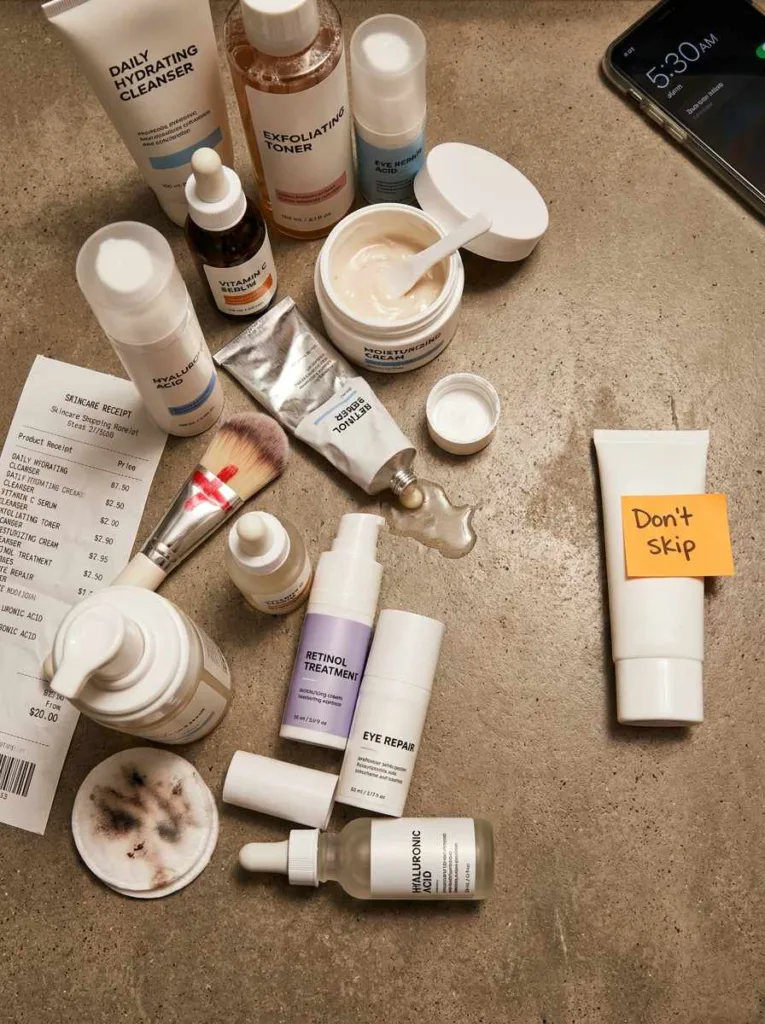
Most setbacks in a new routine come from the same handful of errors.
1. Using too many products at once.
Introduce five new products the same week and you cannot tell which one caused the reaction. Add one new product every one to two weeks.
2. Skipping sunscreen on cloudy days.
Up to 80% of UV rays pass through clouds. The damage is invisible day to day but builds over years.
3. Exfoliating too often.
Daily acid use strips the skin barrier and causes the redness and breakouts you were trying to fix. Two to three times a week is the ceiling.
4. Expecting overnight results.
Most ingredients need four to six weeks before visible changes appear. Retinol can take three months to show its full effect.
5. Applying products in the wrong order.
Moisturizer before serum means the serum can’t penetrate. Thinnest to thickest, always.
FAQ
What are the basic steps of a skincare routine?
A basic skincare routine has four steps: cleanse, moisturize, protect with SPF (morning), and treat with actives (night). These four cover the essentials for any skin type.
How long should I wait between skincare steps?
Wait 30 to 60 seconds between each step. This lets each product absorb before the next goes on. Toners and serums benefit most from a brief dry-down before moisturizer.
Can I use the same skincare routine morning and night?
No. Morning is for protection: moisturizer and SPF. Night is for repair: actives like retinol and richer moisturizers work best while you sleep. Sunscreen stays in the morning routine only.
Do I need a toner?
No. Toner is optional. If your skin feels balanced after cleansing, skip it. If it feels tight, dull, or rough, a hydrating toner adds a useful layer before serum.
When will I start seeing results?
Most people notice smoother, more hydrated skin within one to two weeks. Improvements in tone, brightness, and breakouts take four to six weeks of consistent daily use.
Conclusion
None of this requires a shelf full of products. Know your skin type, use the right products in the right order, and do it every day. That is the whole routine. Start with three: a cleanser, a moisturizer, and an SPF. Two consistent weeks of that, then add one product at a time. Pick up your cleanser tonight.
For more skin care tips, please visit VelvetBoard.