Naturally Glowing Skin: 12 Simple Tips That Really Work

You spend money on serums. You drink water. You sleep a full eight hours. But your skin still looks flat, tired, and dull in the morning mirror.
Sound familiar?
Naturally glowing skin is not about buying the most expensive products. It comes from consistent habits, the right ingredients, and a routine built for your actual skin type. Most people skip that last part. That is why they stay stuck.
These 12 tips cover everything from a simple 3-step morning routine to DIY face masks you can make tonight. Some tips show results within days. Others take four to six weeks. All of them are backed by real dermatology. Start with whatever feels easiest. That momentum builds fast.
What Does Naturally Glowing Skin Actually Mean?
Before building a routine, it helps to know what you are actually working toward. Most people confuse glow with shine. They are not the same thing.
Natural glow comes from healthy skin function. When your skin cell turnover cycle runs smoothly every 28 to 40 days, fresh cells replace dull ones at a steady pace. When your sebum levels stay balanced, your skin reflects light evenly. When your skin barrier stays intact, moisture locks in and irritants stay out. The result is skin that looks clear, smooth, and slightly luminous. Not greasy. Not filtered. Just healthy.
There is also a distinction worth knowing between natural glow and glass skin. Glass skin is a Korean beauty trend built around a pore less, reflective finish. It requires more steps and specific products. Natural radiance is simpler. It is what happens when your skin is consistently hydrated, rested, and nourished.
One reliable sign you are on the right track: your skin feels comfortable all day. No tightness. No midday grease. No rough patches. That balance is the foundation of everything that follows.
Your 3-Step Morning Routine for Naturally Glowing Skin
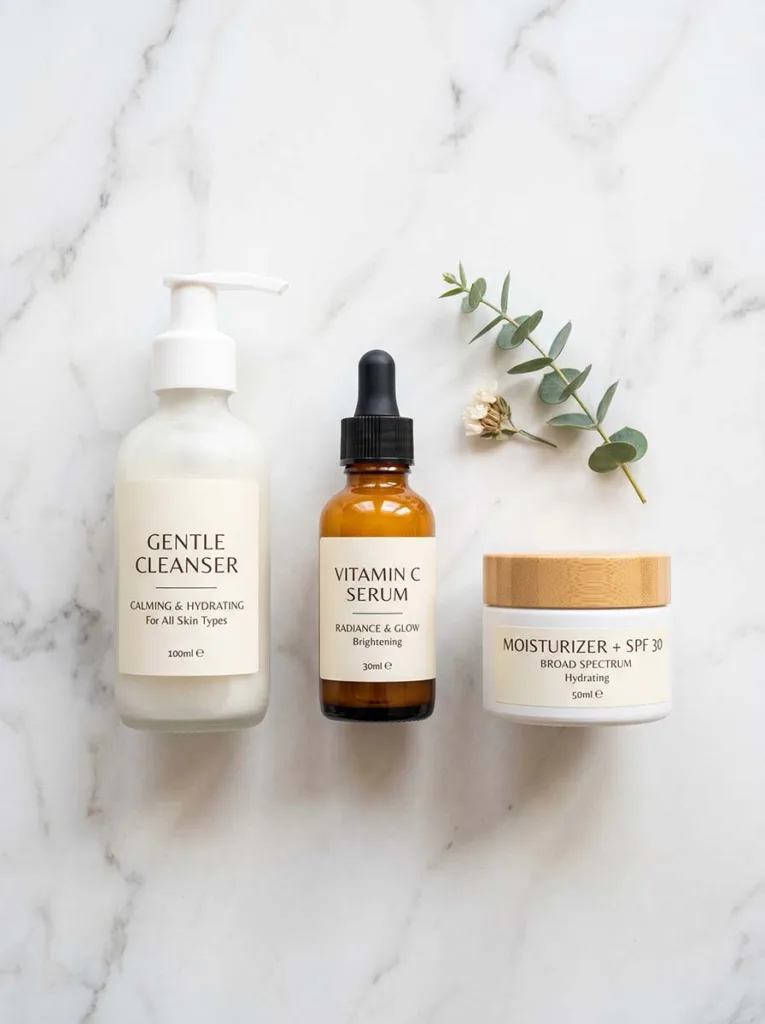
A complicated morning routine rarely produces better skin. Dermatologists consistently recommend three focused steps: cleanse, treat, protect. Everything else is optional.
Your skin faces UV rays, free radicals, and pollution every day without exception. These three steps build a daily defense against all three.
Step 1: Gentle Cleanser (Not Stripping)
Start with a gentle cleanser matched to your skin type. Gel or foaming formulas work well for oily skin because they remove excess sebum without over-drying. Cream or micellar cleansers suit dry skin and sensitive skin better, since they clean without disrupting the lipid barrier.
The most common mistake here is reaching for a harsh, stripping formula to “start fresh.” That approach backfires. A damaged skin barrier leads directly to dullness, dehydration, and uneven texture within days. Look for a cleanser that contains ceramides or glycerin. Both support barrier health while still cleaning effectively.
Step 2: Vitamin C Serum
Vitamin C is the ingredient dermatologists recommend most for morning glow. Aesthetic nurse Emily Terzic at Calkin and Boudreaux states that vitamin C comes first when patients ask what to prioritize for a radiant complexion, ahead of everything else.
The reason is clear. Vitamin C brightens dark spots, boosts collagen production, and neutralizes free radical damage from sun exposure and urban pollution. At a concentration of 10 to 20%, most people see a visible improvement in skin tone within 3 to 4 weeks of daily use. Apply it on clean skin before moisturizer. Let it absorb fully before moving to the next step.
Step 3: Moisturizer Then SPF 30
A moisturizer seals in everything from the previous step. Skin cannot glow through dehydration. No matter how many active ingredients you apply, a dry skin barrier will not reflect light well.
After your moisturizer, apply a broad-spectrum sunscreen with at least SPF 30. UV exposure breaks down collagen at roughly 1% per year after age 25, according to dermatology data. It also worsens hyperpigmentation and dulls overall skin tone. Skipping sunscreen daily is the fastest way to lose glow and undo all other routine work. You do not need an expensive sunscreen. You need a consistent one.
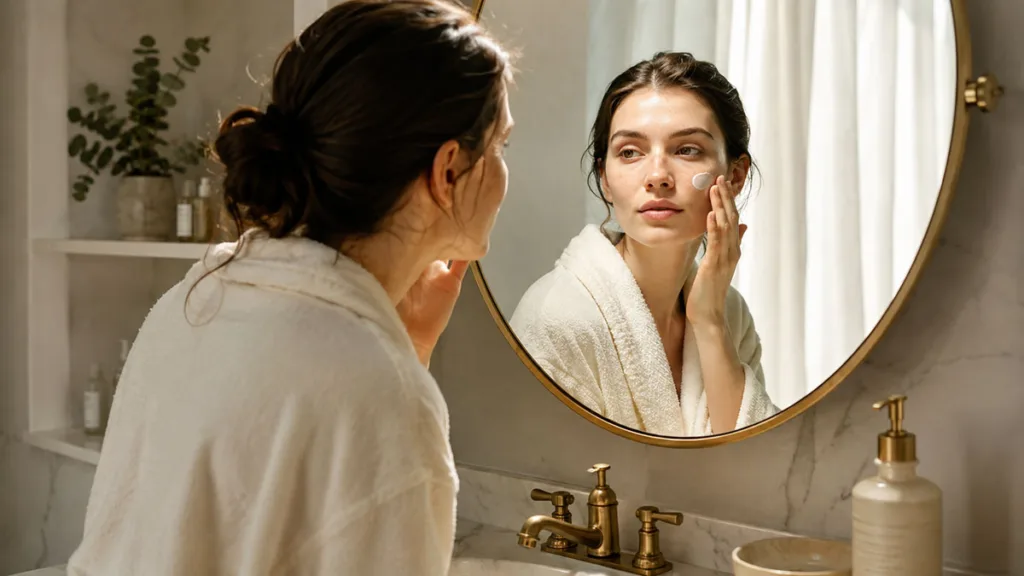
The Overnight Glow Routine: What to Do Before Bed
Nighttime is your skin’s active repair window. During deep sleep, skin cell renewal accelerates, collagen synthesis increases, and your skin barrier rebuilds itself. A good nighttime routine supports that biological process directly.
The wrong nighttime routine, or skipping it entirely, wastes the most productive hours your skin has.
Double Cleanse and Remove Everything
One cleanse at night is rarely enough. Sunscreen, sebum, and daily pollution particles sit on the skin surface and need a two-step removal process to clear properly.
Start with an oil-based cleanser. It dissolves sunscreen and excess oils without stripping. Follow with a gentle water-based cleanser to remove any remaining residue. This is double cleansing. It leaves skin genuinely clean without the tight, stripped feeling that damages the skin barrier overnight. Your nighttime actives absorb far better on properly cleansed skin.
Active Serum Layer: Niacinamide or Retinol
This step is where you target specific skin concerns.
Niacinamide at 2 to 5% is one of the most effective nighttime ingredients for glow. It reduces visible pores, calms skin inflammation, controls oil production, and evens skin tone over time. According to dermatologist Dr. Nada Elbuluk of the USC Keck School of Medicine, simpler and consistent routines outperform trend-chasing every single time. Niacinamide fits that description exactly. It works for all skin types, including sensitive skin, with almost no irritation risk.
Retinol speeds up cell turnover, which directly improves texture and radiance over 6 to 8 weeks. Start at the lowest available concentration, around 0.025%, and build slowly. Moving too fast causes dryness and peeling.
A Practical Method: skin cycling. Use actives for two nights, then use only a gentle moisturizer for two nights. This gives your skin barrier recovery time and reduces cumulative irritation significantly.
Sleeping Mask vs. Regular Night Cream
A sleeping mask is an occlusive product. It seals everything applied underneath and holds moisture in throughout the night. For dry or dehydrated skin, a sleeping mask as a final step delivers a noticeable plumping effect by morning.
If you live in a humid climate or have oily skin, a lightweight night cream or plain moisturizer works just as well. Apply your final step to slightly damp skin. Damp skin absorbs product more effectively than fully dry skin.
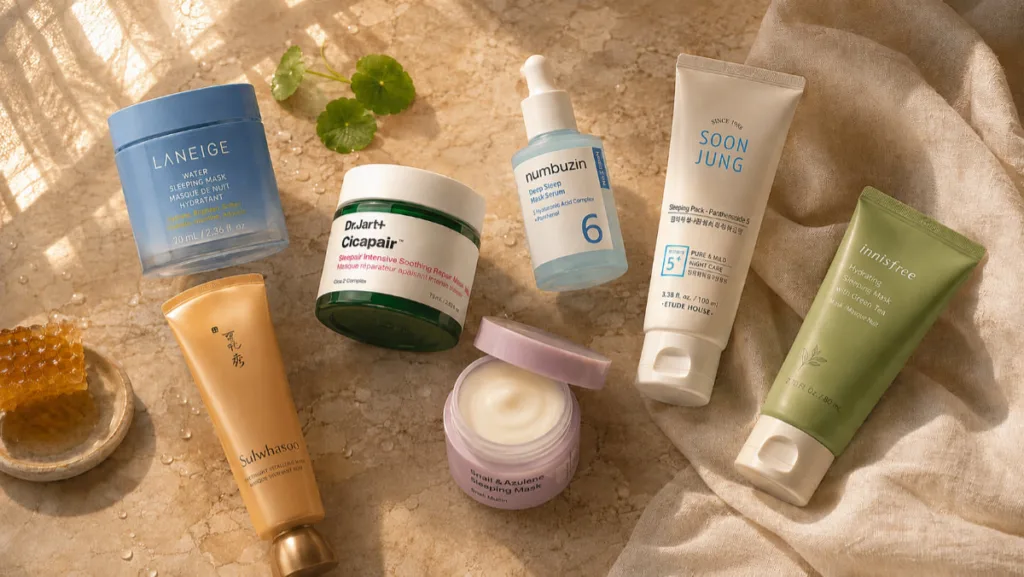
5 Natural Ingredients from Your Kitchen That Build Real Glow
Some of the most effective ingredients for naturally glowing skin are already in your kitchen. The key is matching the right ingredient to your specific skin concern. Not every natural ingredient suits every skin type, and using the wrong one wastes time.
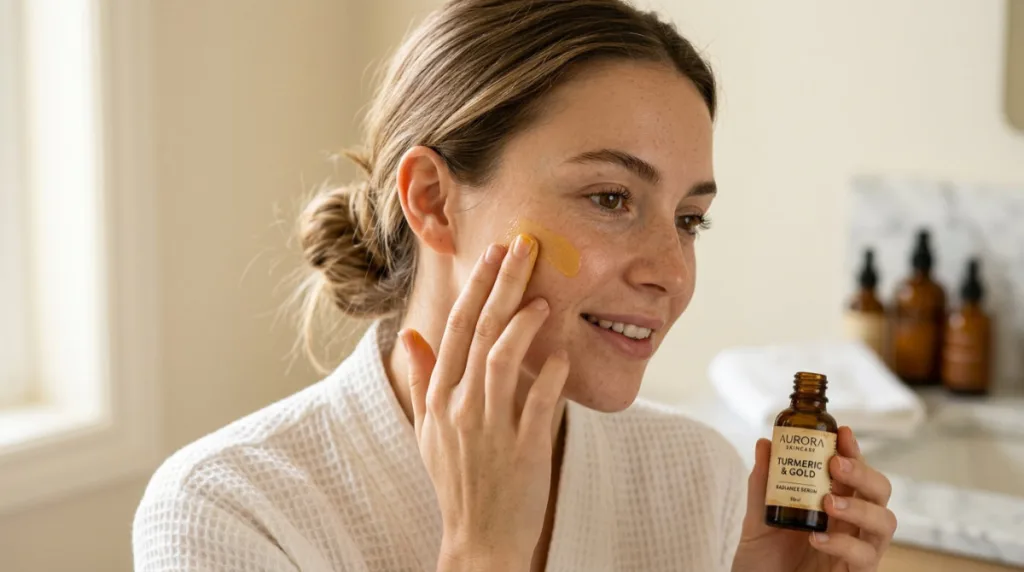
Honey and Turmeric: DIY Brightening Mask

Raw honey is a natural humectant. It draws moisture into the skin and holds it there. It also carries antibacterial properties, which makes it useful for acne-prone skin and minor breakouts.
Turmeric reduces skin inflammation, brightens uneven skin tone, and calms persistent redness. Its active compound, curcumin, targets hyperpigmentation with consistent weekly use.
DIY recipe: Mix 1 tablespoon of raw honey with 1/4 teaspoon of turmeric powder and 1 teaspoon of plain yogurt. Apply to clean skin and leave on for 15 minutes. Rinse with warm water. Use once or twice a week. Always patch test on the inner wrist first, especially if you have sensitive skin.
One Note: turmeric can leave a faint yellow tint on very light skin. The yogurt in this recipe helps minimize that effect.
Aloe Vera: Barrier Repair and Radiance
Aloe vera gel is one of the most skin-compatible natural ingredients available. It contains polysaccharides that hydrate the skin without clogging pores. It repairs a compromised skin barrier, reduces inflammation, and calms post-sun redness quickly.
It suits sensitive skin, acne-prone skin, and dehydrated skin particularly well. Apply fresh aloe gel directly as a lightweight daily moisturizer, or layer it underneath your serum as a hydrating base. It absorbs fast and leaves no residue.
Green Tea and Rice Flour: Antioxidant Glow Mask
Green tea contains EGCG, one of the most studied plant-based antioxidants in skincare research. It reduces free radical damage, lowers redness, and visibly improves skin radiance over time with consistent use.
DIY Recipe: Brew strong green tea and let it cool completely. Mix 2 tablespoons of cooled tea with rice flour until you reach a paste consistency. Apply for 10 to 15 minutes and rinse with cool water. The rice flour provides mild physical exfoliation, smoothing rough texture without causing micro-tears in the skin. Use this mask once a week. More frequent use can cause irritation.
Rose Water as a Daily Toner
Rose water restores the skin’s natural pH, which ideally sits at around 5.5. After cleansing, the skin’s pH can shift slightly. Rose water brings it back quickly and gently.
It also reduces post-wash tightness, redness, and inflammation without adding oils or heavy ingredients. It works well across all skin types. Apply it with a cotton pad directly after cleansing, before your serum. It costs very little and replaces most commercial alcohol-based toners, which tend to strip the skin barrier over time.
The Best Foods for Naturally Glowing Skin
Your skin reflects what you eat. No serum or routine overrides a consistently poor diet. The gut-skin connection is well-documented in current dermatology research, and what you eat every day shapes your skin tone, texture, and inflammation levels.
Nutrients Your Skin Needs Daily
Vitamin C, found in oranges, berries, kiwi, and bell peppers, is essential for collagen synthesis. Your body cannot produce collagen without it, and collagen is what keeps skin firm, smooth, and plump.
Vitamin E from almonds, sunflower seeds, and avocado protects cell membranes from oxidative damage. It works alongside vitamin C to keep skin supple and protected at the cellular level.
Omega-3 fatty acids from salmon, walnuts, and flaxseed reduce systemic inflammation throughout the body, including the skin. Inflamed skin appears dull, red, and uneven. Omega-3s address the root cause rather than the surface symptom.
Zinc from pumpkin seeds, lentils, and chickpeas regulates sebum production and accelerates skin repair. Zinc deficiency links directly to persistent acne and slow wound healing.
Drink at least 8 to 10 glasses of water per day. Hydrated skin looks fuller, smoother, and noticeably more luminous. Topical products maintain surface moisture. Water feeds skin from the inside where products cannot reach.
Foods That Cause Dullness
High glycemic index foods like white bread, sugary drinks, and processed snacks spike insulin rapidly. Elevated insulin increases sebum production and drives inflammation in the epidermis.
Excess sugar also causes glycation, a process in which sugar molecules bind to and degrade collagen and elastin fibers. This reduces your skin’s ability to reflect light evenly and accelerates the appearance of dullness over time.
Some people notice increased acne and oiliness with high dairy intake. This response is individual, not universal. If your skin consistently worsens after dairy, reduce intake for four weeks and track the change carefully.
Glowing Skin Routine by Skin Type: Find Yours
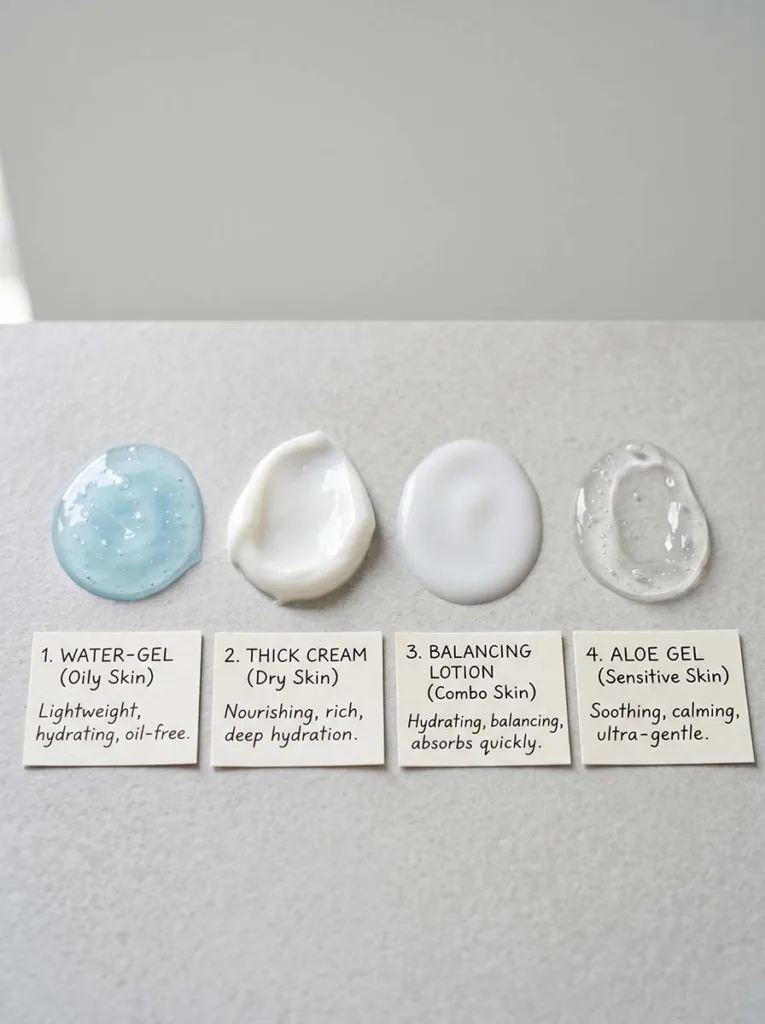
Using someone else’s skincare routine is one of the most common and costly mistakes. A rich cream that transforms dry skin will clog pores on oily skin. A lightweight gel that works for combination skin will not deliver enough for someone with dehydrated skin. Your skin type shapes everything.
Naturally Glowing Skin Routine for Oily Skin
Oily skin produces excess sebum, which leads to clogged pores and flat-looking skin despite adequate hydration.
Morning Cleanser: a gel or foaming formula with salicylic acid, a BHA that works inside the pore to clear buildup. Serum: niacinamide at 2 to 5% to regulate oil and visibly minimize pores. Moisturizer: lightweight gel formula, oil-free and non-comedogenic. SPF: choose a matte-finish sunscreen that will not add shine through the day.
Weekly Boost: a kaolin clay mask once a week deep cleanses without stripping the skin barrier.
Naturally Glowing Skin Routine for Dry Skin
Dry skin lacks sufficient natural oils, which causes tightness, flakiness, and a matte, grey-looking complexion.
Morning Cleanser: cream or milk formula that preserves natural moisture. Serum: hyaluronic acid applied to damp skin. This detail matters because hyaluronic acid needs available moisture to bind to. Applied on fully dry skin, it can pull moisture outward instead of inward. Moisturizer: a rich cream containing ceramides and squalane for barrier support and deep hydration.
Night Boost: add a face oil as the final step at night. It seals in every layer beneath it and creates a noticeable plumping effect by morning.
Combination and Sensitive Skin Tips
Combination skin runs oily through the T-zone and dry on the outer areas. Do not apply the same product density across the whole face. Use a lightweight gel moisturizer on the forehead, nose, and chin, and a richer cream on the cheeks and dry outer edges.
Sensitive skin reacts to fragrance, alcohol, and multiple active ingredients applied together. Keep the routine simple. Use fragrance-free, alcohol-free products exclusively. Patch test every new product before full-face application. Limit actives to one at a time to avoid irritation stacking.
A Rule That Applies to Both Types: if your skin is reacting, remove products before adding new ones. Most skin problems come from product overload, not deficiency.
Daily Habits That Quietly Build Your Glow
Products give your skin the materials it needs. Daily habits decide whether your skin can actually use them.
Sleep: Your Skin’s Repair Window
During deep sleep, your skin produces collagen, repairs cellular damage, and restores the skin barrier. This process is partly regulated by growth hormone, which peaks during the first hours of sleep each night.
Less than 7 hours of sleep raises cortisol significantly. Elevated cortisol breaks down collagen, increases skin inflammation, and disrupts the lipid barrier. The visible result: puffiness, dullness, and stress-related breakouts that appear within days and take equally long to resolve.
Practical Tip: switch to a silk pillowcase. Cotton creates friction against the skin surface all night and absorbs much of your applied skincare. Silk reduces that friction and leaves products where you put them. Aim for 7 to 8 hours at a consistent time every night. Your skin rewards routine sleep schedules far more than one long recovery night after a week of disrupted rest.
Exercise and Gua Sha for Circulation
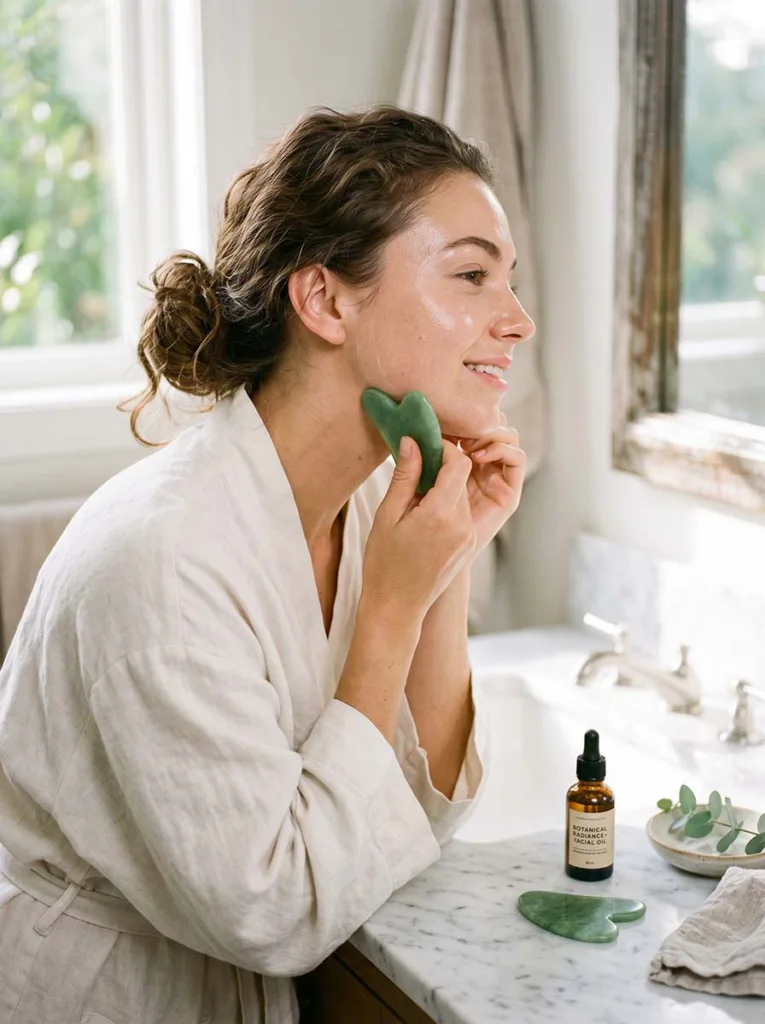
150 minutes per week of moderate-intensity exercise increases blood circulation to the epidermis. Better circulation delivers more oxygen and nutrients directly to skin cells. This is part of why consistent exercisers often have noticeably better skin tone than those who do not move regularly.
Always cleanse skin immediately after exercise. Leaving sweat on the skin blocks pores and triggers breakouts, particularly on the forehead and chin.
Gua sha is a face massage technique performed with a flat jade or rose quartz tool. Done correctly for 2 to 3 minutes daily on clean, oiled skin, it drains lymphatic fluid, reduces morning puffiness, and improves overall radiance. Stroke the tool upward and outward along the jawline, cheekbones, and forehead. Never drag it on dry skin.
Stress: The Hidden Glow Killer
Chronic stress raises cortisol consistently over time. Elevated cortisol triggers excess sebum production, weakens the skin barrier, and drives inflammatory acne. This is why your skin visibly worsens during difficult periods. That is biology, not coincidence.
No skincare product compensates for chronic stress. Lifestyle change does. Practical starting points: a 10-minute walk after dinner, a screen-free first 30 minutes each morning, and a consistent sleep and wake time daily. These habits are small. Over 6 to 8 weeks, they compound into measurable improvements in skin tone and clarity.
6 Everyday Mistakes That Kill Your Natural Glow
Most glow problems do not come from a missing product. They come from daily habits that quietly damage the skin barrier or slow cell turnover without any obvious single cause.
1. Washing the face more than twice daily Over-cleansing strips the lipid barrier and triggers reactive sebum overproduction. Wash once in the morning and once at night. More than that causes more damage than it prevents.
2. Skipping SPF on cloudy or indoor days UV radiation penetrates both clouds and glass. It degrades collagen and worsens hyperpigmentation year-round. One consistent week without sunscreen undoes weeks of other glow work.
3. Layering too many active ingredients at once Vitamin C, retinol, and glycolic acid together in one routine do not triple the benefit. They cause irritation, barrier damage, and reactive dullness that takes weeks to resolve. Use one active at a time and rotate deliberately with skin cycling.
4. Using products that do not match your skin type A thick occlusive cream on oily skin blocks pores. A lightweight gel on dry skin delivers no meaningful hydration. Match your products to your actual skin type, not to what worked for someone else.
5. Expecting visible results in 3 days Hydration improvements appear within 2 to 4 weeks of consistency. Real texture and cell turnover changes require 6 to 8 weeks minimum. Skin biology runs on its own timeline.
6. Skipping the patch test on new products A reaction to one new ingredient can set your skin barrier repair back 2 to 3 weeks. Apply any new product to the inner wrist first and wait 24 hours before using it on your face.
Frequently Asked Questions
How long does it take to get naturally glowing skin?
Most people notice improved hydration and reduced dullness within 2 to 4 weeks of a consistent routine. Real texture and skin tone changes take 6 to 8 weeks, since skin cell turnover runs on a 28 to 40-day cycle. Consistency across at least two full cycles produces the most visible results.
Can I get glowing skin without expensive products?
Yes. The core steps, a gentle cleanser, vitamin C serum, and SPF 30 moisturizer, are available at every price point. Brands like CeraVe and The Ordinary deliver dermatologist-grade ceramides, hyaluronic acid, and niacinamide at drugstore prices. Consistency matters far more than brand name.
What natural ingredient works best for a skin glow?
Vitamin C has the strongest research for improving radiance and even skin tone. Among kitchen ingredients, raw honey and aloe vera deliver consistent results across most skin types with minimal irritation risk and no special preparation required.
How do I fix dull skin fast?
Dull skin most often signals dehydration or a buildup of dead skin cells. Start with 8 to 10 glasses of water daily and introduce a gentle chemical exfoliant such as lactic acid or glycolic acid at 5 to 10%, once a week. Most people notice visible improvement within 7 to 10 days.
Is drinking water enough for glowing skin?
Water supports internal skin hydration but is not enough on its own. You also need a moisturizer to seal surface moisture, SPF 30 to protect collagen, and a diet rich in omega-3 fatty acids, vitamin C, and zinc. Water is one essential layer in a full-system approach, not a standalone solution.
Conclusion
Naturally glowing skin does not require a 12-step routine, an expensive budget, or perfect genetics. It requires three things: protect your skin from daily damage, feed it the right ingredients, and support it with sleep, hydration, and a clean diet.
Start with the basics. A gentle cleanser, vitamin C serum, and SPF 30 every morning. Double cleanse and moisturize every night. Add one improvement at a time and give each change at least 4 weeks to show results.
Your skin responds to what you do every day. Consistent inputs return consistent results.
For more insightful articles about skin care, please visit VelvetBoard.