How to Make Nails Strong Naturally: 9 Proven Home Steps
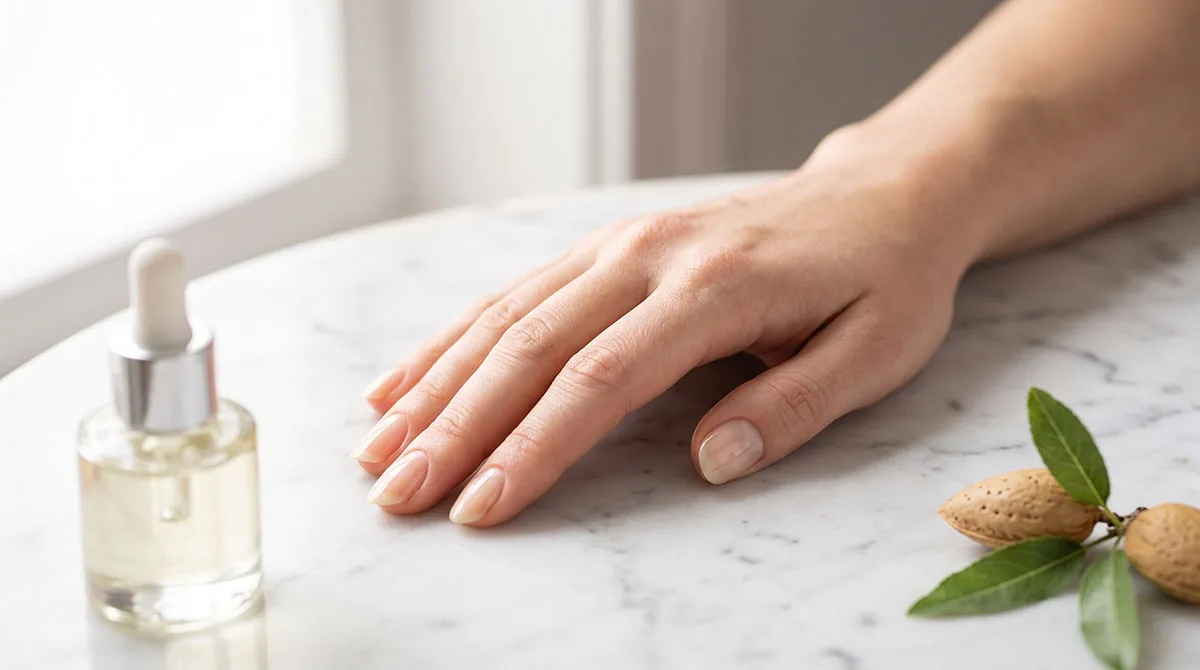
Why do your nails keep breaking no matter what you try? The answer is rarely the polish or the length — learning how to make nails strong naturally at home starts with fixing the routine underneath. Weak nails break down for four fixable reasons: missing nutrients, chronic dryness, chemical damage, or physical stress. Fix the right cause, and nails stop breaking on their own.
Nails are built from keratin, a structural protein produced by the nail matrix beneath your cuticle. When the matrix is nourished and protected, it grows dense, flexible layers. When it is depleted, nails come out thin and brittle. Each of the 9 steps below covers the full range of brittle nail remedies — from nutrition and hydration to filing technique and protection. Work through all of them and the results compound fast.
The 9 Steps at a Glance
| # | Step | Frequency |
| 1 | Eat for nail strength | Daily |
| 2 | Massage cuticle oil | Every night |
| 3 | Warm oil soak | Once a week |
| 4 | File in one direction | As needed |
| 5 | Wear gloves during chores | Every time |
| 6 | Give nails a polish break | One week per month |
| 7 | Apple cider vinegar soak | Twice a week |
| 8 | Vitamin E oil massage | Three times a week |
| 9 | Stop using nails as tools | Always |
Step 1: Eat for Nail Strength
When: Daily | What you need: Whole foods rich in biotin, zinc, iron, and vitamin C
Strong nails start in the kitchen. The nail matrix relies on a steady supply of vitamins and minerals to build dense keratin, and no topical treatment compensates for a nutritional gap.
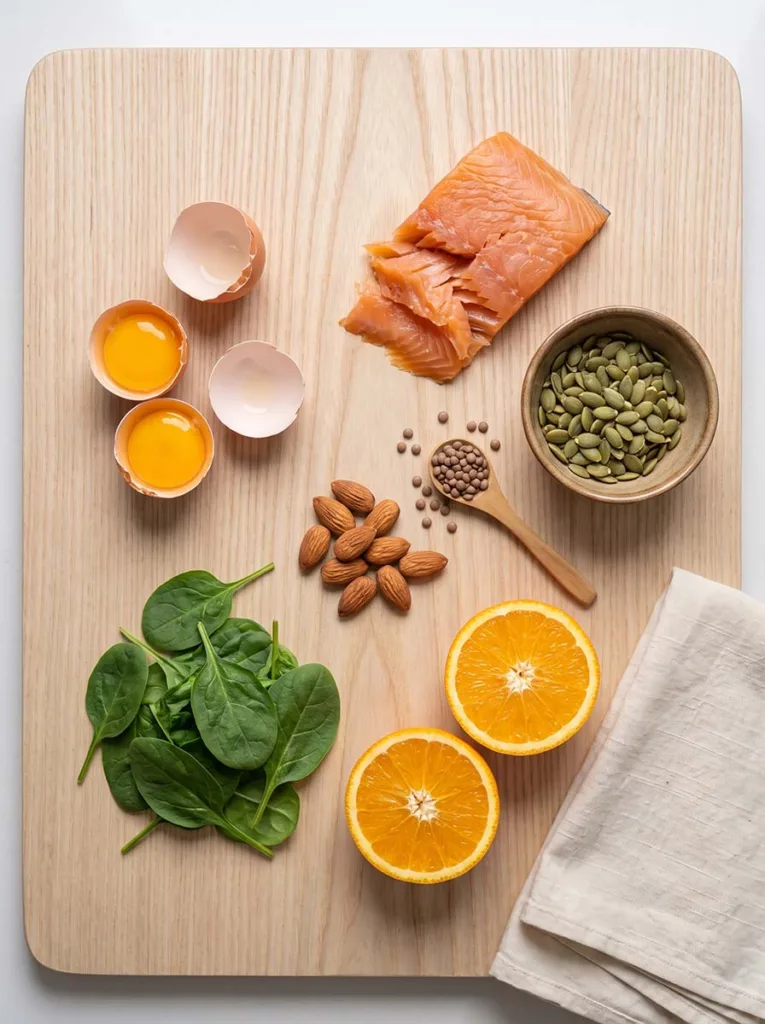
Biotin (vitamin B7) is the most studied nutrient for nail strength. A clinical study published in the Journal of the American Academy of Dermatology found that 2.5 mg of daily biotin increased nail thickness by 25% in people with brittle nails over 6 months. You do not need a supplement — food sources cover you well.
Top foods for nail strength:
| Food | Key Nutrient | What it does |
| Eggs (especially the yolk) | Biotin, B12, protein | Builds keratin layers |
| Salmon and sardines | Biotin, omega-3s, vitamin D | Supports nail matrix health |
| Pumpkin seeds and chickpeas | Zinc | Prevents white spots and fragility |
| Spinach and lentils | Iron | Prevents nails curving inward |
| Oranges and strawberries | Vitamin C | Drives collagen production around the nail bed |
Worth knowing: Keratin is a protein. If your overall protein intake is low, nail growth slows and structure weakens. Aim for a palm-sized portion of protein at every meal — eggs, chicken, fish, tofu, or Greek yogurt all count.
Step 2: Massage Cuticle Oil Every Night
When: Every night before bed | Time needed: 2–3 minutes
Dry nails are brittle nails. When nail cells lose moisture, they lose flexibility and begin cracking at the edges. Of everything on this list, the nightly oil massage delivers the fastest results per minute spent.
How to do it:
- Drop a few drops of cuticle oil onto each nail and the surrounding skin
- Massage in for 30 seconds per hand using small circular motions
- Pull on a pair of thin cotton gloves
- Sleep in them — the gloves trap warmth and drive oil deeper into the nail plate overnight

Best oils for this treatment:
- Jojoba oil — absorbs fastest, closely mimics the nail’s natural moisture barrier
- Argan oil — rich in vitamin E and fatty acids
- Sweet almond oil — lightweight and gentle on sensitive cuticles
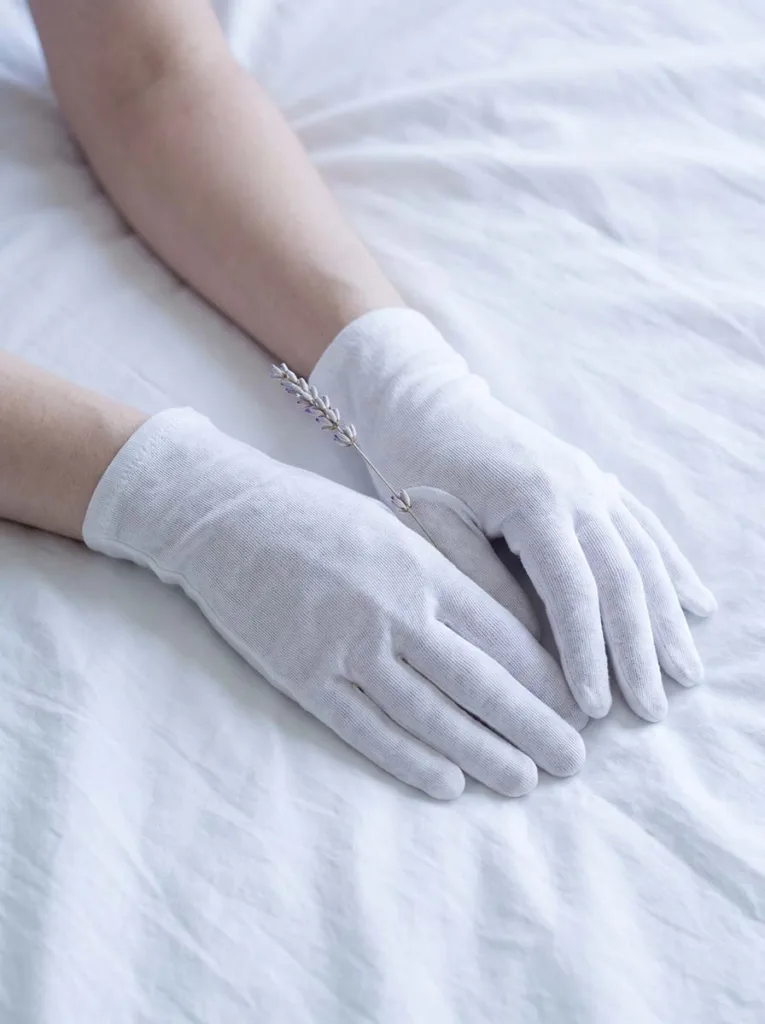
Stick with it for two weeks. It is one of the most reliable ways to strengthen nails naturally at home, and the difference in how they bend rather than snap is real.
Step 3: Do a Weekly Warm Oil Soak
When: Once a week | Time needed: 10–15 minutes
A weekly soak goes further than the nightly massage alone. The warmth opens up the nail’s surface so oils absorb more deeply than they would from a cold application.
How to do it:
- Warm 3 tablespoons of olive oil in a small bowl until comfortably warm — not hot
- Add 5 drops of vitamin E oil from a pierced capsule
- Soak your fingertips for 10 to 15 minutes
- Pat dry, then apply cuticle oil immediately while the nail is still porous
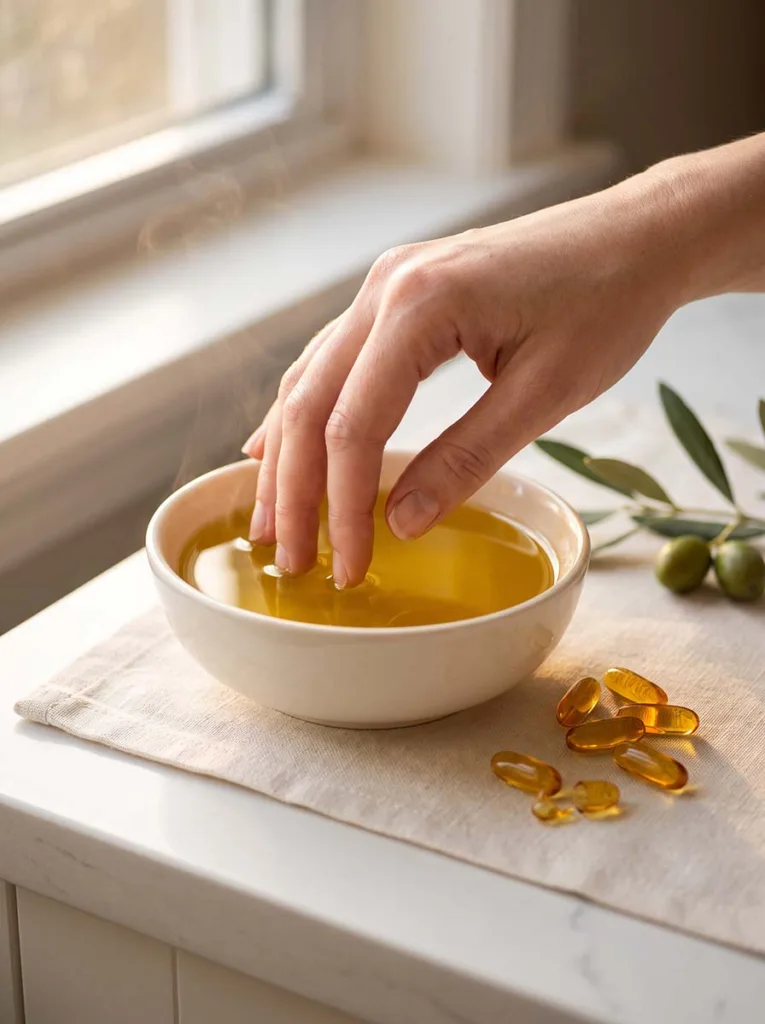
Olive oil contains squalene and oleic acid, which penetrate the nail plate and reduce moisture loss throughout the week.
Step 4: File in One Direction with a Glass File
When: As needed | What you need: A glass or crystal nail file
Technique matters as much as products. Back-and-forth sawing creates microscopic fractures along the nail edge. These fractures travel upward as the nail grows, producing peeling and splitting that looks like a structural problem but is really a filing problem.
The right way to file:
- Always move in one direction — from the outer edge toward the center
- Use a glass nail file or fine-grit emery board
- Apply light pressure only — let the file do the work
- Keep nails trimmed to a length you can realistically maintain
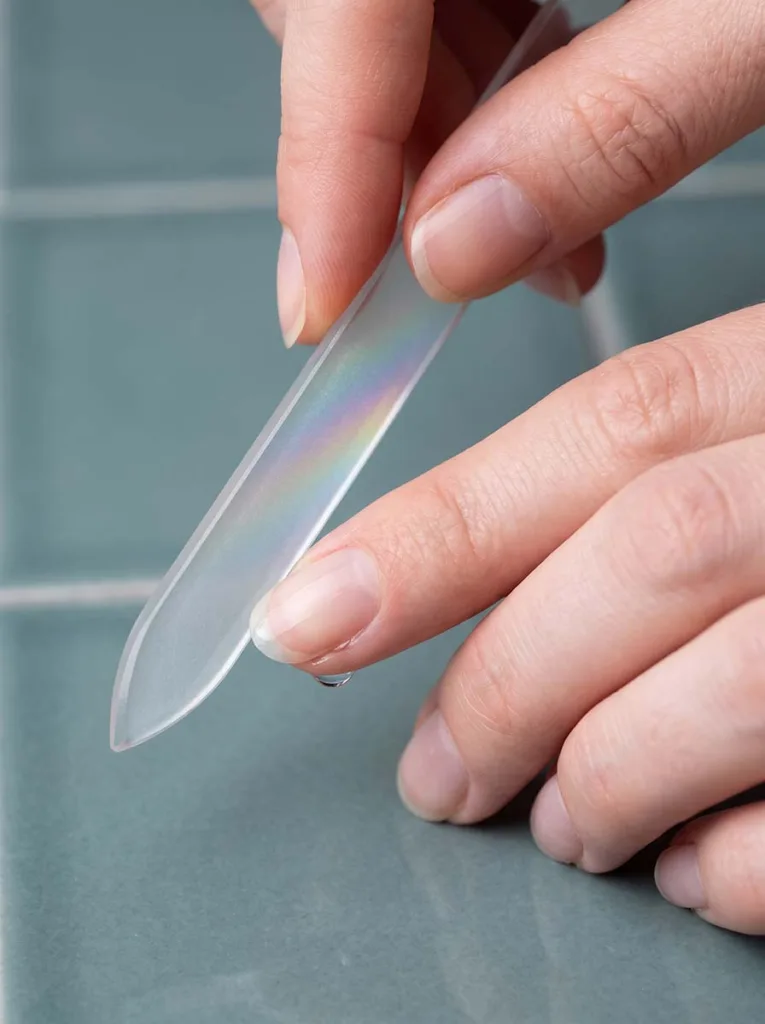
Why glass files? They seal the nail edge cleanly, last indefinitely when rinsed and dried, and remove far less material per stroke than metal files.
Step 5: Wear Gloves During Chores
When: Every time you wash dishes or clean | What you need: Rubber gloves
Every time hands soak in dishwater or contact cleaning products without protection, the nail plate swells from water absorption and then contracts as it dries. Do that enough times and the bond between nail layers breaks down.
Three habits to adopt:
- Rubber gloves for every dish-washing and cleaning session — non-negotiable
- Dry hands thoroughly after washing, then apply hand cream or cuticle oil within two minutes
- Switch from acetone-based removers to acetone-free nail polish remover — acetone strips nail oils along with the color
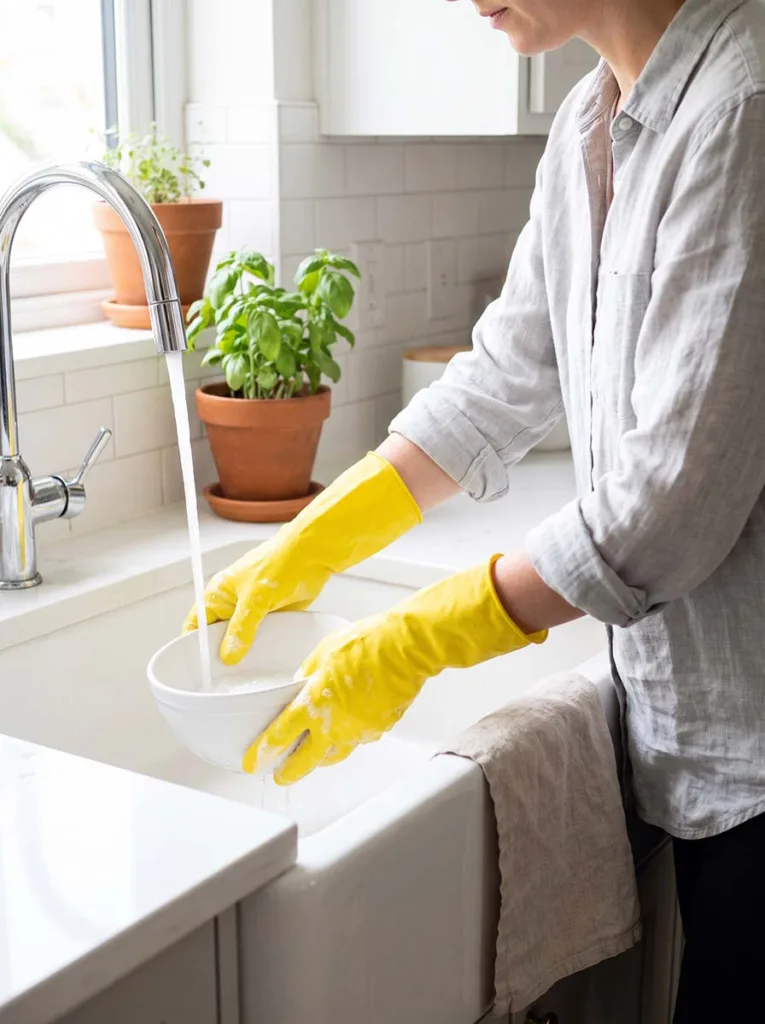
The two-minute rule: The two minutes after hand washing are when moisture evaporates fastest. Apply oil or cream in that window and you interrupt the dryness cycle before it starts.
Step 6: Give Your Nails a Polish Break
When: One week off per month | What you need: A nail strengthener
Gel polish and acrylic overlays look great, but the removal process — soaking in acetone or filing down the surface — strips outer layers of the nail plate every single time. Nails feel paper-thin right after removal because several real layers are gone.
Your recovery week protocol:
| Day | Action |
| Day 1 | Remove all product with acetone-free remover |
| Day 2 | Apply keratin-based nail strengthener |
| Day 4 | Reapply strengthener |
| Day 6 | Reapply strengthener |
| Day 7 | Assess — gel only if nails feel stable |
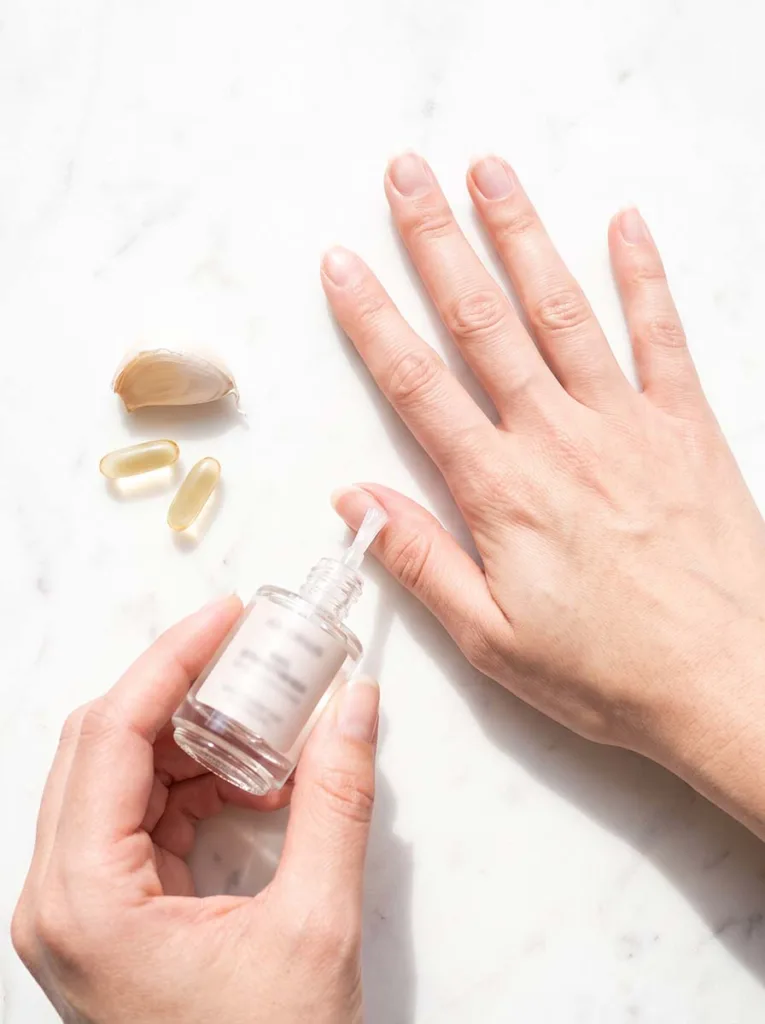
Nail strengtheners containing hydrolyzed keratin or calcium rebuild surface hardness over 2 to 3 weeks. Give them the full window to work before reapplying gel.
Step 7: Soak With Apple Cider Vinegar
When: Twice a week | Time needed: 5 minutes
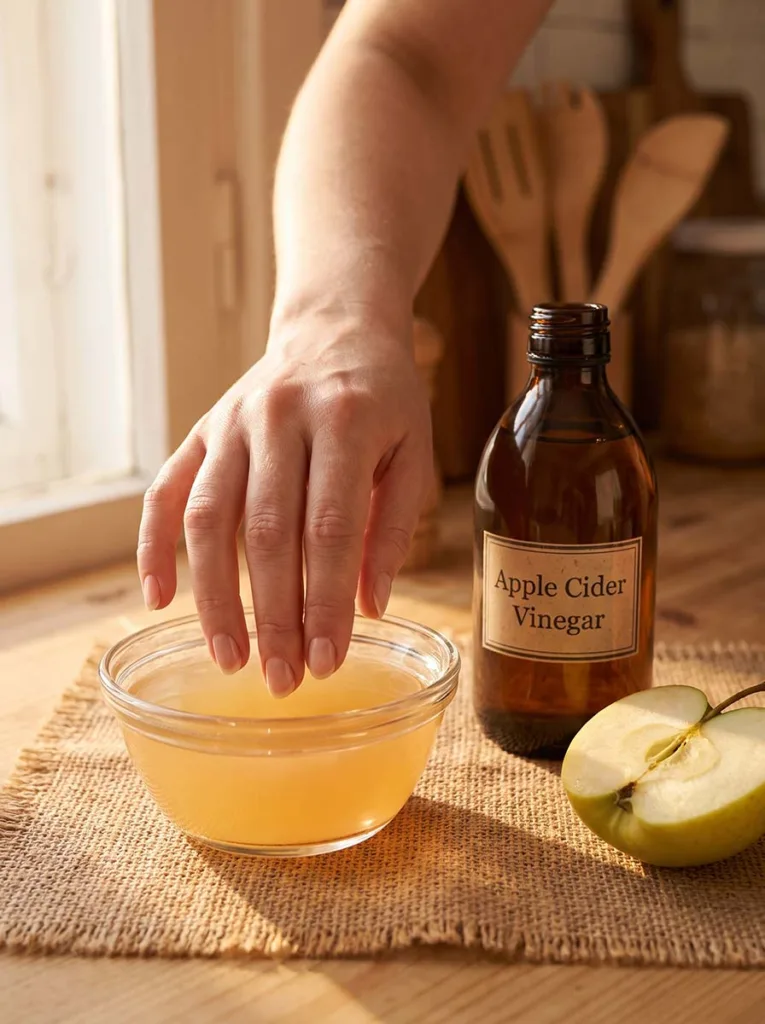
This kitchen staple does something no oil treatment can: it restores the nail’s natural pH balance. When the nail surface becomes too alkaline — from repeated soap and water contact — the keratin layers loosen and peel more easily.
ACV soak recipe:
- Mix equal parts apple cider vinegar and warm water in a small bowl
- Soak nails for 5 minutes
- Rinse with clean water immediately after
- Apply moisturizer while hands are still slightly damp
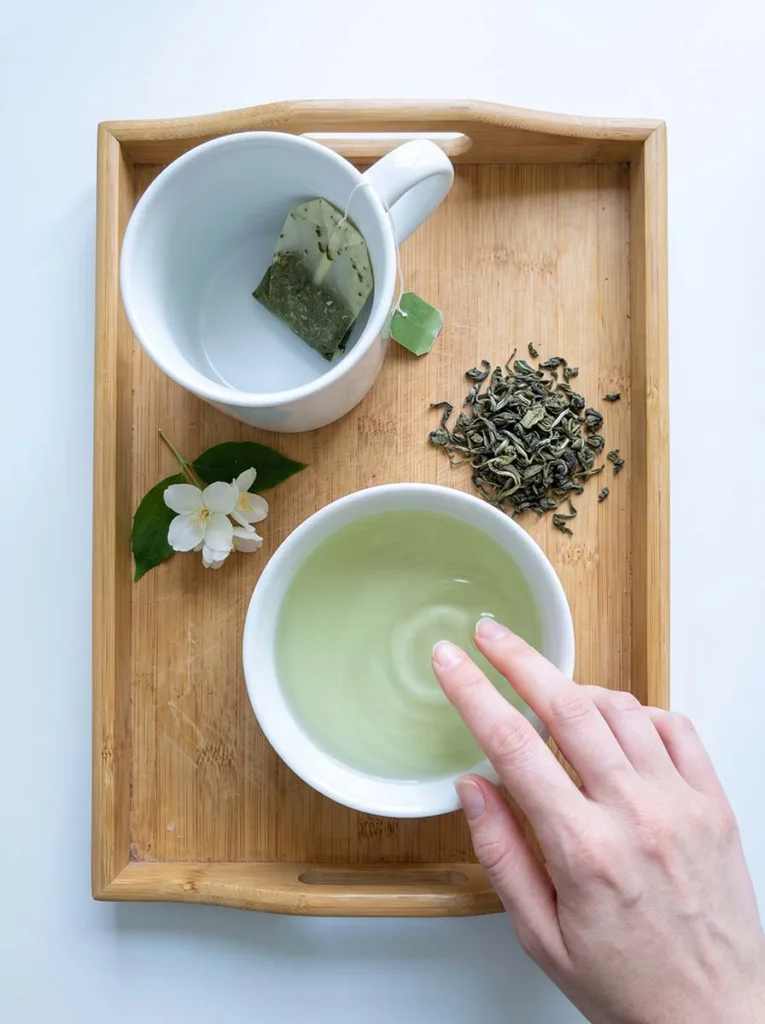
Variation — Green Tea Soak (once weekly):
Brew a strong cup of green tea, let it cool to warm, and soak for 10 minutes. Green tea is loaded with antioxidants that protect nail cells from oxidative damage and help keep the collagen around your nail bed strong.
Step 8: Apply Vitamin E Oil Three Times a Week
When: 3x per week, on non-soak days | Time needed: 2 minutes
Vitamin E is a fat-soluble antioxidant that protects cells from damage and supports regeneration in the nail matrix. Where cuticle oil adds moisture, vitamin E goes after cell damage — it protects the tissue your nails actually grow from.
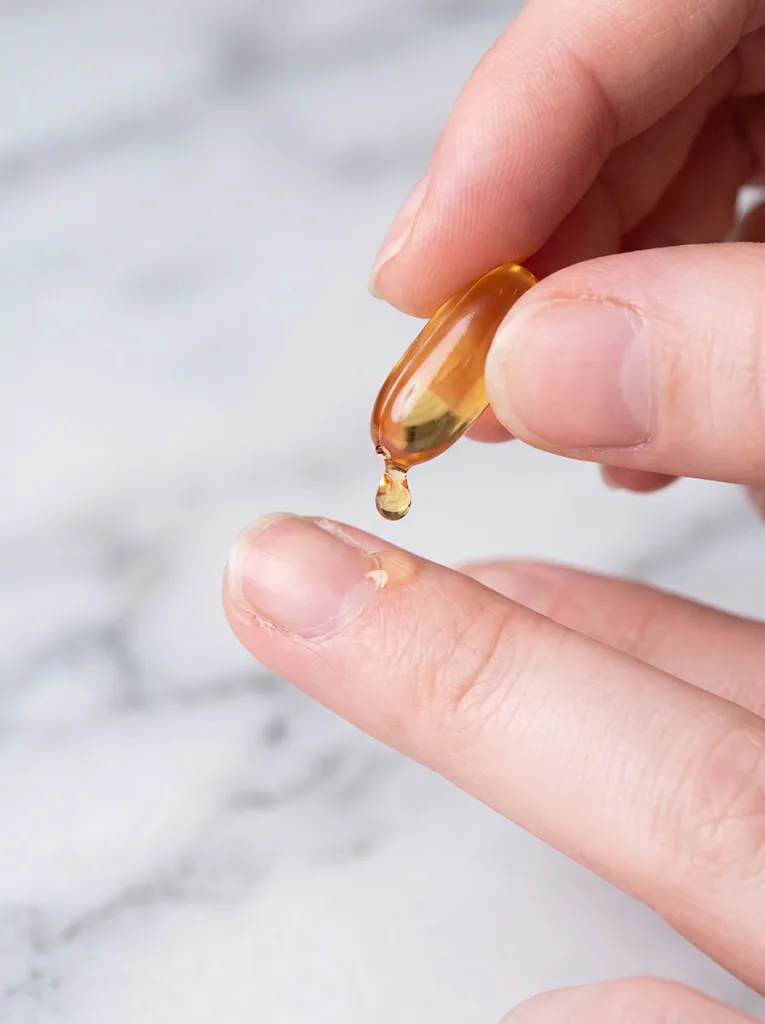
How to apply:
- Pierce a vitamin E capsule
- Squeeze the oil directly onto each nail and cuticle
- Massage in for 60 seconds per hand
- No rinse needed — leave it on
Use this on days when you are not doing the ACV or green tea soak. Vitamin E works best as part of a complete routine rather than a standalone treatment.
Step 9: Stop Using Nails as Tools
When: Always | What it costs: Nothing
This is the step most people overlook because it requires no product — only awareness. Using nails to open ring-pull cans, pry lids, or scrape surfaces creates hairline fractures at the free edge. These fractures are not always visible immediately, but they show up as splits and breaks within days.
Four habits to break immediately:
| Bad Habit | Why it hurts | What to do instead |
| Peeling off polish | Rips the top layers of the nail plate | Soak or dissolve it always |
| Over-buffing | Removes real nail thickness | Once a month maximum |
| Using nails to open things | Creates hairline fractures | Use a coin, key, or tool |
| Cheap metal nail files | Leave jagged edges that tear | Upgrade to a glass file |
What to Expect When You Strengthen Nails Naturally: 4-Week Timeline
Nails grow at approximately 3 to 4 millimeters per month. Results are real but not instant.
| Timeframe | What you will notice |
| Week 1–2 | Nails feel less dry. Cuticles look healthier. Existing breaks slow down, but damaged tips still snap. |
| Week 3–4 | New growth from the base is visibly stronger. Surface appears smoother. Nails hold shape better under pressure. |
| Month 2–3 | Stronger growth extends toward the free edge. Nails feel noticeably thicker and more resilient. |
| Month 3–6 | Full renewal complete. Nail plate is consistently stronger from base to tip. |
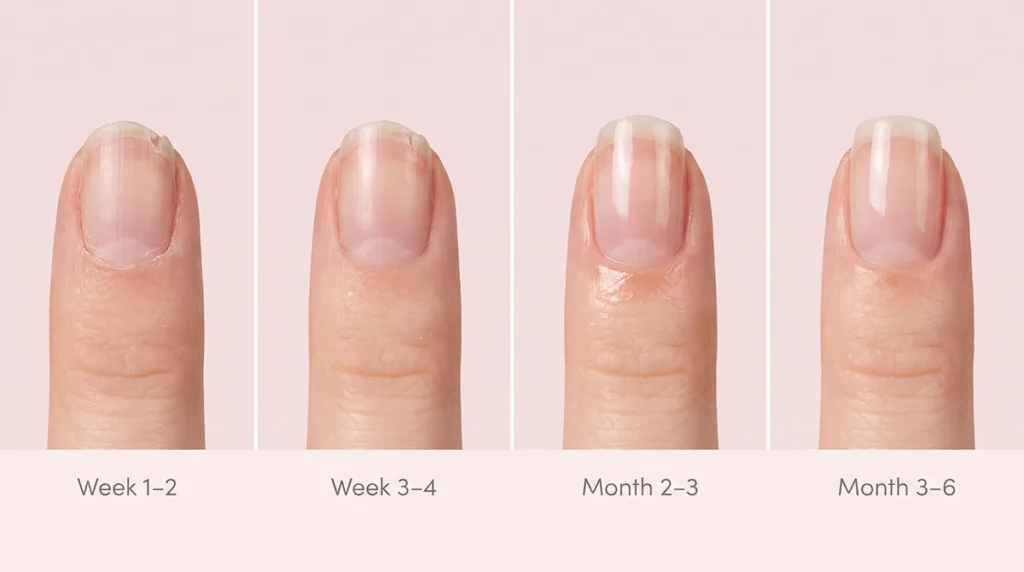
Week two is when most people quit. That’s the worst time to stop — new growth is already coming in stronger at the base.
Frequently Asked Questions
1. How do I make my nails stronger naturally at home?
Follow all 9 steps: eat for biotin, zinc, and protein, massage cuticle oil nightly, do a weekly warm oil soak, file in one direction with a glass file, wear rubber gloves during chores, take a polish break monthly, soak with ACV, apply vitamin E oil, and stop using nails as tools.
2. Which oil is best for strengthening nails?
Jojoba oil absorbs most efficiently and most closely mimics the nail’s natural moisture barrier. Argan oil and vitamin E oil are strong alternatives. Use any of these nightly before bed for the best results.
3. How long does it take to see stronger nails?
Most people notice improvement within 3 to 4 weeks. Full nail renewal takes 3 to 6 months. No single remedy does it all. The routine is what works.
4. Does drinking more water help nails?
Yes. Dehydration affects nail cell production throughout the body. Aim for at least 8 cups of water daily. Your nails will show the difference within a few weeks.
5. Can diet alone fix brittle nails?
Diet gets at the root cause, but it’s slow. Pair it with the topical steps here and you’ll see results weeks earlier.
Conclusion
There is no single product that fixes brittle nails. What works is building a nail care routine at home and doing several small things right, consistently. Feed your nails the nutrients they need. Treat them with oil every night. Protect them from water and chemicals during the day. Give them a break from gel once a month. The steps build on each other — slowly at first, then noticeably.
Start tonight with Step 2. A five-minute cuticle oil massage before bed costs nothing and puts the whole routine in motion. Your nails will look different within a month.
For more helpful articles related to nail care and nail designs, please visit VelvetBoard.