Best Summer Moisturizers: 10 Proven Picks for Your Skin
Your face is greasy by 10 AM. The rich moisturizer that saved you all winter now feels like a warm blanket in July heat. And switching to nothing at all makes everything worse. Summer skin plays by different rules, and most people figure that out too late.
The right best summer moisturizer for your face comes down to one thing: your skin type. Get that match right and your skin stays hydrated, clear, and balanced no matter how high the temperature climbs. Here are 10 proven picks, organized by skin type, with the ingredient science to back everyone.
Why Your Skin Still Needs Moisturizer in Summer Heat
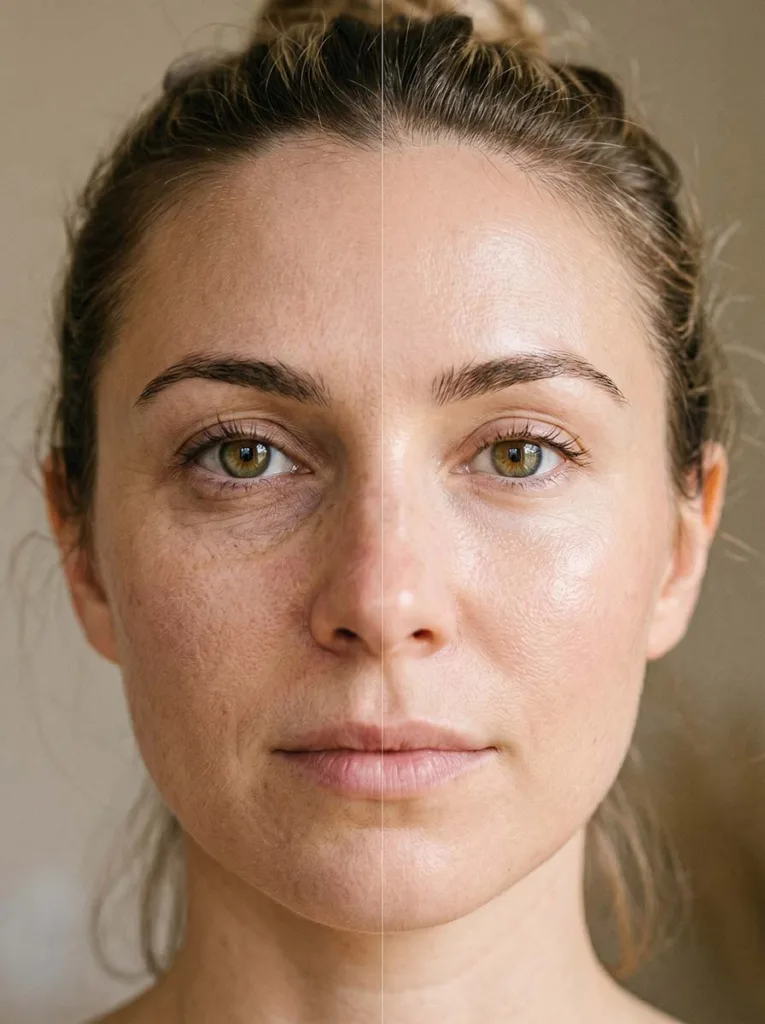
Most people think oily or sweaty skin means their skin is well-hydrated. It is not. Your skin does not produce its own water. It stores and manages water through a thin protective structure called the skin barrier.
Heat puts that barrier under direct stress every single day. Skipping your moisturizer in summer does not give your skin a break. It leaves your barrier exposed and working harder than it should.
The American Academy of Dermatology (aad.org) recommends moisturizing every day year-round to maintain skin barrier function, regardless of season or skin type.
What Summer Heat Does to Your Skin Barrier
Your skin barrier is made up of skin cells, lipids, and water. It controls how much moisture stays in your skin and how much escapes into the air. In summer, a process called trans epidermal water loss (TEWL) accelerates significantly.
Your skin loses water up to 2x faster in high heat than it does in cooler months. That causes tightness, irritation, and dehydration even when the air feels humid. A lightweight moisturizer slows TEWL and keeps the barrier intact throughout the day.
Why Oily Skin Still Gets Dehydrated in Summer
Oily skin and dehydrated skin are two completely separate things. Sebum, the oil your glands produce, does not replace water. Your skin can be shiny and greasy at the surface while severely lacking water underneath.
When you skip moisturizer, your skin registers that as a threat. It responds by producing more sebum to compensate. The result is more shine, more congestion, and more breakouts by midday. A gel-based moisturizer solves both problems. It delivers water without adding any grease to the surface.
What to Look for in a Summer Moisturizer
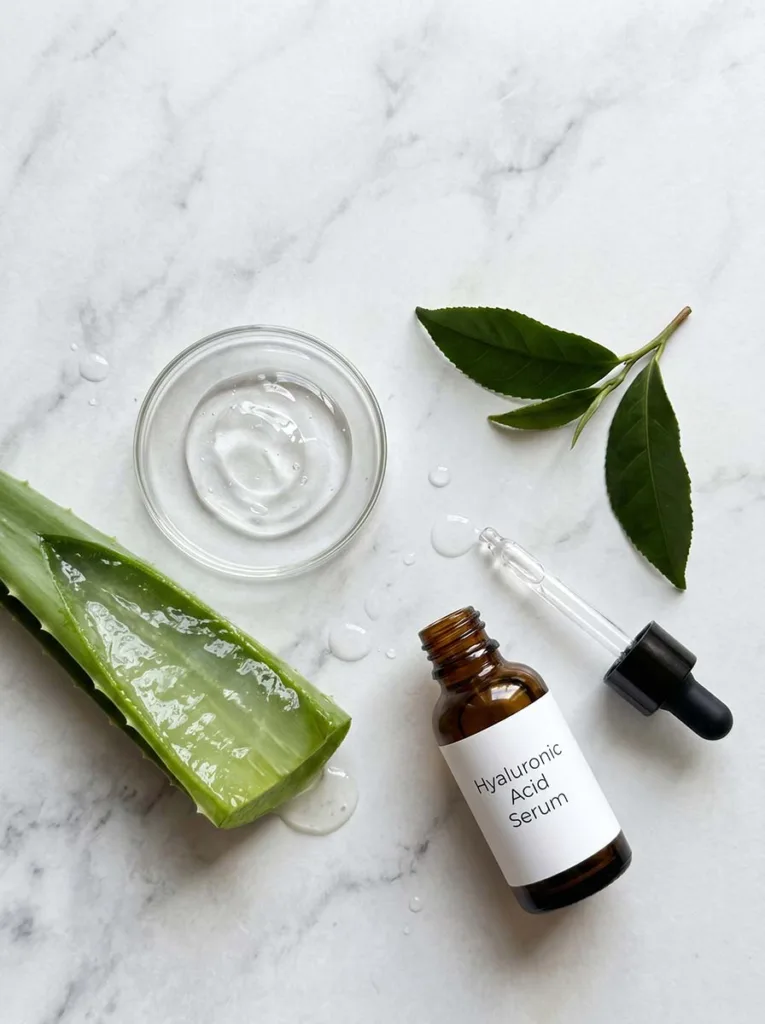
Choosing the wrong formula in summer causes more problems than it solves. A heavy cream that worked in February traps heat, clogs pores, and turns your face into a grease pan by noon. Knowing which ingredients to seek out and which to skip changes your entire summer skin experience. The lists below are short and direct — no filler.
Ingredients That Actually Help in Hot Weather
| Ingredient | Why It Works in Summer |
| Hyaluronic Acid | Humectant — pulls water into skin from the environment. Holds up to 1,000x its weight in water. Completely weightless. |
| Niacinamide | Regulates sebum production, minimizes pore appearance, and calms redness triggered by heat and sweat. |
| Ceramides | Rebuild the skin barrier lipids broken down by UV exposure, sweat, and frequent cleansing. |
| Glycerin | Affordable, gentle humectant found in nearly every well-formulated moisturizer. Draws moisture into skin. |
| Aloe Vera | Cools on contact, calms redness, and hydrates without adding any weight. Ideal for reactive summer skin. |
| Green Tea Extract | Antioxidant that fights free radical damage caused by UV exposure throughout the day. |
Ingredients to Skip When It Gets Hot
| Ingredient | Why to Avoid in Summer |
| Coconut Oil | Comedogenic rating of 4 out of 5. Clogs pores fast in warm, humid conditions. |
| Petrolatum / Petroleum Jelly | Forms a seal on the skin. Useful in winter. In summer it traps heat and sweat against the surface. |
| Heavy Shea Butter | Too occlusive for most skin types in summer. Sits on top of oily skin and amplifies shine. |
| Synthetic Fragrance | Irritates sweat-sensitized skin. One of the top triggers for summer breakouts and redness. |
| Denatured Alcohol | Delivers an instant dry-down that feels good but strips the skin barrier and triggers rebound oil production within hours. |
Best Summer Moisturizers for Oily and Acne-Prone Skin
Oily and acne-prone skin needs the most precise match in summer. Go too heavy and you clog pores. Skip moisturizer entirely and your oil glands go into overdrive. A gel-based, oil-free, non-comedogenic formula is the right call. These three picks have been through sweaty weeks and come out clean.

1. Neutrogena Hydro Boost Water Gel
Best for: Oily and combination skin
Key Ingredient: Hyaluronic acid
The texture is pure gel. No cream feel, no drag, no residue. It absorbs in under 60 seconds and leaves skin looking plump and cool rather than coated. After a full week in 37°C heat, no new breakouts appeared, and midday shine was noticeably reduced. A single pump covers the whole face. Oil-free, non-comedogenic, and reliably under $20 at most drugstores. If you buy only one gel moisturizer, this is the one.
2. La Roche-Posay Toleriane Double Repair Moisturizer UV SPF 30
Best for: Oily, sensitive, and acne-prone skin
Key Ingredients: Niacinamide, ceramides, SPF 30
This one earns its place as both a morning moisturizer and a daily sun protection step. The niacinamide in the formula visibly reduces shine within two weeks of consistent use. The ceramides stabilize the skin barrier even on high-UV days. Lightweight texture. No white cast on most skin tones. Dermatologist-tested and gentle enough for daily use on reactive skin.
3. Plum Green Tea Mattifying Moisturizer
Best for: Acne-prone, oily skin
Key Ingredient: Green tea extract
If shine is your main complaint, this one addresses it directly. The mattifying finish lasts four to five hours without the tight, stripped feeling that alcohol-based mattifiers leave behind. Paraben-free and cruelty-free. It applies smoothly under sunscreen and does not pill or ball up under makeup. The price point makes it practical for daily use.
Pro Tip: Apply all three on damp skin immediately after cleansing. The surface moisture boosts absorption and extends the hydrating effect.
Best Summer Moisturizers for Dry Skin
Dry skin in summer gets overlooked. Everyone talks about oily skin flaring up when the heat hits. But air conditioning, chlorine, saltwater, and direct sun exposure strip dry skin types faster than heat does on its own.
You still want a lighter formula than winter, but you cannot go as minimal as a pure gel. These picks stay lightweight while delivering the deep hydration and barrier repair your skin actually needs.
1. CeraVe Moisturizing Lotion
Best for: Dry to normal skin, all ages
Key Ingredients: Ceramides, hyaluronic acid, glycerin
This is the lotion version of the iconic CeraVe cream, and it is the right choice for summer. Lighter consistency, faster absorption, and none of the heaviness of the original. The formula contains three essential ceramides that rebuild the skin barrier alongside hyaluronic acid for water retention and glycerin for a smooth, soft finish. Fragrance-free, non-comedogenic, and gentle enough for daily year-round use on dry or sensitive skin. Around $13 for a 12 oz bottle.
2. First Aid Beauty Ultra Repair Cream
Best for: Very dry, irritated, or eczema-prone skin
Key Ingredient: Colloidal oatmeal
Some dry skin types cannot function on a light lotion in summer. This formula is thicker but does not sit greasy. The colloidal oatmeal calms inflammation while the additional hydrators work underneath. It absorbs completely within 90 seconds in moderate humidity. Best as a night formula in peak summer heat, when your skin has time to absorb without SPF layering on top.
3. Vanicream Lite Lotion
Best for: Dry, sensitive, and allergy-prone skin
Key Ingredients: Glycerin, low-concentration white petrolatum
No fragrance. No dyes. No parabens. No lanolin. Vanicream was developed for people who react to nearly everything, and the Lite formula is specifically formulated for year-round use. It spreads easily, absorbs cleanly, and does not trigger reactions on skin that runs sensitive alongside dry. The best pick for anyone dealing with contact dermatitis, rosacea, or general skin sensitivity in summer heat.
One important note on dry skin in summer: You do not need to give up moisture. You need to swap texture, not ingredients. A lotion instead of a cream. A gel-cream instead of a heavy balm. The key actives stay the same.
Best Summer Moisturizers for Combination and Sensitive Skin
Combination skin is summer’s most complicated case. The T-zone runs oily by mid-morning while the cheeks stay dry or normal. Most moisturizers handle one zone and ignore the other. Sensitive skin adds a separate challenge: summer heat, sweat, and sun exposure can trigger redness, flushing, and reactions to ingredients that caused no issues all winter.
For Combination Skin:
1. Clinique Moisture Surge 100H Auto-Replenishing Hydrator
Best for: Combination skin
Key Ingredients: Aloe bioferment, hyaluronic acid
The gel-cream consistency is what makes this work for combination skin. It delivers serious hydration to dry zones without adding weight to the oily ones. The formula is clinically tested to maintain hydration for 100 hours. Apply a slightly thicker layer on your cheeks and a lighter touch on the T-zone. The result is balanced skin throughout the day rather than a two-zone battleground.
2. Belif The True Cream Aqua Bomb
Best for: Combination skin, all climates
Key Ingredients: Oat extract, European herbs
One of the most satisfying application experiences in the mid-range price bracket. The aqua-gel texture bursts on contact and absorbs instantly. Genuinely cooling on contact. Zero residue. It performs well in both dry-heat summers and humid-heat summers, which makes it a reliable year-round pick for combination skin.
For Sensitive Skin:
3. Aveeno Calm + Restore Oat Gel Moisturizer
Best for: Sensitive, reactive, and redness-prone skin
Key Ingredients: Colloidal oatmeal, feverfew extract
Fragrance-free, hypoallergenic, and clinically tested on sensitive skin specifically. The oat gel calms visible redness while hydrating at the same time. Absorbs fast with no tacky finish. It does not aggravate heat-related redness the way heavier creams can. One of the most consistently recommended picks for skin that reacts easily in summer conditions.
Best Summer Moisturizers With SPF
The American Academy of Dermatology is clear on this: SPF 30 minimum, every day, not only on beach days. UV exposure happens through windows, during your commute, and on every overcast morning. A moisturizer with SPF removes one step from your routine, which makes daily consistency easier for most people.
One honest caveat: most people apply far less product than the amount used in clinical SPF testing. For prolonged outdoor time, layer a dedicated SPF 30 or SPF 50 on top of your moisturizer for full broad-spectrum coverage. For a normal city day, a quality SPF moisturizer is enough.
1. EltaMD UV Clear Broad-Spectrum SPF 46
Best for: Oily, acne-prone, and sensitive skin
Key Ingredients: Niacinamide, zinc oxide
A mineral-based SPF with niacinamide — it treats while it protects. Widely recommended by board-certified dermatologists for acne-prone skin. No white cast on most skin tones. The oil-free formula doubles as a primer.
2. La Roche-Posay Toleriane Double Repair UV SPF 30
Best for: All skin types, daily use
Key Ingredients: Ceramides, niacinamide, SPF 30
A dual-purpose moisturizer and SPF in one ceramide-rich, lightweight formula. Ideal for anyone who wants to simplify their morning routine without sacrificing skin care.
3. Neutrogena Hydro Boost Hydrating Gel-Lotion SPF 30
Best for: Oily and combination skin
Key Ingredients: Hyaluronic acid, SPF 30
The same trusted Hydro Boost formula with added broad-spectrum SPF. A strong drugstore option that matches premium SPF moisturizers in feel and finish.
Best Drugstore Summer Moisturizers Under $15
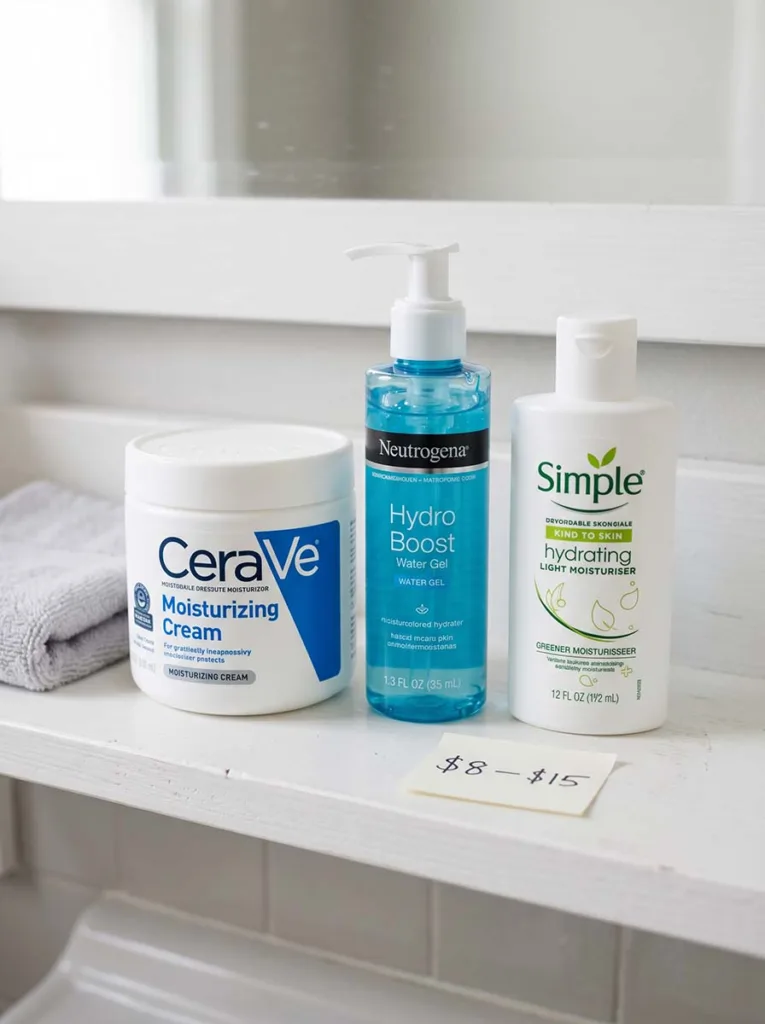
The best summer moisturizer does not require a high price tag to perform. Three of the most consistently recommended picks — by dermatologists and long-term users alike — cost under $15 at any drugstore. These are not compromise buys. They use the same active ingredients as moisturizers priced three times higher.
1. CeraVe Moisturizing Cream — approx. $13
Best for: All skin types, especially dry and normal
Three ceramides plus hyaluronic acid plus glycerin in one fragrance-free, non-comedogenic formula. Developed with dermatologists. A 12 oz tub lasts three to four months with daily use. One of the most cost-effective moisturizers available anywhere in any category.
2. Neutrogena Hydro Boost Water Gel — approx. $15
Best for: Oily and combination skin
Already covered in the oily skin section, but worth naming again at this price. Hyaluronic acid gel formula, oil-free, absorbs in seconds, and holds its own against moisturizers two to three times the cost.
3. Simple Kind to Skin Hydrating Light Moisturizer — approx. $8
Best for: Sensitive and normal skin
No dyes. No synthetic fragrance. No harsh chemicals. Hydrates for 12 hours based on brand testing. A clean, no-fuss pick for anyone who wants daily hydration without an ingredient list that requires a chemistry degree.
How to Apply Your Summer Moisturizer (AM and PM)
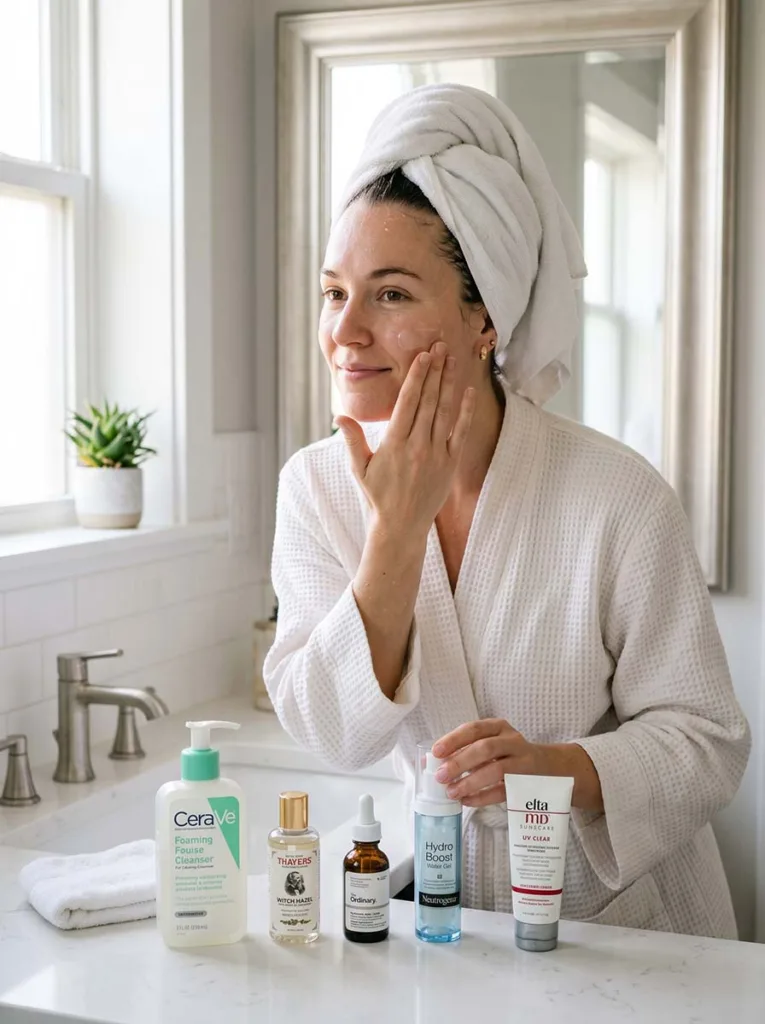
The right product applied incorrectly still underdelivers. In summer, two rules cover most of the application mistakes people make. First, apply on damp skin immediately after cleansing, while there is surface moisture to lock in. Second, give your moisturizer 2 full minutes to absorb completely before adding SPF. Layering too fast breaks down the SPF film and cuts the actual sun protection you get.
Your Morning Summer Skincare Routine
- Cleanser: Remove overnight oil and sweat buildup. A gentle, sulfate-free cleanser is enough. No harsh scrubbing.
- Hydrating Toner (optional): A toner with hyaluronic acid or niacinamide adds a light first hydration layer and balances skin before your next steps.
- Vitamin C Serum: Apply before moisturizer in the morning. Vitamin C boosts antioxidant defense against the UV-related free radical damage your skin accumulates through the day.
- Lightweight Moisturizer: Apply on damp skin. A pea-sized amount covers the full face. A gel or water-based formula absorbs in under 60 seconds.
- SPF 30 or higher: Apply last, every single morning. Rain, overcast sky, or indoors near windows. Non-negotiable.
Your Night Summer Skincare Routine
- Double Cleanse: Oil-based cleanser first, then a gentle water-based cleanser. This is the only reliable way to fully remove SPF, sunscreen, and daily environmental pollution.
- Hydrating Toner: Rehydrate the skin surface after cleansing to prepare it for actives.
- Niacinamide or Retinol Serum: Night is when skin cell turnover peaks. This is when actives have the most impact.
- Moisturizer: A slightly richer formula than your AM pick. Your skin barrier repairs while you sleep. Give it the moisture it needs to do that job properly.
- Eye Cream (optional): The under-eye area is thinner and more vulnerable to dehydration. A small amount applied with the ring finger is all it takes.
Frequently Asked Questions
1. Should I use moisturizer every day in summer?
Yes. Your skin loses moisture faster in summer heat due to accelerated TEWL. A lightweight moisturizer maintains your skin barrier, prevents dehydration, and stops the oil overproduction that happens when your skin senses it is water-depleted.
2. What type of moisturizer is best for summer?
Gel-based and water-based formulas work best in summer. They absorb quickly, sit light on skin, and do not clog pores. Look for hyaluronic acid, niacinamide, or aloe vera as the lead ingredients.
3. Can I use a moisturizer with SPF in summer?
Yes, but the amount you apply matters. Most people apply far less SPF moisturizer than the tested amount used to achieve the stated protection level. For prolonged outdoor time, layer a dedicated SPF 30 or higher on top of your moisturizer.
4. Is Neutrogena Hydro Boost good for summer?
Yes. The Hydro Boost Water Gel is oil-free, non-comedogenic, and built on hyaluronic acid. It is one of the most reliable lightweight moisturizers for oily and combination skin in summer heat, and the price is accessible for daily use.
5. What should I avoid in a summer moisturizer?
Avoid coconut oil, petrolatum, heavy shea butter, synthetic fragrance, and denatured alcohol. These ingredients either trap heat and clog pores, irritate sweat-sensitized skin, or strip and destabilize the skin barrier over time.
6. How do I moisturize without looking greasy in summer?
Apply a pea-sized amount of gel moisturizer on damp skin right after cleansing. Wait 60 seconds before applying SPF on top. If your skin runs oily, choose a mattifying formula and apply only where your skin feels dry or tight, not all over.
The Right Match Makes All the Difference
The best summer moisturizer is the one matched to your skin type and applied consistently, not the one with the most press coverage. Oily skin needs gel and niacinamide. Dry skin needs ceramides and hyaluronic acid. Sensitive skin needs fragrance-free and nothing harsh. Every single skin type needs SPF 30 minimum every morning. Start with one product from your skin type section, use it daily for two weeks, and let your skin show you what it needs next. For more skin care guides built around real results, explore the full skin care section on Velvetboard.