
Skin Cycling: The Night Routine for Healthier Skin

Skin cycling might be the simplest night routine that actually calms overworked skin. Most routines fail when people stack exfoliating acids, retinol, and vitamin C every single night. Their skin barrier pays the price.
Skin cycling fixes that by giving each active its own night. The method rotates four evenings: exfoliation, retinol, then two recovery nights, and repeats. It was popularized by board-certified dermatologist Dr. Whitney Bowe, who watched patients damage their skin by piling on product after product.
This guide breaks down the exact skin cycling schedule and the products each night needs. It also shows how to adjust the routine for your skin type. No ten-step lineup. No guessing which acid goes first. The beauty of it: you buy fewer products, not more.
What Is Skin Cycling?
This method is a night routine built around rotation instead of stacking. You use one active per evening, then give your skin two full nights of rest. The rhythm repeats every four nights.
Skin cycling is a four-night routine rotating an exfoliant, a retinoid, and two recovery nights while protecting your barrier.
Strong actives loosen the bonds between dead cells and speed cell turnover. Used daily, they also weaken the skin barrier, the lipid shield that keeps moisture in and irritants out. Redness, stinging, and flaking follow. The rotation spaces the work so the barrier rebuilds between rounds.
Who Benefits Most From This Routine?
Three groups tend to love this routine. First, beginners who feel overwhelmed by ten-step regimens and conflicting advice. The fixed rotation removes the daily guessing. Second, anyone whose skin turned red, flaky, or stingy from overusing actives. The built-in rest nights let an angry barrier settle. You keep the same ingredients, just spaced out. Third, minimalists who want results from fewer bottles. A cleanser, one exfoliant, one retinoid, one hydrating serum, and one moisturizer cover the entire loop.
It is less ideal if you need daily prescription treatment for a diagnosed condition. In that case, follow your dermatologist’s plan and treat this routine as a future option, not a replacement.
The 4-Night Skin Cycling Schedule
The classic loop runs on four nights and starts again on night five. Each evening follows the same base: gentle cleanser first, then the night’s active, then moisturizer. Here is what each night looks like.
Night 1: Exfoliation Night
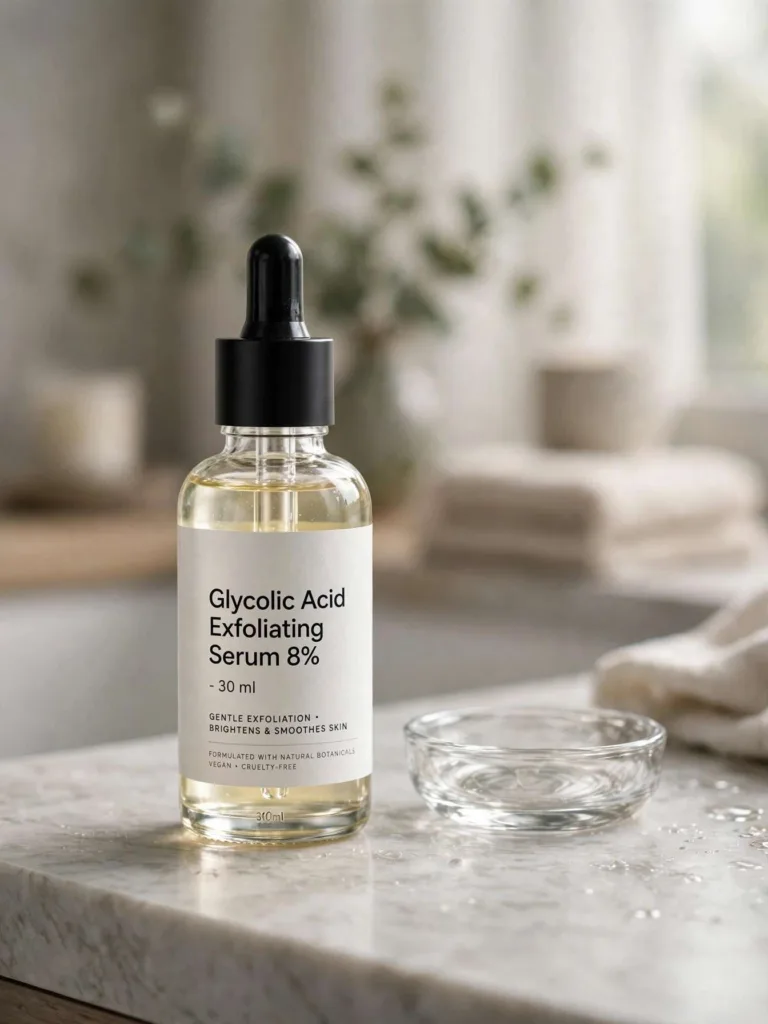
Exfoliation night clears the dead cells sitting on your skin’s surface. A chemical exfoliant works better here than a scrub: it dissolves buildup without scratching. Glycolic acid suits normal skin, salicylic acid reaches into oily pores, and lactic acid tends to be gentlest.
Apply it to clean, dry skin and stop there. Layer moisturizer on top, nothing else.
Night 2: Retinoid Night
Retinoids speed cell turnover and, over time, soften the look of fine lines. Retinol is the over-the-counter option most people start with. Prescription tretinoin is stronger, so it belongs in the same slot only with a dermatologist’s guidance.
Use a pea-sized amount on dry skin. Damp skin absorbs more product and irritates faster, so wait until your face feels fully dry. New to retinoids? The sandwich method helps: moisturizer, then retinol, then moisturizer again. It buffers the active without blocking it. The American Academy of Dermatology explains the difference between retinoids and retinol in its guide for beginners.

Nights 3 and 4: Recovery Nights
Recovery nights are the quiet engine of the whole routine. No acids, no retinoids, no harsh actives. The job is hydration and repair.
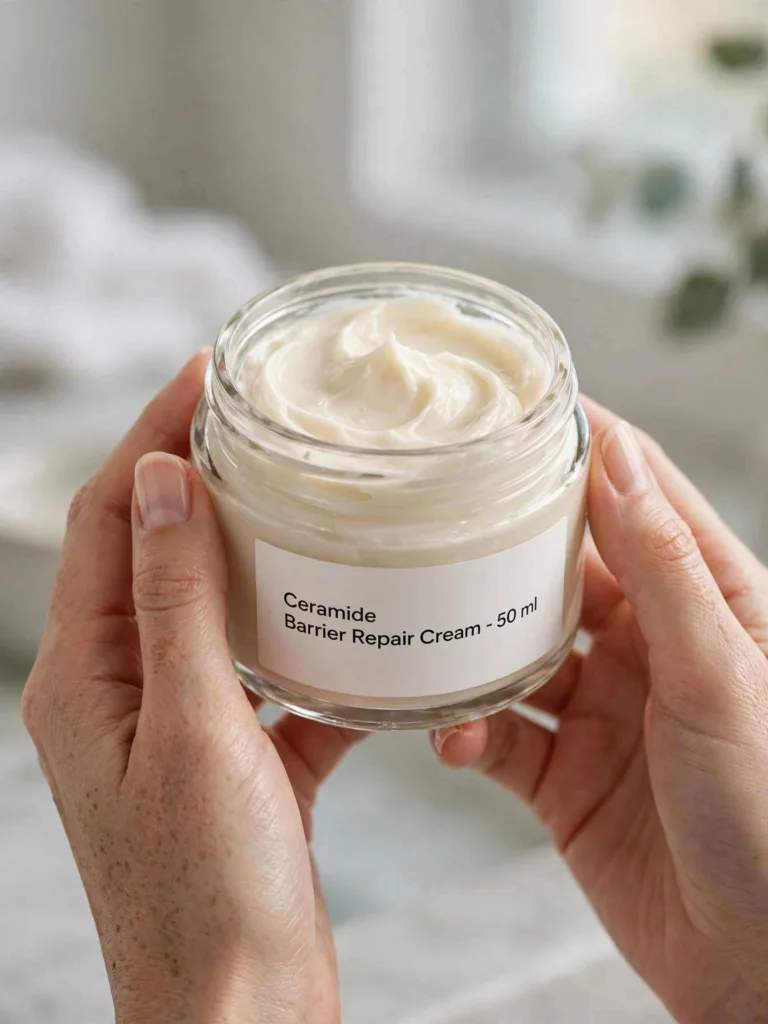
Reach for a gentle cleanser, a hydrating serum with hyaluronic acid or glycerin, and a moisturizer rich in ceramides. Niacinamide and peptides also fit here; they support the barrier without asking anything of it. Dr. Bowe calls the approach “being thoughtful and deliberate about your skincare routine” instead of piling products on.
Recovery nights matter most when the air is dry. Indoor heating and cold wind both pull moisture from skin faster. For seasonal tweaks, see our winter skincare routine guide.
How to Adjust the Cycle to Your Skin
The four-night rhythm is a starting point, not a law. Your skin type decides how many recovery nights you actually need. Adjust the gaps, not the order.
Sensitive Skin: Add Recovery Nights
Sensitive skin does best with a longer loop: exfoliation, retinoid, then three or four recovery nights. That gives the barrier extra time to settle between actives. Start with low-strength formulas and one change at a time.
Oily or Acne-Prone Skin: Shorten the Loop
Oily skin often tolerates a three-night loop: exfoliate, retinoid, and one recovery night. Salicylic acid is the usual pick for night one because it dissolves oil inside pores. Watch for tightness anyway; oiliness does not equal toughness.
Match Your Skin Type to a Schedule
| Skin Type | Nights per Cycle | Why It Works |
|---|---|---|
| Sensitive or reactive | 5-6 | More recovery time between actives |
| Normal or combination | 4 | The classic, balanced rhythm |
| Oily or resilient | 3-4 | Actives tolerated more often |
Pick the Right Product for Each Night
Each night needs only one star product. Night one: a chemical exfoliant matched to your skin. Night two: a retinoid at a strength your skin already tolerates. Recovery nights: fragrance-free hydrators with ceramides, hyaluronic acid, or glycerin.
Keep formulas simple. If an ingredient list reads like a chemistry exam, your barrier will feel like one too. You need four or five products total, not ten, which keeps the budget in check. Beginners should start at the gentlest strength available for each active and move up only after two calm cycles. Patience here saves you from the irritation-restart loop that wastes both time and product.
| Night | Product Type | What to Look For |
|---|---|---|
| Night 1 | Chemical exfoliant | AHA for normal skin, BHA for oily skin, lactic acid for dry or sensitive skin |
| Night 2 | Retinoid | Lowest-strength retinol to start; prescription options only with medical guidance |
| Nights 3-4 | Hydrator + moisturizer | Fragrance-free, with ceramides, hyaluronic acid, or glycerin |
Keep Mornings Simple and Protected
This is a night routine only. Mornings stay the same every day: cleanser, moisturizer, sunscreen. Actives make skin more sun-sensitive, so SPF is non-negotiable.
If your daytime routine needs structure, our skincare routine guide lays out the morning basics. Every morning, the AAD recommends broad-spectrum sunscreen with SPF 30 or higher as your final step. Vitamin C fits in the morning too, never layered over night-one acids. That keeps brightening without the clash.
Five Mistakes That Wreck the Routine
These five mistakes undo a good routine. Check your own evenings against them before changing anything else.
Exfoliating on Retinoid Night
Some people layer both actives for faster results. Faster is not what happens. The two together strip the barrier and invite redness that takes days to calm. One active per night is the whole point.
Applying Retinol to Damp Skin
Damp skin absorbs product faster, which sounds helpful until the stinging starts. Pat your face dry and wait a minute or two. Dry skin gives you control over the dose.
Skipping Recovery Nights
Recovery nights feel boring, so people cut them. Boring is the point. Those nights rebuild the lipid layer that makes the next active night tolerable. Skip them and irritation compounds.
Mixing Vitamin C Into the Night Lineup
Vitamin C is a morning ingredient. Adding it to an already-active night creates clashes and wasted product. Keep it with your sunscreen.
Changing Products Every Cycle
New products every week make it impossible to know what works. Give any new active at least two full cycles before judging it. Consistency beats novelty here.
When to Pause the Cycle
This approach is flexible by design, and pausing is part of using it well. If your skin starts burning or peeling in sheets, stop the actives. New breakouts in unfamiliar places are another stop signal. Switch to recovery nights only for three or four evenings: cleanser, hydrator, and moisturizer. Restart once your skin feels calm.
Travel, illness, and season changes are also good reasons to simplify. Keep the same night order but drop to the mildest versions of each product. A routine you can maintain on a bad week beats a perfect one you abandon.
How Long Until You See Results?
Texture usually looks smoother within two to three cycles. Deeper changes take longer. Softer fine lines and a more even tone often need several weeks of a steady skin cycling routine.
Purging confuses a lot of beginners. A few small breakouts after starting a retinoid can be normal. Widespread redness, burning, or peeling is not purging. That is irritation, and it means adding a recovery night.
Frequently Asked Questions
What Is the 4 Night Skin Cycling Schedule?
The standard 4 night skin cycling plan is simple. Night one exfoliates, night two applies a retinoid, and nights three and four are recovery. Then the cycle repeats.
Can Beginners Try This Routine?
Yes. Start with the mildest versions of each active and the full four-night loop. Add extra recovery nights if your skin stings or flakes. Slow starts build tolerance faster than aggressive ones.
What Products Go on Recovery Nights?
Gentle cleanser, a hydrating serum, and a rich moisturizer. Look for ceramides, hyaluronic acid, glycerin, niacinamide, or peptides. Skip every acid, retinoid, and strong active on these nights.
Is Skin Cycling Good for Acne-Prone Skin?
It can be. The spacing prevents the over-exfoliation that often makes breakouts worse. Choose salicylic acid for night one and keep recovery nights truly active-free. Persistent acne still deserves a dermatologist’s input.
Can You Exfoliate More Than Once per Cycle?
You can once your skin proves it tolerates the base loop. Oily skin types sometimes move to a three-night cycle with two active nights. Add the extra night slowly and watch for tightness.
Does It Work for Sensitive Skin?
Yes, with a longer cycle. Stretch the loop to five or six nights so recovery outweighs actives. Patch test each new product and introduce one active at a time.
This method works because it respects a simple truth: skin improves between treatments, not during them. Start with the four-night loop, match it to your skin type, and protect the routine with sunscreen every morning. Your barrier will thank you in about a month. Pick your night-one exfoliant tonight and run one full skin cycling loop before changing anything. Consistency beats intensity every time.