20 Fall Brunette Balayage Hair Looks You’ll Fall For
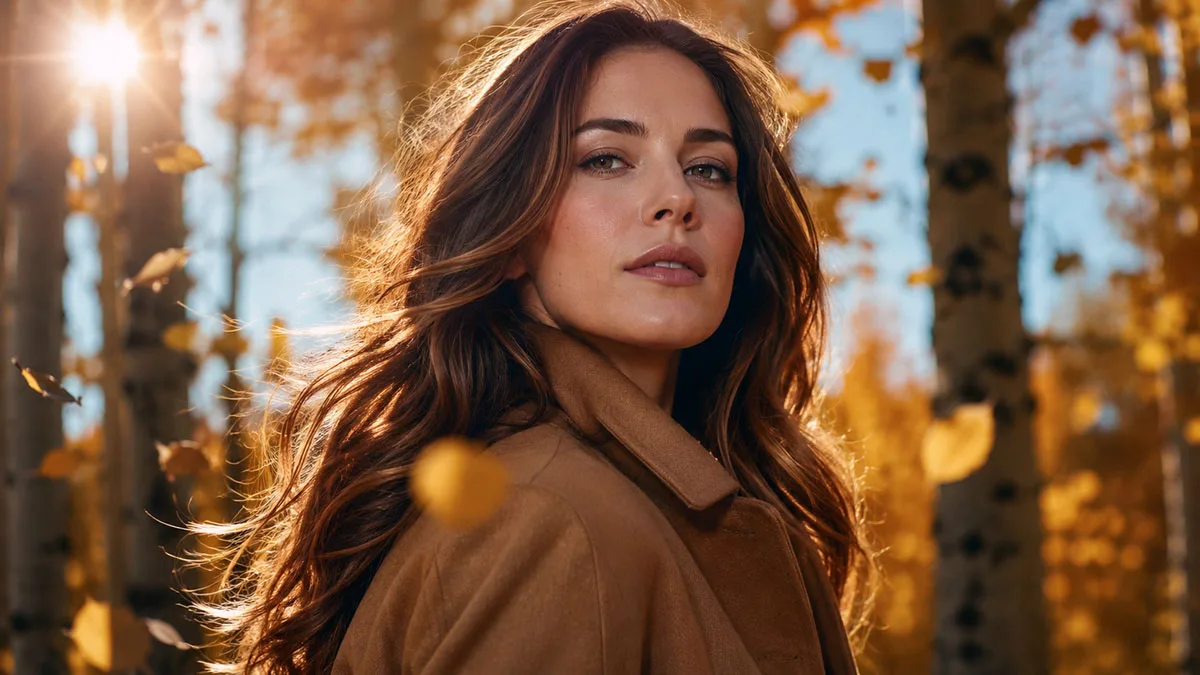
Which fall brunette balayage shade actually matches your skin tone and hair? If your Pinterest board is packed with gorgeous balayage photos, you already know the feeling. You save the pin. You still don’t book the appointment. Most saved pins never make it to the salon chair. A screenshot can’t tell you if a shade will actually suit you.
Fall brunette balayage hair turns plain brown strands into something rich, sun-kissed, and low-fuss. This hand-painted technique blends soft highlights into your natural base. Grow-out never looks harsh or lined.
Below are 20 shades worth showing your colorist this season. Each one is matched to a skin tone and hair type, not just given a pretty name. You’ll also find the exact guide colorists use to pick the right shade for you.
Quick answer: Warm skin tones suit caramel or cinnamon balayage. Cool skin tones suit espresso or mahogany. Neutral undertones can wear almost any shade. Fall brunette balayage lasts 10 to 16 weeks and typically costs $150 to $400 per visit.
What Makes Balayage Perfect for Fall Brunettes
Balayage means “to sweep” in French. That freehand sweep explains why it suits autumn hair so well. Your colorist paints lightener directly onto strands instead of using foils in rigid sections. The result looks like sunlight caught your hair. It doesn’t look like a grid of stripes.
Why Balayage Works So Well on Brunette Hair
Summer sun naturally lightens hair. Balayage picks up on that fade and blends it into something smoother and richer for cooler weather. That’s why it tops nearly every fall hair color trend list. There’s no hard line at the root either. You can stretch appointments to every 10 to 16 weeks instead of every four.
Brunette hair takes especially well to this technique, since brown bases hold warmth better than blonde ones. Uneven lightening shows up fast on blonde hair. It hides in brown hair instead. That forgiveness makes balayage a safer first color service too.
For brunettes juggling busy schedules, that gap adds up to real time and money saved. Colorists have watched “lived-in color” requests climb for years now. Balayage is usually the reason clients bring in that phrase. Clients want color that grows out gracefully, not color that demands constant upkeep.
When to Book Your Fall Balayage Appointment
Timing matters here. Many colorists book up fast in September and October, once clients start transitioning their color for fall. Booking a consultation early gives your colorist real time to work with. They can plan a formula around your natural base color instead of rushing into a same-day decision.
How to Choose Your Shade by Skin Tone
Picking the right shade of balayage for brunettes starts with your undertone, not just your current hair color. Warm, cool, and neutral undertones each pull certain browns forward and let others fall flat. A quick vein check on your wrist helps here. Green veins mean warm, blue veins mean cool, and a mix of both means neutral.
Warm Skin Tones
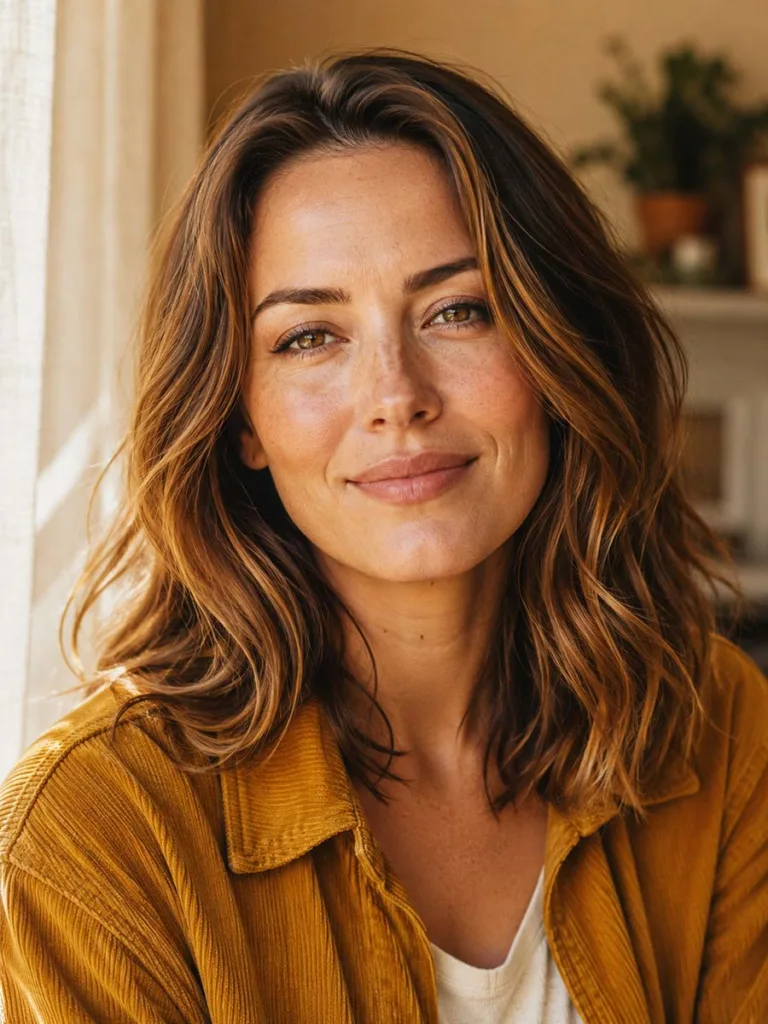
Golden and olive undertones glow next to caramel, honey brown, and cinnamon balayage. These shades echo your natural warmth instead of fighting it. Ash tones tend to backfire here. They wash out warm complexions fast and leave skin looking dull.
Cool Skin Tones
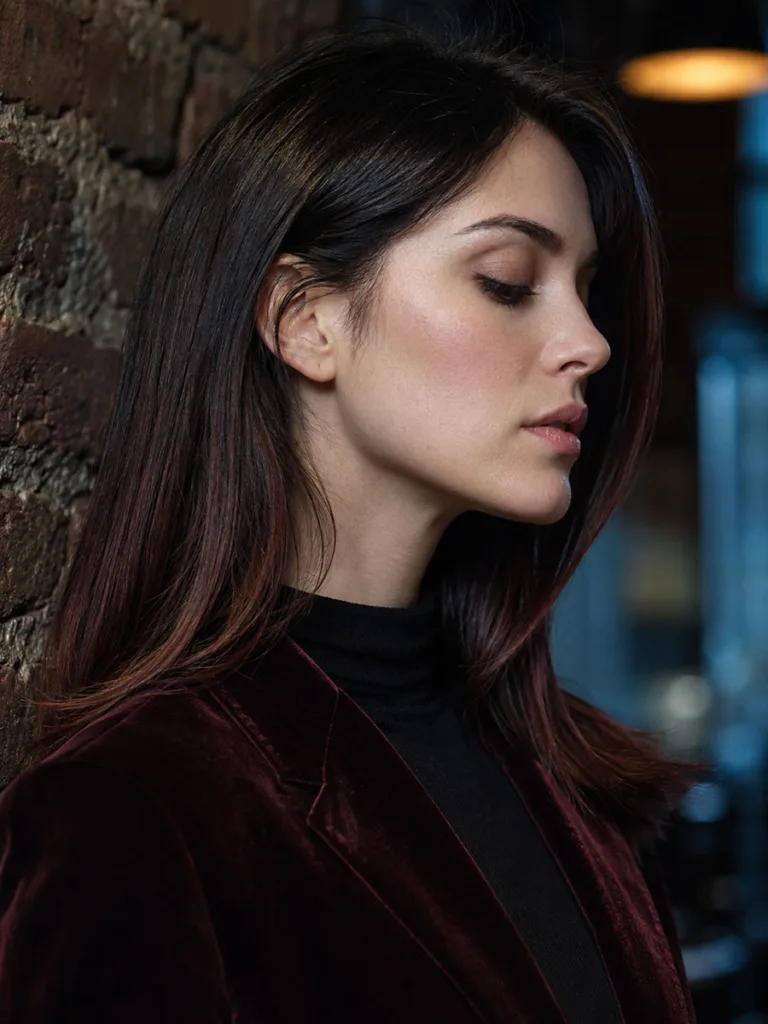
Pink and rosy undertones look best with espresso, cool chocolate, or mahogany balayage. These deeper, blue-based browns complement cool skin without clashing against it. Steer clear of overly golden highlights, which can look muddy or brassy against pink undertones.
Neutral Skin Tones
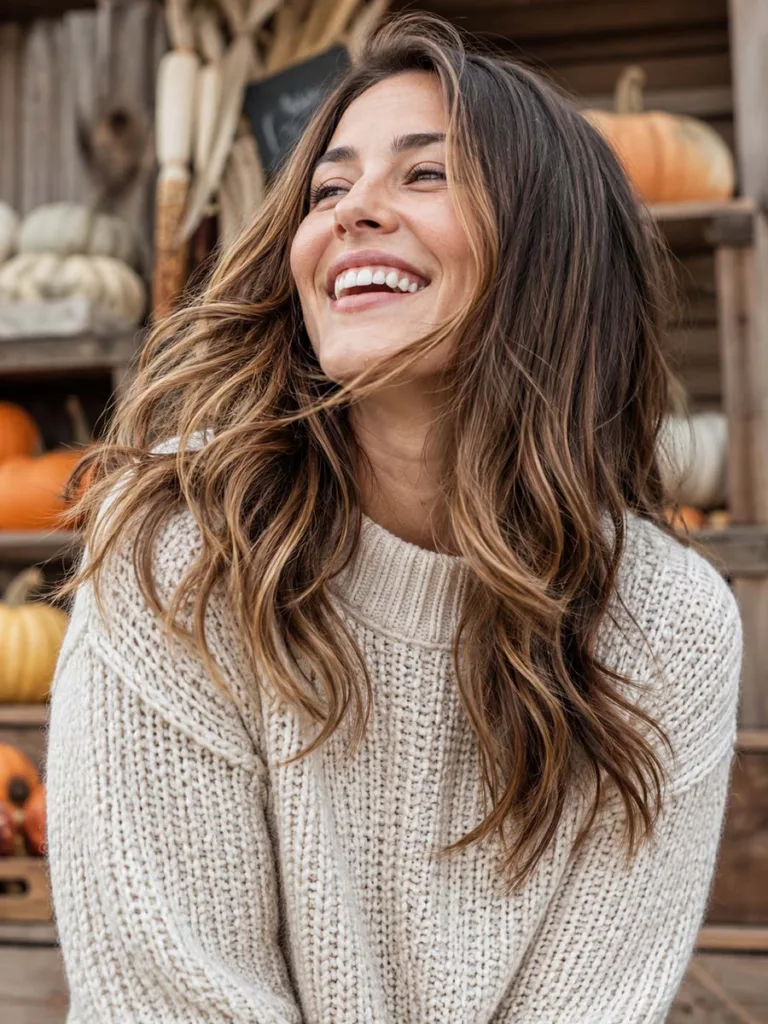
Neutral undertones can wear almost any brunette balayage shade well. Chestnut, bronde, and toffee all work, giving neutral-toned clients the most freedom to experiment this fall.
20 Fall Brunette Balayage Looks to Try
Every colorist has a favorite fall formula. These 20 looks cover the full range of balayage for brunettes, from placements to upkeep levels. Pick one based on your current shade and how much maintenance you actually want to commit to.
1. Caramel Ribbons
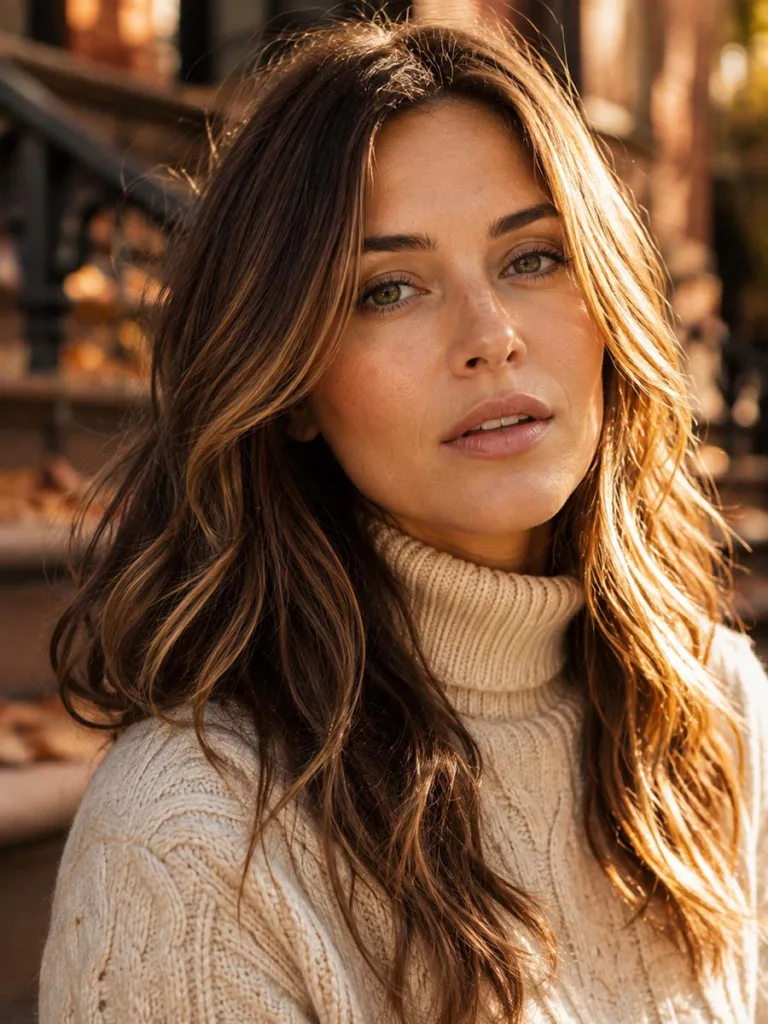
Best for: Warm undertones, medium brown bases.
Warm caramel strands get woven through a medium brown base, and the result looks like light catching honey. Ask your colorist to keep the ribbons thin and scattered instead of chunky. Thin placement ages better between appointments and grows out without a visible line. Pair it with a gloss every couple of months so the caramel tone doesn’t turn brassy.
2. Espresso Dimension
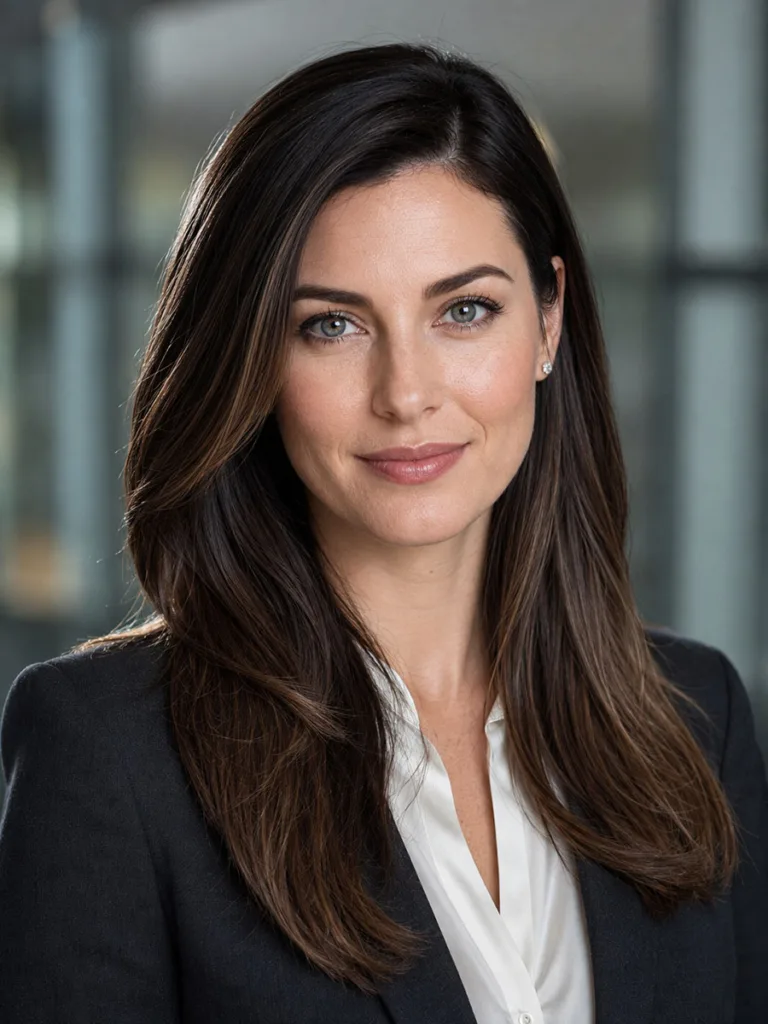
Best for: Naturally dark hair, low-key professional looks.
Deep, near-black espresso roots melt into softer brown ends for a look that reads rich rather than flat. The contrast stays subtle, which is part of why it holds up so well in professional settings. Most clients only need a gloss refresh, not a full lightening session, to keep it looking sharp. If your natural color already runs dark, this is the easiest shade on the list to maintain.
3. Chestnut Glow
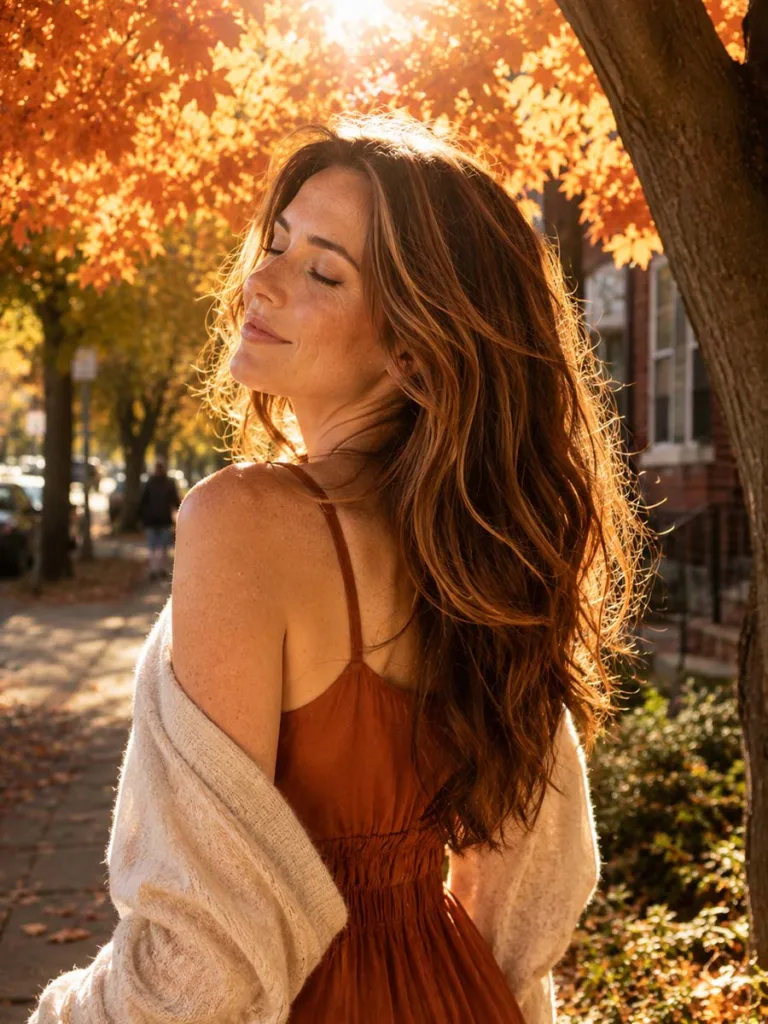
Best for: Warm undertones wanting color without full copper.
Chestnut balayage brings reddish-brown highlights that catch light like polished wood. It photographs beautifully in autumn light, which explains why it trends every September. Pair it with a gloss treatment every few months to keep the red tones from turning dull. The shade sits close enough to most natural brunette bases that regrowth barely shows.
4. Cinnamon Swirl
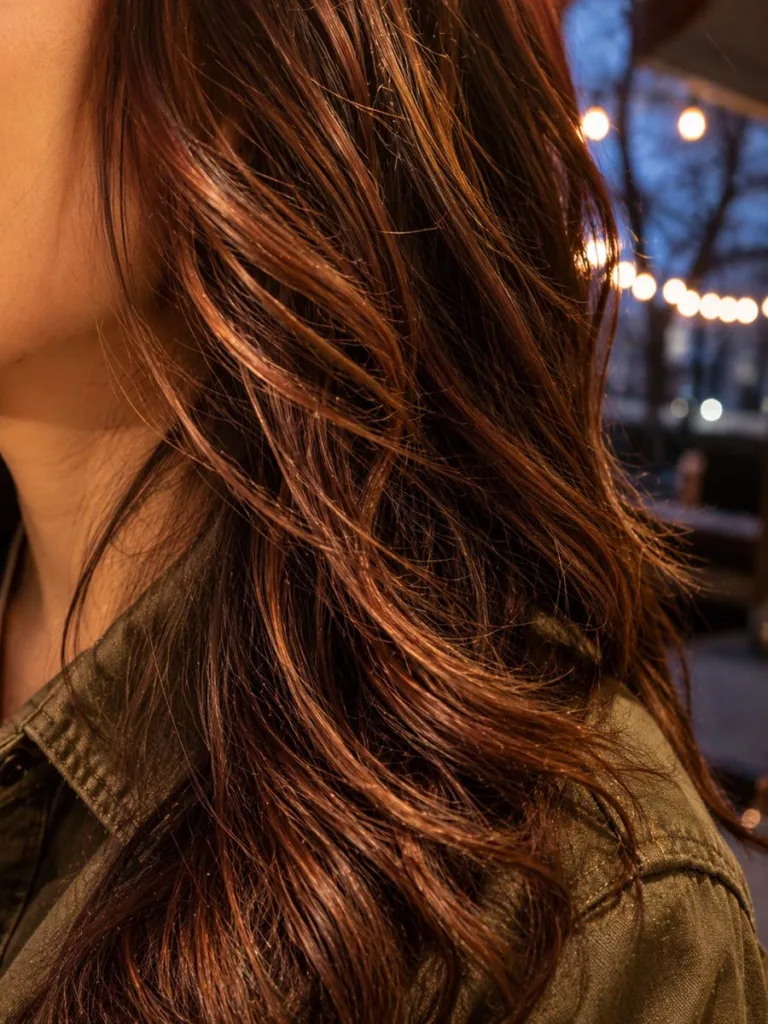
Best for: Fair to medium skin with golden undertones.
Cinnamon balayage mixes warm copper-brown pieces through a chocolate base for a shade that genuinely looks like its name. Because the copper tones fade fastest, plan on a color-depositing conditioner between salon visits. It keeps the swirl looking fresh instead of muddy. Ask for finer sections than usual, since thinner copper pieces blend more convincingly into a dark base.
5. Toffee Money Piece
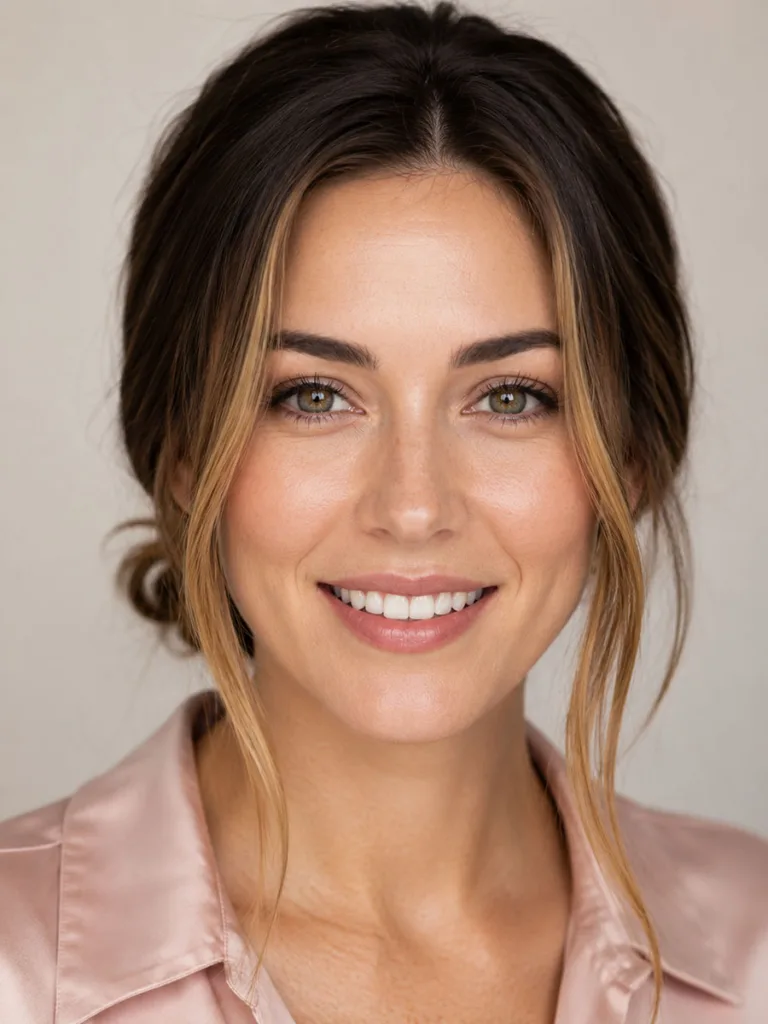
Best for: First-timers and tighter budgets.
Two face-framing toffee strands do all the work here, brightening your whole look without a full-head service. A money piece costs less and takes less time in the chair than all-over balayage. It’s the easiest way to test warm brunette tones before committing further. Most clients notice the lift in their complexion the moment they leave the chair.
6. Cool Mocha
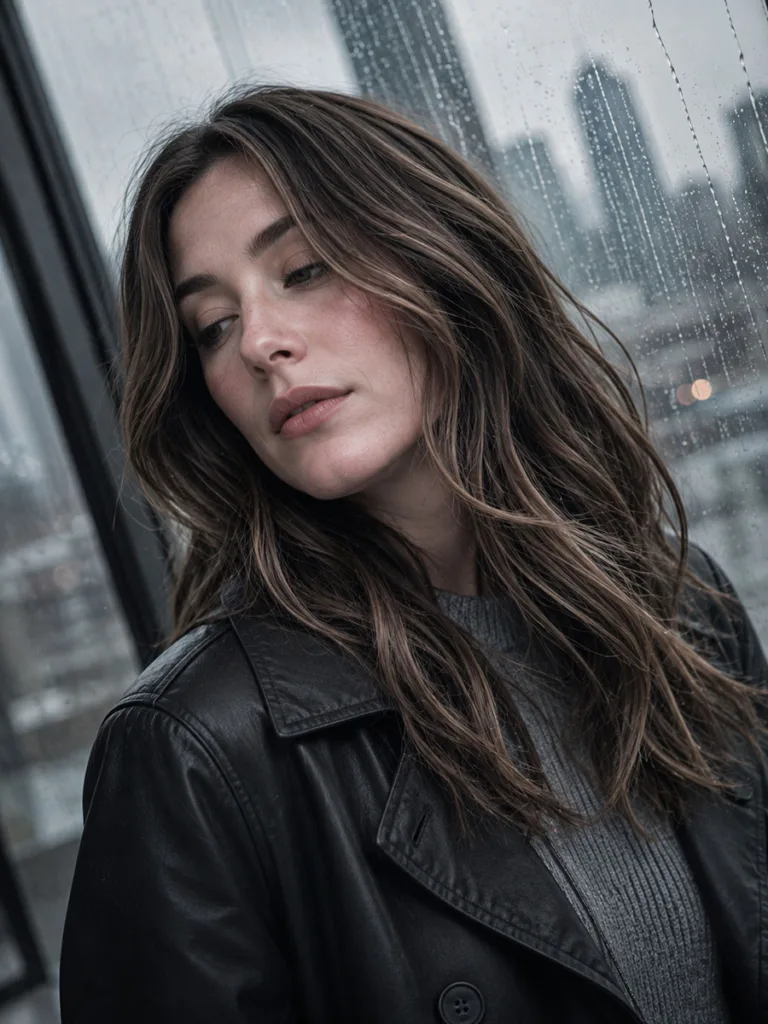
Best for: Pink or rosy undertones.
Cool mocha balayage adds ashy brown highlights that give you dimension without drifting anywhere near blonde. It hides regrowth exceptionally well, since the tones stay close to most natural brunette bases. Use a blue-toned shampoo occasionally to keep any brassiness from creeping in. It’s a good pick if warm tones have turned orange on you before.
7. Bronde Melt
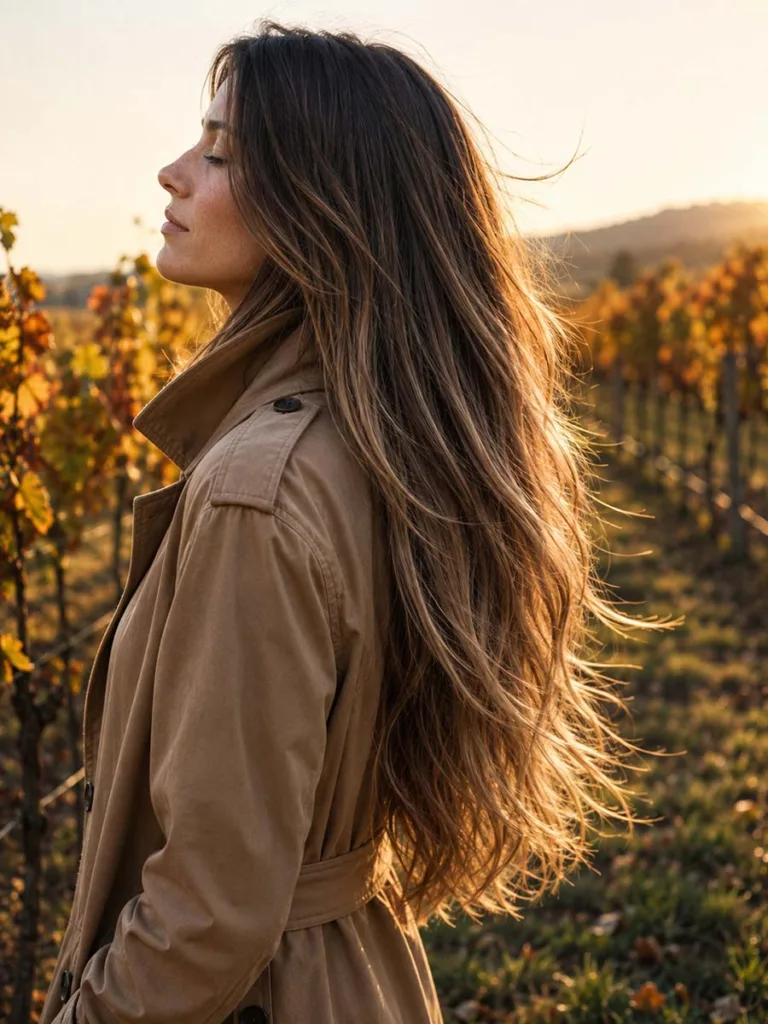
Best for: Brunettes ready for a bigger seasonal change.
Bronde sits right between brown and blonde. This look blends brown roots into lighter bronde ends with almost no visible transition. The smooth melt means fewer harsh lines as your hair grows out. Expect slightly more frequent toning than darker balayage styles, since bronde shifts tone faster than deeper browns do.
8. Honey-Kissed Brunette
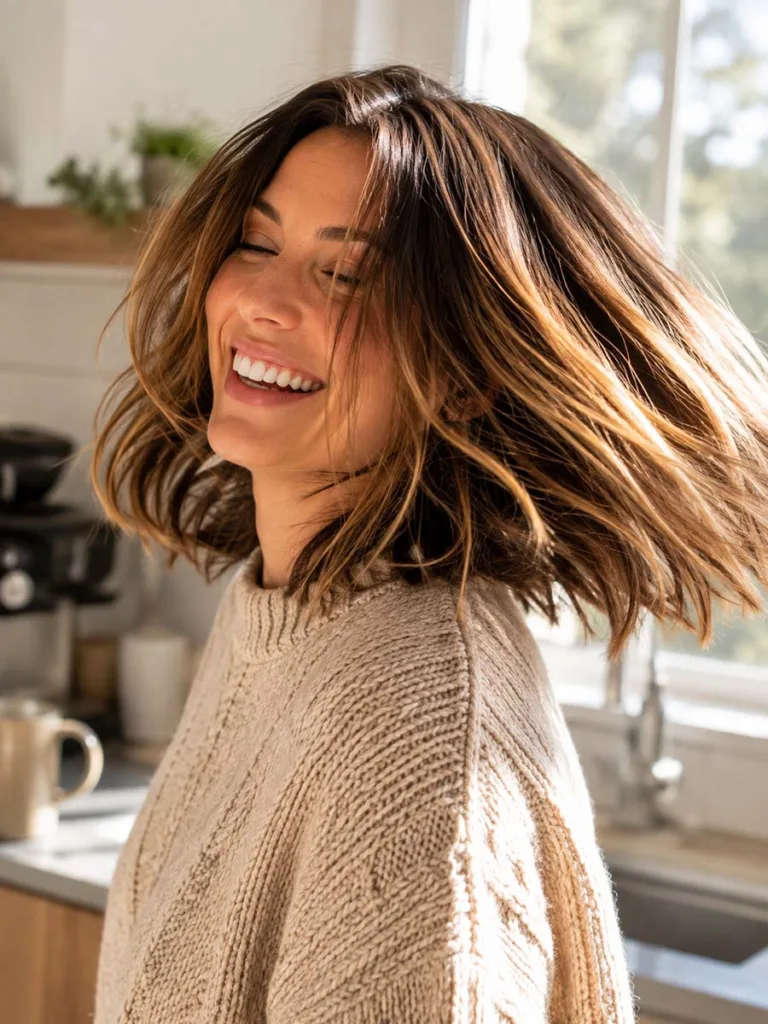
Best for: Transitioning out of summer blonde.
Golden honey tones get scattered gently through mid-length hair, giving movement without overwhelming your natural color. Keep ends hydrated, since honey tones show dryness more than deeper browns do. It’s a favorite pick for anyone easing out of a full summer blonde who still wants some brightness left. A weekly hair mask goes a long way here.
9. Mahogany Waves
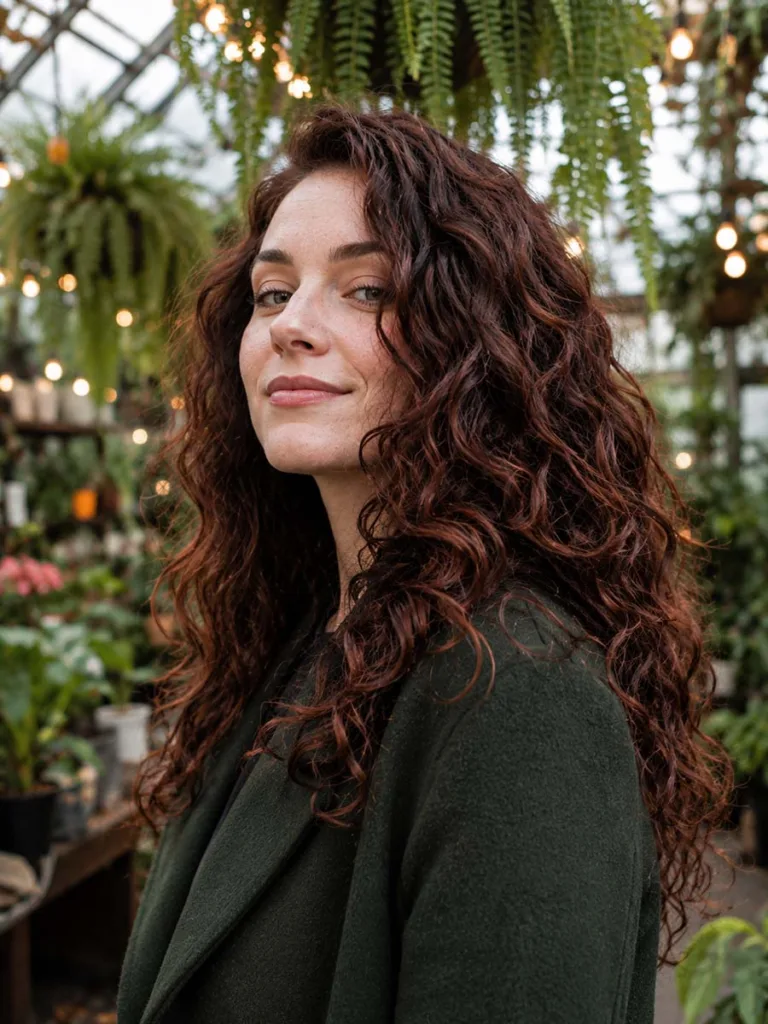
Best for: Cool undertones with curly or wavy hair.
Rich red-brown mahogany balayage pops against curly or wavy textures, since every curl catches a different shade. The reddish cast tends to fade more gracefully than lighter balayage shades do. Expect this look to hold its richness for close to the full 16-week stretch. Curl pattern actually works in its favor here, since new growth blends into the waves instead of standing out.
10. Smoky Walnut
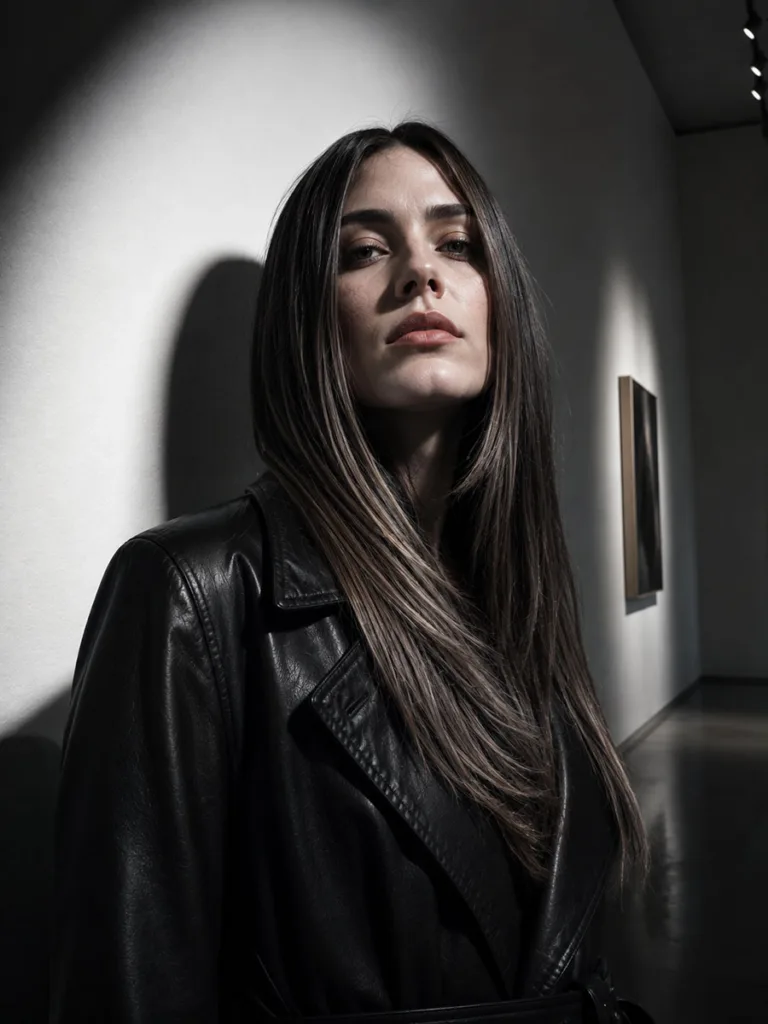
Best for: Dimension without warmth, dark natural hair.
Smoky walnut mixes in muted brown-gray highlights for a moody, editorial look. It reads more fashion-forward than typical balayage. It works especially well on naturally dark hair. There, the gray undertone reads as subtle shine, not obvious gray strands. This is a striking option if you’re bored of caramel and honey tones and want something with more edge.
11. Copper Undertones
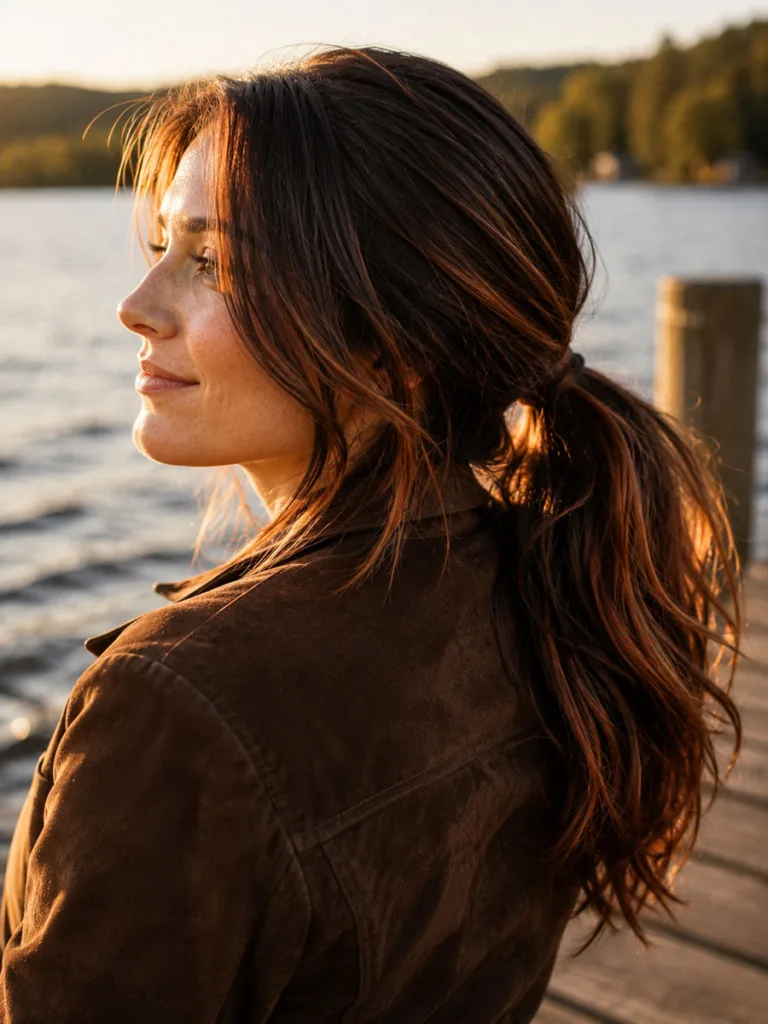
Best for: Warm undertones, medium to deep brunette hair.
Warm copper streaks peek through a dark chocolate base, giving just enough brightness to notice without a dramatic change. Because copper fades fastest of all warm tones, plan on more frequent glossing to keep it lively. Many clients pair it with a copper-toned mask at home between visits. Ask your colorist how many sessions it will take on naturally dark hair. Copper needs real lift to show up.
12. Golden Root Melt
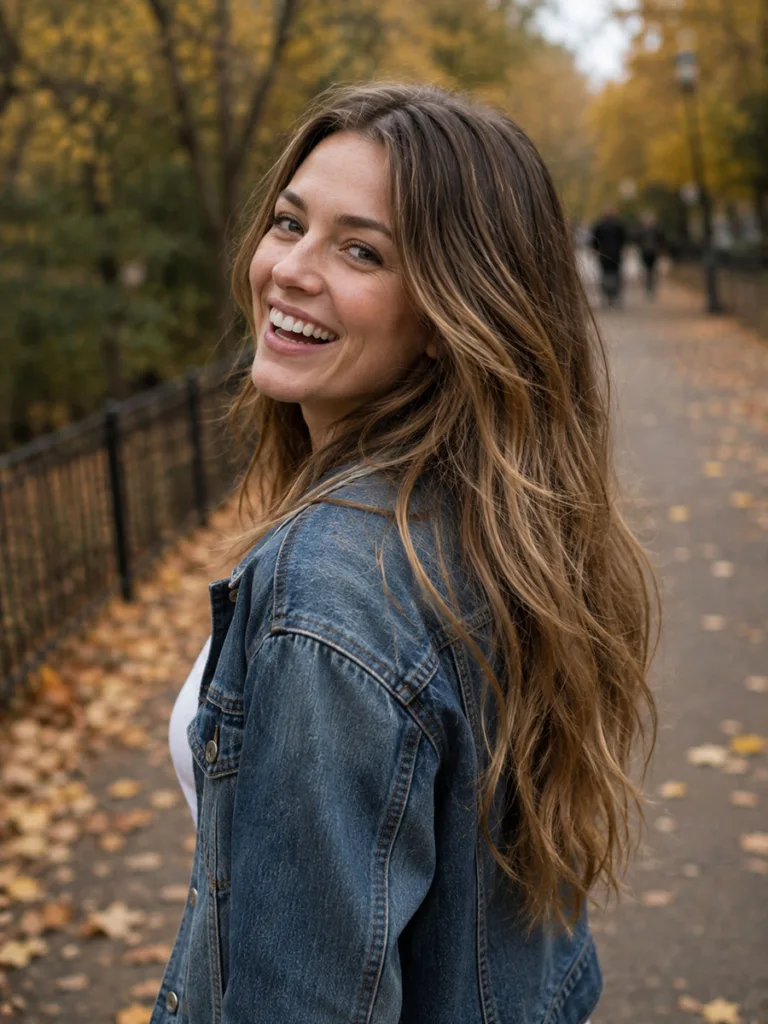
Best for: First-time balayage clients wanting low upkeep.
Soft golden highlights fade upward into your natural roots here, so the color looks sun-grown rather than salon-applied. Since the color starts subtle near the scalp, regrowth stays nearly invisible for months. It’s often the first recommendation colorists give to brand-new balayage clients. If low upkeep matters more to you than dramatic color, start here.
13. Deep Chocolate Bronde
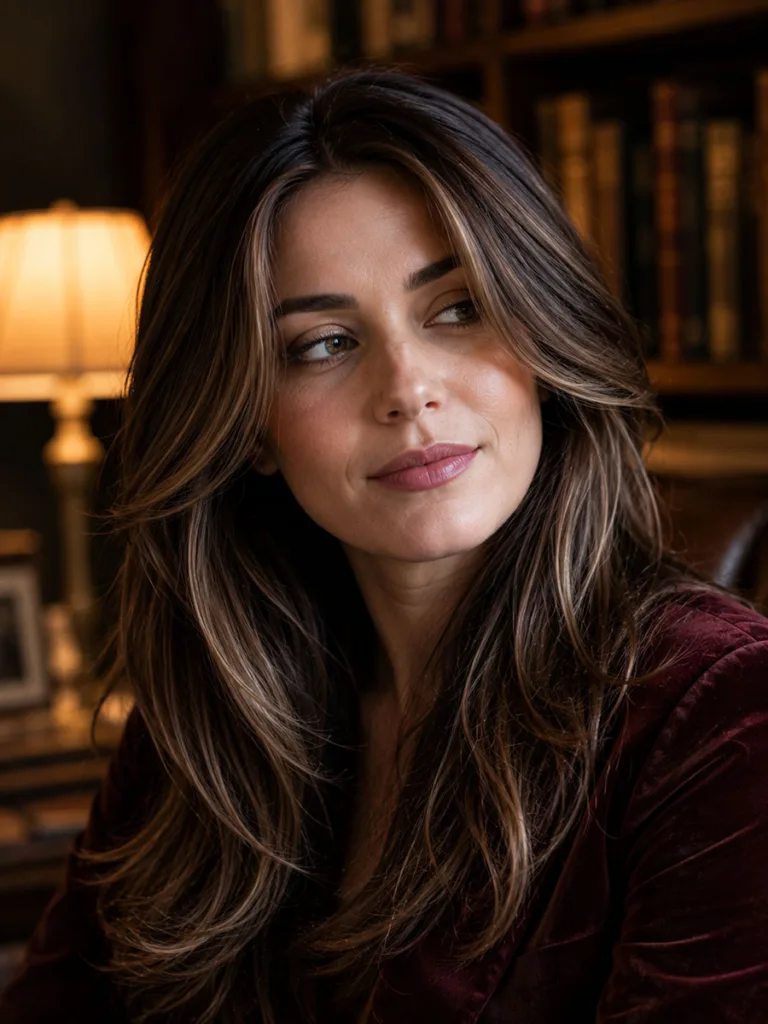
Best for: High-contrast lovers.
Deep chocolate bronde is a darker, richer take on bronde. It suits brunettes who want dimension but still want to read as brown from a distance. Highlights show up clearly up close, not from across a room. The shade also photographs well under warm indoor lighting. Expect a slightly shorter stretch between appointments than root-melt styles, since the contrast grows out faster.
14. Cider Balayage
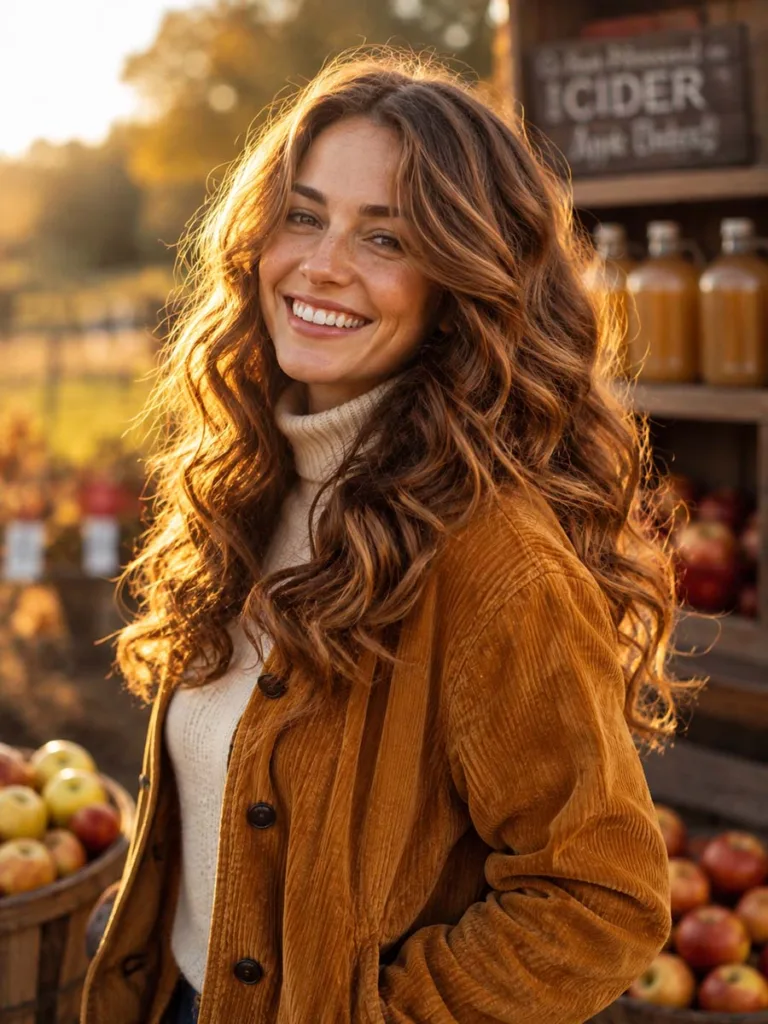
Best for: Warm undertones, lighter brown bases.
Cider balayage combines amber and apple-cider tones for a genuinely autumn-inspired palette that leans warm and golden. It’s a strong choice if you want a shade that feels seasonal without looking like a costume. Most clients refresh the tone once during the fall season to keep it crisp. Lighter brown bases pick up the cider tones fastest, so this shade often moves in a single session.
15. Low-Maintenance Lowlights
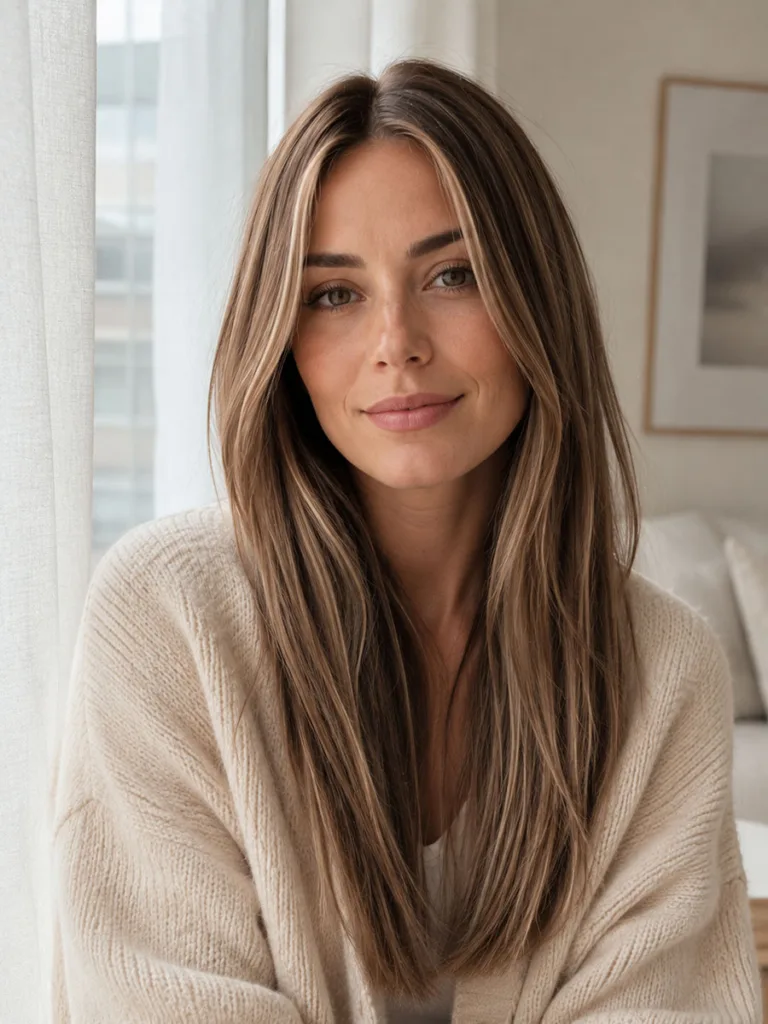
Best for: Brunettes who went too light over summer.
Instead of adding light, lowlights add subtle dark pieces to break up an already lightened or all-over color. They disguise regrowth better than highlights alone, since darker pieces blend into new growth naturally. This is a smart transitional look heading into cooler months. If you went too light over summer and want depth back without starting over, this is the fix.
16. Rich Auburn Ends
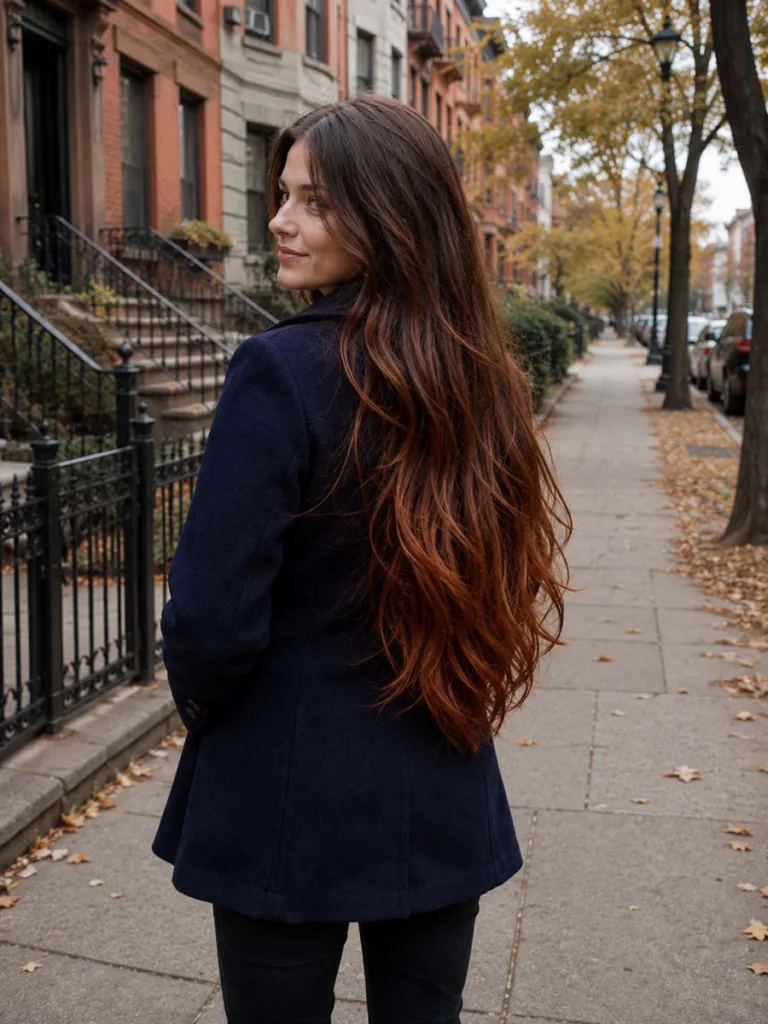
Best for: Long hair, bold color statements.
Rich auburn ends stay concentrated on the lower half of your hair. The top stays natural while the ends turn warm and reddish. This placement works for anyone who wants a bold color statement without a full-head commitment. The color grows out gracefully too, since it sits away from the root entirely. It’s a popular pick for long hair, where there’s more length to carry it.
17. Cashmere Brown
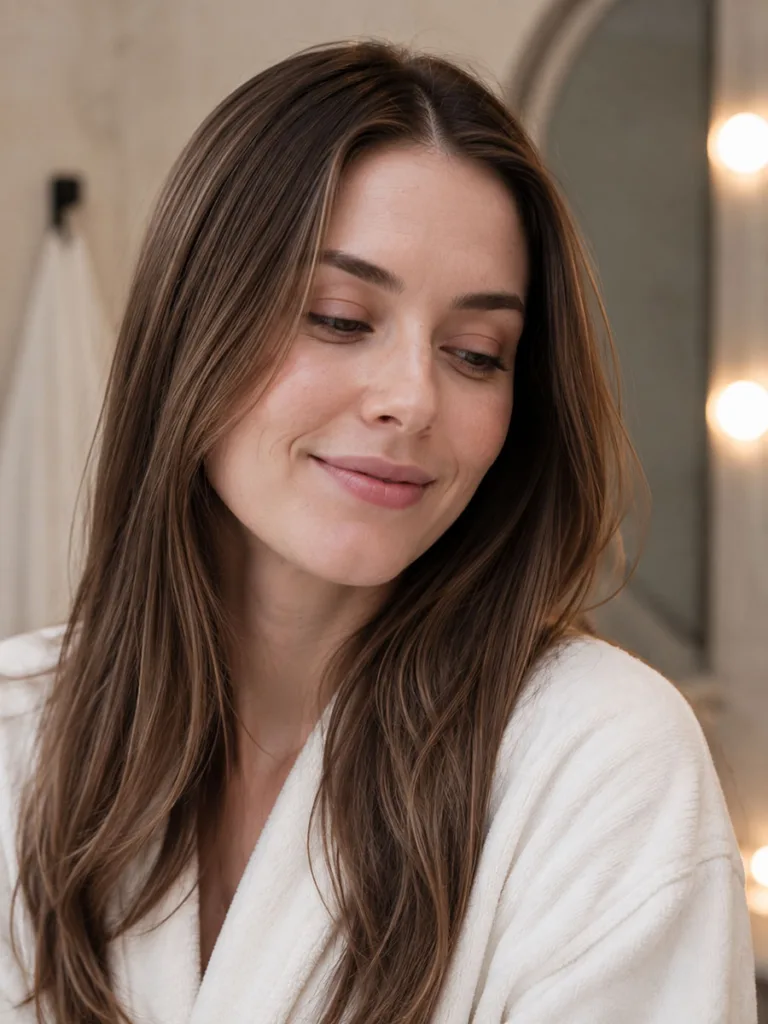
Best for: Neutral undertones wanting a natural look.
Cashmere brown uses soft, neutral highlights with almost no visible warmth or ash. It’s the closest balayage gets to a no-makeup makeup look for hair. Maintenance stays minimal, since there’s no strong tone to fade or shift. This shade rewards patience. It looks better the longer it grows out, not worse.
18. Face-Framing Caramel
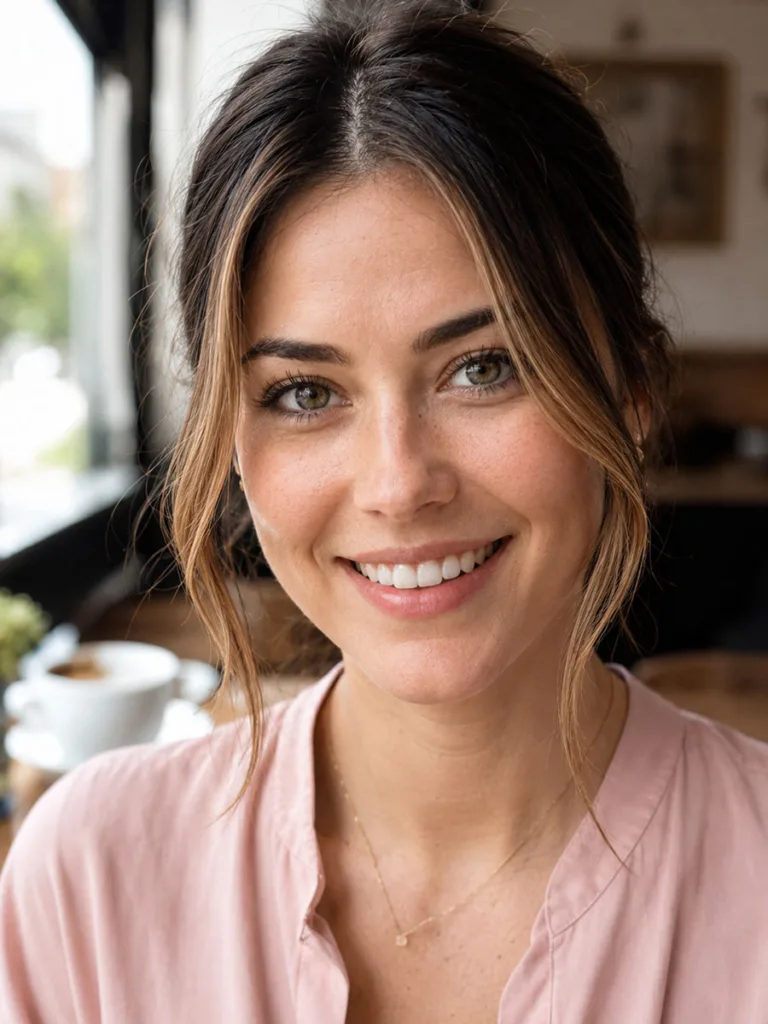
Best for: First-timers and tighter budgets.
Face-framing caramel stays focused only around the face. It gives you a subtle refresh without touching the rest of your hair. It brightens your complexion instantly, since the highlights sit closest to your skin. Touch-ups take less time and cost less than full-head applications. It’s a smart way to test balayage before deciding whether you want more.
19. Dark and Dimensional
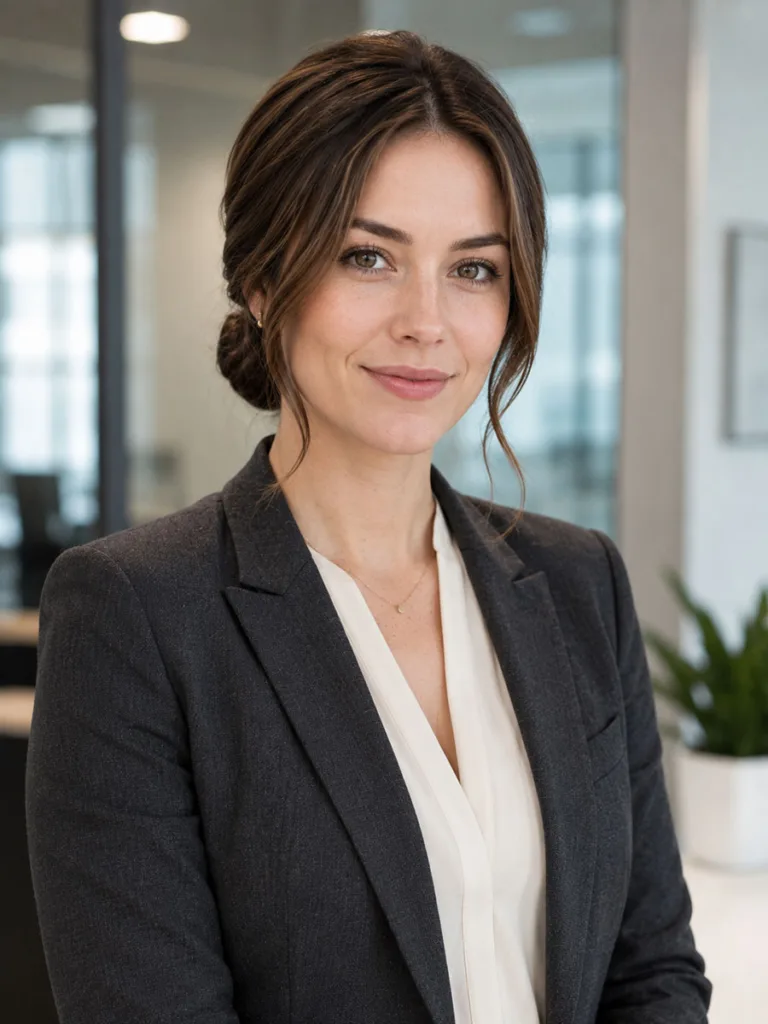
Best for: Workplaces with strict, natural-color policies.
Dark and dimensional color layers multiple brown tones close together for depth without added brightness. It still catches light, just in a more subdued way than lighter balayage styles. It’s an ideal choice for workplaces with strict, natural-looking color policies. You get the texture of balayage without anyone at the office clocking that you colored your hair at all.
20. Pumpkin Spice Balayage
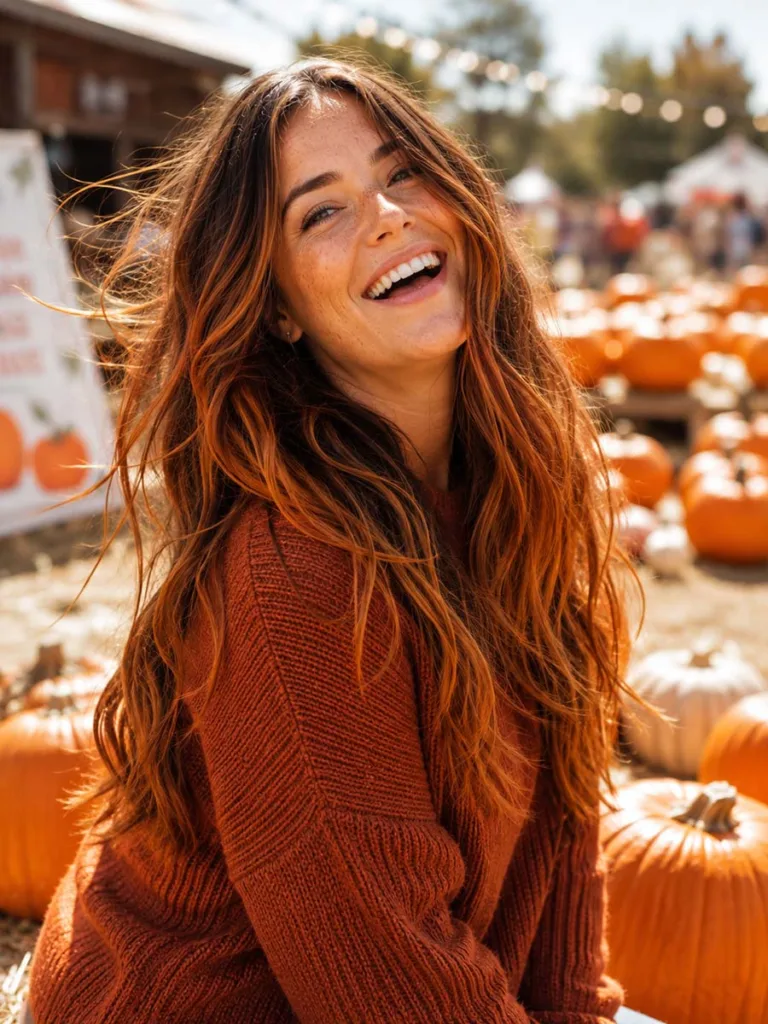
Best for: Warm undertones, medium to dark bases.
Pumpkin spice balayage brings warm orange-brown tones inspired by the season’s favorite flavor. It’s the most literal fall look on the list. It’s bold enough to notice but still rooted in brown, so it grows out without a dramatic line. This shade tends to trend hardest in early October, right as pumpkin spice everything else shows up too.
Common Mistakes to Avoid
Even a great shade can look wrong with the wrong approach. A few mistakes show up again and again in balayage regret stories. Colorist interviews from industry trade sites confirm the same patterns.
Going Too Light Too Fast
Lightening brunette hair several shades in one sitting stresses the strands. It often leaves brassy, uneven tones behind. A skilled colorist paces the process across two or three sessions if the jump is large. Rushing it rarely ends well.
Skipping the Consultation
Bringing reference photos helps, but your colorist still needs to see your natural hair in person. Its condition and any previous color history both shape the final formula. Skin tone, eye color, and lifestyle all factor into a good recommendation, not just the photo you bring in.
Choosing a Salon on Price Alone
Balayage is a skill that takes years to master. A colorist with strong before-and-after portfolios is worth the extra cost. Fixing a botched balayage job usually costs more than doing it right the first time. Cheap can get expensive fast.
Maintenance and Aftercare Tips
Balayage earns its low-maintenance reputation, but a little care keeps the color looking fresh. Skipping the right products can turn a warm brunette shade brassy within weeks.
Your At-Home Routine
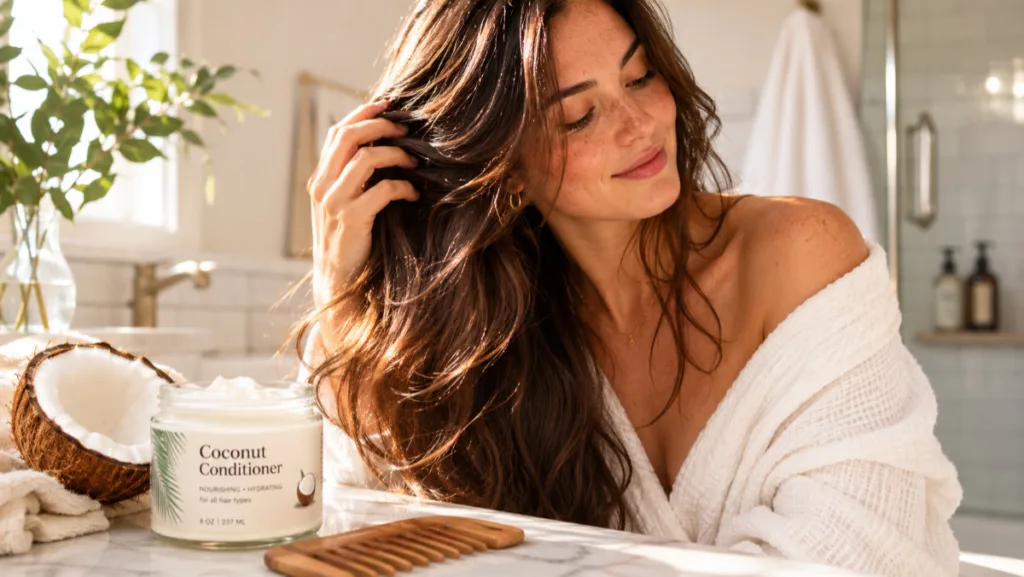
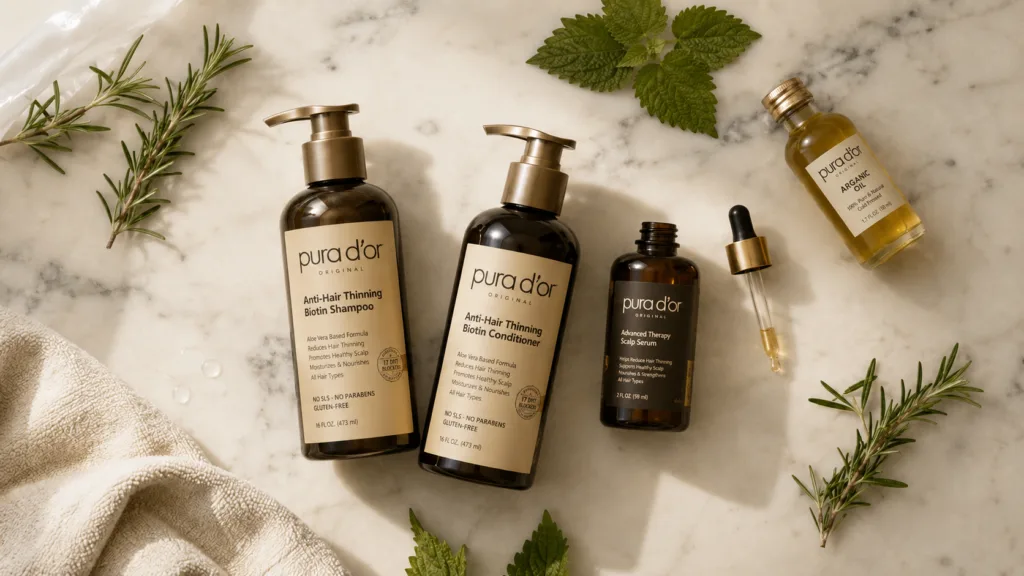
Start with a sulfate-free shampoo and conditioner, since sulfates strip color fast. Add a weekly hydrating mask to fight dryness caused by lightener. Heat styling affects longevity too. Use a heat protectant every time you reach for hot tools, and keep tools under 380°F when possible. UV exposure fades color as well, so a leave-in spray with UV filters helps protect strands outdoors.
Touch-Up Schedule and Cost
Most brunette balayage clients return every 10 to 16 weeks for a toner refresh or gloss. That service costs less than a full color appointment. Expect to pay $150 to $400 per visit for full balayage, depending on hair length, location, and salon tier.
Best Products to Maintain Your Color
The right at-home routine stretches your salon visit further and keeps tones looking clean, not brassy.
Toning Shampoo and Conditioner
A purple or blue-based shampoo neutralizes unwanted warmth in cooler brunette shades like espresso or mahogany. Use it once a week, no more. Warmer shades, like caramel or cinnamon, do better with a color-depositing conditioner that refreshes tone between visits. Look for formulas with argan oil or shea butter, since both ingredients add shine without weighing hair down.
Bond Repair and Shine Treatments
A weekly bond-repair treatment, such as one built around peptide or keratin technology, helps restore strength lost during lightening. Apply it after shampooing and before conditioner for the best absorption. Finish with a lightweight, UV-protecting hair oil on dry days. It guards color against fading sunlight, even in fall.
Balayage by Hair Length and Texture
The right placement changes depending on your hair’s length or texture. What flatters a long, straight style might disappear completely on shorter or curlier hair.
Short and Bob Length
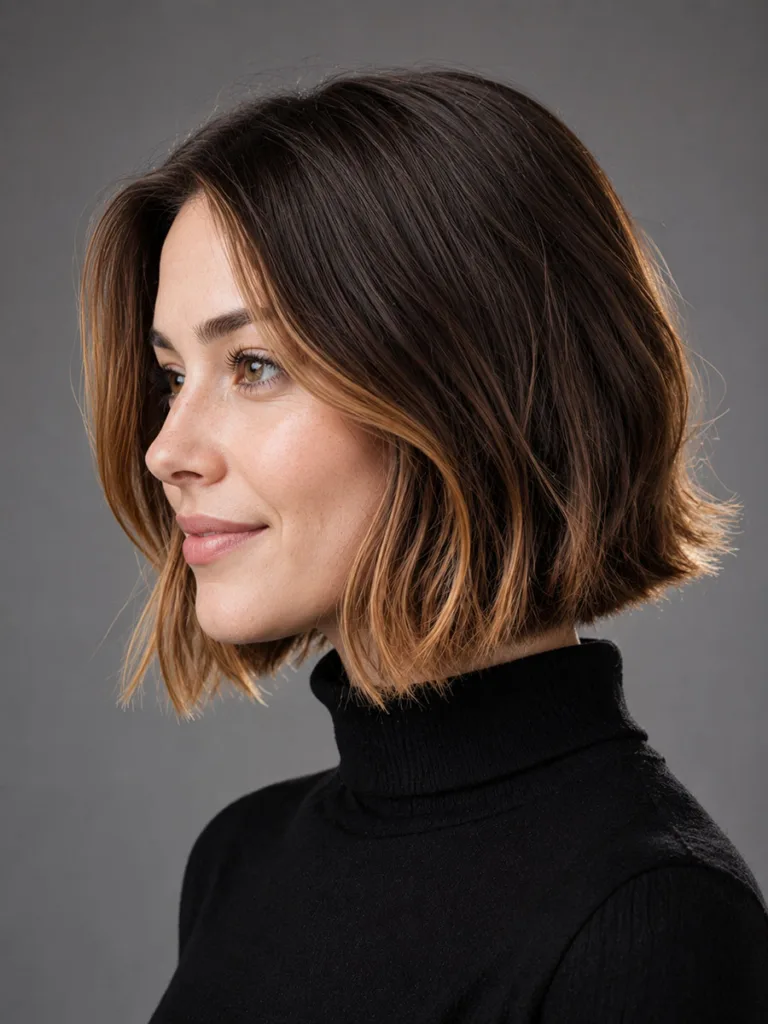
On bobs, concentrate highlights around the face and ends. Shorter hair shows less blending space, so a subtle money piece often looks more polished than all-over balayage.
Long Hair
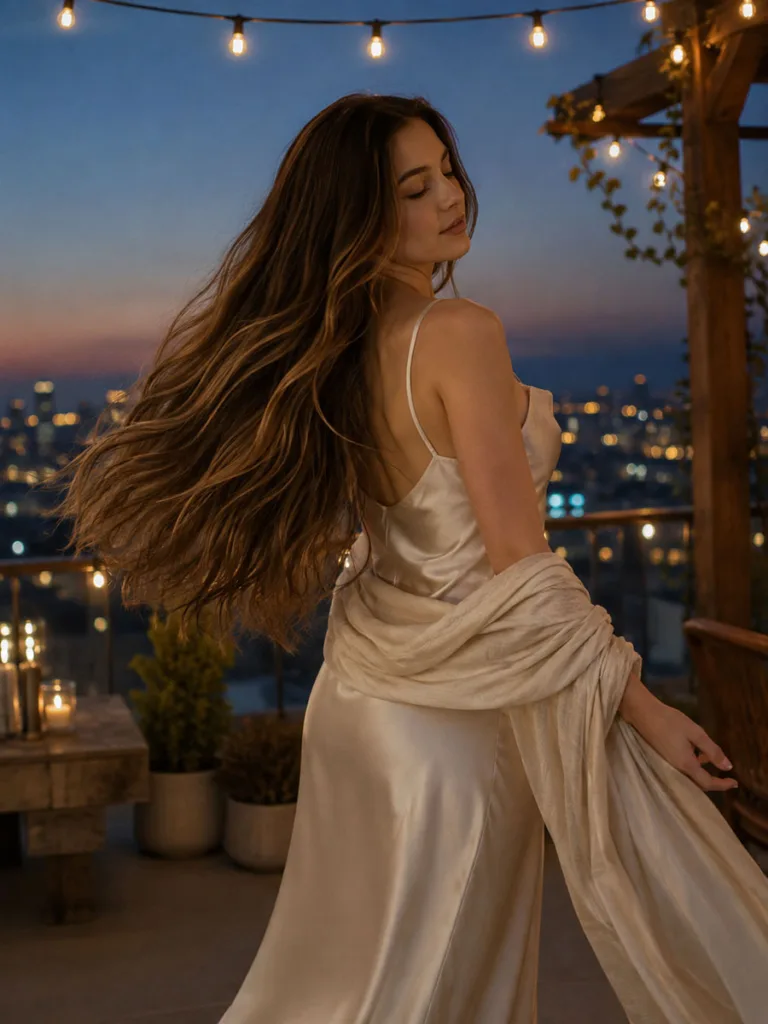
Long hair has room for gradual, multi-tonal blending. Colorists can layer three or four shades from root to tip for maximum dimension and movement.
Curly and Wavy Hair
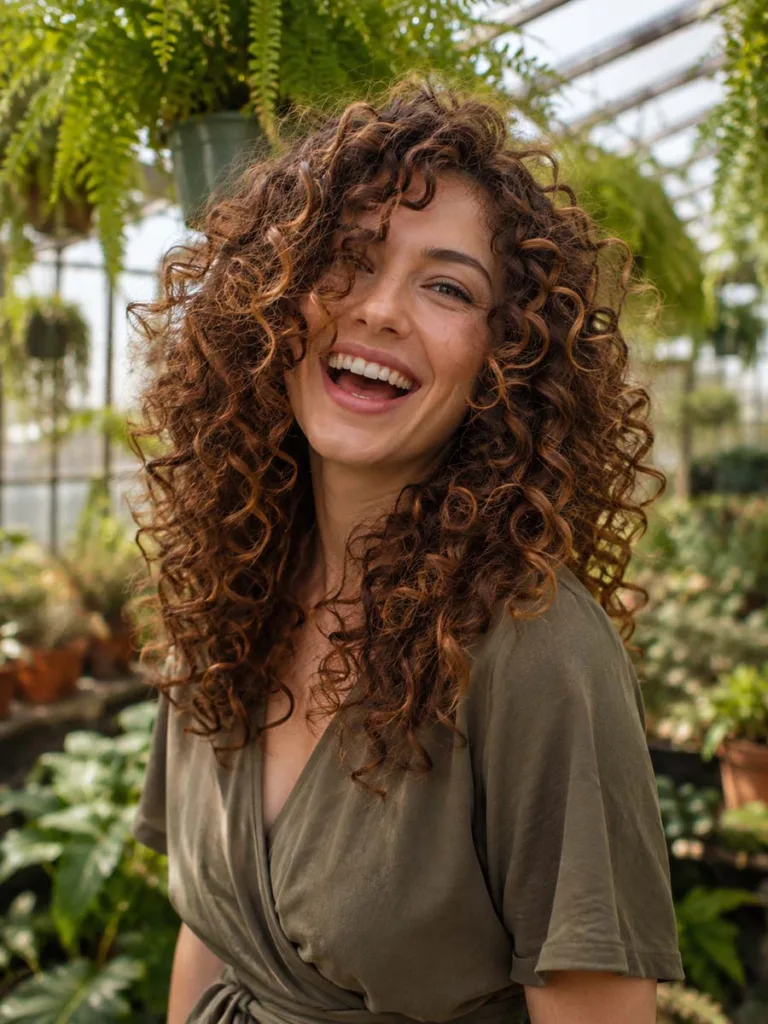
Curls catch light differently than straight hair, so balayage should follow the curl pattern. Painting along individual curls, rather than flat sections, keeps highlights visible through every twist and turn.
Ask your colorist to check your hair while it’s dry, not freshly washed. Curl shrinkage can hide up to 30% of your actual hair length. That shrinkage changes where highlights should land once curls relax.
Frequently Asked Questions About Fall Brunette Balayage
1. How long does brunette balayage last?
Brunette balayage typically lasts 10 to 16 weeks before a toner refresh is needed. The soft grow-out means it still looks good well beyond that window.
2. Does balayage damage brunette hair more than regular color?
Balayage uses less bleach overall than full-head highlights, so it’s generally gentler. Damage still depends on your hair’s starting health and the lightener used.
3. What’s the difference between balayage and ombre for brunettes?
Balayage creates soft, scattered highlights throughout the hair. Ombre is a two-tone gradient with a clearer line between dark roots and light ends.
4. Can I get balayage on dark brown or black hair?
Yes, though multiple sessions may be needed to lift dark strands safely. A skilled colorist paces lightening carefully to protect hair health.
5. How much does fall brunette balayage cost?
Full balayage typically runs $150 to $400, depending on hair length, location, and salon tier. Touch-up glosses cost less than a full application.
6. Will balayage work on hair that’s already color-treated?
Yes, but tell your colorist about any past color first. Previous dye, especially box color, can affect how lightener processes and how the final tone turns out.
Conclusion
Fall brunette balayage hair gives you warmth, dimension, and months of low-maintenance color from one appointment. Among fall hair color options, it’s the rare one that grows out instead of growing awkward. You don’t need to guess at a shade name and hope it works. Match your undertone first, then narrow your choice from the 20 looks above.
Warm skin leans toward caramel or cinnamon. Cool skin leans toward espresso or mahogany. Neutral undertones can wear almost anything on this list. Bring two or three reference photos to your appointment. Then let your colorist see your natural hair before mixing any formula. That combination gets you the most accurate result. Pick your shade from this list, then book a consultation with a balayage specialist this week.