
How to Grow Hair Faster: 15 Easy Tips That Work Wonders

Stuck at the same hair length for months, no matter what you try? Your hair probably isn’t growing slowly. It’s breaking before it gets the chance to show. If you’re searching for how to grow hair faster, the honest answer starts with stopping that breakage, not chasing shortcuts. Hair grows about half an inch a month. That’s the real number, and most people lose that growth to breakage, not slow follicles.
How to Grow Hair Faster: The Quick Answer: Protect your hair from friction and heat, feed it enough protein, care for your scalp, and stay consistent for at least three months.
These 15 hair growth tips fix both sides of the problem: the habits that protect the length you already have, and the nutrition and scalp care that help new strands grow strong from the root. Follow them together, and you’ll finally start to grow hair longer instead of chasing quick fixes.
Why Hair Growth Slows Down
Hair does not stop growing overnight. It slows because of breakage, stress, poor nutrition, or damage from heat and chemicals. Each strand moves through a growth cycle with three phases: growing, resting, then shedding. Most hairs spend two to seven years in the growing phase before resting and falling out naturally.
A few things usually cause the slowdown:
- Stress pushes more hairs into the resting phase early
- Low protein intake starves follicles of the raw material they need
- Split ends travel up the shaft and force more frequent trims
- Heat and chemical damage wear down strands over time
Genetics set your natural growth speed. Daily habits decide how much of that growth you actually keep. That distinction matters more than most hair advice admits.
Daily Habits That Protect Your Strands
Small daily choices matter more than any single product. Most of these habits cost nothing. They just require you to actually do them, night after night, until they stop feeling like an extra step.
1. Sleep on Silk or Satin

Cotton pillowcases create friction that snags hair and causes split ends overnight. A silk pillowcase or satin bonnet lets hair glide instead of catching. That matters most if you toss and turn at night. Tie hair loosely into a low ponytail before bed, and skip the tight buns that pull at your hairline.
2. Use Silk Scrunchies, Not Elastic Bands
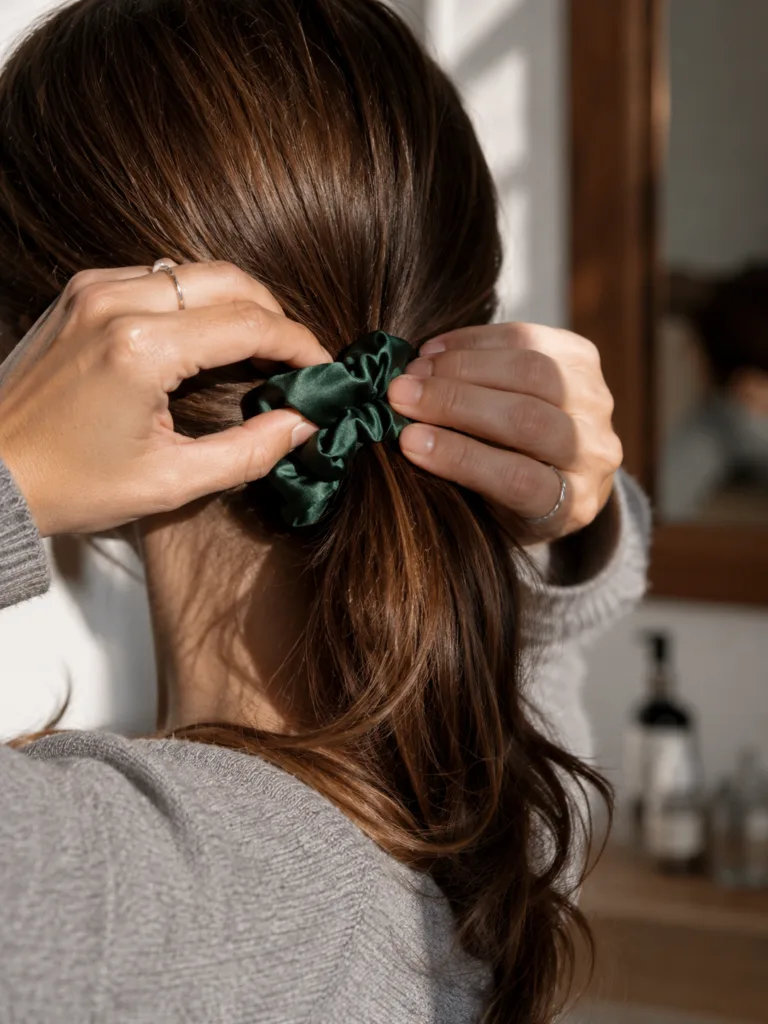
Regular hair ties pull and kink strands, and the metal parts on some ties snag hair outright. Silk scrunchies grip gently instead of tugging, especially useful if your hair is fine or fragile. Keep a few on hand so you’re not reaching for a rubber band out of habit.
3. Detangle Before You Brush
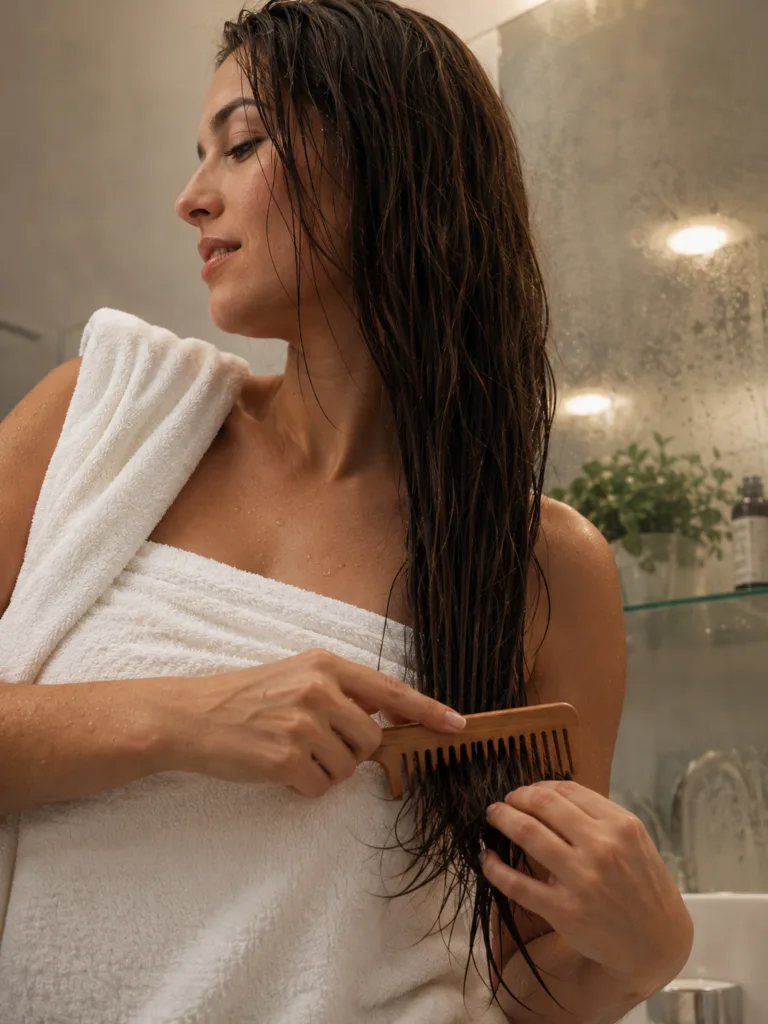
Never brush dry, tangled hair aggressively. Loosen major knots with your fingers first, then switch to a wide-tooth comb, starting from the ends and working up. This one habit cuts breakage dramatically, especially on curly or textured hair that tangles overnight. A little leave-in conditioner or detangling spray before combing helps too.
4. Limit Heat Styling

Curling irons and blow dryers damage the hair cuticle, the outer layer that keeps moisture locked in. If you have to use heat, spray on a protectant first, pick the coolest setting that still works, and keep the tool moving instead of holding it in one spot. Two or three heat sessions a week is a reasonable ceiling.
5. Let Hair Air-Dry When Possible

Wet hair stretches easily and breaks under pressure, so rough towel-drying does real damage. Skip the vigorous rubbing and swap your regular towel for a microfiber one or an old cotton t-shirt. Pat it dry and let it finish air-drying when your schedule allows.
Nourish Your Hair From the Inside
Hair is almost entirely protein, specifically a fibrous protein called keratin. What you eat shapes how strong and fast it grows. Most beauty blogs skip this part and go straight to products, but diet is doing at least as much work as anything in your bathroom cabinet.
6. Eat Enough Protein Daily

Low protein intake forces your body to ration nutrients away from hair growth toward more urgent organs. Add protein-rich foods to your meals daily to keep supply steady:
- Eggs
- Fish, like salmon or tuna
- Beans and lentils
- Lean meats, like chicken or turkey
- Greek yogurt
A protein smoothie with milk, banana, and protein powder works well as a quick option on busy mornings when a full meal is not realistic.
7. Get Key Vitamins and Minerals

Biotin, vitamin D, zinc, and iron all support healthy follicles. A review in Dermatology Practical and Conceptual linked nutrient deficiencies directly to hair thinning, particularly low iron in women. Talk to a doctor before starting new supplements. Excess biotin can throw off certain lab test results.
8. Add Omega-3 Fatty Acids

Salmon, walnuts, and flaxseed oil supply omega-3s that nourish the scalp and calm inflammation around hair follicles. A scalp under constant low-grade inflammation has a harder time supporting new growth, so these fats help skin and hair at once.
9. Avoid Crash Diets

Sudden, severe weight loss can trigger temporary hair shedding, usually two to three months after the diet starts. It’s called telogen effluvium, and it’s more common than people think. A slower, balanced approach protects your health and your hair, and growth typically picks back up once nutrition stabilizes.
Scalp Care Tips That Boost Growth
A healthy scalp is the foundation new hair grows from, and it’s the part most hair advice skips in favor of styling tips.
10. Massage Your Scalp Regularly

A small study in Eplasty found that daily scalp massage increased hair thickness over time by stretching the cells beneath the skin. Spend five minutes massaging with your fingertips or a scalp tool. Use firm but gentle circular pressure across the entire head, not just the crown.
11. Try Rosemary or Argan Oil
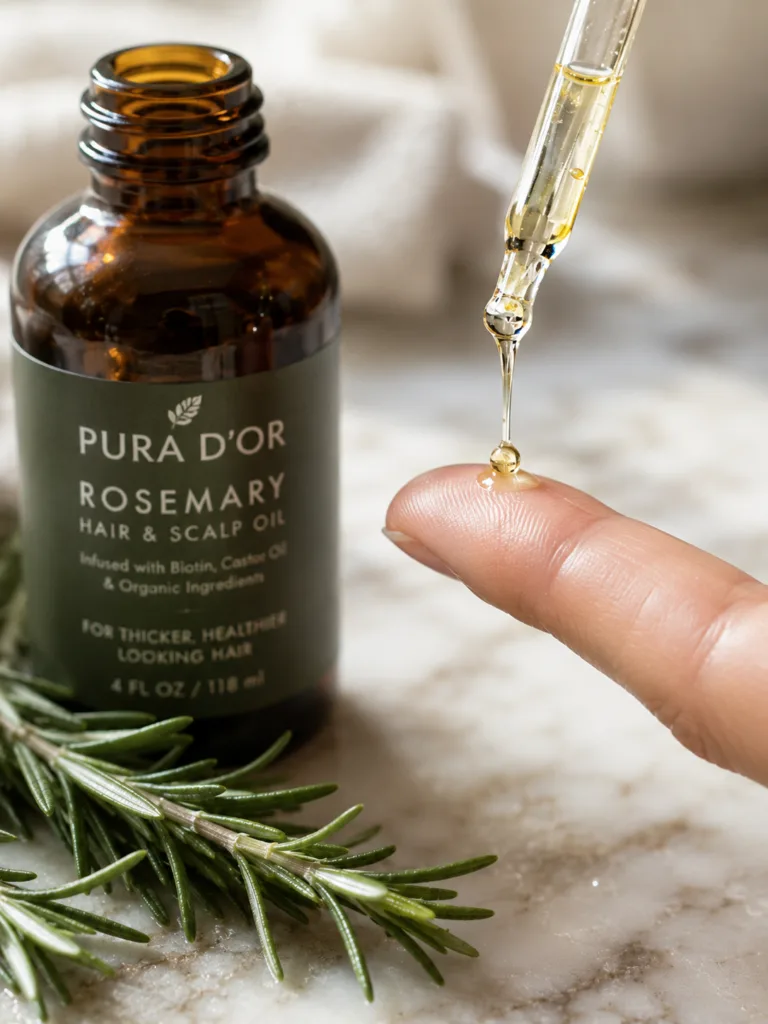
Rosemary oil has performed comparably to minoxidil in some small trials for stimulating growth after several months of consistent use. Argan oil adds moisture and shine to the ends without weighing hair down, so it works well as a finishing oil after a rosemary scalp treatment.
12. Keep Your Scalp Clean

Product buildup clogs follicles and slows growth. Wash often enough to remove residue, typically weekly for most hair types, without stripping the natural oils that protect your scalp. Curly and coily hair often need washing only every one to two weeks.
Wash Day and Product Routine
Your wash-day routine either builds length or quietly wears it down. These last few habits tie everything else together.
13. Condition Every Time You Shampoo
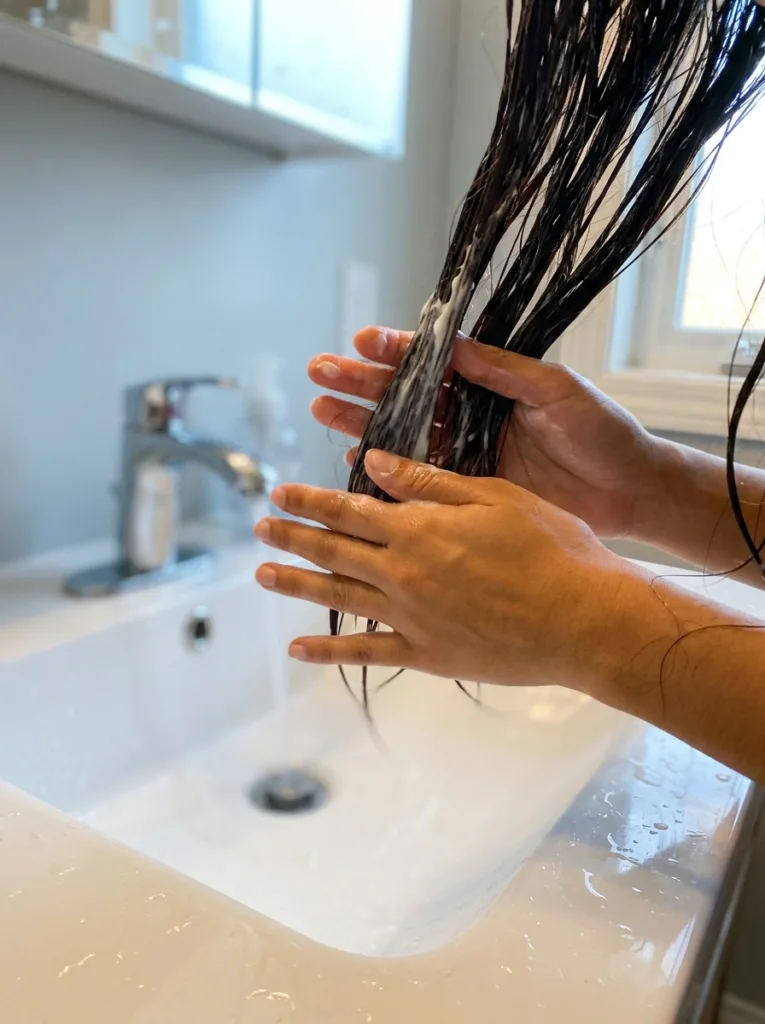
Conditioner seals the hair cuticle, locking in moisture and shielding strands from sun exposure and everyday friction. Focus it on the mid-lengths and ends. Heavy conditioner at the roots can leave fine hair looking flat by midday.
14. Get Regular Trims
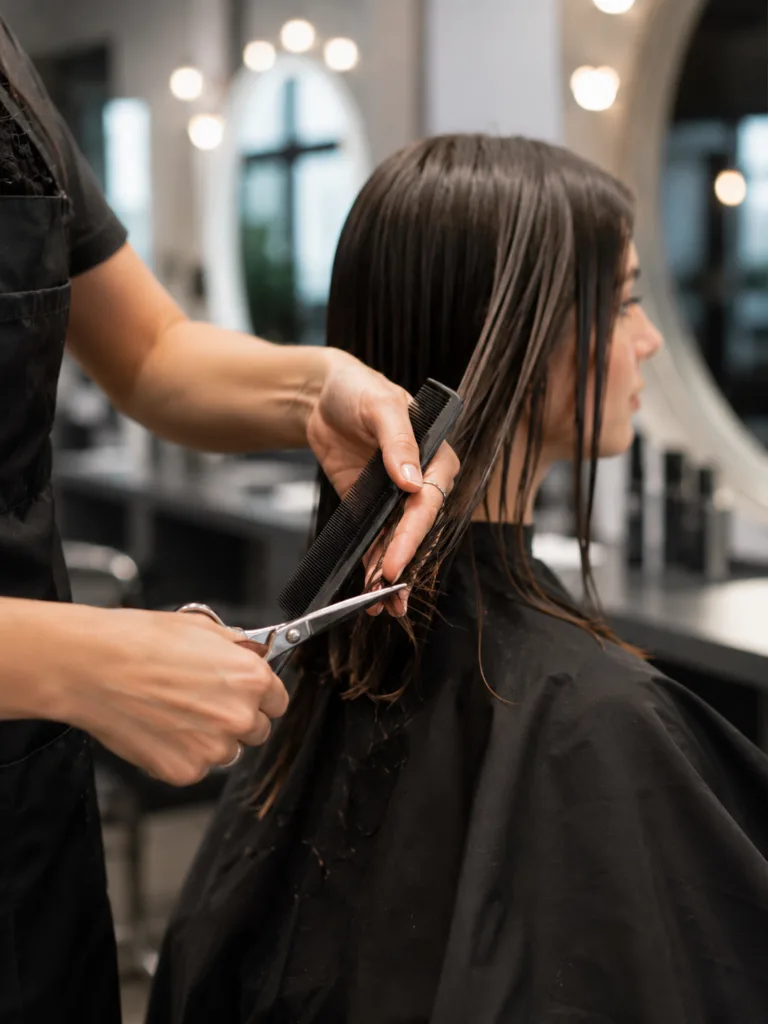
A quarter-inch trim every 10 to 12 weeks removes split ends before they travel upward and cause more breakage than the trim itself removes. Skipping trims to “save length” usually backfires. Untreated split ends tend to break off unevenly, higher up the shaft than a trim ever would.
15. Manage Stress Levels

Chronic stress pushes hair follicles into a resting phase, and the shedding usually shows up weeks after the stressful period has already passed. Exercise, sleep, and short daily breaks help keep the growth cycle on track. Even ten minutes of movement a day measurably lowers cortisol within a few weeks.
Build a Simple Weekly Hair Growth Routine
Fifteen tips are a lot to hold in your head at once, so here’s how they fit into one week:
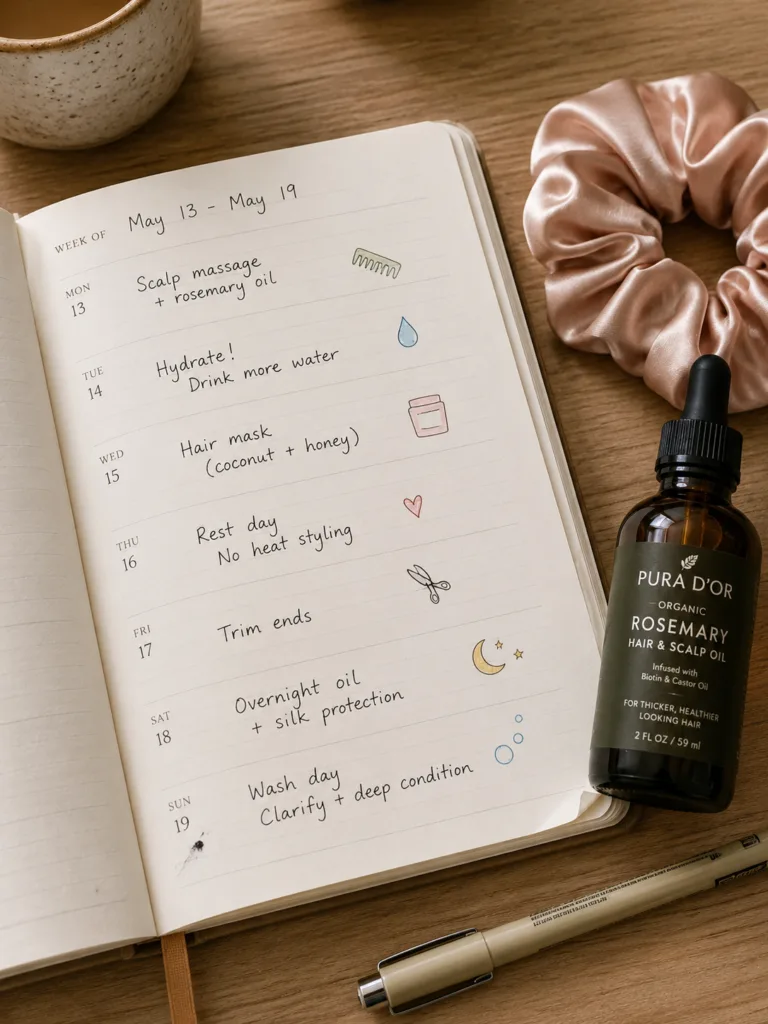
- Every night: sleep on a silk pillowcase or bonnet
- 1-2 times a week: wash hair, always followed by conditioner on the mid-lengths and ends
- 3 times a week: massage your scalp for five minutes, ideally with a rosemary or argan oil treatment
- Daily: eat at least one protein-rich meal
- 2-3 times a week, max: style with heat, and always use a protectant
- All week: use silk scrunchies instead of elastic ties
- Every 10-12 weeks: book a trim and put it on your calendar so it doesn’t slip
Take a photo once a month, same lighting, same angle. Growth is hard to notice day to day, but a photo log makes half-inch gains obvious after a few months.
Give the routine three full months before deciding if it’s working. Hair growth moves slower than most beauty trends promise. If something isn’t working, change one habit at a time instead of overhauling everything at once.
When to See a Dermatologist

If hair loss feels sudden or excessive, home habits may not be enough. Minoxidil, an FDA-approved topical treatment, helps some people regrow hair, though you have to keep using it to keep the results. A dermatologist can test for iron or vitamin deficiencies and rule out conditions like alopecia areata or thyroid-related hair loss. Shedding that’s persistent, or comes out in clumps, is worth a real appointment instead of another serum.
FAQ Section
How fast does hair actually grow?
Hair grows about half an inch per month on average, or roughly six inches a year. Genetics, age, and overall health push that rate up or down for each person.
Can you make hair grow faster overnight?
No single trick works overnight, no matter what a viral video claims. Scalp massage, better nutrition, and gentler handling show results over weeks to months, not days.
Do hair growth vitamins really work?
They help most when you have an actual deficiency in biotin, iron, or vitamin D, confirmed by a blood test. A balanced diet with enough protein already covers most of that ground without extra pills.
Does cutting hair make it grow faster?
No. Scissors never touch the follicle, so trims don’t speed up growth at the root. What they do is stop split ends from breaking off more length than the trim itself removes.
Is rosemary oil better than minoxidil?
Small studies suggest rosemary oil works about as well for mild thinning after several months of use. Minoxidil still has stronger, more consistent clinical evidence behind it for noticeable regrowth.
How much water should I drink for hair growth?
Hydration supports scalp health, but no specific number of glasses guarantees faster growth. About eight cups of water a day, as part of a balanced routine, is a reasonable target.
Conclusion
If you want to grow hair longer, protecting what you already have matters as much as feeding new growth from the root. Start tonight: switch to a silk pillowcase, eat one protein-rich meal tomorrow, and spend five minutes massaging your scalp this week. Small habits beat any single product, and they add up faster than most people expect once the routine actually sticks.
For more hair care tips, please visit VelvetBoard.