7 Useful Hair Care Products for Healthy, Strong Hair
Why does your hair still feel dry and dull even though you’re using products? You wash it, condition it, add something from a shelf you spent real money on — and it still breaks off, frizzes up, or goes limp by noon. The problem is not that products don’t work. It is that most routines are built on the wrong ones, applied in the wrong order, and missing the products that actually matter.
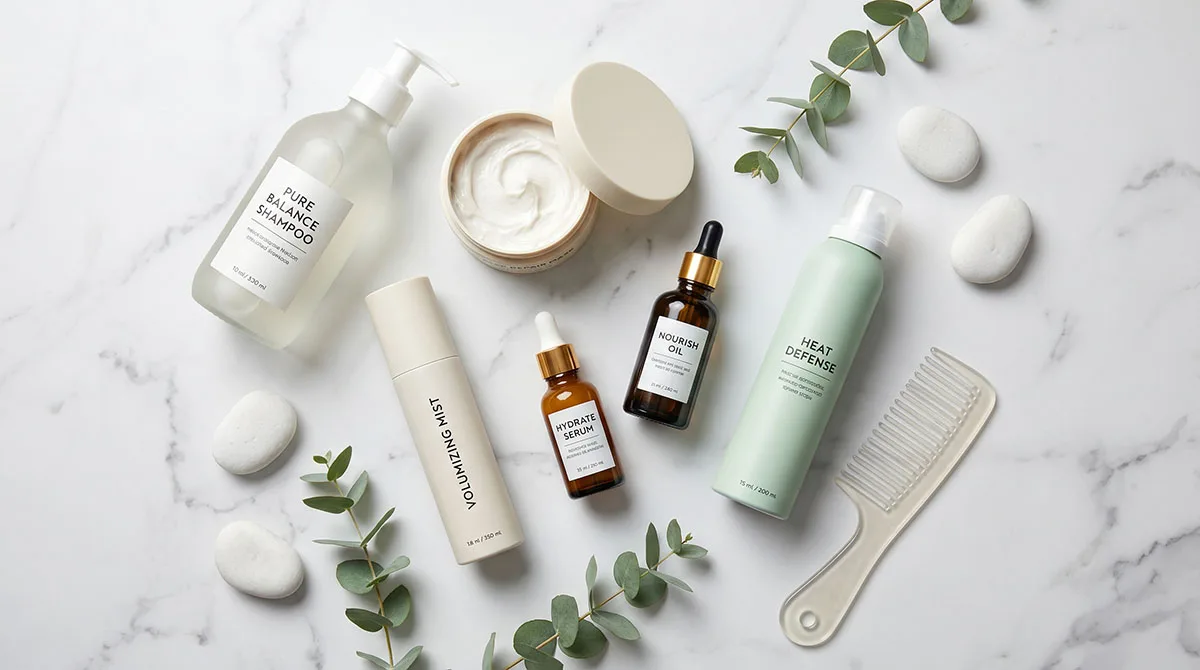
Healthy hair starts with using the right useful hair care products in the right sequence. This guide covers seven products that address every real need your hair has: proper cleansing, moisture that stays, scalp health, and protection from daily damage. Each one earns its place. Nothing on this list is filler.
Why the Right Products Make All the Difference
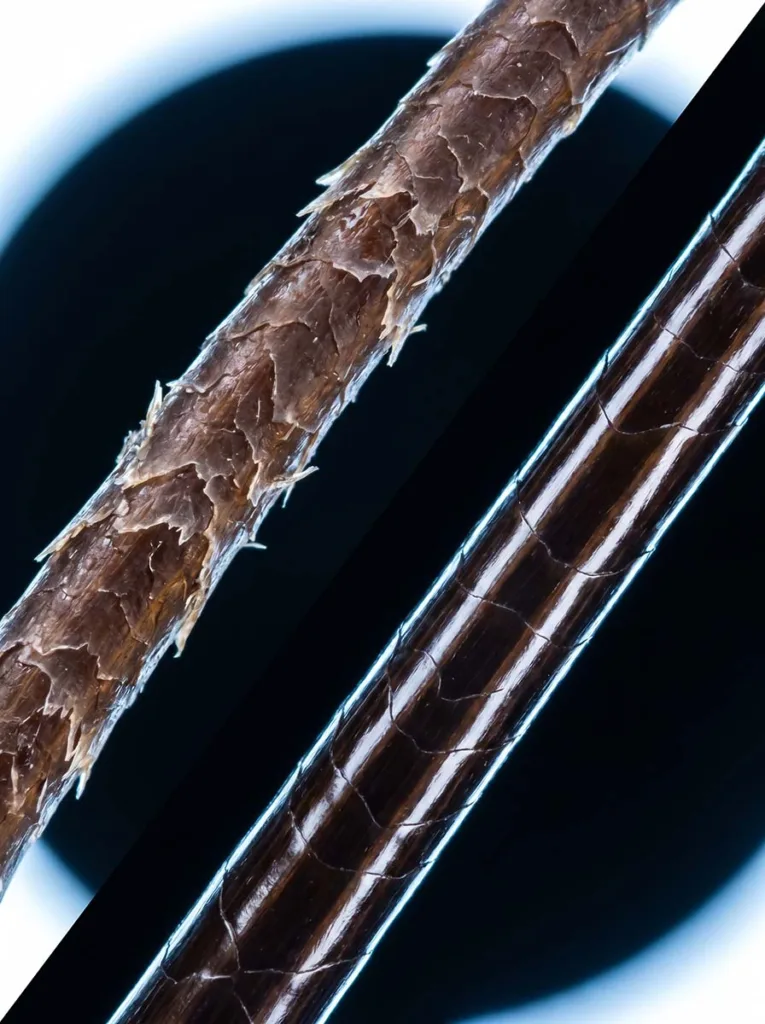
Hair is protein. Each strand is made of keratin, a structural protein surrounded by a cuticle layer that protects it. When that cuticle gets damaged by heat, chemicals, hard water, or harsh ingredients, moisture escapes, breakage increases, and shine disappears.
The right products work with your hair’s biology. They clean without stripping the oils your scalp needs. They restore moisture without weighing strands down. The wrong ones do the opposite, quietly building up over time in ways that suffocate the follicle or disrupting scalppH in ways that cause long-term dryness.
Product choice is not about luxury. It is about matching what your hair needs with what a formula can deliver.
7 Useful Hair Care Products for Healthy Hair
Fine or coily, straight or curly, the core needs are the same: cleansing and moisture. These seven products cover both, plus everything in between that protects what you build.
1. Sulfate-Free Shampoo
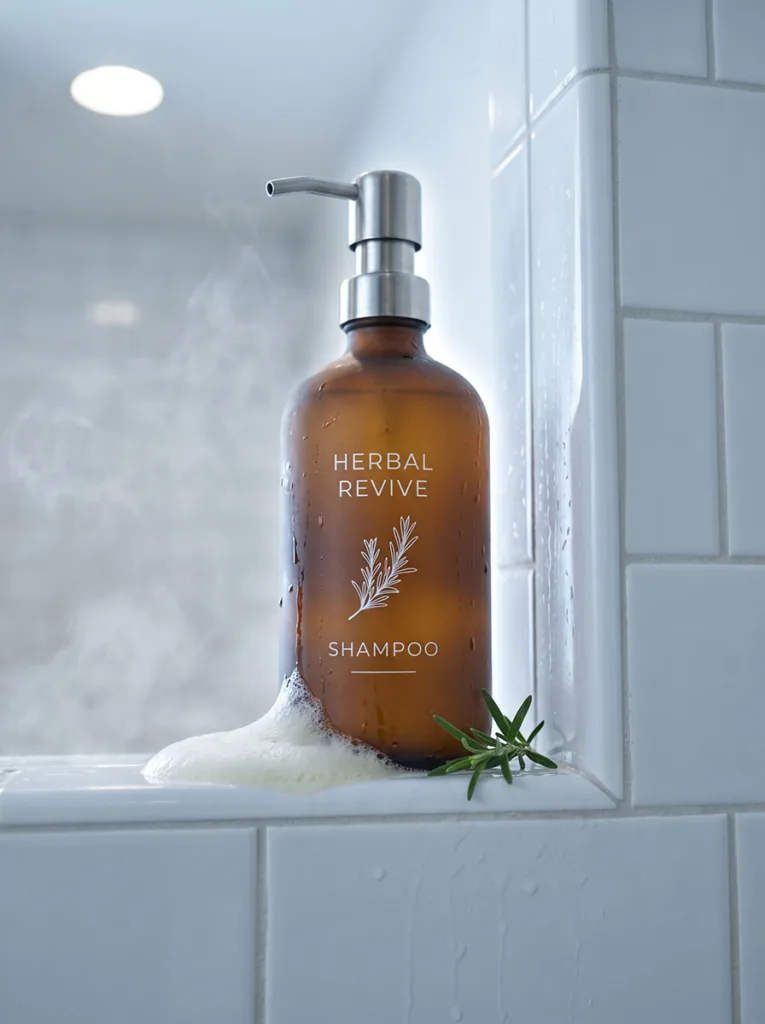
Switching to a sulfate-free shampoo is the single most impactful change most people can make. Traditional shampoos contain sodium lauryl sulfate (SLS) or sodium laureth sulfate (SLES), detergents that strip oil so aggressively they leave the scalp dry and the hair brittle over time.
Sulfate-free formulas cleanse without stripping and preserve the scalp’s natural moisture barrier. For color-treated hair, this matters even more since sulfates accelerate color fade. Wash no more than 2 to 3 times per week. Daily washing strips the oils your scalp produces to protect itself, which sends oil production into overdrive.
Look for amino acids or glycerin in the first five ingredients.
2. Deep Conditioning Hair Mask

A deep conditioning mask is not optional. It is weekly maintenance. Regular conditioner coats the outside of the strand; a mask penetrates deeper, delivering hydration and protein where the hair actually needs repair.
Use one once a week, especially if you apply heat or live in a dry climate. Apply from mid-length to ends, which are the oldest and most damaged parts of the strand, and leave it on for 10 to 30 minutes before rinsing with cool water. The cool rinse matters: it seals the cuticle and locks in what you just applied.
For dry or damaged hair, look for hydrolyzed keratin or shea butter. Protein-rich masks work best for weak, over-processed strands.
3. Leave-In Conditioner
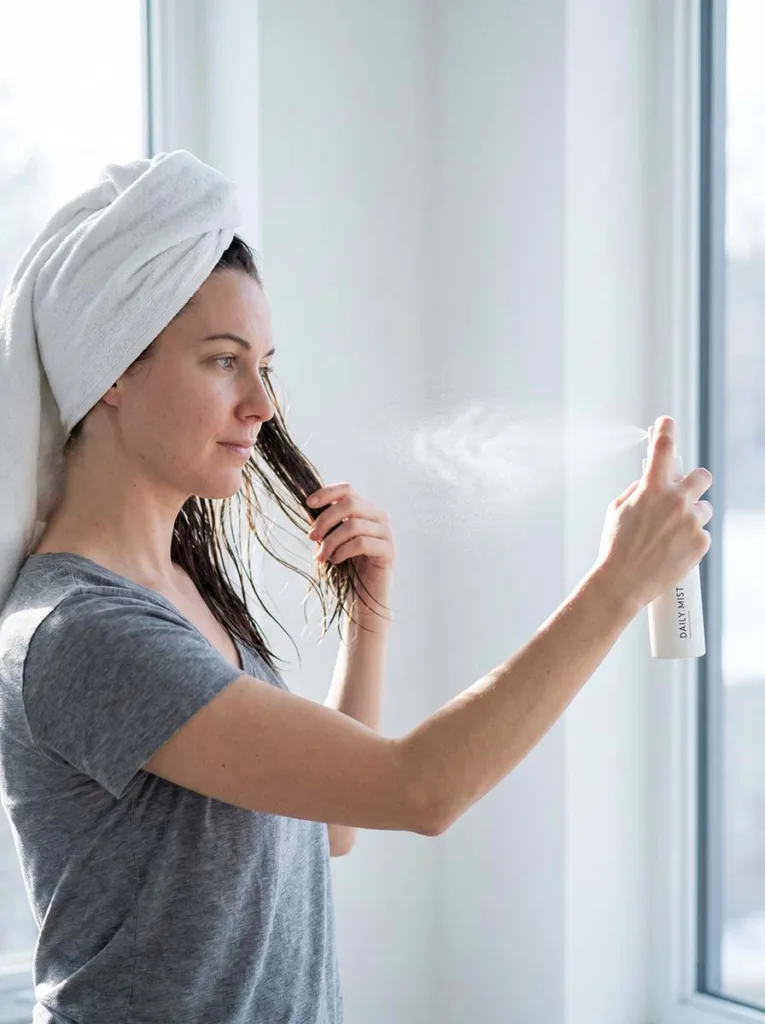
Between wash days, a leave-in conditioner keeps strands from drying out. It smooths the cuticle and makes detangling easier without the need to rewash. It is a quiet product that most people underestimate.
Apply a small amount to damp hair after washing, focusing on the ends. Keep it off the scalp entirely: leave-in product on the roots causes buildup and makes the scalp feel greasy within a day.
The best leave-ins contain panthenol (provitamin B5) or silk proteins. Lightweight sprays suit fine hair; thicker creams work better for coarser or curly types.
4. Scalp Serum
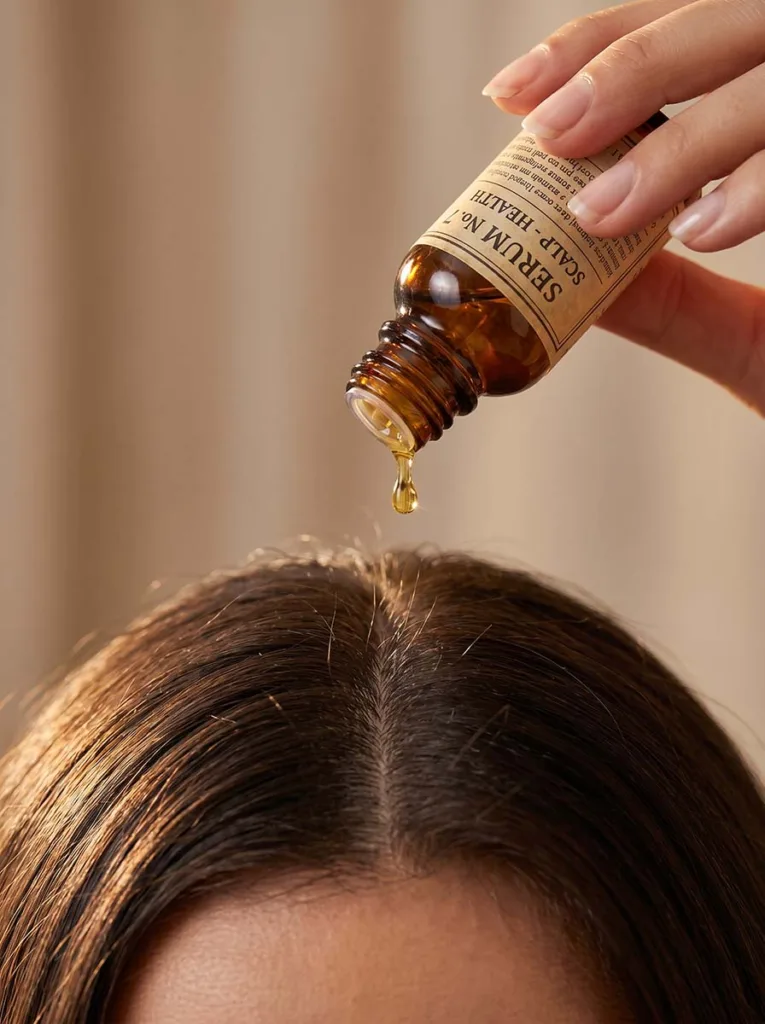
The scalp is skin. It needs hydration and exfoliation just like the skin on your face, and most people give it neither. An unhealthy scalp leads to slower growth and persistent dryness that no shampoo alone can fix.
A scalp serum addresses the problem. Look for niacinamide to improve circulation or salicylic acid to clear buildup and dead skin. Apply directly to the scalp with the dropper, massage in with fingertips for 2 to 3 minutes, and leave it on with no rinse needed.
Use it 2 to 3 times per week. Scalp serums work slowly, so give it at least a month before expecting visible results.
5. Hair Oil
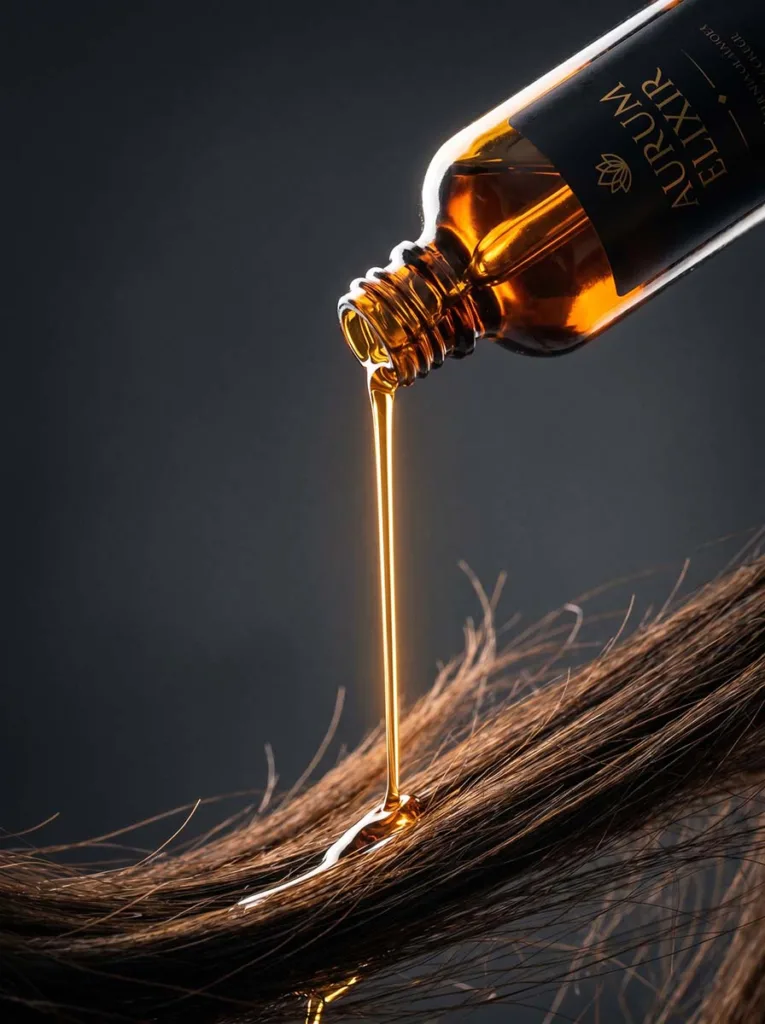
Hair oil is more misunderstood than almost any other product. Most people apply too much, put it in the wrong place, and end up with greasy roots and no real benefit. Used correctly, a few drops can transform dry or brittle ends.
Apply 2 to 3 drops to the palms, rub together, and smooth over dry or damp ends only. Think of it as a sealant: it locks moisture into the strand rather than adding moisture on its own. This is why oil belongs after a leave-in conditioner, not as a replacement for one.
Argan oil is lightweight and works for most hair types. Castor oil is thicker and better for dry, coarse, or low-porosity hair that needs intense sealing. Jojoba oil closely mimics the scalp’s natural sebum, making it a good option for scalp massages.
6. Heat Protectant Spray
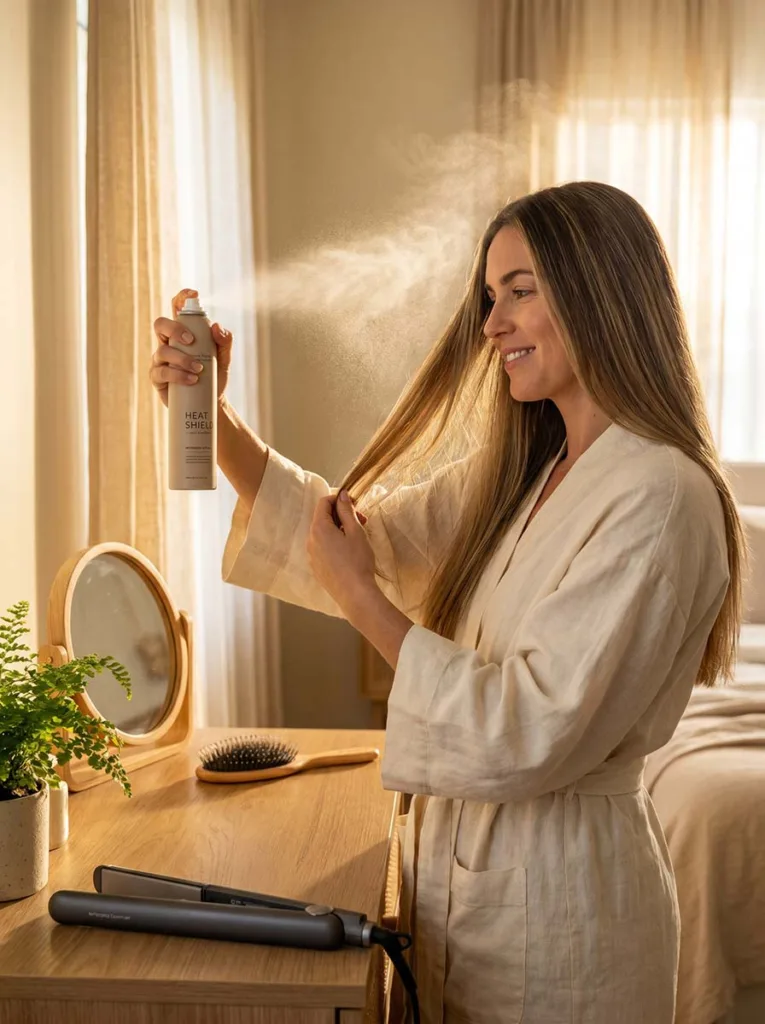
If you use a flat iron or curling wand, use a heat protectant before every session. Heat above 230°C (450°F) permanently damages the protein bonds inside the hair shaft, and that damage cannot be undone without cutting the strand off.
A good heat protectant creates a thermal barrier between the tool and the hair. It reduces moisture loss during styling and smooths the cuticle before you style. Apply it to damp or dry hair before picking up any heat tool.
Look for silicones like dimethicone or plant-derived alternatives like quinoa protein. Avoid formulas with alcohol listed high on the ingredient list, as that dries hair out while you are actively applying heat to it.
7. Wide-Tooth Comb or Detangling Brush
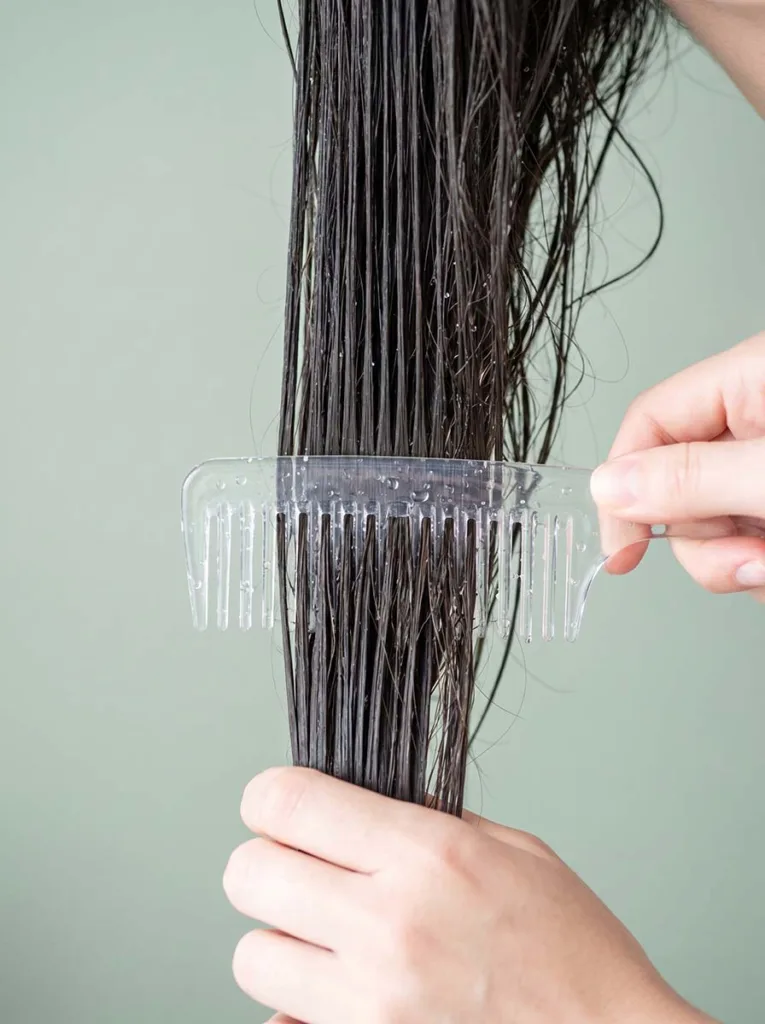
This one rarely makes it onto product lists, which is a mistake. A wide-tooth comb or a flexible detangling brush prevents more breakage than almost any serum or treatment. Brushing wet hair with a regular bristle brush snaps strands. Wet hair is elastic, which also means it is fragile.
Start detangling from the ends up, working toward the roots in small sections. Never drag from root to tip. This single habit reduces breakage, no matter what else you put in your hair.
For thick or curly hair, a detangling brush with flexible bristles is the better tool. For fine or straight hair, a wide-tooth comb is gentler and less likely to over-manipulate delicate strands.
Key Ingredients to Look For on the Label
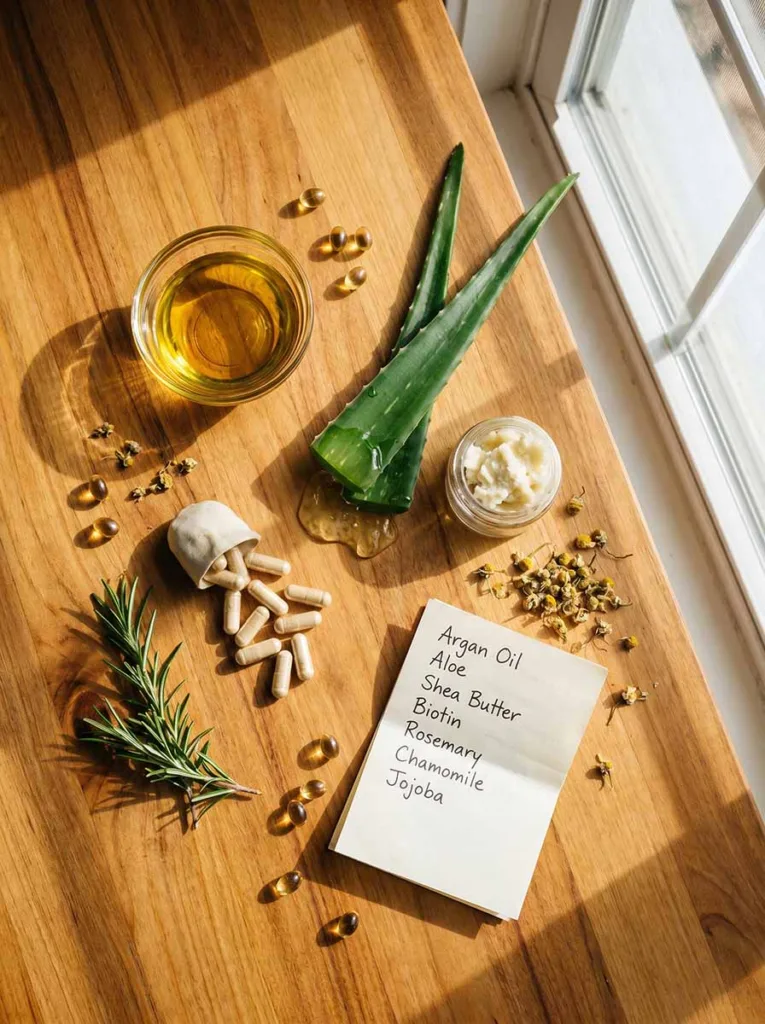
Most people read the product name and move on. Reading the actual ingredient list, even just the first five entries, tells you far more about what something will do.
For strengthening and repair, look for hydrolyzed keratin (rebuilds damaged protein bonds) and biotin (supports follicle health and strand strength).
For hydration, glycerin draws moisture from the air into the strand, and hyaluronic acid holds water at the cuticle level.
For protection, argan oil seals the cuticle and adds shine, while ceramides fill in gaps in damaged cuticle layers.
On the avoid list: sulfates (SLS and SLES) strip natural oils aggressively, and alcohol denat. listed near the top of the formula dries hair rapidly.
How to Layer Your Hair Care Products Correctly
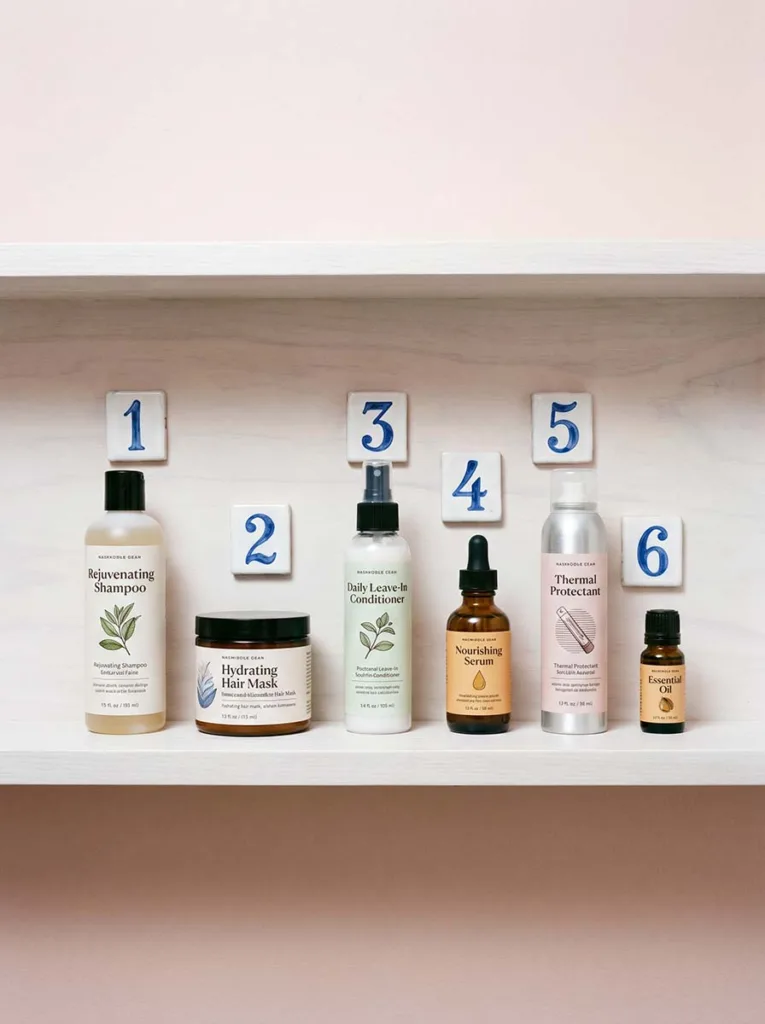
Good products applied in the wrong sequence cancel each other out.
The correct wash day sequence:
- Shampoo: cleanse the scalp, rinse thoroughly
- Hair Mask (Once A Week) Or Rinse-Out Conditioner: apply to mid-lengths and ends, leave 10 to 30 minutes, rinse with cool water
- Leave-In Conditioner: apply to damp hair before drying
- Scalp Serum: apply directly to the scalp, no rinse
- Heat Protectant: before any heat tool
- Hair Oil: last step, on dry or near-dry ends to seal
Applying oil before a heat protectant can cause the oil to burn at high temperatures. Applying leave-in after blow drying means it sits on top of an already-dry strand instead of locking moisture in while it is still damp. Neither mistake is obvious, but both are common.
Common Mistakes People Make With Hair Products
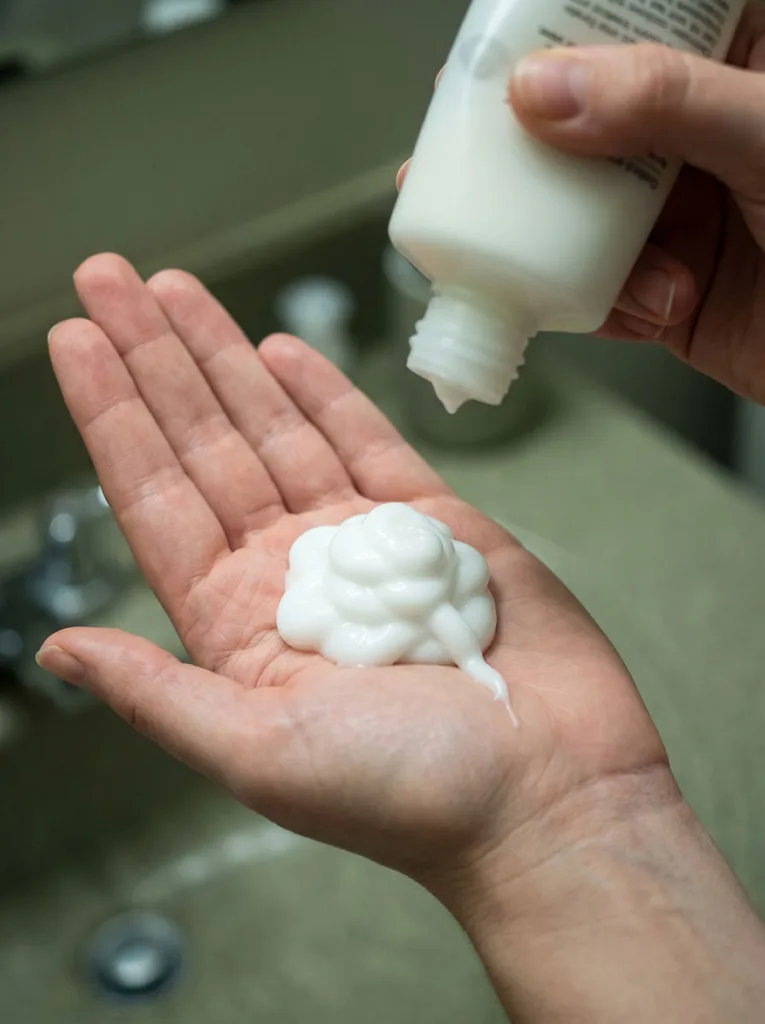
Good products alone do not guarantee good results. Using them correctly matters as much as choosing them.
1. Using Too Much
More product is not more effective. Too much conditioner causes buildup. Too much oil makes hair limp. A pea-sized amount applied correctly outperforms a handful applied carelessly.
2. Skipping The Patch Test On New Products
A new formula can trigger scalp irritation or an allergic reaction. Apply a small amount to the inner arm or behind the ear and wait 24 hours before using it on the scalp.
3. Ignoring The Scalp
Focusing on lengths and ends while neglecting the scalp is like watering the leaves of a plant and never the roots. Growth rate and density both start at the follicle.
4. Never Switching Products Seasonally
Dry winter air calls for heavier moisture. Humid summer weather calls for lighter formulas. Adjusting your routine twice a year, once in spring and once in autumn, keeps your hair balanced instead of fighting the climate.
5. Skipping Clarifying
Even sulfate-free shampoos leave some buildup over time. A clarifying shampoo used once a month resets the scalp and removes accumulated product residue. Follow it immediately with a deep conditioning mask since clarifying formulas can be drying.
FAQ Section
1. What are the most useful hair care products for beginners?
Start with a sulfate-free shampoo, a deep conditioning mask, and a heat protectant. These three cover the core issues most people deal with: stripping cleansers, lack of moisture, and heat damage from daily styling tools.
2. How often should I use a hair mask?
Once a week for dry or damaged hair. For hair in good condition, every 10 to 14 days is enough. Protein masks in particular can make hair stiff and brittle if overused, so alternate between protein and moisture treatments rather than using the same one repeatedly.
3. Can I use hair oil every day?
Yes, but keep the amount small. 2 drops on the ends is enough for most hair types. For fine hair, every other day prevents buildup. Always apply oil as the last step, on dry or nearly dry hair, so it seals rather than blocks moisture.
4. Does scalp health affect hair growth?
Yes. A healthy scalp with clear follicles and good circulation supports faster growth and better density. A clogged or inflamed scalp restricts follicle function and tends to cause increased shedding over time.
5. What should I avoid in shampoo?
Avoid sulfates (SLS and SLES), alcohol denat. near the top of the ingredient list, and artificial fragrances if your scalp is sensitive. These ingredients cause dryness, irritation, and long-term disruption to the scalp’s moisture balance.
Conclusion
Healthy hair does not need a packed shelf. It needs the right seven products in the right order. A sulfate-free shampoo and weekly deep conditioning mask handle the foundation. A heat protectant covers every styling session. A scalp serum works on what is underneath. Hair oil and a leave-in conditioner keep things maintained between washes, and a wide-tooth comb protects strands when they are most fragile. Start today. Your hair will show the difference within a month.
For more helpful articles related to hair care, please visit VelvetBoard.