Hair Habits That Damage Your Hair: 14 Fixes to Try Now!
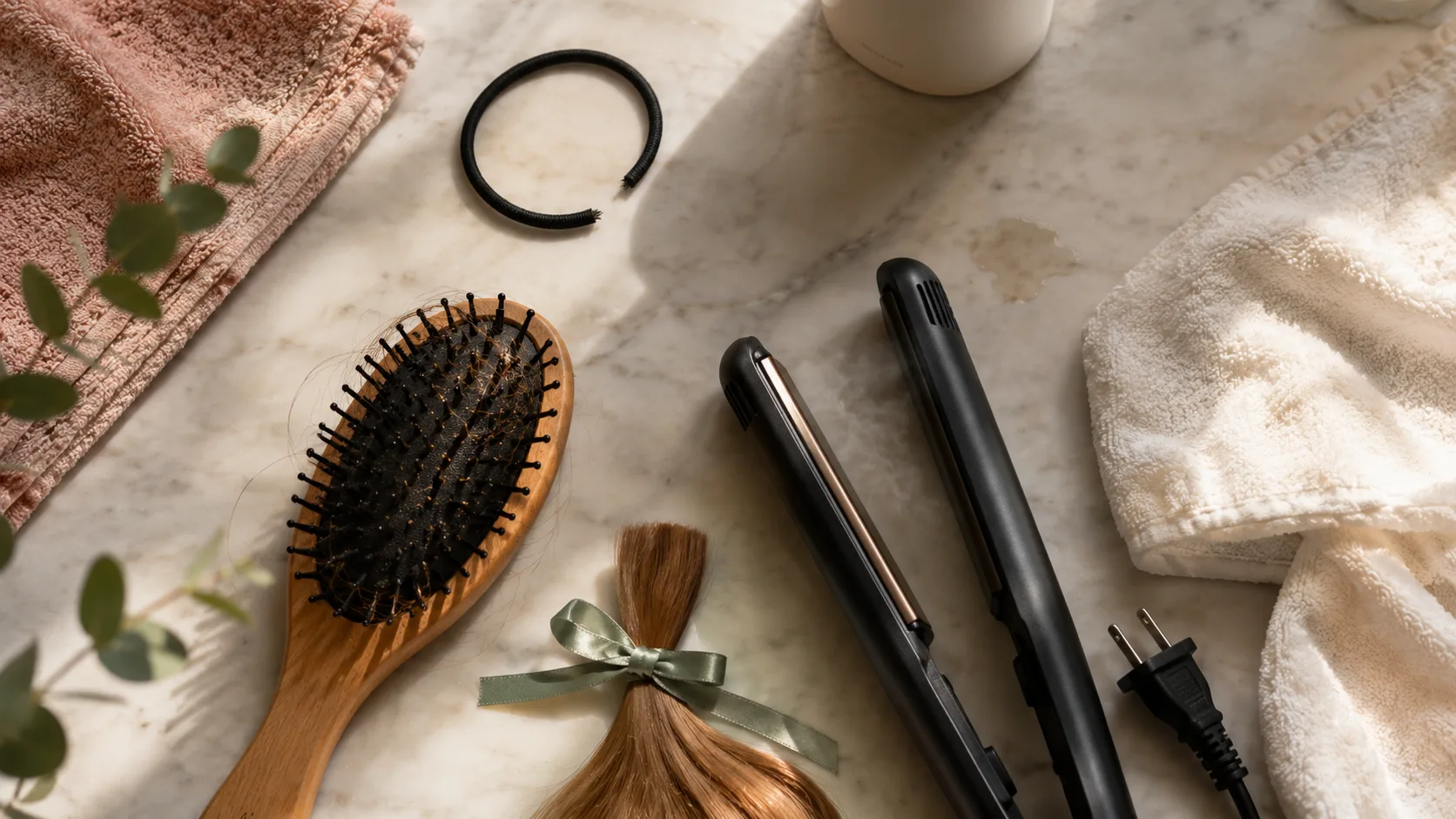
Why does your hair keep breaking no matter how many products you buy? The answer usually isn’t your shampoo or your genes. Certain hair habits quietly cause everyday hair damage long before you notice split ends or thinning patches.
Hair is made of dead protein cells called keratin. It cannot heal itself once broken, so small daily choices matter more than any single product. A tight ponytail, a rough towel, or a cotton pillowcase can undo weeks of good care in seconds.
Below are 14 everyday habits ranked by how much damage they cause, plus the exact fix for each. Fix even three of them this month and you will see stronger, shinier strands within weeks.
Why Everyday Hair Habits Matter More Than Products
Keratin can’t rebuild itself once it splits, so preventing damage beats trying to fix it later. A strand under repeated friction, heat, or tension eventually stretches past its limit and snaps. Repeat a bad habit 365 days a year and it does more harm than one rough salon visit. The American Academy of Dermatology traces most hair breakage back to daily styling choices, not the products people use. Understanding the main hair breakage causes makes it much easier to spot which of your own habits need to change first, instead of guessing at fixes that don’t address the real problem.
14 Hair Habits That Damage Your Hair
Each habit below is ranked from most damaging to least, based on how often it causes visible breakage and hair loss. Every entry follows the same format: what the habit does, why it hurts your hair, and the exact fix.
1. Tying Hair Back Too Tight
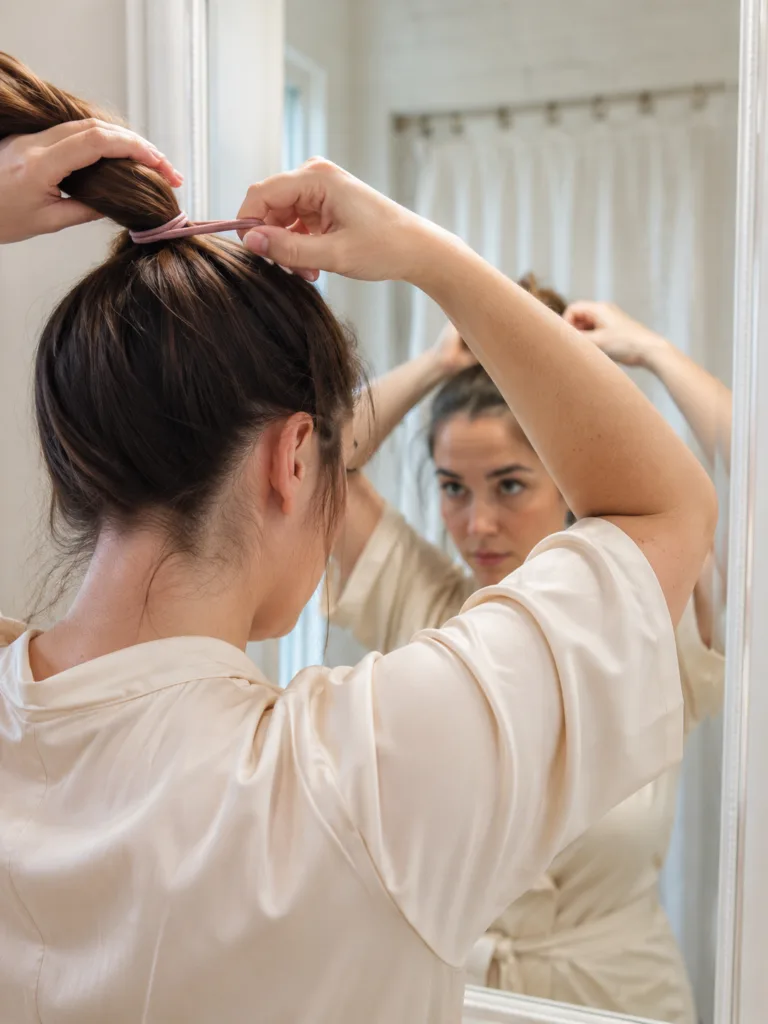
Tight ponytails and buns pull directly on the hair follicle. Keep that tension up for months and you risk traction alopecia, a type of hair loss along the hairline. Fine or thin hair is especially vulnerable, since there’s less strand density to absorb the pull.
The fix: Go for a loose braid or low ponytail most days, and save the sleek high bun for special occasions. If you notice small bumps or soreness along your hairline after a style, that’s a sign the tension was too much.
2. Brushing Hair While It’s Wet
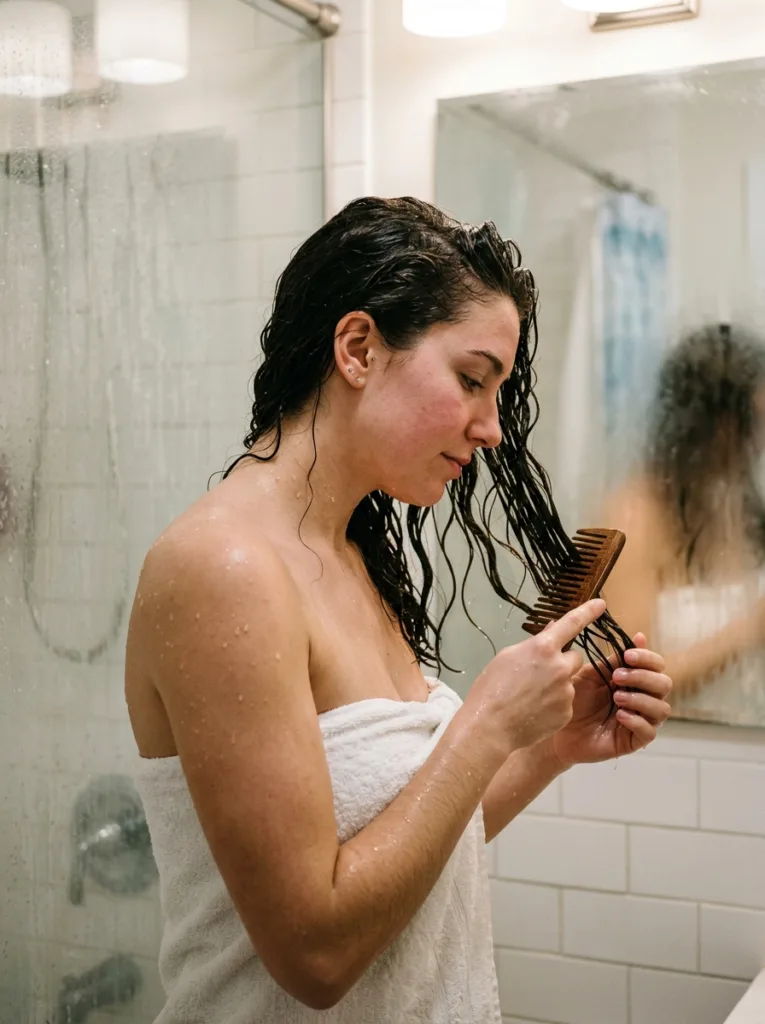
Hair is at its weakest wet. Water breaks the hydrogen bonds that hold each strand’s shape, so a brush dragged through it tears rather than glides, causing split ends and breakage. This is one of the most common hair breakage causes dermatologists see, precisely because it feels harmless in the moment.
The fix: Switch to a wide-tooth comb on damp hair, starting at the ends and working up toward the roots. If your hair tangles easily, apply a small amount of leave-in conditioner first to help the comb glide through.
3. Skipping Heat Protectant
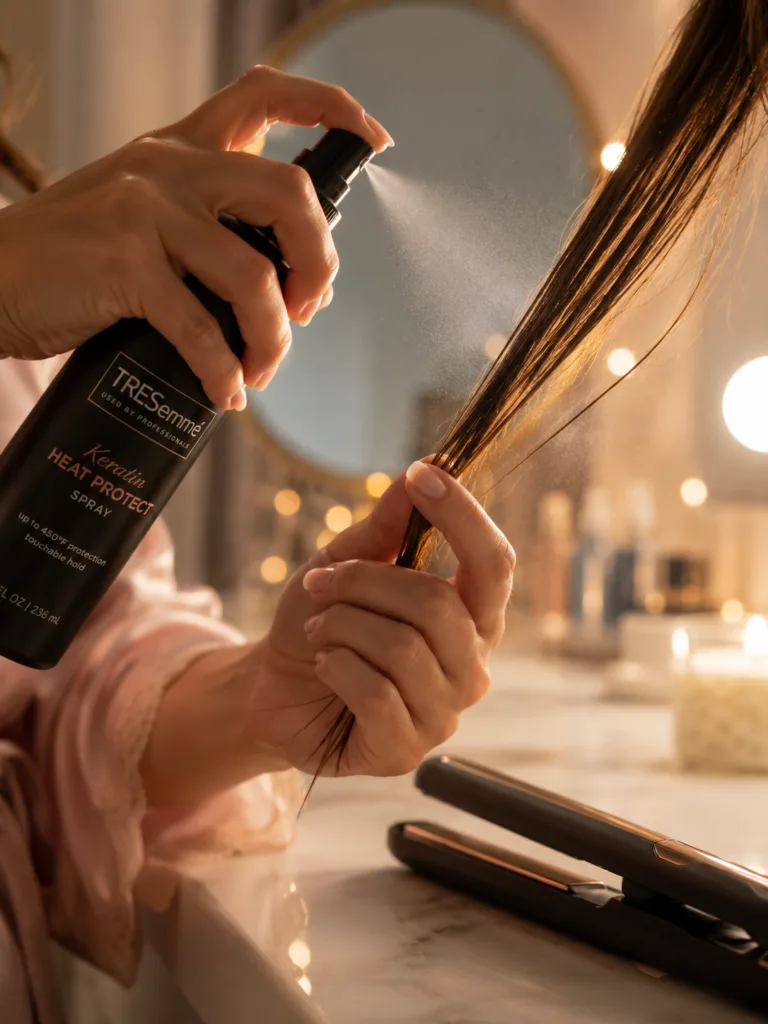
A flat iron or curling wand can hit 400°F. Without a barrier, that heat boils the water trapped inside each strand and leaves it brittle. Even one pass at full heat with no protection can visibly dull the cuticle, which is why this habit ranks so high on the damage list.
The fix: Apply a lightweight heat protectant spray before you pick up any heat tool. Look for one with silicones or dimethicone, since these coat the strand and slow down heat transfer.
4. Rubbing Hair Dry With a Towel

A cotton towel rubbed over wet strands roughs up the cuticle and triggers friction-driven frizz.
The fix: Blot and squeeze with a microfiber towel or an old cotton t-shirt instead of scrubbing back and forth.
5. Overwashing Your Scalp
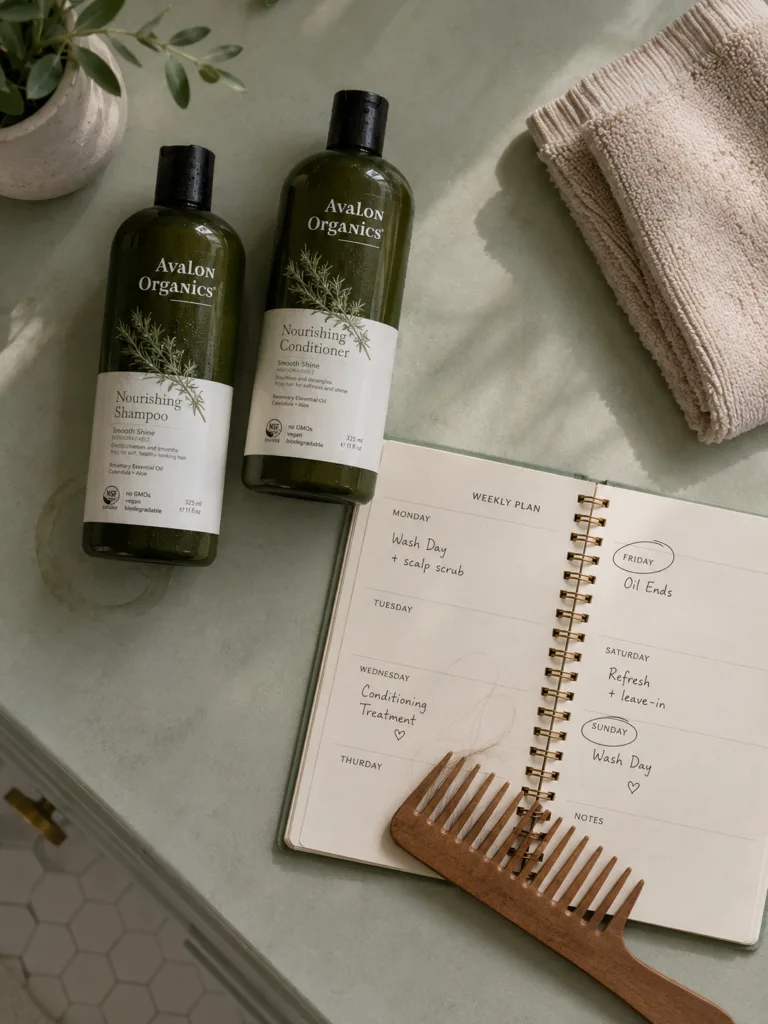
Daily washing strips the natural sebum your scalp produces before it can travel down and protect the hair shaft, leaving strands dry and dull.
The fix: Most hair types only need washing two or three times a week. Curly and coily textures can often stretch to once a week.
6. Skipping Conditioner
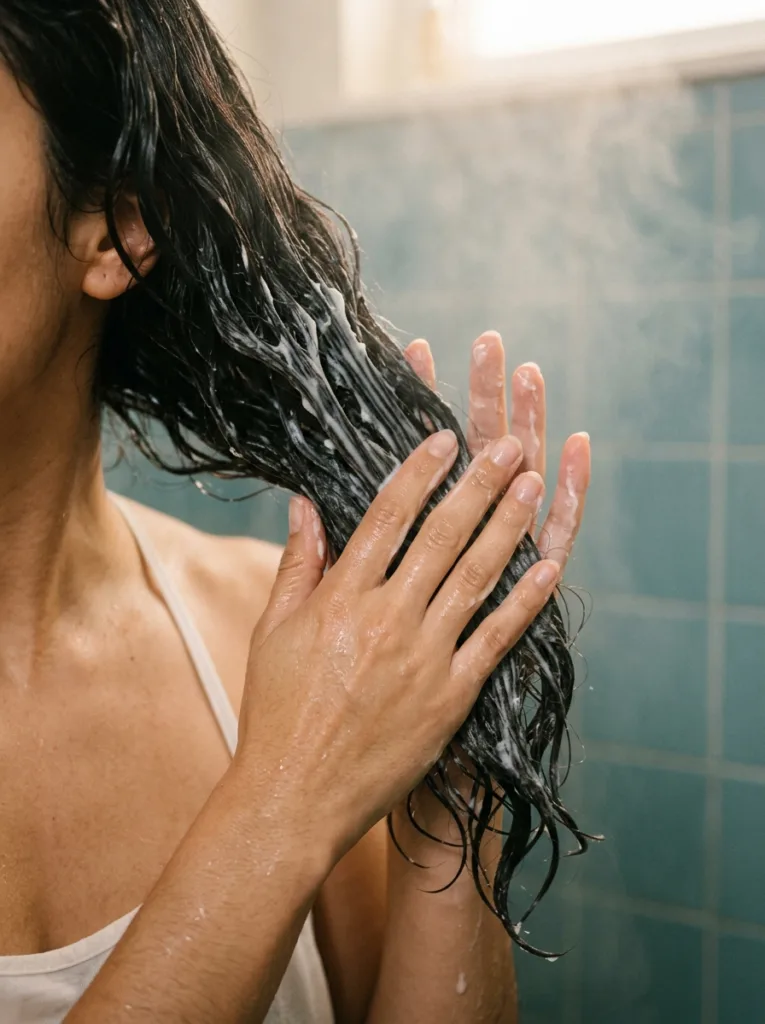
Shampoo opens the cuticle; conditioner closes it back up and seals in moisture. Skip that step and hair stays rough and tangle-prone.
The fix: Condition every time you shampoo, concentrating on the mid-lengths and ends. Roots already get enough oil on their own.
7. Sleeping on Cotton Pillowcases
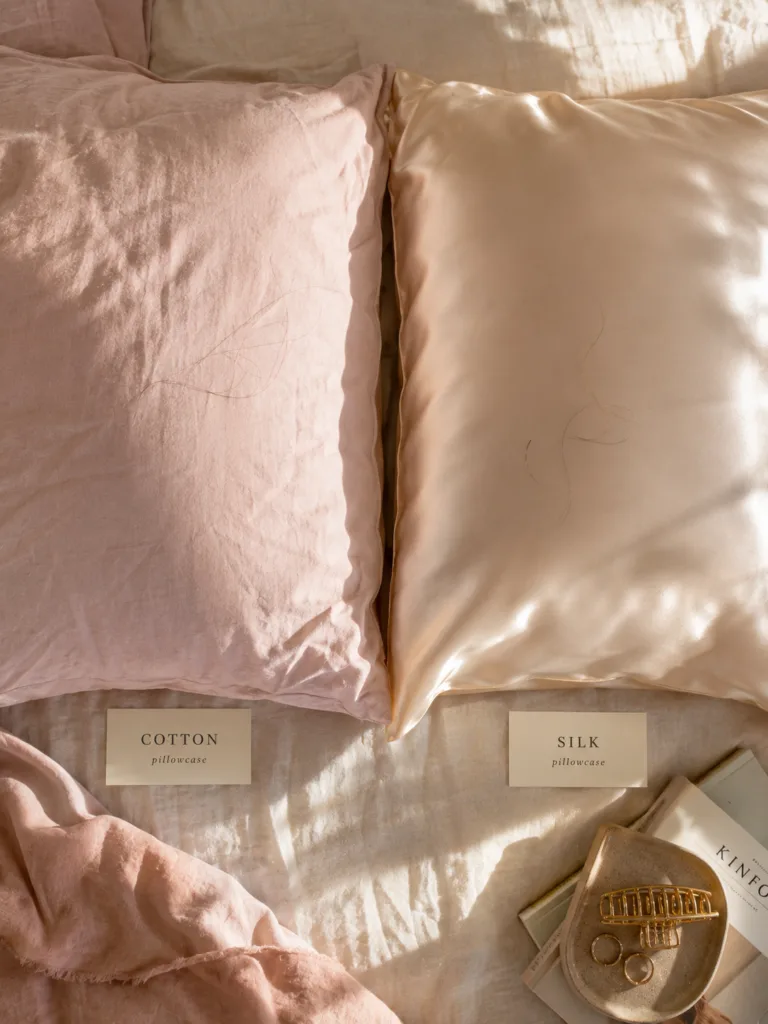
Cotton grips hair strands all night, and that friction adds up to tangles, frizz, and slow breakage near the hairline. Over roughly 2,500 hours of sleep a year, that repeated rubbing does more damage than most people realize.
The fix: Switch to a silk or satin pillowcase. Hair glides across it instead of catching, and it holds onto moisture better than cotton does. A silk scarf or bonnet works the same way if a full pillowcase swap isn’t in the budget.
8. Coloring or Relaxing Too Often
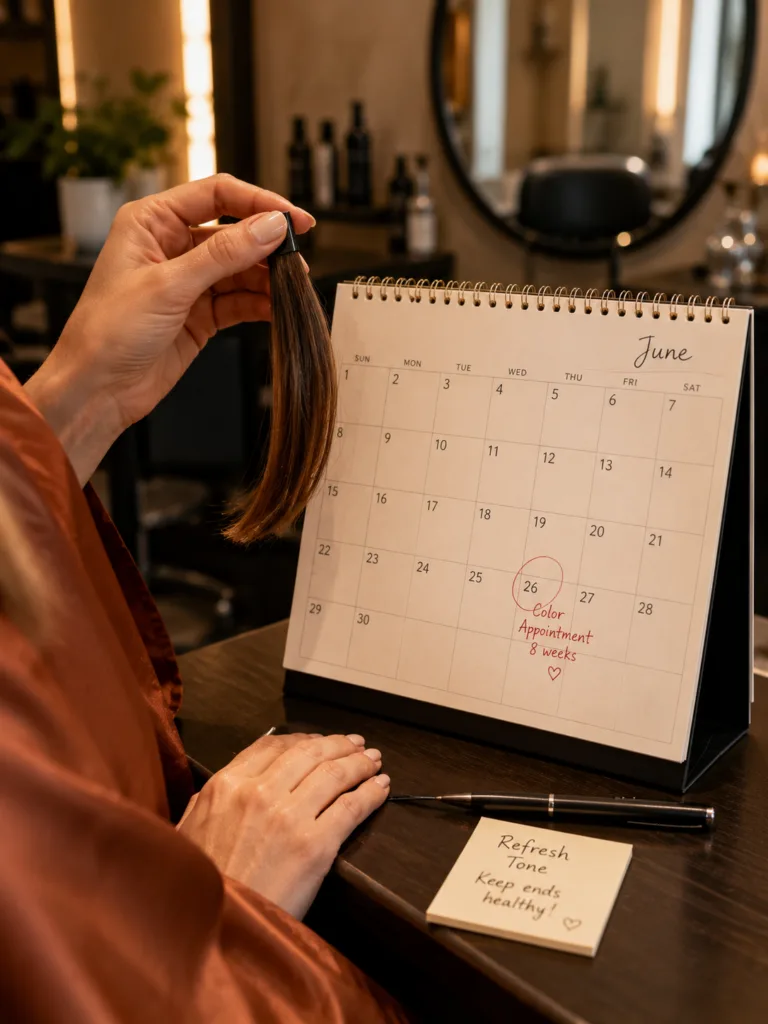
Color and relaxer treatments break down the protein bonds inside each strand. Repeat the process before hair has time to recover, and the damage compounds.
The fix: Leave at least eight weeks between color or relaxer sessions, and never book both in the same week.
9. Skipping Regular Trims
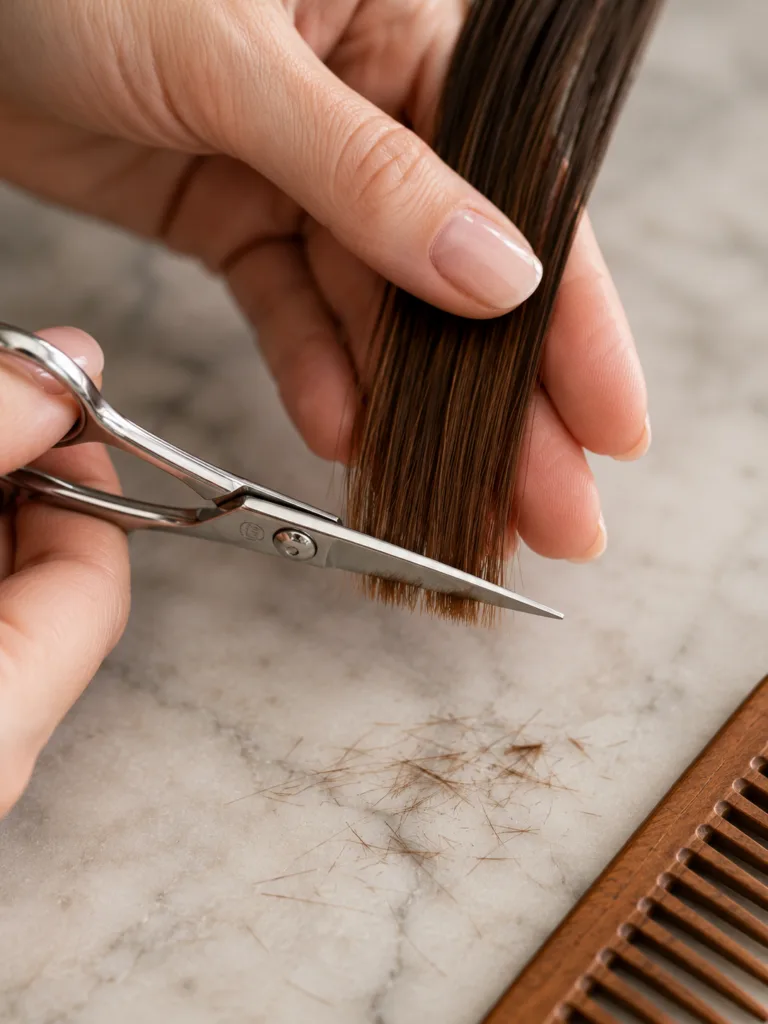
Split ends don’t heal. Left alone, they travel up the shaft and split the hair further, which can turn one small split into a much longer, thinner section over time.
The fix: Book a trim every six to eight weeks. Cutting off even half an inch can head off months of breakage. If salon visits aren’t in your budget right now, learning to dust your own ends with sharp shears is a reasonable middle ground.
10. Overusing Styling Products With Alcohol
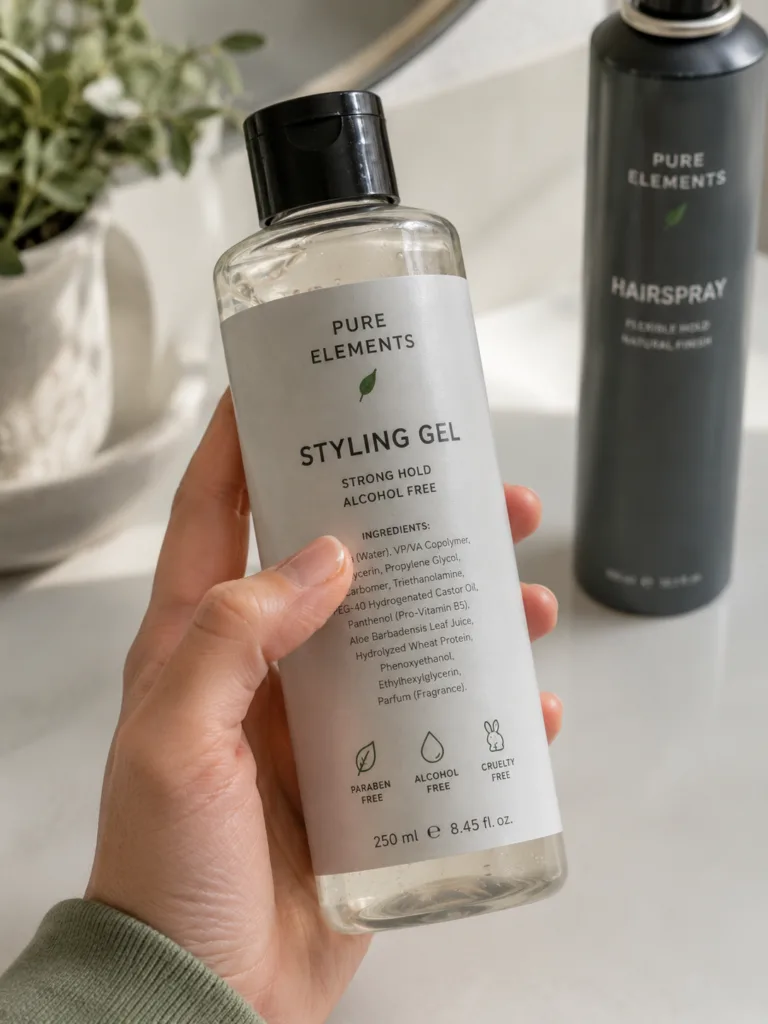
Some gels and hairsprays rely on drying alcohols for a stiff hold, and those ingredients pull moisture straight out of the shaft.
The fix: Scan the label for isopropyl or SD alcohol near the top of the ingredient list, and reach for alcohol-free styling creams instead.
11. Not Protecting Hair From the Sun

UV rays break down hair’s protein structure the same way they damage skin, leaving strands dry, faded, and brittle.
The fix: Wear a hat during peak sun hours, or use a leave-in spray with UV filters, especially if your hair is color-treated.
12. Using Regular Rubber Hair Ties
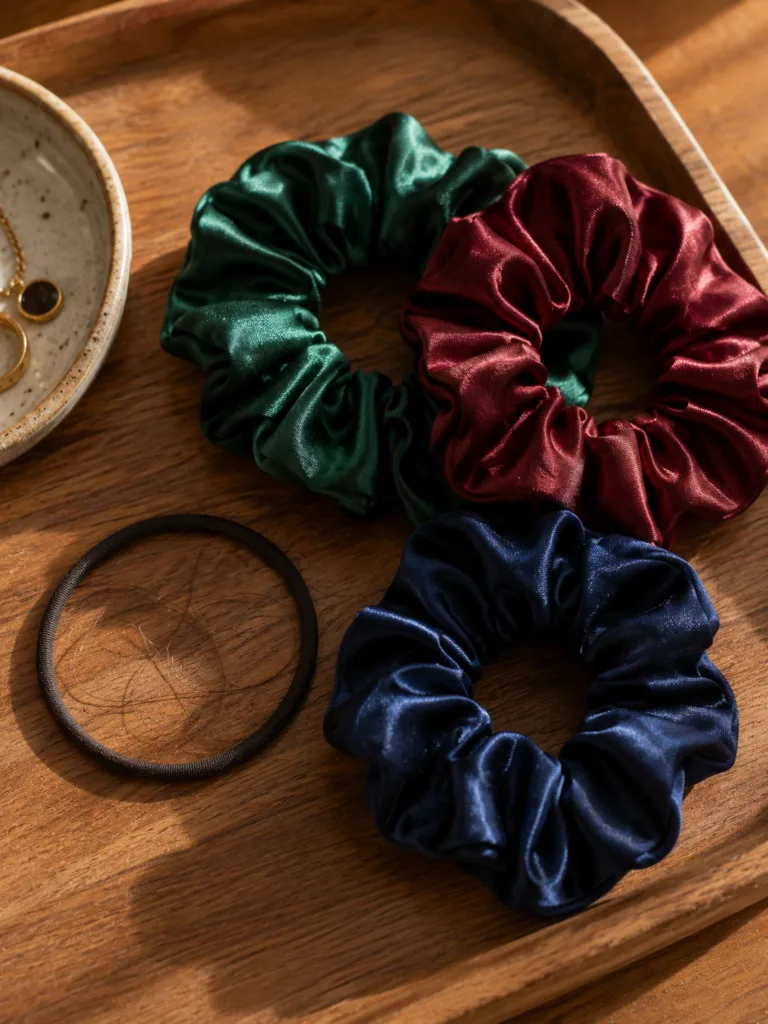
A basic elastic hair tie snags strands every time you pull it out, and those small tears add up.
The fix: Switch to silk scrunchies or coated hair ties. They let go of hair instead of grabbing it.
13. Not Cleaning Hair Tools
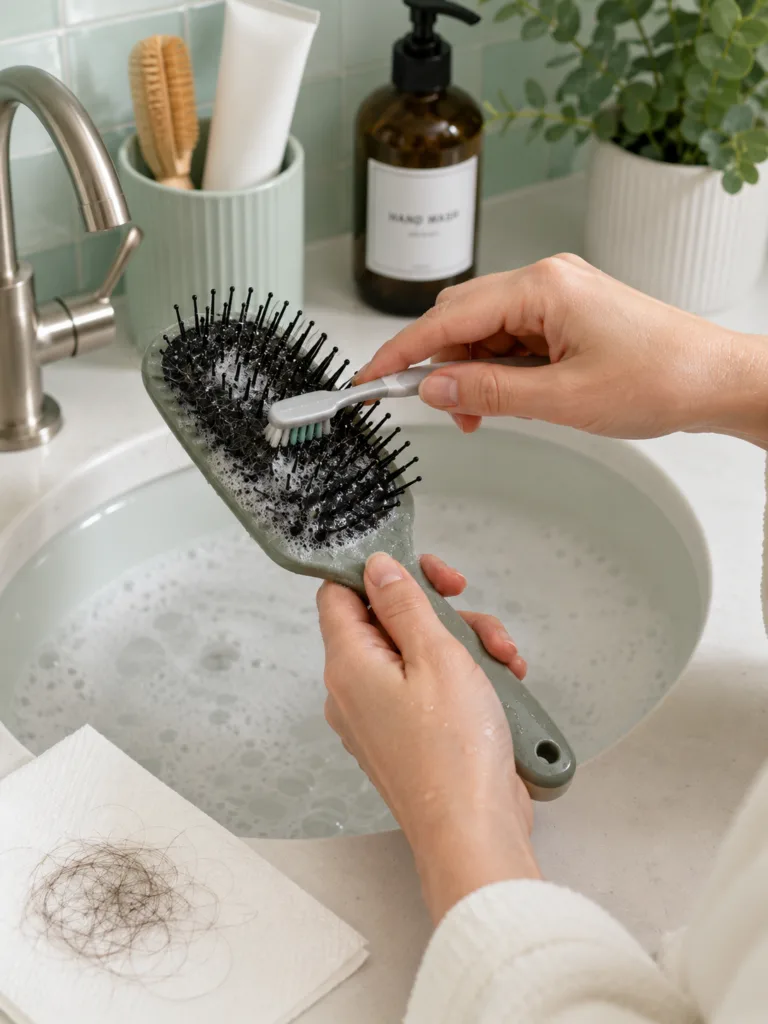
Oil, product residue, and dead skin build up on brushes and combs, then transfer straight back onto clean hair.
The fix: Wash brushes every two weeks with warm water and a little shampoo. Dirty tools also dull your shine.
14. Ignoring Diet and Hydration

Hair is roughly 90% protein, so a low-protein diet weakens new growth before you ever see it. Low biotin, iron, or zinc shows up months later as brittle, thinning strands. Because a strand needs weeks to grow out, a diet problem today often doesn’t show up until well after you’ve fixed it.
The fix: Eat eggs, leafy greens, nuts, and fish regularly, and drink enough water to keep your scalp and hair hydrated from the inside. A daily multivitamin can help close small gaps, but food sources absorb better than supplements alone.
Build Healthy Hair Habits With a Simple Weekly Routine
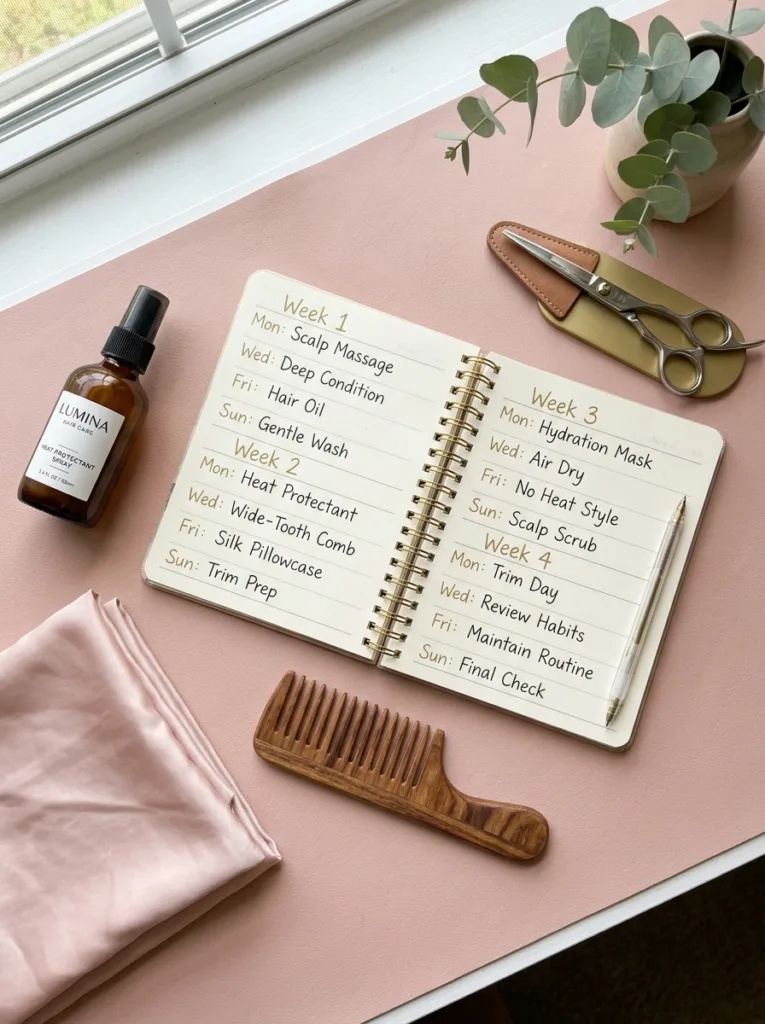
Fixing all 14 habits at once is a lot, so build them in over a few weeks instead. Healthy hair habits stick better when you add them one at a time rather than overhauling your whole routine overnight.
- Week 1: Swap your pillowcase and hair ties. Both take zero extra time.
- Week 2: Add a heat protectant spray and a wide-tooth comb to your routine.
- Week 3: Cut washing to two or three times a week and add conditioner every time.
- Week 4: Book a trim and clean your brushes.
Most people notice less breakage within six to eight weeks of making these changes. Track your progress with a monthly photo of your hairline and ends. It’s a simple way to catch small improvements that are easy to miss day to day.
Frequently Asked Questions
What is the number one habit that damages hair?
Tying hair back too tight causes the most damage over time. It pulls directly on the follicle and can lead to permanent hair loss near the hairline.
Can damaged hair be repaired?
Split ends and broken strands cannot heal themselves. Trims remove the damage, while conditioner and oils only improve the look and feel temporarily.
How often should you wash your hair to avoid damage?
Most hair types do best washed two to three times a week. This keeps natural sebum intact without letting oil buildup weigh hair down.
Does brushing hair 100 times a day help?
No, this is a myth. Excessive brushing causes more friction and breakage than it prevents, according to the American Academy of Dermatology.
Is silk really better than cotton for hair?
Yes. Silk and satin reduce friction against strands overnight, which lowers tangles, frizz, and breakage compared to cotton pillowcases.
What are the most common hair breakage causes?
Tight hairstyles, wet brushing, heat styling without protection, and rubber hair ties are the leading hair breakage causes, according to the American Academy of Dermatology.
Conclusion
Small daily habits cause most hair damage, not bad luck. Pick one habit from this list and fix it this week, starting with your pillowcase or hair ties. Do that, and you’ll likely see less breakage within a month.
For more hair care tips, please visit VelvetBoard.