12 Face Masks for Dry Skin That Actually Work Fast

Does your skin feel tight, flaky, and rough no matter how much moisturizer you slather on? That tug-and-pull feeling by midafternoon is one of the most common skin complaints out there. It usually means your skin barrier needs a real hydrating face mask, not just another lotion.
Face masks for dry skin fix that fast, but only if you pick the right one. Store shelves push pricey jars, but DIY skincare for dry skin costs almost nothing and works just as well. Before you grab a recipe, ask one more question: is your skin truly dry, or just dehydrated right now?
The fix isn’t the same for both. This guide covers 12 recipes built on real dermatology science. It also covers exactly when and how often to use each one for lasting results.
Is Your Skin Dry or Just Dehydrated?
Not every tight feeling means your skin type is dry. The difference changes, which mask you should reach for tonight.
What Sets Dry Skin Apart
Dry skin lacks natural oil. It stays that way long-term, no matter the season. Dehydrated skin is different. It lacks water instead. It can hit any skin type, even oily skin, for just a few days at a time. Cold weather, air travel, and too much caffeine can all trigger it.
The One-Hour Skin Test
Want a quick way to check? Cleanse your face first. Then wait a full hour without applying any product. Look for these signs:
- Tightness that doesn’t ease up on its own
- Rough or flaky texture, especially around your nose and cheeks
- Fine lines that suddenly look more visible
- Redness or a dull, tired look
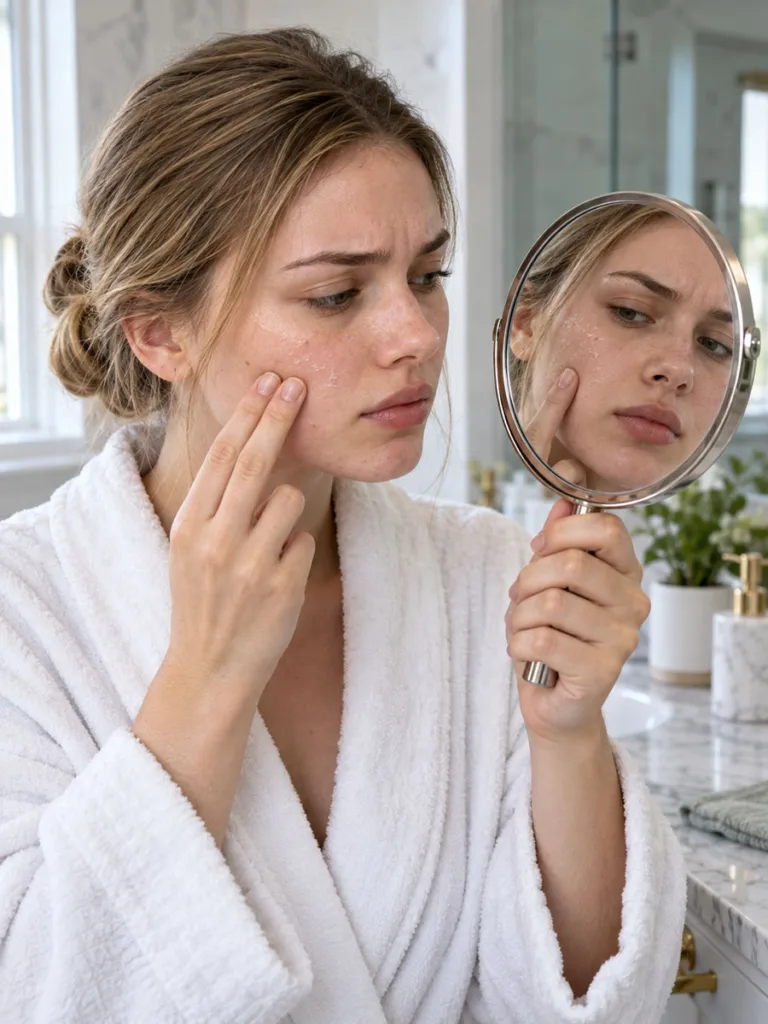
If most of these sound familiar, you’re dealing with true dry skin. Masks for dehydrated skin focus on water first. Masks for dry skin add oil and lipids too. The 12 recipes below cover both. Just pick based on what your skin needs today.
Why Dry Skin Needs the Right Face Mask
Dry skin loses water faster than it can replace it. Understanding why matters before you mix anything in a bowl.
How Your Skin Barrier Breaks Down
Your skin’s outer layer is called the skin barrier. It depends on ceramides and natural oils to stay intact. When those run low, tiny gaps open up. Moisture escapes through those gaps. Irritants sneak in the other way. That’s why dry skin often feels tight and looks a little inflamed at the same time.
Humectants and Emollients Work Together
A good mask always does two jobs. First, humectants like honey and glycerin pull water into your skin. Then emollients like avocado and shea butter seal that water in place. Skip either step, and the mask falls short. Hyaluronic acid takes this even further. It can hold up to 1,000 times its weight in water. That’s why it shows up in nearly every hydrating formula on the market.
Why This Is More Common Than You Think
Dry skin isn’t rare. A population study of middle-aged and older adults found that 60% had measurable dry skin. About one in five dealt with it across their entire body. Cold, low-humidity months make it worse for almost everyone. That’s exactly why a mask alone rarely solves the problem. It needs help from a daily moisturizer built for dry skin, a shorter shower, and enough water throughout the day. A full skincare routine for dry skin covers all of this beyond masking alone. If patches crack, bleed, or don’t improve after a few weeks, that points to eczema, not simple dryness. A dermatologist can treat it properly.
How to Prep Your Skin Before Masking
Preparation decides whether a mask sinks in or just sits on top of dead skin. Skip this part, and even the best recipe underperforms.
Cleanse and Check for Reactions
Wash your face with a gentle, fragrance-free cleanser first. Hot water strips oil, so stick with lukewarm. Use fresh ingredients only. Old avocado or expired dairy can irritate skin instead of soothing it. Always do a patch test on your inner arm 24 hours before trying anything new. Watch especially for nuts, citrus, or essential oils.
Apply It the Right Way

Pat your skin damp, not bone dry. Damp skin absorbs humectants faster. Apply the mask in a thin, even layer. Avoid your eyes and lips, where skin is thinner and reacts faster. Then treat those 15 to 20 minutes as a small ritual. Sit down. Breathe. Let it work instead of rushing through it.
12 Best DIY Face Masks for Dry Skin
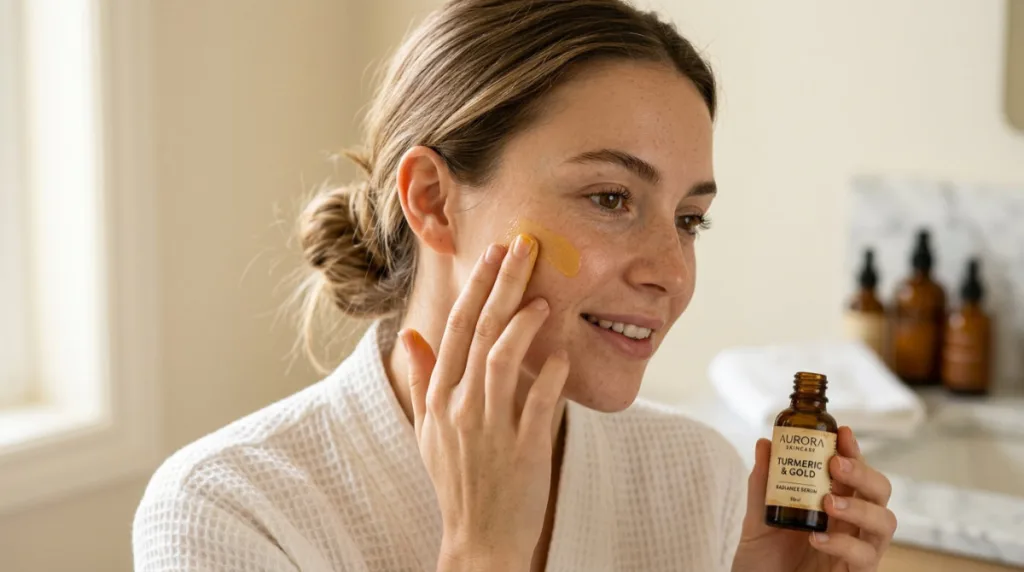
These recipes cover dry skin at every level, from mild tightness to truly flaky patches. Each one uses two to four ingredients. Unless a recipe says otherwise, leave it on for 15 to 20 minutes, then rinse with lukewarm water. Want a brightening option too? Our turmeric face mask recipe works well between hydrating treatments.
| # | Mask | Best For | Time |
| 1 | Honey and Avocado | Flaky, severely dry cheeks | 20 min |
| 2 | Oatmeal and Yogurt | Dehydrated, sensitive skin | 15 min |
| 3 | Banana and Olive Oil | Quick midweek tightness | 15 min |
| 4 | Aloe Vera and Glycerin | Inflamed, reactive skin | 15-20 min |
| 5 | Coconut Milk and Rose Water | Sun or wind-exposed skin | 10 min |
| 6 | Egg Yolk and Almond Oil | Dry, mature skin | 15 min |
| 7 | Shea Butter and Cocoa Butter | Severe winter dryness | 10 min |
| 8 | Cucumber and Milk | Combination dry skin | 15-20 min |
| 9 | Papaya and Honey | Dull, flaky texture | 15 min |
| 10 | Avocado and Oatmeal | Stubborn flaky patches | 20 min |
| 11 | Honey and Milk | Busy mornings | 15 min |
| 12 | Overnight Hyaluronic Acid | Travel or heated bedrooms | Overnight |
1. Honey and Avocado Mask

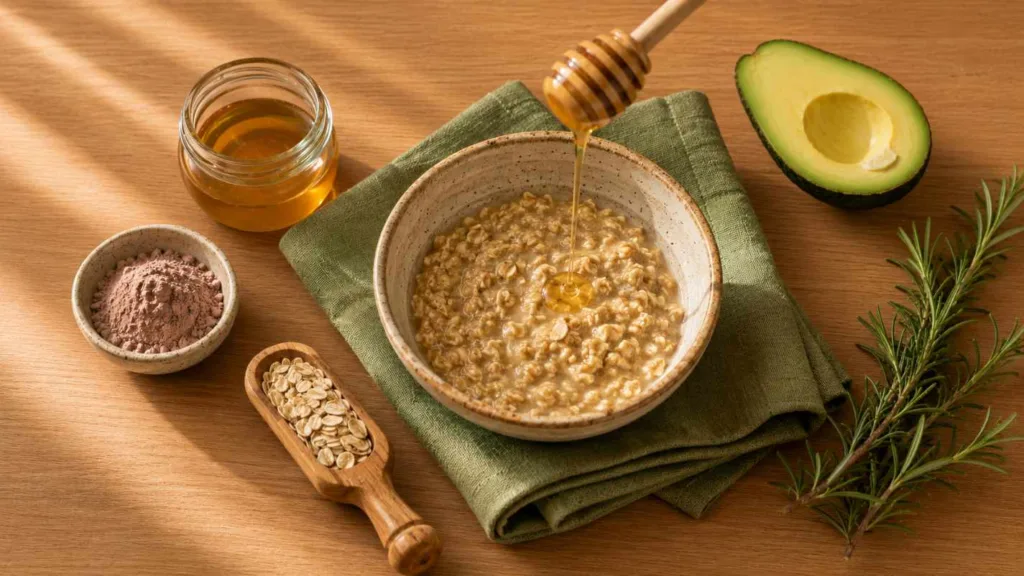
Mash half a ripe avocado until smooth. Stir in two tablespoons of raw honey. Avocado is packed with fatty acids. They act a lot like the ceramides your skin barrier is missing. Honey pulls water straight into your skin. It calms redness at the same time. Spread the mix on clean skin. Leave it for 20 minutes. This one works best on cheeks that flake by the end of the day. It’s gentle enough to use twice a week.
2. Oatmeal and Yogurt Mask

Grind two tablespoons of plain oats into a fine powder. Mix in enough plain yogurt to form a thick paste. Oats calm irritated skin almost instantly. The lactic acid in yogurt softens rough, flaky patches. It does this without stripping away your remaining oil. This combination suits dehydrated skin that also feels a bit sensitive. Leave it on for 15 minutes, then rinse with cool water to settle any redness before you moisturize.
3. Banana and Olive Oil Mask

Mash one ripe banana until it’s completely smooth. Blend in a teaspoon of olive oil. Bananas carry potassium and natural sugars. They draw moisture into your skin. Olive oil seals that hydration in place, so it doesn’t evaporate. This is the mask for a busy weeknight, when skin feels tight but isn’t flaking yet. 15 minutes is enough. Rinse well, since banana can leave a sticky residue if you rush it.
4. Aloe Vera and Glycerin Mask
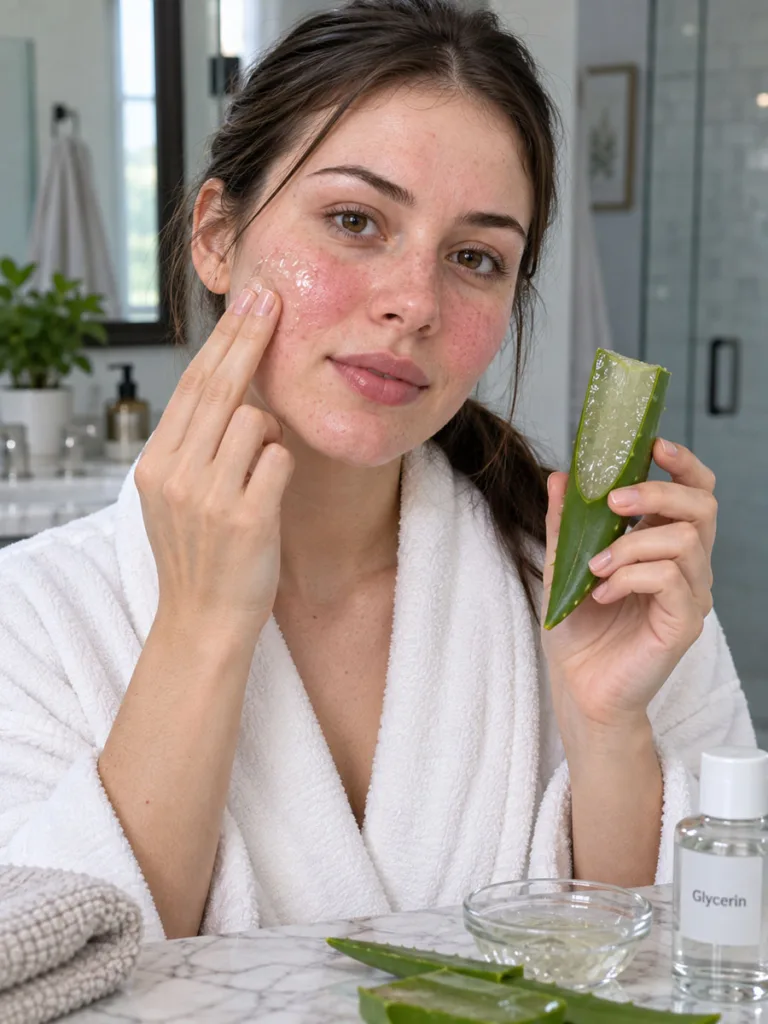
Mix two tablespoons of pure aloe vera gel with a few drops of glycerin. Apply the blend to clean, slightly damp skin. This pairing cools inflamed or sensitive dry skin almost on contact. Glycerin is one of the most studied humectants in skincare, and dermatologists rely on it for a reason: it works. Aloe vera adds its own soothing compounds on top. That makes this the safest mask here if your skin reacts easily to new ingredients.
5. Coconut Milk and Rose Water Mask

Combine three tablespoons of coconut milk with one tablespoon of rose water. Soak a clean cotton pad in the mixture. Press it gently onto your face for 10 minutes. This mask is especially good after a day in the sun or wind. It calms tight, irritated skin quickly. Coconut milk brings fat and natural sugars to the mix. Rose water adds a light, calming effect that most sensitive skin tolerates well.
6. Egg Yolk and Almond Oil Mask

Whisk one egg yolk with a teaspoon of almond oil until fully blended. Egg yolk is rich in fats and vitamins that nourish dry, mature skin. Almond oil adds vitamin E on top for extra softness. Use a fresh, refrigerated egg. Wash your hands afterward, the same care you’d take handling raw egg for cooking. Rinse thoroughly with cool water once the 15 minutes are up. Leftover residue can leave an odd smell behind otherwise.
7. Shea Butter and Cocoa Butter Mask

Melt equal parts shea butter and cocoa butter together. Let the mixture cool slightly before you apply it. This is a rich, occlusive mask, built for skin that gets painfully dry once winter hits. It sits heavier on your face than the other recipes here. 10 minutes is plenty. Any longer, and it can feel greasy instead of nourishing. Wipe off any extra with a warm cloth before you rinse the rest away.
8. Cucumber and Milk Mask
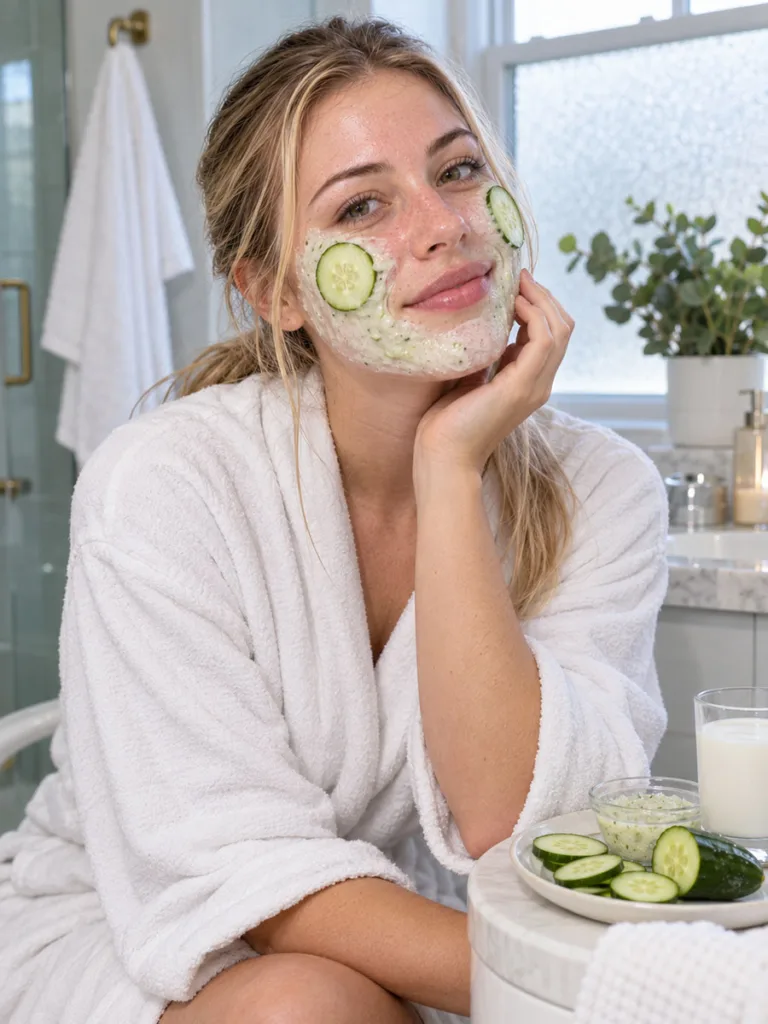
Blend half a cucumber with two tablespoons of whole milk. Mix until it forms a smooth, watery paste. Cucumber hydrates on contact. The proteins in milk help soothe patches that feel irritated or tight. This lightweight mask is the right call for combination dry skin. Cheeks feel parched here, but the forehead still gets shiny by noon. Apply it everywhere, then save a heavier cream for the drier spots only.
9. Papaya and Honey Mask

Mash a quarter cup of ripe papaya with one tablespoon of honey until smooth. Papaya enzymes gently clear away dead skin. Whatever you apply afterward absorbs faster and works harder as a result. Use this mask twice a week, not daily. Those enzymes can feel a little strong on thin or sensitive skin. Leave it on for 15 minutes, then rinse with lukewarm water and follow with moisturizer right away.
10. Avocado and Oatmeal Mask

Combine mashed avocado with cooked, cooled oatmeal. Mix until you get a thick, nourishing paste. This pairing is noticeably richer than the honey and avocado mask above. That makes it a better fit for flaky patches around your nose and mouth. Lighter, water-based masks often don’t touch those spots. Give it a full 20 minutes to really sink in. Oatmeal adds bulk, so this mask also stays put better during application.
11. Honey and Milk Mask

Mix two tablespoons of raw honey with one tablespoon of warm milk. Blend until smooth and pourable. This is about as simple as a mask gets. It still delivers real hydration on busy mornings, when you don’t have time for anything elaborate. Warm milk helps the honey spread evenly and soak in faster. 15 minutes is all you need, and it rinses off cleanly with lukewarm water alone.
12. Overnight Hyaluronic Acid Mask
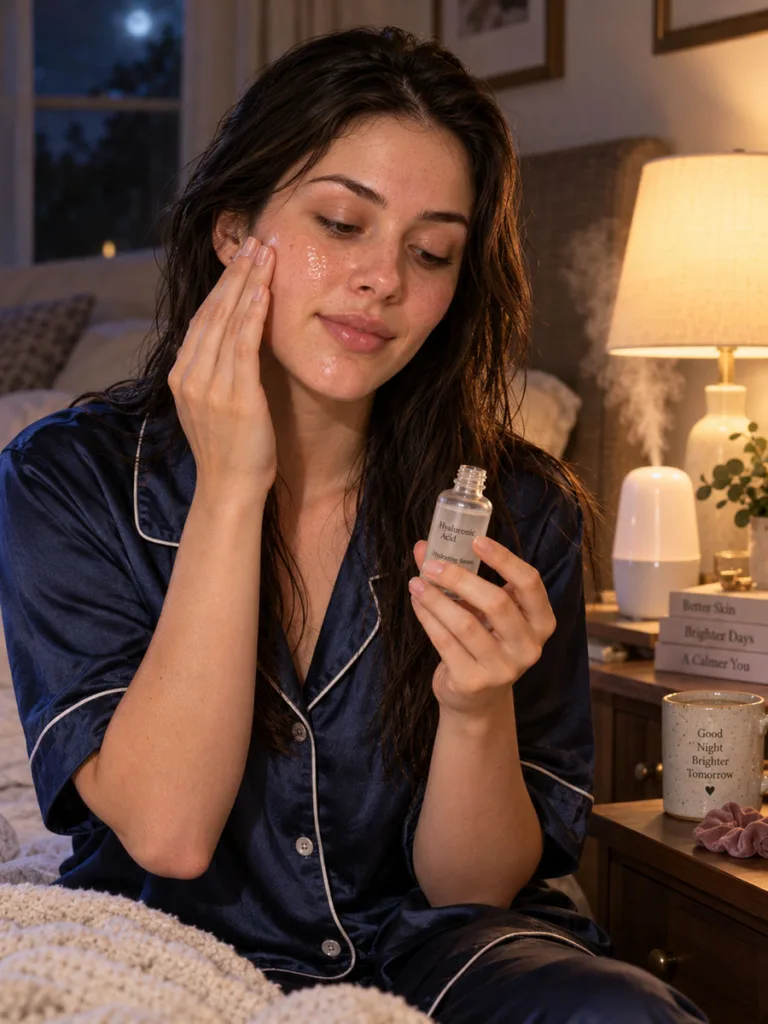
Apply a thin layer of a store-bought hyaluronic acid serum before bed. Seal it in with a light moisturizer on top. This hybrid pick earns its spot here for nights when your skin needs serious hydration. You just won’t have the energy for prep work. It’s especially useful after travel days. Heated, dry bedrooms can tip your skin from merely dry into properly dehydrated by morning.
How Often to Use a Hydrating Face Mask
How often you mask depends on your skin’s condition that day, not a fixed rule you follow forever.
| Skin Condition | How Often | Best Recipes |
| Mild tightness | 2-3 times a week | Banana and Olive Oil, Honey and Milk |
| Severely flaky or cracked | Daily for up to 5 days | Honey and Avocado, Avocado and Oatmeal |
| Sensitive | 2 times a week | Aloe Vera and Glycerin, Oatmeal and Yogurt |
| Mature | 2 times a week | Shea Butter and Cocoa Butter, Egg Yolk and Almond Oil |
| Combination | 2-3 times a week | Cucumber and Milk |
A General Frequency Guide
Mild tightness responds well to masking two to three times a week. If your skin is severely flaky or cracked, you can use a gentle mask daily. Do this for up to five days, then ease back.
Sensitive and Mature Skin Need More Care
Sensitive dry skin needs extra caution. Stick to two sessions a week. Always patch test anything new first. Mature skin benefits from richer masks instead, like the shea butter or egg yolk recipes above. Use them twice weekly alongside a consistent moisturizer routine.
Combination Dry Skin Needs a Lighter Touch
If your cheeks feel tight but your forehead gets shiny by afternoon, that’s combination dry skin. Lighter recipes like the cucumber mask work best here. Apply it across your whole face. Follow with a heavier cream only where you actually need it.
Turn It Into a Ritual

Masking twice a week can be more than a treatment. Put your phone away. Play something quiet. Let those fifteen minutes reset your mood along with your skin.
Mistakes That Make Dry Skin Worse
Small habits quietly undo a good mask routine, often without you noticing.
Application Mistakes
- Leaving a mask on until it fully dries, which pulls moisture back out of skin
- Skipping moisturizer right after rinsing, which lets hydration evaporate within minutes
- Rinsing with hot water, which strips the natural oils your mask just restored
Ingredient Mistakes
- Over-exfoliating before masking, which strips your barrier further instead of prepping it
- Choosing masks with alcohol or added fragrance, both known irritants for compromised skin
- Using expired dairy, egg, or produce, which can trigger a breakout instead of a glow
- Ignoring known allergens, like citrus, nuts, or essential oils, in a new recipe
Ingredients to Avoid With Sensitive, Dry Skin
Dry skin and sensitive skin often show up together. A few common kitchen ingredients can irritate both at once. Know these before you experiment.
- Lemon And Citrus Juice: the acidity can burn a compromised skin barrier and cause dark spots with sun exposure
- Cinnamon And Clove: both feel warming on skin, but that heat usually means irritation underneath
- Baking Soda: it disrupts your skin’s natural pH and strips protective oils fast
- Undiluted Essential Oils: tea tree, peppermint, and citrus oils are common allergens even in small amounts
If your skin turns red, itches, or stings within minutes, rinse the mask off right away. Stick with gentler options, like the oatmeal and yogurt or aloe vera and glycerin masks, until your barrier feels stronger.
Frequently Asked Questions
1. What is the best homemade face mask for dry skin?
The honey and avocado mask works best for most dry skin types. It combines a strong humectant with fatty acids that mimic natural ceramides.
2. Can I leave a face mask on overnight?
Only lightweight, serum-based masks like hyaluronic acid are safe overnight. Thick masks with honey or dairy should stay on for twenty minutes, max.
3. How often should dry skin use a face mask?
Two to three times a week works for most people. Severely dry skin can handle daily masking for up to five days.
4. How long until I see results from a hydrating mask?
Softer, less tight skin usually shows right after rinsing. Visible texture changes from regular use appear within one to two weeks.
5. Do natural ingredients work as well as store-bought masks?
Yes, when paired correctly. Avocado, honey, and oatmeal deliver the same humectant and emollient benefits found in many retail formulas.
6. Should I moisturize after using a hydrating mask?
Always. Moisturizer seals in the water the mask just added. Without it, that water evaporates off bare skin fast.
Conclusion
Dry skin needs humectants to pull water in and emollients to lock it there. These 12 homemade face mask recipes give you both without draining your wallet. Run the quick test above to confirm what your skin needs tonight, then pick the mask that matches it. Consistency beats any single mask, so stick with two sessions a week. Try one tonight, and let your skin barrier handle the rest by morning.