15 Fall Skincare Tips That Fix Dry, Dull Skin Fast

Why does your skin suddenly feel tight and dry every fall? You didn’t change your routine. The weather did. That’s not in your head, either. Fall skincare exists because cooler temperatures and dry indoor heat pull moisture straight out of your skin barrier faster than your skin can replace it.
The result shows up fast: flaking around your nose, dullness across your cheeks, and sometimes breakouts you didn’t see coming. Most people respond by piling on more moisturizer. That rarely works, because the real problem sits deeper than dryness on the surface.
You don’t need a full product overhaul to fix this. You need the right routine, matched to your skin, and a few small habits swapped out before winter makes things worse. Here’s exactly how to get there.
Why Your Skin Struggles When Fall Arrives
Cool air holds less moisture than summer air does. That single fact explains almost everything your skin goes through once autumn sets in.

How Dry Air Pulls Moisture from Your Skin
Humidity drops fast once fall hits. Outdoor humidity can fall from around 70 percent in summer to under 40 percent once fall settles in. Your skin feels every bit of that change. Water gets pulled out through a process dermatologists call transepidermal water loss, and it speeds up the moment the air around you dries out. Add indoor heating to the mix, and your bedroom can end up drier than the air outside. Frequent handwashing during cold and flu season doesn’t help either, since it strips oils from your hands and face at the same time.
Why Ignoring It Makes Things Worse
A weak barrier gets worse, not better, over time. Your skin barrier is made of natural lipids, including ceramides and cholesterol. Cold air and hot showers both wear it down. Left alone, mild dryness turns into flaking. Flaking turns into redness. Eventually, a weakened barrier starts stinging at products that never bothered you before. The American Academy of Dermatology recommends adjusting your routine every season, not just once a year, for exactly this reason. Catching the problem early is a lot easier than fixing it after the damage already shows.
Build A Fall Skincare Routine That Actually Works
A good fall skincare routine doesn’t need ten steps. It needs the right five, done consistently, morning and night. Consistency beats complexity every time the seasons shift.
Morning Routine
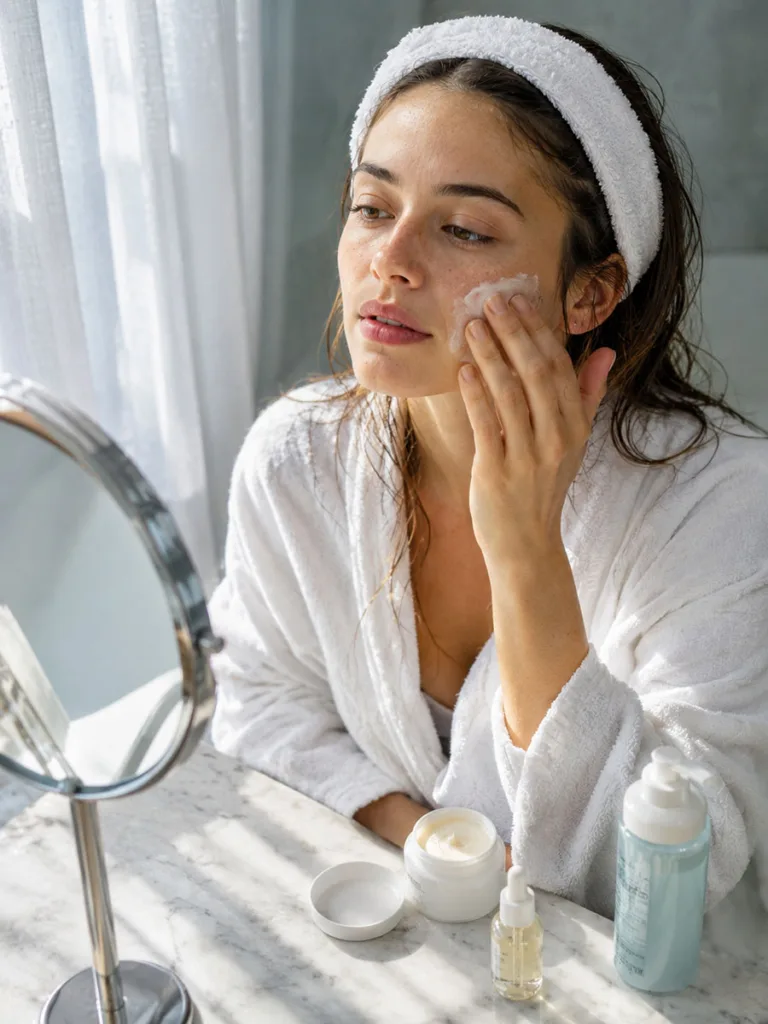
Four steps, five minutes, done. Start with a gentle cleanser, one that won’t strip your skin the way a foaming formula might. Follow it with a hydrating serum built around hyaluronic acid, then a richer moisturizer than whatever you used in July. Finish with broad-spectrum SPF 30, even if the sky looks gray outside. This sequence protects your skin before dry air and daily sun exposure get the chance to do damage.
Night Routine

Nighttime is when repair happens. Double cleanse if you wore makeup or sunscreen that day. Apply any active treatments next, retinoids included, then seal everything in with a heavier night cream or a facial oil. Your skin does most of its repair work while you sleep, so don’t skip the sealing step. If your skin still feels tight after moisturizing, add a few drops of facial oil on top. Oil slows water loss overnight far better than cream on its own.
15 Fall Skincare Tips for Glowing, Healthy Skin
These fifteen tips target the exact problems fall weather causes, from flaking to sudden breakouts you can’t quite explain. Work through them at your own pace. You don’t need to change everything at once, and honestly, you shouldn’t.
1. Switch to a Cream Cleanser

Your cleanser might be the real problem. Foaming cleansers feel satisfying in July, but they strip away oil your skin needs more of once the weather turns. A cream cleanser removes dirt, sweat, and makeup while leaving your natural oils mostly in place. Look for ceramides or glycerin near the top of the ingredient list. If your face feels tight right after washing, take that as a sign your cleanser is too harsh for the season, and swap it before that tightness turns into flaking.
2. Apply Moisturizer to Damp Skin
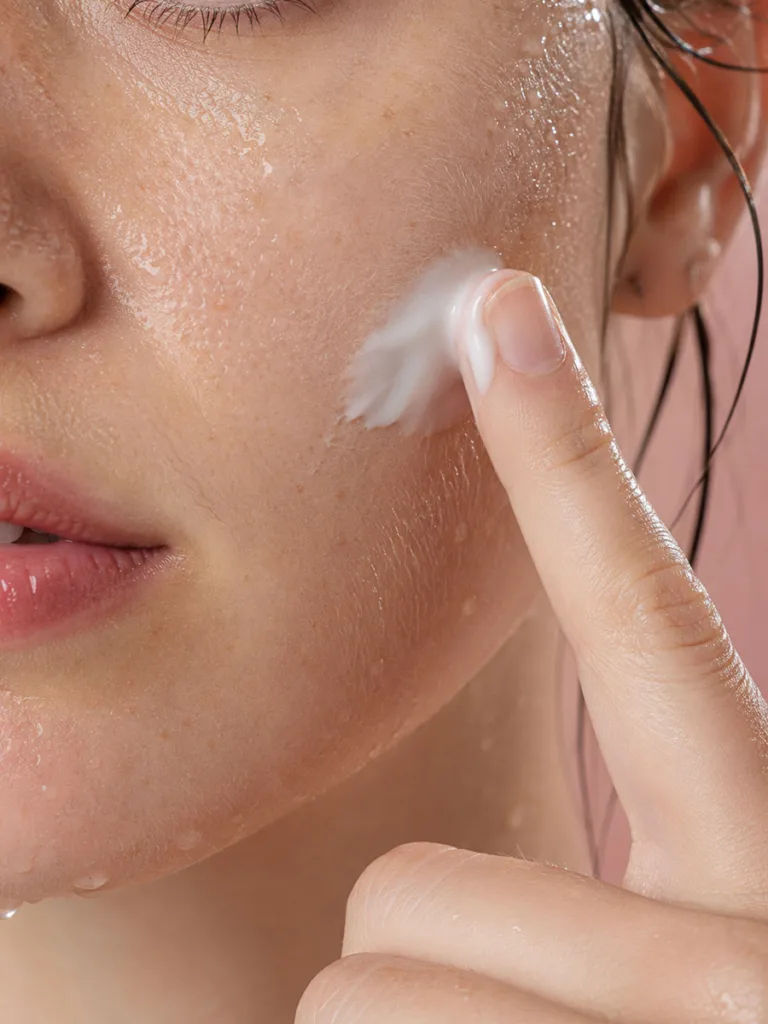
Timing matters more than the product itself. Water sitting on your skin gives your moisturizer something to lock in. Pat your face dry after cleansing so it’s still slightly damp, then apply moisturizer within a minute or two. Waiting too long lets that surface water evaporate before your cream can seal it in. It’s a small timing change, but it makes a real difference in how hydrated your skin feels by midday, and it costs nothing to try tonight.
3. Layer a Hyaluronic Acid Serum Under Moisturizer
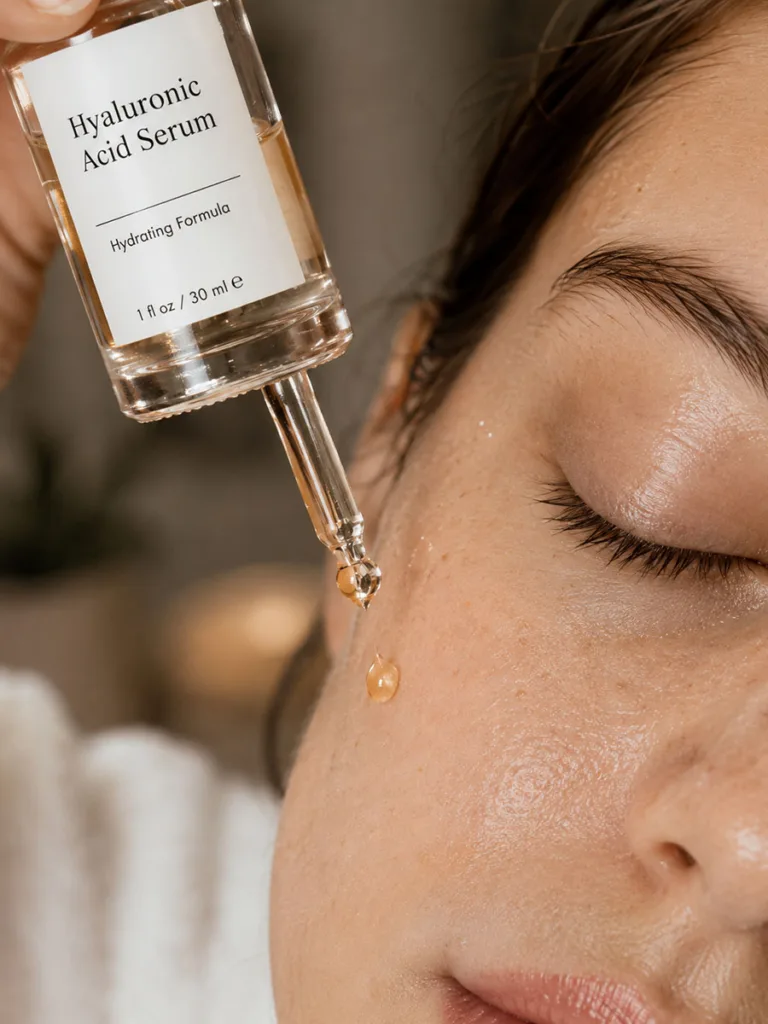
Hyaluronic acid needs water to work. It pulls water into your skin and holds onto it, sometimes up to a thousand times its own weight. But it only works well when there’s moisture nearby for it to grab. Apply it to damp skin, not dry skin, then follow immediately with moisturizer to trap that hydration in place. Used this way, most people notice smoother, plumper skin within just a few days.
4. Upgrade to a Richer Moisturizer

Your summer moisturizer won’t cut it anymore. Once the air dries out, your skin needs something with more staying power. Look for creams built around ceramides, glycerin, and squalane, all three of which help rebuild your barrier instead of just sitting on the surface. If you’re still reaching for the same gel moisturizer you used in July, that’s usually the first thing worth changing.
5. Keep Wearing SPF 30 Daily

Sunscreen isn’t optional just because it’s cooler out. It’s easy to assume sunscreen is a summer-only product. It isn’t. UV rays still reach your skin through clouds and windows, and sun damage builds up regardless of the temperature outside. The American Academy of Dermatology recommends SPF 30 or higher every single day, all year round. Skipping it in fall quietly undoes a lot of the repair work your other products are trying to do.
6. Exfoliate Once or Twice a Week, Not Daily
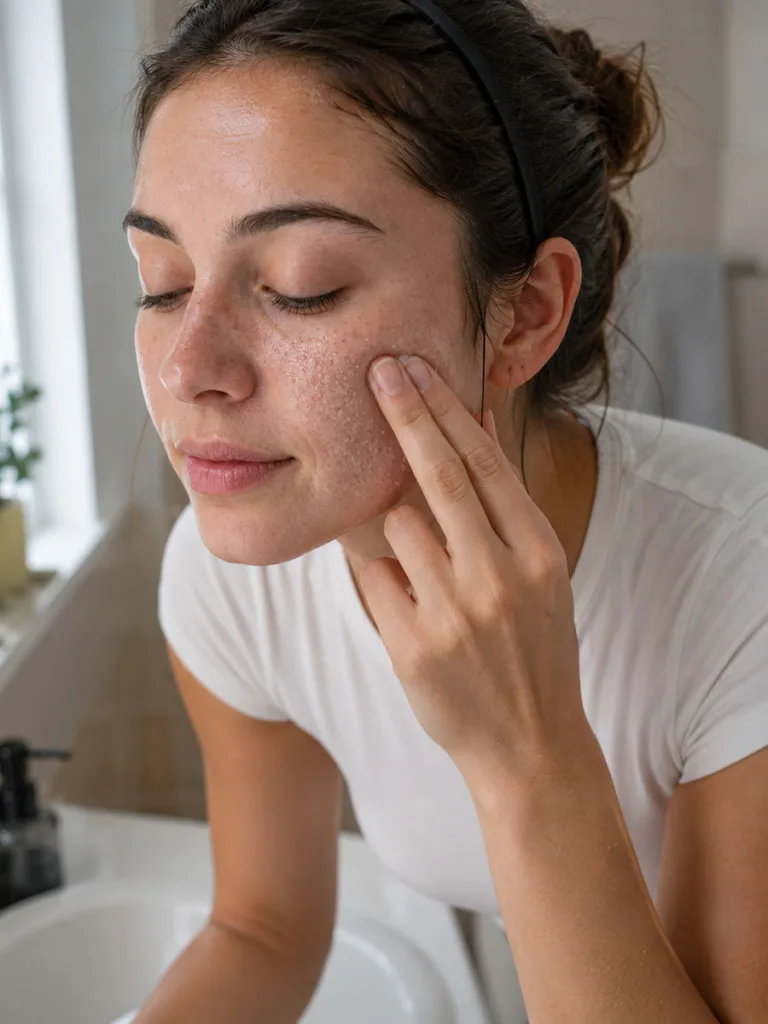
More scrubbing makes dryness worse, not better. Fall is not the time to double down on scrubs and acids, even if your skin feels rough. Two sessions a week is plenty for most people, and that might even be too much if your skin already feels sensitive. Over-exfoliating strips the very barrier you’re trying to protect, which leads to stinging, redness, and peeling that has nothing to do with the weather itself. If your skin looks irritated, back off before adding anything new.
7. Match Your Acid to Your Skin Type

The wrong acid can backfire fast. Not every exfoliating acid works the same way. AHAs dissolve dead skin on the surface and suit drier skin well, while BHAs dig into pores and work better for oily or acne-prone skin. Using the wrong one for your skin type is a common reason exfoliation causes more irritation than results. Check the label before you buy, and when in doubt, start with the gentler option and adjust from there.
8. Add a Humidifier to Your Bedroom

Your bedroom air might be the culprit. Indoor heating can drop bedroom humidity below 30 percent, and you’re breathing that dry air for roughly eight hours a night. A humidifier puts moisture back into the room while you sleep, giving your skin a real chance to hold onto hydration overnight. It’s a small investment that pays off fast, especially if you’re waking up with tight, flaky skin no matter what you put on the night before.
9. Take Shorter, Cooler Showers

Hot showers feel good and do damage. Long, scalding showers break down the same lipid barrier you’re trying to protect with every other step in this routine. Keep showers under ten minutes and turn the temperature down to warm instead of hot. Your skin notices the difference, and honestly, so does your heating bill.
10. Pat Your Skin Dry Instead of Rubbing

How you dry your face actually matters. Rubbing a towel across your face pulls at delicate skin and can cause tiny micro-tears you won’t even notice happening. Pat gently instead, leaving a little moisture behind for your next product to lock in. This habit takes zero extra time and costs nothing to fix, so there’s really no reason to skip it.
11. Treat Your Lips Like Your Face

Lips dry out before anywhere else. They have no oil glands of their own, so they show damage first once fall arrives. A lip balm with shea butter or beeswax, reapplied several times a day and again right before bed, keeps chapping from setting in. If your lips are already cracked, look for one with ceramides too, since plain wax alone won’t repair damage that’s already there.
12. Do Not Skip Hand Cream

Your hands need the same care as your face. They lose moisture faster than facial skin and show dryness first, especially with more frequent washing during cold and flu season. Keep a hand cream by every sink in your house, not just in your bag, so reapplying actually becomes a habit instead of an afterthought. Cracked knuckles and rough palms are easy to avoid with a routine this simple.
13. Drink Water Consistently, Not Just When You’re Thirsty

Thirst shows up late, not early. Hydration from the inside supports your skin barrier from the outside, and by the time you feel thirsty, your body already needs water. Aim for consistent intake throughout the day instead of catching up all at once in the evening. Herbal tea and water-rich foods like cucumber and soup count toward this total too, so it doesn’t have to feel like a chore.
14. Introduce Retinoids Slowly

New retinol and dry fall air don’t mix well. Fall is when a lot of people start new retinol products, and that’s exactly when over-drying tends to happen. Start with twice a week instead of nightly, and give your skin time to adjust before increasing frequency. Pair it with a solid moisturizer, and skip other actives on the nights you use it. Rushing this step is the fastest way to end up red, flaky, and frustrated within a week.
15. Store Heavy Creams at Room Temperature
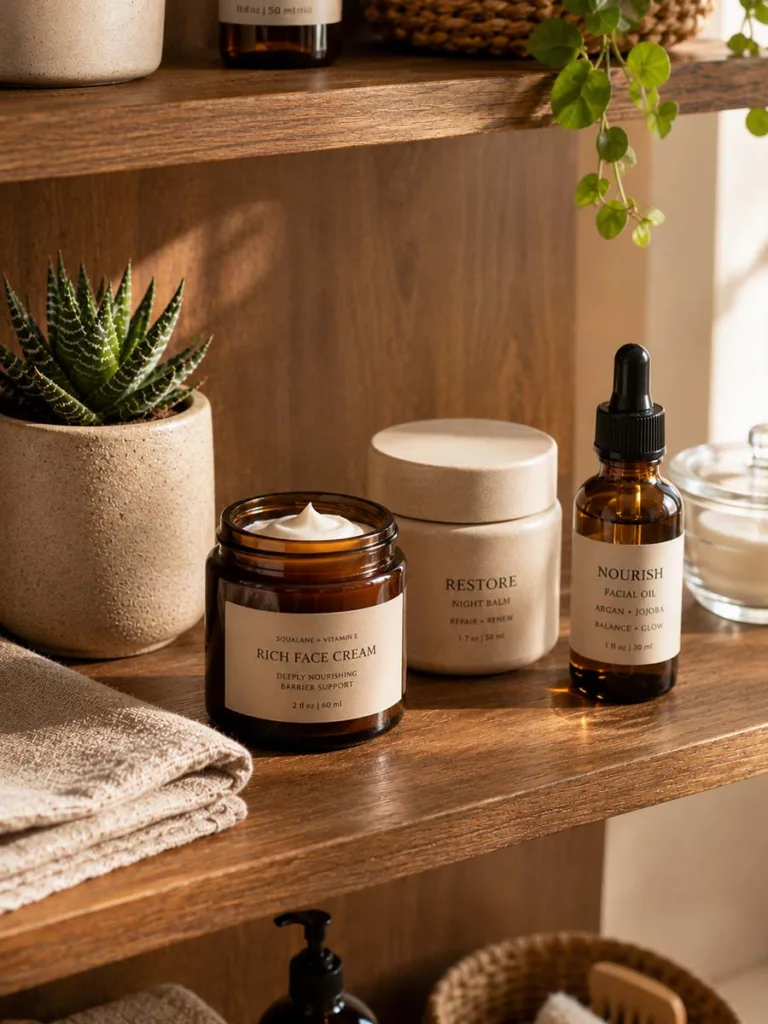
The fridge isn’t doing your cream any favors. Cold products can feel soothing on contact, but storing rich creams in the fridge actually slows how well they absorb into dry skin. Keep your heavier moisturizers and facial oils at room temperature so they melt into your skin instead of sitting on top of it. Save the fridge for eye creams and gels, which are the only formulas that really benefit from a cool application. If you’re curious which products actually belong in there, this guide to what really belongs in a skincare fridge breaks it down.
Match Your Routine to Your Skin Type
Fall doesn’t affect every skin type the same way. Two people can stand in the exact same weather and end up with completely different problems, so here’s what to prioritize based on what you’re working with.

Dry Skin
Richness is your priority now. Prioritize creams with ceramides and a facial oil at night. Skip anything with alcohol, since it speeds up moisture loss instead of slowing it down. A weekly hydrating mask can also help restore comfort between your regular routine steps, especially during the driest stretches of the season. For a deeper breakdown, see this full skincare routine for dry skin.
Oily or Acne-Prone Skin
Skipping moisturizer usually backfires. Don’t abandon it just because your skin feels less greasy in fall. Choose a lightweight, non-comedogenic formula instead of skipping this step entirely. Dehydrated skin can overproduce oil to compensate, which usually means more breakouts, not fewer.
Combination Skin
Different zones need different products. You’ll likely need two, used in different areas. A lighter gel works well on your T-zone, while a richer cream suits your cheeks better. It’s not overkill, it’s just matching the product to what each part of your face actually needs, the same logic behind these summer skin care tips for oily and combination skin, just adjusted for cooler weather.
Sensitive Skin
Irritation shows up fastest here. Fragrance-free formulas with calming ingredients like oatmeal or aloe vera work best. Fall dryness makes irritation more likely across every skin type, but sensitive skin feels it first and worst. When in doubt, patch test anything new before it goes anywhere near your face.
Mature Skin
Fine lines get more visible in dry air. Collagen production naturally slows with age, and dry air speeds up how visible fine lines become. Adding a peptide serum under your moisturizer helps support elasticity, while a richer cream handles the daily hydration your skin needs on top of that. Pair this with the tips in how to get rid of fine lines for a more complete approach.
Nutrition And Hydration Tips for Fall Skin
Skincare products only do half the job. What you eat and drink shapes how well your skin holds onto moisture from the inside, and that part is easy to overlook.

Eat for Your Skin Barrier
What you eat shows up on your face. Foods rich in omega-3 fatty acids, like salmon, walnuts, and flaxseed, support your skin barrier the same way ceramides do topically. Vitamin C from citrus and bell peppers helps your body produce collagen, which keeps skin firm as the weather cools down.
Stay Hydrated Without Overthinking It
Waiting until you’re thirsty is too late. Water intake still matters even though you feel less thirsty once the temperature drops. Aim for consistent daily intake instead of waiting until your mouth feels dry. Herbal tea, soup, and water-rich foods like cucumber all count toward that total, so staying hydrated doesn’t have to feel like a separate task.
Fall Skincare Mistakes to Avoid
Most fall skincare problems come from habits, not bad luck. Fixing these mistakes solves issues faster than adding a single new product ever will.
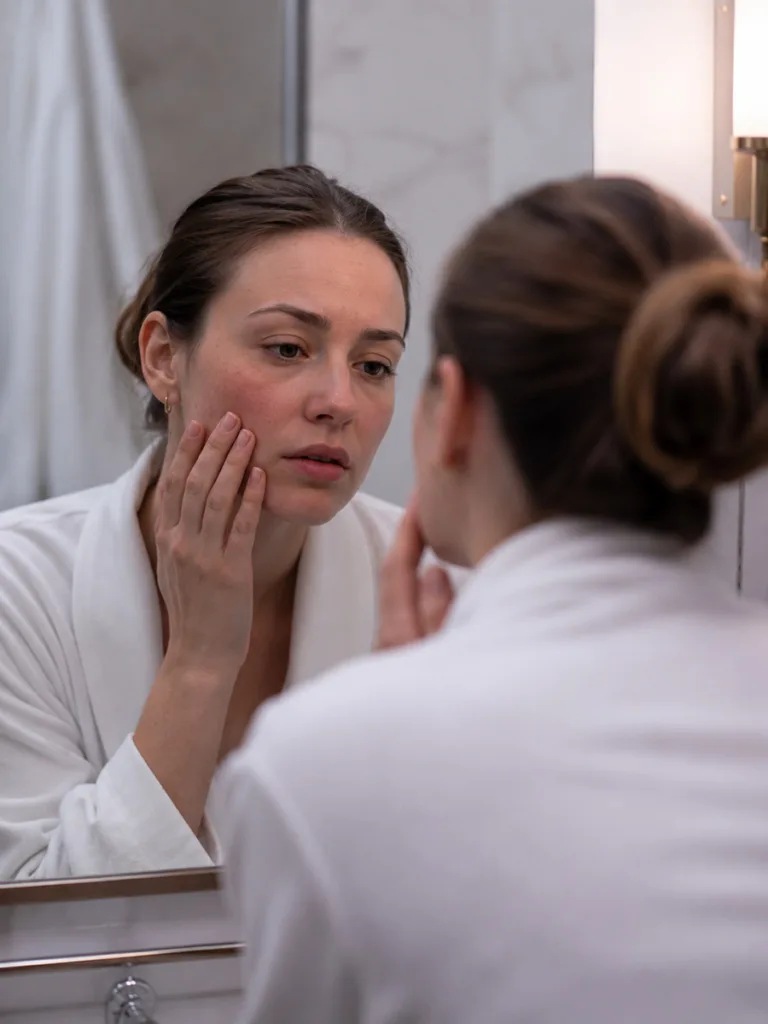
Over-Exfoliating
Rough skin doesn’t need more scrubbing. Scrubbing your face daily because it feels rough only strips the barrier you’re trying to protect. Stick to one or two sessions a week and watch how your skin responds before adding more.
Skipping SPF Once Summer Ends
Sun damage doesn’t take a season off. It accumulates year-round, regardless of temperature. Going without sunscreen from October through March quietly undoes months of careful skincare.
Layering Too Many Actives
More actives at once usually backfires. Retinoids and acids used together commonly cause redness and peeling in cooler, drier air. Pick one active ingredient per routine and give your skin room to recover between uses.
Keeping Your Summer Cleanser Too Long
That foaming cleanser from July has to go. A formula that felt refreshing in July can leave your skin raw and tight by October. Switching to a cream or gel-cream cleanser earlier in the season prevents weeks of unnecessary irritation.
Ignoring Body Skin
Your face isn’t the only thing getting dry. Arms, legs, and elbows dry out at the same rate, even though most people only treat facial skin during a seasonal switch. A body lotion with the same barrier-repairing ingredients as your face cream closes that gap fast.
Switching Every Product at Once
Changing everything at once hides what’s working. Introduce one new item at a time so you can actually track how your skin responds. Give each change at least two weeks before judging the results, since your skin needs time to adjust either way.
Ingredients Worth Knowing This Season
A handful of ingredients matter more for autumn skin care than any other time of year. Knowing what they actually do makes label-reading a lot less confusing.

Barrier-Repairing Ingredients
These rebuild what the season strips away. Ceramides rebuild your skin barrier directly, replacing lipids that cold air and hot showers strip away. Squalane mimics your skin’s natural oils closely enough that it absorbs fast without feeling greasy, which makes it a solid pick for almost any skin type.
Hydration Boosters
These pull water in and hold it there. Hyaluronic acid draws water into your skin and can hold up to a thousand times its own weight in moisture. Glycerin works in a similar way but costs less, making it a smart budget swap. Niacinamide rounds this group out by strengthening your barrier while calming redness, which helps if your skin reacts to the seasonal shift with sensitivity or breakouts.
Ingredients for Severe Dryness
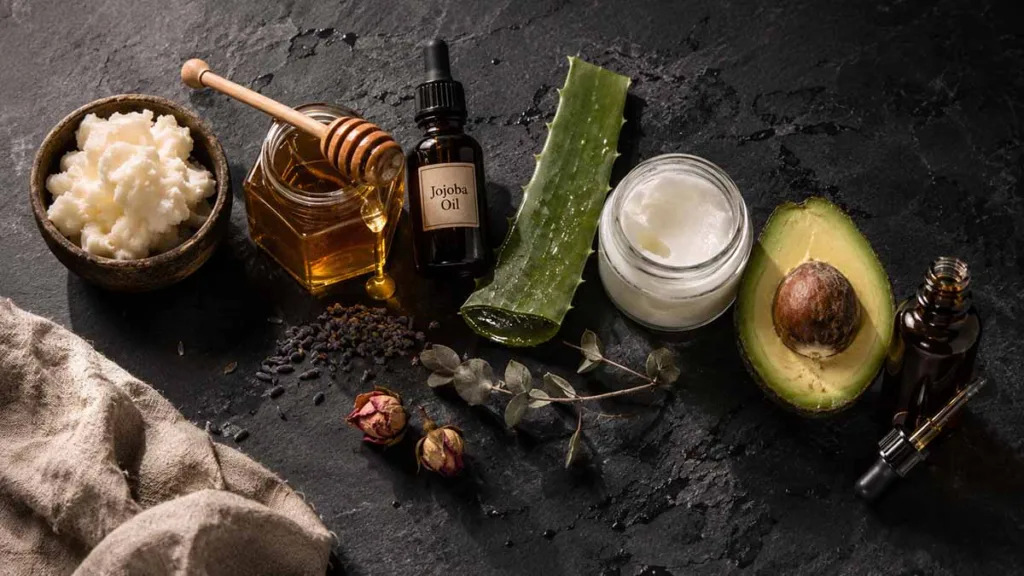
Reach for these when nothing else works. Shea butter and jojoba oil are worth seeking out if you’re dealing with serious dryness on your face or body. Both sit close to your skin’s natural oil composition, so they absorb without leaving a heavy film behind. Check labels for these five terms before buying anything new this season, since price doesn’t always match quality.
Frequently Asked Questions
1. What is the best fall skincare routine?
A simple five-step routine works best: gentle cleanser, hydrating serum, rich moisturizer, SPF in the morning, and a heavier night cream. Consistency matters more than how many products you own.
2. Why does my skin break out in fall?
Dry, cool air makes your skin produce extra oil to compensate for moisture loss. That excess oil can clog pores and trigger breakouts you wouldn’t normally get.
3. Should I use a heavier moisturizer in fall?
Yes. Switch to a moisturizer with ceramides or add a facial oil, since lighter summer formulas often can’t keep up with fall’s drier air.
4. How often should I exfoliate in fall?
Limit exfoliation to once or twice a week. Daily exfoliation in cooler weather weakens your skin barrier even further.
5. Do I still need sunscreen in fall?
Yes, every day. UV rays penetrate clouds and windows, and sun damage builds up regardless of season or temperature.
6. Can diet really affect fall skin dryness?
Yes. Foods high in omega-3 fatty acids and antioxidants support your skin barrier from the inside, working alongside your topical routine rather than replacing it.
Conclusion
The best skincare for fall comes down to one goal: protecting your skin barrier while the air around you keeps getting drier. That means a richer moisturizer, gentler cleansing, daily SPF, and a little patience while your skin adjusts. You don’t need every product on this list today. Start with the three tips that match your biggest concern, whether that’s flaking cheeks, cracked lips, or breakouts you can’t explain. Give each change two weeks before judging results, since your skin needs time to adapt to any new routine. Start tonight, and your skin will thank you before the first frost hits.