21 Best Bixie Haircut Ideas With Layers for Fine Hair

A bixie haircut gives you short hair with styling room, shown 21 ways in this guide. The shape blends a pixie cut outline with a bob outline. Layers sit short at the nape and stay longer near the crown. That mix keeps the cut light, soft, and easy to change day to day.
Stylists keep recommending the bixie haircut for good reason. It can add lift to fine hair and remove weight from thick hair. It also grows out with softer edges than a close crop. Jenna Spino, a veteran stylist at Maxine Salon in Chicago, describes the cut in PureWow as “heavily layered, textured and shattered.”
Below, each version explains the length, the layers, and the upkeep. Save two or three photos before your appointment. Your stylist can match the shape to your texture and your routine.
A bixie haircut sits between a pixie and a bob, with short nape layers and longer length on top.
1. Classic Textured Bixie
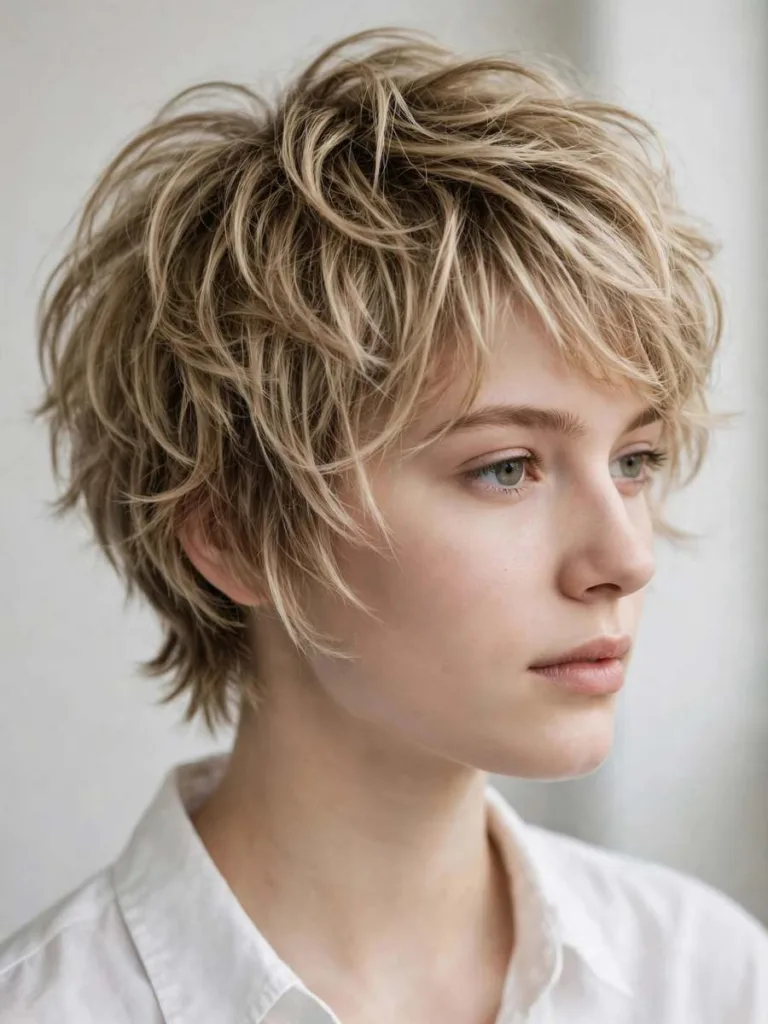
The classic version keeps length between the ear and the jaw. Short layers stack at the back and longer pieces frame the face. A light texture spray separates the ends after drying.
The shape suits most routines since styling takes about five minutes. Air drying works on straight and wavy hair.
Best for: Straight and wavy hair that needs a tidy short shape.
Ask your stylist for: A classic bixie with stacked back layers and jaw length front pieces.
2. Bixie Haircut For Fine Hair

Fine strands can look flat inside a longer bob shape. This bixie haircut for fine hair lifts weight off the ends and adds crown layers. Shorter layers push the roots upward and create visible fullness.
Keep the ends piecey rather than blunt for extra movement. A small amount of volumizing mousse helps the lift last.
Best for: Fine hair that falls flat at the roots by midday.
Ask your stylist for: Short crown layers, piecey ends, and length near the jaw.
3. Choppy Bixie With Crown Layers

Choppy cutting removes bulk in small, uneven sections. The crown carries the most texture, so the top looks full and lifted. Ends flip in different directions and keep the outline relaxed.
This version handles thick hair well since weight leaves the interior. Finger styling with a pea-sized amount of styling paste works best.
Best for: Thick hair that feels heavy in a standard bob.
Ask your stylist for: Choppy crown layers with weight removed from the interior.
4. Wavy Bixie With Loose Texture

Natural waves give this version its movement without heat tools. Layers follow the wave pattern and stop the shape from widening at the sides. The front stays longer, so waves can tuck behind the ears.
A leave-in conditioner keeps the ends defined and soft. Scrunch damp hair and let it dry untouched.
Best for: Wavy hair that air dries with loose, even bends.
Ask your stylist for: Layers cut to follow your wave pattern, with longer front pieces.
5. Curly Bixie With Soft Fringe

Curls sit shorter at the nape and fuller through the top. A soft fringe blends into the curls instead of sitting in a straight line. Your stylist should cut curls dry to judge the true length.
Shrinkage can lift the shape by an inch or more. Use a curl cream on damp hair for definition.
Best for: Curly hair that needs shape without daily heat styling.
Ask your stylist for: A dry cut with a soft fringe blended into the curls.
6. Sleek Bixie With Deep Side Part

A deep side part gives this version a clean, polished line. Layers stay smooth and close, with ends curved under at the jaw. A flat iron pass takes about five minutes on dry hair.
The tucked side keeps the outline neat for work settings. A drop of smoothing serum controls flyaway strands at the part.
Best for: Straight hair and office-friendly styling routines.
Ask your stylist for: Smooth layers, a deep side part, and ends curved under.
7. Bixie With Wispy Bangs
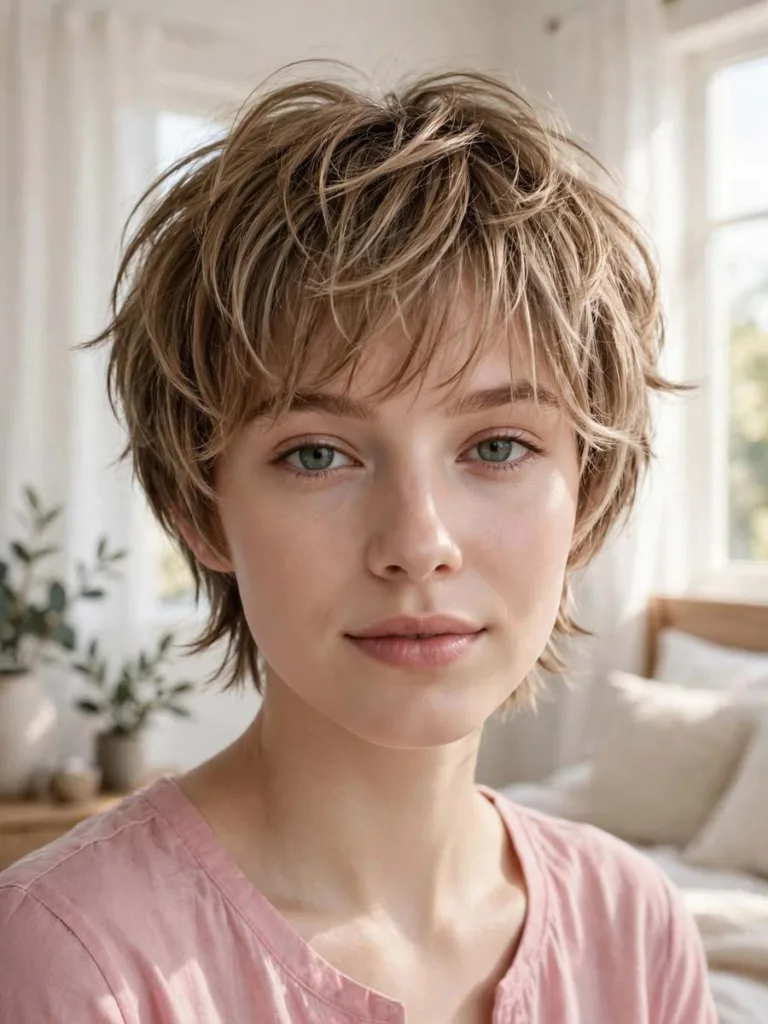
Wispy bangs soften the forehead without a heavy fringe line. The bangs stay feathered, so they blend into the side layers. This detail suits glasses wearers since the fringe stays light near the eyes.
Trim the bangs every three to four weeks to hold the shape. Blow-dry the fringe forward with a small brush.
Best for: Anyone who wants fringe without a blunt, heavy line.
Ask your stylist for: Feathered wispy bangs blended into the side layers.
8. Bixie With Curtain Bangs

Curtain bangs split at the center and curve away from the face. The longer sides melt into the front layers of the cut. This pairing adds softness around the cheekbones and jaw.
It also grows out with little fuss between appointments. Style the bangs with a round brush for a smooth bend.
Best for: Growing out old bangs or softening a short cut.
Ask your stylist for: Center parted curtain bangs that blend into front layers.
9. Side Swept Bixie

A long side fringe sweeps across the forehead on a diagonal line. The angle adds height at the front and length near one cheekbone. The other side stays shorter and tucks behind the ear.
This contrast keeps the shape interesting from every view. Set the sweep with a light mist of hairspray.
Best for: Anyone who likes diagonal lines and height at the front.
Ask your stylist for: A long diagonal fringe with one side tucked shorter.
10. Middle Part Bixie

A center part splits the longer top layers into even sides. Both sides frame the face and fall near the jaw. The balance gives the cut a calm, modern feel.
It also lets you flip the part on low effort days. Keep layers even so neither side looks heavier. A light cream defines the ends with soft separation.
Best for: Anyone who switches between center and side parts often.
Ask your stylist for: Even center parted layers falling near the jaw.
11. Voluminous Bixie For Thin Looking Hair
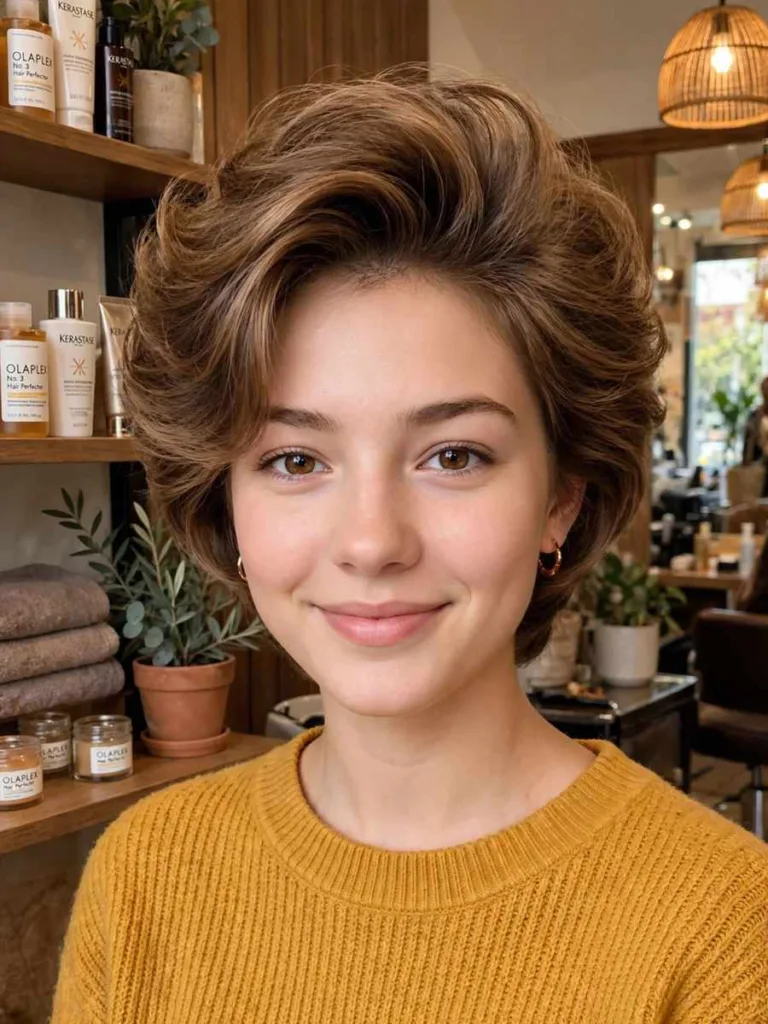
Short layers at the crown build height where hair often looks sparse. The back stays close, so the top reads even fuller by contrast. Root lift products matter more than heavy oils on this shape.
Blow dry the crown upward with a small round brush. Finish by pinching the ends with dry texture powder.
Best for: Hair that looks thin at the crown and part line.
Ask your stylist for: Close back layers with maximum lift built at the crown.
12. Feathered Bixie With Face Framing Layers

Feathered ends curve away from the cheeks in soft steps. The face-framing layers start near the cheekbones and taper at the jaw. This structure adds movement without removing much length.
It photographs well since light catches each separate layer. Ask for point cutting to keep the edges light and airy.
Best for: Anyone who wants movement with a soft outline.
Ask your stylist for: Point cut face framing layers starting at the cheekbones.
13. Tapered Bixie With Short Nape

The nape sits close and clean in this sharper version. Tapered cutting shortens the back while the top keeps its layers. The contrast gives the profile a neat, lifted line.
Neck hair stays tidy for weeks between trims. Book a cleanup at four weeks if your nape grows fast.
Best for: Anyone who likes a clean neckline and sharp profile.
Ask your stylist for: A tapered nape with layered length kept on top.
14. Grown Out Bixie For Pixie Grow Out

This version bridges the gap between a pixie and a bob. The sides and back gain length while the top stays layered. Awkward stages feel shorter since the shape looks planned at each stage.
Your stylist can tidy the neckline without cutting the top short. Growth speed varies, and the shape can reach bob length within two trim cycles.
Best for: Anyone growing out a pixie and skipping awkward stages.
Ask your stylist for: Keep top layers, tidy the neckline, and add side length.
15. Blonde Bixie With Root Shadow
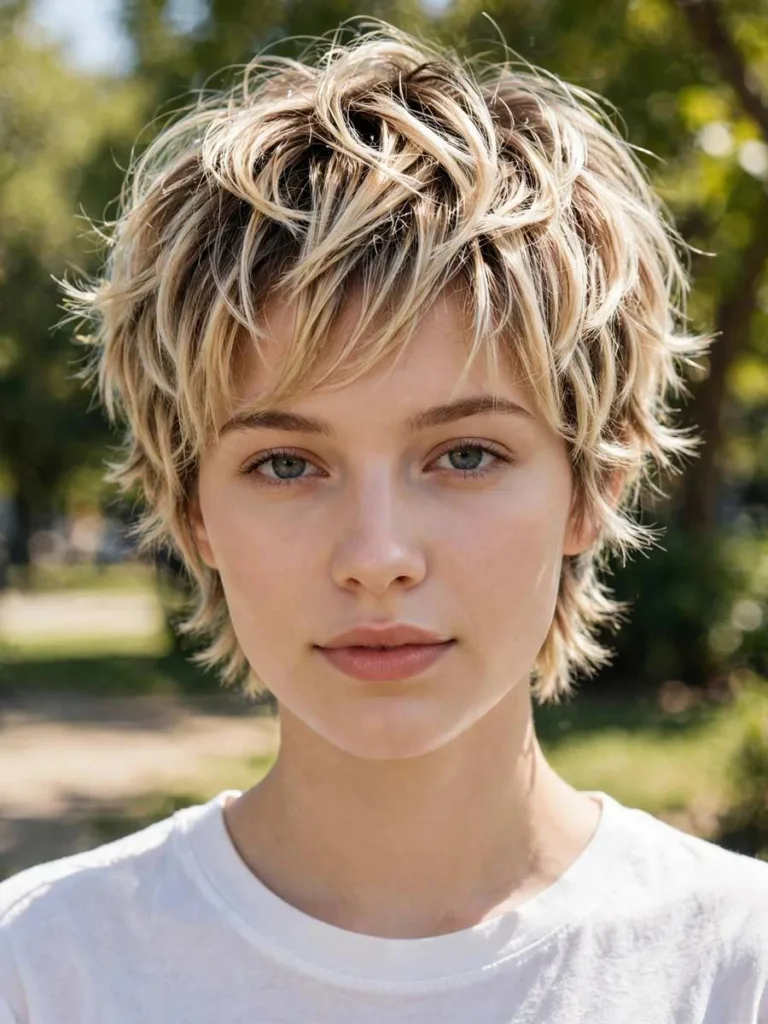
A root shadow keeps blonde layers grounded and deep at the base. The lighter ends show each layer with clear contrast. Grow out lines stay soft, so color appointments can spread further apart.
Toner visits still help the blonde stay bright between full services. Pair the color with piecey ends for maximum definition.
Best for: Blondes who want a softer grow out between color visits.
Ask your stylist for: Blonde layers with a root shadow and piecey ends.
16. Brunette Bixie With Glossy Finish

Dark brunette layers read sleek when the surface stays smooth. A gloss treatment can add shine without changing the base color. The cut keeps its bob outline, with pixie texture inside the layers.
Smooth the top with a brush during blow-drying. A light shine spray finishes the surface without weight.
Best for: Brunettes who prefer a smooth, polished short cut.
Ask your stylist for: Layered brunette bixie finished with a gloss treatment.
17. Copper Bixie With Piecey Ends

Copper color brings warmth to the short layers and piecey ends. The shade shifts in daylight and shows movement in the crown. Piecey ends keep the color from reading as one flat block.
Ask your colorist to place lighter pieces near the face. A color safe shampoo helps the tone fade slower.
Best for: Anyone adding warm color to a short textured cut.
Ask your stylist for: Copper color with lighter front pieces and piecey ends.
18. Bixie With Undercut Detail

An undercut removes bulk under one side or at the nape. The top layers fall over the clipped area and hide it on calm days. Sweeping the top aside reveals the detail for a sharper look.
This option helps very thick hair sit closer to the head. Clipper work needs a refresh every three weeks.
Best for: Thick hair that needs bulk removed near the scalp.
Ask your stylist for: A hidden undercut under longer textured top layers.
19. Tousled Bixie With Air Dry Finish

This version leans on natural texture and a relaxed outline. Layers get cut to encourage movement while the hair dries alone. A small amount of air dry cream limits frizz at the crown.
Scrunch the ends once, then leave the hair alone. Touch-ups take a minute with damp fingers and cream.
Best for: Low effort routines and wash and go mornings.
Ask your stylist for: Layers cut for air drying with soft natural movement.
20. Rounded Bubble Bixie

The outline curves in a rounded arc from crown to nape. Light layers keep the curve smooth without harsh lines. The front keeps length near the cheeks for a soft frame.
Trend roundups for 2026 often feature this rounded shape. Blow dry with a brush to keep the curve even.
Best for: Anyone who likes soft curves over sharp angles.
Ask your stylist for: A rounded bixie outline with light layers throughout.
21. Long Bixie Nearing Chin Length

This long bixie haircut grazes the chin and keeps a bob feel. Pixie layers inside stop the extra length from sitting flat. It suits anyone testing short hair before a bigger chop.
The ends can tuck, flip, or wave with a small iron. Trims every six to eight weeks hold the chin length line.
Best for: First time short hair clients who want length insurance.
Ask your stylist for: Chin grazing length with internal pixie layers.
Bixie Vs Pixie Cut And Bob Compared
Length decides most of the bixie vs pixie cut debate. A pixie crops close to the head and shows the scalp shape. A bob falls at the chin or lower with a clearer outline.
The bixie haircut keeps enough length to part, tuck, and wave. Readers comparing short options in our fall haircuts for 2026 guide will see the bixie between both cuts.
| Cut | Typical Length | Layers | Daily Styling |
|---|---|---|---|
| Pixie | Above the ears | Short and close | Minimal |
| Bixie | Ear to chin | Layered and textured | Low, with options |
| Bob | Chin to shoulder | Blunt or layered | Moderate |
Grow out also differs across the three cuts. A bixie tends to grow into a bob shape with soft edges. A pixie often needs reshaping sooner to keep its line. Your routine and trim budget should guide the final call.
How To Style Your Bixie At Home
Start with damp hair and a pea size amount of product. Fine hair suits mousse, and thick hair often suits cream. Dry the crown first, lifting the roots with your fingers. Piece out the ends last with a tiny amount of paste.
Heat tools stay optional on most bixie haircut versions. A small iron can flip the longer front pieces outward. Wavy and curly versions often look best with a diffuser on low heat. Stylists share stylist guidance on styling and maintaining a bixie with product picks for each finish.
Trend coverage keeps the cut in rotation for 2026. Bustle lists bubble bixies among its spring 2026 haircut trends built on soft movement. If you want a longer textured trial first, compare it with a shag haircut with choppy layers.
FAQs
How Long Does A Bixie Haircut Take To Grow Out?
Most bixies reach bob length within a few months, depending on growth speed. The layered shape keeps edges soft during grow out. Neckline clean ups every few weeks keep the back tidy.
Is A Bixie Haircut Good For Fine Hair?
Yes, a bixie haircut for fine hair can add lift at the crown. Short layers remove weight from the ends. Roots stand up easier, so hair can look fuller.
How Often Does A Bixie Need A Trim?
Trims every four to six weeks often hold the shape well. Fast growing hair may need a nape clean up sooner. Longer versions can stretch closer to eight weeks.
What Is The Difference In A Bixie Vs Pixie Cut?
The bixie vs pixie cut difference comes down to length and layers. A bixie keeps longer, textured pieces around the face. A pixie crops closer with fewer styling options.
Can A Bixie Work On Curly Hair?
Yes, curly hair can wear a bixie haircut with dry cutting and shaped layers. Curls need room to spring up after the cut. A soft fringe blends better than a straight line.
How Do I Ask My Stylist For A Bixie?
Bring two or three photos of your favorite version. Name your length, your part, and your fringe choice. Ask how the shape will grow out before the cut starts.
Final Thoughts
Pick the bixie haircut version that matches your texture, your part, and your morning routine. Save photos of two favorites and book a consultation before the chop. Your stylist can adjust length and layers to your growth pattern.
Start with the longer version if you feel unsure about going short. You can go shorter at the next visit with confidence. Bring this list to the salon today.