
Hair Care Routine for Better Hair Health: 8 Proven Steps

You wash, condition, and still get breakage — what is actually going wrong?
The answer is almost never your products. Most people dealing with chronic dryness, frizz, or slow growth are using decent shampoo in a routine that skips the steps that matter most. Scalp care, drying technique, weekly treatments, even what you eat — these decide the health of your hair far more than what is on the bottle.
Hair grows about 6 inches per year. Every small decision compounds over those months. Build the right hair care routine and you protect that growth. Skip the foundational steps and you keep fighting the same breakage no matter what you buy. These 8 steps cover what most routines miss. Stick with them for 4 to 6 weeks and you will see the difference.
Why Your Hair Care Routine Matters More Than Products
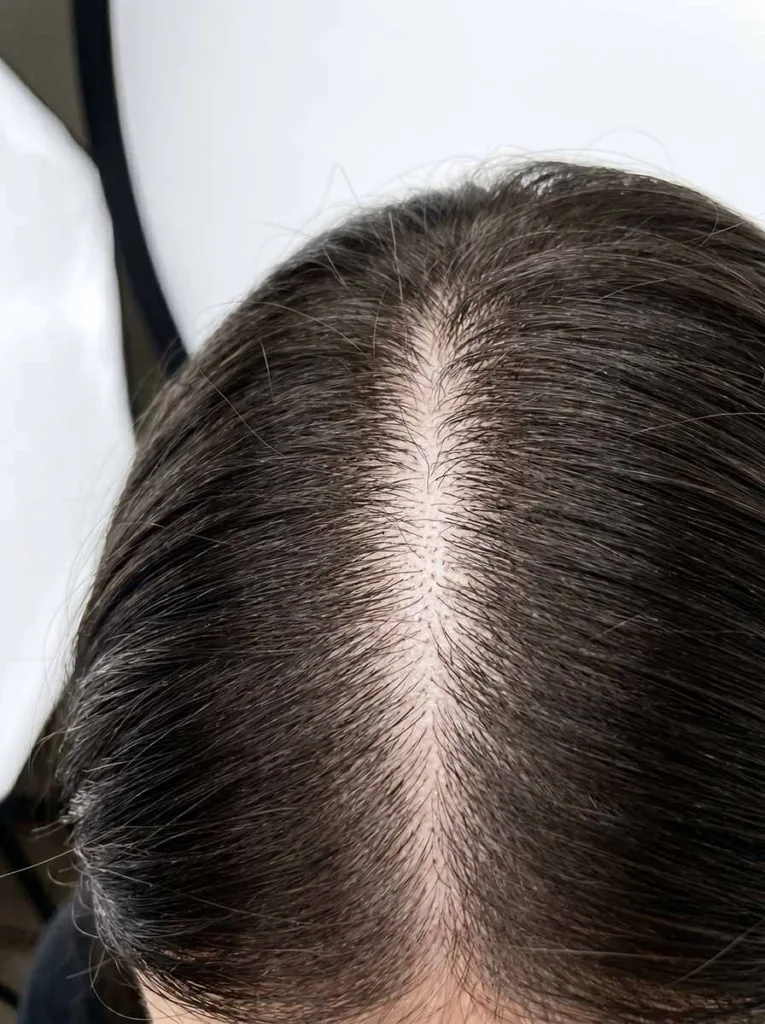
Spending more on products rarely solves the problem. Most people struggling with frizz or breakage are using decent products in the wrong order, with inconsistent habits.
Healthy hair starts at the scalp. The scalp is living skin. It produces oil, hosts a microbiome, and feeds every follicle. A congested or dry scalp grows weaker hair. No serum you put on the lengths changes what is happening at the root.
Hair responds to repeated habits. Weekly conditioning done right will strengthen strands within a month. The same treatment done once every few weeks does little.
The 8 Steps of a Hair Care Routine for Better Hair Health
The order products go on matters. The correct sequence for a daily hair care routine is: shampoo, conditioner, leave-in, heat protectant, then style. Applying these out of order reduces what each one can do.
Step 1: Cleanse the Right Way for Your Hair Type
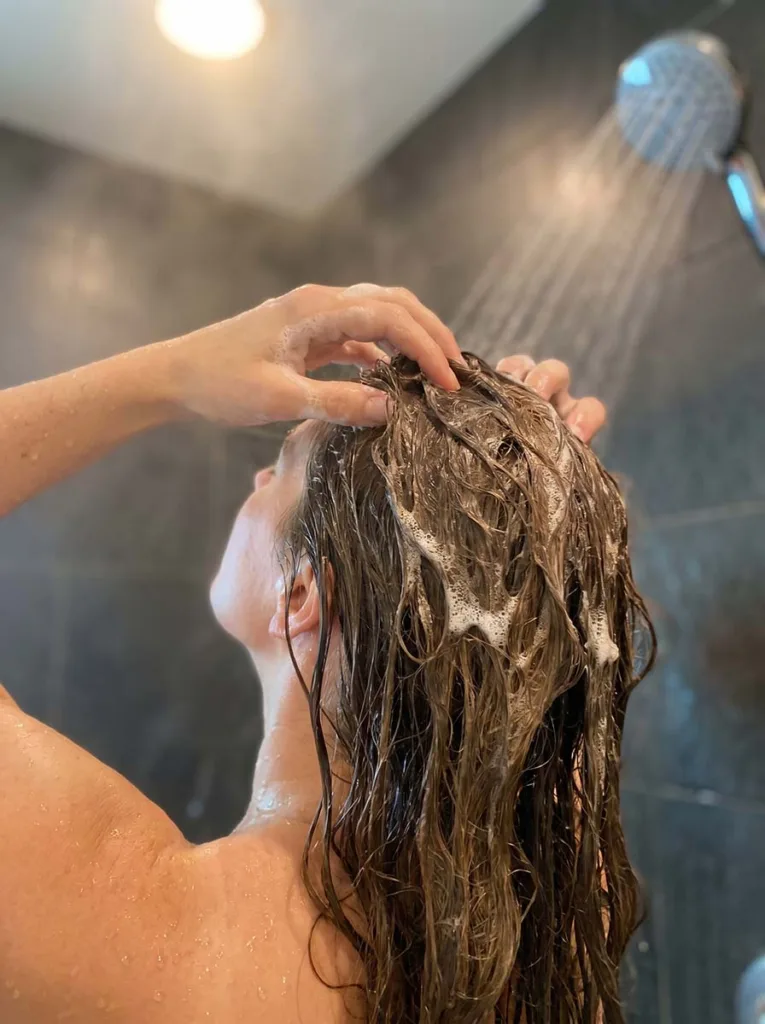
Wash frequency depends on hair type. Fine or oily hair needs washing every 1 to 2 days because sebum builds up and flattens the roots. Thick, curly, or dry hair does better with 2 to 3 washes per week. Over-washing strips the oils that keep curl patterns healthy.
For color-treated, dry, or curly hair, use a sulfate-free shampoo. Sulfates produce a dense lather but pull moisture from the cortex with every use. For significant product buildup, a clarifying shampoo once or twice a month handles it better than heavy daily washing.
Use lukewarm or cool water. Hot water forces the cuticle open, causing frizz and moisture loss. Apply shampoo with your fingertips at the scalp only. The ends are the oldest section of the shaft and need moisture, not more cleansing.
Hair porosity determines how well your strands absorb and hold moisture, and it should guide every product choice you make. Low-porosity hair has tightly sealed cuticles that resist water — products sit on the surface instead of penetrating, so applying a deep mask without heat does almost nothing. High-porosity hair, common after color or heat damage, absorbs moisture fast but loses it just as fast because the cuticle has gaps. Low-porosity hair does better with lighter, water-based products and heat during treatments. High-porosity hair needs heavier creams, leave-ins, and regular protein to seal those gaps. Match your products to your porosity first, then refine by hair type.
Step 2: Condition from Mid-Length to Ends

Apply conditioner from the mid-lengths to the ends every wash. The scalp manages its own oil production, so conditioning the roots creates buildup without benefit.
Leave it on for 2 to 5 minutes before rinsing. That time lets the ingredients penetrate the hair cuticle rather than coat the surface. Rinse with cool water to close the cuticle back down. That is where shine comes from.
If your hair is dry or chemically processed, add a leave-in conditioner after rinsing. It holds moisture in through the day and reduces friction where strands rub against each other.
Step 3: Dry Without the Damage

Wet hair breaks more than dry hair. The hydrogen bonds inside each strand weaken while wet, so strands stretch and snap more than they do when dry.
Skip the terry-cloth towel. Press water out with a microfiber towel, or squeeze with an old cotton t-shirt. Detangle with a wide-tooth comb starting from the ends and working up. Dragging a brush from root to tip through wet hair is one of the most common causes of breakage.
If you blow-dry, apply a heat protectant first and use the medium heat setting. Direct heat above 230°C (446°F) degrades keratin proteins in the cortex. Hold the dryer at least 6 inches from your hair, and use a diffuser if your hair is curly.
Weekly Treatments That Make a Real Difference
Daily washing and conditioning maintain your hair. Weekly treatments are where repair happens. Most people skip this layer. Their hair stays at the same level of health regardless of how much they spend on shampoo.
Step 4: Deep Condition for Moisture Retention
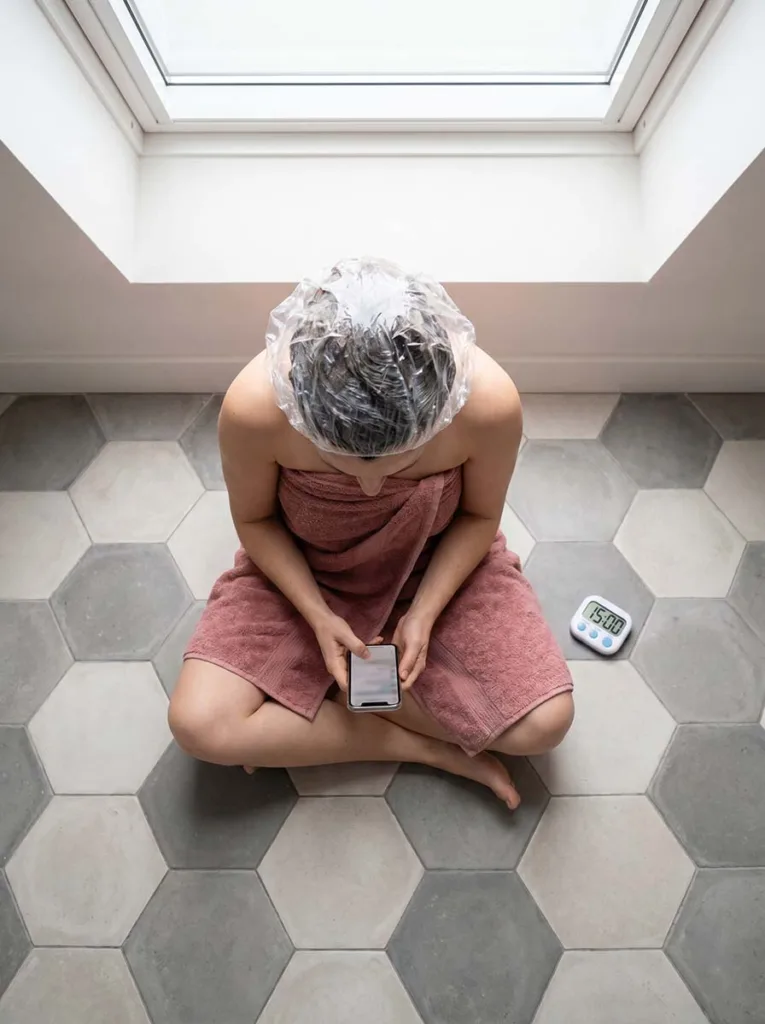
A deep conditioning mask once a week replaces moisture lost to washing and heat. Regular conditioner coats the surface. A deep conditioner penetrates the hair cortex to restore moisture bonds from the inside.
Apply to clean, damp hair, cover with a shower cap, and leave it on for 15 to 30 minutes. The heat that builds under the cap pushes the product deeper into the shaft. Rinse with cool water. For dry or damaged hair, leave a lightweight mask on overnight and rinse in the morning.
Step 5: Use Protein Treatments for Stronger Strands
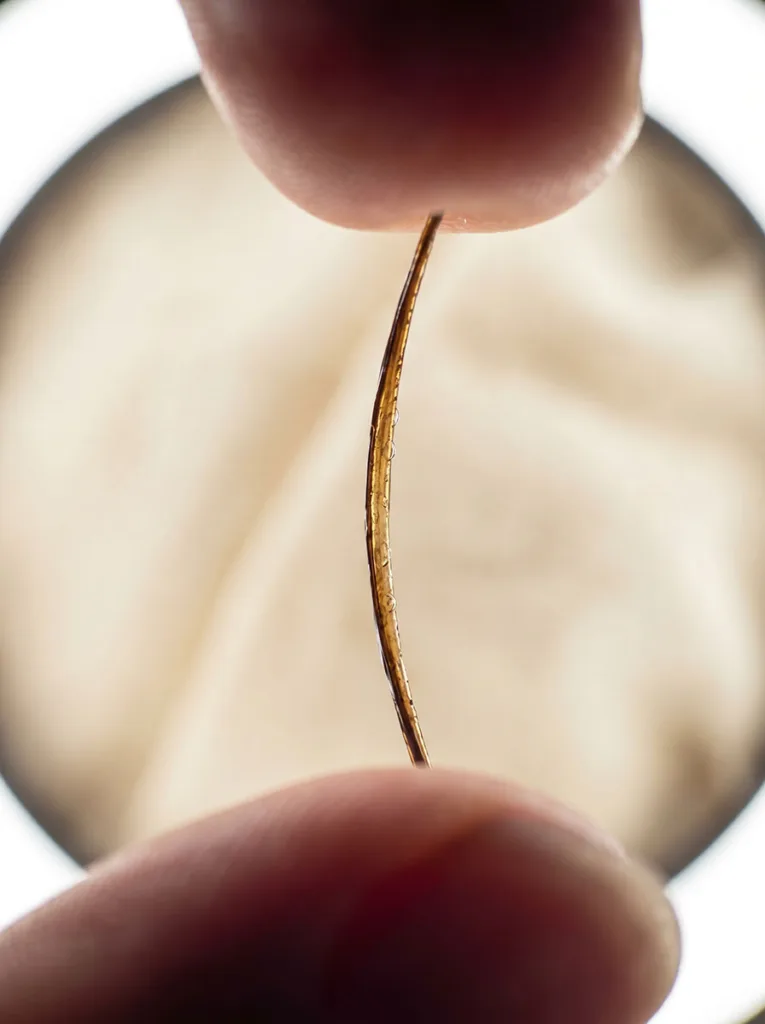
Protein treatments rebuild hair that heat, chemicals, or physical damage have weakened. Ingredients like keratin and hydrolyzed wheat protein fill structural gaps in the cuticle and cortex, restoring elasticity and reducing breakage.
Use one every 3 to 4 weeks. Too much protein makes hair stiff and brittle. Run a stretch test on a wet strand to check your balance: a slight stretch that springs back means you are balanced; a stretch that goes limp means you need protein; a strand that snaps with no give means you need moisture.
Step 6: Care for Your Scalp

Your scalp microbiome is a balance of bacteria and fungi that prevents inflammation and keeps dandruff in check. Disrupting it with harsh products or excessive washing causes irritation, overproduction of oil, and over time, weaker follicles.
A scalp massage for 4 to 5 minutes, three times a week, increases blood flow to the follicles. A 2019 study in ePlasty found that consistent scalp massage increased hair thickness in participants over 24 weeks. Use your fingertips in small circles across the whole scalp.
Once a week or every two weeks, use a scalp scrub or an exfoliating toner with salicylic acid. A clear scalp absorbs serums and oils far better than one layered with dead skin and product residue.
Step 7: Build a Nighttime Hair Routine You Will Actually Stick To

Most people think about their hair in the shower and nowhere else. Eight hours of friction against a cotton pillow undoes a lot of that care.
Cotton pillowcases roughen the cuticle as you move in your sleep. Switch to a silk or satin pillowcase and the friction disappears. Hair glides across it rather than catching. If your hair is curly or coily, a silk bonnet or wrap is more reliable since it stays on through the night.
Before bed, work a small amount of lightweight oil through your ends. Argan and jojoba both work. Use a loose braid or twist to reduce tangling overnight. Keep whatever style you use loose, because tight hairstyles worn through the night put traction stress on follicles, and that adds up over months.
If you use an overnight mask, pick one light enough not to transfer to your pillowcase. Apply from the lengths to the ends, skip the scalp, then cover with a silk wrap.
Step 8: Eat for Stronger, Faster-Growing Hair

Food feeds your follicles. Keratin, the protein hair is built from, comes from amino acids in your diet. Drop your protein intake and your body deprioritizes hair production, since it is not essential to survival the way organ function is. Hair shedding increases during restrictive dieting for this reason.
Aim for at least 0.8 grams of protein per kilogram of body weight per day. For a 65 kg person, that is around 52 grams. Eggs, legumes, lean meats, and Greek yogurt all reach that target without a major diet change.
Iron deficiency is one of the most overlooked drivers of hair loss, particularly in women. Iron helps hemoglobin carry oxygen to follicles. Ask your doctor to test your ferritin levels. Ferritin below 30 ng/mL is linked to hair loss, sometimes while standard hemoglobin tests still look normal.
Biotin, zinc, and omega-3 fatty acids support follicle health too. You do not need supplements on a varied diet. If you have been shedding a lot or eating a restricted diet, bloodwork will show whether a deficiency is a factor.
Common Hair Care Mistakes That Slow Your Progress
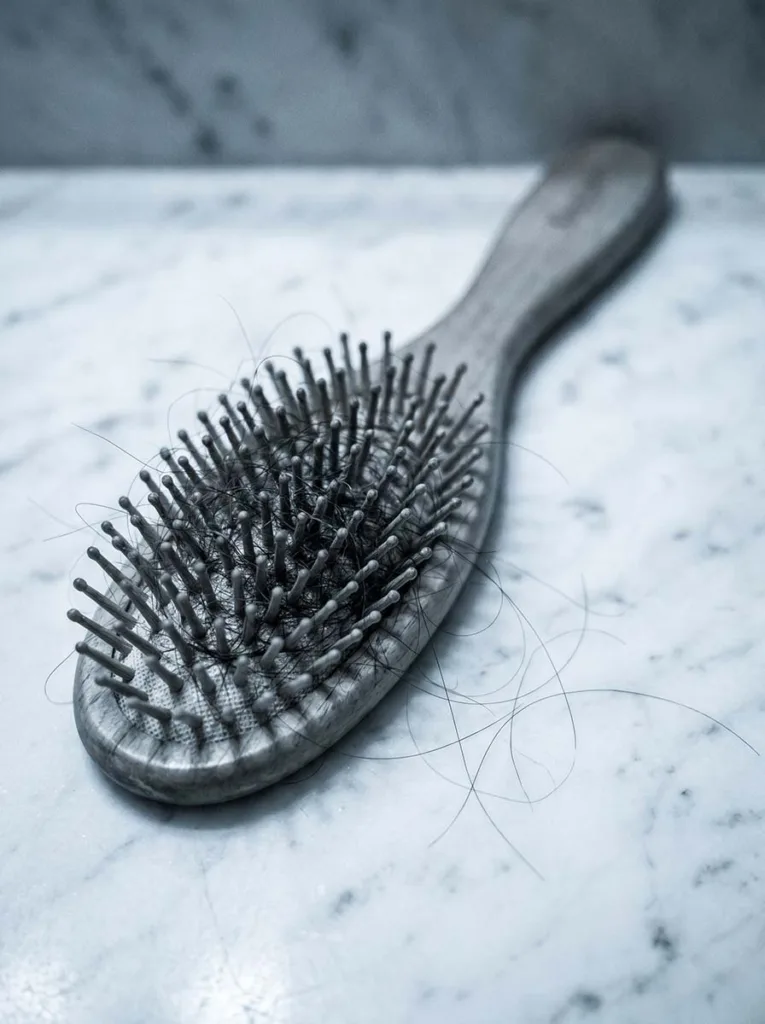
Fixing bad habits matters as much as adding good ones.
Washing with hot water causes chronic frizz and dryness. It feels thorough. The cuticle opens and moisture escapes fast.
Skipping heat protectant has a high long-term cost. Direct heat above 230°C (446°F), standard for most flat irons and curling wands, breaks disulfide bonds in the cortex. Heat protectants create a barrier between the tool and the shaft, reducing the temperature your hair reaches.
Brushing wet hair from root to tip causes most mechanical breakage. Detangle from the ends up.
Over-relying on dry shampoo without washing lets product buildup sit on follicles. One extra day is fine. Several days in a row becomes a problem.
Overlapping chemical treatments in the same session, like coloring and relaxing together, breaks down the hair structure fast. Wait at least 4 to 6 weeks between chemical services and deep condition in between.
FAQ Section
1. How often should I follow a hair care routine?
The daily elements, including conditioning, gentle drying, and heat protection, apply every wash day. Washing frequency depends on hair type: every 1 to 2 days for fine or oily hair, every 2 to 3 days for dry or curly hair. Deep conditioning and scalp massage are weekly habits.
2. What is the most important step in a hair care routine?
Scalp care. Healthy follicles grow stronger hair from the root. Beyond the scalp, regular conditioning and heat protectant use have the highest long-term impact.
3. Can a hair care routine fix damaged hair?
A good routine stops further damage and supports recovery over time. Split ends need to be trimmed. Protein treatments and deep conditioning restore elasticity and reduce breakage in the sections that have not been cut yet. Trim every 6 to 8 weeks to keep damage from spreading up the shaft.
4. Does the order I apply hair products matter?
Yes. Apply shampoo first, then rinse-out conditioner, leave-in conditioner, heat protectant, and styling products in that order. Putting heat protectant over styling cream reduces absorption.
Conclusion
A hair care routine for better hair health is not complicated, but it does require order and repetition. Cleanse for your hair type, condition every wash, protect from heat, deep treat weekly, care for your scalp, sleep on silk, and feed your follicles with enough protein and iron. None of these steps is difficult on its own. The challenge is stacking them consistently until they become automatic.
Hair grows about half an inch a month. Every good decision you make this week shows up in your ends six months from now. Pick the one step you have been skipping — the nighttime routine, the weekly mask, the heat protectant — and start there. You do not need to overhaul everything at once. Build the habit first, then add the next step.
For more helpful article related to hair care, please visit VelvetBoard.