7 Hair Oils That Actually Grow Your Hair Longer and Thicker
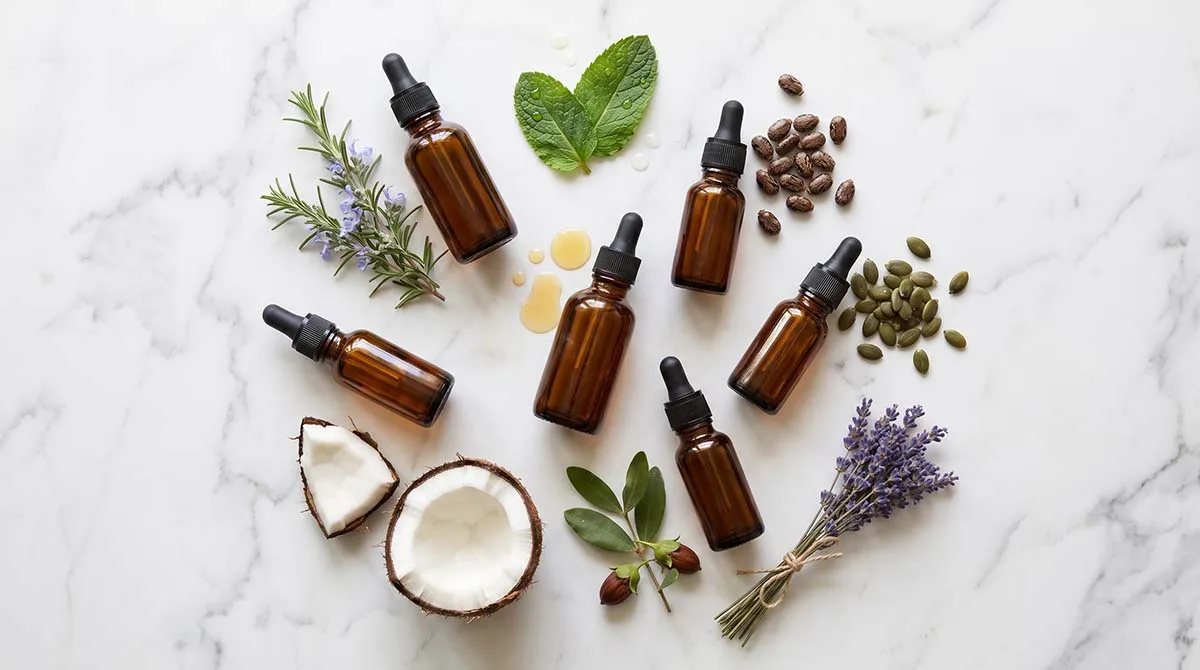
Most people who struggle with hair growth are not dealing with a growth problem. They are dealing with the wrong oil, applied to the wrong scalp, with no technique behind it. Hair grows about half an inch a month regardless — the real issue is that it keeps breaking before you can see it, or the scalp environment is too inflamed or congested to support healthy follicles. The right oil fixes both.
Not every oil works the same way. Some stimulate blood flow to the follicle directly. Others seal the strand and stop breakage. A few target the hormonal cause of thinning that most topical treatments never reach. The difference between seeing results and seeing nothing is matching the right oil to what your hair actually needs — and applying it with the technique that makes it work.
This guide covers the 7 hair oils with the strongest clinical evidence, matched to your hair type, with exact how-to instructions, DIY blends you can make at home, and a realistic timeline for what to expect. Give it 90 days before drawing conclusions. That is how long the science takes to show up on the surface.
Essential Oils vs Carrier Oils: The Difference That Changes Everything
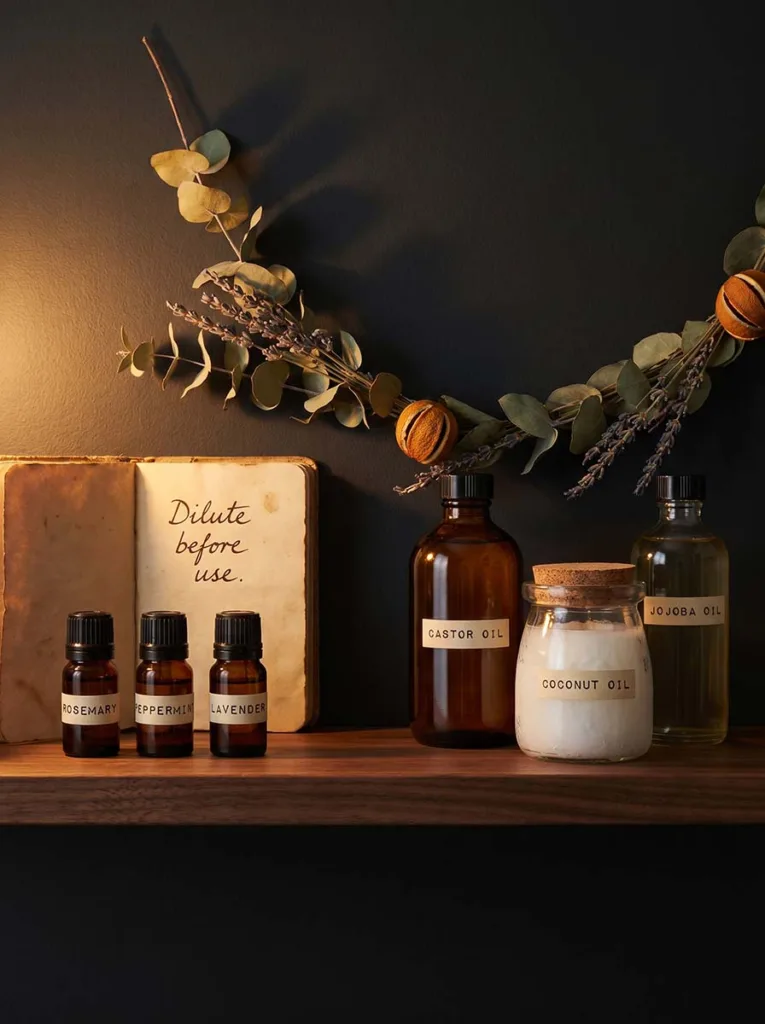
Before you pick an oil, there is one thing most articles skip. It is also the reason some oils burn your scalp and others seem to do nothing.
Essential oils are ultra-concentrated plant extracts. Rosemary, peppermint, and lavender fall into this category. Because they are so concentrated, applying them directly to your scalp without diluting them first can cause redness, burning, and irritation. If that has happened to you, that is why.
Carrier oils are gentler base oils pressed from seeds or fruits. Coconut, castor, and jojoba are carrier oils. They are safe to apply straight to your scalp, and they pull double duty: nourishing the scalp on their own while also diluting essential oils down to a concentration your skin can handle.
Every oil in this article is labeled. Know which type before you apply anything.
The 7 Hair Oils That Actually Grow Your Hair
1. Rosemary Oil
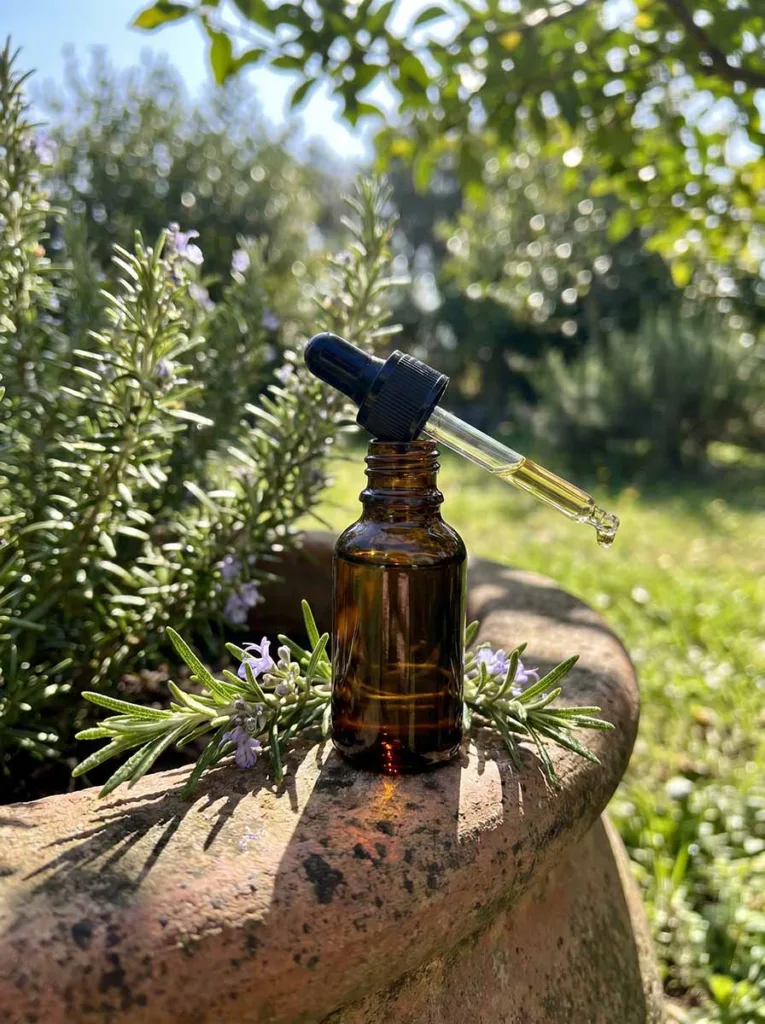
Rosemary has the strongest evidence of the seven. In a 2015 clinical trial, rosemary essential oil went head-to-head with minoxidil, the most widely used pharmaceutical treatment for pattern hair loss. After six months, both groups showed nearly identical increases in hair count. Rosemary caused far less scalp irritation.
It increases blood flow to the scalp, giving follicles more oxygen and nutrients during the growth phase. A separate 90-day trial found that people using a rosemary-lavender blend three times per week grew hair 57.7% faster than before they started.
How to use it: Dilute 5 drops in a tablespoon of carrier oil, massage it into your scalp, and leave it on for 30 to 60 minutes before shampooing out. Three times a week matches the schedule used in the study.
2. Peppermint Oil
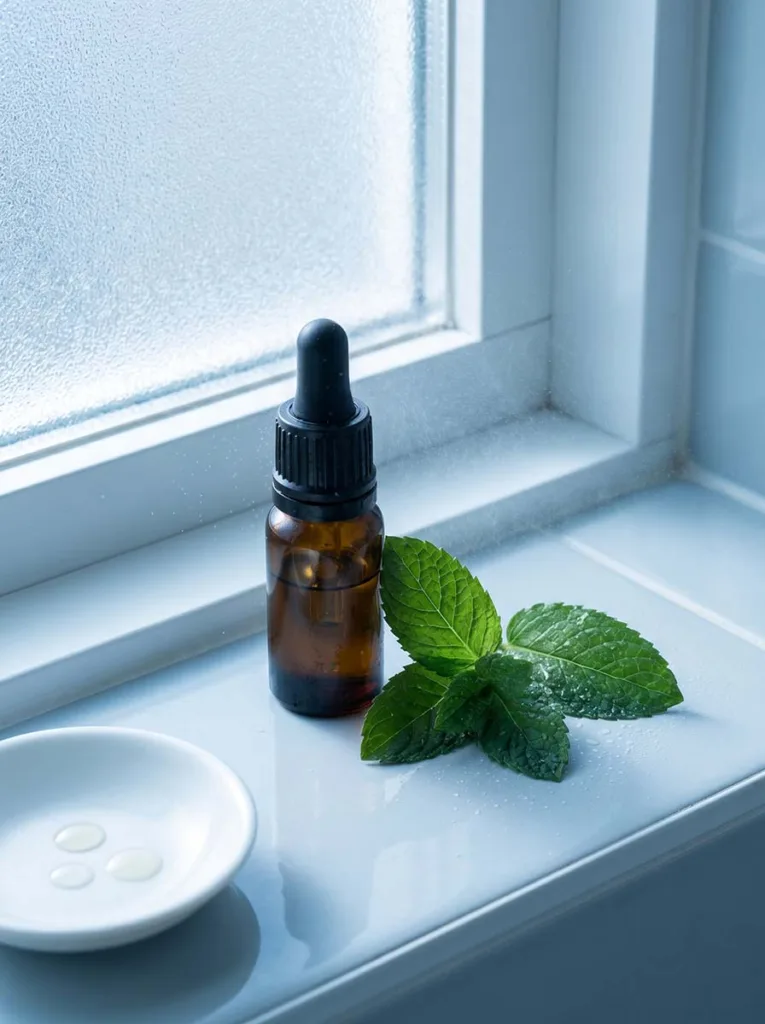
Peppermint is the oil you will feel working fastest. A 2014 study compared it to saline, jojoba, and a common minoxidil concentration. Peppermint outperformed all three on follicle number, follicle depth, and overall growth rate.
The cooling tingle when you apply it is menthol widening your blood vessels and pushing more circulation to the follicle. That sensation is your scalp responding.
How to use it: Use 3 to 4 drops per tablespoon of carrier oil and never more than that. Massage into the scalp, leave on for 30 minutes, then rinse. Two to three times a week is enough.
3. Castor Oil
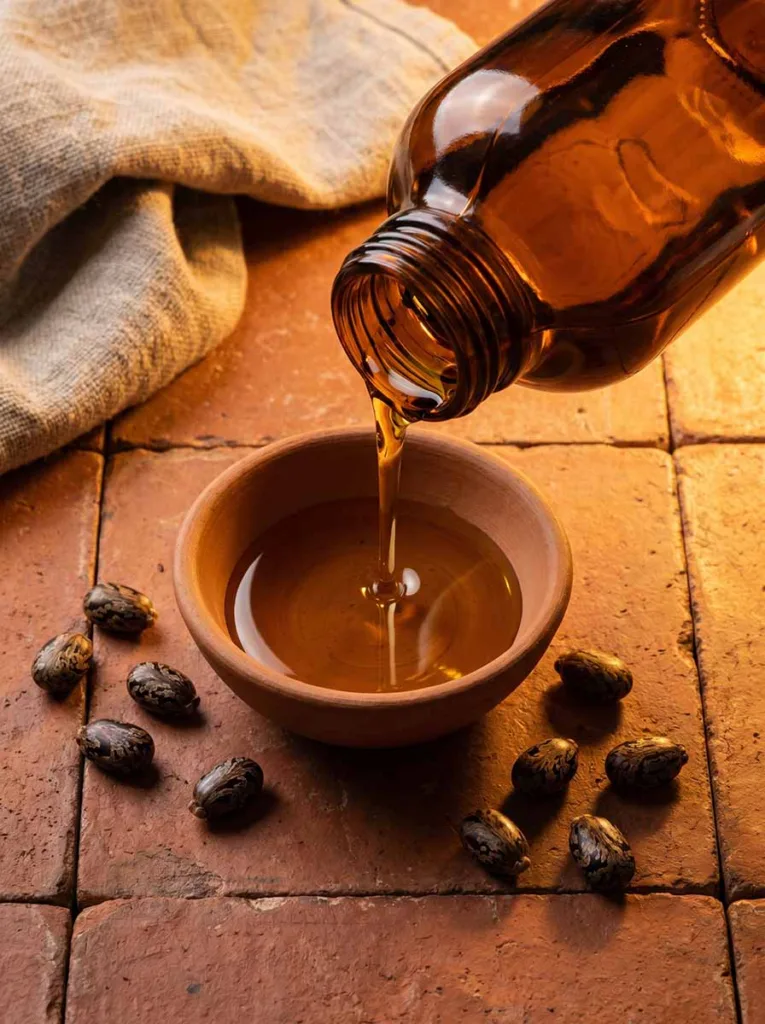
Castor oil is the most widely used hair growth oil globally, and the reputation is at least partly earned. It is rich in ricinoleic acid, a rare fatty acid that helps activate follicles and supports a healthy scalp environment, and vitamin E, which protects the scalp from the daily damage that quietly slows growth down.
Castor oil’s biggest job is stopping breakage. It wraps around each strand and seals it, cutting down split ends dramatically. For many people, their hair was growing fine. It was snapping off before they could see it. Castor oil fixes that.
How to use it: Too thick to use on its own — blend one part castor with two parts coconut or almond oil. Apply root to tip, leave on for at least an hour or overnight, then shampoo thoroughly. Once or twice a week is enough.
4. Pumpkin Seed Oil
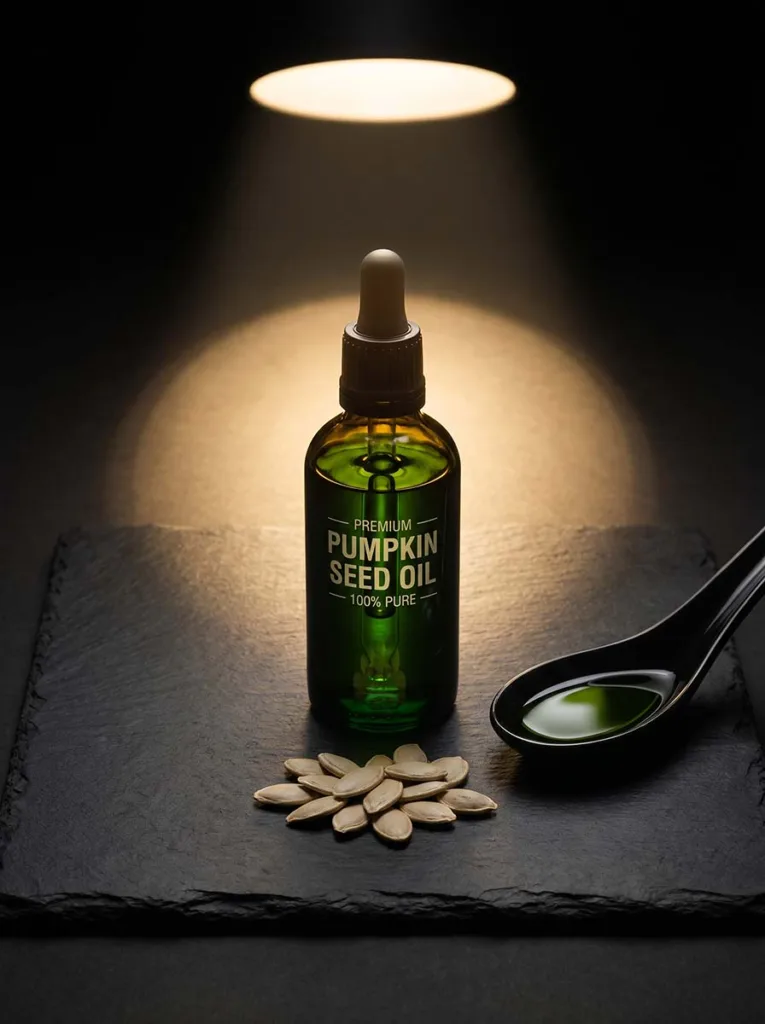
Pumpkin seed oil suits anyone who has noticed thinning at the crown or temples. It works by blocking DHT, the hormone that gradually shrinks follicles and drives most pattern hair thinning. A 2014 clinical trial gave participants either pumpkin seed oil or a placebo daily for 24 weeks. The pumpkin seed group saw a 40% increase in hair count. The placebo group saw 10%.
Most other oils treat the scalp from the outside. Pumpkin seed targets the hormonal cause that most scalp treatments never reach. If your thinning has been spreading slowly for years, start here.
How to use it: Apply directly to thinning areas and massage in well. Leave on for 30 to 45 minutes before washing, and use twice a week. The trial also used a daily oral dose of 400mg, which is worth discussing with a doctor if follicle loss is your primary concern.
5. Coconut Oil

Coconut oil penetrates the hair strand. The others coat the surface. A 2003 study found it reduced protein loss in both healthy and chemically treated hair better than other common oils tested. The reason is lauric acid, a fatty acid small enough to slip inside the hair shaft and reinforce it from within.
It matters most for anyone who colors, heat-styles regularly, or notices their hair snapping at a certain length. Stronger strands break less, which means more of your monthly growth shows up as visible length.
How to use it: Warm it between your palms, apply from root to tip, and leave on for 30 minutes to overnight. Shampoo twice if needed to get it fully out. Once or twice a week is the right frequency.
6. Jojoba Oil
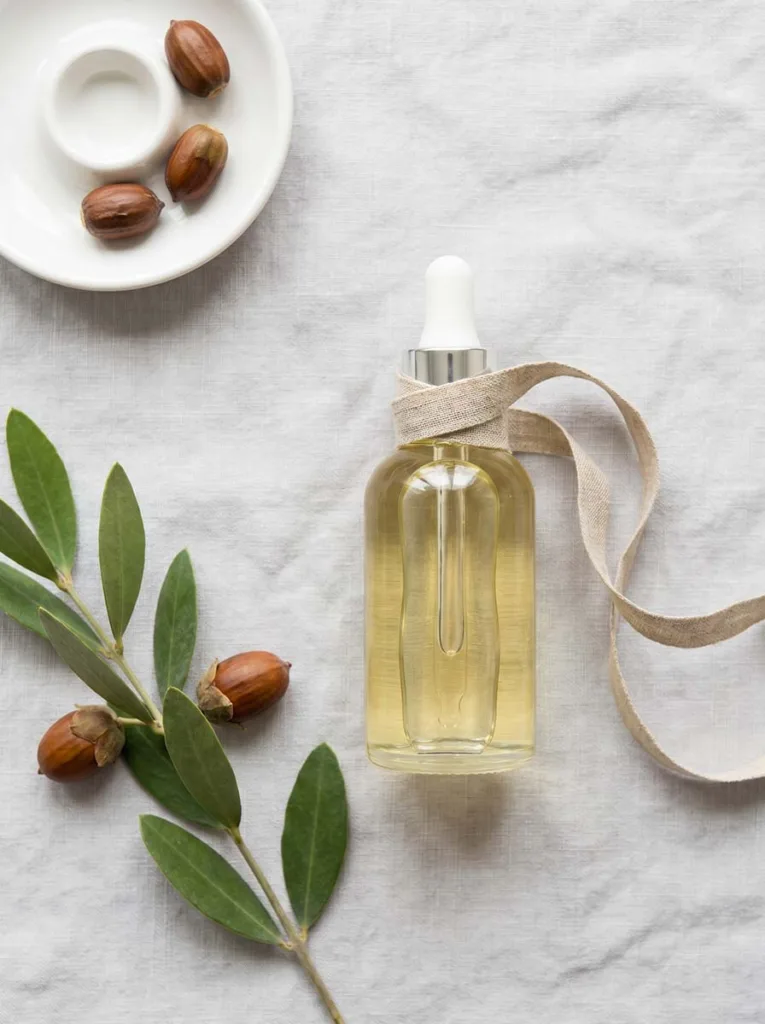
Jojoba is technically not an oil. It is a liquid wax, and that distinction is what makes it so good for the scalp. Its molecular structure is nearly identical to sebum, the oil your scalp produces on its own, so the scalp absorbs it without resistance and without clogging follicles or leaving buildup.
If you have been avoiding oils because your scalp is already oily, jojoba is the exception. Over time, it can help your scalp produce less of its own oil by keeping sebum levels balanced. It also has a shelf life of five or more years, which makes it the best base for any DIY blend you want to keep around.
How to use it: Use it as the base in a growth blend or apply a few drops directly to your scalp. It is light enough to leave in without rinsing.
7. Lavender Oil
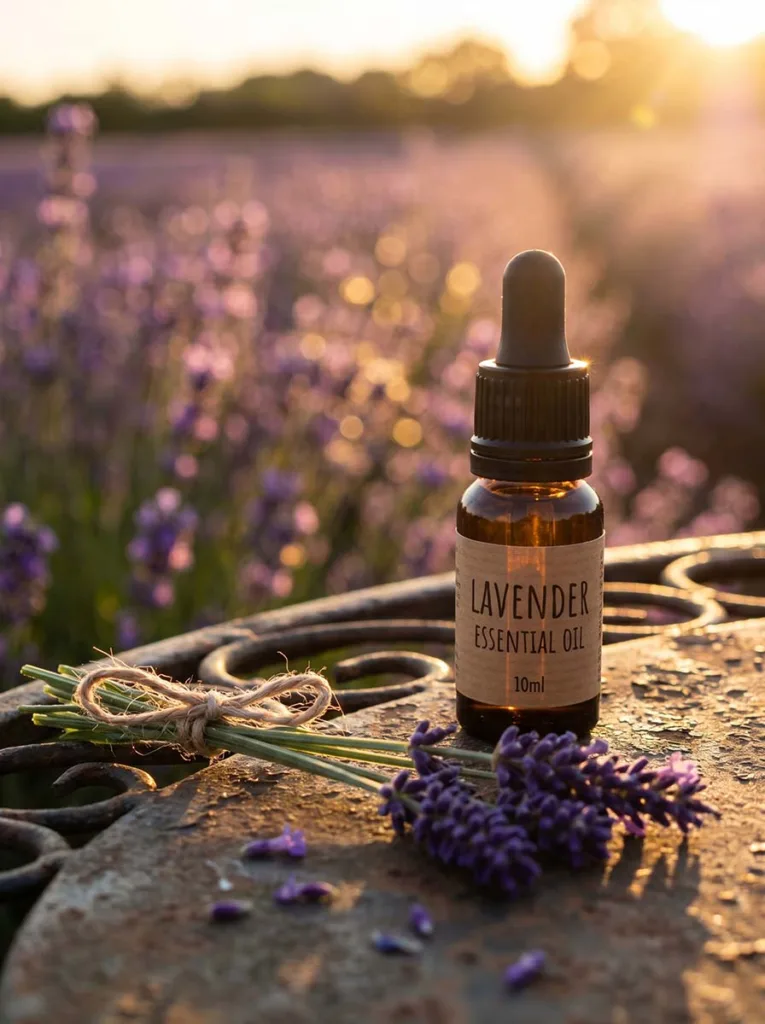
Lavender essential oil supports hair growth and keeps the scalp calm and clean. A 2016 study found it significantly increased the number of hair follicles, how deep they grew, and the thickness of the scalp’s dermal layer. A 1998 study tested a blend of lavender, rosemary, cedarwood, and thyme on people with patchy hair loss. After seven months, 44% of the blend group showed significant regrowth, compared to just 15% in the group using carrier oils alone.
It also keeps the scalp calm and clean, which has a real impact. Low-level scalp inflammation slows hair growth for a lot of people without them realizing it, and lavender addresses that directly.
How to use it: Dilute 5 drops per tablespoon of carrier oil. Blended with rosemary in a jojoba base, it makes one of the most effective growth combinations you can put together at home. Massage into the scalp, leave on for 30 minutes to overnight, and rinse. Two to three times a week.
How to Choose the Right Oil for Your Hair Type
Using the wrong oil delivers weak results regardless of everything else. Start here based on what your hair needs.
Fine or Oily Scalp
Keep the weight down. Jojoba is your best carrier base. Add rosemary or peppermint at the ratios above for growth stimulation without any residue or heaviness your scalp does not need.
Dry or Damaged Hair
Strand repair matters as much as scalp support here. Castor blended with coconut conditions each strand deeply while rosemary or lavender targets the follicle at the same time. You need both.
Thinning at the Crown or Temples
That pattern is almost always hormonal, which means most oils will not touch the root cause. Make pumpkin seed oil central to your routine. It is the only one on this list that actually addresses DHT.
Thick or Coarse Hair
Heavier oils suit you better. Castor and coconut both penetrate and lock in moisture well for coarser textures, and they benefit from longer leave-on times. If you have the patience for overnight treatments, you will notice the difference.
How to Apply Hair Oil for Real Results
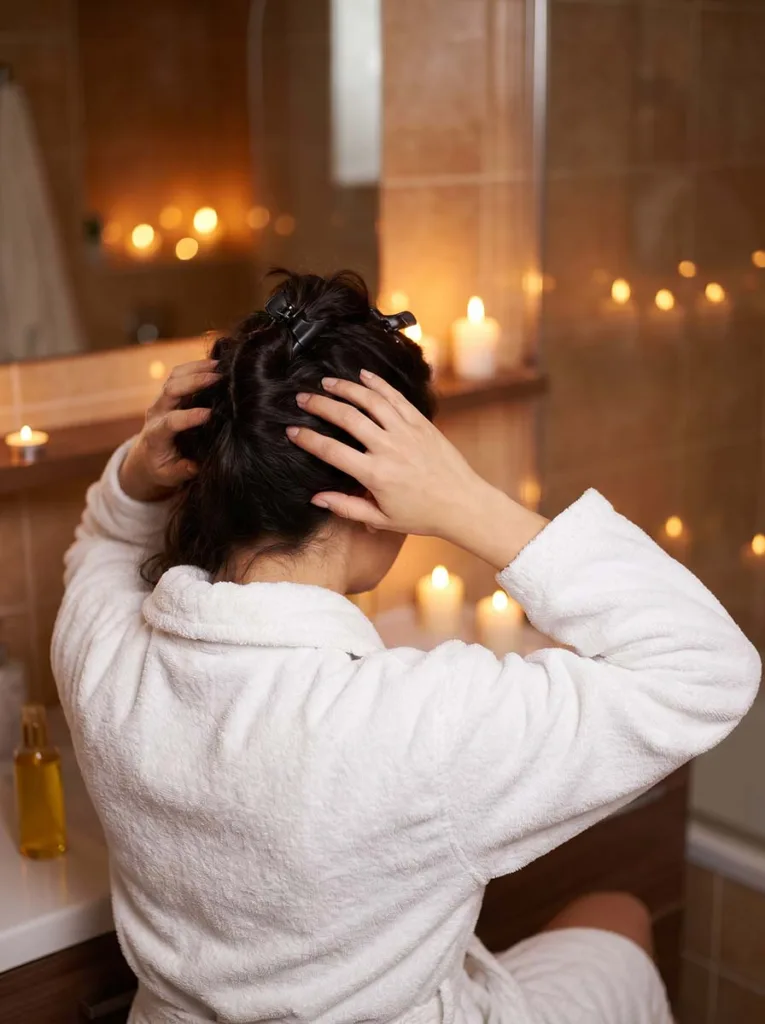
The oil matters, but technique matters as much.
- Section your hair into four parts so your whole scalp is exposed. Trying to oil through an unsectioned head means you will miss most of it.
- Warm the oil by rolling the bottle between your palms for 30 seconds. Warm oil absorbs faster than cold.
- Apply along each parting using your fingertips or a dropper. A few drops per section is all you need. Excess sits on the surface and does not absorb.
- Massage in small circular motions with the pads of your fingers for 5 to 10 minutes. Most people rush this step. It does the most work, driving blood flow directly to the follicle. No nails.
- Smooth any remaining oil from roots down to the ends.
- Leave on for 30 to 60 minutes for a regular session, or overnight for a deeper treatment.
- Shampoo thoroughly. Castor oil usually needs two rounds.
DIY Oil Blends You Can Make at Home
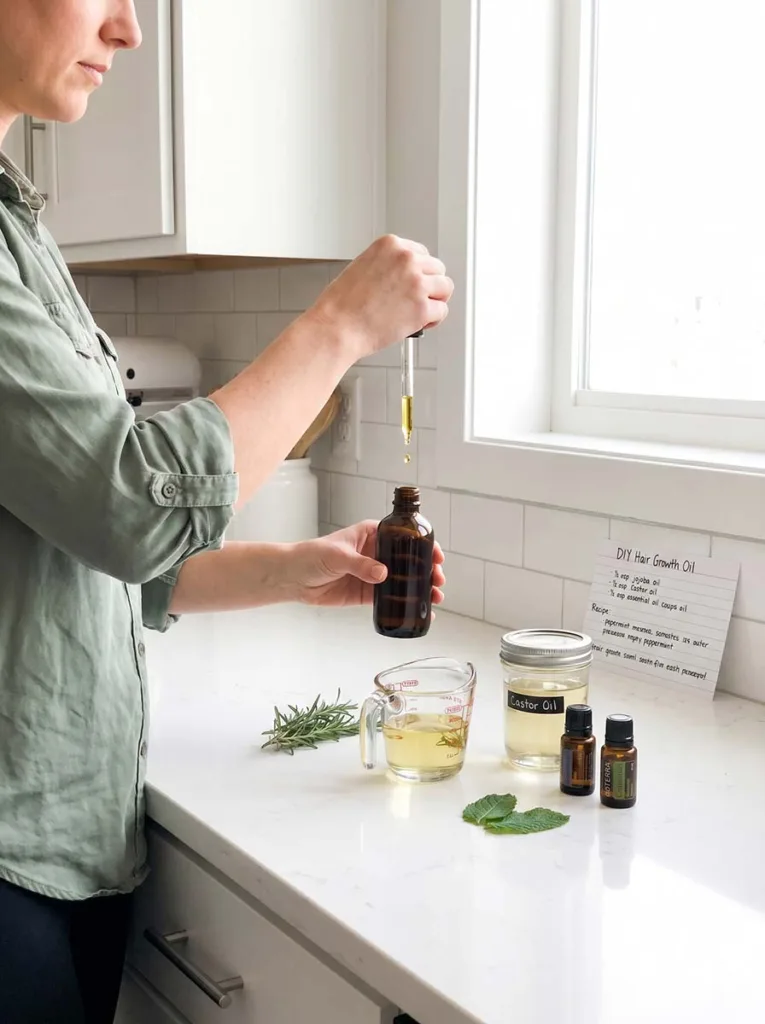
Single oils work, but blending lets you target multiple problems at once — stimulating the follicle, sealing the strand, and balancing the scalp in a single treatment. These two blends use the oils from this list in combinations that are tested and proportioned correctly. Both take under five minutes to mix and store for months.
Everyday Growth Blend
- 2 tablespoons jojoba oil
- 1 tablespoon castor oil
- 5 drops rosemary essential oil
- 3 drops peppermint essential oil
- 4 drops lavender essential oil
Mix in a dark glass dropper bottle and store in a cool drawer, not on your bathroom counter. Heat and light degrade essential oils quickly. This blend stays good for up to six months.
Thinning Hair Blend
- 2 tablespoons pumpkin seed oil
- 1 tablespoon jojoba oil
- 5 drops rosemary essential oil
- 3 drops lavender essential oil
Apply to thinning areas, massage for 5 to 10 minutes, and leave on for an hour before washing. Twice a week, consistently, for at least 90 days.
How Long Until You See Results
Hair grows about half an inch a month. These oils do not change that overnight. They create better conditions for your hair to grow without breaking, so more of that monthly growth shows.
- Weeks 1 to 2: Your scalp feels better. Less dryness, less itching, less irritation.
- Weeks 4 to 6: Less hair coming out in the shower. Strands feel noticeably stronger.
- Weeks 8 to 12: Visible improvement in thickness. Baby hairs may appear along the hairline.
- Months 4 to 6: Real, measurable length, especially if breakage was the main issue before.
The 90-day rosemary-lavender trial that showed 57.7% faster growth used three applications per week. That is the minimum commitment to make before drawing any conclusions.
Mistakes That Are Slowing Your Hair Growth
Applying essential oils directly to your scalp without diluting them is the most common mistake, and the one with the most immediate consequences. Rosemary, peppermint, and lavender applied straight from the bottle can cause inflammation and irritation. An inflamed scalp grows hair slowly. It slows growth instead of helping it.
Oiling on a dirty scalp is one most people never consider. Product buildup sits between the oil and your follicles and blocks absorption. Apply to a freshly washed, clean scalp and the difference is noticeable.
Using too much is a problem too, and a subtle one. Excess oil does not absorb deeper just because there is more of it. It sits on the surface, clogs pores, and requires more aggressive shampooing to remove, which causes the breakage you were trying to prevent in the first place.
Then there is the massage. A 2016 study found that four minutes of daily scalp massage alone, no oil involved, produced significantly thicker hair after six months. The mechanical stimulation does real physiological work at the follicle. A quick rub does almost nothing, and skipping it costs you most of the result.
The last mistake is the most common: stopping too early. Week four with no visible results feels discouraging. But that is also about five weeks before the biology typically starts showing up on the surface. Staying past week four is what separates the people who see results from those who do not.
FAQ Section
1. Which hair oil grows hair the fastest?
Rosemary essential oil has the most clinical evidence behind it. A 2015 trial showed it matched pharmaceutical minoxidil for hair count improvement over six months. Dilute 5 drops per tablespoon of carrier oil and apply to your scalp three times a week.
2. Can I oil my hair every day?
Most scalps do better with two to three times a week. Daily oiling can clog follicles, especially on already-oily scalps. Consistency over months matters more than how often you apply each week.
3. Which oil works best for thinning at the crown?
Pumpkin seed oil is the strongest choice for this. It blocks DHT, the hormone that causes follicle shrinkage, and a 2014 trial showed a 40% increase in hair count over 24 weeks. Apply it topically twice weekly and consider the oral dose of 400mg daily with a doctor’s guidance.
4. Can I mix different oils together?
Yes, and blending often works better than using a single oil. Keep your total essential oil content below 3% of the blend. Jojoba makes the best base since it lasts for years without going rancid.
5. How do I wash castor oil out without stripping my hair?
Apply conditioner directly to dry, oiled hair before adding any water. Let it sit for a minute, then rinse and shampoo with warm water. Two shampoo rounds usually gets it all out after an overnight treatment.
Conclusion
Most people who are frustrated with their hair growth are not dealing with a growth problem. They are dealing with a breakage problem, or a scalp environment problem, or they tried something for three weeks and gave up. These oils fix all three of those things when you use them right. Pick the ones that fit your hair type, blend them properly, and give it 90 days before you draw any conclusions. That is all it takes.
For more helpful articles related to hair growth, please visit VelvetBoard.