Hair Care Products: 15 Best Picks for Healthy Hair Fast
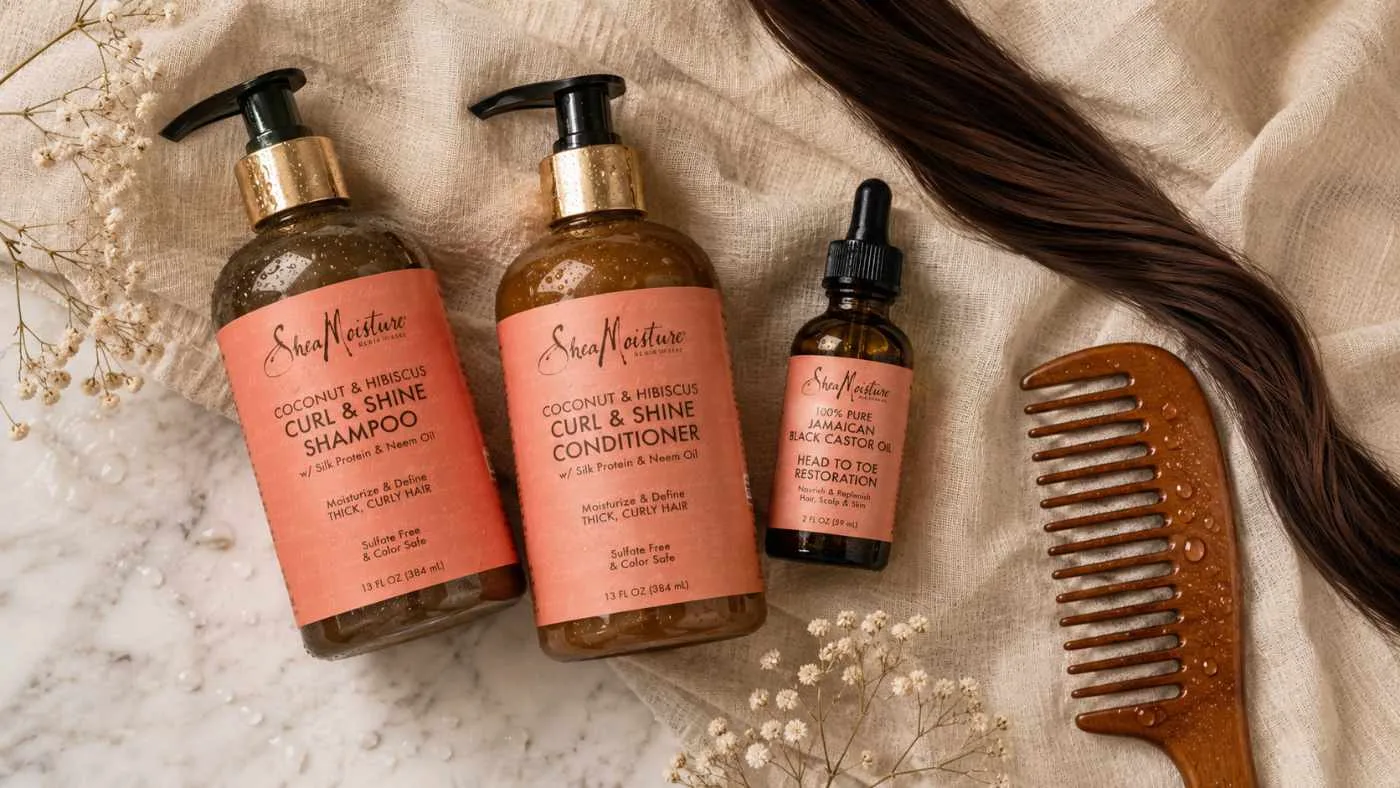
Ever bought a shampoo that promised shiny, healthy hair and left you with the same dry, frizzy mess? You followed every step on the label, and nothing changed. The problem is usually the wrong hair care products for your specific hair type.
Fine hair drowns under heavy formulas built for thick strands, while curly hair dries out under anything made for straight hair. Match the product to your texture, and results follow fast, often within the first few washes. Many people notice softer, shinier strands within one to two weeks.
You’ll find 15 products sorted by hair type below, the hair-strengthening ingredients worth checking labels for, and the small mistakes that quietly undo a good routine.
Quick answer: A healthy hair routine built around products matched to your hair type improves shine in 1-2 weeks and repairs damage in 6-8 weeks. Build yours around a shampoo, conditioner, weekly treatment, heat protectant, and a light styling product.
Why Your Hair Care Routine Isn’t Working
Most routines fail because they ignore hair type. A product built for fine hair weighs down thick strands, and one made for curly hair leaves straight hair greasy. Matching products to your specific texture and scalp condition changes results fast, often within the first few washes.
Damage builds slowly, too. Heat styling, harsh sulfates, and skipped conditioning add up over months. A 2023 dermatology review found that repeated heat exposure above 300°F breaks down the hair’s protein structure, called keratin. Most people don’t notice until strands start snapping mid-shaft.
Water quality plays a role. Hard water leaves mineral buildup on the scalp and hair shaft, which blocks moisture and dulls shine over time. A clarifying rinse once a month strips that buildup before it becomes a bigger problem.
Porosity matters too, and most people never test for it. High-porosity hair has raised cuticles that let moisture in fast and let it escape just as fast. Low-porosity hair has tight cuticles that resist moisture altogether. Try this: drop a clean strand in a glass of water. If it sinks, porosity is high. If it floats, porosity is low. Knowing this changes which products actually work for you.
The Six-Step Framework That Works
Every strong routine follows the same order. Skip a step and it shows up somewhere else, usually as dryness, frizz, or hair that won’t hold a style.
- Cleanse with a shampoo suited to your scalp
- Condition to seal moisture into the cuticle
- Treat weekly with a mask or protein booster
- Protect hair before heat or sun exposure
- Style with lightweight, non-drying products
- Maintain with regular trims and scalp care
The 15 Picks at a Glance
Scan the table below for the best products for hair type matching, then read the full breakdown for how and when to use each one.
| # | Product | Best For | Key Benefit |
| 1 | Sulfate-free shampoo (argan oil) | Dry, damaged | Cleanses without stripping oils |
| 2 | Moisture-rich conditioner (shea butter) | Dry, damaged | Softens brittle strands |
| 3 | Leave-in conditioner spray | Dry, damaged | All-day hydration, no weight |
| 4 | Clarifying shampoo | Fine, oily | Removes root buildup |
| 5 | Volumizing conditioner | Fine, oily | Lightweight, won’t flatten |
| 6 | Dry shampoo (rice starch) | Fine, oily | Extends time between washes |
| 7 | Co-wash cleanser | Curly, coily | Gentle weekly cleansing |
| 8 | Curl-defining cream (glycerin) | Curly, coily | Locks in curl pattern |
| 9 | Deep conditioning mask | Curly, coily | Fights curl dryness |
| 10 | Protein treatment (keratin/biotin) | All types, weekly | Strengthens weak strands |
| 11 | Bond-repair treatment | Color-treated, heat-damaged | Rebuilds internal bonds |
| 12 | Scalp oil (tea tree/peppermint) | All types | Boosts circulation, soothes |
| 13 | Heat protectant spray | Heat styling users | Shields against 300°F+ tools |
| 14 | Lightweight styling gel | Curls, waves | Holds without crunch |
| 15 | Anti-frizz serum | Humid climates | Smooths flyaways |
Best Shampoos and Conditioners by Hair Type
Cleansing comes first, and getting it wrong undoes every step that follows. The wrong shampoo strips natural oils or leaves buildup that blocks moisture from sinking in, which is why matching your cleanser to your hair type matters more than chasing trendy ingredients.
For Dry or Damaged Hair
Dry and damaged hair needs gentle cleansing paired with heavier moisture. These three work together as a set.
- Sulfate-free shampoo with argan oil — cleanses without stripping natural oils
- Moisture-rich conditioner with shea butter — softens brittle strands
- Leave-in conditioner spray — adds all-day hydration without weight
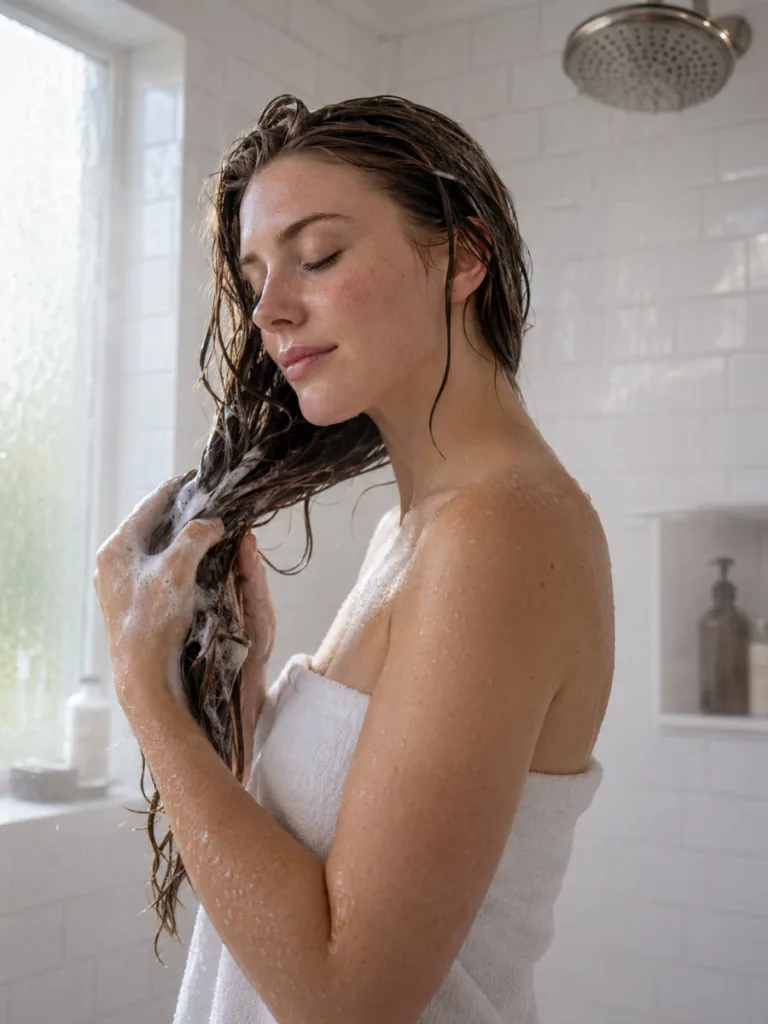
Apply the leave-in spray to damp hair right after showering, since hair absorbs moisture best while cuticles are still open.
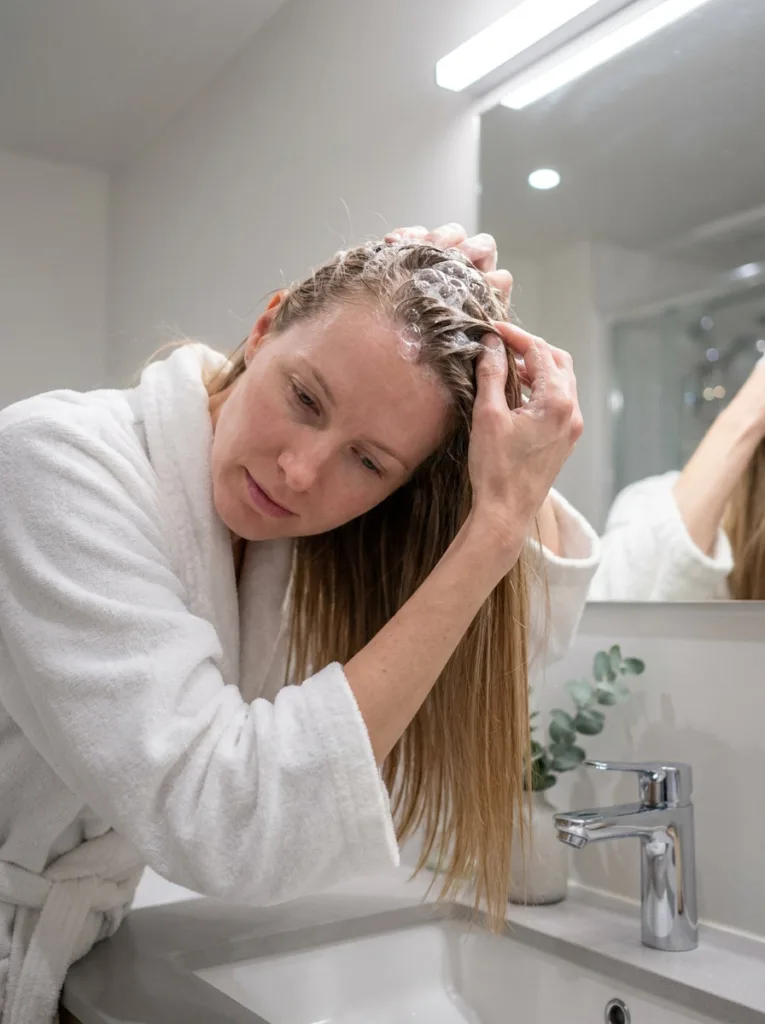
For Fine or Oily Hair
Fine and oily hair types need cleansing power without heaviness. Volume and freshness matter more here than deep moisture.
- Clarifying shampoo used twice weekly — removes buildup at the root
- Volumizing conditioner — lightweight formula that won’t flatten strands
- Dry shampoo with rice starch — extends time between washes
Apply conditioner only from mid-length to ends, not the scalp, and roots stay fresher for longer between washes.
For Curly or Coily Hair
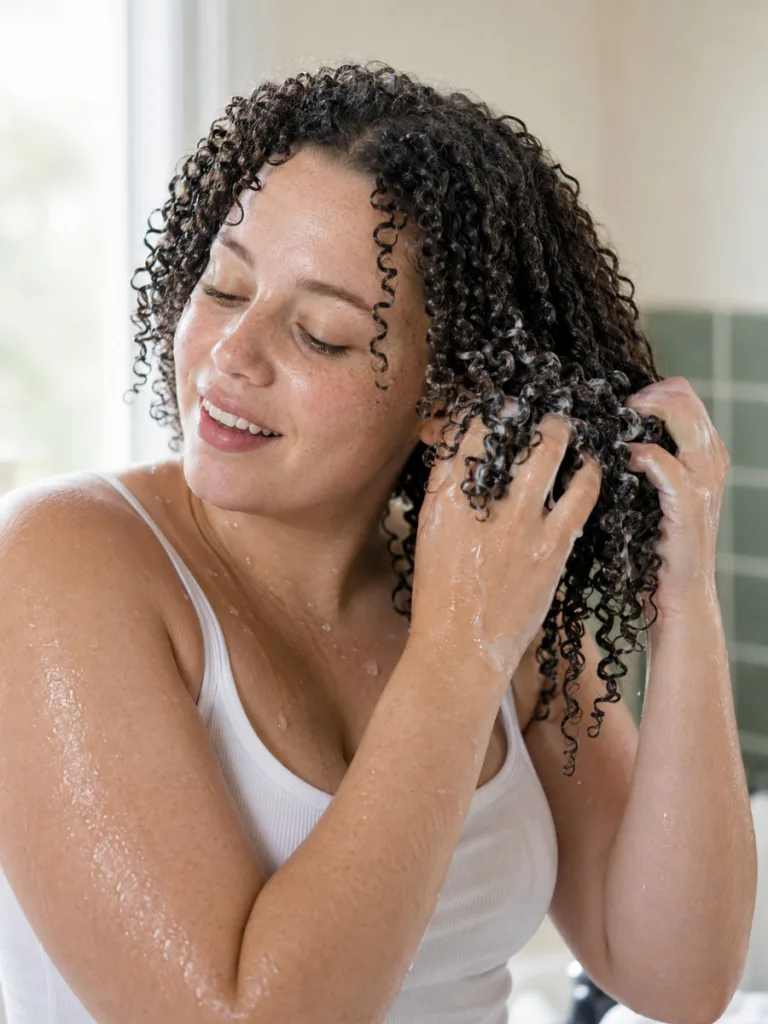
- Co-wash cleanser — gentle enough for weekly use without drying curls
- Curl-defining cream with glycerin — locks in curl pattern and shine
- Deep conditioning mask—applied weekly to fight the dryness curls are prone to
Curly and coily textures lose moisture faster because natural oils travel less easily down a coiled strand. Weekly deep conditioning isn’t optional here; skip it and you trade defined curls for frizz. Detangle with fingers or a wide-tooth comb, section by section, while hair is still soaked in conditioner, and breakage drops fast.
Treatments That Repair Damage
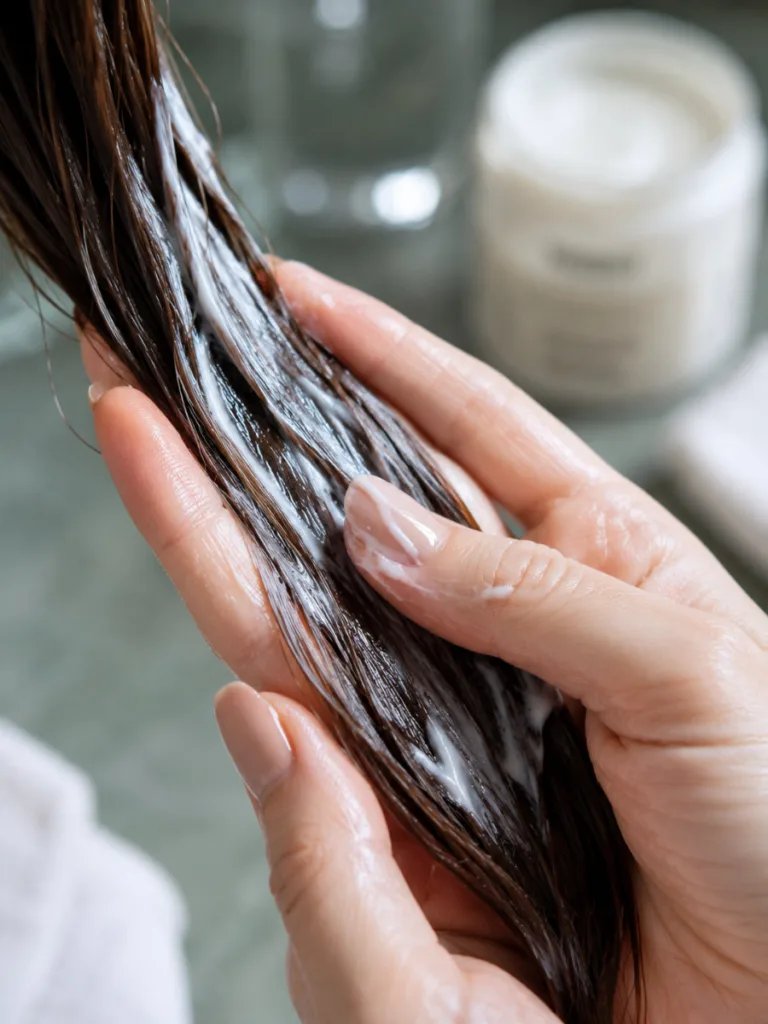
Weekly treatments rebuild what daily washing wears down. This is where protein and moisture balance matter most, and it’s the step most routines skip entirely.
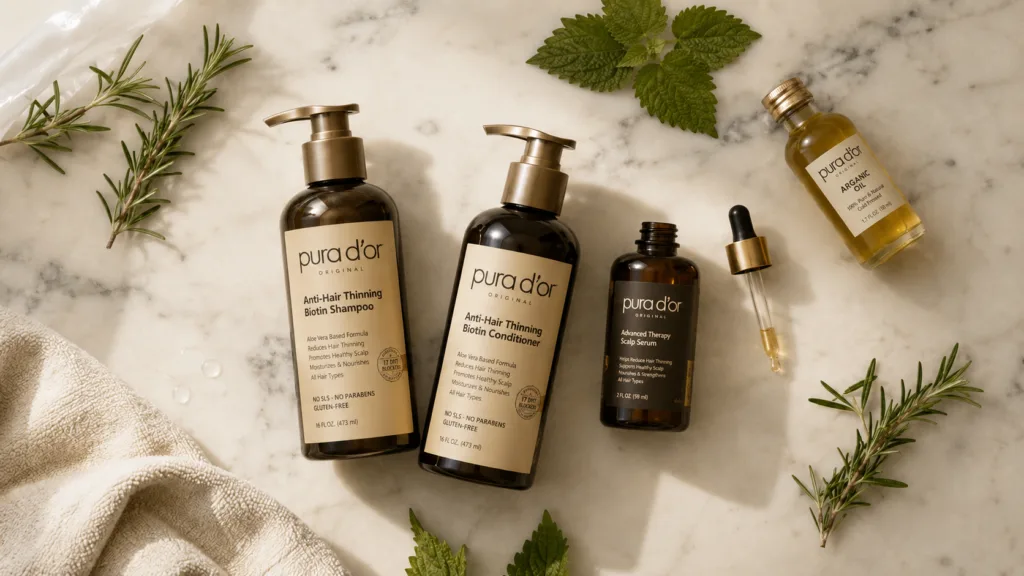
- Protein treatment with keratin or biotin strengthens weak, breakage-prone strands
- Bond-repair treatment — rebuilds internal hair bonds after coloring or heat damage
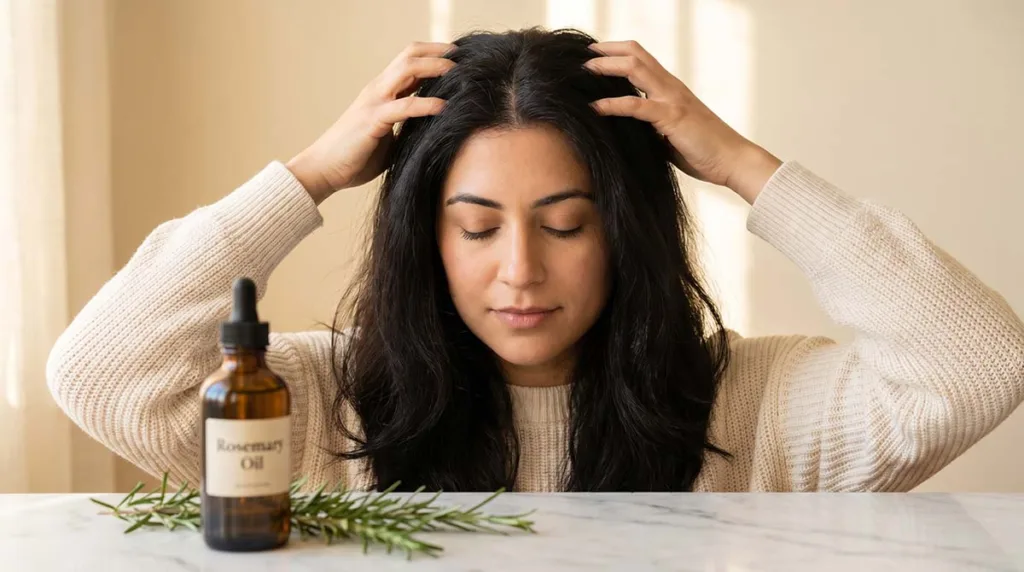
- Scalp oil with tea tree or peppermint — boosts circulation and soothes irritation
A protein-moisture balance matters more than most people realize. Too much protein leaves hair stiff, and too much moisture leaves it limp. Alternate a protein treatment with a hydrating mask every other week to keep both in check. Hair that feels rubbery and stretchy when wet usually has too much moisture. Hair that feels stiff and snaps easily is missing protein.
Surface shine often improves within days, but real repair takes longer. Visible change in overall hair texture usually takes six to eight weeks of consistent treatment, matching one full cycle for damaged strands to shed and healthier growth to take their place.
Styling Products That Protect, Not Damage
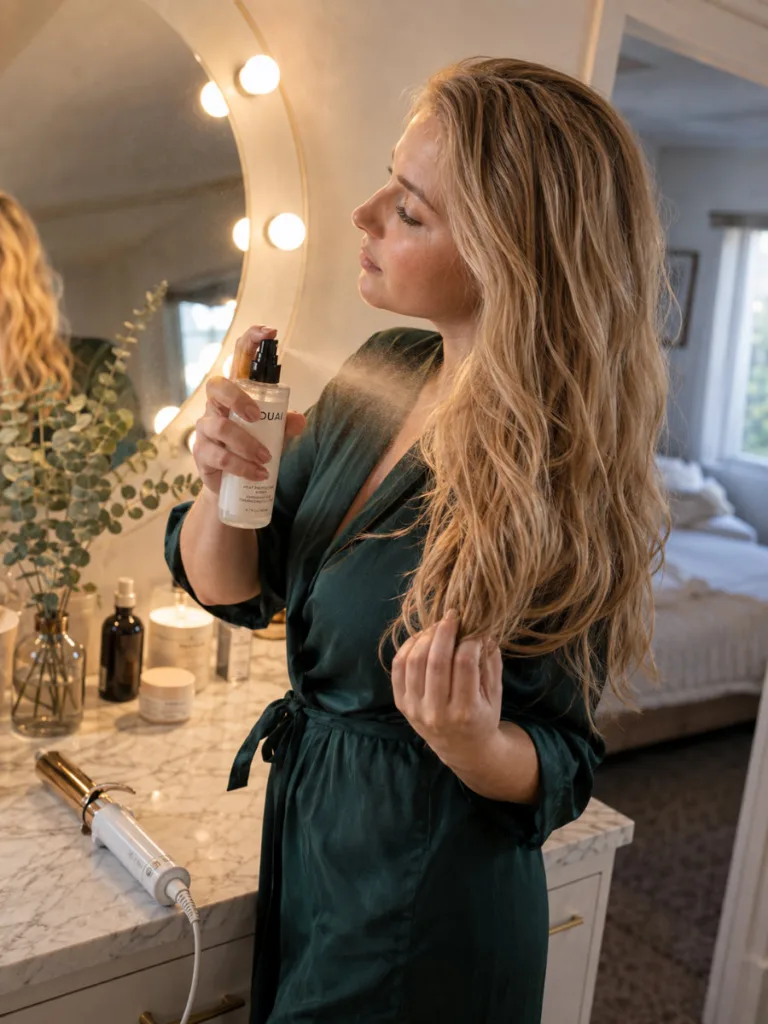
Styling shouldn’t cost you hair health. These three protect strands while still giving you the look you want.
- Heat protectant spray — applied before any tool above 300°F
- Lightweight styling gel—holds curls or waves without crunch
- Anti-frizz serum with silicone alternatives — smooths flyaways in humid weather
Skipping heat protectant is one of the fastest ways to damage hair. It takes ten seconds to apply and can save months of repair work later. A light mist on mid-lengths and ends protects without weighing hair down.
Common Hair Care Mistakes to Avoid
Even good products fail when routines include these habits, and most are easy to fix once you notice them.
- Washing hair every day. This strips natural oils your scalp needs. Most hair types do better washing every two to three days.
- Brushing wet hair with a regular brush. Wet strands stretch and snap more easily. Use a wide-tooth comb instead, starting at the ends and working up.
- Skipping trims. Split ends travel up the hair shaft if left uncut. A trim every six to eight weeks stops that spread.
- Layering too many products. Five or six products a day often causes buildup that blocks moisture. Stick to three or four core products.
- Rinsing with water that’s too hot. Heat opens the cuticle and lets moisture escape right after you’ve added it. A cool final rinse locks in shine.
- Sleeping on a cotton pillowcase. Cotton fibers create friction that leads to frizz and breakage overnight. A silk or satin pillowcase cuts that friction fast.
- Wearing tight hairstyles daily. Constant tension from tight ponytails, buns, or braids can cause traction alopecia over time. Rotate styles and give the hairline a break most days.

Nutrition Supports What Products Can’t
Products only treat the outside. Nutrition supports growth from the inside, and skipping it limits how far any product can take you.
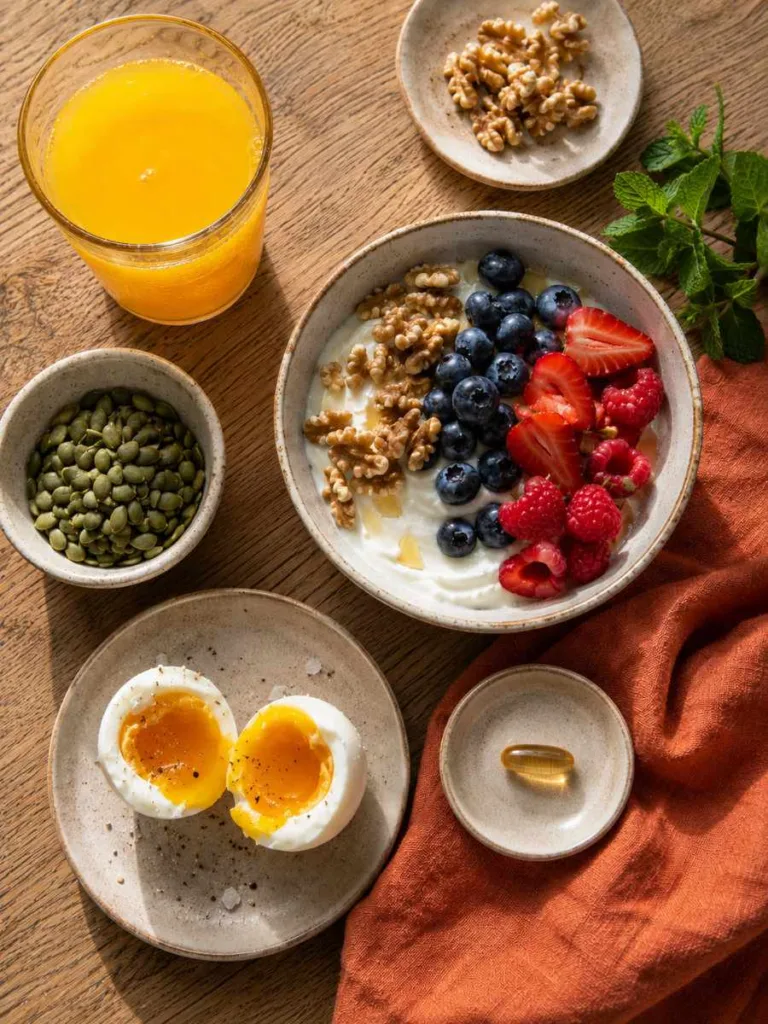
Biotin, iron, omega-3 fatty acids, and vitamin D all play direct roles in hair strength and growth speed. A diet low in protein can slow hair growth within a few months, since hair is made almost entirely of a protein called keratin. Iron deficiency, in particular, is one of the most common reversible causes of hair thinning in women.
Pairing a solid diet with the right products gives faster, longer-lasting results than products alone, since diet and topical care solve different problems.
Hydration matters too. Hair strands are roughly one-quarter water by weight, and dehydration shows up as brittleness before it shows anywhere else. Drinking enough water daily supports the same moisture balance that conditioners and masks protect from the outside.
Stress is the piece people tend to overlook. Chronic stress raises cortisol, a hormone that can push more hair follicles into a resting phase and lead to noticeable shedding a few months later. Better sleep, regular movement, and simple downtime all help keep it in check, something no product can do for you.
FAQ Section
What hair care products does everyone actually need?
Everyone needs a shampoo matched to their scalp, a conditioner for their hair type, and a heat protectant. These three form the base of any working routine.
How often should I use a hair mask?
Use a deep conditioning mask once a week for most hair types. Dry or curly hair may benefit from twice-weekly use.
Can too many products damage hair?
Yes. Layering too many products causes buildup that blocks moisture and weighs hair down. Stick to three or four core products.
Do natural oils replace conditioner?
No. Natural oils like argan or coconut oil seal moisture in, but they don’t replace the hydrating job a conditioner does.
How long until hair care products show results?
Shine and softness often improve within one to two weeks. Deeper repair takes six to eight weeks, matching one full hair growth cycle.
Is expensive hair care always better?
No. Ingredients matter more than price. A drugstore shampoo with the right formula for your hair type often outperforms a costly one built for a different texture.
Conclusion
The right hair care products fix dryness, frizz, and breakage faster than any single miracle product will. Match them to your hair type and use them consistently. Shine and softness show up within one to two weeks. Real repair takes six to eight weeks, the same cycle your hair needs to shed damage and grow back healthier.
Skip the trial and error. Start with a shampoo and conditioner built for your texture. Add one weekly treatment, and protect hair before every heat tool. Pick three products from this list that match your hair type and start tonight.
For more hair care tips and products, please visit VelvetBoard.