How to Find Your Skin Type: Three Simple At-Home Tests

Learning how to find your skin type takes one morning, and three simple tests reveal it at home. Wrong-type products waste money fast. They also leave skin tight, shiny, or sore. One honest check ends the guessing. Products then start matching your skin.
Most online quizzes ask vague questions about feelings. These tests watch real oil instead. You will wash, wait, and blot. That pattern names your type. Each test takes minutes, not hours.
Here is the direct answer on how to find your skin type. Wash with a gentle cleanser and apply nothing afterward. Wait 30 to 60 minutes, then read shine and tightness. Press blotting paper onto each zone at midday. The oil map confirms the morning result. No tools beyond paper and a mirror are needed.
What Your Skin Type Means
Skin type describes your natural oil production pattern. Sebaceous glands release sebum across the face all day. That pattern stays fairly stable for years. This is why how to find your skin type starts with oil, not shelf labels. The American Academy of Dermatology covers daily care in its skin care basics guide for every type.
Oily Skin Shines Across Every Zone
Oily skin makes sebum faster than it sheds. Shine covers the forehead, nose, chin, and cheeks. Pores look larger across the center of the face. Makeup slides within a few hours. Breakouts and blackheads visit often. Blotting sheets pick up oil from every zone.
Dry Skin Feels Tight And Looks Dull
Dry skin makes too little sebum to coat itself. It feels tight after washing, sometimes within minutes. Flakes gather around the nose and brows. Blotting sheets come away almost clean everywhere. Rich creams feel good on this type. Foaming cleansers often leave it sore and rough.
Combination Skin Splits Down The Middle
Combination skin runs two patterns at once. The T-zone turns shiny by midday. Cheeks stay normal or dry meanwhile. Pores look larger on the nose and forehead. Cheeks may flake in cold weather. Blotting sheets show oil from the center only. This split result is the most common one.
Normal Skin Stays Calm And Balanced
Normal skin sits between the extremes. It shows little shine and little tightness. Pores stay small and barely visible. Breakouts arrive rarely and clear fast. Blotting sheets pick up faint oil only. Products seldom sting or burn this type. Normal describes balance, not perfection.
Sensitive Skin Reacts On Top Of Any Type
Sensitive skin stings, burns, or reddens after product use. That reaction can sit on any base type. Oily skin can react. Dry skin can react too. Treat sensitivity as an overlay, not a fifth pattern. Note it beside your oil result. Both facts guide product choices later.
Test One: The Bare-Face Test
The bare-face test is the core method for how to find your skin type at home. It needs one quiet morning and no products. Cleanser choice matters here. A harsh wash can fake a dry result.
Step One: Cleanse Gently And Apply Nothing
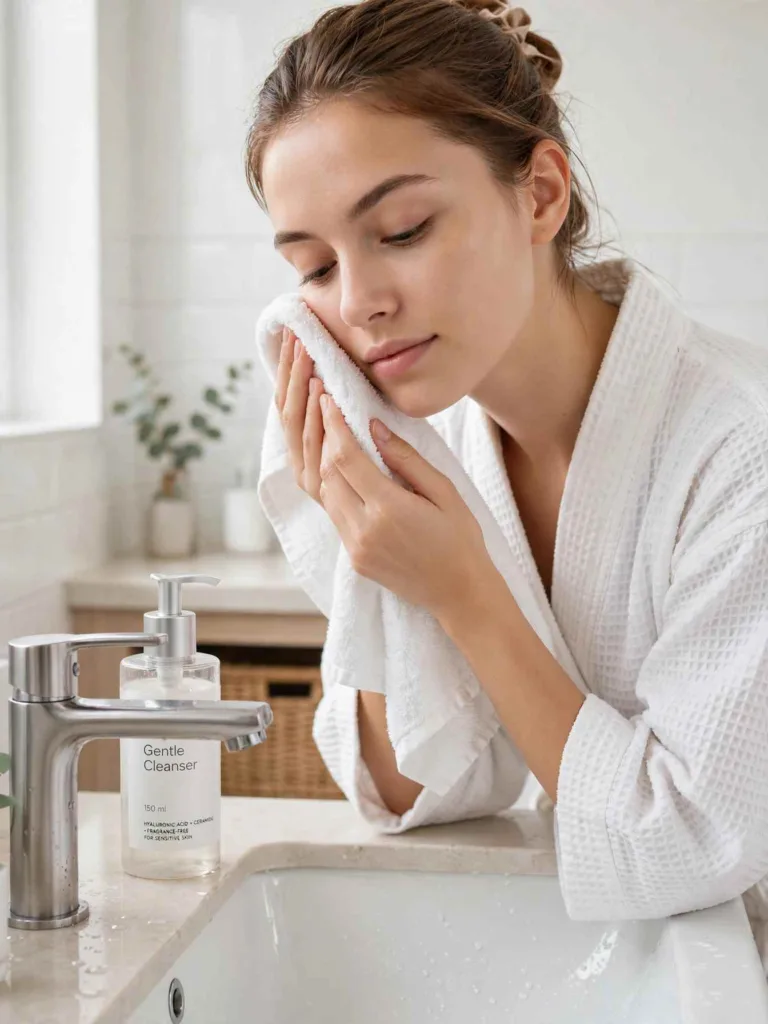
Wash with a gentle cleanser and lukewarm water. Use fingertips for 30 to 60 seconds. Pat dry with a soft towel. Apply no toner, serum, or cream. Our how to wash your face properly guide covers the wash itself. Keep hands off your face entirely afterward.
Step Two: Wait Thirty To Sixty Minutes
Wait 30 to 60 minutes before judging anything. Skin feels tight right after most washes. That first tightness fades as glands restart. Judge too early and every type reads dry. Stay indoors during the wait if possible. Heat, wind, and sun skew the result.
Step Three: Read Shine, Tightness, And Comfort
Stand at a bright mirror after the wait. Shine everywhere means oily skin. Shine on the T-zone only means combination. Tight, rough, or flaky skin means dry. Calm and comfortable skin means normal. Stinging or redness adds a sensitive note. Write the result down before applying anything.
Test Two: The Blotting Paper Test
The blotting paper test turns shine into hard evidence. Paper shows oil your eyes might miss. Run it on a normal workday afternoon. Skin should not carry any powder or makeup. This test confirms or corrects the morning reading.

Press A Fresh Section Onto Each Zone
Use a fresh blotting paper section per zone. Press it onto the forehead for ten seconds. Repeat on the nose and chin. Use new sections for each cheek. Press gently and never rub. Rubbing spreads oil across zones. Label each section with its zone name.
Read The Oil Map Against The Light
Hold each section up to bright light. Heavy oil in every section means oily skin. Oil in the center sections only means combination. Faint marks everywhere suggest normal skin. Clean sections with tight skin suggest dryness. Compare the map with your morning result. The agreement between tests settles the label.

Test Three: Watch One Full Day
One full day of watching catches what short tests miss. This third check rounds out how to find your skin type with real-life evidence. Workdays show oil at its honest pace. Note shine, tightness, and comfort three times. Short notes beat memory every time.
Check Your Skin At Midday
Check your face at midday in plain daylight. Note where shine has appeared first. Note any tight or flaky patches. Oily skin shines across all zones by noon. Combination skin shines in the center only. Dry skin often feels tighter by midday.
Check Again In The Evening
Check again before your evening wash. Compare the evening map with the midday one. Zones that stayed matte all day run dry. Zones that shone early and stayed shiny run oily. Add the sensitive note if products stung. Three checks across one day agree often.
Skin Type Versus Skin Condition
A skin condition is a temporary state layered over type. Dehydration, congestion, and irritation come and go. Type is the slow oil pattern underneath. Confusing the two is the top testing error. It matters for how to find your skin type correctly.
Dehydrated Skin Often Mimics Oily Skin
Dehydrated skin lacks water, not oil. Any type can run low on water. Thirsty skin often pumps out extra sebum. The face then looks shiny and tight at once. That mix reads as oily on quick tests. Fix water first with humectants and moisturizer. Then retake the tests after two calm weeks.
Over-Exfoliated Skin Often Mimics Sensitive Skin
Hard scrubs and stacked acids strip the skin barrier. Stripped skin stings at plain water and basic cream. That reaction looks like a sensitive type. It often fades after a gentle month. Pause acids and scrubs during that month. Retest once the skin feels calm at rest. Our skincare routine guide shows a calm base routine.
Fix The Condition Before Judging The Type
Order matters here. Repair the condition first, always. Give skin two to four weeks of gentle care. Then run the bare-face and blotting tests again. The second result is the honest one. Labels chosen during a flare mislead for months.
Skin Type Is Not The Fitzpatrick Scale
Readers often meet the Fitzpatrick scale during skin type searches. That scale grades how skin reacts to sun. It ranks burn and tan patterns across six levels. It says nothing about oil output. Keep the two scales apart in your notes.
Use Fitzpatrick thinking for sun care choices. Use oil-pattern thinking for cleansers and creams. Broad-spectrum SPF 30 suits every type daily. Knowing how to find your skin type covers product fit. Both facts help, in separate columns.
What To Do With Your Answer
A label earns its keep only when it changes choices. Match cleanser weight to your oil pattern. Match moisturizer weight the same way. This is the payoff of how to find your skin type with real tests. Keep the routine short at first.
If Your Result Is Oily Or a Combination
Choose a gel cleanser or a gentle foaming wash. Pick a light, non-comedogenic moisturizer. Combination skin can run two moisturizer weights. Use the lighter one on the T-zone. Our skincare routine for oily skin guide maps a full routine for this result.
If Your Result Is Dry Or Normal
Choose a cream cleanser or a low-foam wash. Pick a richer moisturizer with ceramides or glycerin. Apply it onto damp skin after washing. Normal skin can keep that same base. Our skincare routine for dry skin guide gives dry readers a full plan.
Match Exfoliation To Your Type
Exfoliation strength should follow your type as well. Oily skin often tolerates acids more often. Dry and sensitive skin need slower pacing. The AAD shares exfoliation guidance by skin type from its dermatologists. Stop if burning or peeling lasts beyond a day.
When Your Result Needs A Dermatologist
Home tests cover oil patterns well. They cannot diagnose skin disease. Some patterns need trained eyes and tools.
Book a visit when redness or scaling persists. Book one when acne turns deep or sore. Book one when tests keep disagreeing after repeats. A dermatologist can measure oil and water directly. Bring your test notes and product list.
FAQs
How Long Does The Bare-Face Test Take?
The test takes about one hour in total. Washing takes two minutes at most. The wait runs 30 to 60 minutes. Reading the result takes five minutes. That timing makes how to find your skin type a one-morning job.
Can My Skin Type Change Over Time?
Yes, slowly. Oil output drops with age for most people. Hormone shifts and climate moves also nudge it. A label from your teens may fail at forty. Retest after any big life or climate change. Yearly retests keep the label honest.
Which At-Home Test Is Most Accurate?
The bare-face test leads, with blotting as backup. Together they beat any online quiz. Quizzes guess from feelings and habits. These tests measure oil on the skin itself. Agreement between both tests settles most cases. Repeat them in two weeks if they disagree.
Can Dehydrated Skin Look Oily?
Yes. Dehydrated skin lacks water, and glands answer with extra oil. The face looks shiny yet feels tight. That pairing is the classic clue. Add humectants and moisturizer for two weeks. Then retake both tests before trusting the label.
How Often Should I Retest My Skin Type?
Retest once a year on a calm week. Retest sooner after pregnancy, menopause, or a climate move. Retest after any long stretch of new actives. Each retest on how to find your skin type takes one morning. Fresh results keep product choices accurate.
Does The Fitzpatrick Scale Name My Skin Type?
No. The Fitzpatrick scale grades sun reaction only. It ranks burning and tanning across six levels. Oil pattern names your cosmetic skin type. Any Fitzpatrick level can pair with any oil type. Keep both notes, in separate columns.
Final Thoughts
You now know how to find your skin type with tests, not guesses. Wash, wait, and read the shine pattern first. Confirm it with a blotting paper oil map. Watch one full day for the third vote. Fix dehydration or barrier damage before trusting any label. Write the result and the date in your notes. Tomorrow morning, run the bare-face test before your first product.