
Cold Climate Dry Skin: 10 Fixes That Actually Work

Why does your skin get so dry in winter, no matter how much moisturizer you use?
More lotion isn’t the answer. Cold climate dry skin is a barrier problem. Cold air and indoor heating strip the lipid layer that keeps moisture locked in your skin. Once it breaks down, water escapes faster than any cream can replace it.
These 10 fixes cover the right routine order, the habits quietly working against you, and the dry-versus-dehydrated distinction that determines whether your products work at all. Start with the right fix tonight and your skin will feel different by morning.
Why Cold Air Wrecks Your Skin
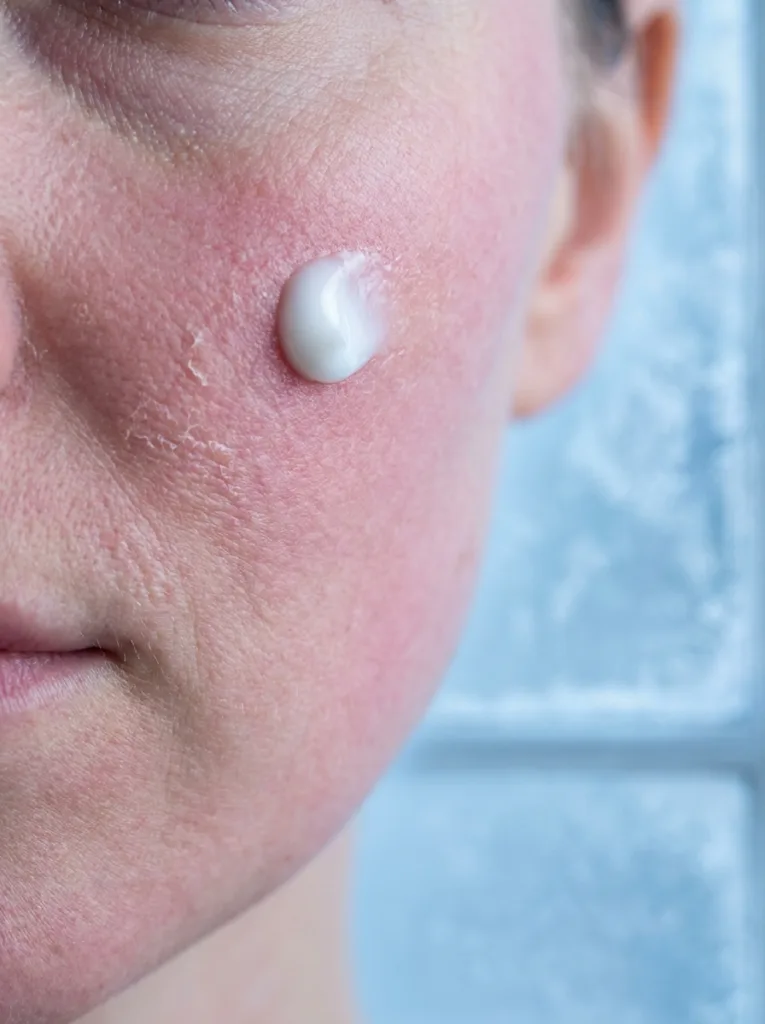
Cold air holds far less moisture than warm air, so humidity drops sharply when temperatures fall. Winter dry skin is not a coincidence—that dry air pulls water out of your skin through a process called transepidermal water loss (TEWL): your skin’s natural moisture evaporates faster than it can be replaced.
Your skin barrier is a thin layer of lipids, mostly ceramides, cholesterol, and fatty acids, that sits between the outside world and your living skin cells. Cold air weakens that layer. Indoor heating makes it worse. The result: tight, flaky, reactive skin that lotion alone cannot fix.
Dry vs. Dehydrated: Know Which One You Have

These two conditions look almost identical but have different causes and need different solutions.
Dry skin is a skin type. Your skin produces less sebum than normal, so it lacks natural oil regardless of the season. Cold weather makes it worse, but it’s present year-round.
Dehydrated skin is a temporary condition. Any skin type, including oily skin, can become dehydrated when it lacks water. Cold air triggers dehydration even in people who aren’t naturally dry.
You can have both at once. Quick test: pinch the skin lightly on your cheek and release. If it bounces back slowly or shows faint fine lines for a moment, you’re dehydrated. If your skin feels rough or tight even after moisturizing regardless of season, you’re dry. Most people dealing with cold-climate dry skin have both.
Fix 1: Switch to a Cream or Oil-Based Cleanser

Do this: Replace any foaming or gel cleanser with a cream or oil-based cleanser that rinses clean without stripping.
The first step in any cold weather skincare routine is the cleanser. Foaming and gel formulas work fine in summer. In cold weather, they strip the natural oils your barrier needs. Quick test: if your skin feels tight within a minute of washing, your cleanser is causing damage. Switch it out.
Fix 2: Apply Hyaluronic Acid on Damp Skin

Do this: Apply your hyaluronic acid serum immediately after cleansing, while your face is still slightly damp, not after it has dried.
Most people apply it wrong in cold conditions. On dry skin in dry air, hyaluronic acid pulls moisture from your skin’s deeper layers instead of drawing it from the air, which makes dryness worse. A damp face gives it the surface water it needs to work properly. Pat in and move to the next step.
Fix 3: Use a Ceramide-Rich Moisturizer Within 60 Seconds
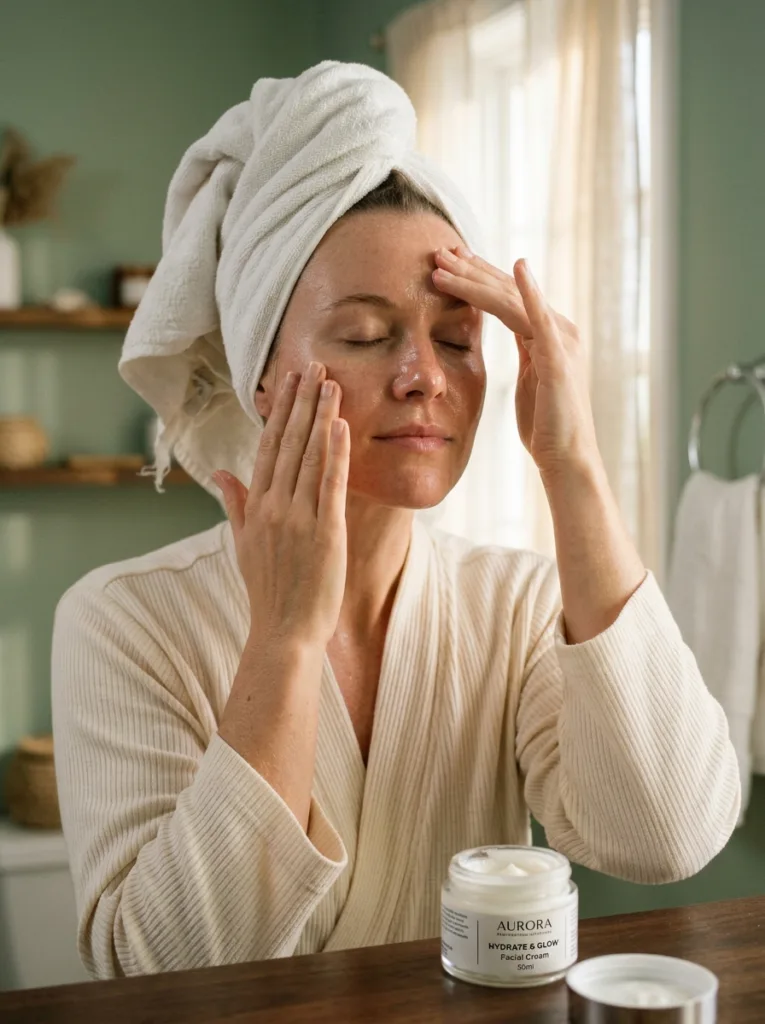
Do this: Apply a cream moisturizer containing ceramides, niacinamide, and peptides within 60 seconds of your serum while still slightly damp.
Moisturizer on damp skin traps surface hydration inside. On dry skin, it mostly sits on top. Ceramides are the lipids cold air depletes. They’re the most important ingredient in your winter moisturizer. Gels and light lotions don’t provide enough occlusion in cold weather; use a cream. For specific product picks, see our best moisturizers for dry skin in winter guide.
Fix 4: Wear SPF Every Single Morning
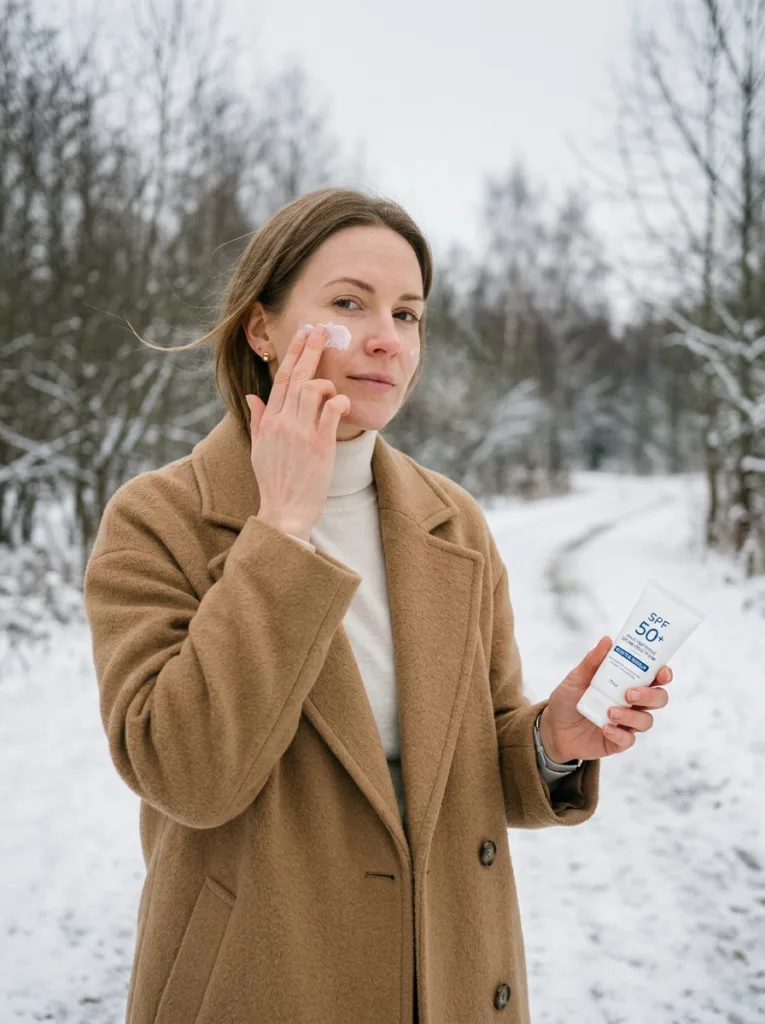
Do this: Apply a broad-spectrum SPF 30 or higher as the final step of your morning routine, routine, every day or shine.
Snow reflects UV radiation at up to 80% intensity, far more than sand. Winter sun damage is real, especially at altitude, near open water, or in bright snowy landscapes. UV rays pass through cloud cover and glass. Sun protection isn’t optional for compromised skin. UV damage impairs your barrier’s ability to repair itself, and you lose ground every unprotected morning.
Fix 5: Seal Skin Overnight with an Occlusive

Do this: After your night moisturizer, apply a thin layer of petroleum jelly or a heavy balm to the driest areas: nose, cheeks, forehead, and around the mouth.
An occlusive creates a physical seal over the skin surface that prevents water from escaping while you sleep. The correct layering order is:
- Serum
- Moisturizer
- Occlusive
A proper seal blocks dry air from pulling moisture out overnight. Skin heals faster and feels softer by morning.
Fix 6: Scale Back Exfoliating Actives in Winter
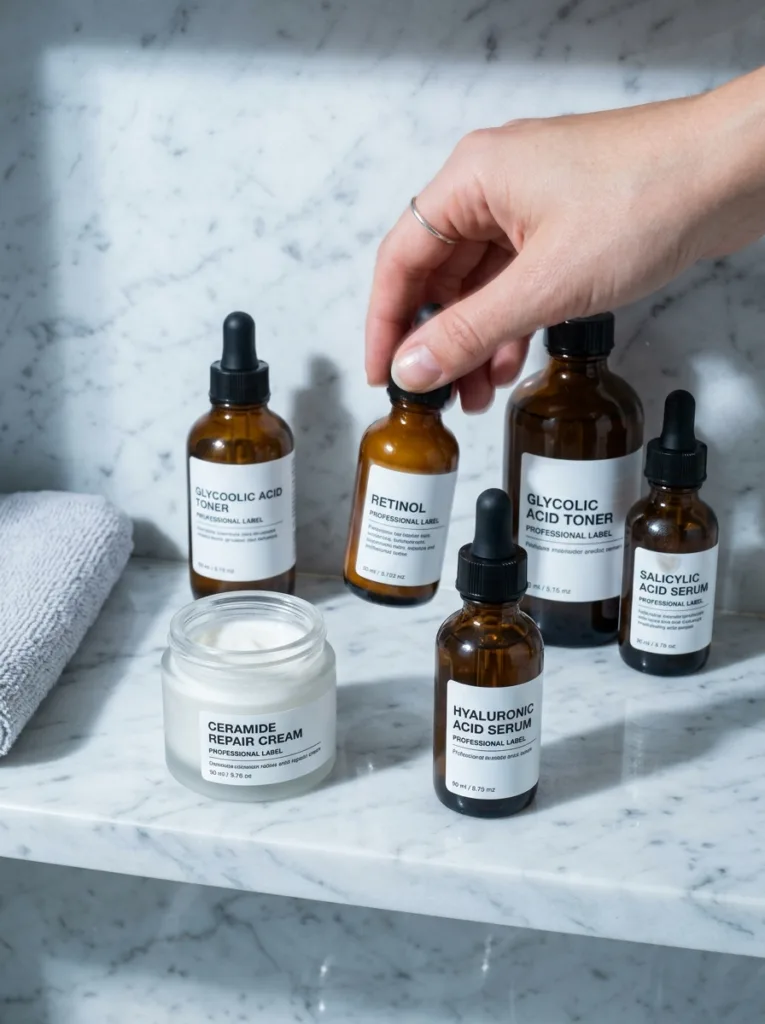
Do this: Reduce frequency on retinol, glycolic acid, and salicylic acid, or stop them temporarily if your skin is cracking or raw.
These actives remove the outermost skin layers and accelerate cell turnover. In winter, that outermost layer is your only protection against the cold. Reduce gradually:
- Retinol: nightly → twice a week
- Exfoliating acids: daily → once a week
- Cracking or raw skin: stop both for two weeks, then reintroduce slowly
Pick up again in spring when your barrier has recovered.
Fix 7: Protect Your Hands, Lips, and Feet Specifically
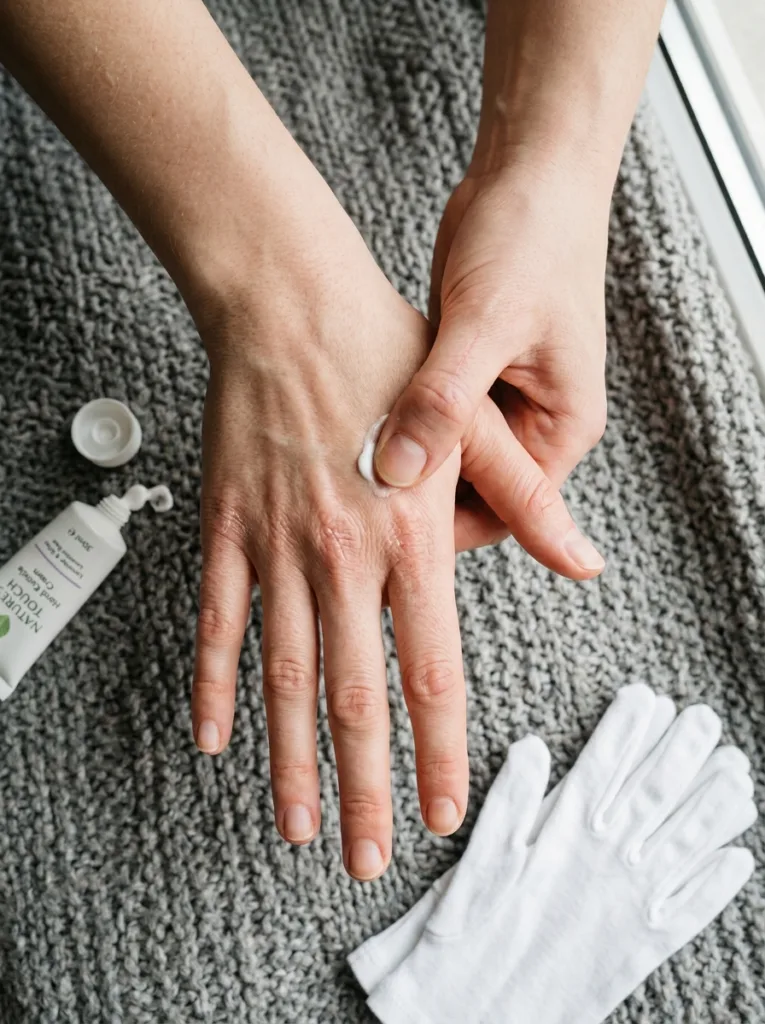
Do this: Treat hands, lips, and feet with targeted products. They crack faster than your face and take longer to heal.
Your face gets most of the attention, but hands, lips, and feet suffer the most in cold climates.
Hands — Apply a hand cream with ceramides or urea immediately after every wash. Keep a small tube at every sink. At night, put on a thick layer and wear cotton gloves to bed. The overnight occlusion speeds up healing.
Lips — They have no sebaceous glands and produce zero protective oil. Use a petroleum-based lip balm, not a flavored glossy one (which encourages licking and worsens dryness). Apply before going outside and before sleep.
Feet — File with a pumice stone, apply urea cream or a thick foot balm, and wear socks overnight. Three times a week in winter prevents cracks from forming.
Fix 8: Take Lukewarm Showers, Not Hot Ones
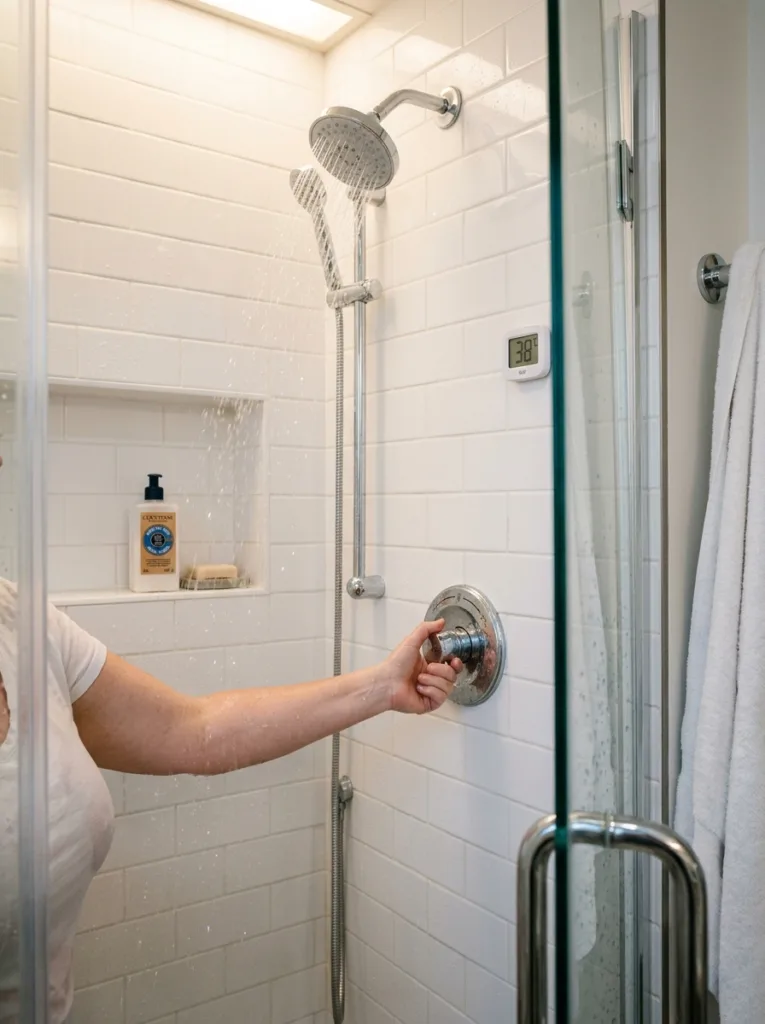
Do this: Keep showers under 10 minutes, use lukewarm water, and apply body moisturizer within two minutes of stepping out.
Hot showers feel necessary in cold weather. They also strip your barrier faster than cold air does. Water above 40°C (104°F) dissolves the lipid layer the same way hot water dissolves grease. The two-minute window matters: once your skin dries, moisturizer mostly sits on the surface instead of locking hydration in.
Fix 9: Add a Humidifier to Your Bedroom

Do this: Run a bedroom humidifier set to 40–60% humidity while you sleep. Even a small, cheap model makes a measurable difference within a few days.
Most people fix their skincare routine and ignore the room. Radiators, central heating, and fireplaces drop indoor humidity to 10–20% in winter. Your skin loses moisture to that dry air all night, which cancels out the products you applied before bed. Keep the bedroom door closed to hold humidity and clean the humidifier weekly to prevent mold.
Fix 10: Eat for Your Skin Barrier

Do this: Drink 6 to 8 glasses of water daily and add these four nutrients to your regular winter meals.
Cold weather suppresses thirst signals, so most people are mildly dehydrated without noticing. What you eat affects your barrier from the inside too. For a deeper look at skin-friendly ingredients, see our natural skincare ingredients guide.
- Omega-3 fatty acids: support the lipid layer of the skin barrier. Found in salmon, mackerel, sardines, flaxseeds, and walnuts. Consistent intake reduces TEWL and improves skin hydration.
- Vitamin E: protects skin cells from cold-weather oxidative stress. Found in almonds, sunflower seeds, and avocado.
- Zinc: supports skin cell renewal and barrier function. Found in pumpkin seeds, legumes, and whole grains.
- Water: 6 to 8 glasses daily. Cold weather suppresses thirst, and most people drink less than they think.
Cold Climate Dry Skin: Your Questions Answered
What causes dry skin in cold climates?
Cold air holds less moisture than warm air, which increases transepidermal water loss. Indoor heating reduces humidity further, and together they deplete your skin’s natural lipids and water content.
Which ingredients work best for dry skin in cold climates?
Ceramides, hyaluronic acid, and niacinamide are the three to look for. Ceramides rebuild the lipid barrier, hyaluronic acid draws water into skin cells, and niacinamide strengthens the barrier while calming inflammation.
How long does barrier repair take?
Dry skin barrier repair typically takes 2 to 4 weeks with consistent care. Severe barrier damage can take up to 6 weeks to fully resolve.
Does a humidifier actually help dry skin?
Yes. Indoor heating drops humidity to levels that damage skin overnight. A bedroom humidifier at 40–60% humidity reduces overnight water loss and improves skin texture within days.
Can oily skin get dry in cold weather?
Yes. Dehydrated skin (lacking water rather than oil) affects any skin type. Oily skin often becomes dehydrated in cold climates, which triggers extra sebum production and leads to breakouts alongside flakiness.
Conclusion
Cold-climate dry skin is a barrier problem. Cold air, indoor heating, and the wrong products strip the lipids your skin needs to hold water. Fix the barrier with ceramides, seal it with an occlusive, and cut the habits (hot showers, harsh actives, and no humidifier) that undo your progress each day. Start tonight: apply a ceramide moisturizer on damp skin, follow it with petroleum jelly, and run your humidifier while you sleep. Your skin will feel different by morning.
For more skincare tips, please visit VelvetBoard.