Affordable Hair Growth Products Guide: Picks That Work
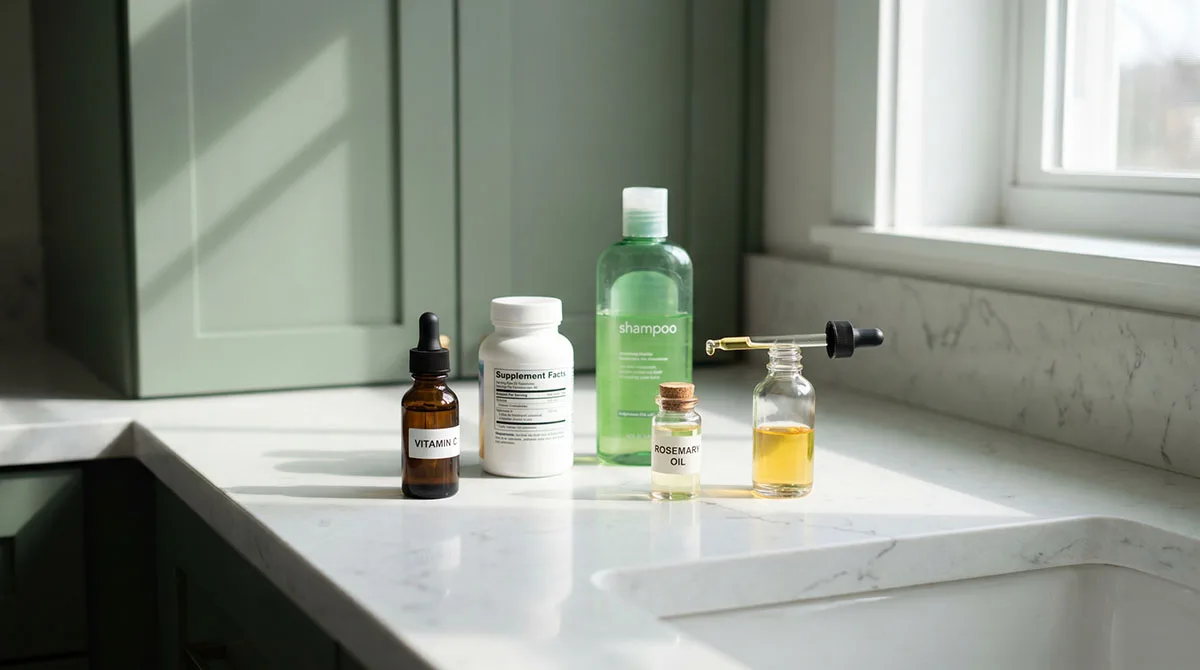
Most people spending $80 on a hair growth serum are buying the same active ingredients found in a $12 bottle. The beauty industry prices products around fear, not formulas. A $9 bottle of rosemary oil matched 2% minoxidil in a clinical study. Generic minoxidil costs $15 for a three-month supply at Costco and $60 at a salon — same molecule, different label.
Hair loss and thinning are common, and the options are genuinely overwhelming. This guide cuts through that. It covers how hair loss actually works, which product types target which causes, and which specific products are worth buying at under $10, $10–$20, and $20–$30. No brand partnerships, no filler picks — just what the ingredient science supports.
Why Hair Stops Growing — And What Products Actually Target
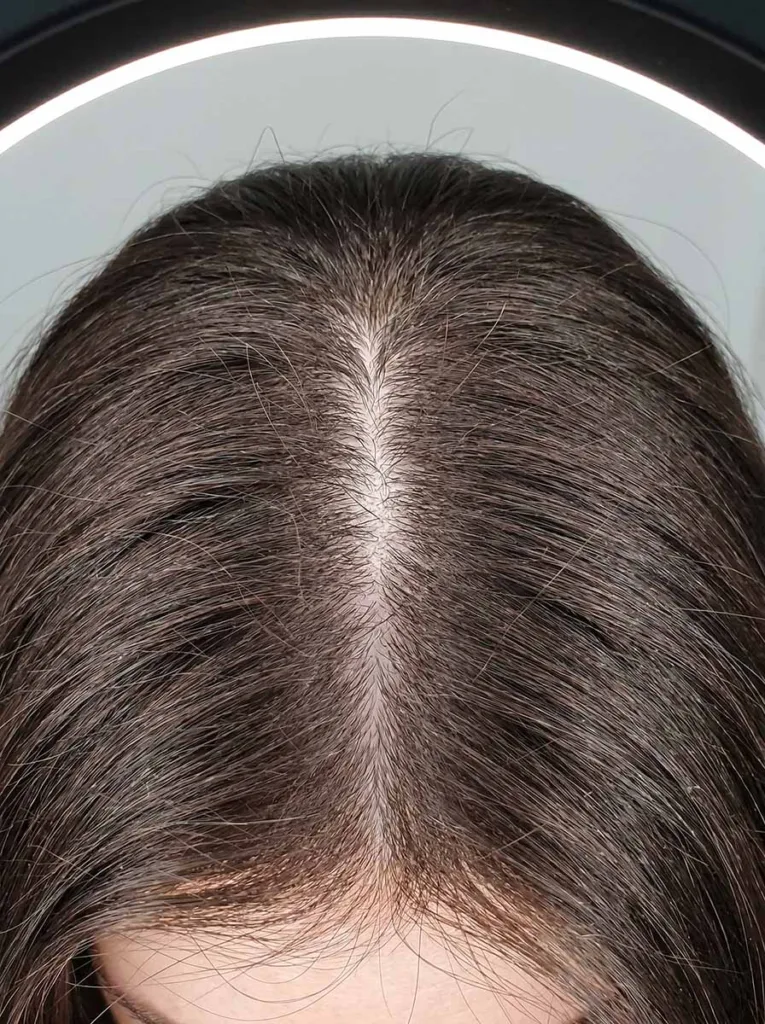
Most hair growth products target one of three root causes. Buying from the wrong category is the most common mistake people make.
DHT is a hormone called dihydrotestosterone. It binds to receptors in the scalp and causes hair follicle miniaturization, making strands progressively thinner until growth stops. Most cases of androgenetic alopecia (pattern hair loss in both men and women) trace back to this hormone. Products that block DHT work at the source.
Poor scalp circulation is the second cause. Hair follicles need blood flow to get nutrients. A stagnant scalp starves follicles, shortens the anagen (growth) phase, and pushes hairs into premature resting and shedding phases. Oils and serums target this.
Nutritional deficiency is the third. Low levels of iron, biotin, zinc, and vitamin D trigger diffuse shedding — thinning spread across the whole scalp rather than in one zone. Supplements address this internally.
Pick the category that matches your situation before picking a brand.
The 4 Types Of Affordable Hair Growth Products
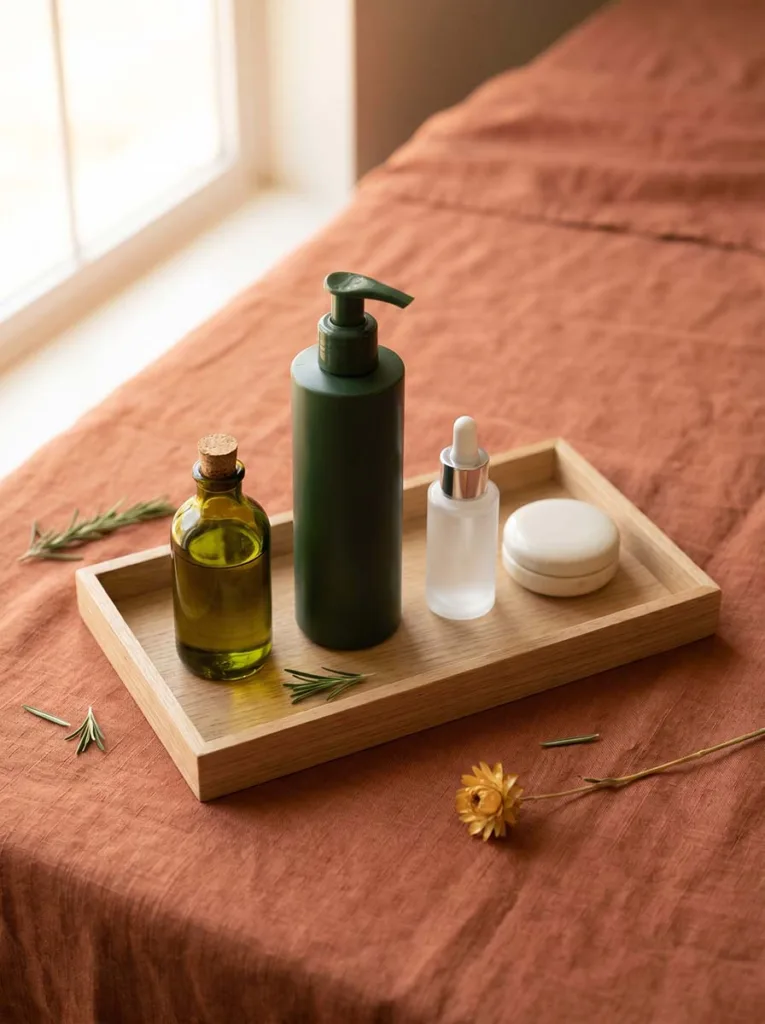
Each product type targets a different part of the problem at a different price point. Understanding the mechanism helps you spend your money where it will actually do something.
Hair Growth Oils
Scalp oils increase blood circulation to the follicle and, in some cases, block DHT directly. Rosemary oil has the strongest data: a 2015 clinical study in SKINmed Journal found it matched 2% minoxidil for hair regrowth over six months, with fewer scalp side effects. It inhibits roughly 80% of the 5-alpha-reductase enzyme that converts testosterone into DHT.
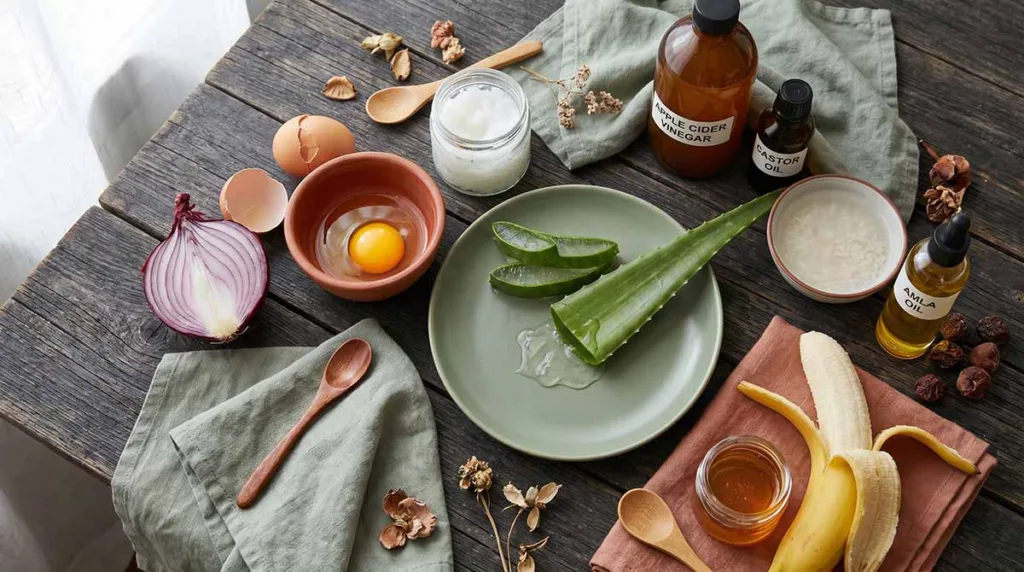
Castor oil is worth pairing with it. Rich in ricinoleic acid, it reduces scalp inflammation and coats the hair shaft to cut breakage. Used consistently over months, both deliver measurable results — though neither will reverse severe hormonal hair loss alone.
Growth-Boosting Shampoos
Hair growth shampoos do not stay on the scalp long enough to rebuild follicles. They remove buildup, keep the scalp clean, and deposit active ingredients like caffeine and ketoconazole during every wash. Caffeine extends the anagen phase by countering DHT at the cellular level. Ketoconazole, an antifungal, has shown DHT-blocking properties in studies going back to 1998.
Look for shampoos with those actives. Anything promising dramatic regrowth from a rinse-off product is overstating the case.
Scalp Serums
Scalp serums are concentrated treatments you apply directly to the scalp and leave in. The extended contact time is the point: rinse-off shampoos cannot deliver the same exposure. Serums typically combine peptides, niacinamide, and plant-based DHT blockers like saw palmetto to stimulate follicles and reduce scalp inflammation. Most fall in the $12–$30 range and deliver more active ingredient per dollar than most shampoos or oils.
Hair Growth Supplements
Hair supplements address deficiency-driven shedding from inside. The nutrients with the best evidence are biotin (vitamin B7), iron, zinc, vitamin D, and collagen peptides. Generic single-ingredient supplements are inexpensive and more targeted than proprietary blends that combine everything at doses too low to matter. Nutrafol is the most clinically studied brand without a prescription, but generic biotin or iron handles deficiency-related shedding at a fraction of the price.
Best Affordable Hair Growth Products Sorted By Budget
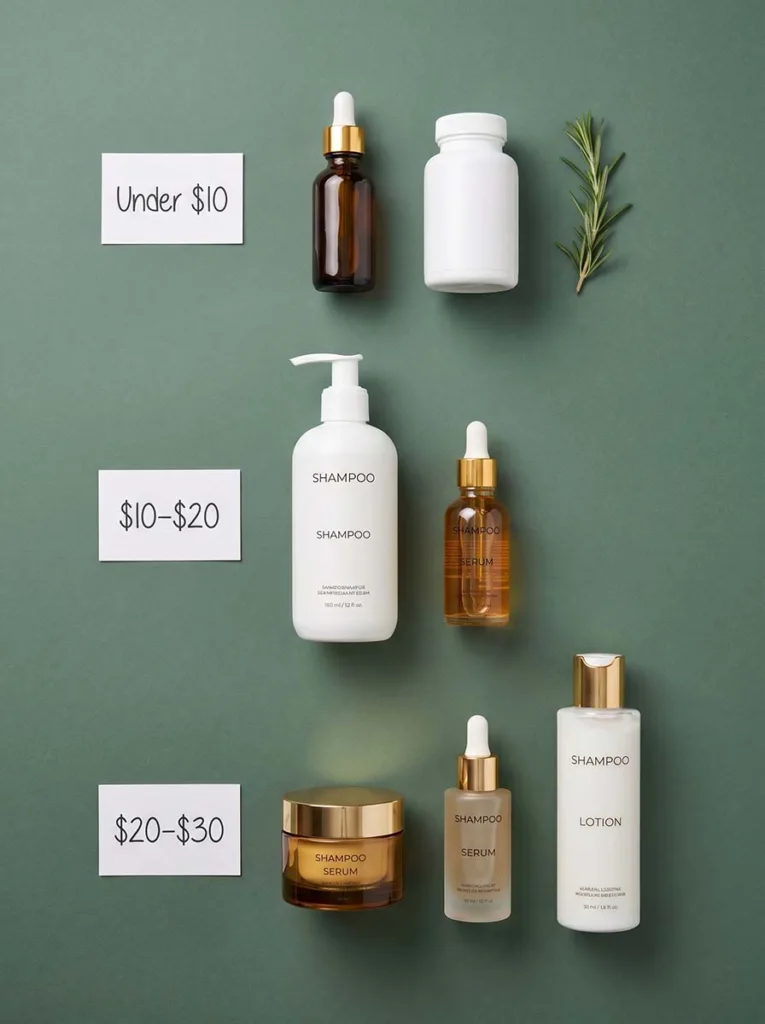
Each product below has ingredients that justify the purchase. Prices are approximate and vary by retailer.
Under $10
Jamaican Black Castor Oil is available at most pharmacies for under $8. It reduces scalp inflammation, strengthens the hair shaft, and increases circulation when massaged in. Use it 2–3 times per week on the scalp and ends.
Generic biotin supplements (5,000 mcg) run about $6–$8 for a 90-day supply. If biotin deficiency is behind your shedding, this alone can produce noticeable results in 8–12 weeks.
Rosemary essential oil sells for $5–$9. Dilute 5–6 drops in a tablespoon of coconut or jojoba oil, massage into the scalp, and leave on for 30 minutes before washing. The 2015 SKINmed study used this same dilution protocol and matched minoxidil results at the six-month mark.
$10 To $20
Mielle Organics Rosemary Mint Scalp & Hair Strengthening Oil retails for about $10–$12. It combines rosemary, peppermint, tea tree, and biotin in a ready-to-use blend with a clinically relevant ingredient list.
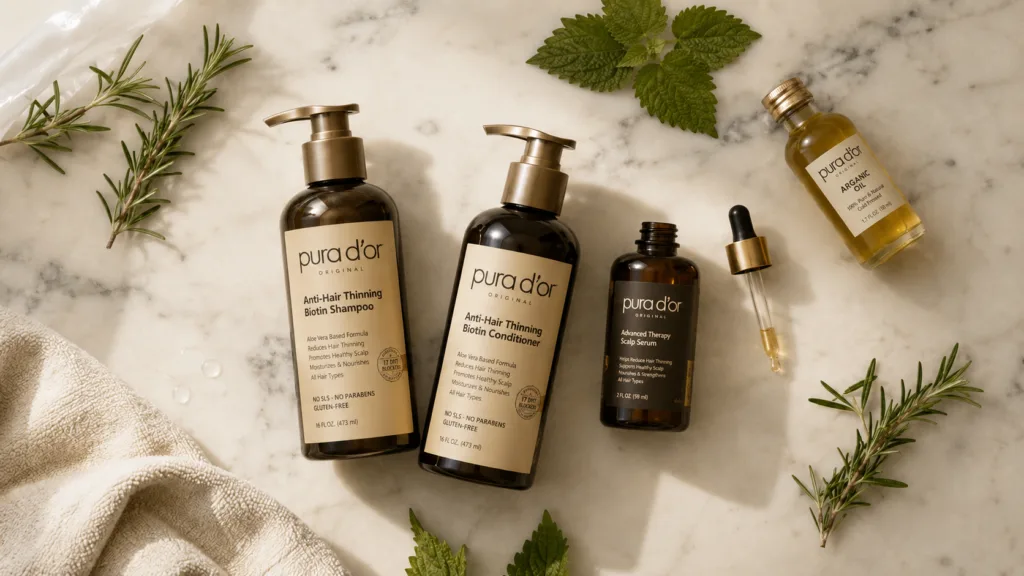
Pura D’Or Original Gold Label Anti-Thinning Shampoo runs $15–$18 and contains biotin, niacin, and 17 DHT-blocking plant extracts including saw palmetto and pumpkin seed oil. Most users report reduced shedding within 4–6 weeks of consistent use.
Kirkland Minoxidil 5% Solution (the generic form of Rogaine) costs about $15–$18 for a multi-month supply. Minoxidil is the only FDA-approved topical treatment for hair loss. It widens blood vessels around the follicle and extends the anagen phase. It has more peer-reviewed evidence behind it than any other product on this list.
$20 To $30
The Ordinary Multi-Peptide Serum for Hair Density retails for around $20. It delivers peptides, caffeine, and plant stem cell extracts directly to the scalp. Serums with this ingredient profile typically sell for $60–$80 from other brands.
MDhair Hair Density Serum is under $20 and carries clinical data behind its peptide complex for follicle stimulation. The formulas are more individualized than a generic serum, which is unusual at this price.
Nutrafol Women’s Balance runs around $88 a month, above this tier. Its core actives — saw palmetto, marine collagen, ashwagandha — can be sourced individually for under $30 total. Saw palmetto extract capsules are the most important of the three: they are widely available and clinically linked to DHT reduction.
How To Use Hair Growth Products Correctly
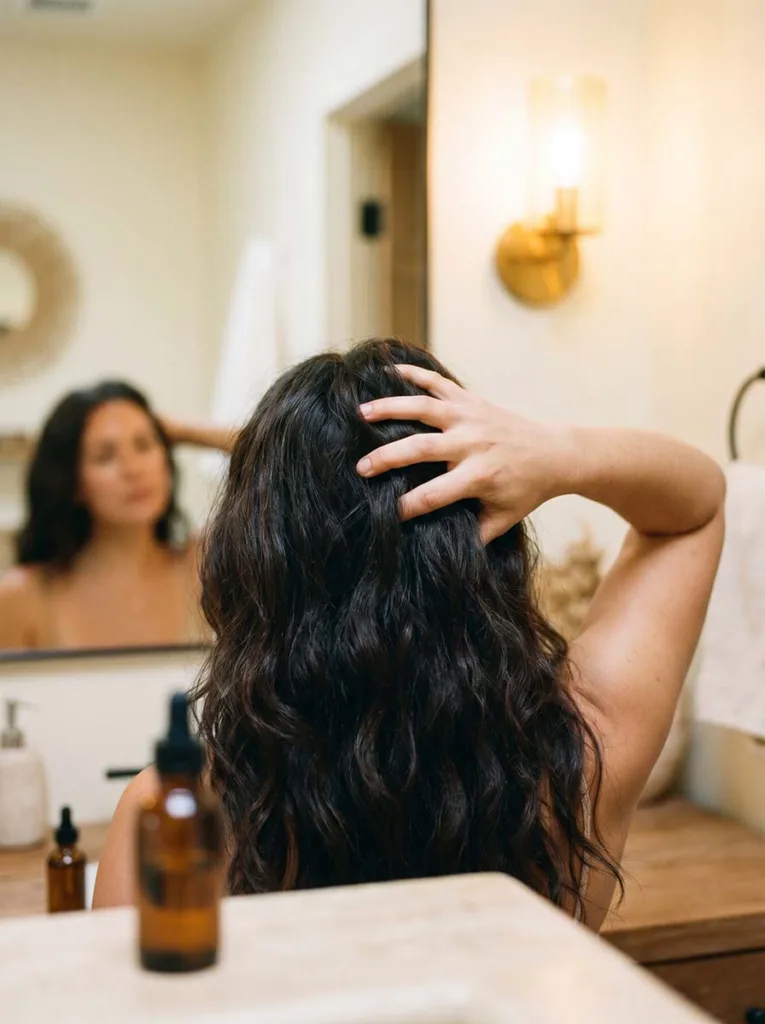
Application method determines whether active ingredients reach the follicle or rinse off before doing anything. Most people underestimate how much technique matters.
Applying Oils And Serums
Scalp massage increases blood circulation by up to 25% and physically stimulates follicles. Spend 4–5 minutes working oil or serum in with your fingertips, using small circular motions from the hairline toward the crown. Fingertips only — nails irritate the scalp.
Apply oils to a slightly damp scalp for better absorption. Leave rosemary or castor oil on for at least 30 minutes before washing. For serums like The Ordinary’s multi-peptide formula, apply to a dry scalp at night and leave in overnight.
Two sessions per week, done every week, outperform daily use that drops off after two weeks.
Using Shampoos And Taking Supplements
Leave growth-boosting shampoos on the scalp for 3–5 minutes before rinsing. Caffeine and DHT blockers need that contact time to penetrate. Apply to wet hair — dry application distributes unevenly.
Take supplements with food to improve absorption. Iron absorbs best alongside vitamin C. Space multiple supplements across the day rather than taking them all at once.
Ingredients That Work — And Red Flags To Ignore

Hair growth labels mix effective ingredients with marketing noise. Knowing the difference saves money and time.
The ingredients backed by real evidence: rosemary oil (clinically matched to 2% minoxidil for regrowth), minoxidil (FDA-approved, the most studied topical available), caffeine (extends the anagen phase by countering DHT at the cellular level), saw palmetto (natural 5-alpha-reductase inhibitor that reduces DHT), biotin (supports keratin production, most useful when deficiency is the actual cause), ketoconazole (antifungal with documented DHT-blocking properties), niacinamide (improves scalp circulation and lowers inflammation), and peptides (signal follicles to enter the growth phase).
Skip any product claiming results in under 4 weeks — the hair growth cycle does not move that fast. “Proprietary blends” without disclosed concentrations are often underdosing the actives that matter. Sulfate-free is a comfort feature, and “keratin-infused” means conditioning — neither grows hair.
Also avoid products with heavy silicones as primary ingredients. Look for “-cone” or “-xane” on the label. Silicones make hair appear temporarily thicker, but block the follicle mouth over time.
How Long Until You See Real Results
Most product pages understate the timeline. Dropping a product at week six, just before it starts working, is a predictable mistake.
The first sign of progress is reduced shedding at 4–6 weeks: fewer hairs in the drain, fewer on the brush. Visible new growth — baby hairs at the hairline and in thinner areas — typically appears between 8–12 weeks.
Full density improvements take 3–6 months. The anagen (growth) phase lasts 2–7 years per follicle, but new follicles entering that phase after treatment need months before the difference shows on your scalp.
If nothing has changed after 4 months of consistent use, see a dermatologist. Deficiencies, hormonal imbalances, and thyroid conditions require medical treatment. More products will not fix a medical cause.
Frequently Asked Questions
1. What is the most affordable hair growth product that actually works?
Rosemary oil and generic minoxidil 5% have the strongest clinical evidence at the lowest price. Rosemary oil runs under $10. Minoxidil generics cost around $15 for a multi-month supply.
2. How long does it take for affordable hair growth products to work?
Most people see reduced shedding in 4–6 weeks and visible new growth in 8–12 weeks. Full results typically appear after 3–6 months of consistent use.
3. Are cheap hair growth products as effective as expensive ones?
Yes, when they contain the right active ingredients at effective concentrations. Rosemary oil, caffeine, saw palmetto, and minoxidil produce the same results in a $12 bottle as a $90 one.
Conclusion
Start with rosemary oil or minoxidil for topical treatment, add a caffeine shampoo you leave on for 5 minutes, and take a biotin or iron supplement if deficiency is a factor. Use each product consistently for 12 weeks before evaluating. Our hair care routine guide shows how to layer these steps into a complete daily and weekly schedule.
For more helpgul articles related to hair care, please visit VelvetBoard.