
7 Affordable Winter Skincare Products (Dry Skin Guide)
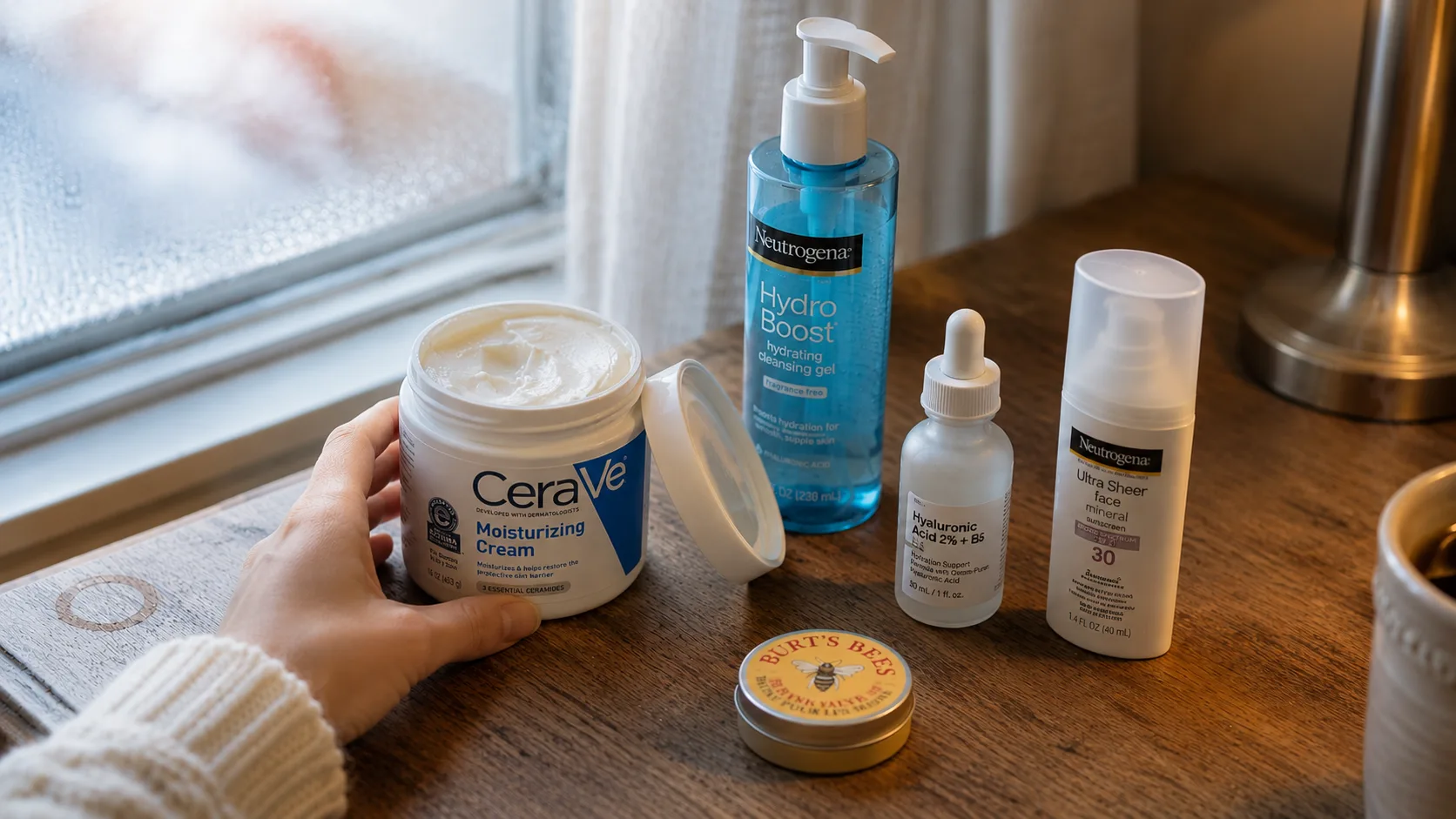
Why does your skin feel like sandpaper every winter, no matter how much moisturizer you use?
Cold air is part of the problem, but indoor heating does more damage than most people realize. It pulls humidity from the air and accelerates transepidermal water loss (TEWL), meaning your skin loses moisture faster than cream can replace it. Meanwhile, the ceramide-rich layer that holds your skin barrier together depletes faster in cold, dry conditions. Buying more products rarely fixes this. Buying the right ones does.
These 7 affordable winter skincare products, all under $20, target the actual cause of winter dryness: a compromised skin barrier. Every product on this list is dermatologist-recognized and chosen to work as a complete routine.
Why Winter Is So Hard on Your Skin
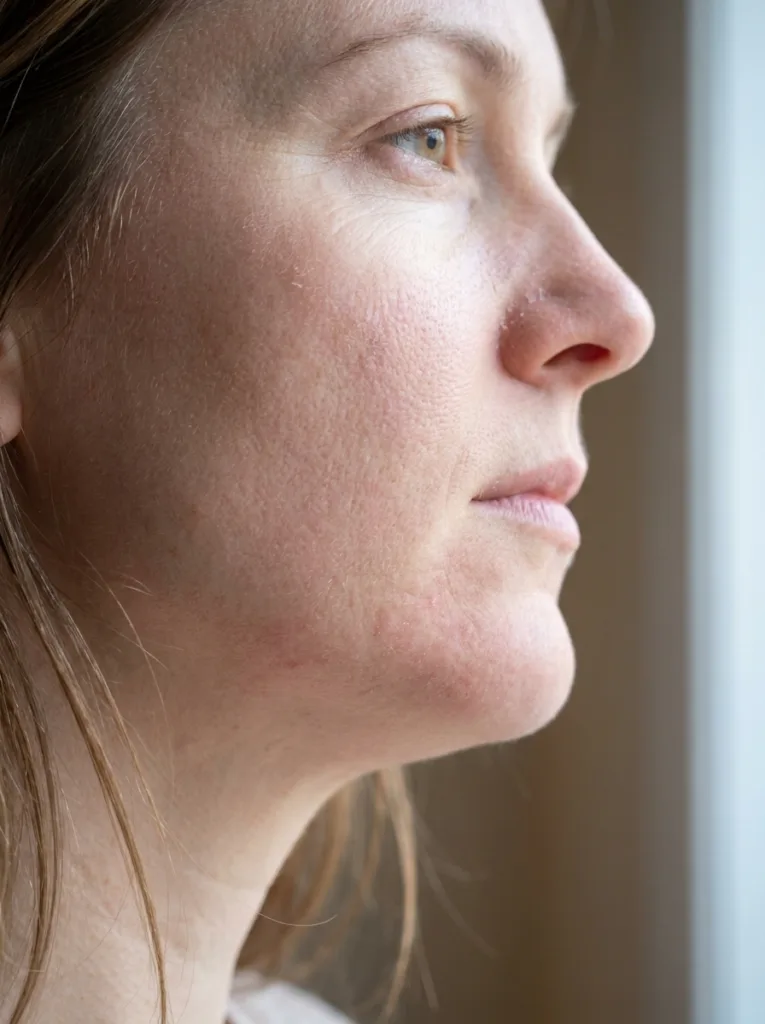
Most people blame the cold for dry skin, but cold is only part of it. Indoor central heating removes almost all humidity from the air, sometimes dropping moisture levels below 20% indoors. Your skin loses water through transepidermal water loss (TEWL), and without humidity or a functioning barrier, that loss accelerates faster than most people expect.
Ceramides, the lipid molecules that hold your skin cells together, deplete faster in cold, dry conditions. When the skin barrier breaks down, even gentle products can sting. Redness, flaking, and that tight sensation after washing are all signs your barrier is struggling. More moisturizer is rarely the answer. Better moisturizer, applied correctly, is.
What to Look for in Affordable Winter Skincare
Not every product marketed for winter actually helps. Knowing which ingredients solve the problem and which ones make it worse saves money and prevents irritation.
Key Ingredients That Actually Work
Three ingredients do the heaviest lifting in cold-weather skincare:
- Ceramides restore the lipid barrier and stop water from escaping the skin.
- Hyaluronic acid draws water into skin from deeper layers.
- Glycerin is a humectant that holds moisture at the surface without clogging pores.
For very dry or cracked skin, look for petrolatum or dimethicone in body and hand products. These occlusives physically seal moisture in. For sensitive skin, avoid fragrance, alcohol, and sulfate-based cleansers. All three compromise a weakened barrier.
What to Avoid in Cold-Weather Products
Foaming cleansers with sodium lauryl sulfate strip natural oils every time you wash. Toners with alcohol evaporate moisture rather than locking it in. Exfoliating acids used too often disrupt the barrier when it’s already struggling. In winter, simpler and gentler usually win.
7 Affordable Winter Skincare Products Worth Buying
These products were selected for their ingredients, dermatologist recognition, and price point. All are under $20 and work across skin types, though they’re especially suited to dry skin in winter, combination and sensitive skin included.
| # | Product | Price | Best For |
| 1 | CeraVe Moisturizing Cream | ~$17 | Face + body barrier repair |
| 2 | Neutrogena Hydro Boost Cleansing Gel | ~$10 | Gentle daily cleansing |
| 3 | The Ordinary Hyaluronic Acid 2% + B5 | ~$8 | Deep hydration serum |
| 4 | Eucerin Advanced Repair Hand Cream | ~$7 | Cracked, dry hands |
| 5 | Burt’s Bees Beeswax Lip Balm | ~$4 | Chapped lips |
| 6 | Neutrogena Ultra Sheer Sunscreen SPF 50 | ~$12 | Daily UV protection |
| 7 | Vanicream Gentle Body Wash | ~$10 | Sensitive, dry body skin |
1. CeraVe Moisturizing Cream (~$17)
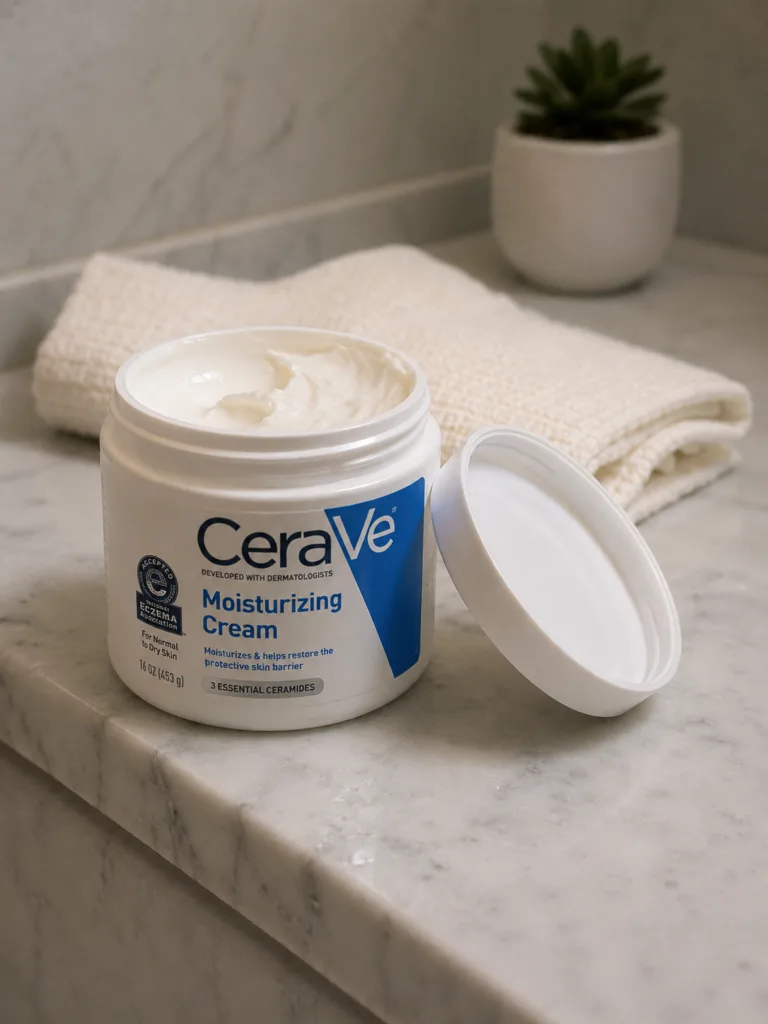
Best for: dry to very dry skin, face and body | Key ingredients: ceramides 1/3/6-II, hyaluronic acid
CeraVe Moisturizing Cream is one of the most consistently recommended drugstore moisturizers for dry skin. It contains three ceramides (1, 3, and 6-II) plus hyaluronic acid in a thick but non-greasy formula developed with dermatologists. It uses MVE technology, a slow-release delivery system that keeps feeding ceramides into the skin throughout the day.
It works on both face and body. Apply it to slightly damp skin after cleansing to lock in as much moisture as possible.
Pro tip: Choose the tub over the lotion in winter. The tub formula is richer and better suited to very dry or eczema-prone skin.
2. Neutrogena Hydro Boost Hydrating Cleansing Gel (~$10)
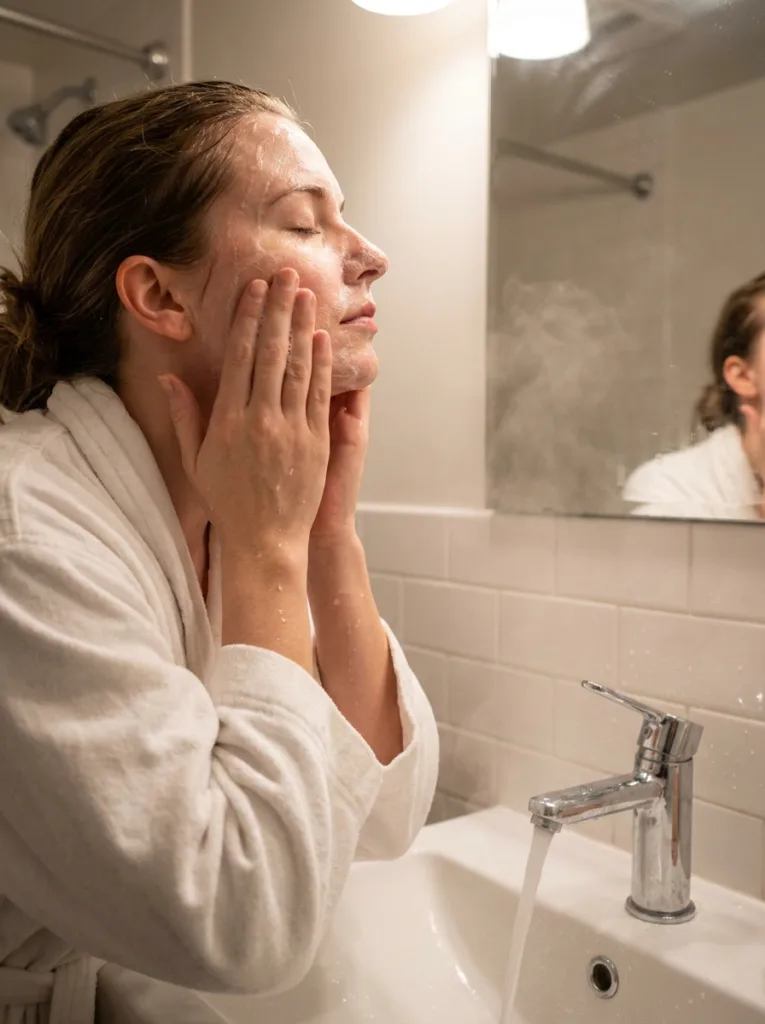
Best for: all skin types switching from a harsh summer cleanser | Key ingredients: hyaluronic acid
Most cleansers used in summer are too aggressive for winter. Neutrogena Hydro Boost Hydrating Cleansing Gel is different. It removes makeup, sunscreen, and daily buildup without stripping natural oils, and skin feels hydrated right after rinsing rather than tight or raw.
If your face feels stripped after washing in winter, switching cleansers is usually the fastest fix.
Pro tip: Always use lukewarm water, never hot. Hot water speeds up moisture loss right after you wash.
3. The Ordinary Hyaluronic Acid 2% + B5 (~$8)
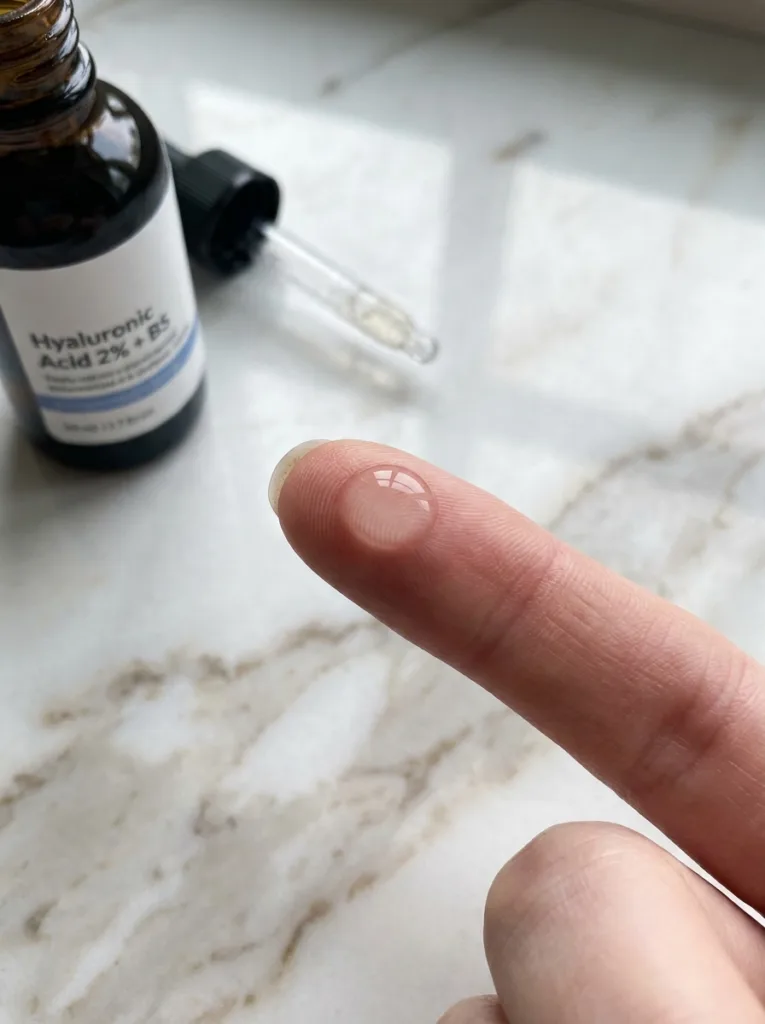
Best for: adding a hydration layer between cleanser and moisturizer | Key ingredients: multi-weight hyaluronic acid and vitamin B5 (panthenol)
A hydrating serum belongs between your cleanser and moisturizer in any winter routine. The Ordinary Hyaluronic Acid 2% + B5 uses three molecular weights of hyaluronic acid so hydration reaches different depths in the skin. Vitamin B5 (panthenol) soothes and supports healing in dry or irritated areas.
At under $10, this is one of the better-value serums you’ll find at any price point.
Pro tip: Apply it to damp skin and follow immediately with moisturizer. Letting it dry fully before the next step reduces its effectiveness.
4. Eucerin Advanced Repair Hand Cream (~$7)
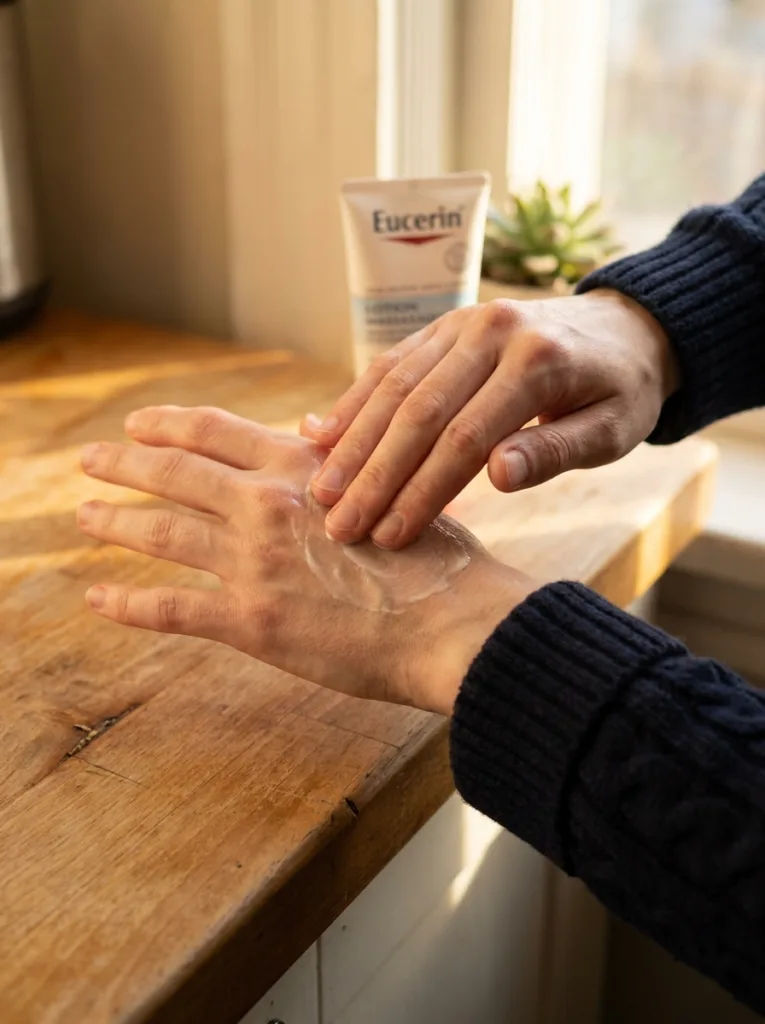
Best for: cracked knuckles, dry cuticles, hands washed frequently | Key ingredients: ceramides, natural moisturizing factors (NMF), glycerin
Hands lose moisture faster than almost any other part of the body in winter. They get washed more often, sit exposed to cold air constantly, and rarely make it into anyone’s skincare routine. Eucerin Advanced Repair Hand Cream packs ceramides, natural moisturizing factors, and glycerin into a thick formula that absorbs fast and repairs cracked knuckles without a greasy finish.
Dermatologists often recommend Eucerin for patients with severely dry or eczema-affected hands. At $7, it’s hard to beat for what it does.
Pro tip: Keep a tube near every sink. Apply right after washing while hands are still slightly damp.
5. Burt’s Bees Beeswax Lip Balm (~$4)

Best for: chapped, cracked lips | Key ingredients: beeswax, vitamin E, peppermint oil
Chapped lips are among the most overlooked winter complaints. Lips have no sebaceous glands, so they produce no natural oil. When humidity drops, they lose moisture fast with nothing to replenish it.
Burt’s Bees Beeswax Lip Balm uses beeswax as its primary occlusive to seal the lip surface against moisture loss. Vitamin E adds antioxidant support, and the formula is gentle enough for sensitive lips. Apply before heading outside, before bed, and after eating.
Pro tip: Lip care takes five seconds and prevents weeks of painful cracking. Most people skip it until the damage is already done.
6. Neutrogena Ultra Sheer Dry-Touch Sunscreen SPF 50 (~$12)
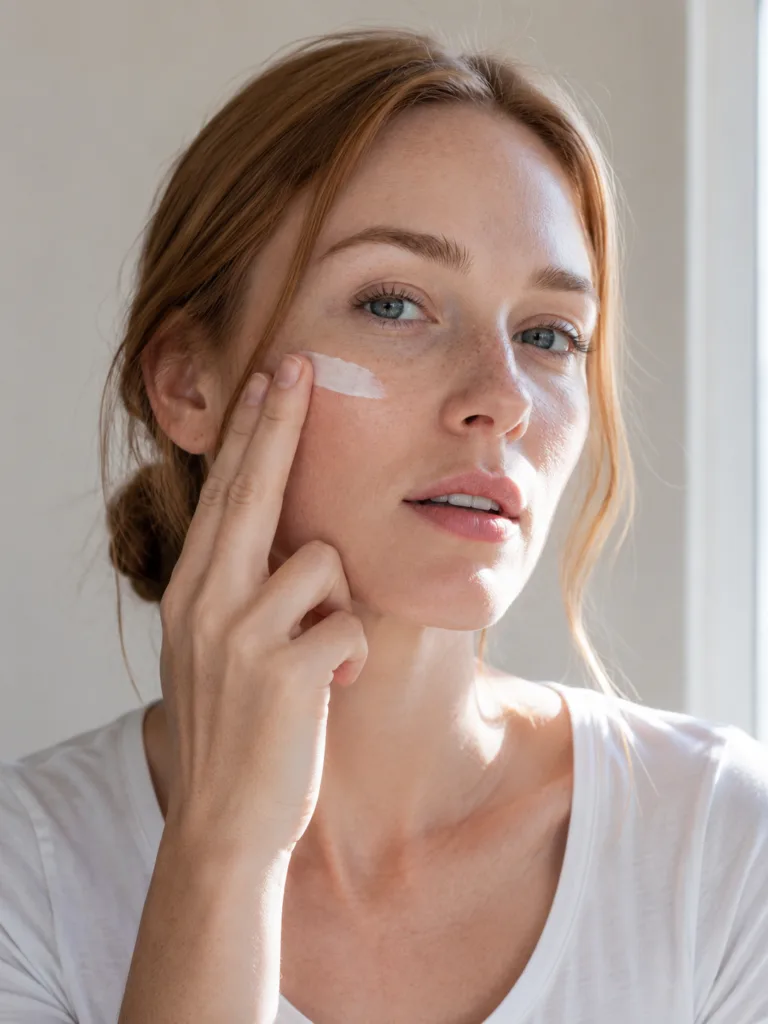
Best for: daily UV protection without a heavy or greasy feel | Key ingredients: broad-spectrum UV filters, dry-touch technology
SPF doesn’t stop mattering in winter. UVA rays, the ones responsible for premature aging and pigmentation, penetrate clouds and glass at the same intensity year-round. The reason most people skip sunscreen in cold months is that thick formulas feel uncomfortable. Neutrogena Ultra Sheer SPF 50 doesn’t have that problem.
It absorbs within 60 seconds, leaves no white cast, and sits under makeup without pilling. Works for dry and combination skin.
Pro tip: Snow reflects UV radiation and can double your exposure. SPF 50 gives a comfortable buffer on bright winter days.
7. Vanicream Gentle Body Wash (~$10)
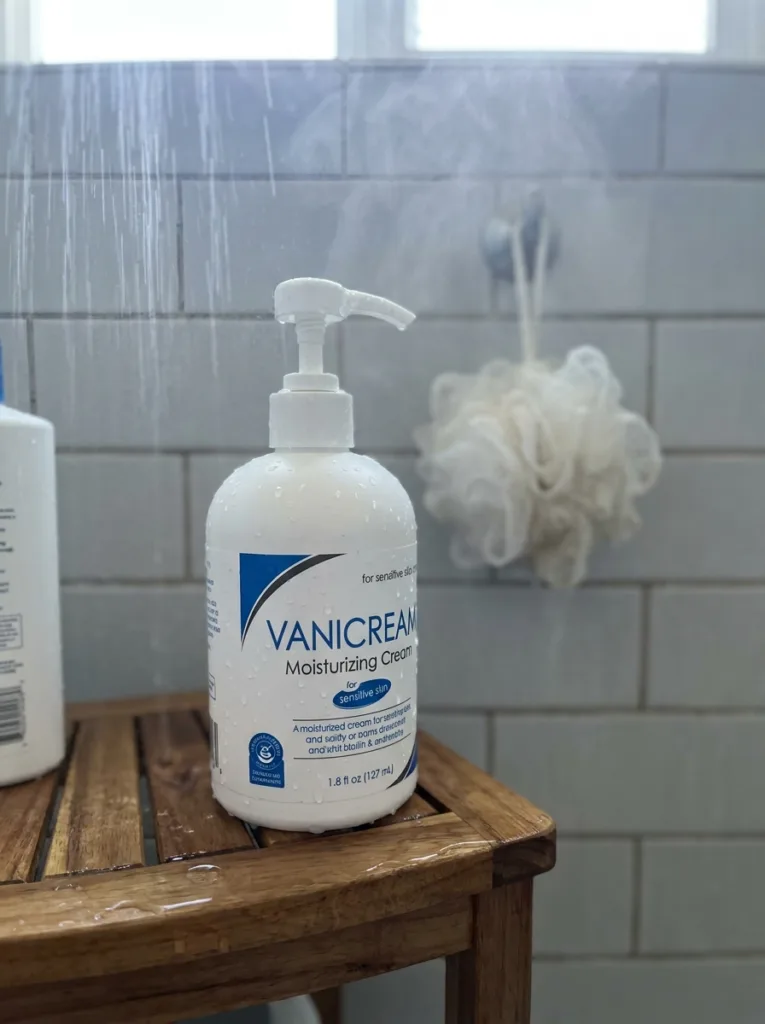
Best for: dry, sensitive, or eczema-prone body skin | Key ingredients: no dyes, fragrances, sulfates, or parabens
Most body washes strip natural oils just as aggressively as face cleansers. Vanicream Gentle Body Wash contains no sulfates, fragrances, or dyes. It creates a light lather that cleans without disrupting the skin barrier, and dermatologists regularly recommend it for patients with eczema and psoriasis.
Pro tip: Apply CeraVe Moisturizing Cream within two minutes of stepping out of the shower while your skin is still slightly damp. Timing matters more than most people realize. Damp skin absorbs moisturizer significantly better than dry skin.
How to Layer These Products for Best Results
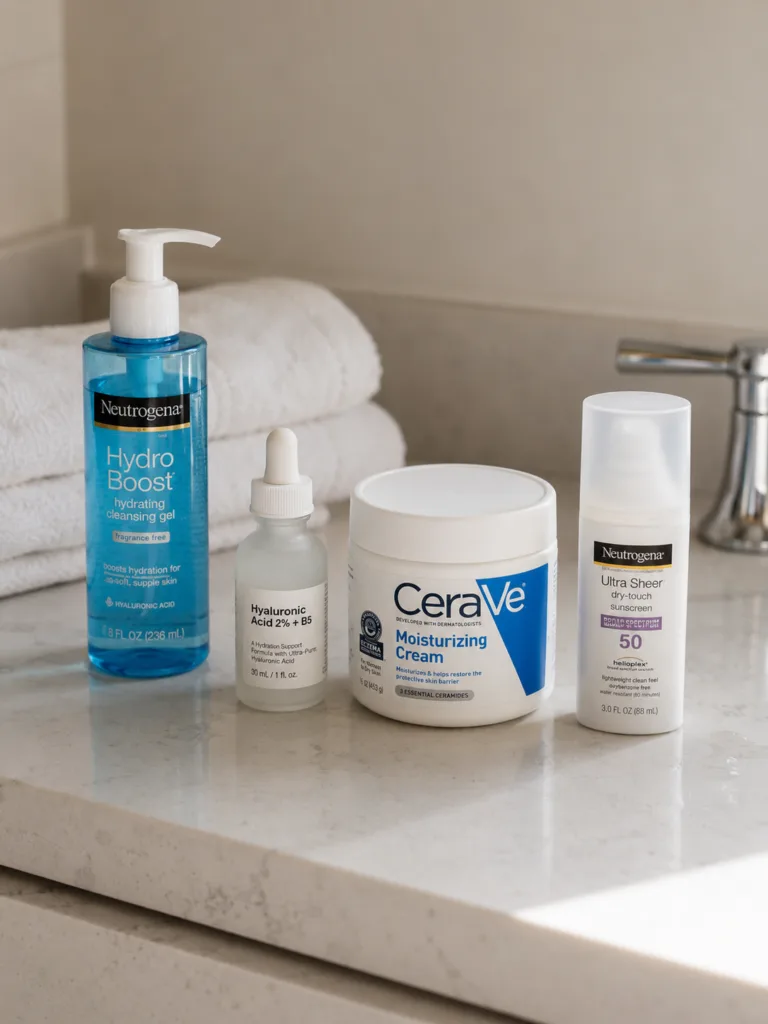
The right products applied in the wrong order still underperform. Layering determines how much each product actually absorbs, and getting it wrong can make even good formulas fall flat.
The rule: thin to thick. Lighter formulas go first; heavier occlusives go last. Reverse the order, and lighter products get trapped under dense barriers.
Morning Routine
- Cleanser — Neutrogena Hydro Boost Gel, with lukewarm water
- Serum — The Ordinary HA 2% + B5, applied immediately to damp skin
- Moisturizer — CeraVe Moisturizing Cream, while serum is still slightly wet
- Sunscreen — Neutrogena Ultra Sheer SPF 50, always last
Night Routine
- Cleanser — same as morning
- Serum — applied to damp skin
- Moisturizer — apply a slightly thicker layer than in the morning
- Lip balm — Burt’s Bees, right before sleep
- Hand cream — Eucerin, after the last hand wash of the night
Common Winter Skincare Mistakes to Avoid
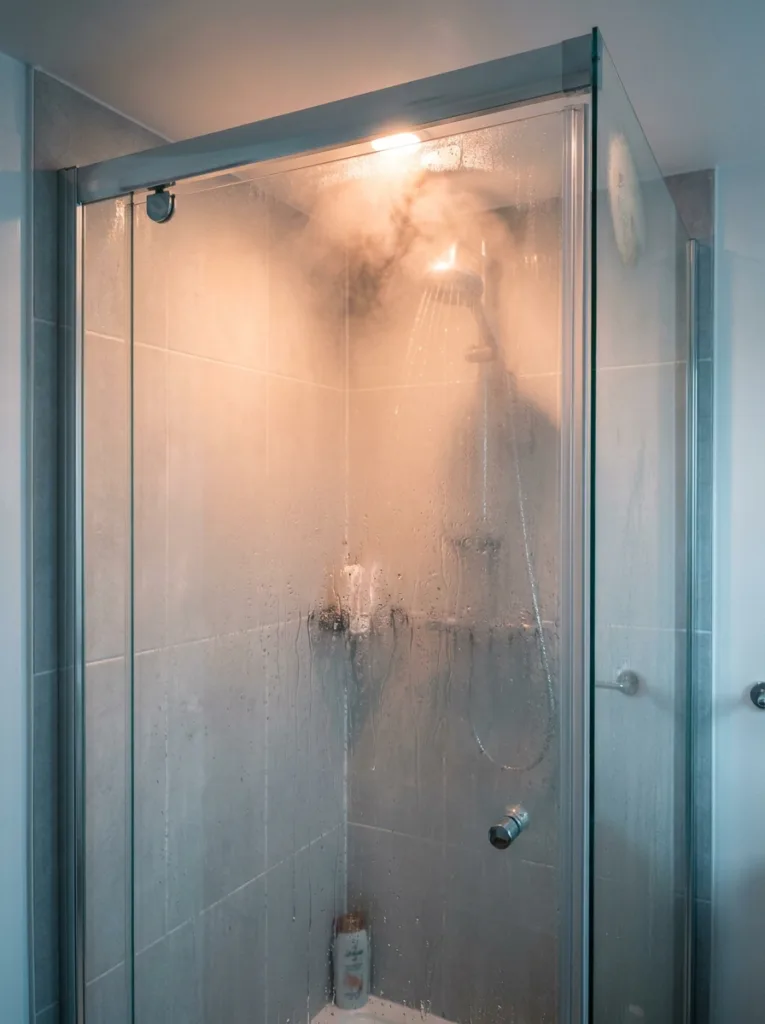
Even the right products fail when used incorrectly. These four habits quietly undermine winter routines.
- Hot showers feel good but accelerate moisture loss. Keep showers under 10 minutes at a lukewarm temperature.
- Over-exfoliating removes the barrier your skin is trying to rebuild. Cut back to once a week in winter.
- Skipping sunscreen because it’s cold is a myth. UVA rays don’t take a season off.
- Waiting to moisturize lets surface moisture evaporate after washing. Apply within two minutes of rinsing.
One underrated addition: a bedroom humidifier set to 40-50% humidity. Running it overnight reduces the moisture loss that topical products alone can’t fully address.
Frequently Asked Questions
What is the most affordable winter skincare product?
Burt’s Bees Beeswax Lip Balm at around $4 is the cheapest on this list and addresses one of winter’s most overlooked problems. For full-face hydration, CeraVe Moisturizing Cream at $17 offers the best ingredient-to-dollar ratio.
Do I need a different skincare routine in winter?
Yes. A winter skincare routine calls for a gentler cleanser, a hydrating serum, a richer moisturizer, and daily SPF. The main shift is away from lightweight summer products toward formulas that actively repair the skin barrier.
Can affordable products work as well as expensive ones?
Often, yes. Ceramides, hyaluronic acid, and glycerin, the ingredients that actually fix dry winter skin, appear in drugstore products at the same concentration as luxury brands. Price usually reflects packaging and marketing.
Conclusion
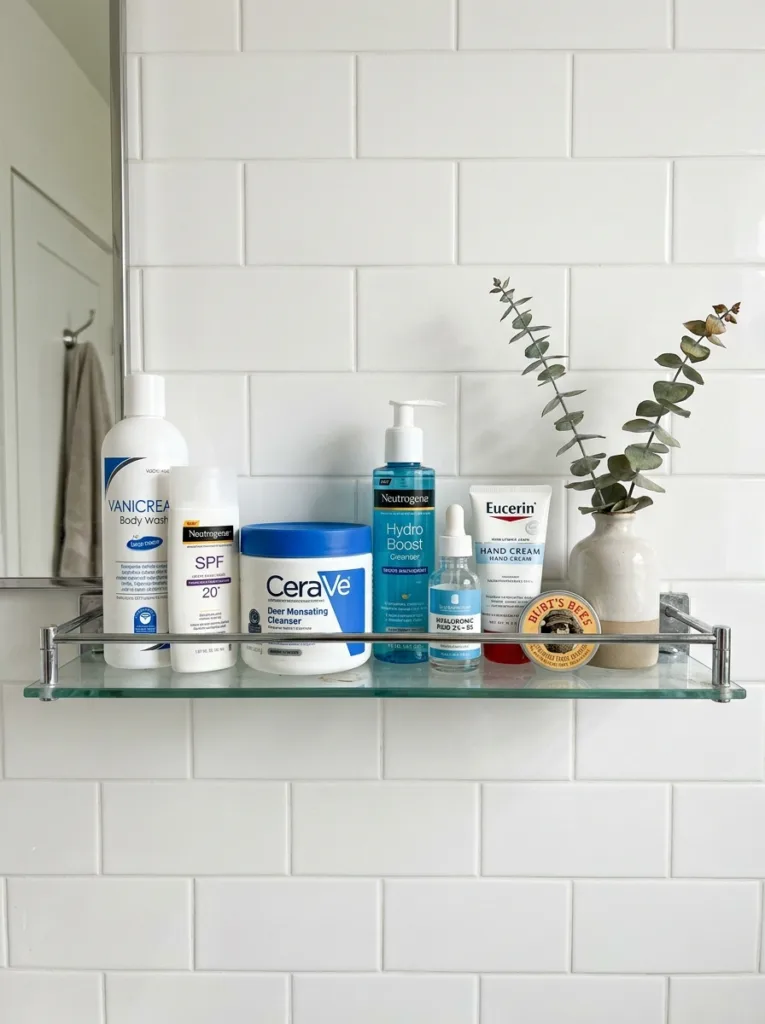
Your skin doesn’t need a luxury overhaul to survive winter. It needs the right ingredients, applied in the right order, consistently. These 7 affordable winter skincare products cover every step of a complete budget skincare routine for under $70 total. If you’re building from scratch, start with CeraVe Moisturizing Cream and the Neutrogena cleanser, then add the serum and sunscreen once those are in place. Head to Velvetboard’s skincare guides for more seasonal tips matched to your skin type.
For more information on skincare, please visit VelvetBoard.