15 Best Korean Toners: Get Glass Skin Starting Tonight
Why does your skin still look dull after a full ten-step routine? The answer usually sits in one skipped step: toner. Your skin barrier decides how well every other product works, and Korean toners fix that barrier first.
Unlike old-school Western toners, these formulas skip alcohol. They add hydration, soothing plant extracts, and gentle acids instead. Picking the right one depends on your skin type, not just the prettiest bottle. Most shoppers grab whatever ranks highest on a random list. Then they end up disappointed, still stuck with the same dullness they started with.
This guide breaks down the best Korean toners by skin concern, not by hype. It also shows you how to layer them the way Korean skincare experts actually do. That’s how your skin gets the smooth, hydrated glass skin look everyone keeps chasing.
What Makes Korean Toners Different
Western toners strip oil. They tighten pores with alcohol. Korean toners work the opposite way. They hydrate first and prep your skin for serum and moisturizer. The idea comes from a broader K-beauty routine built around layering light products instead of one heavy cream.
The Ingredients Doing the Real Work
Most Korean formulas use humectants like glycerin, sodium hyaluronate, and panthenol. These pull water into your skin instead of drying it out. Brands also lean on fermented extracts, rice water, and centella asiatica for calming benefits. Fermentation breaks ingredients into smaller molecules. That means skin absorbs them faster.
Why the Watery Texture Matters
A typical Korean toner feels watery, almost like a light essence. That texture lets you layer it several times without feeling greasy or tight. This is the whole idea behind the famous seven-skin method, which we cover later in this guide. Dermatologists in Seoul have pushed this layering habit for decades. It now shapes most Korean formulas sold today.
This layering habit is also where glass skin comes from. Glass skin means skin so hydrated and smooth it looks almost poreless, like glass catching light. A glass skin toner builds that base. Serum and moisturizer finish the job on top.
Read the Label, Not the Brand Name
Ingredient labels matter more than brand names here. A toner priced at $40 can perform worse than a $12 option if the formula skips active humectants. Reading the first five ingredients tells you more than any influencer review ever will.
How to Choose a Korean Toner for Your Skin Concern
Not every toner suits every face. Your skin concern should guide the pick, not trends or packaging. Match a formula to your real skin need using the four concerns below.
Dry or Dehydrated Skin
Look for hyaluronic acid, ceramides, and glycerin near the top of the ingredient list. These pull and lock in moisture fast. A true hydrating toner leads with these ingredients, not fillers further down the list. Avoid anything with denatured alcohol, since it can worsen flaking. Dehydrated skin feels tight within an hour of washing, which signals a need for richer humectants.
Oily or Acne-Prone Skin
Choose toners with niacinamide, BHA, or tea tree extract. These control shine and keep pores clear without over-drying your skin. Rice water toners also help balance oil production over time. Skip anything labeled “purifying” if alcohol denat sits near the top. That ingredient tends to backfire, triggering more oil instead of less.
Sensitive or Rosacea-Prone Skin
Pick fragrance-free formulas with centella asiatica, panthenol, or oat extract. Fewer ingredients usually mean fewer chances of irritation. Patch test any new toner for three days before applying it to your whole face. Apply a small amount behind your ear or on your inner arm first.
Dull or Uneven Skin Tone
Vitamin C, licorice root, and fermented rice extracts brighten skin over weeks of use. Consistency matters more than potency here. Most brightening toners need six to eight weeks to show visible results. Pair these with daily sunscreen, since unprotected skin can undo weeks of progress in a single afternoon.
15 Best Korean Toners to Try Right Now
These picks span every skin concern above, based on real ingredient lists and dermatology-backed formulas. Each one earned its spot through actual performance, not marketing hype.
| # | Toner | Best For | Key Ingredient |
| 1 | Beauty of Joseon Glow Replenishing Rice Milk | Dry, dull skin | Rice extract |
| 2 | Pyunkang Yul Essence Toner | Dry, reactive skin | Astragalus root |
| 3 | Torriden Dive-In Low Molecule Hyaluronic Acid Toner | Dehydrated skin | Hyaluronic acid |
| 4 | Isntree Hyaluronic Acid Toner | Dry, combination skin | Hyaluronic acid |
| 5 | COSRX AHA/BHA Clarifying Treatment Toner | Oily, acne-prone skin | AHA/BHA |
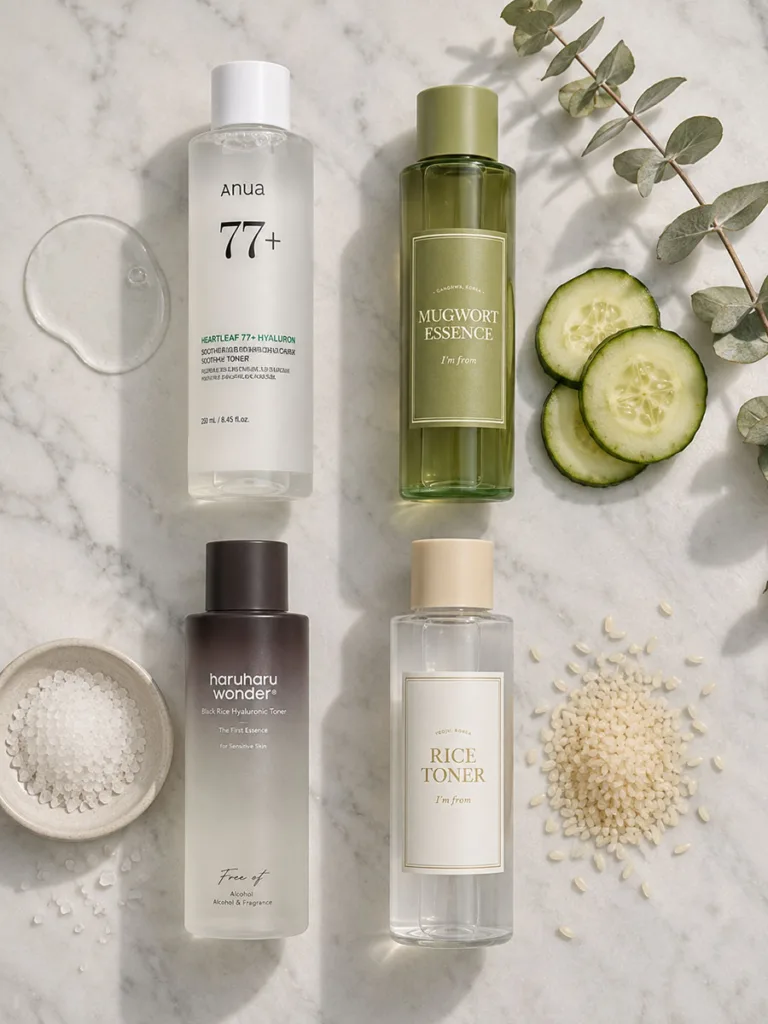
| 6 | Anua Heartleaf 77% Soothing Toner | Oily, breakout-prone skin | Heartleaf extract |
| 7 | Some By Mi Galactomyces Glutathione Glow Milky Toner | Oily, uneven texture | Galactomyces filtrate |
| 8 | Round Lab Dokdo Toner | Oily skin, no shine | Birch sap |
| 9 | SoonJung pH 5.5 Relief Toner | Sensitive, reactive skin | pH 5.5 formula |
| 10 | Klairs Supple Preparation Toner | Sensitive, dry skin | Amino acids |
| 11 | Skin1004 Madagascar Centella Toning Toner | Irritated, reactive skin | Centella extract |
| 12 | Acwell Licorice pH Balancing Cleansing Toner | Sensitive, dull skin | Licorice root |
| 13 | I’m From Rice Toner | Dull, tired skin | Fermented rice water |
| 14 | Haruharu Wonder Black Rice Hyaluronic Toner | Uneven tone | Black rice polyphenols |
| 15 | Mizon Collagen Power Firming Toner | Tired, uneven skin | Collagen |
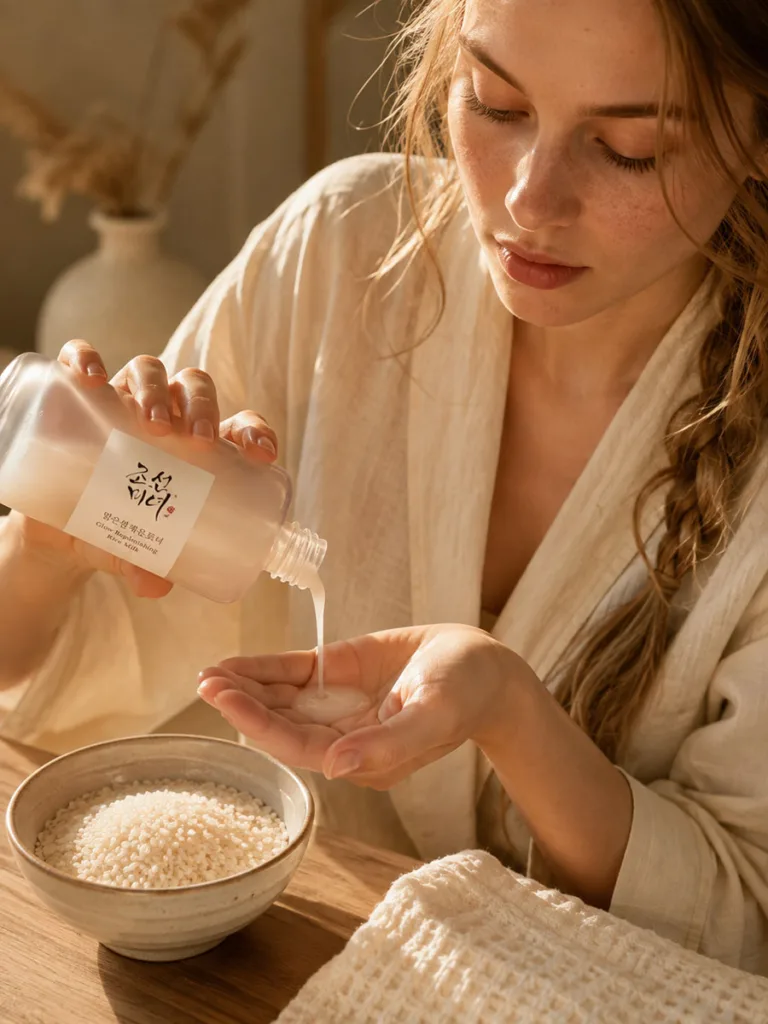
1. Beauty of Joseon Glow Replenishing Rice Milk
Best for: Dry, dull skin
Rice extract and niacinamide team up here to soothe dry, dull skin. The texture feels almost milky. Yet it sinks in fast and never leaves a sticky film. Rice extract has a long history in Korean skincare for brightening and hydrating. Niacinamide adds barrier support and helps fade faint discoloration over time. Use it morning and night, right after cleansing and before serum, for the most consistent results on dry patches.
2. Pyunkang Yul Essence Toner
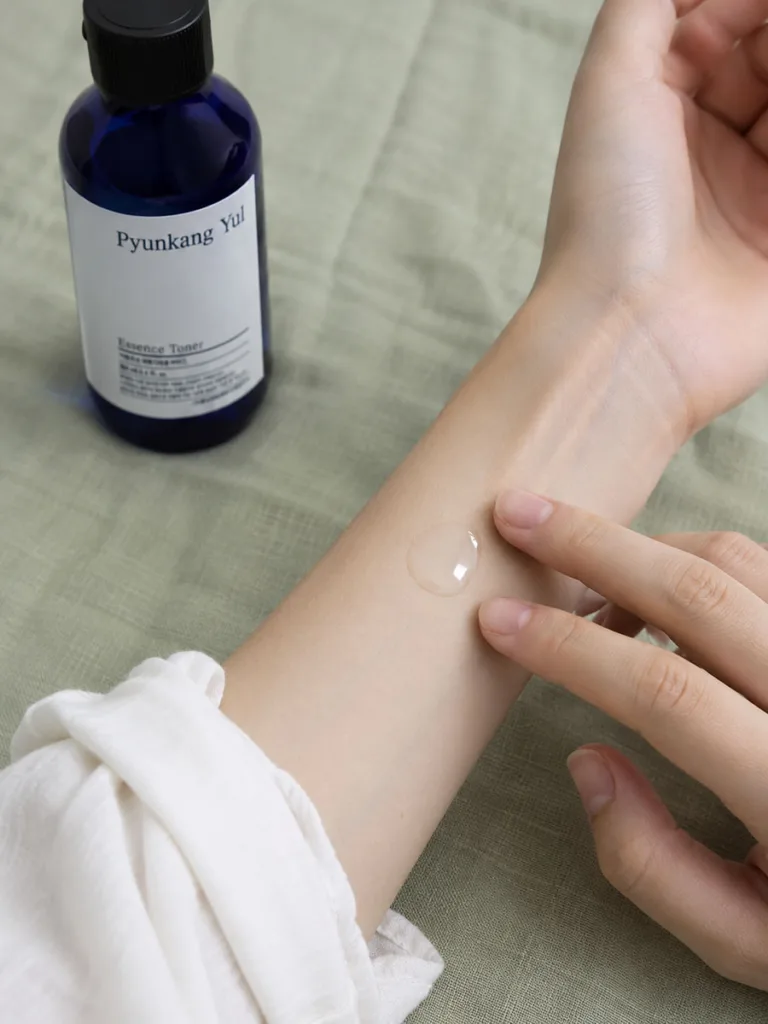
Best for: Dry, reactive skin
Just seven ingredients make up this formula, led by 91% astragalus root extract for deep calming hydration. Short ingredient lists are safer if your skin reacts to fragrance or oils. Astragalus root is a staple in traditional Korean medicine, valued for its anti-inflammatory properties. The texture is slightly thicker and jelly-like, so it sits on skin instead of evaporating fast. People with compromised or over-exfoliated barriers tend to reach for this one first, especially during a recovery routine.
3. Torriden Dive-In Low Molecule Hyaluronic Acid Toner
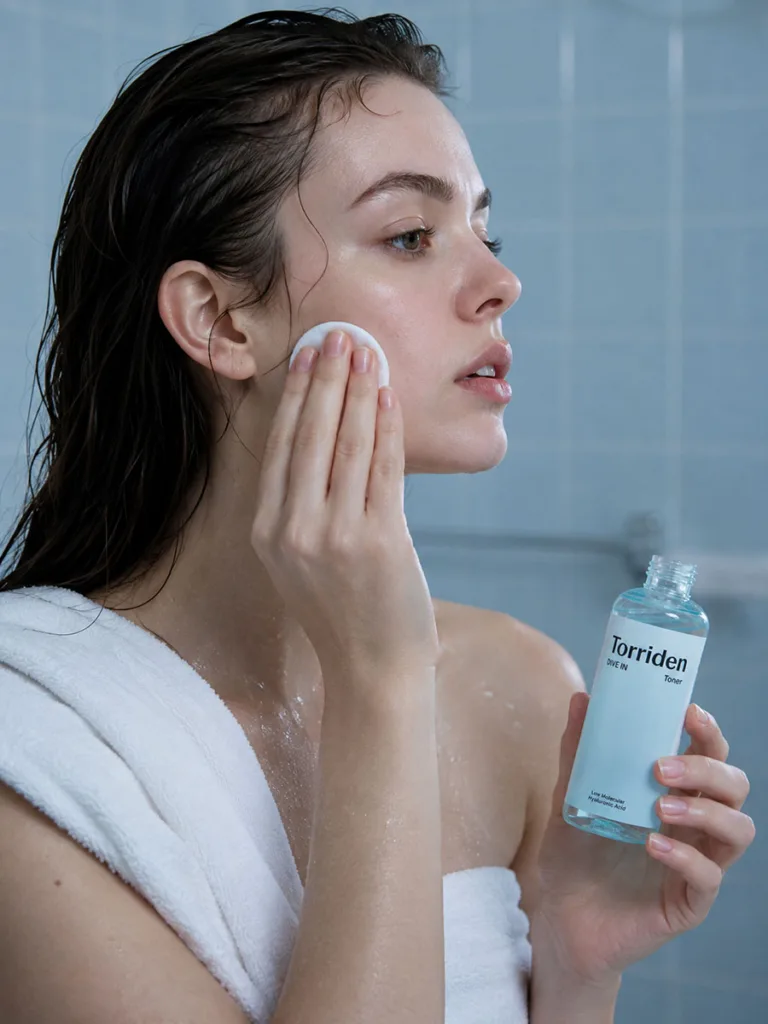
Best for: Dehydrated skin
Five different hyaluronic acid molecule sizes go into this one, for plumpness that lasts all day. Smaller molecules sink deeper. Larger ones sit on the surface to hold moisture in place. Together, they give both immediate hydration and longer-term water retention. The formula skips fragrance and essential oils, so it suits dehydrated skin that still reacts to scent. Apply it on damp skin right after cleansing for the best absorption.
4. Isntree Hyaluronic Acid Toner
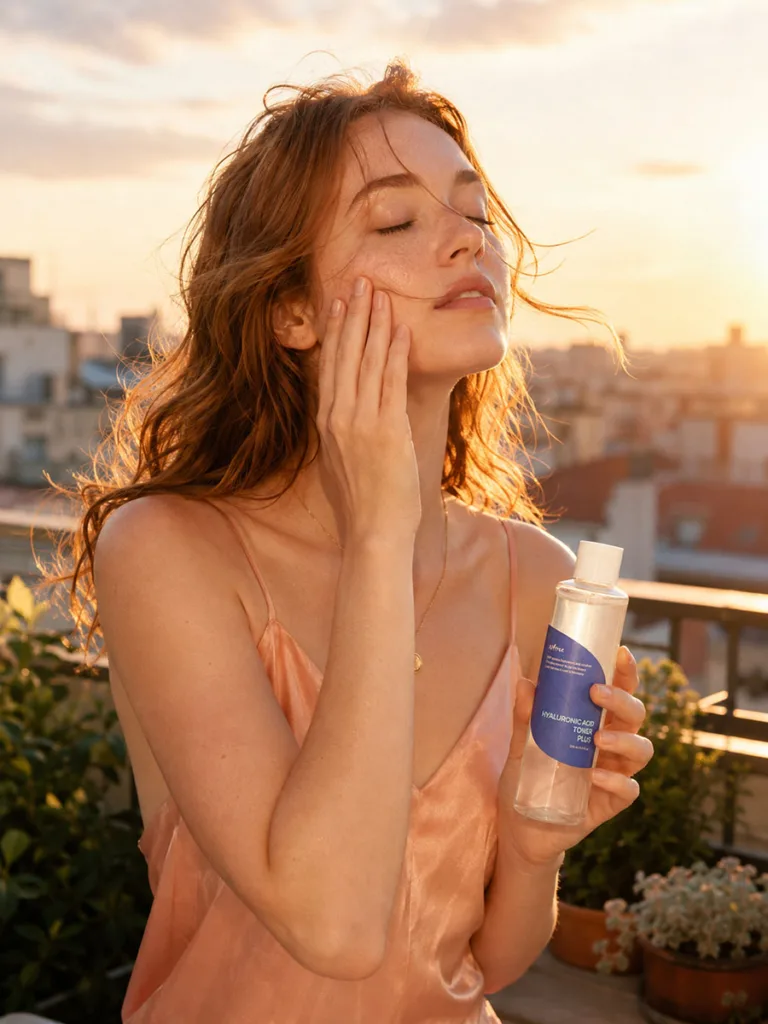
Best for: Dry, combination skin
Lightweight hydration is the whole point of this one. It absorbs in seconds, which makes it ideal for layering under heavier creams. It works especially well in humid climates, where thick creams start to feel like too much. Hyaluronic acid and panthenol draw and hold water without any oily residue. Combination skin types tend to prefer it over creamier options, since it hydrates dry zones without adding shine to the T-zone. It also plays well with the seven-skin method.
5. COSRX AHA/BHA Clarifying Treatment Toner
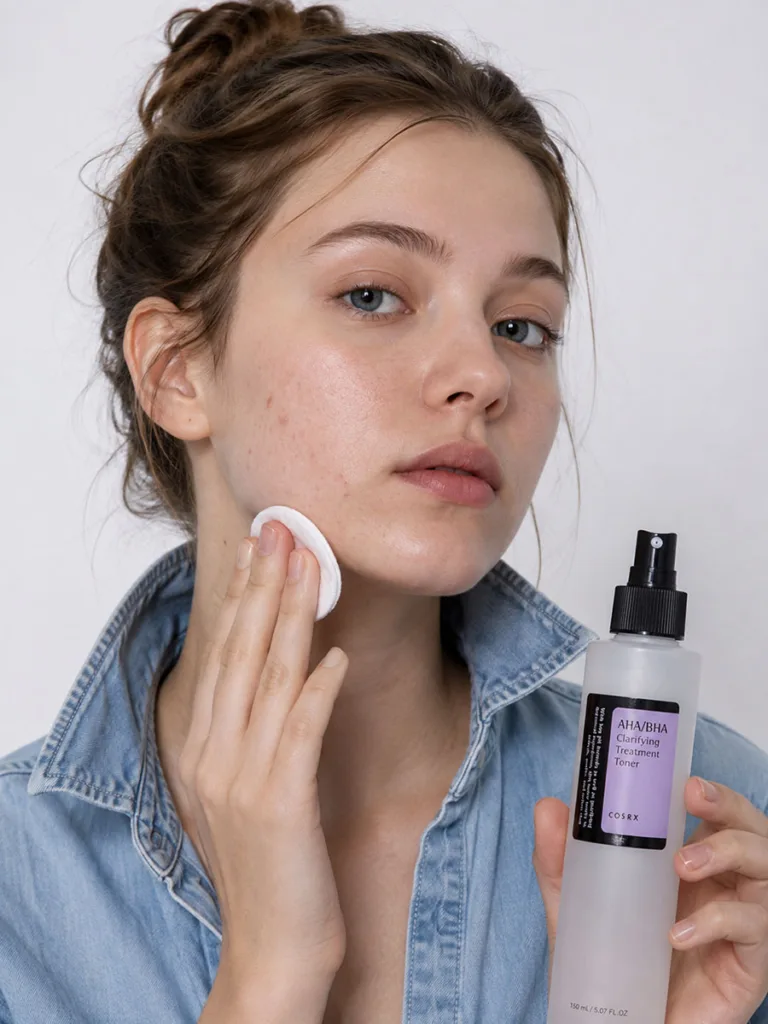
Best for: Oily, acne-prone skin
A blend of AHA and BHA acids exfoliates gently here while keeping active breakouts in check. Use it two to three nights a week, not daily, to avoid over-exfoliating your barrier. The formula targets clogged pores and rough texture without the sting of stronger acid treatments. Betaine salicylate, a gentler BHA derivative, makes it suitable for oily skin that still reacts to standard salicylic acid. Always follow with a moisturizer to offset any dryness.
6. Anua Heartleaf 77% Soothing Toner
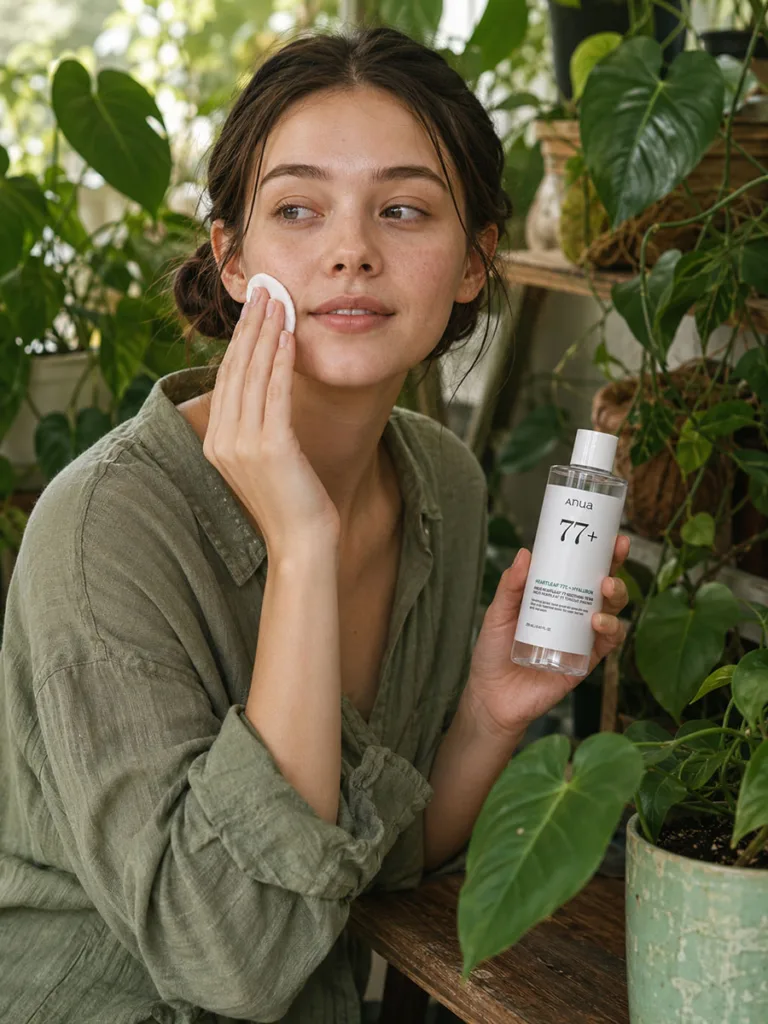
Best for: Oily, breakout-prone skin
Redness from breakouts calms down fast with this one. It also cuts excess oil without stripping skin. Heartleaf extract, or houttuynia cordata, is one of the most studied calming ingredients in current Korean dermatology research. At 77% concentration, the formula brings noticeable relief within days of consistent use. It also contains niacinamide for oil control and mild brightening. Oily and combination skin types can use it as a first step after cleansing, both morning and night.
7. Some By Mi Galactomyces Glutathione Glow Milky Toner
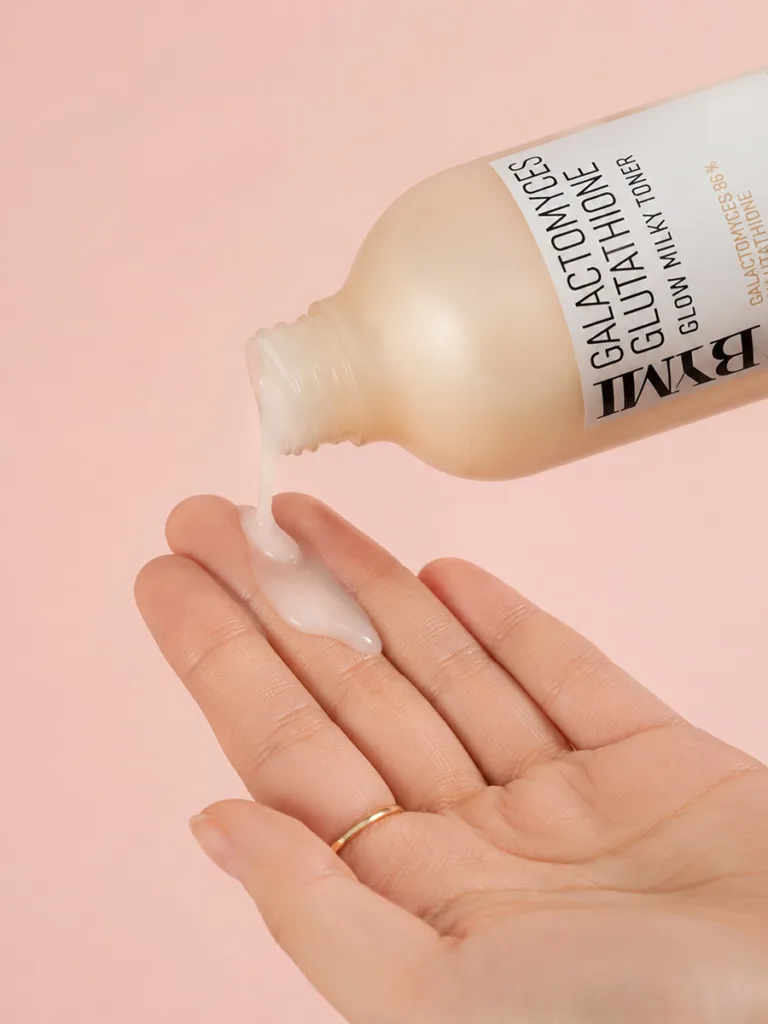
Best for: Oily skin, uneven texture
Fermented galactomyces filtrate brightens skin here while balancing sebum production. Regular users report fewer breakouts within four weeks of nightly use. Glutathione, an antioxidant, works alongside the filtrate to even out tone and cut dullness caused by oil buildup. The milky texture feels richer than a typical watery toner. Still, it absorbs fully without clogging pores. It suits oily skin dealing with both breakouts and uneven texture at once.
8. Round Lab Dokdo Toner

Best for: Oily skin, no added shine
Birch sap and centella hydrate oily skin here without clogging pores or adding shine. It has become a favorite among people who assumed hydration always meant heaviness. Birch sap is naturally lightweight and rich in minerals, so skin gets moisture without a greasy after-feel. Centella asiatica adds calming benefits for skin prone to redness after breakouts. Use it as a base layer before a lightweight moisturizer in warmer months.
9. SoonJung pH 5.5 Relief Toner
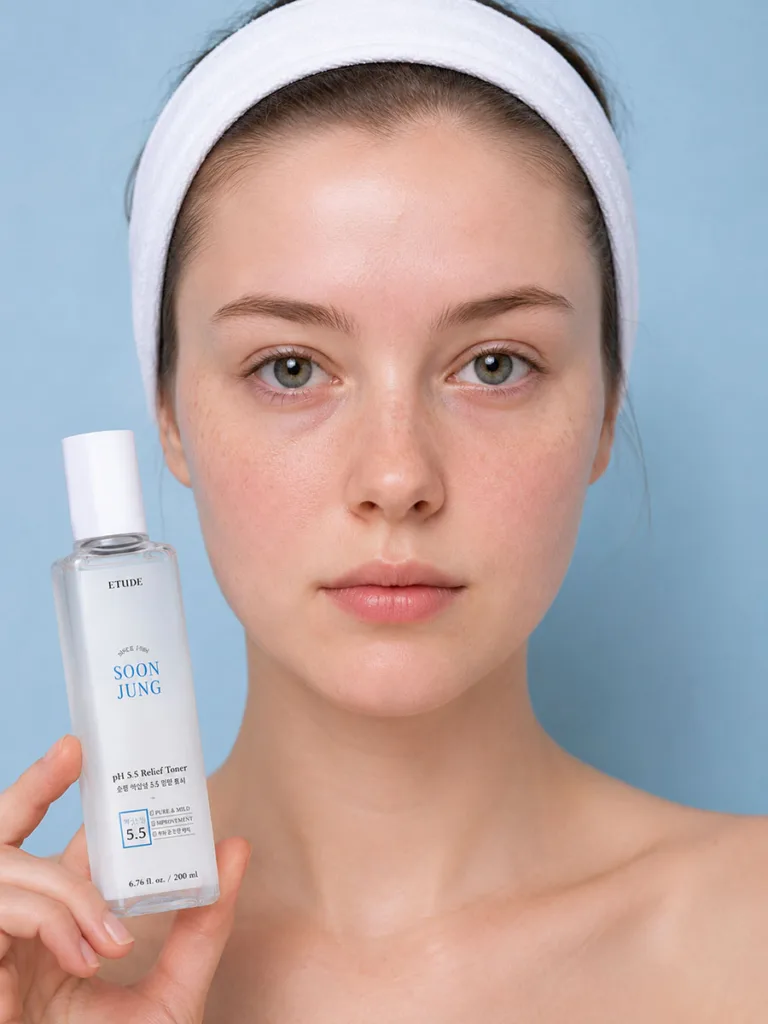
Best for: Sensitive, reactive skin
This toner matches skin’s natural pH of 5.5 to cut redness and stinging on reactive skin. That match matters. Disrupted barriers sit too far from that baseline after over-cleansing or acid use. The formula skips fragrance, essential oils, and alcohol. Instead, it relies on panthenol and allantoin for calming support. Dermatologists in Korea recommend formulas like this for skin recovering from irritation. It works well as a first step in a minimalist, barrier-focused routine.
10. Klairs Supple Preparation Toner
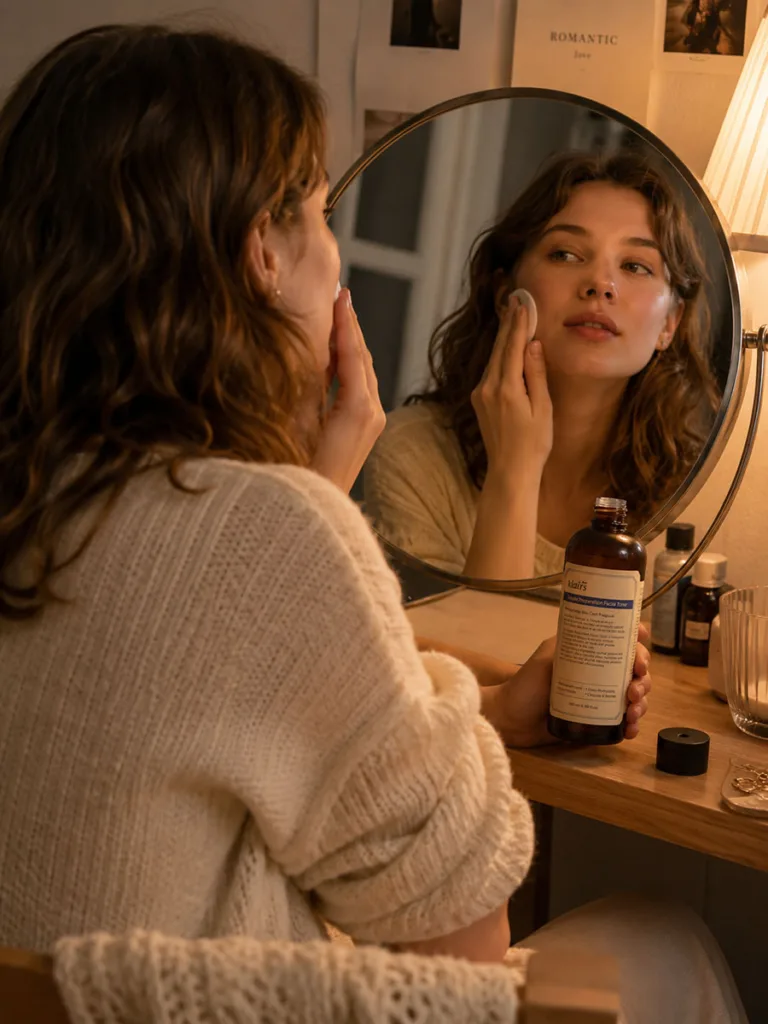
Best for: Sensitive, dry skin
Fragrance-free and rich in amino acids, this one suits sensitive skin that needs daily comfort. Its slightly thicker texture makes it a favorite for the seven-skin method, since it layers without pilling. The amino acid blend supports skin’s natural moisture factor, which helps skin hold water more effectively over time. Beta-glucan and five types of hyaluronic acid round out the formula. Many users layer it under sunscreen to counter the dryness that daytime SPF can cause.
11. Skin1004 Madagascar Centella Toning Toner

Best for: Irritated, reactive skin
80,000 ppm centella extract goes to work fast on irritated or reactive skin. Dermatology clinics in Korea recommend centella-based products after treatments like microneedling or laser sessions. That high concentration brings noticeable calming, sometimes within a single use during a flare-up. It skips common irritants like fragrance and essential oils, keeping the formula simple. Store it in the fridge during summer for an extra cooling effect on hot days.
12. Acwell Licorice pH Balancing Cleansing Toner
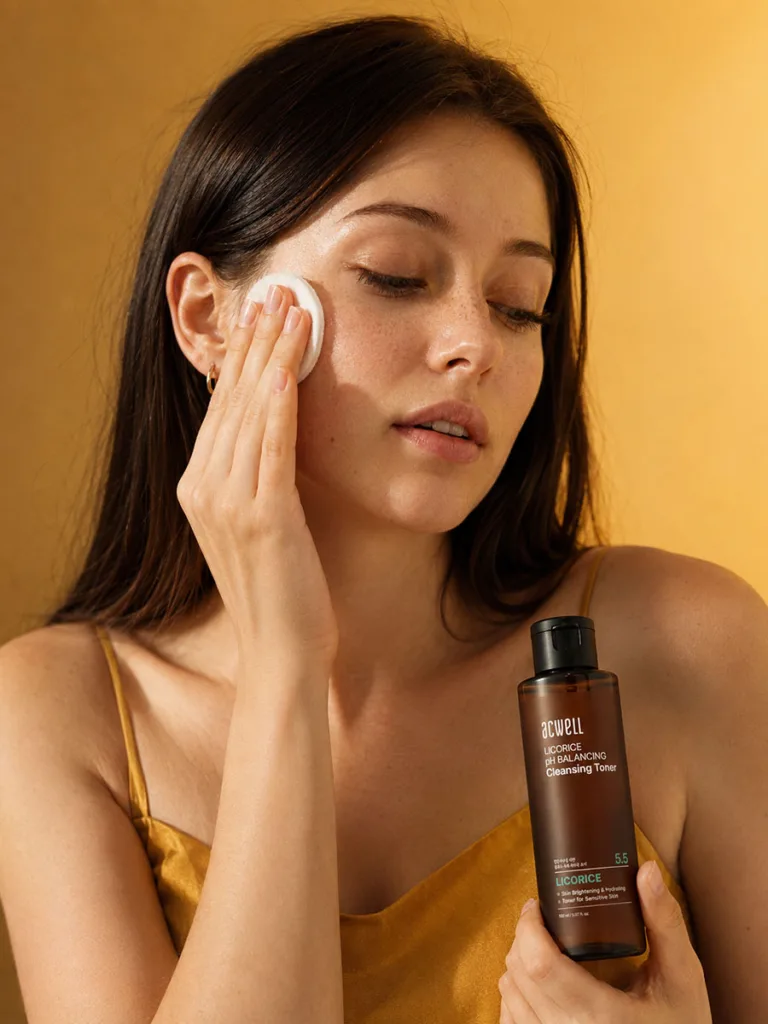
Best for: Sensitive, dull skin
Licorice root extract does double duty here, removing residue while soothing inflammation. It works as a light second cleanse without disturbing your barrier the way a foaming cleanser might. The pH-balancing formula helps reset skin after tap water, which usually sits at a higher, more alkaline pH. Licorice root also contains glabridin, a compound studied for reducing the look of dark spots. Sweep it on with a cotton pad after cleansing for the cleanest finish.
13. I’m From Rice Toner
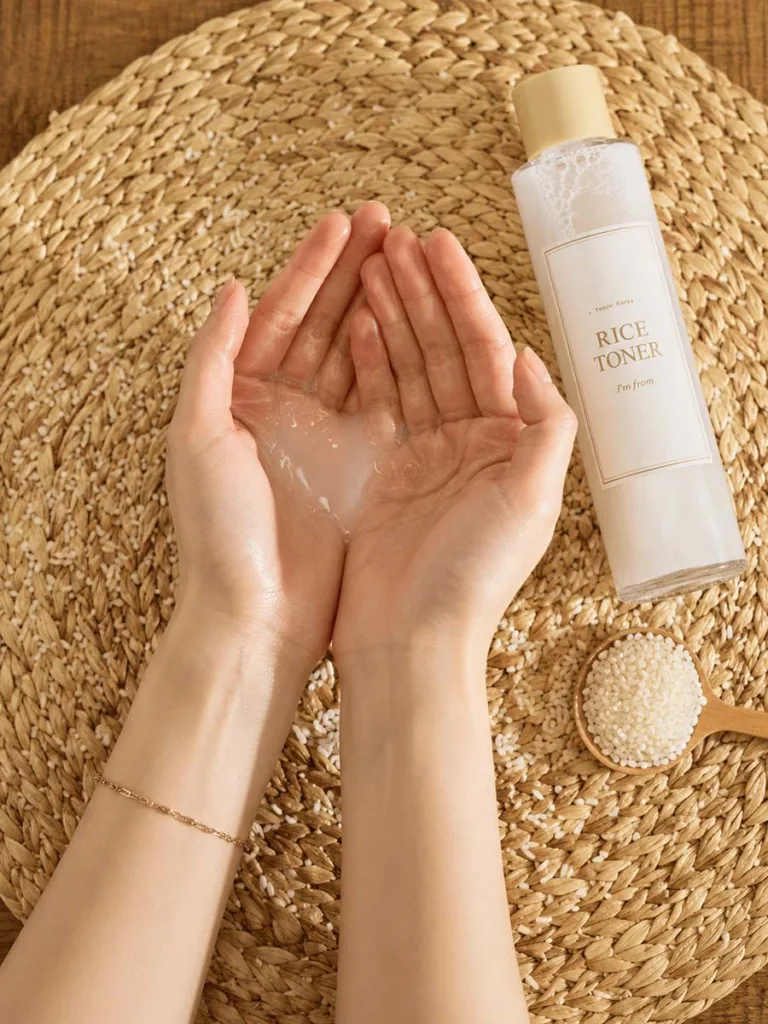
Best for: Dull, tired skin
Fermented rice water and antioxidants from real rice extract brighten skin here. Fans describe the texture as silky, closer to a serum than a typical watery toner. Fermentation breaks the rice extract into smaller compounds, so skin absorbs it more efficiently than raw rice water. The formula also contains adenosine, an ingredient linked to smoother-looking texture over time. Dull, tired skin benefits most from nightly use over several straight weeks.
14. Haruharu Wonder Black Rice Hyaluronic Toner
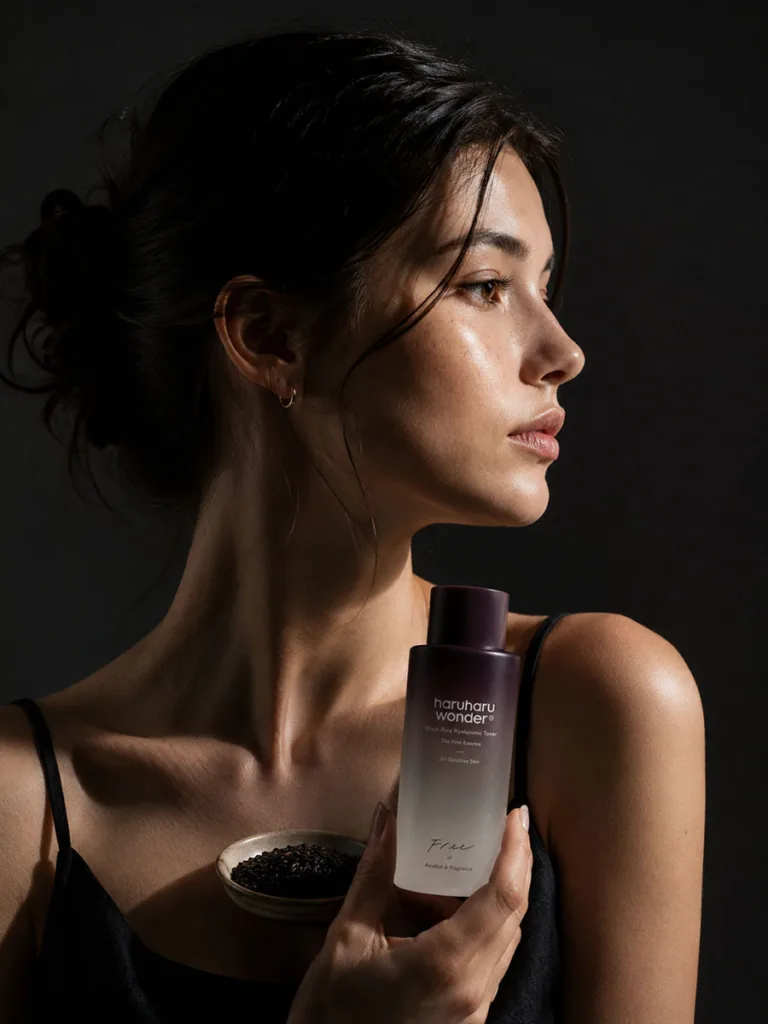
Best for: Uneven skin tone
Fermented black rice polyphenols even out tone and add antioxidant support in this one. It contains 95% natural ingredients, which appeals to shoppers avoiding heavy synthetic fillers. Black rice carries more polyphenols and flavonoids than standard rice, giving it stronger antioxidant potential. Hyaluronic acid and bamboo extract round out the hydration side. Note that it does contain a trace of lavender oil, so fragrance-sensitive users should patch test first.
15. Mizon Collagen Power Firming Toner
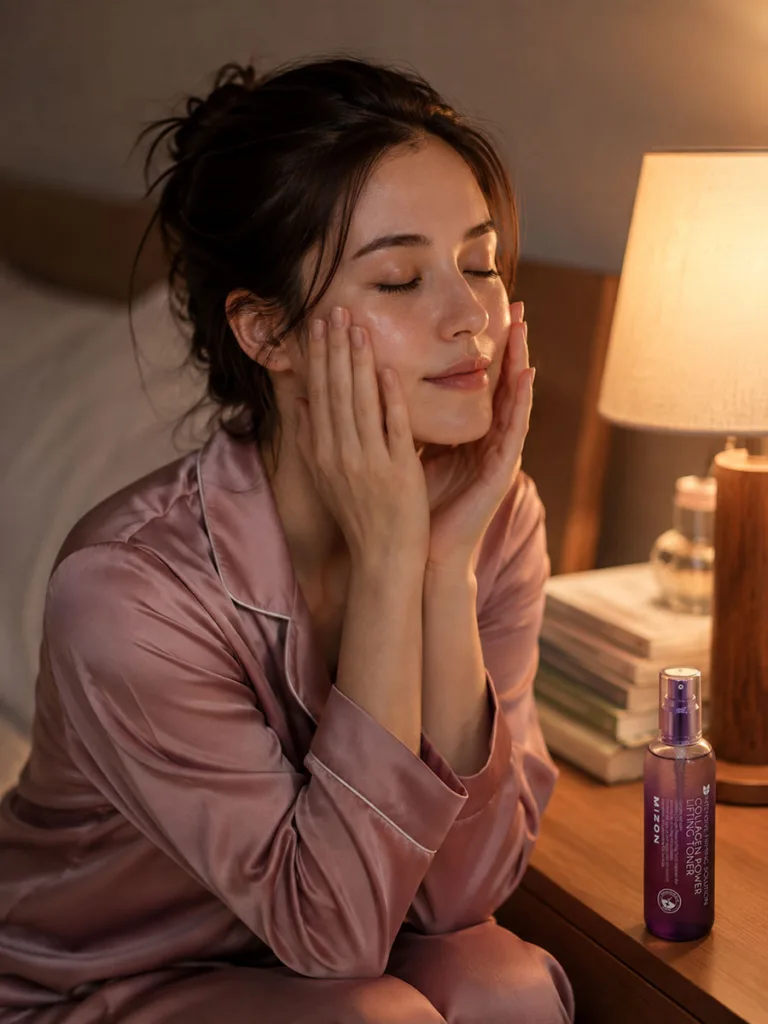
Best for: Tired, uneven-looking skin
Brightening meets light firming here, a solid combo for tired, uneven-looking skin. Add it to your evening routine when skin looks flat or loses bounce after a long day. Collagen, along with adenosine, gives the formula its firming reputation. Results build gradually with nightly use over several weeks. The texture sits between a classic toner and a light essence. It works well as a transition step before a heavier night cream. Combination and normal skin types tend to respond best.
How to Use a Korean Toner the Right Way
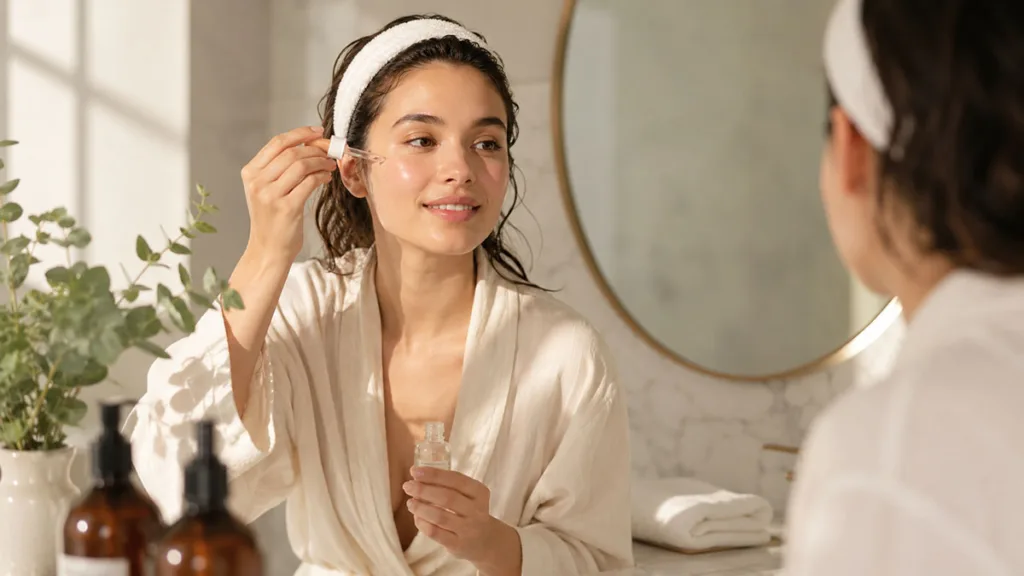
A toner only works if you apply it correctly. Pour a coin-sized amount into your palms or onto a cotton pad. Pat it gently into damp skin right after cleansing. Damp skin absorbs active ingredients faster than dry skin. This one step, done right, is the backbone of any real Korean toner routine.
The Seven-Skin Method, Step by Step
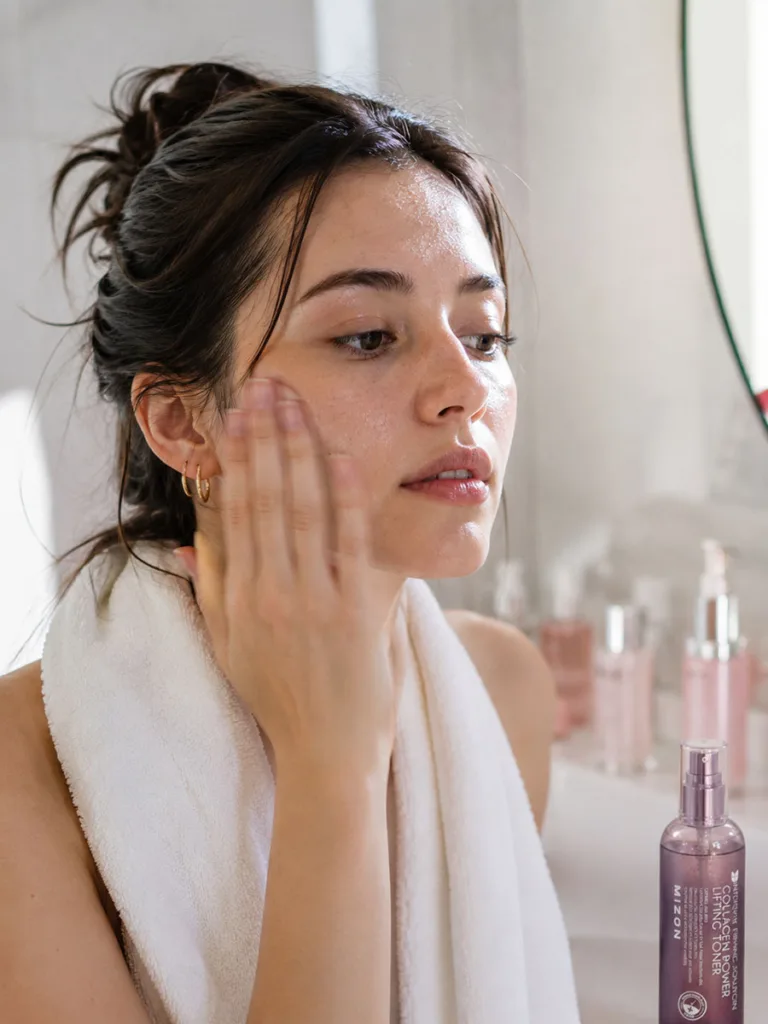
The seven-skin method takes this further. You apply thin layers of toner, five to seven times, patting each layer in before adding the next. This floods your skin with hydration before any serum touches it. Korean beauty editors popularized the habit years ago. It still shows up in most Seoul skincare routines today.
Try this order for best results:
- Cleanse your face with a gentle cleanser.
- Pat on your first layer of toner while skin is still damp.
- Wait 30 seconds, then repeat four to six more times.
- Follow with serum, then moisturizer, to seal everything in.
Skin feels plump and bouncy after just one session. Many users notice smoother texture within a week of daily use. If your skin feels tight after two layers, stop there. Not every face needs a full seven rounds. Forcing it just wastes product.
Adjusting the Method for Your Skin
Combination skin can mix methods across the face. Apply extra layers on dry cheeks. Use fewer on an oily T-zone. This saves the product. It also treats each zone the way it actually behaves, instead of one blanket routine for the whole face. Morning routines usually need fewer layers than night routines, since skin absorbs more while you sleep.
Temperature helps too. Store gel-based toners in the fridge during summer for a cooling, de-puffing effect on tired mornings. Cold application also calms visible redness right before makeup.
Common Mistakes to Avoid With Korean Toners
Even a great toner fails if you use it wrong. Avoid these common errors to get real results and protect your skin barrier long-term.
Skipping the Patch Test
Do not skip the patch test, especially with fermented or acid-based toners. New ingredients can trigger unexpected reactions, even on skin that normally tolerates a lot. A three-day test on your inner arm catches most problems before they reach your face.
Rubbing Instead of Patting
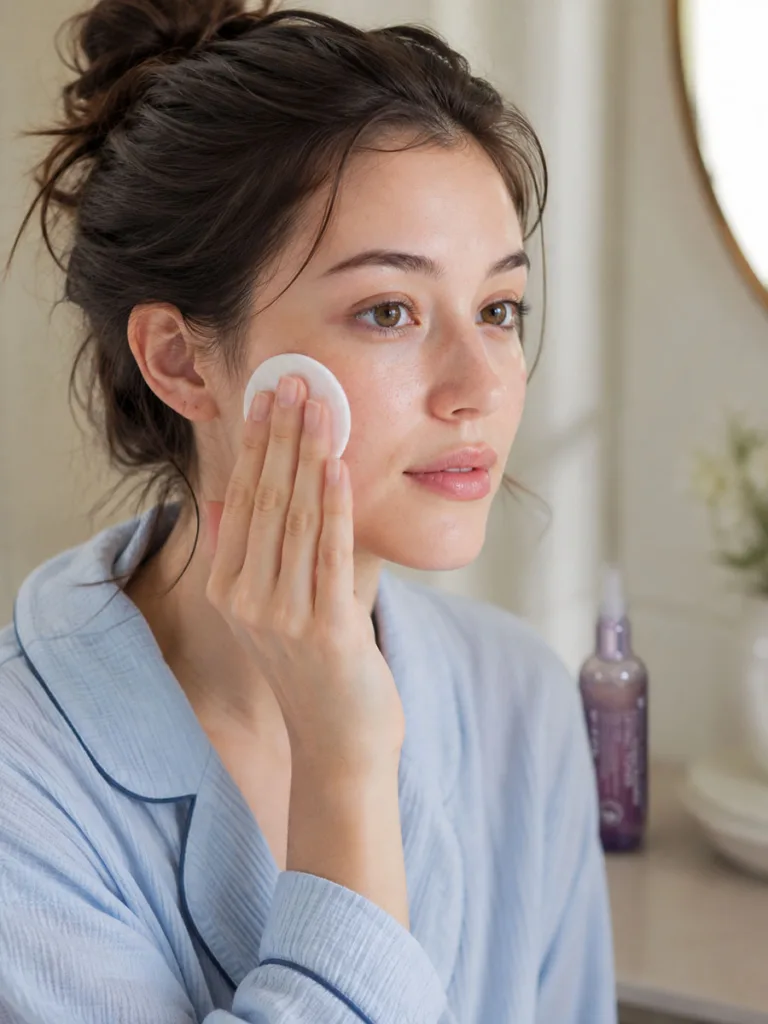
Do not rub toner in hard circles. Gentle patting protects your skin barrier and avoids irritation. Rubbing can also spread bacteria from acne-prone areas to clear skin, which triggers new breakouts in unexpected spots.
Mixing Exfoliating Toners with Retinol or Vitamin C
Do not layer exfoliating toners with retinol or vitamin C on the same night. This combination causes redness and peeling in most cases. Alternate nights instead to protect your barrier. Always follow acid toners with a rich moisturizer.
Judging a Toner Too Soon
Do not judge a toner after one use. Most brightening and barrier-repair formulas need several weeks of consistent application. Give any new product a fair four-week trial before deciding it does not work for your skin.
Frequently Asked Questions
1. What is the best Korean toner for beginners?
SoonJung pH 5.5 Relief Toner works well for beginners. It has a short ingredient list and suits most skin types, including sensitive skin.
2. Can I use a Korean toner every day?
Yes, most Korean toners are gentle enough for twice-daily use. Exfoliating toners with acids should only be used three to four times weekly.
3. Do Korean toners replace moisturizer?
No. Toners hydrate and prep skin, but they cannot replace the sealing barrier that a moisturizer provides.
4. What is the seven-skin method?
It means applying thin layers of toner five to seven times in a row. This floods skin with hydration before serum and moisturizer.
5. Are Korean toners good for acne-prone skin?
Yes, many contain niacinamide, tea tree, or BHA to control oil and calm breakouts without over-drying skin.
6. How long before I see results from a Korean toner?
Hydration shows up within days. Brightening and tone-evening effects usually need six to eight weeks of consistent, daily use.
Conclusion
The right Korean toner transforms your entire skincare routine, not just one step. Dry skin needs hyaluronic acid and ceramides. Oily and acne-prone skin needs niacinamide or BHA. Sensitive skin needs a short, fragrance-free ingredient list. Dull skin needs vitamin C or fermented rice extracts, paired with daily sunscreen. Match your pick to your actual concern, not to whatever a brand ranks first on its own site. Patch test any new toner for three days before it touches your whole face.
Pick your formula from the list above right now. Apply it tonight with the seven-skin method: five to seven thin layers on damp skin, followed by serum and moisturizer. Your skin will thank you by tomorrow morning.