Best Moisturizers for Dry Skin in Winter: 7 Proven Picks
Why is your skin still dry and flaky even after moisturizing every day? You’re not doing anything wrong. You’re using the wrong formula.
Finding the best moisturizers for dry skin in winter is harder than it looks because most products are too thin to survive cold, dry air. They hydrate for an hour, then evaporate. Your skin needs a combination of ingredients that pull moisture in and lock it there. Very few products do both.
The difference comes down to three ingredient types: humectants, emollients, and occlusives. The best winter skincare for dry skin uses all three together. These 7 picks cover every skin type and every budget, from $16 drugstore staple dermatologists recommend above everything else to richer overnight treatments for cracked, severely compromised skin.
Why Your Skin Gets So Dry in Winter
Most people blame the cold. Temperature is only part of it.
Winter air holds far less moisture than summer air. When humidity drops below 30%, your skin loses water to the environment through a process called transepidermal water loss (TEWL). Central heating pulls more moisture from indoor air. Hot showers dissolve your skin’s natural oils and speed up drying. By January, your skin barrier is under pressure from multiple directions.

The skin barrier is a lipid-rich outer layer made up of ceramides, fatty acids, and cholesterol. When intact, it keeps water in and irritants out. Cold air, dry heat, and hot water each chip away at it. A standard drugstore lotion sits on the surface but doesn’t rebuild the barrier. You need a moisturizer that does.
What to Look for in a Winter Moisturizer
The best winter formulas combine three types of ingredients, each doing a distinct job.
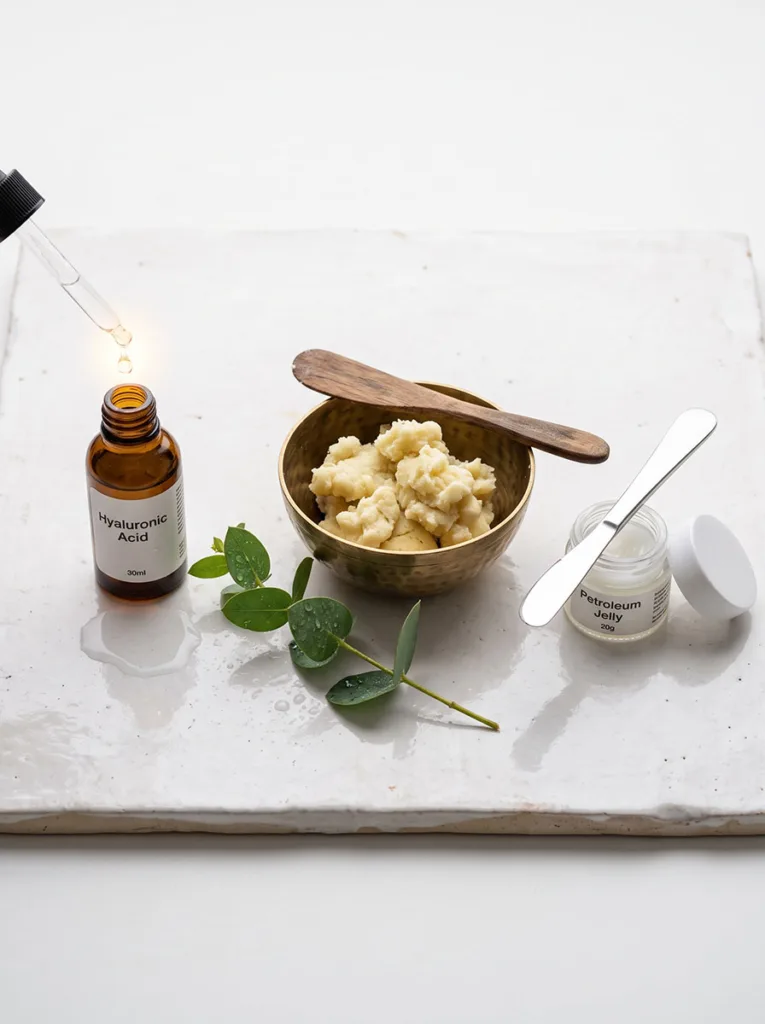
Humectants
Humectants pull water into the skin from the air and from deeper skin layers. Hyaluronic acid is the most well-known, holding up to 1,000 times its weight in water. Glycerin is another workhorse found in almost every effective winter moisturizer. In very dry, cold air, humectants applied alone can pull moisture out of your skin instead of in. Always follow with a cream or ointment to seal hydration in.
Emollients
Emollients fill the microscopic gaps between skin cells and make skin feel smooth. Shea butter, squalane, niacinamide, and fatty acids act as emollients. They also repair the skin barrier by replenishing the lipids that cold weather strips away.
Occlusives
Occlusives form a barrier that blocks water from evaporating off the skin. Petrolatum is the most effective option available, with studies showing it reduces TEWL by up to 98%. Dimethicone, lanolin, and beeswax are lighter alternatives. In deep winter, especially overnight, the heavier the occlusive, the better.
7 Best Moisturizers for Dry Skin in Winter
The right formula depends on your skin type, whether you’re moisturizing your face or body, and how severe your dryness gets. Below are the 7 best moisturizers for dry skin in winter, covering every severity level and budget.
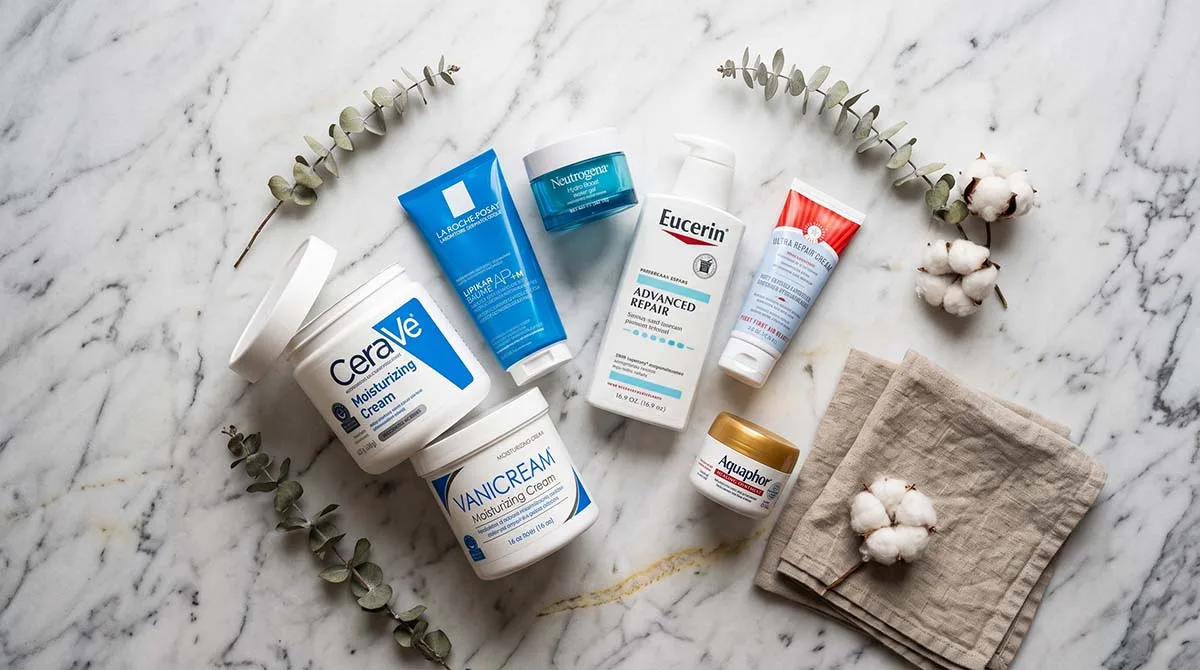
1. CeraVe Moisturizing Cream
Best for: Face and body, all ages, eczema-prone skin Key Ingredients: Ceramides (1, 3, 6-II), hyaluronic acid, glycerin, petrolatum
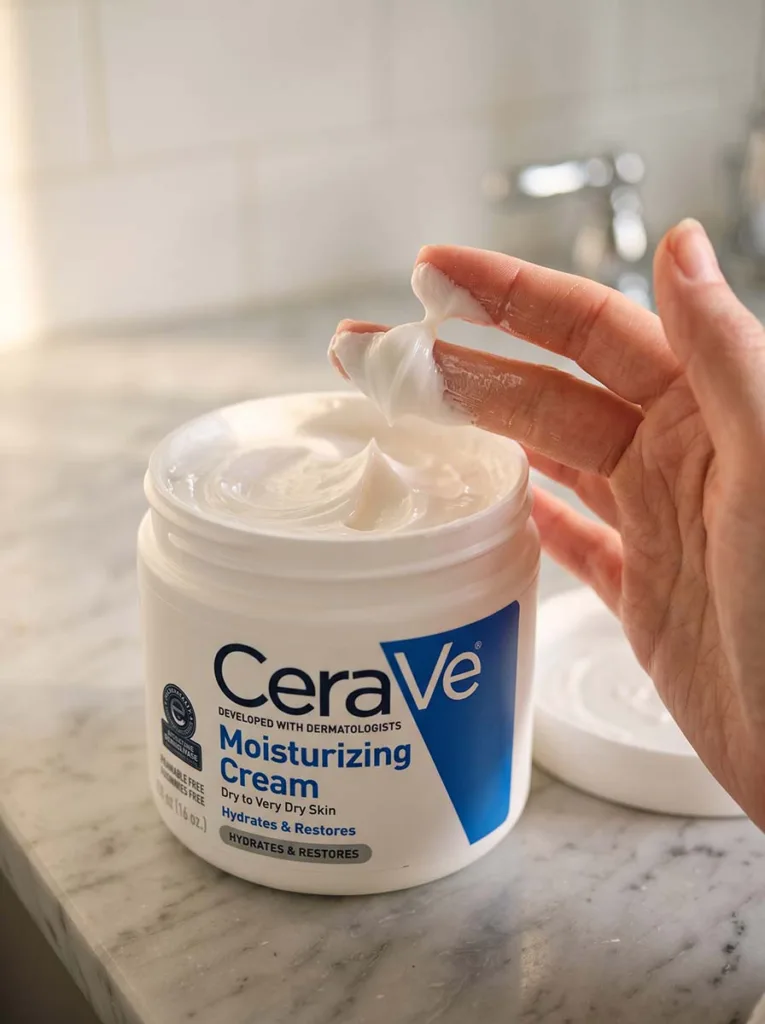
CeraVe Moisturizing Cream is the product dermatologists recommend for dry skin more than any other. Its MVE technology releases moisture in controlled layers over 24 hours rather than one quick burst that fades by morning. The ceramide complex repairs the skin barrier rather than just softening the surface. Under $20 for a large tub, it works on both face and body without clogging pores.
2. La Roche-Posay Lipikar Balm AP+
Best for: Extremely dry skin, eczema, sensitive skin prone to irritation Key Ingredients: Shea butter, niacinamide, glycerin, thermal spring water
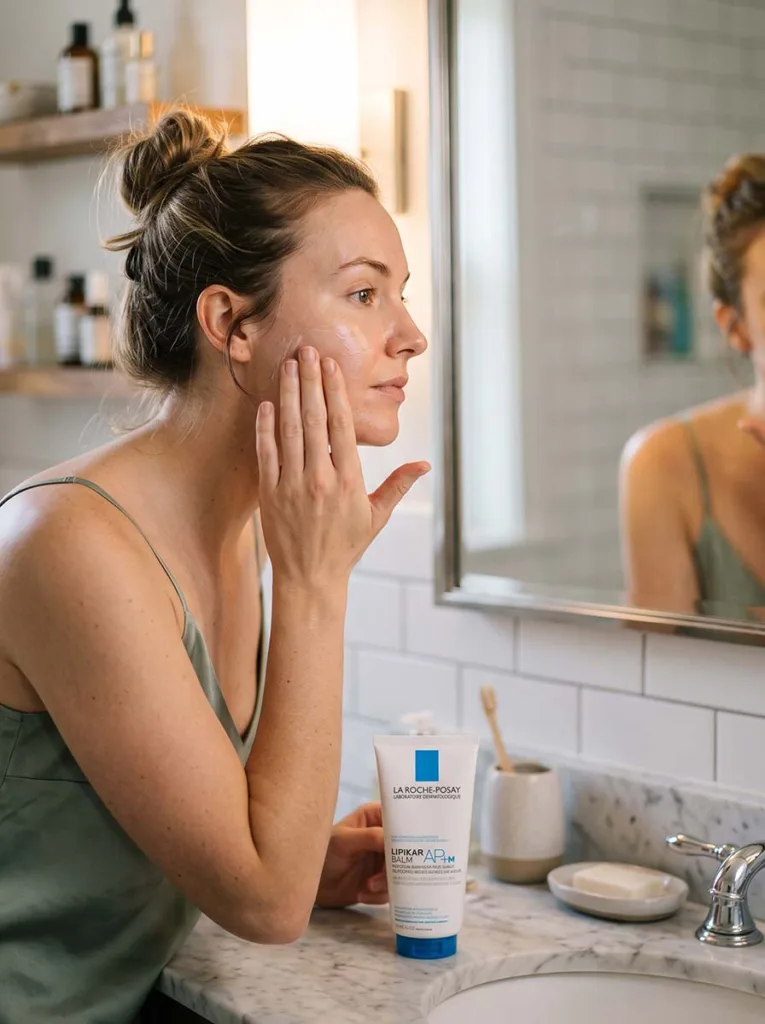
When dryness tips into raw, reactive skin, Lipikar Balm AP+ is the formula to reach for. The shea butter base is a strong occlusive, while niacinamide calms inflammation and supports the skin barrier. La Roche-Posay’s thermal spring water makes this unusually gentle for skin that stings at the touch. Rich but not heavy, it absorbs well enough for daytime use.
3. Neutrogena Hydro Boost Water Gel
Best for: Dry skin that tends toward congestion, or anyone who prefers a lighter texture Key Ingredients: Hyaluronic acid, glycerin, dimethicone
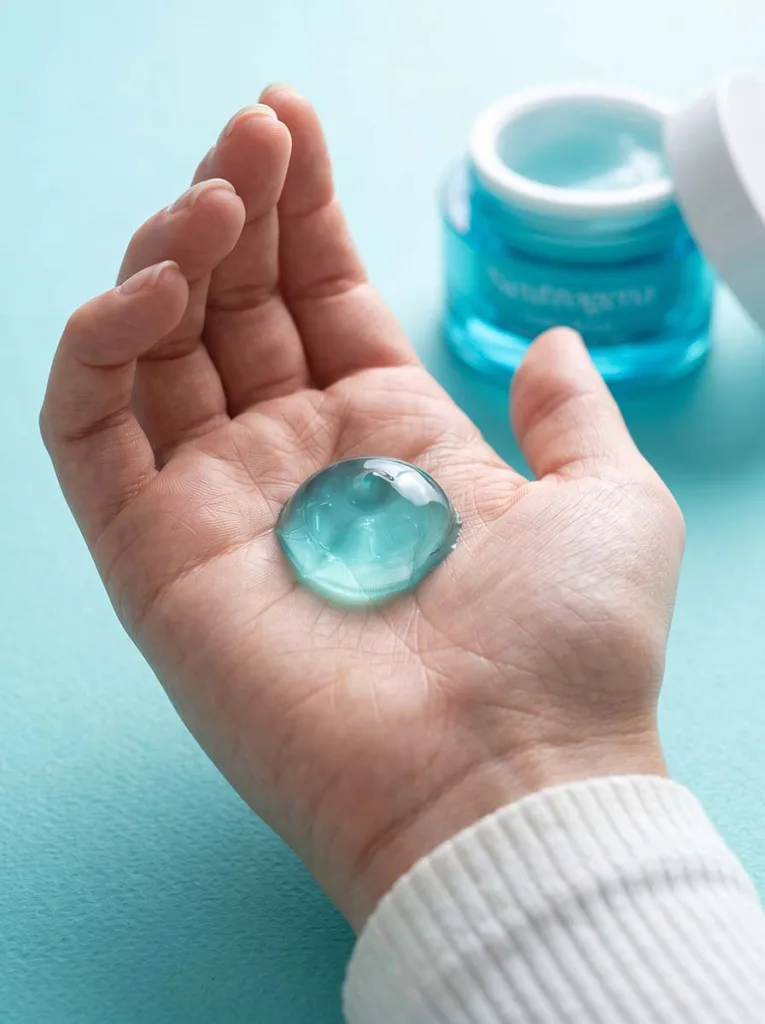
A gel moisturizer in winter sounds like a bad idea. It isn’t. If heavy creams leave your skin feeling congested, or you have combination-dry skin, Hydro Boost delivers a strong dose of hyaluronic acid in a lightweight formula that absorbs fast. Apply to damp skin and follow with a cream or balm over the driest patches for best results in cold weather.
4. Eucerin Advanced Repair Cream
Best for: Severely dry, cracked skin — especially hands, feet, and body Key Ingredients: Ceramides, natural moisturizing factors (NMFs), glycerin, urea
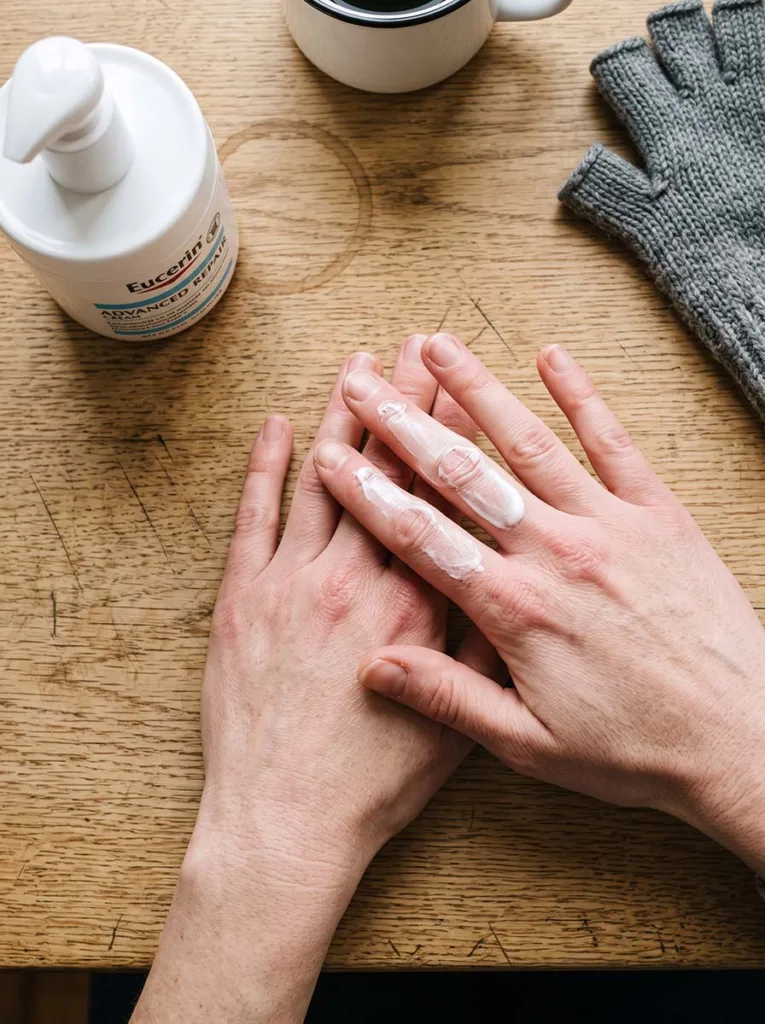
Eucerin Advanced Repair is the go-to moisturizer for dry cracked skin because of urea. Urea exfoliates dead, flaky skin cells and draws moisture deeper into the skin at the same time. For skin that has moved from dryness into cracking, that combination makes a visible difference within days. Fragrance-free, dye-free, and safe for sensitive skin that reacts to most rich creams.
5. First Aid Beauty Ultra Repair Cream
Best for: Sensitive, reactive dry skin; those who prefer a cleaner ingredient list Key Ingredients: Colloidal oatmeal (2%), shea butter, allantoin, ceramides
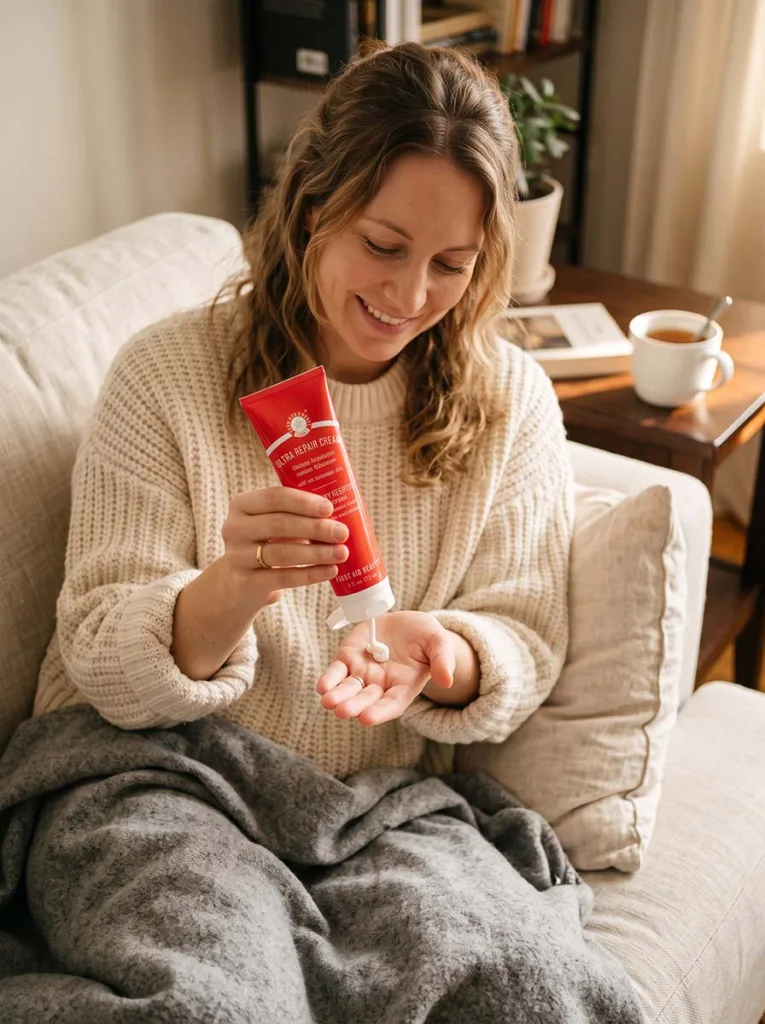
FAB Ultra Repair Cream is thick and calming at the same time, which is harder to pull off than it sounds. The active ingredient is colloidal oatmeal at 2%, FDA-approved to relieve dry, itchy, irritated skin. Allantoin supports skin cell regeneration. Shea butter and ceramides lock moisture in. A good pick for skin that reacts to cold with redness or itching.
6. Vanicream Moisturizing Cream
Best for: Reactive, allergy-prone, or eczema skin; those who’ve failed every other cream Key Ingredients: Petrolatum, glycerin, sorbitol, cetearyl alcohol
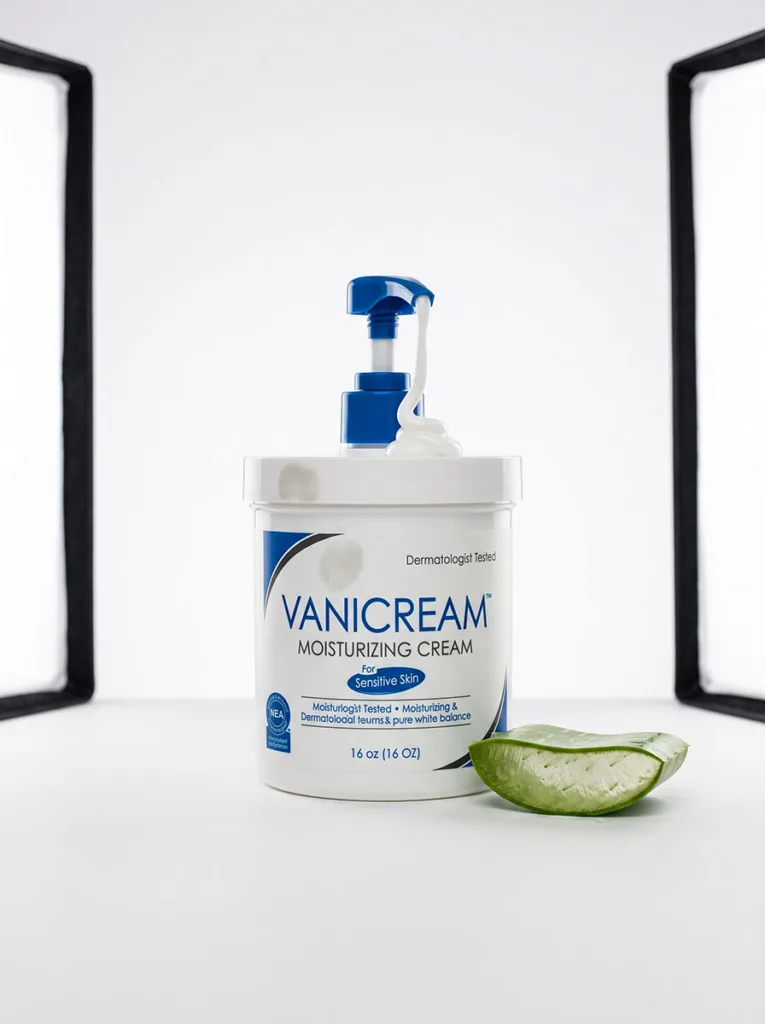
Vanicream contains no dyes, fragrance, lanolin, parabens, or formaldehyde releasers. The full list of common irritants is gone. You’re left with a straightforward moisturizer built around petrolatum and glycerin. If your skin has rejected everything else, this usually works. Dermatologists prescribe it for contact dermatitis and eczema. Boring on purpose, and better for it.
7. Aquaphor Healing Ointment
Best for: Targeted overnight repair — cracked lips, knuckles, heels, dry patches Key Ingredients: Petrolatum (41%), lanolin, glycerin, panthenol
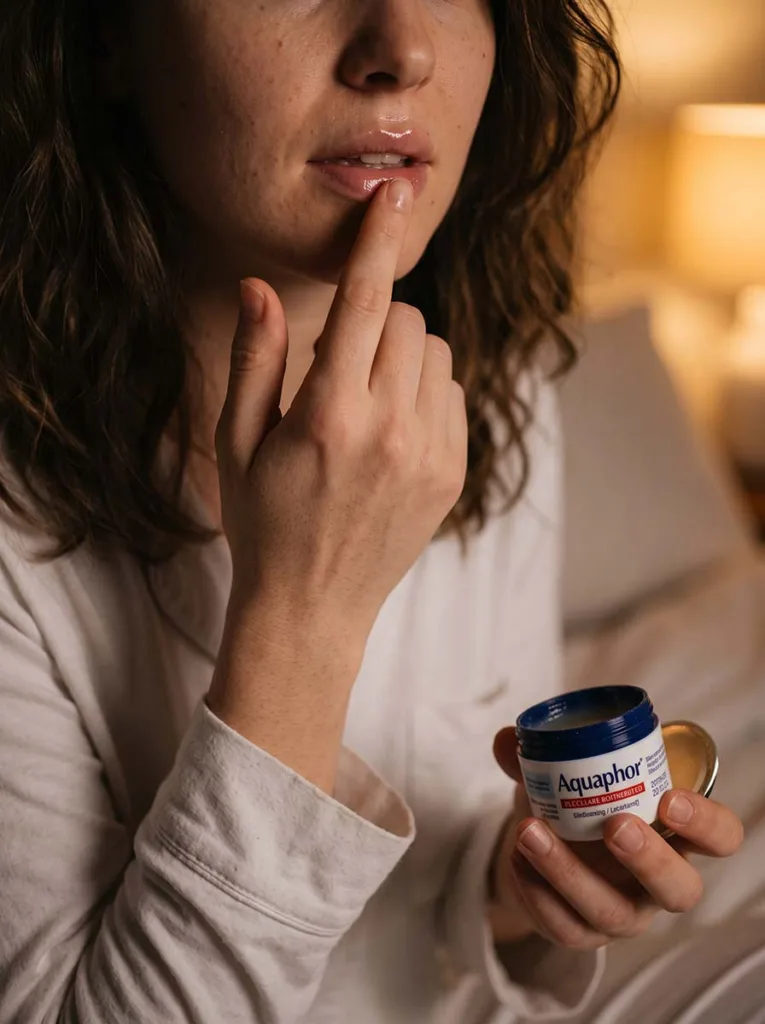
Aquaphor is not a face moisturizer. Use it as a repair treatment on spots that won’t heal: cracked knuckles, heels, lips. A thin layer overnight works faster on compromised skin than any cream. The petrolatum base occludes almost completely. Panthenol (vitamin B5) supports the repair process. Apply it after your regular moisturizer, on the specific patches that refuse to recover.
How to Apply Moisturizer for Maximum Results
Picking the right product is half the work. How you apply it decides the rest.
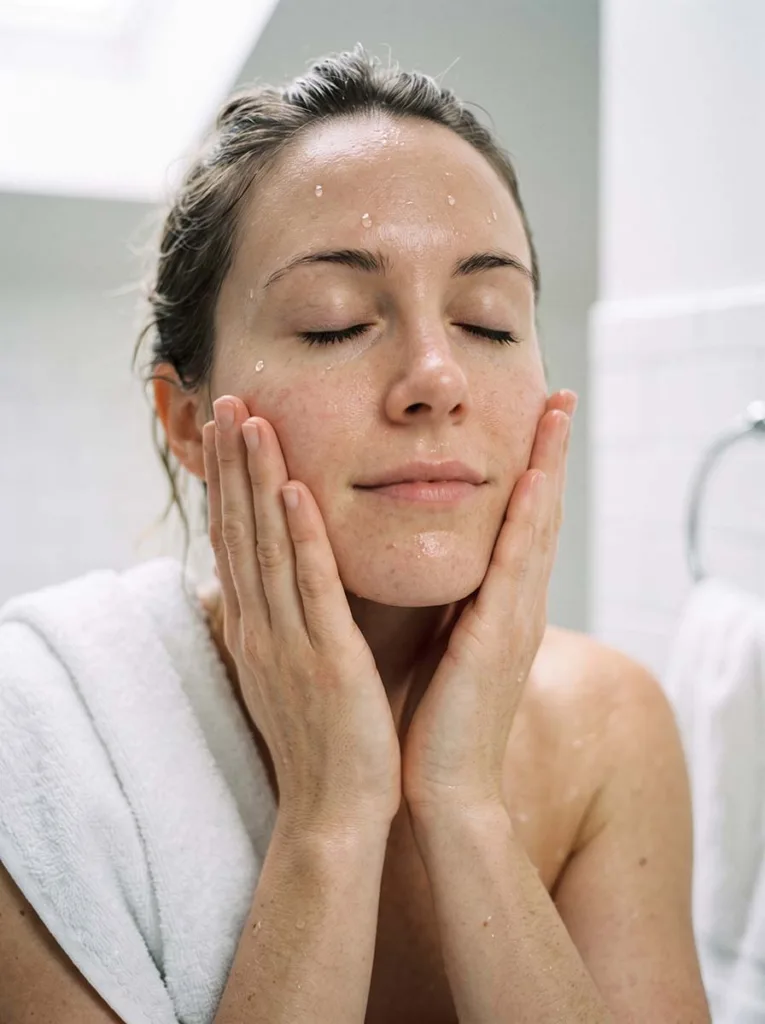
1. Apply To Damp Skin: Pat dry after cleansing and apply moisturizer while your skin is still slightly damp, within 60 seconds of washing. Damp skin absorbs humectants better than dry skin does.
2. Layer In Order: Apply the thinnest product first (serum or water gel), then your moisturizer, then a drop of face oil or ointment over the driest patches. This layering technique locks each layer in.
3. Don’t Skip Your Neck and Hands: Both areas have fewer sebaceous glands and dry out early. Extend your face moisturizer down your neck and keep a hand cream at your sink.
4. Go Thicker at Night: Your skin repairs itself during sleep. Use your richest hydrating cream for winter nights or a light occlusive, when there’s no makeup competing with absorption.
Ingredients to Avoid in Winter Skincare
Getting the right moisturizer matters less if other products in your routine are stripping your skin.
- Alcohol (Denatured): Found in many toners and serums, denatured alcohol evaporates fast and pulls moisture from your skin as it goes. Check labels for “alcohol denat.” or “SD alcohol.”
- Fragrance: Synthetic and natural fragrance, including essential oils, rank among the most common causes of skin barrier damage. If your skin is already compromised, fragrance-free is the only reasonable choice.
- Sulfates In Cleansers: Sodium lauryl sulfate (SLS) strips natural oils from skin. Switch to a gentle cream or oil cleanser in winter and you’ll need less from your moisturizer.
- High-Concentration Acids: Glycolic and lactic acid at strong percentages increase sensitivity and TEWL. Cut exfoliating acids to once a week in winter and follow with a rich moisturizer each time.
Frequently Asked Questions
1. What is the best type of moisturizer for very dry skin in winter?
A rich cream or ointment with ceramides, hyaluronic acid, and an occlusive like petrolatum or shea butter. Lotions are too thin for cold, dry air and evaporate too fast.
2. Should I moisturize in the morning and at night in winter?
Yes. Use a lighter moisturizer in the morning under SPF and a richer cream or ointment at night to support your skin’s overnight repair.
3. Can I use the same moisturizer on my face and body in winter?
Most body moisturizers are safe for the face, but face formulas tend to be non-comedogenic and better suited around the eyes. CeraVe Moisturizing Cream is one of the few that works well on both.
4. How long until a new moisturizer shows results on dry winter skin?
Most people notice softer, less tight skin within 48 to 72 hours. For cracked or severely compromised skin, visible healing takes closer to 1 to 2 weeks of consistent use.
Conclusion
Dry winter skin is a barrier problem. Pick a moisturizer with a humectant and a real occlusive, apply it to damp skin within 60 seconds of washing, and cut the products that strip moisture: fragrance, denatured alcohol, SLS. Start with CeraVe if you want one reliable option. Sensitive or reactive skin? Go straight to Vanicream or La Roche-Posay Lipikar Balm AP+. Commit to one product for a week — and while you’re building your winter skincare routine, check out our guide to the best natural skincare ingredients that support your skin barrier all season.