Skincare Tips for Sensitive Summer Skin: 10 Rules
Does your skin turn red, itchy, and angry every summer, no matter what you try?
You switch to lighter products. You drink more water. You still end up with flare-ups, stinging, and redness that did not exist in winter. The problem is not your products. It is the season itself.
Summer pushes sensitive skin hard. Heat accelerates transepidermal water loss, UV radiation breaks down your skin barrier, and sweat leaves salt residue that stings compromised skin. For people with rosacea, eczema, or perioral dermatitis, summer is peak flare season.
These skincare tips for sensitive summer skin cover 10 practical, dermatologist-backed rules, every one aimed at a real cause of summer sensitivity.
Why Summer Is Harder on Sensitive Skin
Most people assume sensitive skin is a fixed state. It is not. It is a response, and summer creates conditions that trigger it constantly.
When temperatures rise, your skin barrier works overtime. Heat increases transepidermal water loss (TEWL), which means moisture escapes through your skin faster than it can be replaced. UV radiation breaks down the lipids and proteins that hold your barrier together. Add sweat, friction from clothing, and the urge to wash your face six times a day, and the result is an inflamed, reactive, over-stripped complexion.
For people with rosacea, eczema, or perioral dermatitis, summer is peak flare season. Heat dilates blood vessels and makes redness more visible. Sweat leaves salt residue on the skin, which stings compromised areas. Sun exposure directly worsens rosacea flushing and eczema patches.
Build a routine that works with the season rather than chasing symptoms after they appear.
Rule 1: Use Mineral Sunscreen for Sensitive Skin
If you have sensitive skin, sunscreen matters every single day in summer. The type matters just as much.
Mineral vs. Chemical Sunscreen
| Chemical Sunscreen | Mineral Sunscreen | |
| How it works | Absorbs UV rays, converts to heat | Physically blocks UV rays |
| Key filters | Oxybenzone, avobenzone, octinoxate | Zinc oxide, titanium dioxide |
| Sensitive skin risk | Can cause stinging, redness, contact dermatitis | One of the most tolerated filter types (JAAD) |
| Best for rosacea | No | Yes. Tinted formulas also block visible light |
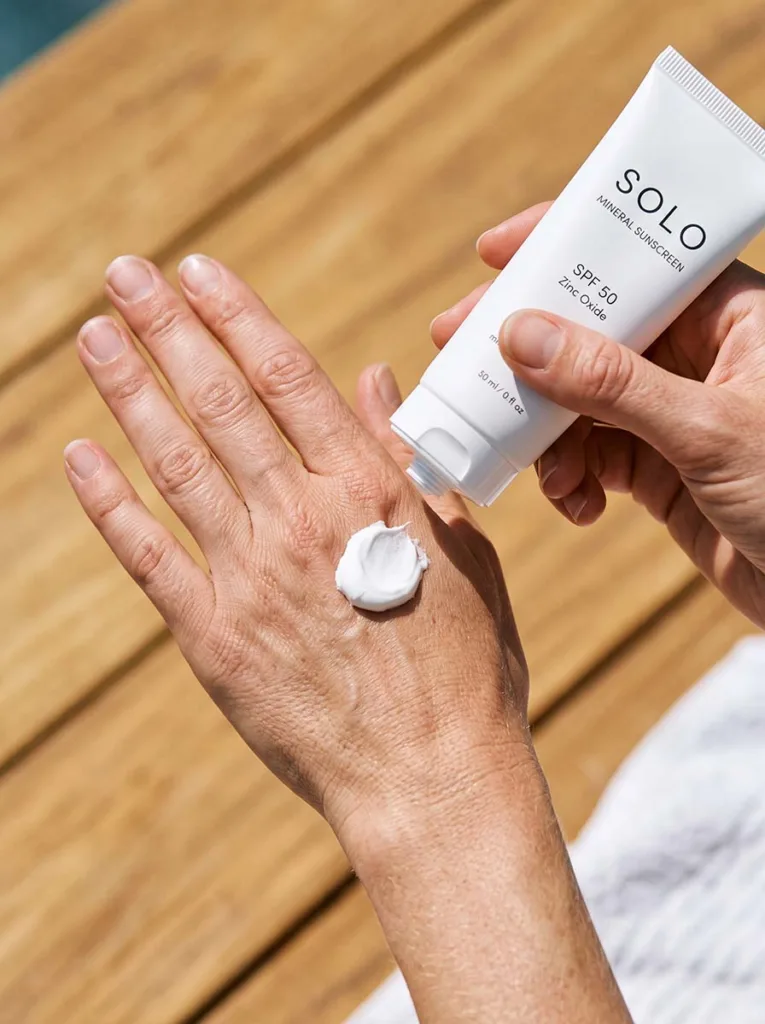
Choose a broad-spectrum SPF 30 or higher, fragrance-free and formulated without alcohol. Tinted mineral formulas are worth considering: the iron oxides filter visible light, which is a known rosacea trigger.
How to Apply Without Triggering Redness
Pat sunscreen on gently. Rubbing stimulates circulation and increases flushing on sensitive areas. Reapply every two hours outdoors, or immediately after sweating heavily. SPF in your moisturizer is not a reliable substitute. The amount needed for sun protection is far more than you would apply from a dual-purpose product.
Rule 2: Protect and Repair Your Skin Barrier
A healthy skin barrier is your main protection against summer sensitivity. Without it, everything stings.
What Barrier Damage Looks Like
Your barrier may be compromised if you notice any of these:
- Tightness or pulling sensation after washing
- Stinging when you apply moisturizer or serum
- Persistent redness that does not settle between products
- Rough, flaky patches even when you are hydrating regularly
These are not cosmetic complaints. They are warnings.
Ceramides, Hyaluronic Acid, and Panthenol
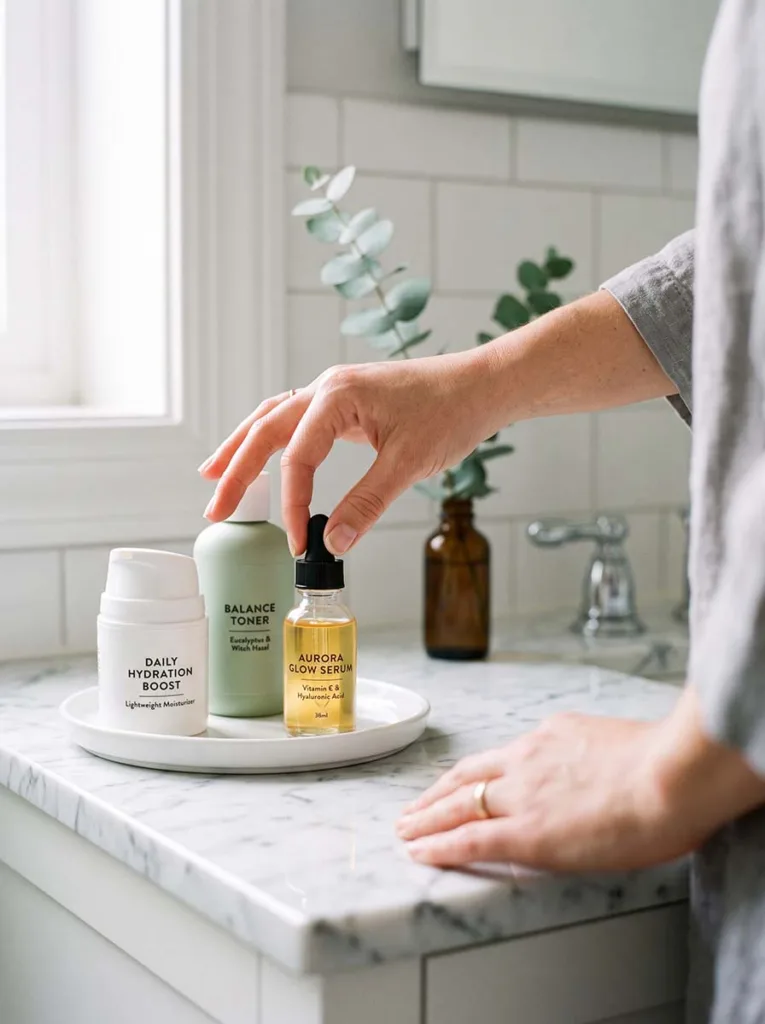
Three ingredients rebuild a damaged barrier reliably.
Ceramides are lipids that naturally make up about 50% of your skin barrier. Look for them listed as ceramide NP, AP, or EOP on ingredient labels. Products with a ceramide complex replenish what heat and UV strip away.
Hyaluronic acid draws moisture from the environment into the skin. In summer humidity, it works well. In dry, air-conditioned environments, seal it with a light occlusive on top, or it will pull moisture out of your skin instead.
Panthenol (provitamin B5) soothes, hydrates, and accelerates skin recovery. It calms barrier-related redness without causing sensitivity of its own.
Tip: Apply barrier-focused moisturizer within 60 seconds of cleansing. That is the optimal absorption window.
Rule 3: Adjust Your Cleansing Routine
Sensitive skin in summer sweats. That creates a temptation to over-cleanse. Resist it.
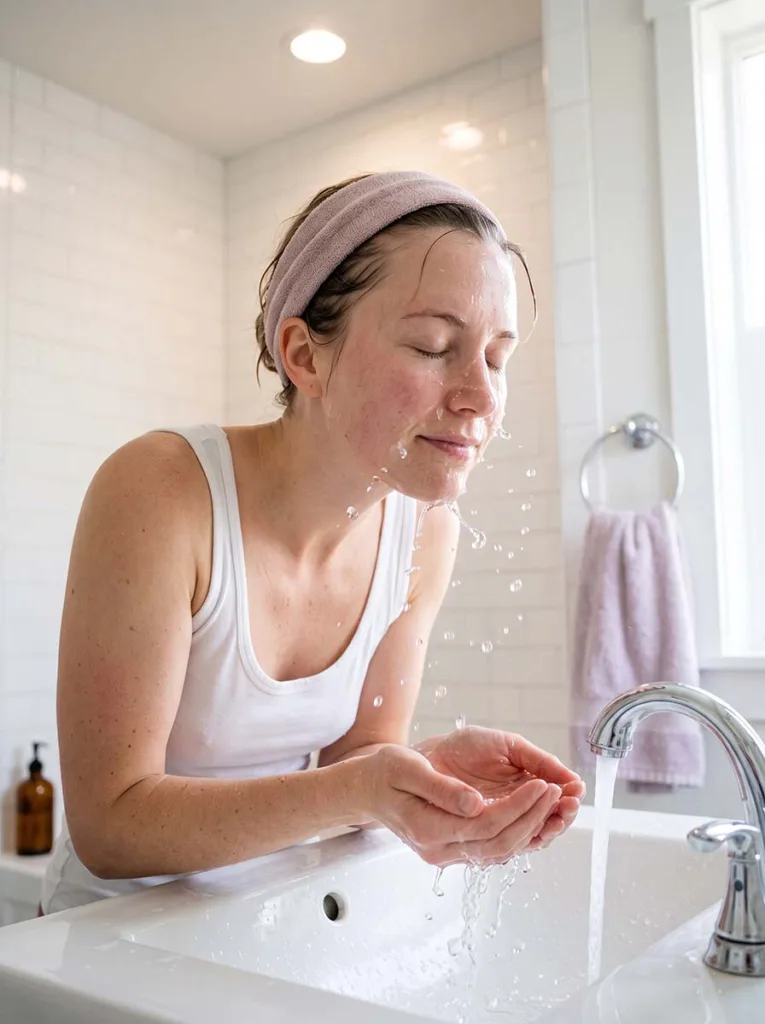
Wash your face twice a day, morning and evening. More than that strips your natural oils and accelerates transepidermal water loss. Use a sulfate-free, fragrance-free cleanser formulated at a slightly acidic pH (around 5.5). This preserves your acid mantle, the skin’s first line of defense.
Always use cool or lukewarm water. Hot water dilates capillaries and worsens redness in sensitive skin types. After cleansing, pat dry with a clean cloth and never scrub. Shared or damp towels introduce bacteria directly onto freshly cleaned skin.
If you exercise outdoors and sweat heavily, a gentle rinse with water alone after your workout is enough. Save the full cleanse for morning and evening.
Rule 4: Use Calming Ingredients All Summer
The right ingredients reduce inflammation and keep reactive skin stable. The hard part is knowing which ones help and which ones quietly make things worse.
Niacinamide and Centella Asiatica
Niacinamide (vitamin B3) reduces redness, strengthens the skin barrier, and regulates oil production without irritation. A 5% niacinamide serum used daily is one of the most thoroughly tested calming ingredients available. Research published in the International Journal of Cosmetic Science showed it reduces inflammation markers in reactive skin within four weeks.
Centella asiatica (cica) has been used in wound healing for decades. Its key compounds, madecassoside and asiaticoside, accelerate barrier repair and reduce inflammatory response. Cica-based toners and serums are common in Korean skincare because they calm sensitivity without disrupting the microbiome.
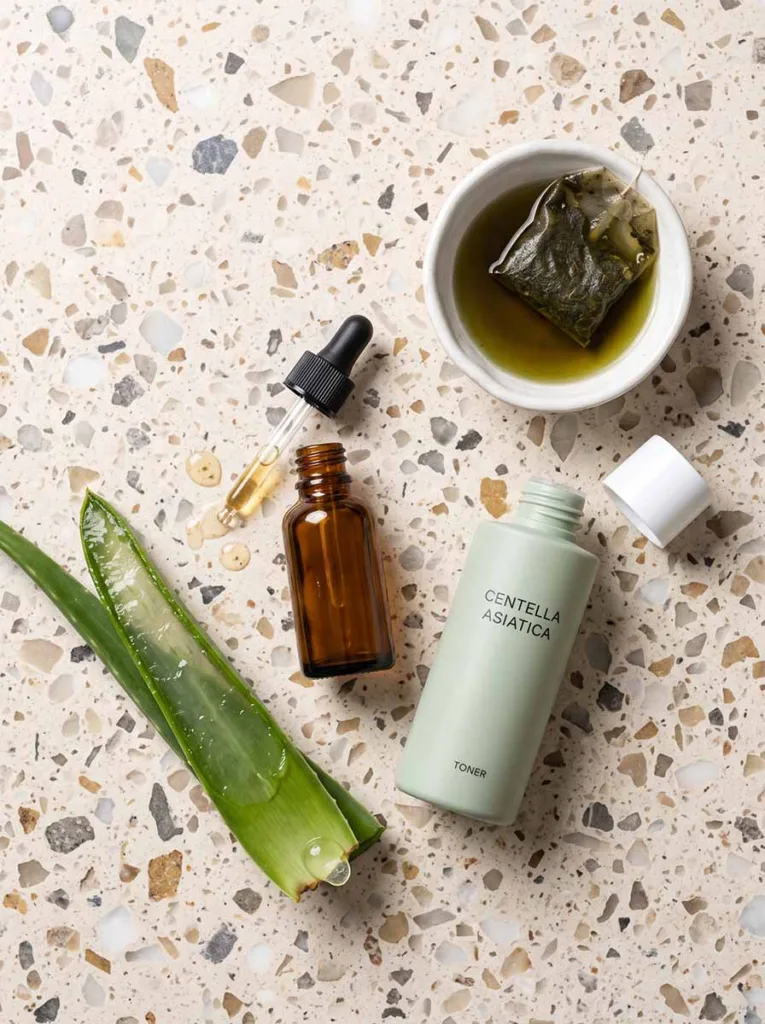
Aloe Vera and Green Tea Extract
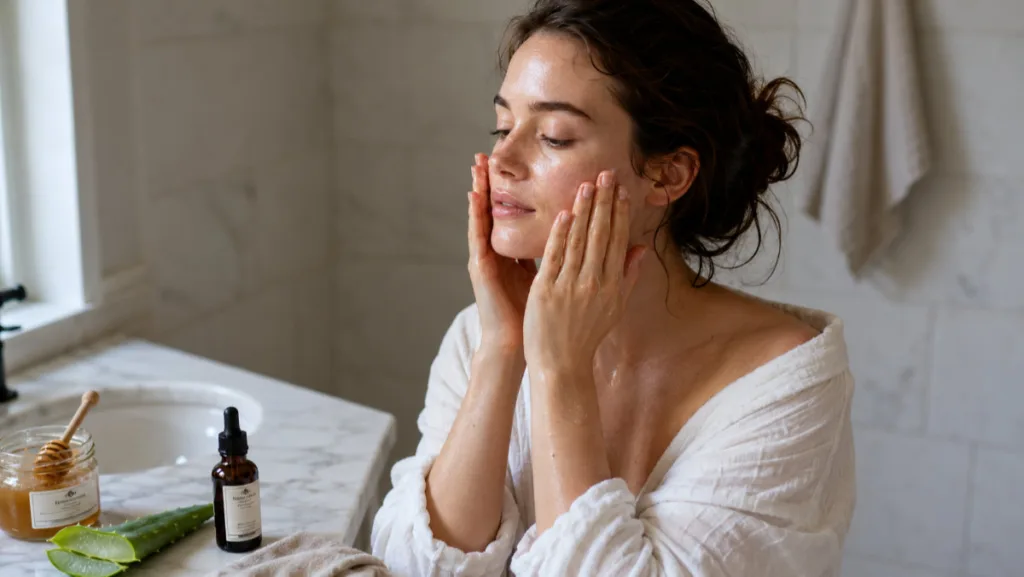
Aloe vera cools and soothes fast. Apply it straight from the refrigerator after sun exposure for near-instant redness relief. Look for products where aloe appears as one of the first three ingredients, not buried at the bottom of the label.
Green tea extract contains EGCG, a polyphenol that reduces UV-induced inflammation and helps protect cells from oxidative stress. It pairs well with mineral sunscreen in a morning serum.
Rule 5: Avoid These Common Summer Triggers
What you stop using matters as much as what you add. Four ingredients cause most summer flare-ups in people with sensitive skin:
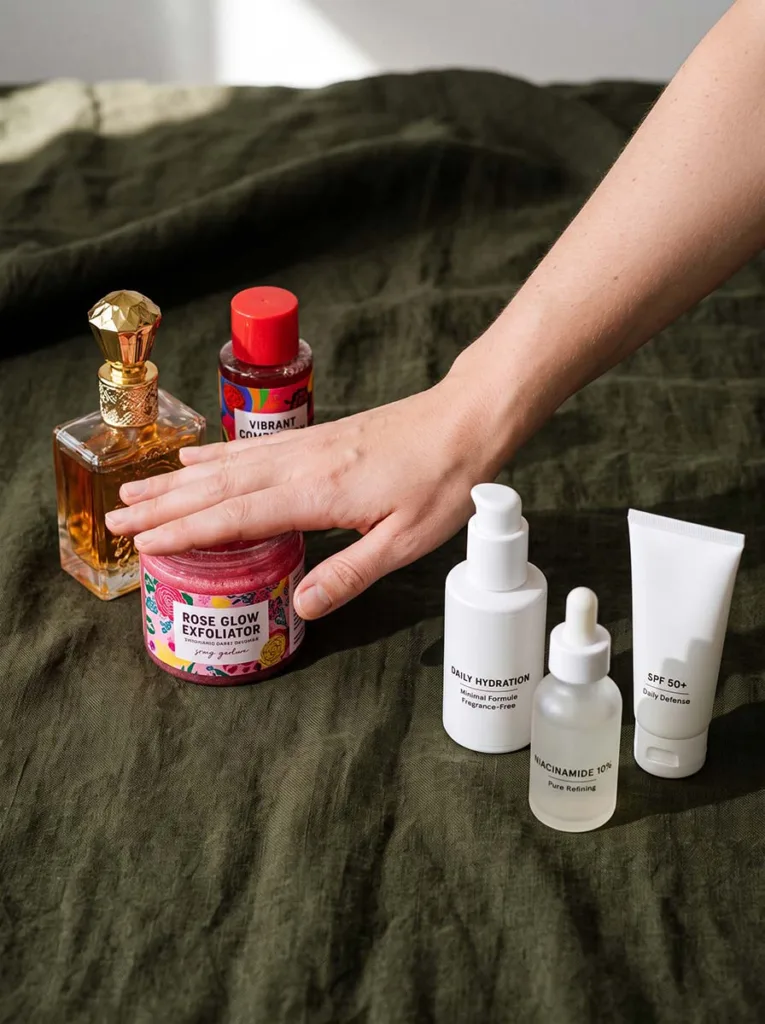
- Fragrance is the most common contact allergen in skincare, including “natural” versions like citrus oils, lavender, and rose. In summer heat, fragrance molecules penetrate the skin more easily. Switch every product to a fragrance-free version.
- Drying alcohols (denat. or SD alcohol) show up in many lightweight summer products for their fast-drying feel. They disrupt the barrier and accelerate moisture loss. Fatty alcohols (cetyl, cetearyl) are fine; the drying varieties are not.
- Exfoliating acids (AHAs, BHAs) increase photosensitivity and can severely inflame already reactive summer skin. Reduce exfoliation to once a week maximum, or pause entirely if irritation has started.
- Chlorine and saltwater both strip the barrier. Rinse your face immediately after swimming and follow with your barrier moisturizer. Do not let chlorinated water dry on your skin; the residue continues to irritate long after you leave the pool.
Rule 6: Build an AM and PM Routine for Summer
A consistent sensitive skin summer routine removes guesswork and cuts down on product-stacking errors that start reactions.
Morning Routine for Sensitive Skin
- Rinse with cool water (skip cleanser if skin feels calm)
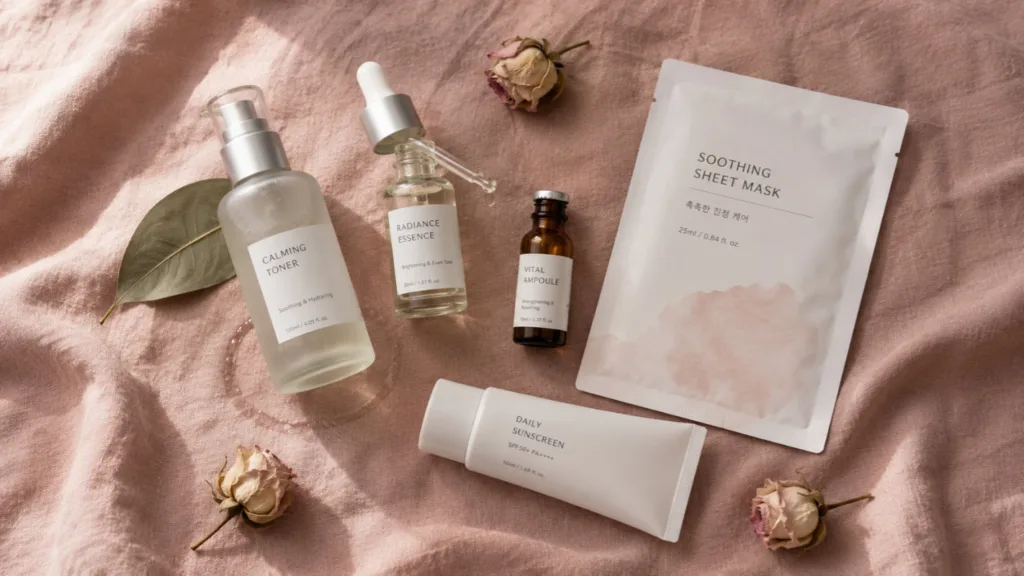
- Apply a calming toner with centella asiatica or niacinamide
- Layer a lightweight hyaluronic acid serum while skin is still damp
- Moisturize with a ceramide-rich, fragrance-free cream or gel
- Finish with a mineral SPF 30+, and reapply every two hours outdoors
Keep morning products minimal. More layers mean more potential irritants.

Nighttime Recovery Routine
Night is when your skin repairs itself. Give it what it needs without overloading it.
- Double cleanse if you wore sunscreen: an oil-based balm followed by a gentle gel cleanser removes sunscreen residue that water alone misses
- Apply a panthenol or ceramide serum to repair barrier damage from the day
- Seal with a thicker ceramide moisturizer. At night you do not need SPF, so you can use something richer
- Skip retinoids, AHAs, and vitamin C in summer unless prescribed; these increase sensitivity and UV reactivity
One optional step: a drop of pure rosehip seed oil or squalane over your night cream adds extra lipid support without clogging pores.
Rule 7: Know the Difference Between Heat Rash and Sun Rash
These two summer skin reactions are frequently confused. They have different causes and need different responses.
| Heat Rash (Miliaria) | Sun Rash (PMLE) | |
| Cause | Blocked sweat ducts | Immune reaction to UV exposure |
| Appears on | Chest, neck, underarms, where skin folds or clothing rubs | Sun-exposed areas: arms, chest, face |
| Looks like | Small red bumps or blisters | Itchy red patches or small bumps |
| Timing | During or after heavy sweating | Within hours of sun exposure |
| Treatment | Cool the skin, breathable fabrics, calamine lotion | Antihistamines, cool compresses, sun avoidance |
| Prevention | Stay cool, wear moisture-wicking clothing | Gradual UV exposure, consistent mineral SPF |
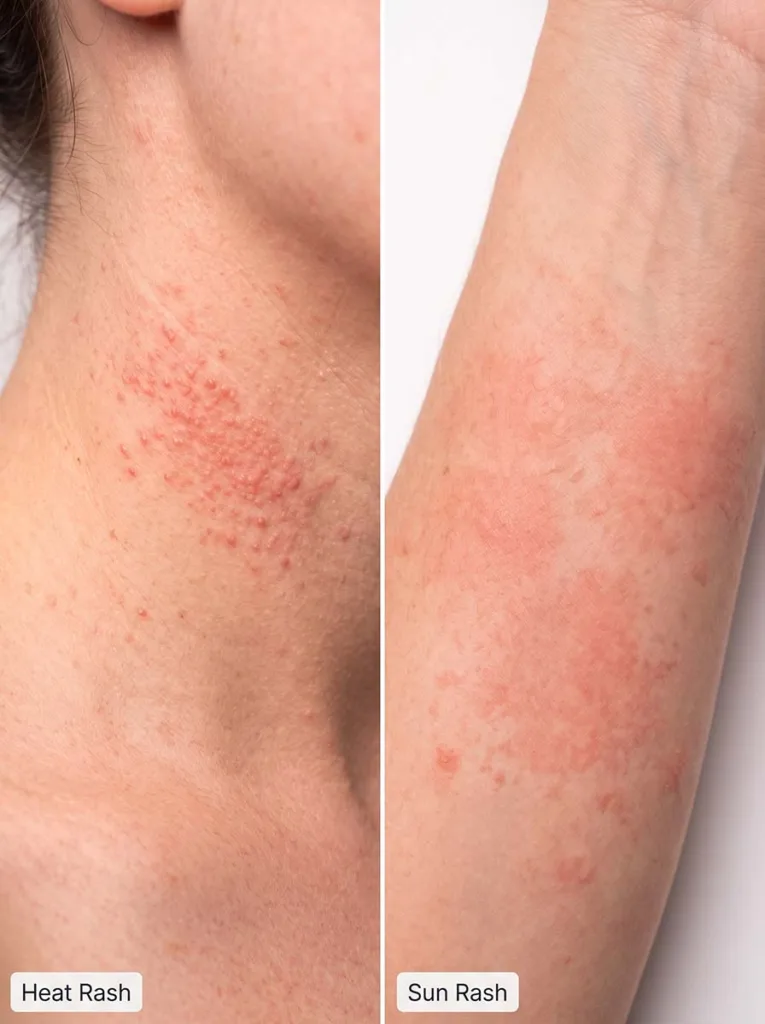
If either reaction is severe, blistering, or spreading rapidly, see a dermatologist. Do not attempt to treat systemic reactions at home.
Rule 8: Stay Cool to Reduce Flushing
Summer skincare for rosacea-prone skin is a different challenge. Heat triggers flushing on its own, before UV even enters the picture, so keeping your skin’s surface temperature down is as important as what you apply.
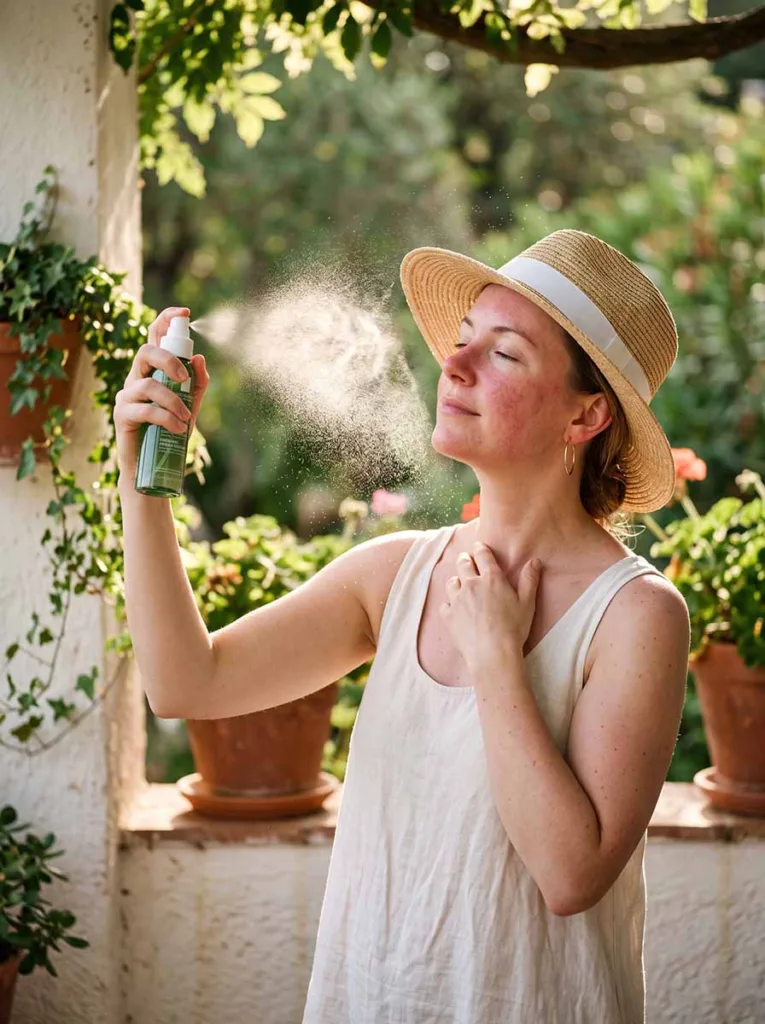
Keep a thermal spring water mist or refrigerated aloe vera spray in your bag. A quick mist cools the skin and temporarily reduces flushing without disrupting your SPF.
Stay out of direct sun between 10 a.m. and 3 p.m. Wear a wide-brimmed hat with a UPF 50+ rating. UPF-rated clothing blocks UV at the fabric level, which reduces how often you need to reapply sunscreen on covered areas.
Indoors, air conditioning lowers flushing but drops humidity, which increases transepidermal water loss. A small humidifier in your workspace helps.
Rule 9: Simplify During Flare-Ups
When your skin is actively reacting, red, stinging, inflamed, use less, not more.
Strip your routine down to three steps until things settle:
- Cool water rinse
- Fragrance-free barrier moisturizer
- Mineral SPF
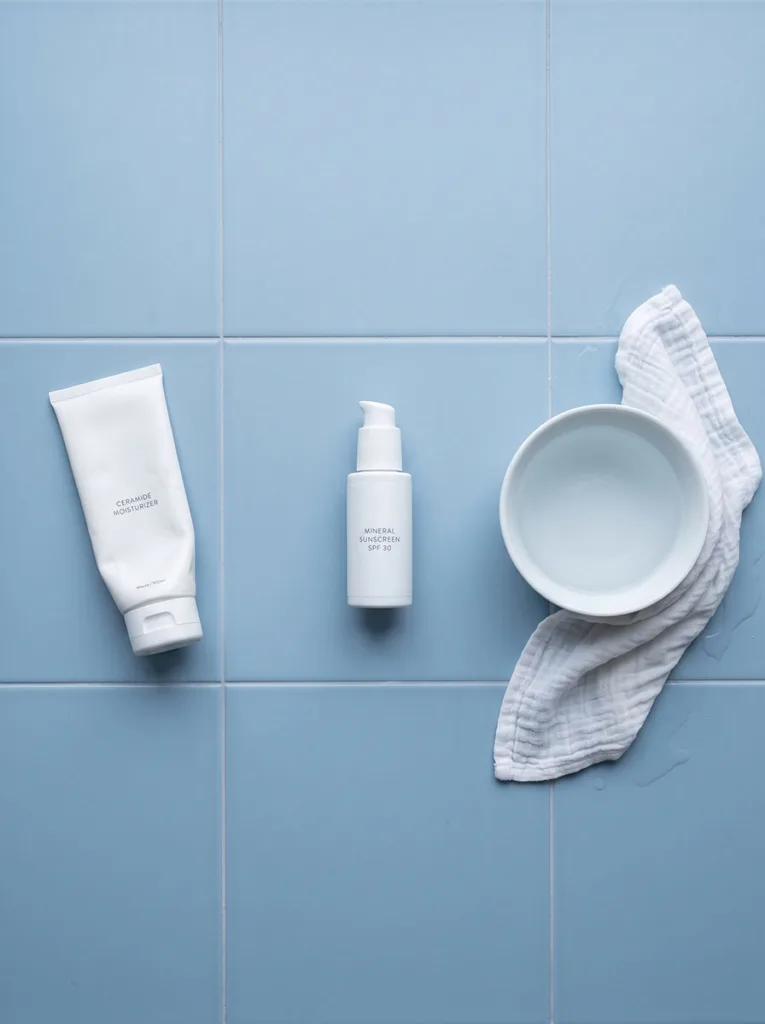
Stop all actives. Stop trying new products. Let the barrier stabilize before reintroducing anything.
Most summer flare-ups resolve within three to five days on a minimal routine. If redness or irritation persists beyond a week, see a dermatologist. Persistent sensitivity can indicate contact dermatitis, rosacea, or eczema, conditions that respond better to targeted treatment than to over-the-counter product layering.
Rule 10: Stay Hydrated from the Inside
Internal hydration supports every external skincare step. When you are dehydrated, your skin cannot maintain its barrier function. Drink at least eight to ten glasses of water per day in summer, more if you are active outdoors.
Two food groups give your skin genuine support during summer:
- Antioxidant-rich foods (blueberries, leafy greens, tomatoes) neutralize free radical damage from UV exposure
- Omega-3 sources (walnuts, flaxseed, fish oil) support lipid production in the skin barrier

Neither replaces sunscreen, but both provide real, long-term support for reactive skin.
Frequently Asked Questions
1. What is the best sunscreen for sensitive summer skin?
A fragrance-free mineral sunscreen with zinc oxide or titanium dioxide and SPF 30 or higher is the safest pick for sensitive skin. It blocks UV physically without chemical filters that cause stinging or redness.
2. Can I use retinol in summer if I have sensitive skin?
Avoid retinol in summer if your skin is sensitive. It increases photosensitivity and worsens redness when combined with heat and UV exposure.
3. How do I calm a summer skin flare-up fast?
Rinse with cool water, apply a fragrance-free ceramide moisturizer, and stop all active ingredients immediately. A refrigerated aloe vera gel or thermal mist reduces surface inflammation quickly. If the flare does not resolve in five to seven days, see a dermatologist.
Conclusion
Sensitive skin in summer does not have to mean constant reactions. Protect your skin barrier, pick a mineral SPF, cut fragrance and harsh actives, and keep your routine short. Build morning and evening steps around barrier repair rather than chasing whatever ingredient is trending. Start by swapping to a fragrance-free mineral sunscreen today, then let your skin tell you what it needs from there.
For more helpful articles related to skincare, please visit VelvetBoard.