Slugging Skincare: A Gentle Guide For Dry Skin Care

Does your skin still feel tight after moisturizer? Slugging skincare adds a thin occlusive layer to reduce moisture loss, but it can worsen breakouts for some people. Deciding whether it suits your skin matters more than copying a glossy overnight look.
The basic method involves gentle cleansing, moisturizer, and a small amount of petroleum jelly over suitable dry areas. You can leave it overnight and remove residue gently in the morning. Sunscreen remains a separate daytime step. There is no universal dose, weekly schedule, or deadline for results.
The five steps below explain application and follow-up care without requiring extra serums or a special mask. They also cover reasons to skip the method, interactions with other treatments, and symptoms that mean you should stop.
What Slugging Skincare Can Do
Slugging means applying an occlusive product, commonly petroleum jelly, over moisturized skin. The layer reduces water loss from the surface. It may help dry skin feel more comfortable, but it is optional rather than essential skincare.
Petrolatum contains no water. It can still improve hydration by reducing evaporation, so describing it as adding no moisture oversimplifies its role. A familiar moisturizer may be enough without an additional layer.
How Moisture Retention Works
Water passes from the skin into the surrounding air, a process called transepidermal water loss. Petrolatum limits that loss. Laboratory measurements of occlusion do not predict a fixed percentage improvement in your own skin after one night.
Keep Expectations Realistic
An overnight layer may help dryness, but it does not treat every cause of flaking or irritation. Results vary with the underlying problem and the products underneath. Increasing the thickness does not guarantee a better result.
Who Should Avoid Facial Slugging
Consider your skin condition before trying the method. Cleveland Clinic advises against slugging for oily, acne-prone, or infected skin. Dryness alongside acne is a reason to ask about suitable moisturizers rather than automatically adding an occlusive.
Our home skincare product-testing guide explains small-area testing. A clear test cannot guarantee that facial use will remain comfortable or that breakouts will not develop.
Oily Or Acne-Prone Skin Needs A Different Approach
Heavy layering may worsen breakouts for some people. Treating one patch instead of the whole face does not automatically remove that concern. Ask a dermatologist about localized dryness if you also have acne or use acne treatments.
Separate Slugging From Wound Care
Do not use a cosmetic slugging routine to manage an infected area or persistent open sore. However, broken skin does not simply need air. The AAD minor-cut guidance recommends appropriate moist wound care with petroleum jelly and a dressing.
Step One: Cleanse Gently
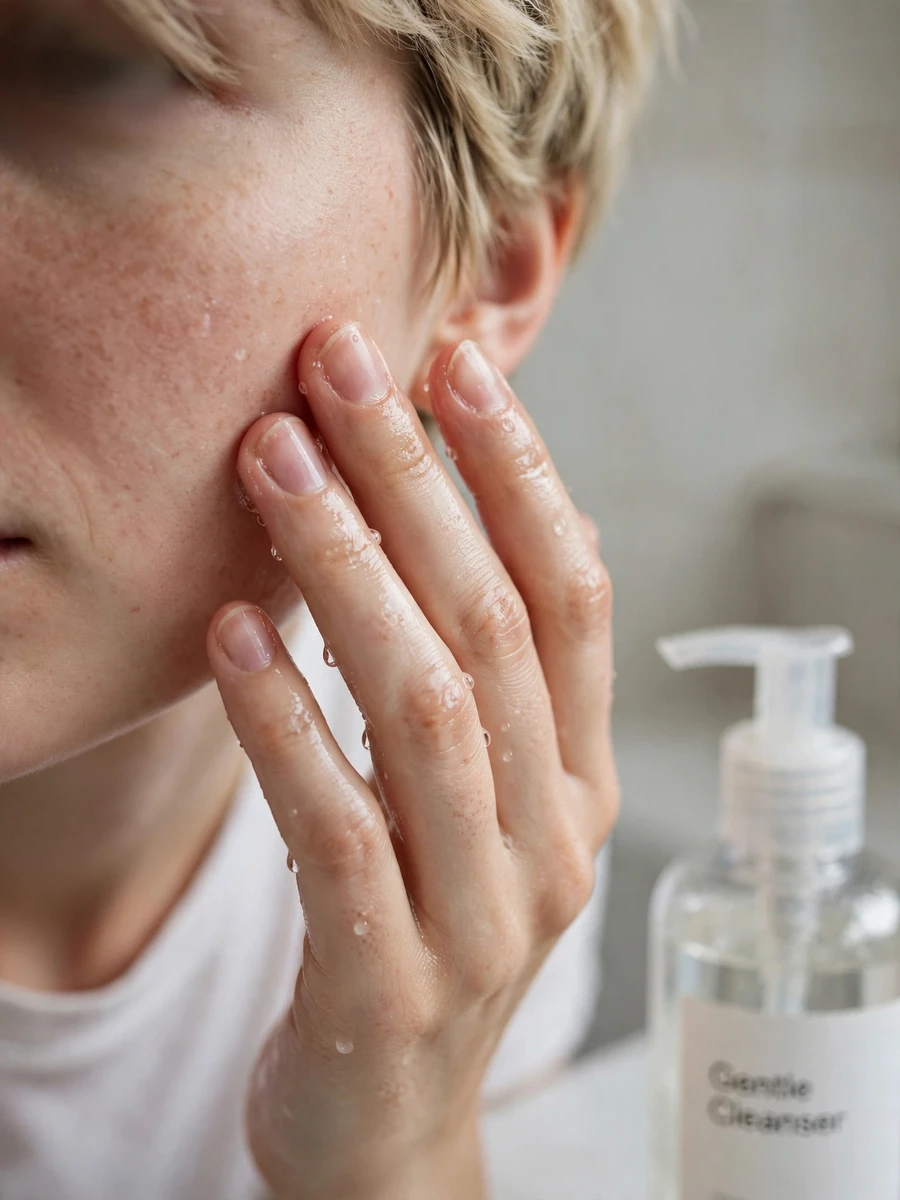
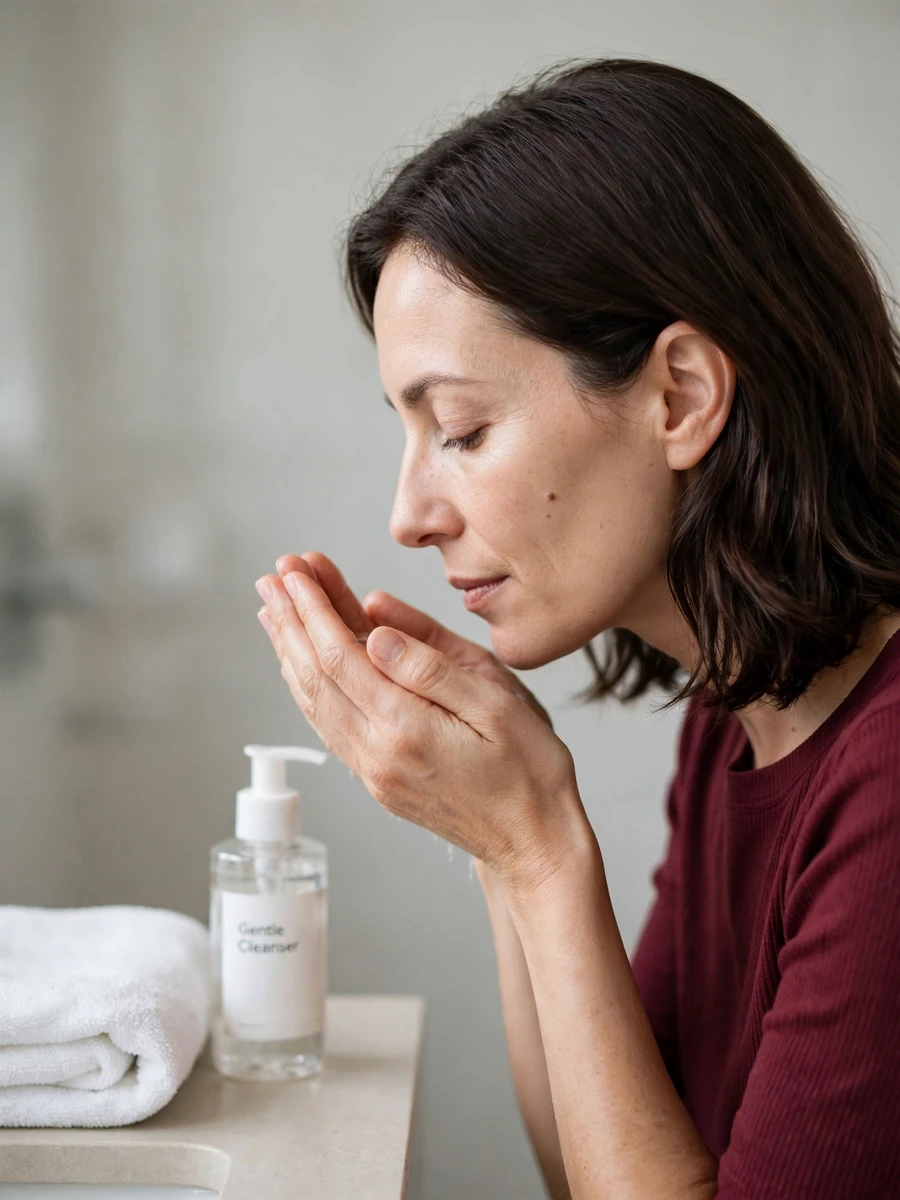
Remove makeup, sunscreen, and daily residue before applying an overnight layer. Use a cleanser you already tolerate rather than introducing a new exfoliating wash at the same time. Clean hands and gentle pressure are enough.
Follow the cleanser directions and rinse with lukewarm water. Avoid scrubbing until the skin feels tight; that sensation is not a useful goal for dry skin.
Use A Familiar Mild Cleanser
A mild cleanser can remove residue without requiring a rough cloth or brush. If your usual product leaves persistent burning or tightness, reconsider it. Adding petroleum jelly afterward is not a way to compensate for repeated irritation.
Leave Skin Lightly Damp
Pat away excess water with a soft towel. Slight dampness is suitable before moisturizer; you do not need visible beads or dripping water. If the surface dries while you prepare the cream, there is no need to restart cleansing.
Step Two: Apply Your Moisturizer
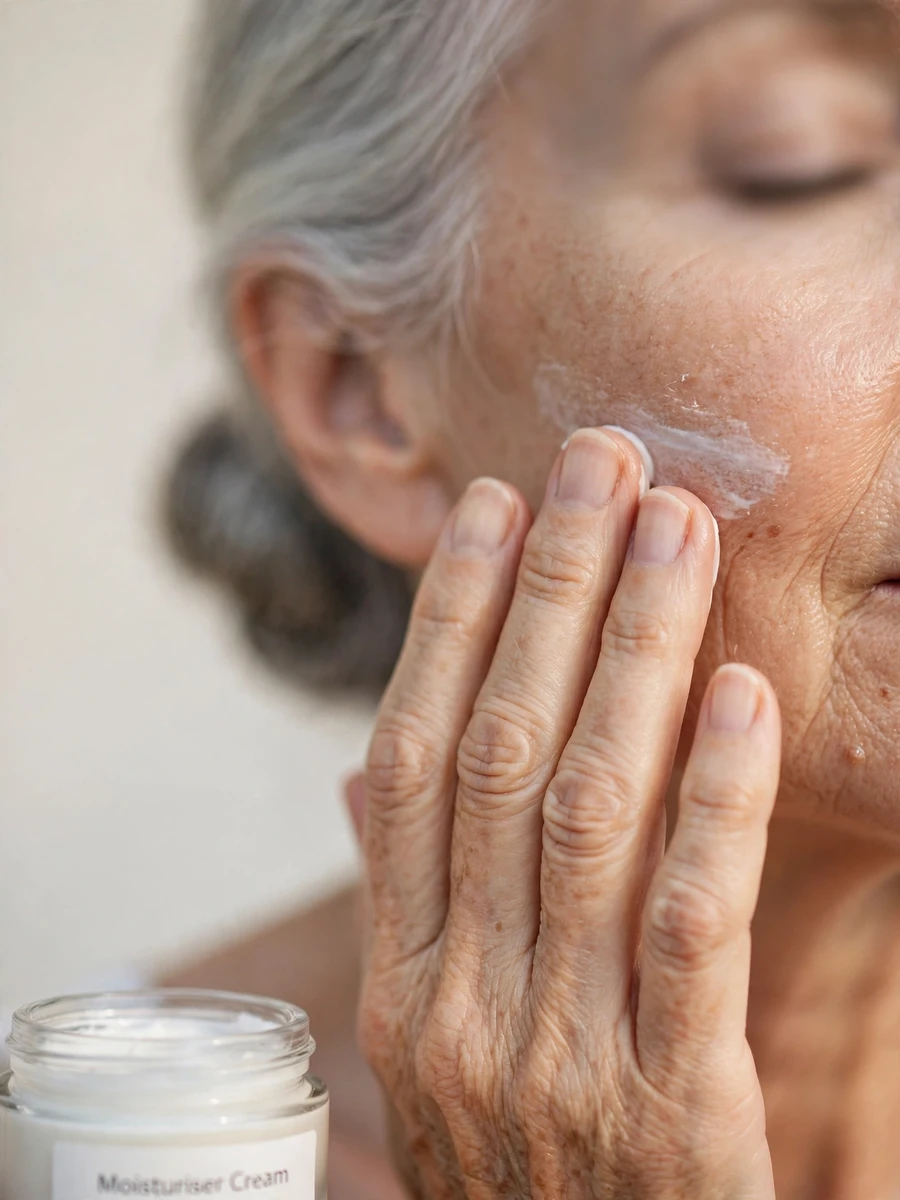
Apply a tolerated moisturizer before the occlusive layer. A cream can contain ingredients that attract water and others that reduce moisture loss. Petroleum jelly can then provide additional occlusion if your skin needs it.
Keep this trial simple. Layering several new serums makes it harder to identify which product caused discomfort. A short ingredient list alone does not establish that a formula will suit you.
Choose A Formula You Already Tolerate
A fragrance-free moisturizer is a reasonable option for sensitive skin. Glycerin and ceramides are examples of useful ingredients, but neither guarantees tolerance. Judge the whole formula and your response rather than the position of one ingredient on the label.
Skip The Stopwatch
Spread moisturizer gently and follow its directions. You do not need a precisely timed one-minute wait or a tacky finish before continuing. If layers slide around, use less product rather than rubbing harder to force them into place.
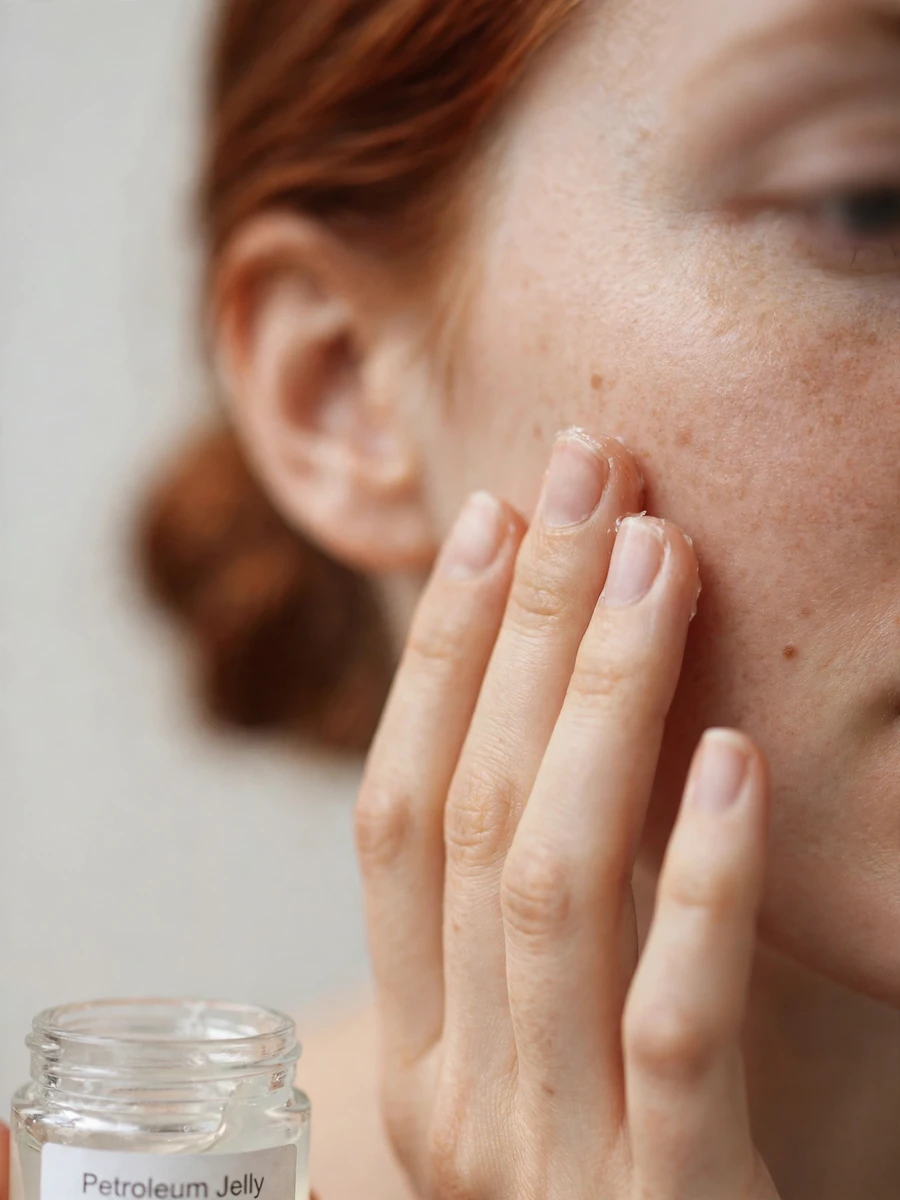
Step Three: Add A Thin Petroleum Jelly Layer
Use plain petroleum jelly or another product recommended for your needs. Check blended ointments for ingredients you already know irritate your skin. An expensive product marketed for slugging is not necessary.
Apply a small amount with clean fingertips and spread it gently over the intended area. Pressing and light spreading are options, not competing techniques with proven differences in effectiveness.
Adjust The Amount To The Area
A pea-sized dab can be a starting example, but it is not a universal facial dose. A small patch needs less than a broad area. Aim for a light, comfortable layer instead of copying the heavy shine in some photos.
Avoid Unnecessary Full-Face Coverage
You do not have to cover the forehead, nose, and chin simply because you applied product to the cheeks. Limit application to suitable dry areas. Do not assume a particular facial zone is always oily or always dry.
Step Four: Leave Overnight And Cleanse In The Morning
The overnight layer reduces evaporation while it remains on the skin. It does not guarantee barrier repair or a soft face by morning. Notice comfort and any new symptoms without expecting a dramatic transformation.
Allow a little time before lying down if product transfers onto bedding. Keep hair away from your face and use a clean pillowcase. Avoid replacing transferred product with a thicker coat.
Keep Application Comfortable
A greasy feel may simply mean you dislike the finish or used more than needed. You do not need to tolerate an unpleasant layer for the routine to count. Remove it gently if you are uncomfortable.
Remove Residue Without Scrubbing
In the morning, use lukewarm water and a mild cleanser suited to your skin. Avoid repeated washing to eliminate every trace of softness. If you notice burning, redness, or new breakouts, stop the experiment rather than applying another layer that night.
Step Five: Continue Gentle Daytime Care
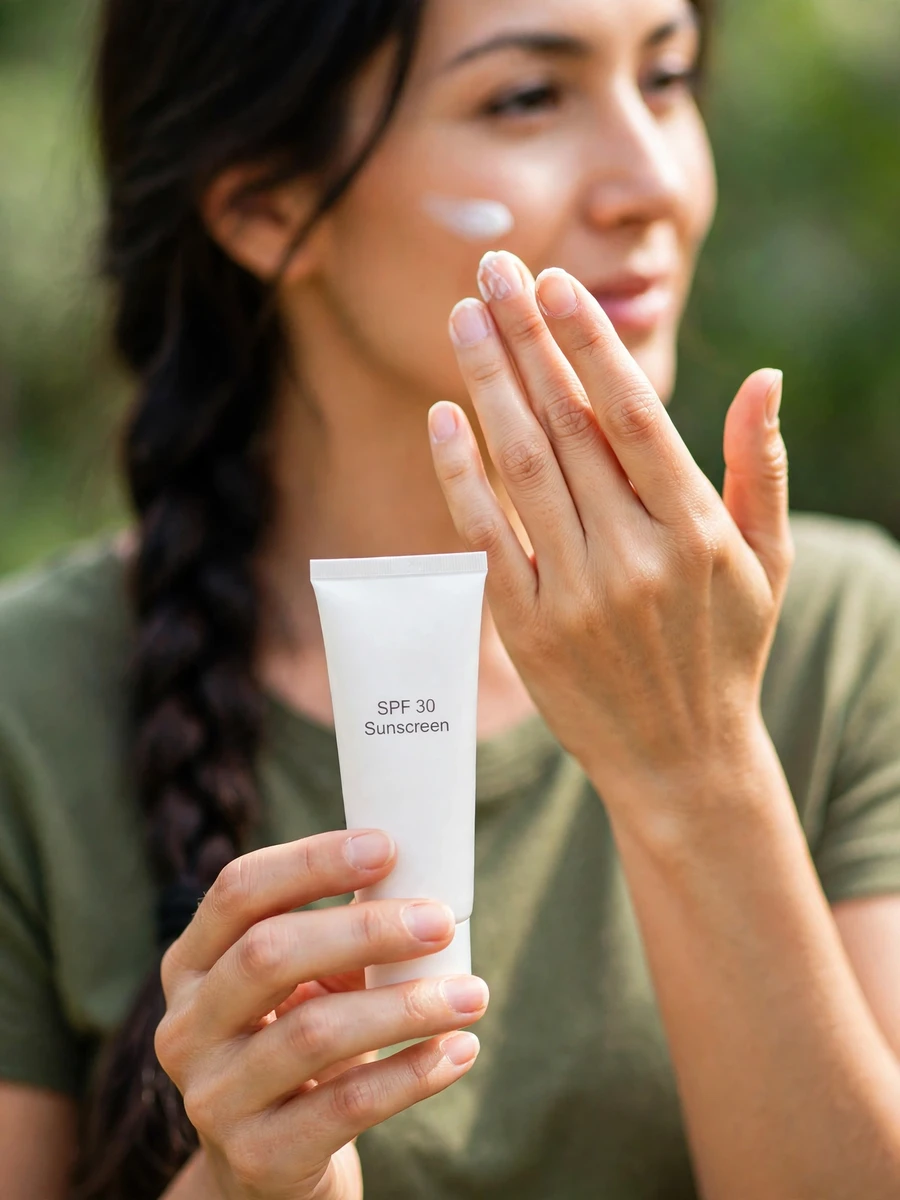
Return to a familiar morning routine rather than adding treatments to preserve an assumed overnight result. Moisturize according to your needs. Petroleum jelly itself is not sunscreen, even when the surface looks shiny.
Use broad-spectrum SPF 30 or higher before outdoor exposure. Follow its application directions and combine sunscreen with shade or protective clothing when appropriate.
Reapply Sunscreen Outdoors
Reapply at least every two hours outdoors, and follow the label after swimming or sweating. The amount used for a petroleum jelly layer does not describe a sunscreen dose. Follow the sunscreen instructions independently of the slugging routine.
Observe Before Repeating
Check whether the added layer was comfortable and whether anything changed afterward. A single quiet morning does not establish long-term tolerance. There is no requirement to repeat the method on a calendar if your regular moisturizer already meets your needs.
Limit Spot Application To Suitable Dry Areas
Some people prefer localized application instead of covering their whole face. That reduces the area treated, but it does not guarantee freedom from irritation or breakouts. The same suitability cautions still apply.
Avoid using the method to conceal an unexplained rash. A dry patch that keeps returning may need assessment rather than progressively heavier layers.
Choose By Symptoms, Not A Facial Map
Your cheeks can be acne-prone, and your forehead can feel dry. Apply the same judgment to each area instead of following a fixed T-zone rule. If you are unsure why an area is peeling, ask for advice.
Persistent Cracks Need Attention
Repeated mouth-corner cracking or a sore nose edge may have causes beyond weather-related dryness. Do not assume a dab of ointment will resolve the problem. Seek advice for persistent, painful, or worsening areas rather than treating them as routine slugging targets.
Check Your Other Treatments Before Slugging
The Cleveland Clinic slugging guidance cautions against trapping retinoids and exfoliating acids beneath petroleum jelly. Occlusion can increase irritation from products underneath.
Our skin barrier care guide discusses simplifying a routine. Slugging is an optional addition, not an automatic requirement for every recovery night.
Keep Nonprescription Layers Simple
Avoid combining this trial with retinol, strong exfoliating acids, or several new active products. A familiar moisturizer makes the routine easier to assess. If skin is already burning or inflamed, seek advice instead of experimenting with occlusion.
Ask About Prescription Products
Do not change a prescribed treatment schedule to make room for slugging without checking with your clinician. Ask whether an occlusive layer is appropriate with your medicine. The answer may depend on the formulation and the condition being treated.
Choose Frequency By Need And Tolerance
There is no established schedule that fits everyone. Occasional use may be enough for someone who tolerates the method. Dry winter conditions can change your needs, but the season alone does not determine whether to slug.
Avoid Automatic Escalation
If you choose to try it, start with limited application rather than making it nightly by default. Reassess before repeating. A comfortable first application does not mean you need to increase frequency.
Stop After New Symptoms
Stop if you develop redness, itching, burning, or breakouts. Do not diagnose new bumps as milia from appearance alone. Seek medical advice for persistent symptoms or worsening skin, and keep the product names available for that conversation.
Frequently Asked Questions
Slugging is optional, and the details depend on your skin. These answers separate the basic mechanism from common promises about results.
What Is Slugging Skincare?
Slugging means applying an occlusive layer, commonly petroleum jelly, over moisturized skin. The layer reduces moisture loss. It is not suitable for every skin type or condition.
Does Petroleum Jelly Hydrate Skin?
Petroleum jelly contains no water, but reducing water loss can improve hydration. It does not need to supply water to act as a moisturizer.
How Much Petroleum Jelly Should I Use?
Use a small amount to make a thin, comfortable layer over the chosen area. A pea-sized dab is only an example, not a dose that fits every face.
Can Oily Or Acne-Prone Skin Try Slugging?
Cleveland Clinic advises against slugging for oily or acne-prone skin. Treating one patch does not automatically remove the concern. Ask a dermatologist about suitable care for dryness alongside acne.
How Often Should I Slug My Face?
There is no universal schedule. Base any repeat application on need and tolerance rather than a fixed escalation plan. Stop if irritation or breakouts develop.
Do I Need Sunscreen After Slugging?
Yes. Petroleum jelly provides no sunscreen protection. Use broad-spectrum SPF 30 or higher outdoors and reapply according to the product directions.
Decide Whether An Extra Layer Is Needed
A useful routine should address your skin needs without making each evening more complicated. Extra shine does not measure hydration, and a comfortable moisturizer may already be enough. If you use prescribed treatments or have recurring irritation, that context matters more than a popular technique.
Review your current products and skin concerns before deciding whether an additional overnight layer belongs in your routine.