Double Cleansing: A Simple 2-Step Ritual for Clear Skin

Double cleansing promises the cleanest skin of your life, and the second wash is where the promise is kept. Most cleansers only remove what sits on the surface, like dust and sweat. The real buildup hides deeper: sunscreen pressed into pores, excess sebum, and a full day of city grime.
The method grew out of Korean skincare, where daily sunscreen and layered makeup demand a deeper wash. It takes under four minutes each night. This guide walks through both steps and how to pick products for your skin type. It also names the mistakes that quietly undo the work.
You will learn the exact order, the timing for each massage, and how to tell the method is working. No new shelf of products is required to start.
What Is Double Cleansing, Exactly?
Double cleansing means washing your face twice in one sitting: first an oil-based cleanser, then a water-based one. The first melts makeup, sunscreen, and sebum. The second sweeps away sweat, dust, and any oil residue left behind.
Oil grabs oil-soluble buildup. Water grabs everything else. Together they leave your pores with nothing to hold onto.
How to Double Cleanse in 3 Simple Steps
The order never changes: oil first, water second, moisture right after. Each step takes about a minute. Here is the exact sequence that works for most faces.
Step 1: Melt Everything With an Oil-Based Cleanser
Start with dry hands on a dry face. Water first would block the oil from gripping your sunscreen and makeup. Squeeze a coin-sized amount of cleansing oil or scoop a small dollop of cleansing balm. Massage it in slow circles for about 60 seconds. Spend extra time on sunscreen-heavy zones: the nose, chin, and hairline. Then wet your fingertips and keep massaging. The oil turns milky white as it emulsifies, which means it is ready to rinse. Splash with lukewarm water until the slick feeling is gone. Use lukewarm water only. Hot water strips the barrier and tells oily skin to produce even more oil.

Step 2: Wash It All Away With a Water-Based Cleanser
Apply a pea-sized amount of gel cleanser or foaming cleanser to damp skin. Massage for 30 to 60 seconds, working through the T-zone where residue hides. Rinse thoroughly and check how your skin feels. Clean is the goal. Tight and squeaky means the formula is too strong for you, so switch to a gentler one. This step removes the emulsified oil film plus the sweat and dust the oil could not touch. Skip it and the leftover film can clog pores overnight.

Step 3: Pat Dry and Moisturize Right Away
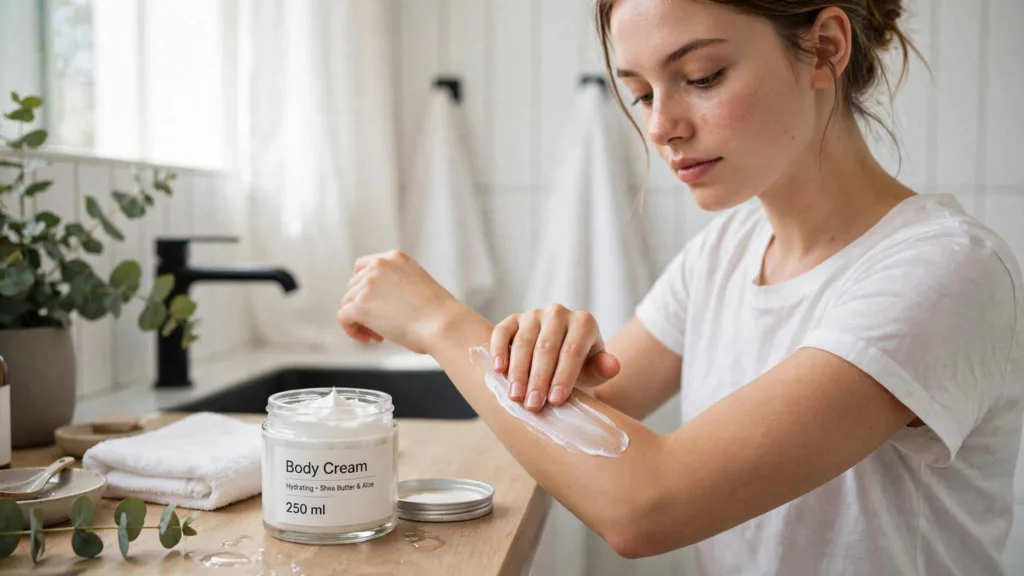
Pat your face with a clean towel. Never rub. Rubbing drags the skin and causes irritation over time. Within a minute, while skin is still slightly damp, apply your moisturizer. Damp skin absorbs product better than dry skin. Then continue with the rest of your nighttime skincare routine, thinnest formulas first.

Why Two Cleansers Beat One
It comes down to a simple chemistry rule: like dissolves like. Oil-based residue answers to oil, not water. A gel wash alone cannot fully break down a day of SPF, waterproof mascara, or pollution-bound sebum. The oil step handles that job first. The second wash then clears the loosened mixture along with everything water-soluble. The benefits show up fast for most people. Expect fewer clogged pores, calmer breakouts, and serums that sink in instead of sitting on film. Dermatologist Dr. Jane Wu of Cleveland Clinic says it best.
“Double cleansing means cleansing your face twice, first with an oil-based product and then followed by a water-based cleanser.” None of this requires harsh scrubs or stripping formulas. Gentle does the heavy lifting here.
Double Cleansing for Your Skin Type
Every skin type can double cleanse. The pairing is what changes.
Oily and Acne-Prone Skin
Use a lightweight cleansing oil first, then a gel or foam cleanser with salicylic acid. Look for the non-comedogenic label on both bottles. The oil step will not make you oilier. It lifts excess sebum so the second cleanse can finish the job without scrubbing.
Dry Skin
Pick a nourishing cleansing balm, then a cream or lotion cleanser. Choose fragrance-free formulas and skip foaming washes that leave skin tight. Your face should feel soft after rinsing, never parched. Apply moisturizer immediately while skin is still damp.
Sensitive Skin
Choose fragrance-free and dye-free products for both steps. Patch test each new product on your jawline for 24 hours first. If redness or stinging appears, stop and simplify. A balm plus a milky cleanser is the gentlest pairing for reactive skin.
Combination Skin
Use a balm or light oil first, then a gel cleanser second. Spend the massage time on your oily T-zone and go lighter on drier cheeks. If one zone complains, adjust that product instead of dropping the routine.
Choosing Your Cleansers Without the Guesswork
Cleansing oils suit heavy makeup and waterproof sunscreen. Balms do the same job with a richer texture that dry skin tends to like. Micellar water works in a pinch, but it does not dissolve sunscreen film as deeply as a true oil. Match the second-step texture to your skin. Gel suits oily skin. Foam suits normal to combination. Cream or lotion suits dry. Read the labels before you buy. Non-comedogenic, fragrance-free, and sulfate-free are the three markers worth your trust. Patch test anything new on your jawline for a day before it earns a spot in your routine. For a visual walkthrough of the technique, see Bioderma’s step-by-step cleansing guide.
The 60-Second Rule That Makes It Work
Here is the detail most people skip: time. Massage each cleanser for a full 60 seconds. That minute lets the oil actually dissolve sunscreen instead of just smearing it around. It also keeps you from rushing the water step, where residue hides along the hairline and jaw. Set a quiet timer the first week until the rhythm sticks. Sixty seconds feels long at first. That is normal.
5 Mistakes That Undo Double Cleansing
The method is simple, which makes the errors easy to miss. Fix these five and the routine does the rest.
Washing With Hot Water
Hot water feels satisfying and strips your barrier at the same time. Lukewarm is the standard dermatologists back. Eucerin’s dermatologist-backed guide to washing your face explains why temperature matters more than pressure. If your face looks flushed after washing, the water was too hot.
Scrubbing Like You Mean It
Your fingertips are the only tool you need. Washcloths, brushes, and hard scrubbing create friction that irritates skin and worsens breakouts. Let the products do the dissolving. Your job is the massage, not the muscle.
Skipping the Second Cleanse
This is the big one. Oil alone leaves a film that traps everything underneath it. The water-based second step is what actually clears the mixture away. Without it, you have done half a routine and kept all the risk.
Double Cleansing Twice a Day
Morning skin carries overnight oil and product, not sunscreen and city grime. One gentle wash is enough at sunrise. Save the full two-step ritual for the evening. Over-cleansing dries skin out and can trigger rebound oil.
Using Harsh or Mismatched Products
A stripping foam after a gentle oil defeats the purpose. Match both cleansers to your skin type. If your skin runs sensitive, keep strong actives out of the second step. Simple formulas, used in the right order, outperform aggressive ones.
Should You Double Cleanse Every Night?
Most nights, yes. Anyone who wears sunscreen or makeup daily gets the full benefit. SPF film is the hardest thing a single wash faces. Even on bare-faced days, sunscreen alone justifies the oil step. On rest days, or when sensitive skin flares, drop back to a single gentle cleanse and listen to your face. Make it the default, not a law. Once your face is clean, the correct order to layer your skincare products decides how well everything else performs.
Double Cleansing FAQs
Quick answers, each one self-contained.
Can I Double Cleanse If I Don’t Wear Makeup?
Yes. Sunscreen, sebum, and pollution build up even on bare faces. The oil step dissolves them so the second wash can finish cleanly.
Is Double Cleansing Good for Oily Skin?
Yes, when both products suit oily skin. A light oil plus a gel cleanser removes excess sebum without the stripping that triggers rebound oil.
How Long Should Each Cleanse Take?
About 60 seconds of massage per step, then rinse. Three to four minutes total covers the full routine on most nights.
Can Double Cleansing Cause Breakouts?
It can if products clog pores or the second step gets skipped. Use non-comedogenic formulas, rinse fully, and introduce one product at a time.
Do I Need Expensive Products to Double Cleanse?
No. Drugstore cleansing oils and gentle gel washes work well. Formula fit matters far more than price.
Should I Double Cleanse in the Morning Too?
Usually not. Morning skin needs one gentle wash. Save the two-step ritual for evenings when buildup is heaviest.
Signs Double Cleansing Is Working
Give it two weeks before you judge. The first sign is how your face feels right after washing: clean but comfortable, never tight or squeaky. Next, check your nose and chin. Fewer blackheads and less midday shine mean the oil step is doing its job. Your other products should absorb faster too, since no film blocks them. One warning sign matters: new dryness or flaking. That usually means your second cleanser is too strong or you are cleansing too often. Swap to a gentler formula or drop to every other night. The routine should calm your skin, not challenge it.
Final Thoughts
Double cleansing is a small habit with an outsized payoff. Expect truly clean pores, calmer skin, and products that finally absorb. The whole ritual takes four minutes and two products you probably already own. Tonight, add the oil step before your regular cleanser. Notice how your moisturizer sinks in tomorrow morning. That single change is the whole method. Start there and adjust the products as your skin responds.