Skin Prep Before Makeup For A Smoother Foundation Base

Skin prep before makeup can help foundation apply more evenly without turning your morning into a long product routine. Start with clean, comfortable skin and daytime sun protection. Add extra layers only when they solve a problem you can identify.
A serum may help if your skin feels dry, while primer can change the finish in selected areas. Neither is compulsory. The useful question is how your actual products feel together, rather than whether you completed every possible step.
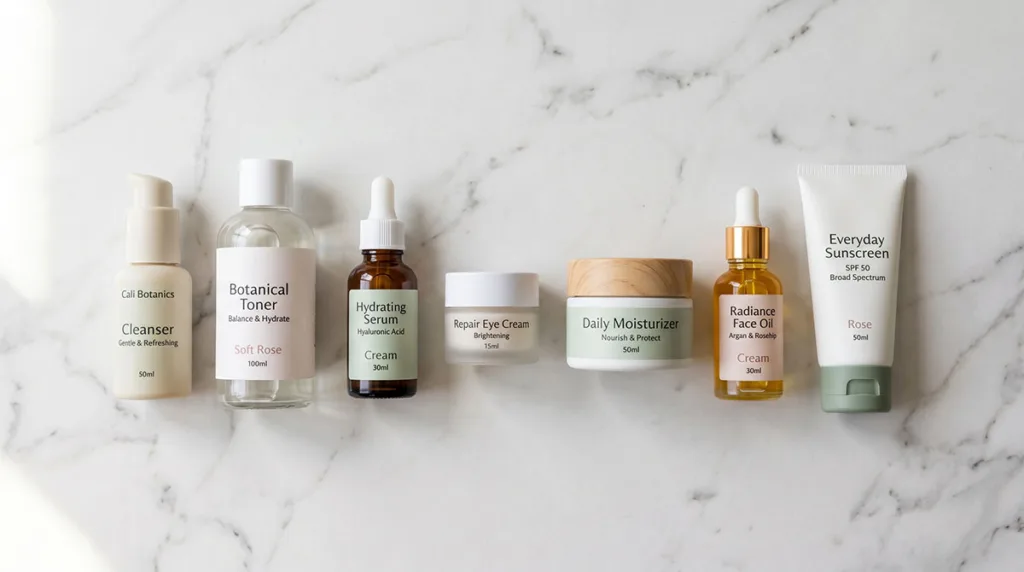
For daytime makeup, the basic order is cleansing, suitable skincare, sunscreen, then makeup. The five stages below show where optional serum and primer fit. They also explain what to adjust when products pill, foundation looks patchy, or your skin feels uncomfortable. You can begin with products you already tolerate and compare one change at a time.
What Skin Prep Can And Cannot Do
Prep can change how makeup spreads and how comfortable the skin feels beneath it. It cannot erase pores, eliminate every line, or guarantee all-day wear.
Check your starting point before adding products. Skin that feels tight may need a different approach from a comfortable face with surface shine. A flaky patch also deserves gentler handling than a smooth area.
Foundation formula, amount, tools, weather, and activity can affect the result. Avoid blaming skincare alone when the same makeup wears differently on different days.
Skin Prep Before Makeup: The Order
Keep prescribed treatments in the order your clinician recommends. For the remaining products, follow their directions rather than applying a universal thin-to-thick rule.
Begin with cleansing, then use the skincare you need before sunscreen. Primer comes after sunscreen if you choose to use it.
Step 1: Cleanse Gently
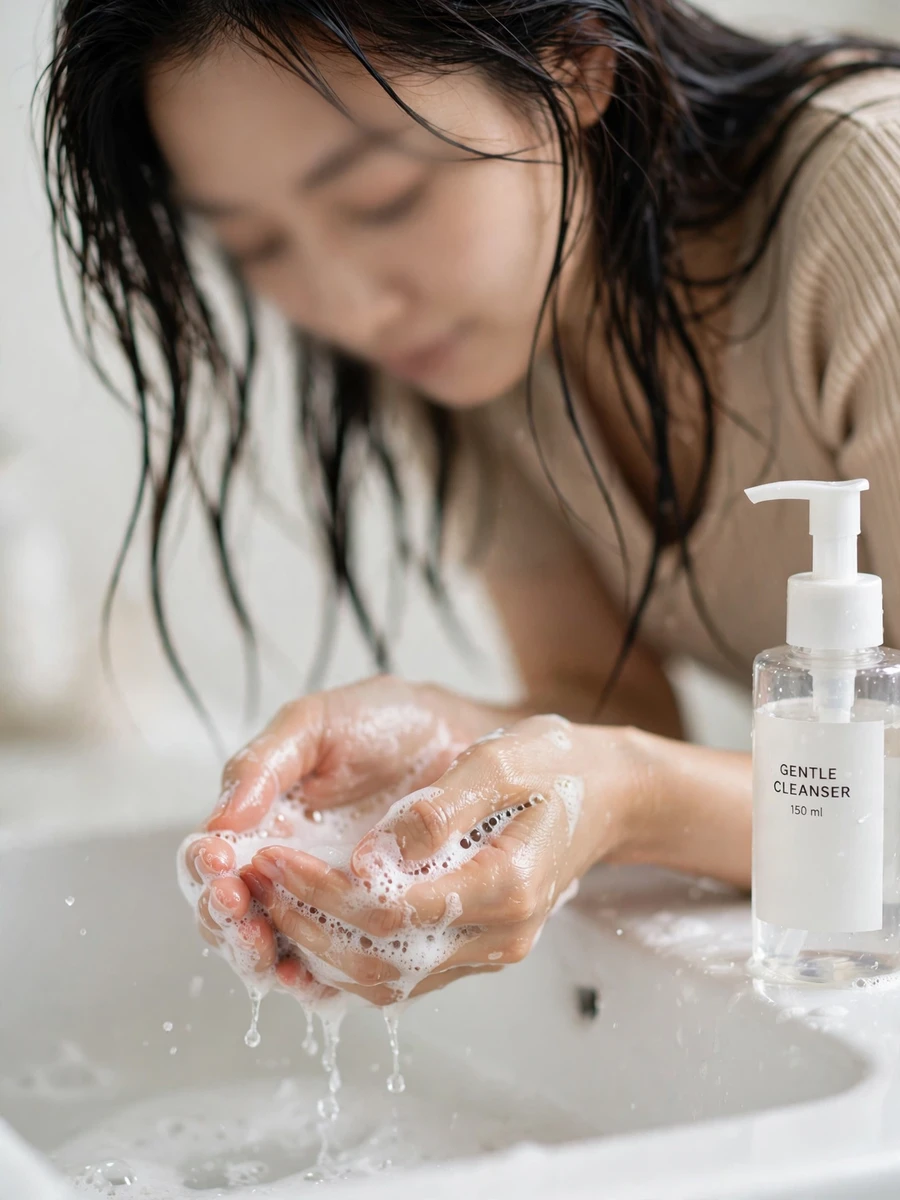
Wash with a familiar gentle cleanser and lukewarm water. Use light fingertip pressure, rinse, and pat dry without scrubbing.
Remove residue without repeatedly washing the same area. If cleansing leaves your face tight or stinging, adding more makeup products is unlikely to solve the discomfort.
Keep brushes and sponges clean too. A comfortable starting surface and clean tools make it easier to assess the products you apply next.
Step 2: Add Serum Only If Useful
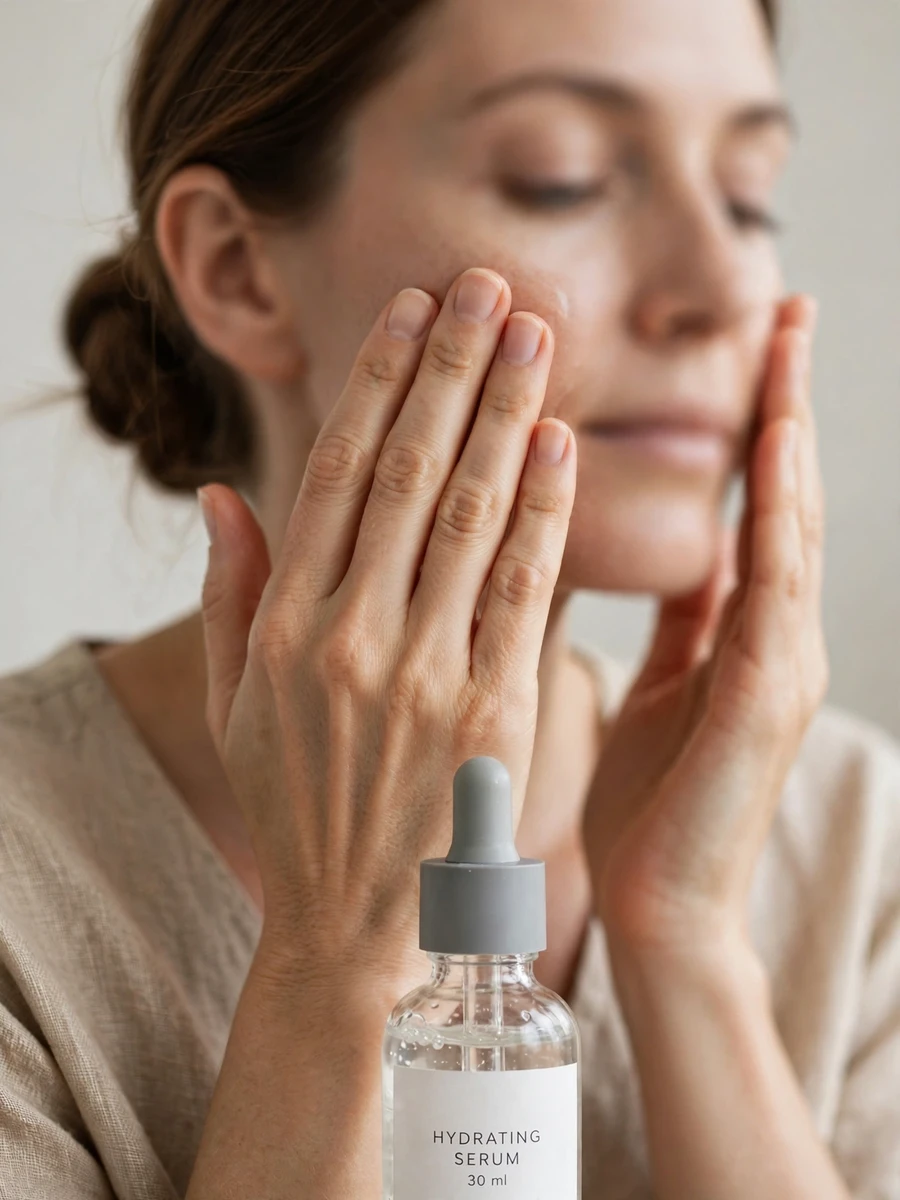
A hydrating serum is optional. Use it if it improves comfort or works well within your existing routine.
Follow the product directions for amount and whether to apply it to damp or dry skin. Two drops are not a universal dose because formulas and droppers differ.
You can skip this stage if moisturizer provides enough hydration. A face that already feels comfortable does not need a serum merely to complete a five-product lineup.
Step 3: Moisturize For Comfort
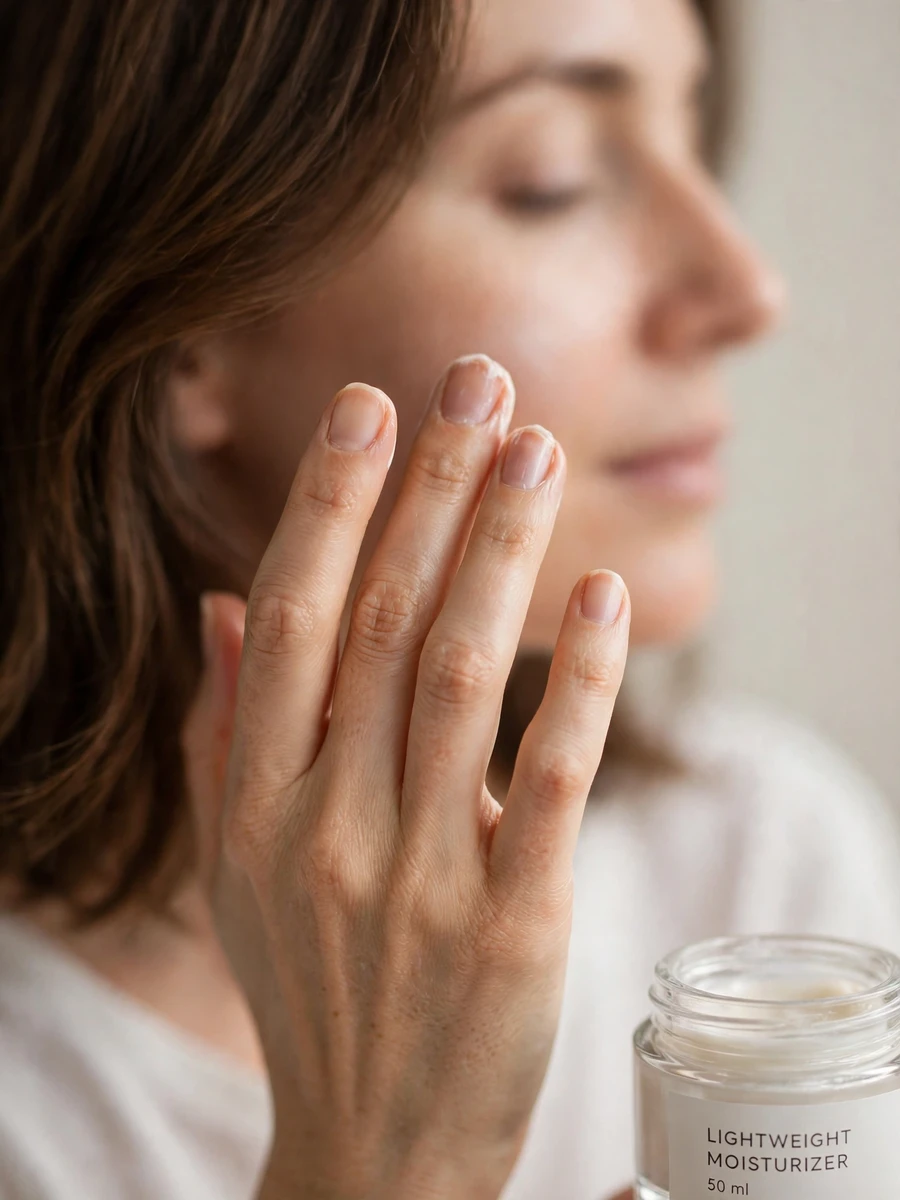
Choose a moisturizer you tolerate and apply enough to address dryness without leaving an unnecessarily heavy layer. Oily skin can still benefit from moisturizing.
A light lotion may feel preferable on shiny areas, while drier patches may need more cream. Adjust by comfort and product directions rather than a fixed pea-sized amount.
Night and day labels do not predict every formula’s behavior under makeup. Judge the actual finish and avoid introducing unfamiliar ingredients before an important event.
Step 4: Apply Daytime Sunscreen

For daytime outdoor exposure, choose broad-spectrum, water-resistant sunscreen with SPF 30 or higher. Apply the labeled amount rather than reducing it to make foundation easier to blend.
The American Academy of Dermatology places sunscreen after skincare and beneath makeup. Its guidance says to apply it 15 minutes before going outdoors.
Follow the sunscreen directions about application and reapplication. Let its surface settle before adding makeup, without confusing that pause with the time before outdoor exposure.
Do not mix sunscreen into moisturizer or foundation to save a step. A moisturizer containing SPF can be an option when used according to its sun-protection directions.
Step 5: Use Primer Where It Helps
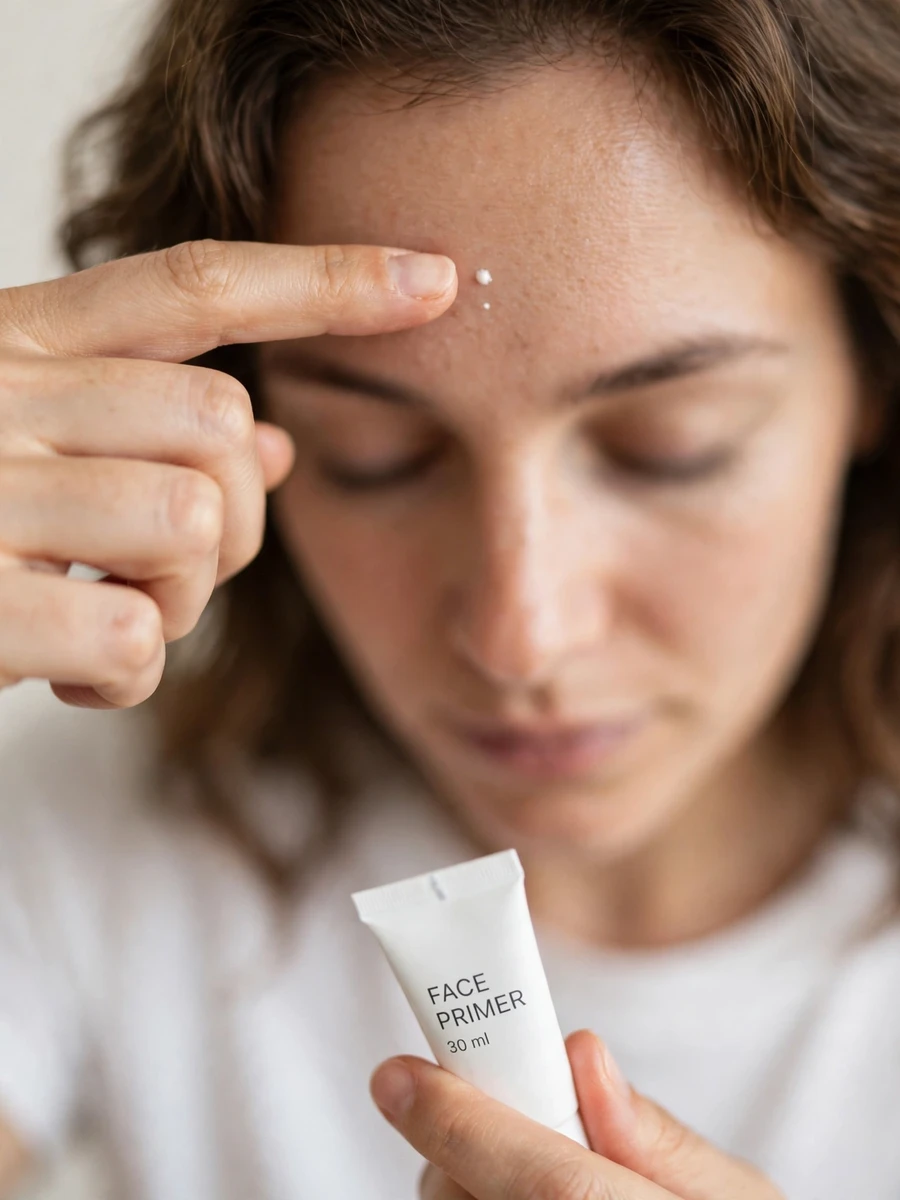
Primer is optional and belongs after sunscreen. Try it where you want a different finish, such as a less shiny forehead or a smoother-looking nose.
Start with the product’s suggested amount and placement. Some formulas suit targeted use, while others have directions for broader application.
Compare a familiar foundation with and without primer on separate occasions. Keep the other products similar so the comparison tells you something useful. You do not need primer if you prefer the result without it.
Choose Products By Their Finished Performance
Labels such as hydrating, mattifying, and smoothing describe intended effects. They do not guarantee how a primer will behave with your skincare, sunscreen, and foundation.
Water listed first does not establish compatibility, and silicone ingredients can appear alongside water. Ingredient lists alone cannot reliably predict whether two finished formulas will pill.
Check manufacturer guidance, then test the combination you intend to wear. Stop if you develop irritation rather than repeating an application to make the formula work.
| Your Main Concern | An Option To Test | What To Watch |
|---|---|---|
| Shine in selected areas | Targeted mattifying primer | Dryness or a tight feel |
| Dryness beneath foundation | More suitable moisturizer | Comfort without excess residue |
| Uneven-looking texture | Smoothing primer | Whether the finish improves |
| Comfortable skin and good wear | No additional primer | Whether extra layers add value |
Allow Layers To Settle Without A Stopwatch
There is no single waiting period that suits every formula. Check the directions and notice whether a layer moves or rolls when you begin the next one.
In a MEGA interview about skin preparation, artist Jake Galvez recommends letting products absorb before adding another layer. Treat that as practical styling advice rather than a fixed medical timetable.
Plan your morning around sunscreen directions and your departure time. You might style your hair while a layer settles instead of adding another product during the pause.
A product that remains sticky may have that intended finish. Do not keep waiting for every layer to become completely dry if its directions describe something different.
Adjust The Routine To Your Skin
Use skin type as a starting point, then assess how your face feels that day. Dry cheeks and a shiny forehead may need different amounts of the same moisturizer.
Keep changes small enough to evaluate. Buying several new primers at once makes it harder to identify which formula helps.
Oily Or Combination Skin
Try a comfortable, noncomedogenic moisturizer after cleansing. Oily skin does not automatically need a richer cream or a separate primer for every zone.
If shine develops, blot with light pressure rather than rubbing. Check whether your foundation amount also affects patchiness before changing all your skincare.
Dry Or Reactive Skin
Use familiar products and avoid rubbing flakes away immediately before foundation. Persistent scaling, burning, or redness deserves attention beyond a makeup adjustment.
A separate eye cream is optional. Keep products away from the eyes unless intended for that area, and follow their directions.
A Simple Beginner Version
Start with gentle cleansing, moisturizer as needed, and daytime sunscreen before makeup. Skip optional serum and primer while you learn how the basic combination wears.
Our skincare patch-testing guide explains how to introduce an unfamiliar product. A home test cannot guarantee that your face will tolerate it.
Keep Exfoliation Separate From Emergency Prep
Exfoliation is not a required makeup step. Doing it the previous night is not a guarantee against irritation the next morning.
Follow an established schedule that suits your skin and current treatments. Retinoids and some acne products can increase sensitivity, so ask about compatibility if you are unsure.
Avoid starting a stronger exfoliant just before an event. Do not exfoliate sunburned, broken, or irritated skin to make foundation look smoother.
Troubleshoot One Problem At A Time
Pilling, separation, and sliding can have several causes. Note when the change appears rather than assuming it proves a silicone-and-water clash.
Keep a short record of the products, amounts, and application order. Compare one change during an ordinary day before relying on it for an event.
Products Roll Into Small Balls
Try less of an optional serum or primer, lighter blending pressure, or more settling time where directions allow. Do not reduce sunscreen below its labeled amount.
If you remove sunscreen while correcting pilling, restore adequate coverage according to its directions. A visible makeup repair does not show that sun protection remains intact.
Foundation Looks Patchy Or Shiny

Blot excess oil with a clean sheet, pressing rather than dragging. Add a small amount of makeup only where you want coverage.
Avoid layering powder repeatedly over discomfort or flaking. Our sensitive-skin routine guide offers a simpler approach when skin feels reactive.
Maintain Sun Protection After Makeup
When outdoors, reapply sunscreen about every two hours and after swimming or sweating, following the label. Makeup does not remove that need.
Do not assume a light powder dusting or brief mist provides the labeled protection. Use a method that lets you apply the required amount.
Do not spray sunscreen directly onto your face or inhale it. Follow facial-use directions, which may involve applying spray to your hands first. Shade and protective clothing also matter.
FAQs
Your routine can be shorter than the illustrated sequence. These answers clarify which choices are optional and which depend on product directions.
Do I Need Both Serum And Moisturizer?
No. A hydrating serum is optional. Use moisturizer according to your skin’s needs, and skip extra layers that do not improve comfort or makeup application.
Is Primer Necessary Before Foundation?
No. Primer can change the finish in selected areas, but foundation can work without it. Test whether it improves your actual product combination.
Where Does Sunscreen Go?
Apply sunscreen after suitable skincare and before primer or makeup. Follow its directions, including the time before outdoor exposure and reapplication.
How Long Should I Wait Between Layers?
Follow product directions rather than a universal timer. Allow a layer to settle enough for the next application without rolling or disturbing it.
Does Water First Mean My Foundation Is Water-Based?
Water first does not reliably predict compatibility with primer. Formulas can contain both water and silicones, so assess the finished products together.
Should I Exfoliate Before An Event?
Avoid introducing or intensifying exfoliation immediately before an event. Follow a familiar schedule suited to your skin and current treatments.
Can I Skip Sunscreen In A Beginner Routine?
A shorter daytime routine should preserve sun protection for outdoor exposure. Remove optional serum or primer rather than omitting sunscreen to save time.
Test One Useful Change
Useful skin prep before makeup starts with products you can tolerate and a sequence you can repeat. A new layer should address a clear concern, such as uncomfortable dryness or unwanted shine. Keep the rest of your routine familiar while you compare the result. Test one optional change on an ordinary day and note how your skin feels before judging the makeup finish.