How to Get Glowy Skin With Korean Beauty Products Fast

Why does your skin never look like the glowy K-beauty pins you saved? You’ve tried the serums, the sheet masks, maybe even the full ten-step routine. The mirror still shows dull, tired skin instead of glass skin.
That gap between what you saved and what you see isn’t about missing one holy grail product. It comes down to order and match. Korean beauty products work by layering hydration correctly, then choosing formulas built for your specific skin type, not whatever is trending this week. Get that system right, and softer, more radiant skin can show up in days, not months.
This guide breaks down the real Korean beauty product routine, the four Korean glow styles, and the fastest path to visible glow. If you have wondered how to get glowy skin with Korean beauty products without guessing your way through ten random bottles, this is that answer. Your next saved pin can finally become your own reflection.
What Makes Korean Skincare Look So Glowy
Korean skincare treats hydration like the whole foundation, not some extra step you tack on. Instead of one heavy cream, it layers several lightweight products so moisture builds up slowly. That’s why the finish looks like glass skin instead of greasy skin: smooth, plump, reflective. This is the real engine behind Korean skincare glow, layered moisture, not one standout product.
The routine also leans on fermented ingredients, ceramides, and niacinamide to repair the skin barrier before chasing brightness. Makes sense, right? A damaged barrier can’t hold moisture. So, skin looks dull no matter how many products you pile on. Fix the barrier first. The glow follows on its own.
Texture matters just as much as ingredients here. Korean formulas favor watery gels and light essences over thick, heavy creams. That lets you stack several hydrating layers without clogging pores or feeling weighed down by noon.
Skin tone plays a role too, in how the glow actually reads. Fair skin often shows the pink undertone of lustrous skin more easily. Deeper skin tones tend to show honey skin and water skin with real clarity. Neither look wins over the other. The technique just needs a small adjustment for your undertone.
Build Your Base: Cleansing, Toning, and Prep
Before any glow-boosting product touches your face, your skin needs a clean, balanced surface. This is where every real glass skin routine actually starts, not with the serum. Skip this step, and you’re just wasting good serum.
Double Cleanse First
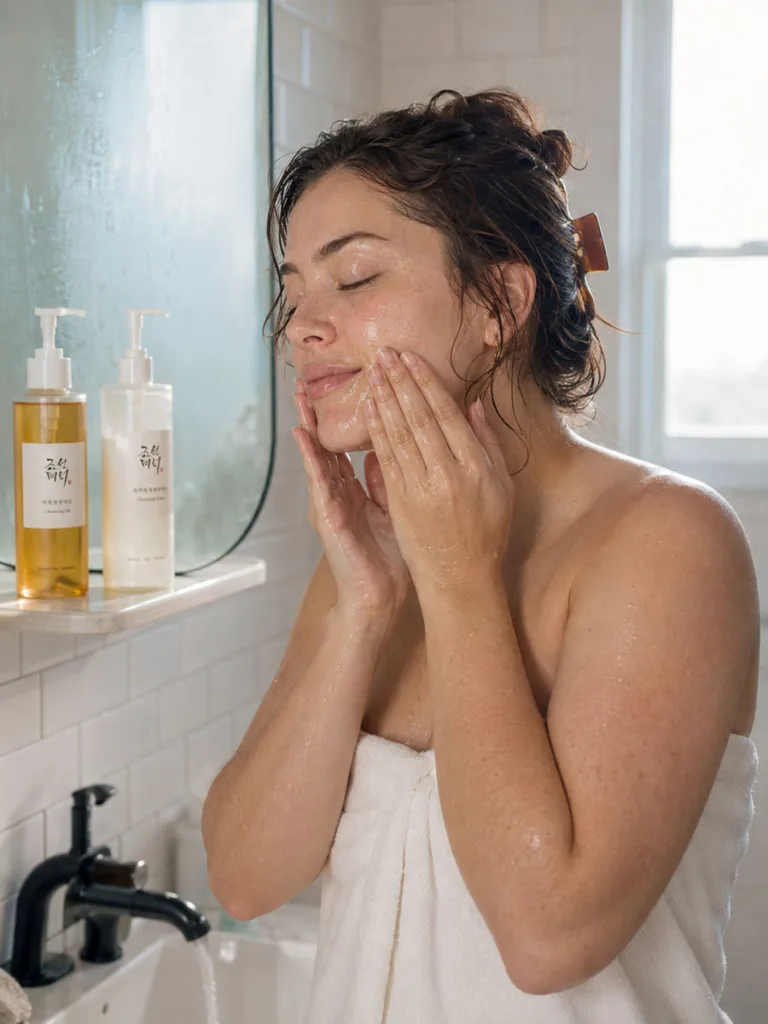
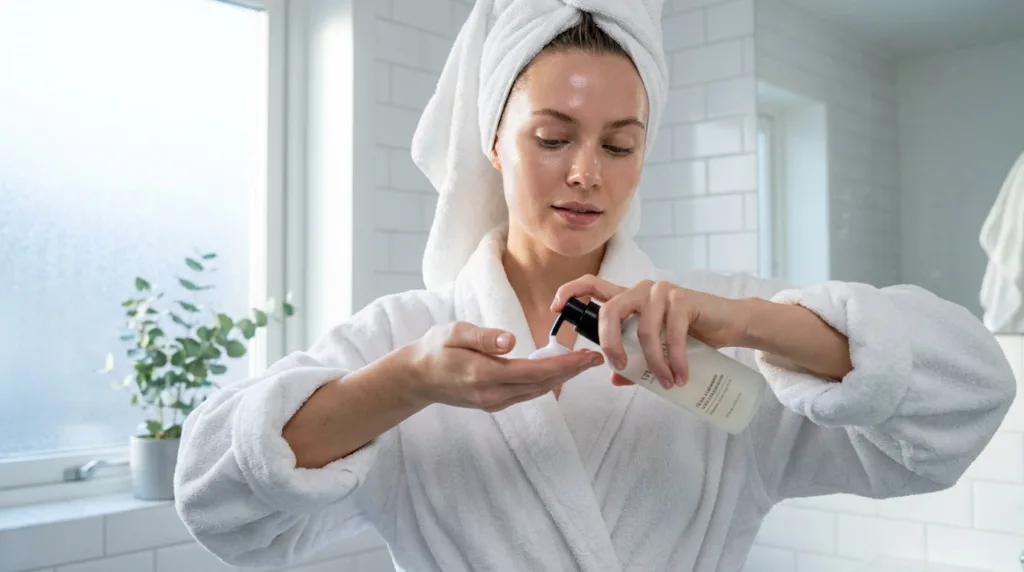
An oil cleanser dissolves sunscreen and makeup. Then a gentle water-based cleanser sweeps away sweat and leftover residue. Two steps, not one. If you wear makeup or sunscreen daily, the oil step is not optional. Skip it, and a thin film stays on your skin. That film blocks every product layered afterward, no matter how expensive it was.
Exfoliate and Tone
Exfoliate once or twice a week with a mild chemical exfoliant. This clears dead skin without stripping the barrier underneath. Tone right after cleansing with a hydrating, alcohol-free formula. It rebalances pH and preps your skin to actually absorb what comes next.
Rushing through these three steps is the biggest reason serums seem to “not work.” Clean, properly prepped skin holds moisture and absorbs treatments better than skin left with residue or a damaged barrier, a point backed by dermatology research on moisturizer function published in the Journal of the American Academy of Dermatology. One more thing: pat your face dry. Do not rub. Rubbing with a towel creates tiny friction that irritates the exact barrier you’re trying to strengthen.
Layer for Glow: Essence, Serum, and Ampoule
This is where the real glow gets built. Each layer adds its own benefit. Stacking them in the right order matters more than any single fancy product, and it is the core of K-beauty hydration.
The order, in short:
- Essence — thin, hydrating, goes on first
- Serum — concentrated, targets your specific concern
- Ampoule — optional booster, used a few times a week
Essence Goes First
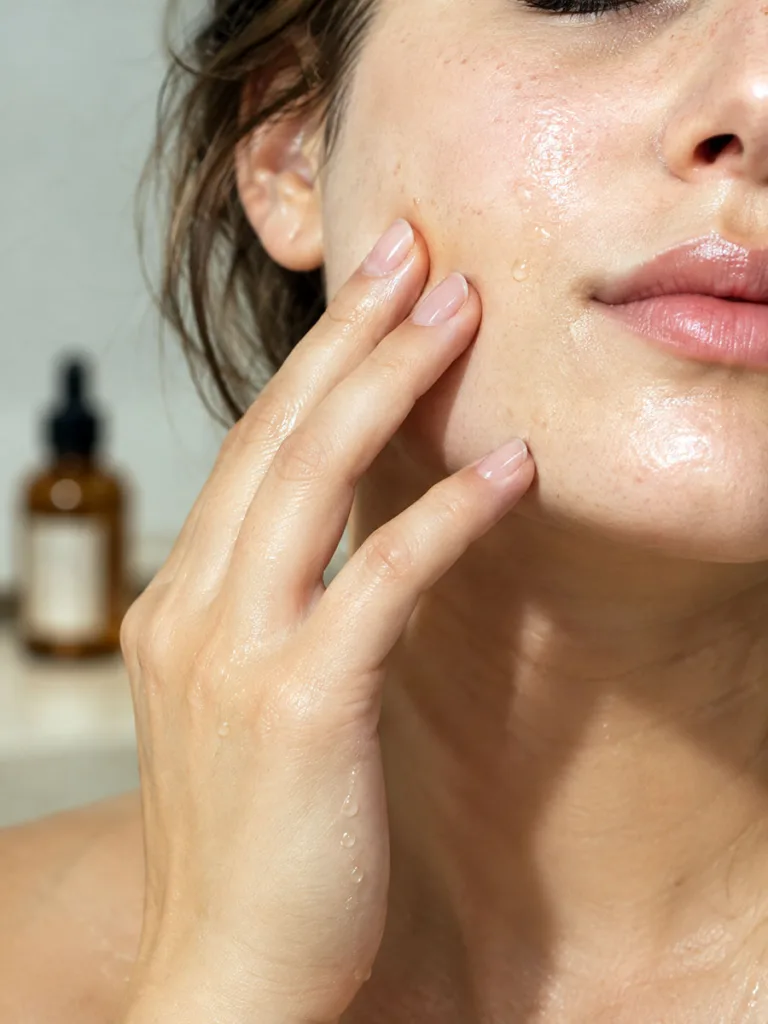
Essence is thinner than serum, almost watery in texture. It delivers a fast hit of hyaluronic acid or fermented extracts, priming skin to soak up the heavier layers coming next. Think of it as the bridge between toner and serum, not a step you can skip. A few drops, warmed between your palms, spread further than you would expect. Press it in gently and give it a minute before moving on.
Serum Targets Your Concern
Serum follows, and it should match what you actually need, not what is trending online. Pick vitamin C for brightness. Pick niacinamide for tone and pores. Pick peptides if firmness is the goal. This is the most concentrated step in the routine, so a little goes a long way. Apply it to slightly damp skin for better spread, and give it time to sink in before layering on moisturizer.
Ampoule Is Your Booster
Ampoule is optional, but it packs a real punch. Think of it as a concentrated shot, used a few times a week when skin needs extra help. After too much sun. During a dull-skin week. Before a big event when you want fast results. Ampoules pack a higher percentage of active ingredients than a regular serum, so they work faster but can also irritate sensitive skin if overused. Start with two or three nights a week and watch how your skin responds.
Pat, never rub, each layer in with your palms. Rubbing pulls at the skin and wastes half the product on your fingers.
The Four Korean Glow Styles and How to Get Each One
Korean beauty doesn’t chase just one type of glow. There are four distinct styles. Each one needs its own product approach. Pick the wrong one, and your routine can leave skin dewy but strangely flat instead of radiant.
The four styles, at a glance:
- Honey Skin — softly hydrated, lightly glazed
- Water Skin — plump, wet-look finish
- Lustrous Skin — strategic sheen, more makeup than skincare
- Inner Glow — the subtlest, built from habits, not products
Honey Skin (Kkul Gwang)

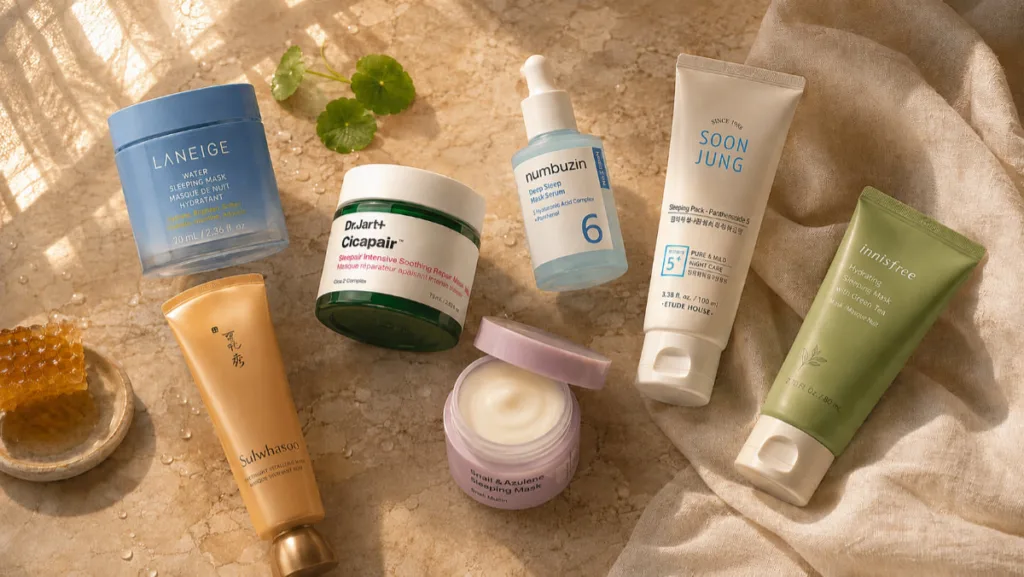
Honey skin looks softly hydrated, almost lightly glazed, like your face caught a warm shine from the inside. Use a nourishing overnight serum or a sleeping mask rich in humectants to build that look while you sleep. Skip mattifying powder the next morning. It fights the whole look and flattens everything you just built. This style suits drier climates and colder months especially well, since it leans on richer textures than the other three glow types.
Water Skin (Mul Gwang)

Water skin mimics that plumpness you get right after stepping out of a hot shower. Layer hyaluronic acid, glycerin, and a light gel moisturizer instead of reaching for one heavy cream. Each layer adds a thin film of moisture, and together they create that bouncy, wet-look finish everyone screenshots on social media. This style photographs beautifully but fades fast in dry air, so keep a hydrating mist nearby to refresh it through the day.
Lustrous Skin (Yun Gwang)

Lustrous skin is a strategic sheen placed on the high points of your face, where light naturally lands. Prep with a hydrating toner first, since dry skin won’t hold a highlighter well. Then add a dewy primer and a cream highlighter only where light naturally hits: cheekbones, brow bone, the bridge of your nose. This look leans more on makeup technique than skincare alone, which makes it the fastest style to pull off before an event.
Inner Glow (Sok Gwang)

Inner glow is the subtlest style, and honestly, the hardest one to fake. It comes from a strong skin barrier and consistent hydration, built over weeks, not one good product day. It comes from habits outside the bathroom cabinet too, like sleep, water intake, and stress levels, not just what sits on your shelf. There is no shortcut here. Consistency is the only ingredient that actually works.
Most people default to water skin because it photographs so well. But honey skin actually suits dry climates better. And lustrous skin works fastest when you need results for one big occasion.
Best Korean Beauty Products by Skin Type
Glow routines fail most often for one simple reason. People copy a routine built for the wrong skin type. Matching products to your actual skin changes everything.
- Oily And Combination Skin: Choose gel-based essences, oil-free sunscreen, and a niacinamide serum to control shine without losing glow.
- Dry Skin: Layer a hydrating toner, hyaluronic acid serum, and a ceramide-rich cream to lock in moisture overnight.
- Sensitive Skin: Pick fragrance-free formulas with centella asiatica or panthenol. Patch test every new product for 48 hours.
- Combination Skin: Use lighter layers on the T-zone. Save the richer cream for your cheeks only.
Skin type shifts with the seasons. Reassess your routine every few months instead of sticking to one setup all year.
Budget vs. High-End Korean Beauty Products
You don’t need a full luxury shelf to get glowy skin. Truly. Many drugstore Korean brands, like COSRX and The Face Shop, use the same hyaluronic acid and niacinamide actives found in premium lines. Just at a fraction of the price.
So where does a splurge actually pay off? Sunscreen texture and essence quality. Higher-end formulas tend to feel lighter under makeup. They layer more smoothly too, and that matters when you’re stacking five or six products a day.
Here is a smart approach:
- Buy Budget: cleansers, toners, sheet masks — you burn through these fast
- Splurge A Little: the one serum or essence tackling your specific concern
- Splurge More: sunscreen, since texture and reapplication comfort matter daily
Mistakes That Flatten Your Glow
Even a well-stocked routine can fail. Usually, a few sneaky habits are to blame, the ones dermatologists flag again and again in Korean skincare routines.
The four biggest culprits:
- Overloading on actives
- Layering out of order
- Rushing the layers
- Switching products too often
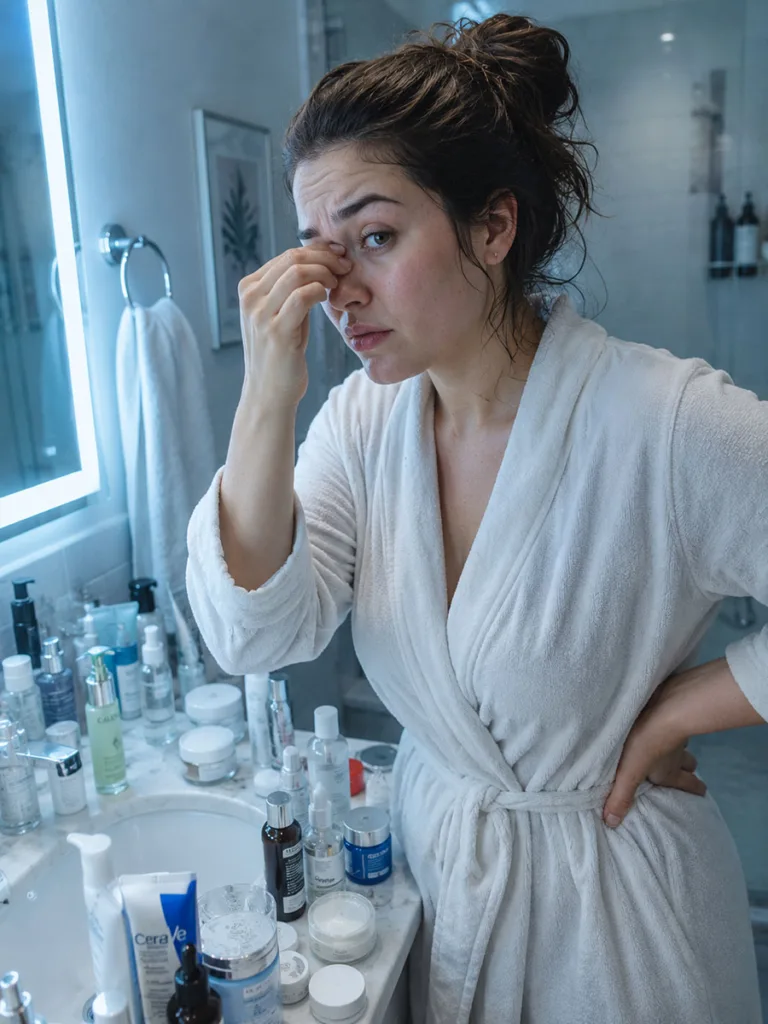
Overloading on Actives
Mixing retinol, vitamin C, and exfoliating acids all at once irritates skin fast. It disrupts the barrier you worked so hard to build. Skipping sunscreen undoes your brightening work even faster, since UV damage causes dullness and uneven tone within days. And over-exfoliating past twice a week? That strips the very barrier hydration depends on.
Layering Out of Order
Layering products in the wrong order blocks absorption too. Always move from the thinnest to the thickest texture: toner, essence, serum, moisturizer, then sunscreen last in the morning.
Rushing the Layers
Applying products to damp instead of dry skin can cause pilling, where product balls up instead of soaking in. Wait 30 to 60 seconds between layers. Let each one settle before the next goes on.
Switching Products Too Often
Skin needs several weeks of steady use to show real change. Jump to a new serum every week, and you reset that clock every single time. Give one routine at least a month before judging it.
How Long Until You See Results
Glow doesn’t show up overnight. No matter what one sheet mask promises. Most people notice surface hydration and softness within 3 to 5 days of consistent double cleansing and layering.
Visible tone improvement from serums like vitamin C or niacinamide takes longer, around 4 to 6 weeks, since skin cell turnover runs on a roughly 28-day cycle. Deeper barrier repair, the kind that creates lasting inner glow, takes 8 to 12 weeks of steady use. Patience actually pays off here.
Your glow timeline:
- Days 3-5: surface hydration and softness
- Weeks 4-6: visible tone improvement
- Weeks 8-12: lasting barrier repair and inner glow
Quitting after two weeks because nothing “dramatic” happened? That is the most common reason people give up too early.
Track progress with photos instead of trusting your memory. Snap one in the same light, same time of day, once a week. Small changes are easy to miss day to day. But side by side after a month, they are obvious.
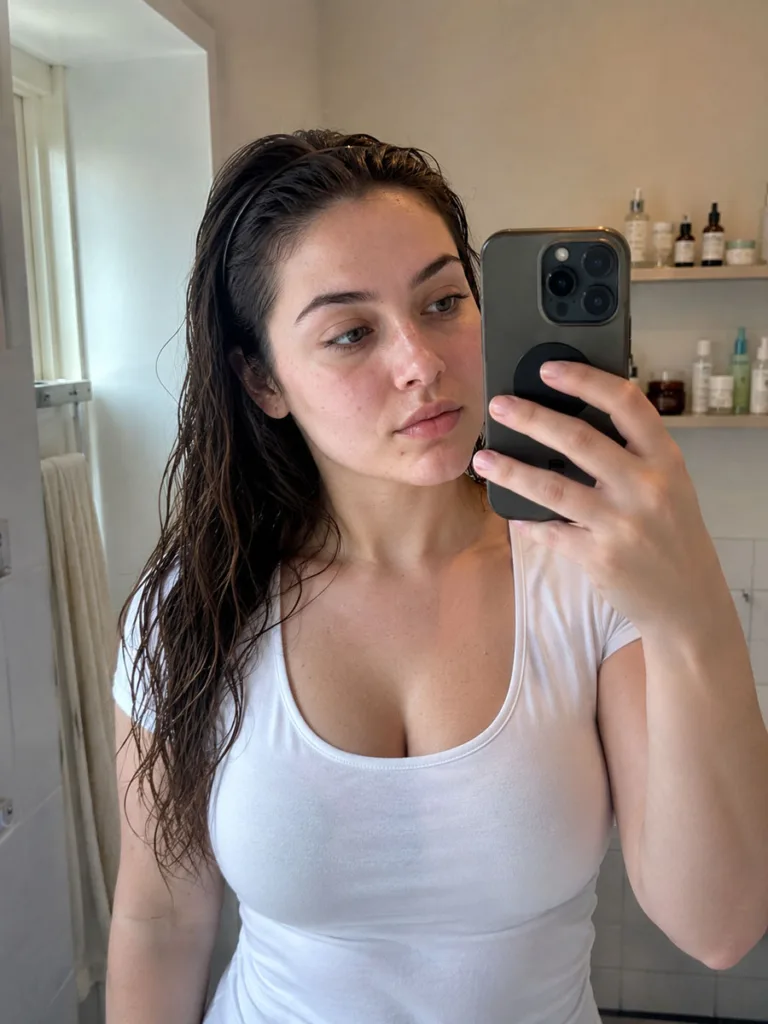
Starting condition matters too. Skin with sun damage or a compromised barrier from overexfoliating may need longer than the ranges above, sometimes an extra 2 to 4 weeks, before the glow becomes visible.
Lifestyle Habits That Support the Glow
Products handle the surface. Daily habits decide how much they can actually do. Sleep of 7 to 8 hours supports overnight skin repair. Chronic sleep loss raises cortisol and makes dullness worse.
Drinking enough water helps, and so does eating antioxidant-rich foods like berries and leafy greens. A diet high in sugar and processed food speeds up collagen breakdown, working against every serum in your routine.
Gentle facial massage with a gua sha tool, or just clean hands, improves circulation. It can reduce puffiness in minutes.
Stress management belongs in the routine too. High stress raises inflammation markers that show up as redness and breakouts. That undoes your progress, even when your product routine stays perfectly consistent.
Frequently Asked Questions
1. What is the fastest way to get glowy skin with Korean products?
Double cleanse, layer a hydrating essence and serum, then seal with moisturizer and daily sunscreen. Most people see softer, brighter skin within a week.
2. Do I need all 10 Korean skincare steps to see glow?
No. Cleansing, toning, a hydrating serum, moisturizer, and sunscreen cover the essentials. Add extra steps like ampoules only as needed.
3. Which Korean ingredient works best for glowing skin?
Niacinamide and hyaluronic acid are the most versatile. They brighten tone, boost hydration, and suit nearly every skin type.
4. Can oily skin get glass skin without looking greasy?
Yes. Use gel-based, oil-free formulas and skip heavy creams. Glass skin is about hydration, not oil.
5. How often should I use a sheet mask for glow?
Two to three times a week works well. Daily use can overhydrate skin and disrupt the barrier over time.
Start Your Glow Routine Today
Real glow comes from consistent layering, the right products for your skin, and daily sunscreen. Not one miracle step. Start tonight: double cleanse, tone, then add one essence and one serum matched to your skin type. Skip extra steps until your skin adjusts. Pick one Korean glow style from this guide, honey, water, lustrous, or inner, and build the next four weeks of your routine around it. Take a photo before you start, then check it again at the four-week mark, when real tone improvement usually shows. Consistency beats a packed shelf every single time.