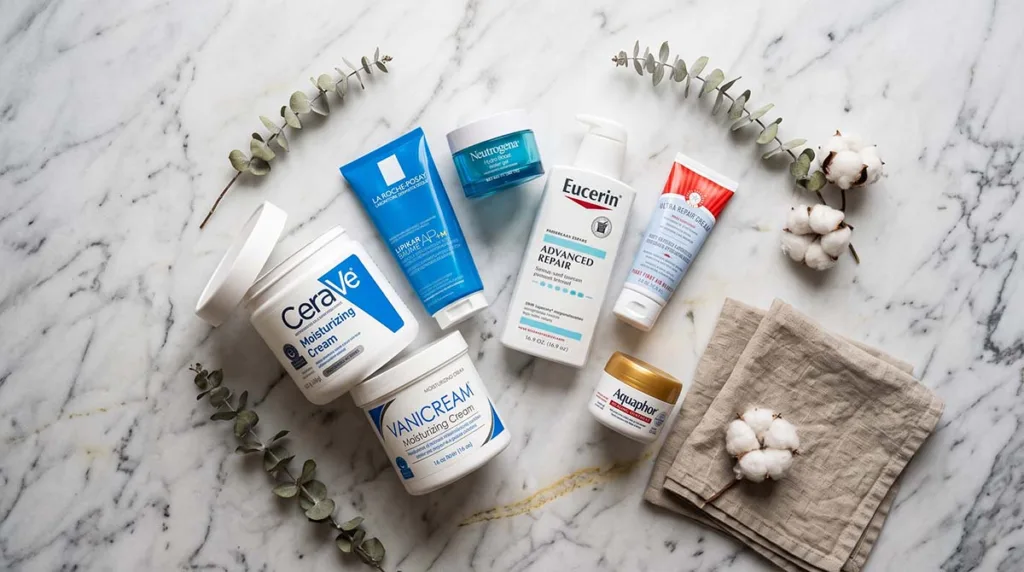
Glass Skin Routine for Beginners: Dewy Glow That Lasts

Most glass skin routine guides hand beginners a twelve-product shopping list and call it advice. That approach backfires more often than it works. A glass skin routine is a layered, hydration-first sequence that builds clear, translucent-looking skin over several weeks.
The Korean glass skin look comes from three things: a calm skin barrier, deep hydration, and daily sun protection. Nothing here requires expensive products or a dermatology degree. Start with four or five products. You need the right order, the right textures, and patience.
This guide covers a complete dewy skin routine for morning and night. If you want to know how to get glass skin without the confusion, start here: fewer products, better order. It also covers realistic timelines and the mistakes nobody warns you about. By the end, you will know exactly what to buy, what to skip, and when to expect results.
What Glass Skin Actually Means
Glass skin started as a Korean beauty ideal: skin so smooth and hydrated that it reflects light evenly. It describes clarity and bounce, not perfection. Pores, fine lines, and texture are normal parts of real skin. The goal is a healthy skin barrier that holds water well, which reads as translucency. That is why dermatologists treat this Korean glass skin look as a skin-health outcome, not a makeup finish.
Step 1: Double Cleanse At Night, Keep Mornings Simple

Everything in a glass skin routine builds on clean skin. At night, start with an oil-based cleanser massaged over dry skin for about a minute. It dissolves sunscreen, makeup, and the day’s oil without scrubbing. Follow with a gentle water-based cleanser to remove what remains. This pair is called double cleansing, and it keeps pores clear without stripping.
In the morning, skip the oil step. A single cleanse with a pH-balanced cleanser is enough, and very dry skin can rinse with water alone. Over-cleansing damages the skin barrier, which shows up as tightness and extra shine later in the day.
Step 2: Exfoliate Lightly, Twice A Week At Most
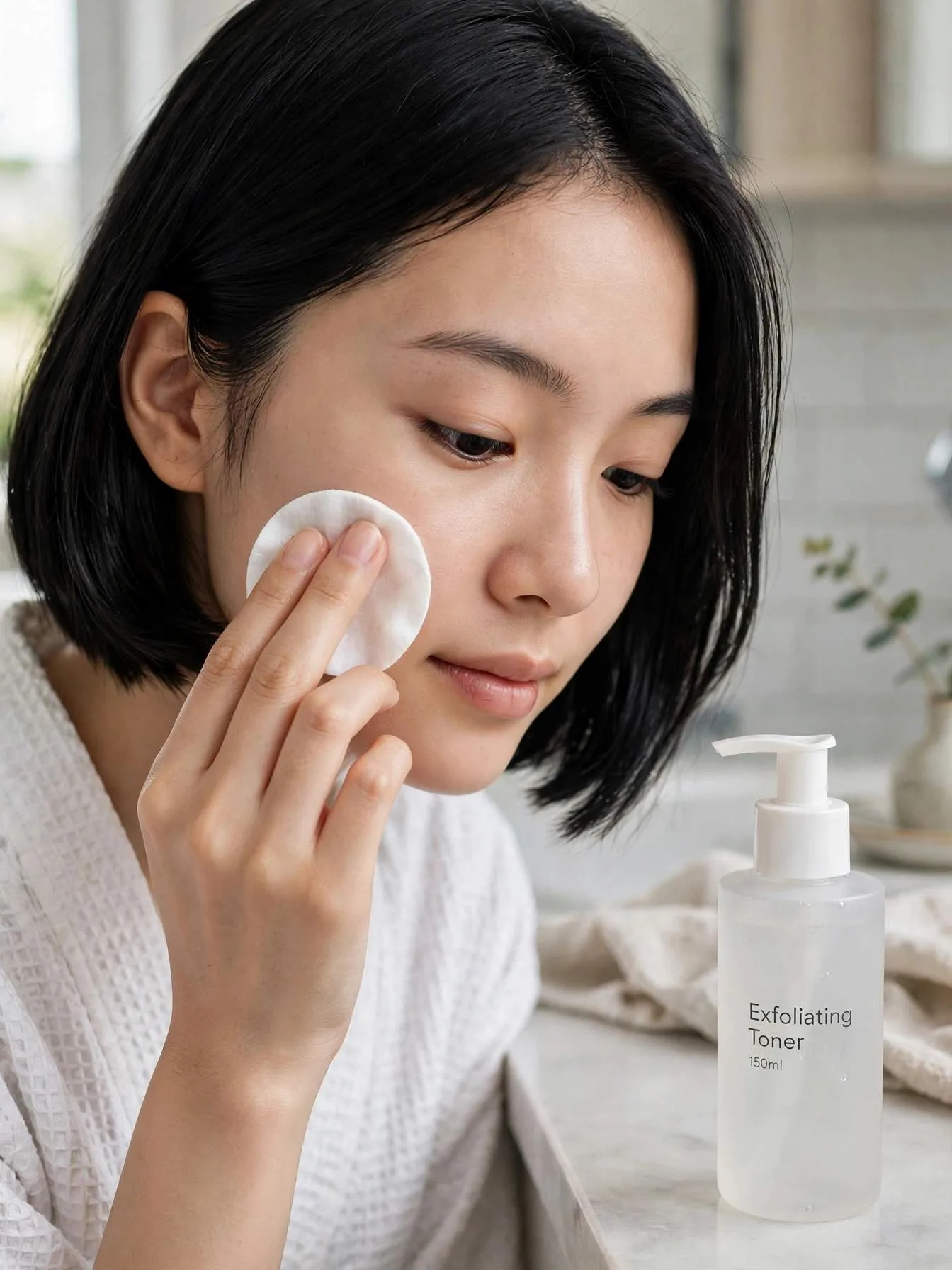
Dead skin cells dull the surface and block hydration from sinking in. A chemical exfoliant dissolves that buildup far more evenly than a scrub. Beginners do well with a mild AHA or BHA used once or twice a week. Oily or congested skin often responds to salicylic acid, while dry skin tends to prefer lactic acid.
Apply it after cleansing on dry skin, then wait a minute before layering anything else. If you notice stinging, redness, or new tightness, pause exfoliation for a week. More is not better here. Daily exfoliation is the fastest way beginners wreck an otherwise good dewy skin routine. Keep exfoliation nights calm: exfoliant, then moisturizer, then sleep.
Step 3: Flood Skin With A Hydrating Toner

Here is where the glassy look starts to build. A hydrating toner adds the first layer of water back into skin. Look for hyaluronic acid or glycerin high on the ingredient list. Press the toner in with your palms instead of swiping with cotton. Patting keeps the product on your face instead of on the pad.
Very dry skin can repeat this step two or three times, a habit some call the 7-skin method. Skip alcohol-heavy astringent toners. They strip oil and work against everything this routine is building.
Step 4: Press In An Essence

An essence is a thin, watery layer that sits between toner and serum. It boosts hydration and helps later products absorb more evenly. Classic formulas use fermented ingredients or snail mucin, but any lightweight hydrating essence works. For help picking one, see our roundup of the best Korean essences for glowing skin. Warm two or three drops between your palms and press them over your face and neck. Give it about a minute to settle before the next step.
If your budget is tight, this is the step you can skip first. A good toner plus serum covers most of the same ground.
Step 5: Treat With One Targeted Serum

Serum is where you address your main concern, so pick one and commit. Niacinamide helps with uneven tone and visible pores. Vitamin C supports brightness and works best in morning routines. Hyaluronic acid suits anyone whose main issue is dehydration. Three or four drops cover the whole face.
Do not stack multiple strong actives as a beginner. Vitamin C in the morning and exfoliating acids at night is plenty. Introduce any new serum alone for a week before adding anything else. Your skin tells you what works only when variables stay low.
Step 6: Seal Everything With Moisturizer

All that watery hydration escapes without a seal. Moisturizer locks it in and protects the skin barrier while you sleep or face the day. Formulas with ceramides suit most beginners because they mimic the skin’s own structure. Oily skin does well with a lightweight gel, while dry skin needs a richer cream.
Apply it as the last step before sunscreen in the morning. At night, it is the final layer unless you add a sleeping mask once or twice a week. Skipping this step is a classic oily-skin mistake. Dehydrated skin often produces more surface oil, not less.
Step 7: Finish With SPF Every Single Morning
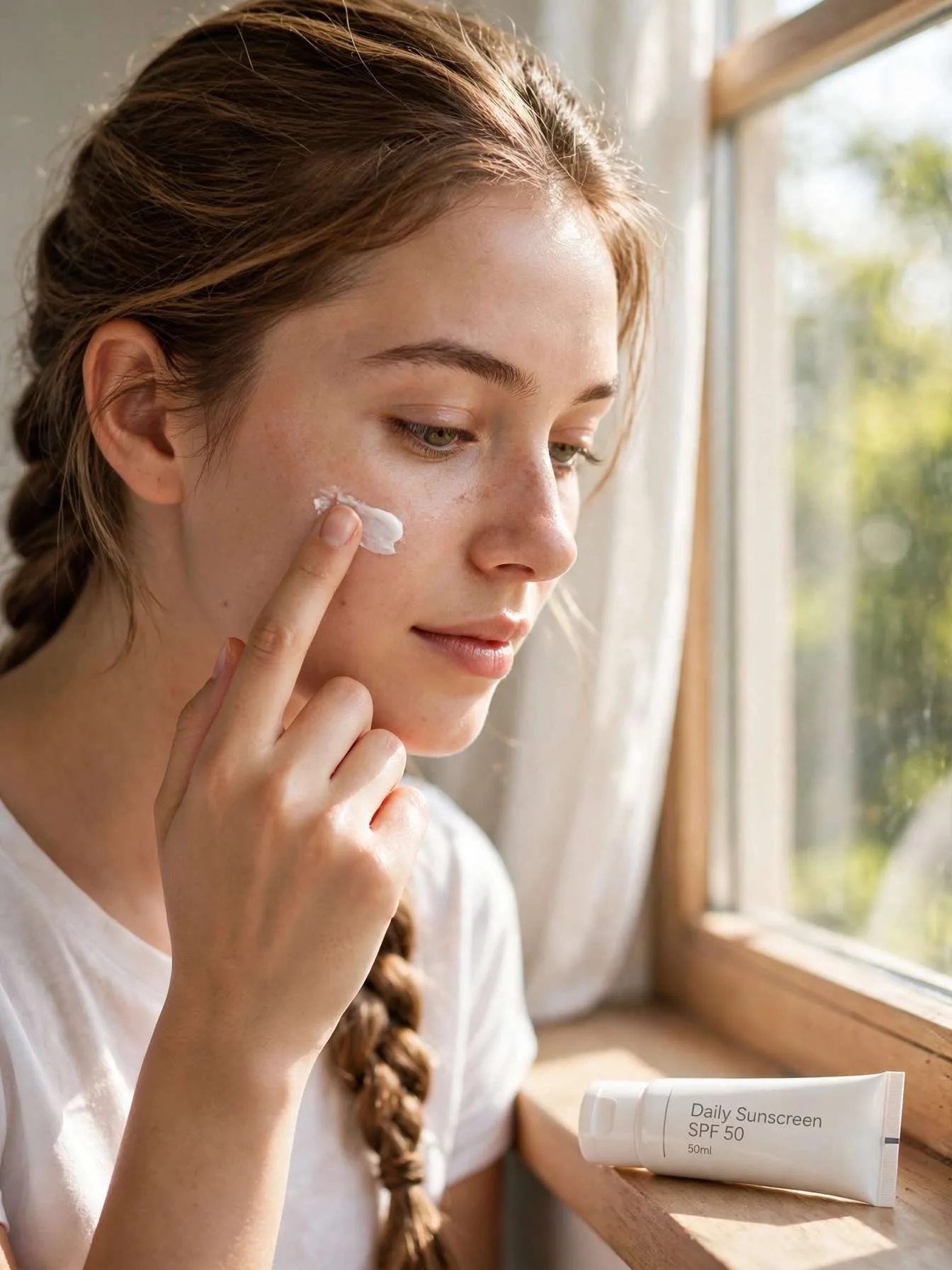
Sunlight breaks down collagen and triggers the dark spots your serum is trying to fade. No glass skin routine survives without daily sun protection. Choose SPF 30 at minimum; SPF 50 is the standard in most Korean glass skin routines. Apply it as the last morning step, about two finger-lengths for face and neck.
Reapply if you spend long stretches outdoors. Think of sunscreen as the step that protects every other step.
Your Glass Skin Routine: Morning Vs Evening
The seven steps stay the same, but morning and evening ask for different emphasis. Mornings focus on protection, so sunscreen is non-negotiable. Evenings focus on repair, so this is when exfoliation and richer layers belong. New to layering? Our skincare routine order guide explains the thinnest-to-thickest rule in detail. This split keeps your dewy skin routine protective by day and restorative by night.
| Morning | Evening |
|---|---|
| Gentle cleanser | Oil cleanser, then gentle cleanser |
| Hydrating toner | Hydrating toner |
| Essence | Essence |
| Vitamin C or niacinamide serum | Niacinamide or hydrating serum |
| Moisturizer | Moisturizer, or sleeping mask once or twice a week |
| SPF 30 or higher | Exfoliant once or twice a week, in place of serum |
What To Expect, Week By Week
Glass skin builds in layers, and so do the results. Anyone promising an overnight change is selling something. Here is an honest timeline for a consistent glass skin routine. If you searched how to get glass skin fast, know this: there is no shortcut.
- Weeks 1 to 2: Skin feels smoother and calmer as cleansing improves and the barrier settles.
- Weeks 3 to 4: Hydration layers start to show. Makeup sits better and dry patches fade.
- Weeks 5 to 8: The translucent glow appears for most consistent routines.
- Beyond 8 weeks: Maintenance mode. Keep the routine stable and adjust textures by season.
Dermatologist Dr. Mara Weinstein advises giving any new product six to eight weeks before judging it.
Mistakes That Quietly Ruin Glass Skin
Most failed glass skin routines share the same few errors. Check yours against this list before buying anything new.
- Exfoliating every day. Cap it at twice a week and watch for stinging or tightness, which signal a damaged barrier.
- Stacking too many actives at once. Use one targeted serum at a time and introduce new products a week apart.
- Layering too fast. Wait about sixty seconds between steps so each layer absorbs instead of pilling.
- Using too much product. Three or four drops of serum and a pea-sized amount of moisturizer are enough.
- Skipping sunscreen. UV exposure undoes brightening work every single day, even through windows.
- Quitting at week two. The visible payoff lands between weeks five and eight, so judge the routine then.
Adapting The Routine To Your Skin Type
The seven steps of a glass skin routine work for most skin, but textures and frequency should shift. Match the products to your skin type and the routine gets easier. When in doubt, choose the gentler option.
For Oily Skin
Pick gel or water-based textures at every step and avoid heavy oils. A niacinamide serum helps with visible pores and uneven tone. Use salicylic acid for exfoliation since it works inside the pore. Never skip moisturizer: a lightweight gel keeps hydration balanced. Finish with a gel or matte-finish SPF so the glow reads as glass, not grease.
For Dry Skin
Choose a cream or milky cleanser that never leaves skin tight. Repeat the hydrating toner two or three times and press each layer in. A richer cream with ceramides seals everything overnight. Add a sleeping mask twice a week in dry months. Pick a hydrating cream SPF so sunscreen adds comfort instead of dryness.
For Sensitive Skin
Keep every product fragrance-free and patch test each new one on your jawline first. Pause exfoliation until your skin feels consistently calm, then introduce a mild formula slowly. Centella asiatica and oat-based products tend to soothe reactive skin. A mineral SPF with zinc oxide often irritates less than chemical filters.
Is Glass Skin Right For You?
Honest answer: the routine suits most people, but the glassy finish is not owed to everyone. If you have rosacea flares, eczema, or inflamed acne, calm those first, ideally with a dermatologist. Layering acids over irritated skin makes things worse, not better. Also keep expectations real: pores do not disappear, and no routine changes bone structure or genetics. What this routine reliably delivers is healthier, better-hydrated skin, and that reads as glow on every face.
Frequently Asked Questions
Quick answers to the questions beginners ask most. Each one stands alone, so skip to what you need.
How Long Does A Glass Skin Routine Take To Work?
Most people see smoother texture in one to two weeks and visible glow in four to eight. Consistency matters more than product count. Give each new product at least six weeks.
Can Oily Skin Achieve Glass Skin?
Yes. Choose gel textures, a niacinamide serum, and a lightweight SPF. Hydrated skin often looks calmer and less shiny than stripped skin.
Do I Need Expensive Products For Glass Skin?
No. Drugstore staples with the right ingredients work well. What matters is the order of steps, suitable textures, and daily consistency.
Can Sensitive Skin Follow A Glass Skin Routine?
Yes, with adjustments. Use fragrance-free products, patch test everything, and skip exfoliation until your skin feels calm. Introduce one product at a time.
What Is The Difference Between Dewy Skin And Glass Skin?
Dewy describes a finish; glass skin describes clarity. Glass skin means even tone, smooth texture, and deep hydration that reflects light. Dewy makeup can fake the finish, not the health.
Should I Do All Seven Steps Every Day?
No. Cleanse, tone, moisturize, and SPF are daily. Exfoliate once or twice a week, and use sheet masks or sleeping masks as extras. A shorter routine you keep beats a long one you quit.
Final Thoughts
Glass skin is a habit, not a haul. Start with five products: a gentle cleanser, a hydrating toner, one serum, a moisturizer, and SPF. Add them one at a time over two weeks. Give your glass skin routine six weeks before you judge it. Take a photo in the same morning light each Sunday and compare at week six. Then keep what works and drop what does not.