7 Best Natural Ingredients for Winter Skincare Routines
Why does your skin stay dry all winter — no matter how much moisturizer you use? The answer is not the product. It is the barrier. Cold air and indoor heating break down your moisture barrier — the protective wall that locks water inside your skin cells. Once it cracks, moisture escapes faster than any cream can replace it.
Most moisturizers sit on top of damaged skin. They do not fix the barrier. That is why the dryness returns every year, no matter how much you spend.
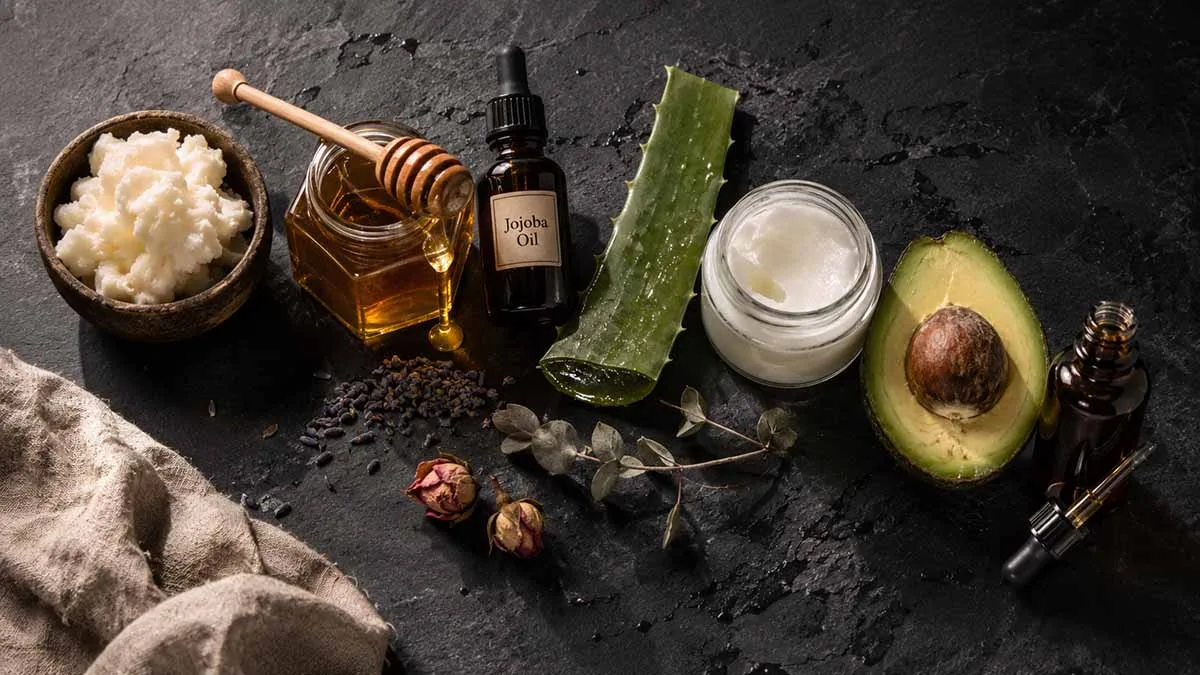
These 7 natural winter skincare remedies — shea butter, raw honey, jojoba oil, aloe vera, coconut oil, avocado, and rosehip oil — each repair the barrier from the outside in. Apply them in the right order, and your skin holds moisture through the coldest months.
Why Winter Air Strips Your Skin Bare

Your skin has a built-in defense called the moisture barrier — a wall of lipids and proteins that keeps water locked in and pollutants out. Cold air chips away at it daily. Indoor heating makes things worse by pushing humidity close to zero.
When the barrier cracks, moisture escapes faster than your skin can replace it. The result is dryness, flakiness, and redness — sometimes painful cracking on the hands and lips. The ingredients that actually work in winter either seal the barrier, pull more water into the skin, or both.
The 7 Best Natural Ingredients for Winter Skincare
Every ingredient here has a real reason to be on the list — and all seven are proven natural ingredients for dry skin in cold weather. Here is the short version:
| Ingredient | Main Benefit | Best Used |
| Shea Butter | Seals the moisture barrier | Evening, body and face |
| Raw Honey | Draws water into skin | Mask 2–3x/week |
| Jojoba Oil | Balances sebum, absorbs fast | Morning and evening |
| Aloe Vera | Soothes redness and irritation | After cleansing, daily |
| Coconut Oil | Deep seal for rough body patches | After shower, body only |
| Avocado | Vitamins A, C, E, reduces dullness | Evening mask or oil |
| Rosehip Oil | Repairs cells, boosts collagen | Evening only |
1. Shea Butter: The Cold-Weather Barrier Builder
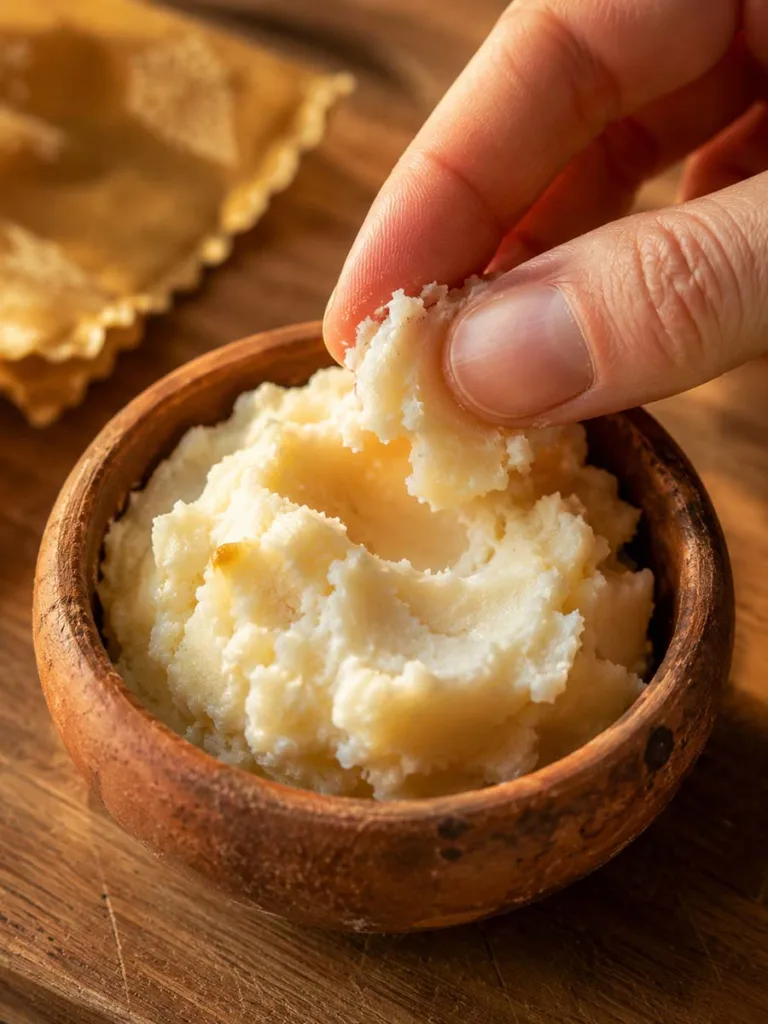
Shea butter is probably the most researched natural moisturizer around. Its fatty acid profile — oleic, stearic, and linoleic — closely mirrors your skin’s own lipids, which is why it absorbs so well. A 2025 study in the Open Journal of Chemistry found it increased skin hydration by 58% within 24 hours and reduced trans-epidermal water loss by 37.8%. In practice: it seals the moisture barrier and stops water from leaking out.
How to use it:
- Bathe or shower, then pat skin until slightly damp — not fully dry.
- Scoop a pea-sized amount of unrefined shea butter and warm it between your palms.
- Apply to dry areas like elbows, heels, and knees, or use as the final step in your evening face routine.
- Look for raw, unrefined shea butter — processed versions lose much of their vitamin A and E content.
Best for: Dry, very dry, and sensitive skin. Avoid on acne-prone skin — it can clog pores.
2. Raw Honey: Nature’s Moisture Magnet

Raw honey works two ways at once. As a humectant, it pulls water from the air into your skin. It also has natural antimicrobial properties that calm irritation and reduce redness from windburn and chapping.
Honey contains enzymes, amino acids, and trace minerals that support skin cell turnover. Manuka honey is worth mentioning separately — it has real antibacterial activity from its methylglyoxal content, which helps if your skin is chapped or broken from the cold.
How to use it:
- Mix 1 teaspoon of raw honey with a few drops of warm water to loosen it slightly.
- Apply to a clean face and leave on for 15 minutes.
- Rinse with lukewarm water and follow with your regular moisturizer.
- Use two to three times weekly. For hands, blend honey with jojoba oil and apply as an overnight treatment.
Best for: All skin types, including sensitive and acne-prone skin. Avoid if you have a bee allergy.
3. Jojoba Oil: The Balancing Act Your Skin Needs
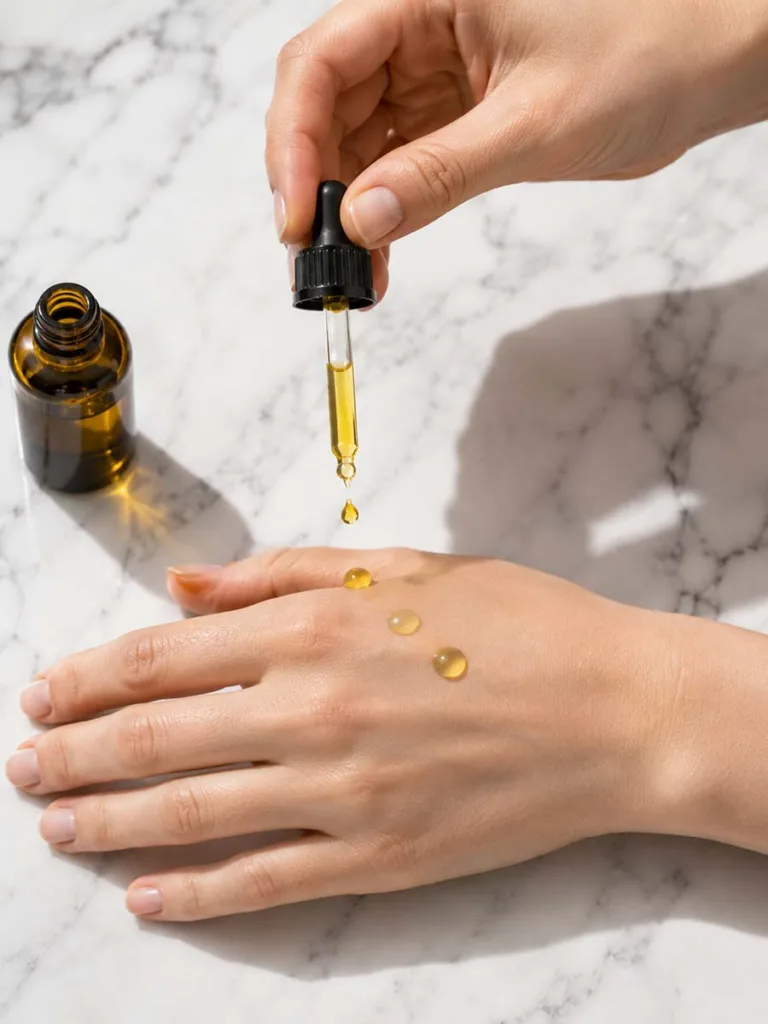
Jojoba oil is technically a liquid wax, which matters more than it sounds. It is the only plant oil that closely matches the structure of human sebum, the oil your skin naturally produces. Because of that, it absorbs quickly without a greasy finish and helps regulate oil production rather than throwing it off.
Sebum production drops in winter, and jojoba fills that gap without clogging pores. It also contains vitamin E, B-complex vitamins, and antioxidants that protect against the oxidative stress cold weather causes.
How to use it:
- After cleansing and any serums, dispense 3 to 5 drops into your palm.
- Press gently onto the face — do not rub aggressively.
- In the evening, apply before your moisturizer. In the morning, use it alone under SPF.
- It also doubles as a cuticle oil and a dry scalp treatment — versatile year-round.
Best for: All skin types, including oily and combination. One of the few natural oils that does not clog pores.
4. Aloe Vera: Calm for Irritated Winter Skin

Most people reach for aloe vera after a sunburn and forget about it the rest of the year. That is a mistake. Cold wind inflames skin the same way UV rays do — redness, sensitivity, and that tight, painful feeling that makes applying anything unbearable.
Aloe vera gel contains compounds that accelerate cellular repair and bring down redness, all without any heaviness. Because it is water-based, it works as a hydration layer you build on top of, not a seal in itself.
How to use it:
- Cleanse your face and leave skin slightly damp.
- Apply a thin, even layer of fresh aloe vera gel (scraped directly from the leaf) or a pure, additive-free store-bought gel.
- Let it absorb for 30 to 60 seconds.
- Follow immediately with a richer oil or cream to seal the moisture in. Do not use aloe vera alone in winter — it hydrates but does not seal.
Best for: Sensitive, reactive, redness-prone, and combination skin. Excellent after facial waxing or any treatment that leaves skin irritated.
5. Coconut Oil: Deep Hydration for Rough Patches

Coconut oil gets recommended everywhere, but most guides skip a critical detail. Its medium-chain fatty acids, particularly lauric acid, create a strong occlusive seal on the skin surface. That is exactly what you want on your body, and exactly what you do not want on your face if you tend to break out.
Coconut oil is comedogenic — it blocks pores. Oily and combination skin types feel this most on the face. On the body though — elbows, feet, shins, hands — it is hard to beat.
How to use it:
- After showering, while skin is still damp, warm a small amount between your palms.
- Apply to the body from the neck down, focusing on rough patches.
- For an overnight foot treatment: apply a generous layer and put on cotton socks before bed.
- Always choose cold-pressed, unrefined virgin coconut oil for maximum potency.
Best for: Body use for all skin types. Facial use only for dry, non-acne-prone skin. Skip it on oily, combination, or acne-prone faces.
6. Avocado: The Vitamin-Rich Skin Nourisher

Avocado is one of those ingredients that actually goes somewhere. It is rich in vitamins A, C, and E, essential fatty acids, and a plant compound called beta-sitosterol that reduces surface inflammation. Unlike most oils, avocado penetrates the outer skin layers rather than just sitting on top.
In winter, when skin turns dull and papery, avocado adds back softness and glow that lighter oils cannot. Its high oleic acid content works particularly well on rough patches — hands, elbows, knees.
How to use it:
- Mash half a ripe avocado until completely smooth — no lumps.
- Apply a generous layer to your face and leave on for 15 to 20 minutes.
- Rinse with warm water and follow with your moisturizer.
- For an even richer mask, stir in 1 teaspoon of raw honey before applying.
- Alternatively, use cold-pressed avocado oil — apply 3 to 4 drops to damp skin before your evening moisturizer.
Best for: Dry, mature, and dull skin. Suitable for sensitive skin. Avoid on acne-prone skin — high oleic acid content can clog pores for some people.
7. Rosehip Oil: The Repair Oil Winter Skin Needs

Rosehip oil comes from the seeds of wild rose bushes and is about as close as you get to a natural retinol. It contains vitamin C, vitamin A as beta-carotene, linoleic acid, and linolenic acid — together they repair damaged skin, reduce redness, and help rebuild the skin barrier at a cellular level.
The key compound is trans-retinoic acid, a natural form of vitamin A that triggers collagen production and speeds up cell turnover. Cold-stressed skin regenerates slowly. Rosehip oil pushes that process along.
How to use it:
- In the evening, after cleansing, apply 2 to 3 drops directly to slightly damp skin.
- Press gently into the face and neck — do not rub.
- Wait one minute, then layer your heavier moisturizer or shea butter on top.
- Use at night only — its natural vitamin A content can cause photosensitivity in daylight.
- If your skin is reactive, start with three nights a week and build up to nightly after two weeks.
Best for: Dry, mature, dull, and redness-prone skin. Also suitable for combination skin. Patch test first if you have very oily or acne-prone skin.
Which Ingredient Matches Your Skin Type
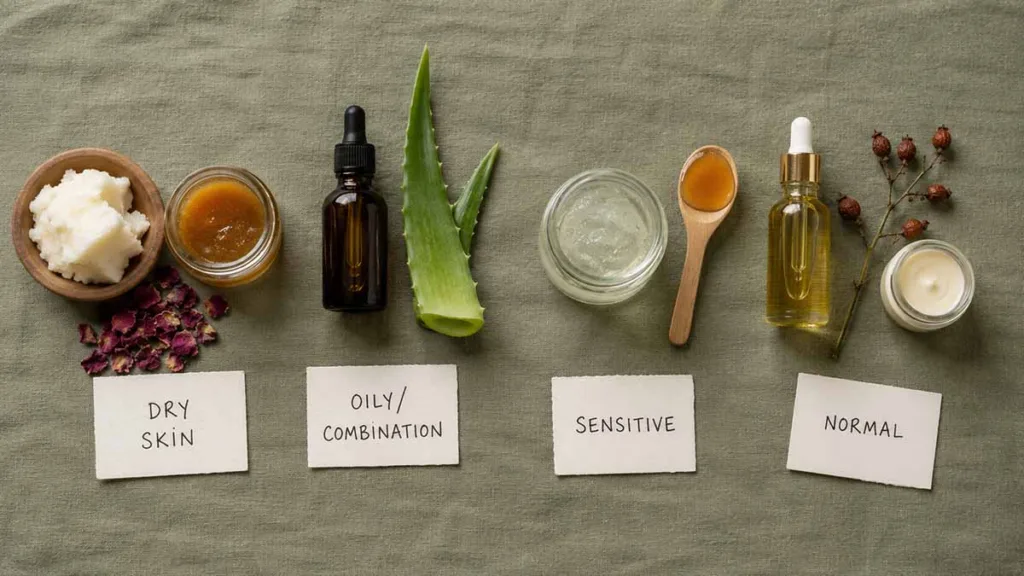
Not every ingredient works for every person. Choosing wrong wastes money and can make skin worse. Use the table below to find your starting point. For product-based options to pair alongside these natural remedies, our guide to the best moisturizers for dry skin in winter covers the top picks.
| Skin Type | Best Picks | Skip These |
| Dry | Shea butter, rosehip oil, avocado, honey mask | — |
| Oily / Combination | Jojoba oil, aloe vera | Coconut oil, shea butter, avocado (on face) |
| Sensitive / Reactive | Aloe vera, raw honey | Patch test everything; introduce rosehip oil slowly |
| Normal | Jojoba oil, rosehip oil, shea butter (coldest nights) | — |
One Rule for Everyone: Patch test any new ingredient on your inner wrist for 24 hours before applying it to your face.
How to Layer Natural Ingredients the Right Way
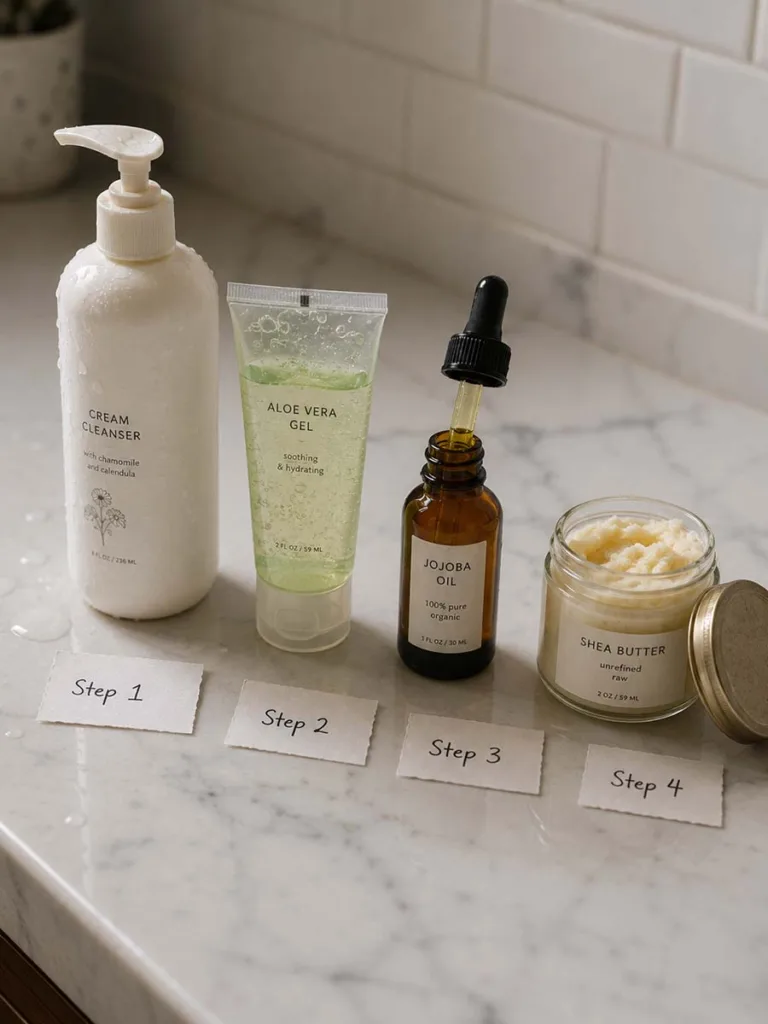
Applying ingredients in the wrong order undermines winter skin hydration, no matter how good the ingredients are. The golden rule: thinnest to thickest. Follow this sequence every time.
- Cleanse: Use a gentle, cream-based cleanser that does not strip your skin.
- Water-based hydrators: Apply aloe vera gel to slightly damp skin right after cleansing. This locks in surface moisture before it evaporates.
- Lightweight oils: Jojoba oil or rosehip oil go on next. They seal in the water-based layer underneath.
- Occlusives: Shea butter (face) or coconut oil (body) go on last. They form the outermost seal that holds everything in place overnight.
Never apply an oil before a water-based product. Oil repels water, so anything applied on top of an oil will not penetrate the skin.
Your Morning vs. Evening Routine at a Glance
Not every ingredient belongs in the morning. Some cause photosensitivity; others are simply too heavy under makeup or SPF. Use this as your daily reference:
| Step | Morning | Evening |
| Cleanse | Gentle cream cleanser | Gentle cream cleanser |
| Hydrate | Aloe vera gel (on damp skin) | Aloe vera gel (on damp skin) |
| Oil layer | Jojoba oil — 3 to 5 drops | Rosehip oil — 2 to 3 drops |
| Treatment mask | — | Honey or avocado mask 2–3x/week (before oil step) |
| Seal | — | Shea butter (face) or coconut oil (body) |
| Protect | SPF 30 or higher | — |
Never use rosehip oil or avocado oil in the morning. Both contain natural vitamin A, which increases sun sensitivity. Keep them to your evening routine.
For a full step-by-step approach to structuring your winter skincare routine, our complete skincare routine guide walks through every product and step in order.
Mistakes That Make Winter Dryness Worse

Good ingredients cannot overcome bad habits.
- Hot showers strip your skin barrier. Keep showers warm, not scalding, and cap them at under 10 minutes.
- Applying to completely dry skin cuts absorption. Most oils and humectants work best on slightly damp skin — pat dry and apply while still a little moist.
- Too many ingredients at once makes it impossible to know what is working or causing irritation. Introduce one ingredient at a time over one to two weeks.
- Skipping SPF in winter is a real mistake. UV rays are present year-round, and winter sun on snow reflects UV more intensely, not less. If you use vitamin-rich oils like jojoba or rosehip oil in the morning, always follow with SPF 30 or higher.
FAQ Section
1. What is the best natural ingredient for very dry winter skin?
Shea butter is the top pick for severely dry skin. A 2025 study confirmed it increases skin hydration by 58% within 24 hours by restoring the skin’s moisture barrier with ceramide-like fatty acids.
2. Can I use coconut oil on my face in winter?
Only if your skin is dry and non-acne-prone. Coconut oil is comedogenic and can clog pores for oily or combination skin types. It works best on the body — hands, feet, elbows, and shins.
3. How often should I use a honey face mask in winter?
Two to three times per week is enough. Raw honey is a humectant that draws moisture into the skin, but overuse can make skin overly sensitive. Always rinse thoroughly with lukewarm water.
4. Is aloe vera enough to moisturize skin in winter?
No. Aloe vera gel is a hydrator, not a moisturizer. It draws water into the skin but cannot seal it there. Always layer a richer oil or cream on top to prevent moisture from evaporating.
Conclusion
Your winter skincare routine does not need expensive actives or a 12-step system. Shea butter, raw honey, jojoba oil, aloe vera, coconut oil, avocado, and rosehip oil each do something the others cannot — barrier repair, hydration, moisture-sealing, cell repair, and calming inflammation. Match the right one to your skin type, layer them correctly, and stop the hot showers. Pick one ingredient this week, stick with it for two weeks, and see what changes. That is a better starting point than buying another moisturizer. And if you want budget-friendly products to layer on top, our affordable winter skincare products guide has the best picks under $20.
For more helpful articles related to skin care, please visit VelvetBoard.