Korean Cleansing Oils: 12 Picks and a Full Beauty Guide

Still finding foundation on your pillowcase by morning? Your cleanser isn’t the problem. Your method is.
Plain face wash cannot break down makeup, sunscreen, or sebum on its own. These residues are oil-based, and water alone cannot dissolve them. That gap is why so many people wash their face every night and still see leftover product the next morning.
Korean cleansing oils fix this with a simple two-step process called the double cleanse. Oil lifts what a water-based cleanser leaves behind, then a second cleanse clears what remains. Korean brands built the method around a basic chemistry rule: oil dissolves oil, and water alone never could. This guide covers that science, the correct five-step method, which skin types need extra caution, mistakes that ruin results, and 12 tested oils worth adding to your K-beauty skincare routine.
Quick answer: Apply a nickel-sized amount of oil to a dry face, massage for 60 seconds, add water to emulsify, rinse, then follow with a water-based cleanser. Use nightly to remove makeup and SPF.
Why Oil Cleansing Actually Works
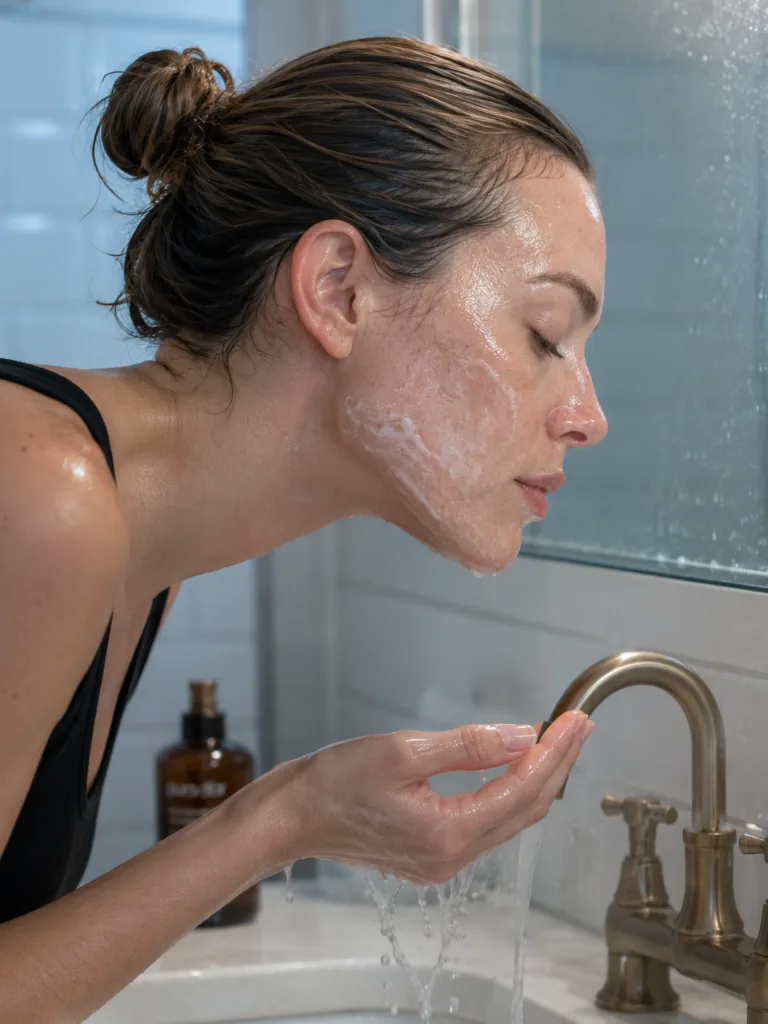
Oil cleansing follows a simple chemistry rule: like dissolves like. Your sebum, makeup, and sunscreen are oil-based. Water alone cannot break their bond with your skin.
Cleansing oils attract those oily residues on contact. Once you add water and massage, the formula turns milky and lifts everything away. This process is called emulsification, and it is the single most important step people skip.
- Oil binds to makeup, SPF, and excess sebum
- Massaging with dry hands increases contact time
- Adding water triggers the milky emulsion that rinses clean
- No harsh stripping like some foaming cleansers cause
Oil cleansers tend to be gentler than sulfate face washes because they do not strip the skin barrier the way foaming formulas can. A well-formulated oil leaves the moisture barrier intact while still removing debris.
Harsh foaming cleansers strip natural lipids along with dirt, leaving skin tight and reactive. Oil cleansers work with your skin’s own chemistry instead of fighting it. That is why the method spread from Korean routines to Western bathroom shelves over the past decade.
Traditional Korean skincare has used oils for centuries, long before the modern bottled versions appeared. Sesame and camellia oils were staples in Korean households, passed down as beauty remedies. Today’s formulas simply refine that same idea with modern preservation and lighter textures.
The Correct Double-Cleanse Method, Step by Step
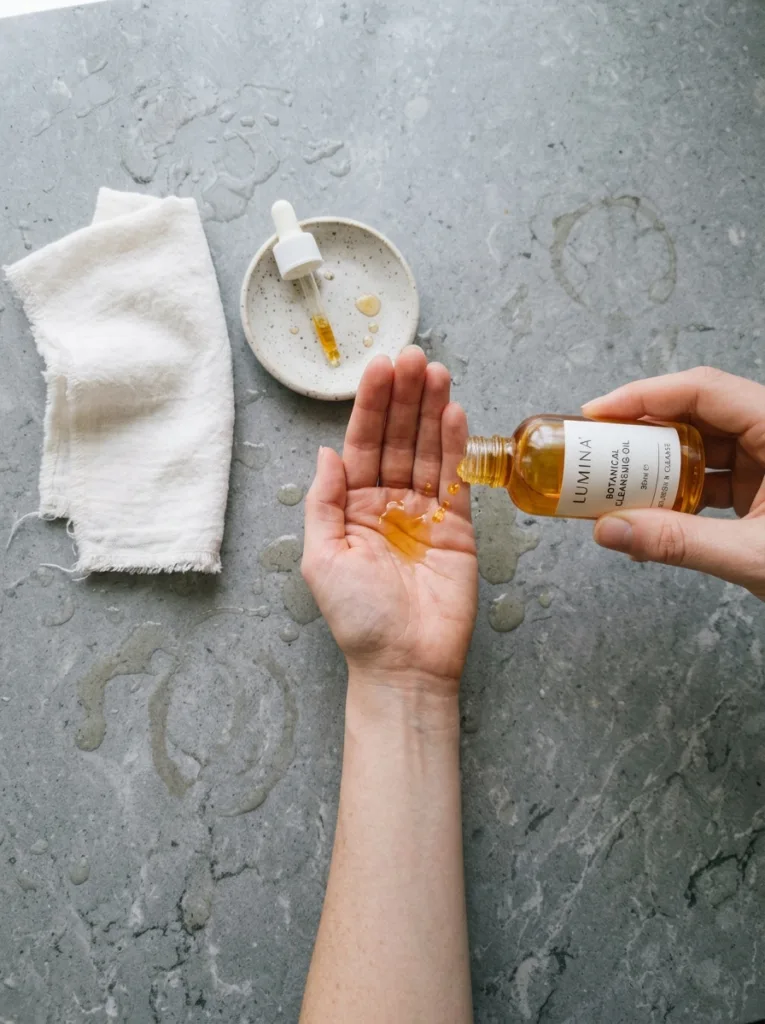
Most beginners fail here. They apply too little oil, rush the massage, or skip the second cleanse entirely. Follow these five steps for a proper double cleanse every time.
- Start with dry hands and a dry face. Water dilutes oil too early and weakens its grip on makeup.
- Use a nickel-sized amount. Too little oil means it cannot fully dissolve sunscreen or foundation.
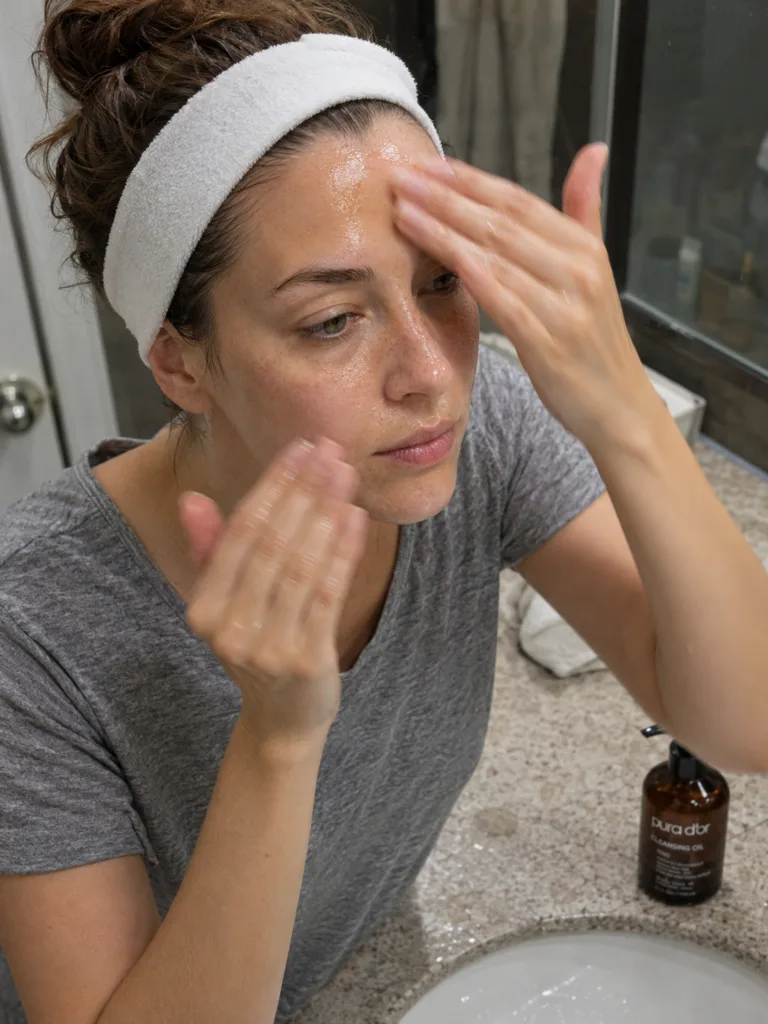
- Massage for 60 seconds. Focus on the T-zone, hairline, and jaw where product builds up.
- Add small amounts of water gradually. Watch the oil turn milky as it emulsifies.
- Rinse, then follow with a water-based cleanser. This second step, often a gentle foam cleanser or gel, removes any remaining residue and sweat.
Skip the second cleanse and you risk leaving a faint oily film that traps dirt overnight. Skip the first oil step and your water-based cleanser works twice as hard for a weaker result.
Morning vs. Night Use
Most people only need oil cleansing at night, when makeup and SPF require removal. In the morning, a gentle water-based cleanser or plain rinse is usually enough, since overnight skin does not carry the same buildup. Oily or acne-prone skin can sometimes benefit from a light morning oil cleanse too, but it is not mandatory for most routines.
Your skin repairs itself while you sleep, and the night cleanse clears the way for that. Leaving makeup or sunscreen on overnight can clog pores and dull your complexion by morning. A quick nightly habit, done consistently, matters more than any single expensive product.
Is Oil Cleansing Right for Your Skin Type
Not every oil cleanser suits every face. Matching the formula to your skin type prevents breakouts and irritation.
Skin type is not fixed either. Weather, hormones, and stress shift how your skin behaves throughout the year. Many people need a richer oil in winter and a lighter one in summer, so keeping two formulas on hand is a practical habit worth building.
| Skin Type | Look For | Avoid |
| Dry skin | Richer oils with squalane or camellia oil | Fast-drying, alcohol-heavy formulas |
| Oily / acne-prone | Lightweight, non-comedogenic jojoba or grapeseed oils | Coconut oil, mineral oil |
| Sensitive skin | Fragrance-free, minimal ingredient lists | Added essential oils and fragrance |
| Combination skin | Balanced formula, neither too rich nor too thin | Very heavy balms in summer |
People with active cystic acne or extremely reactive skin should introduce oil cleansing slowly, patch-testing on the jaw for a week first. If breakouts worsen, the formula, not the method, is usually the problem.

A common myth claims oil cleansing always clogs pores. Most breakouts trace back to comedogenic ingredients like coconut oil or mineral oil in cheap formulas, not to the method itself. A non-comedogenic formula solves this for nearly everyone, including teens dealing with hormonal breakouts.
Ingredient Breakdown: What Each Oil Actually Does
Labels list unfamiliar names, but the core ingredients follow patterns worth learning.
| Ingredient | What It Does | Best For |
| Squalane | Mimics skin’s natural oils, absorbs fast, no greasy feel | All skin types |
| Jojoba oil | Closely resembles sebum | Oily and sensitive skin |
| Apricot kernel oil | Light texture, rich in vitamin E | Normal to dry skin |
| Camellia japonica seed oil | Korean skincare staple, deeply nourishing | Dry or dull skin |
Learn these four names and you can read almost any cleansing oil label, not just the ones on this list.
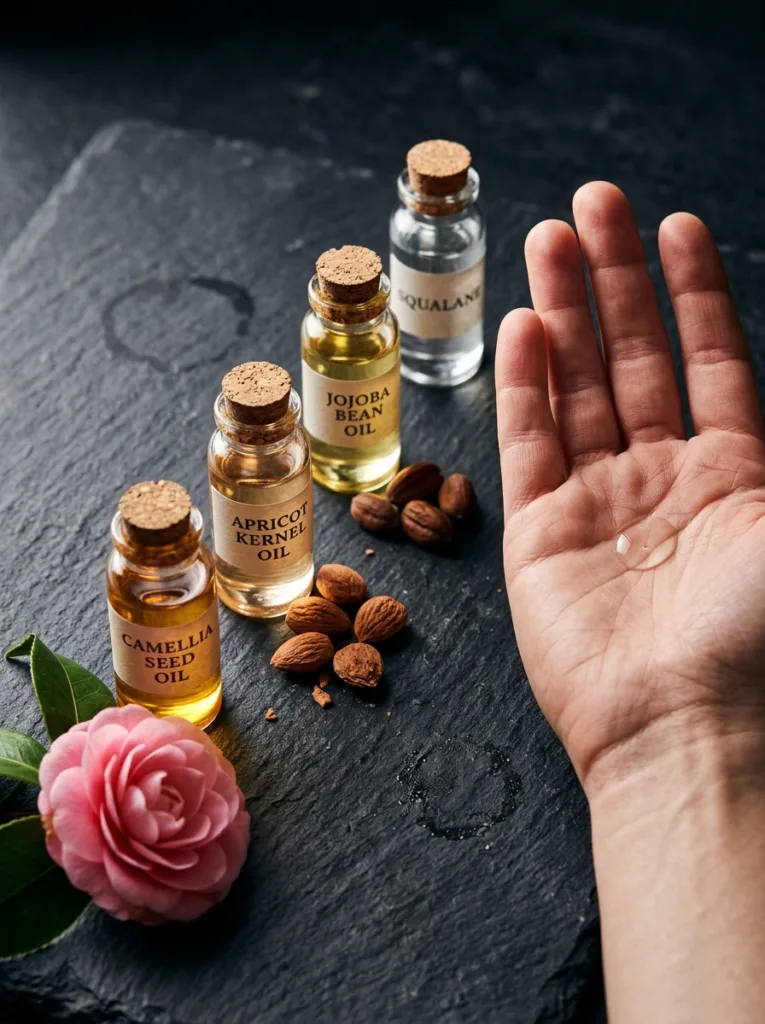
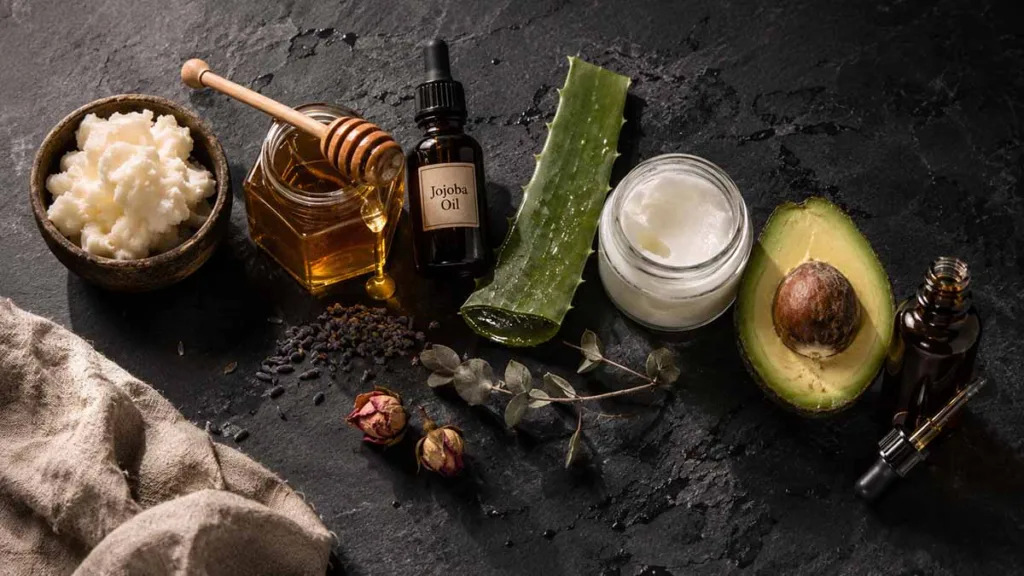
Some formulas also include grapeseed oil, known for its thin texture and antioxidants, or rice bran oil, a brightening favorite in traditional Korean beauty. Check the first five ingredients on a label and you’ll know how the oil will feel and perform on your skin.
Fragrance and essential oils appear in many formulas for scent appeal, but they can irritate sensitive or reactive skin. If your skin flares up easily, scan the label for added fragrance before buying, and choose fragrance-free versions when in doubt.
Common Mistakes That Ruin Results
Small errors turn a great oil cleanser into a disappointing one. Watch for these six issues.
- Using too little product. Under-dosing leaves makeup and SPF only partially dissolved.
- Skipping emulsification. Rinsing off oil before adding water leaves a greasy residue.
- Applying oil to wet skin first. This dilutes the formula and weakens its cleansing power.
- Skipping the second cleanse. Water-based follow-up removes what oil alone cannot fully lift.
- Using cold water only. Lukewarm water helps oil emulsify faster and rinses more thoroughly than cold water.
- Rubbing too hard around the eyes. Gentle pressure removes waterproof mascara without tugging delicate skin.
Fixing these habits often solves breakouts people wrongly blame on the oil itself.
Most people who “hate” oil cleansing simply never learned these small details. Adjust the technique and the same product feels like a different routine.
12 Best Korean Cleansing Oils to Try
These 12 cover most budgets and skin types. Each one made the list because of its ingredients, texture, and how it actually performs, not brand hype.
- Sulwhasoo Gentle Cleansing Oil (Luxury) — squalane, apricot kernel oil, and camellia oil for deep nourishment.
- Ma:nyo Pure Cleansing Oil (Sensitive skin) — a cult favorite with a gentle, low-irritation formula.
- Peach & Lily Ginger Melt Oil Cleanser (Combination skin) — balanced texture suited to combination skin.
- Beplain Mung Bean Cleansing Oil (Budget) — thin, watery texture with fast emulsification for quick routines.
- Anua Heartleaf Pore Control Cleansing Oil (Oily / acne-prone) — non-comedogenic, with jojoba and olive oils for pore-prone skin.
- Banila Co Clean It Zero Cleansing Balm (Balm) — a balm-oil hybrid, iconic in K-beauty for makeup removal.
- Heimish All Clean Balm (Budget) — budget-friendly with a soft, melting texture.
- iUNIK Cica Cleansing Oil (Sensitive / redness-prone) — calming formula good for reactive skin.
- COSRX Full Fit Propolis Sync Cleansing Oil (Dull skin) — antioxidant-rich, aimed at dull or tired skin.
- Klairs Gentle Black Deep Cleansing Oil (Beginner) — fragrance-free and beginner-friendly.
- Then I Met You Living Cleansing Balm (Luxury / balm) — slow beauty brand favorite for a nourishing nightly ritual.
- Torriden Balancium Cleansing Oil (Barrier support) — lightweight option formulated for barrier support.
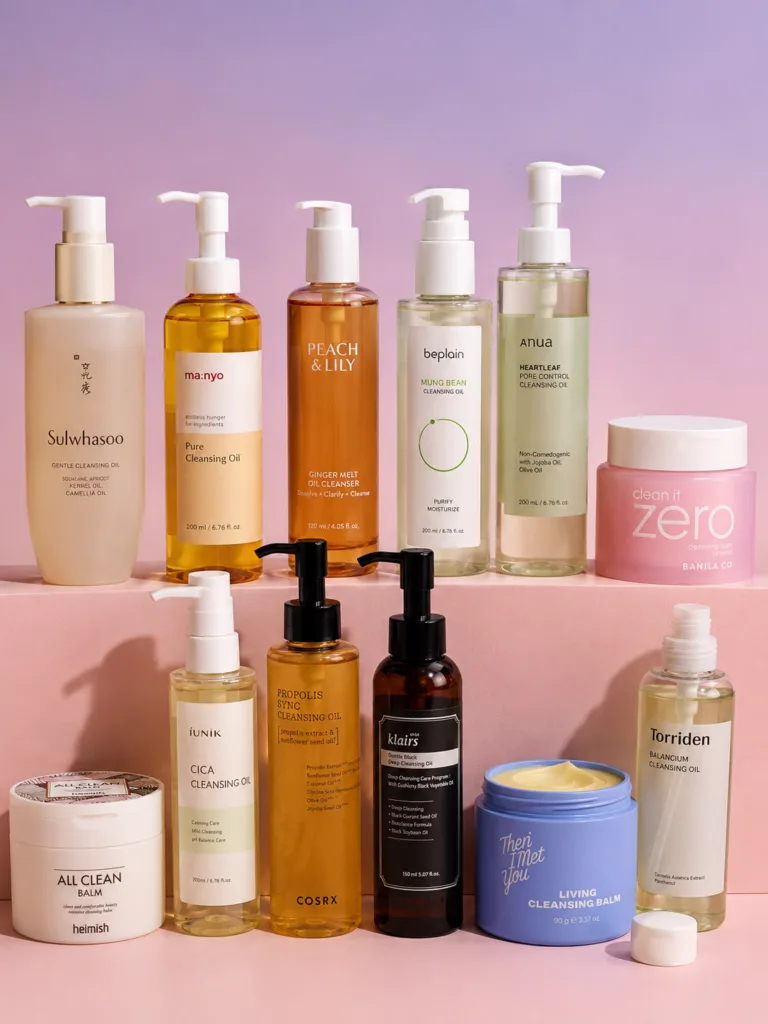
Budget shoppers should start with Heimish or Beplain, both under $20. Those wanting a luxury ritual should try Sulwhasoo or Then I Met You.
Texture matters as much as ingredients when choosing your first bottle. Balms like Banila Co and Heimish melt from a solid to a liquid oil on contact, which feels indulgent but requires slightly more rinsing. Liquid oils like Beplain and Klairs pump out ready to use, saving time on busy mornings or after a long day.
If you wear heavy, full-coverage makeup or waterproof sunscreen daily, prioritize richer formulas like Sulwhasoo or Then I Met You, since they dissolve stubborn products more efficiently. Lighter days with tinted moisturizer or mineral SPF pair well with thinner oils like Beplain or Torriden.
Frequently Asked Questions
Do I need a second cleanser after oil cleansing?
Yes. A water-based cleanser removes leftover residue and sweat that oil alone cannot fully clear.
Can oil cleansing cause breakouts?
It can if the formula suits the wrong skin type or if emulsification is skipped. Choosing non-comedogenic oils helps.
How often should I use a cleansing oil?
Most people benefit from nightly use, especially when wearing makeup or sunscreen during the day.
Is oil cleansing safe for oily skin?
Yes. Lightweight oils like jojoba dissolve excess sebum without over-drying the skin.
Can I use cleansing oil without makeup on?
Yes. It still removes sunscreen, sweat, and daily grime, keeping pores clearer overnight.
Do cleansing oils work on waterproof mascara?
Yes. The oil binds to waterproof formulas and lifts them away without harsh rubbing near the eyes.
Are cleansing oils suitable for teenagers?
Yes, as long as the formula is non-comedogenic. Lightweight jojoba-based oils suit teen skin dealing with hormonal breakouts.
Conclusion
Consistency beats price with any cleansing oil. A cheap formula used correctly every night outperforms an expensive one used carelessly once a week. Build the double-cleanse habit into your K-beauty skincare routine now and your skin will look clearer within a few weeks.
Pick one product from this list, and try the five-step method tonight before bed.
For more skin care tips and product information, please visit VelvetBoard.