21 Best Braids for Long Hair That Hold All Day Long
Braids for long hair turn loose length into shape and hold: the best one for you depends on how much grip your day needs. This list covers 21 styles, from a flat French braid to long knotless braids worn for weeks. Each entry names the technique, the hold, and the care the style needs. You will find quick solo options and booked styles side by side.
Long hair tangles fast when it hangs free all day. A braid keeps the lengths together and cuts friction at the ends. It also moves hair off the neck and shoulders. That helps on warm days, at the gym, and under coats.
Pick braids for long hair by holding first, then by pattern. Flat braids suit helmets, hats, and sleep. Raised braids show more texture in photos. Loose styles read soft, while tight rows read sharp.
The best braids for long hair fit your hair type, schedule, and the hold you need.
How to Choose Braids for Long Hair
Start with hold. A French braid lies flat and can stay neat for a full day. A Dutch braid sits raised and shows each section with clear depth.
TRESemmé global stylist Justine Marjan explains the contrast in her guide to French and Dutch braids. “The French braid appears flat and the Dutch braid appears raised.”
Next, weigh time and upkeep. Solo braids take 5 to 20 minutes at home with a brush and elastics. Booked protective styles take hours in the chair, then hold for weeks. Our guide to braid and curls hairstyles shows how braided bases pair with loose lengths.
Last, protect your hairline. Any braid that hurts at the front sits too tight. Guidance on tight hairstyles and hair damage from the American Academy of Dermatology covers why steady pull harms edges.
| Braid Type | Typical Hold | Best Setting |
|---|---|---|
| French and Dutch braids | One full day | Work, sport, sleep |
| Fishtail and four-strand braids | One full day | Events, photos |
| Waterfall and lace braids | Half to one day | Soft, loose wear |
| Knotless and feed-in braids | Four to six weeks | Protective wear |
1. Classic French Braid
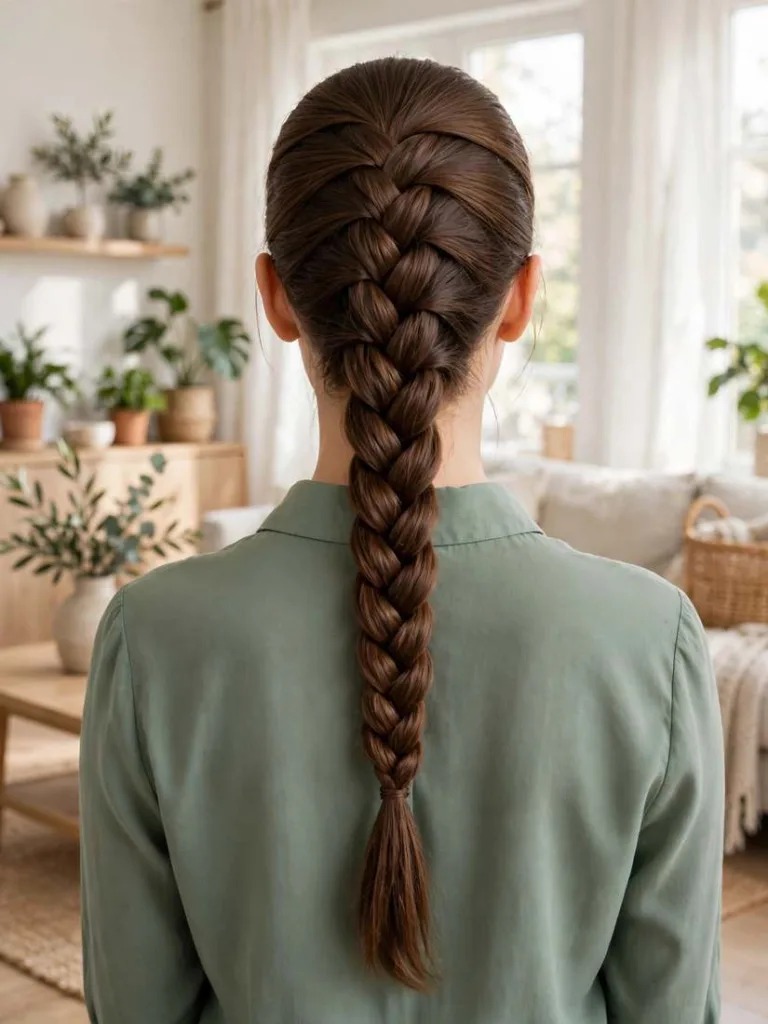
A French braid adds hair at each cross, so the plait hugs the head. It starts at the crown and ends in a plain three-strand braid at the nape. Long hair feeds the pattern well, since each new section stays even in size. Smooth each section with your fingers before you cross it, and mist dry hair with water to calm flyaways.
Best for: Flat hold, long days, and hair worn under hats.
Ask your stylist for: A single French braid from the crown, finished with a plain tail.
2. Dutch Braid With Pancaked Volume
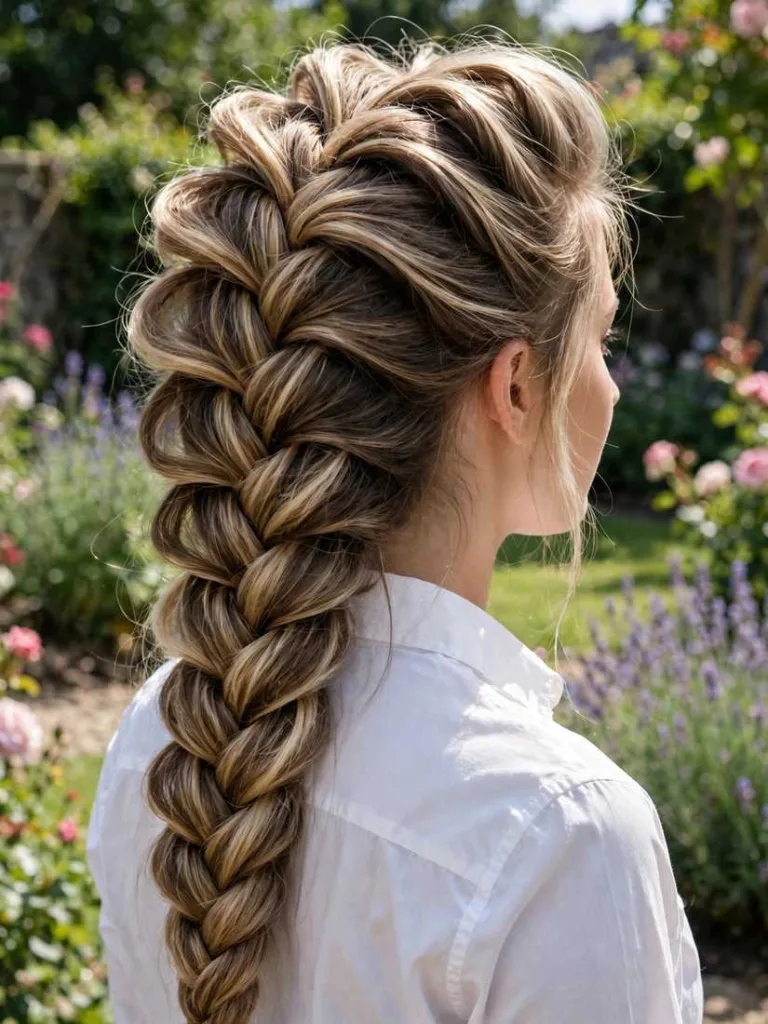
A Dutch braid crosses each section under the middle, so the braid sits on top. The raised ridge shows well on thick, long hair with clear depth. Once you secure the end, tug each loop outward with care to widen it. Stylists call that step pancaking, and even tugs on both sides keep the width matched.
Best for: Thick hair, bold texture, and photos from the side.
Ask your stylist for: A raised Dutch braid, pancaked for width down the full length.
3. Double Dutch Braids
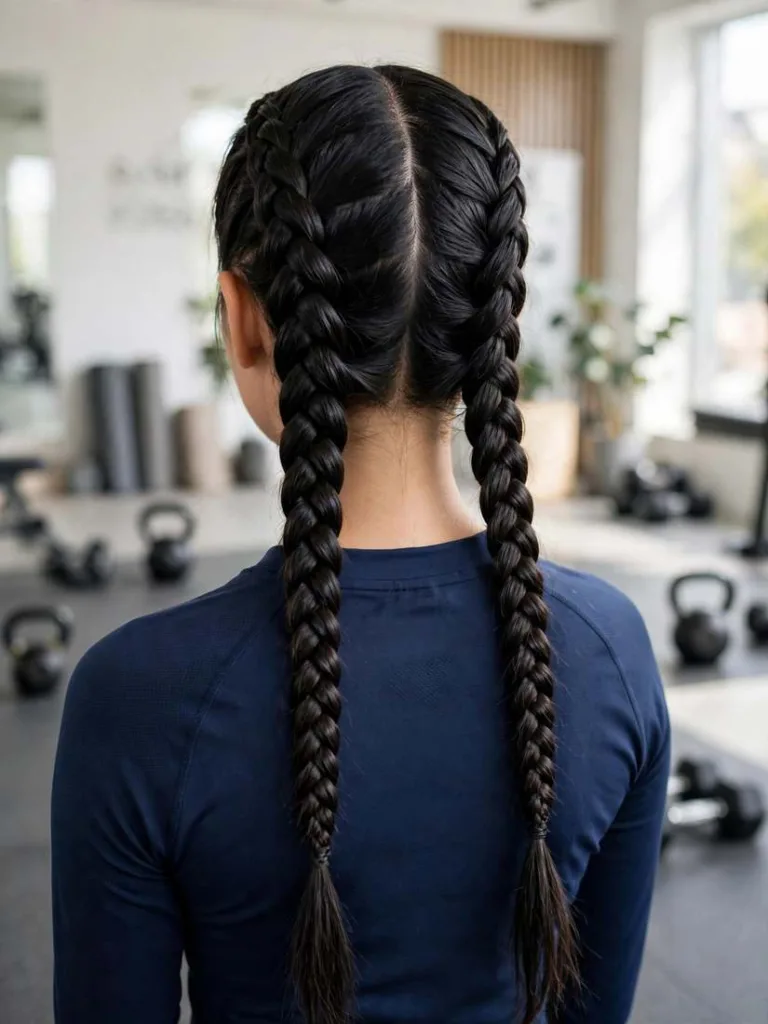
Two Dutch braids split the hair into even halves, one per side. A clean center part keeps both rows matched in size and shape. The pair balances weight across the head on very long hair. Each tail can hang free, cross at the back, or pin up, and the style holds through sport and sleep.
Best for: Very long hair, active days, and even weight.
Ask your stylist for: Two Dutch braids on a center part, matched in size.
4. Fishtail Braid
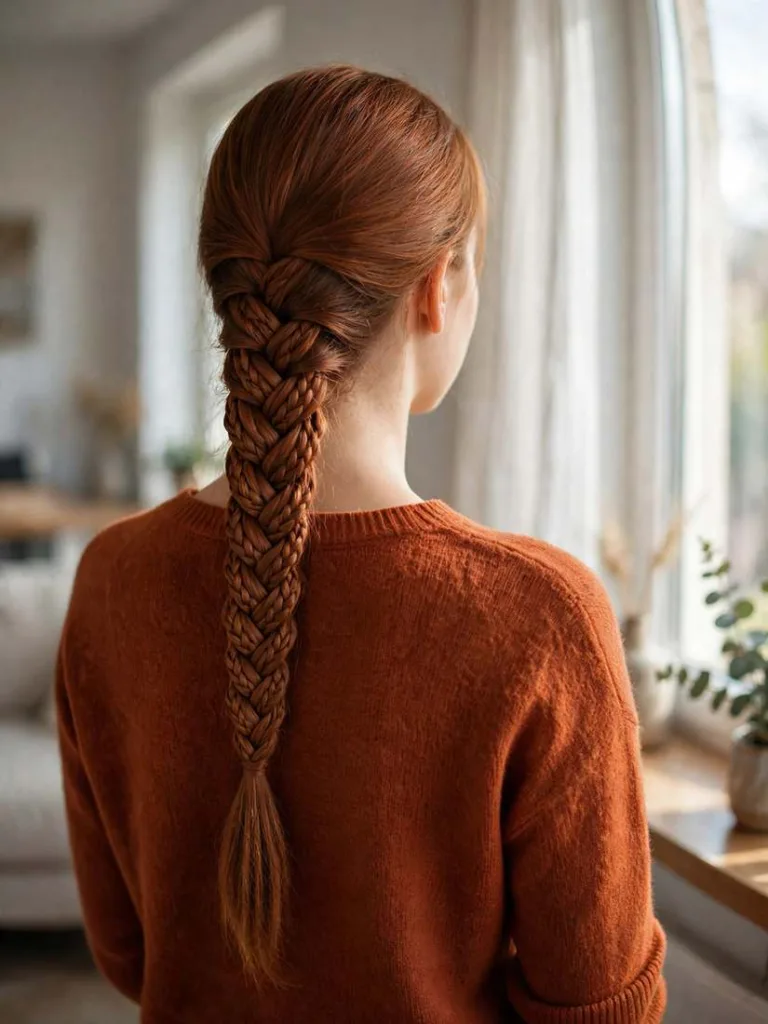
A fishtail braid swaps thin strands between two sections, leaving the right one over. The weave looks fine and flat, like scales along the tail. Small strands give detail, while larger strands speed the work at home. Long hair shows the pattern best past the shoulders, so keep tension even to stop one side pulling thin.
Best for: Fine detail, flat profile, and patient hands.
Ask your stylist for: A single fishtail braid with thin, even strand swaps.
5. Side Fishtail Braid Over One Shoulder
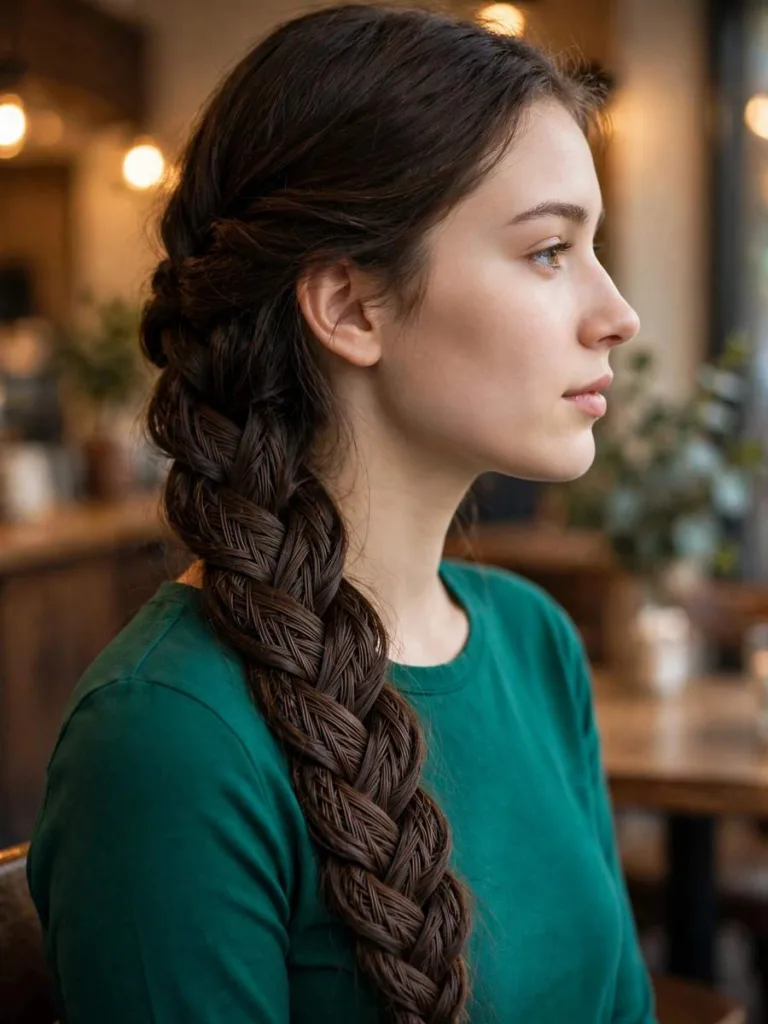
This version sweeps all hair to one side before the fishtail starts. The braid drapes over one shoulder and stays in frame for photos. A deep side part sets the sweep and adds lift at the root. Loosen the top loops for a soft finish, one of the pretty braids for evening events.
Best for: Photos, open necklines, and one-sided drama.
Ask your stylist for: A side-swept fishtail braid draped over one shoulder.
6. Waterfall Braid
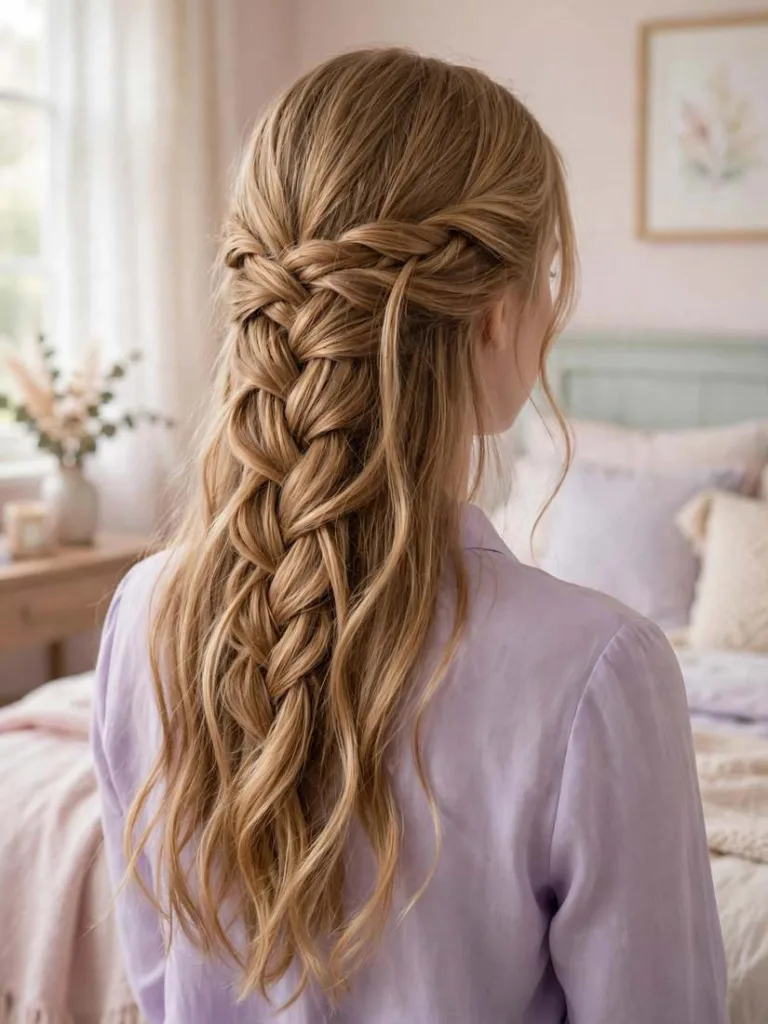
A waterfall braid drops each lower strand and picks up a fresh one. Loose lengths fall through the braid like water over a ledge. The pattern runs across the back or angles down one side. It holds best on hair with some grip, so add a small pin where the braid ends behind the ear.
Best for: Soft wear, loose lengths, and half-up fans.
Ask your stylist for: A waterfall braid across the back with falling loose lengths.
7. Halo Crown Braid

A halo braid circles the whole head, close to the hairline. One long Dutch or French braid wraps around and pins at the back. Long hair gives the length this wrap needs in one full pass. Leave two thin pieces loose at the front, as our braided crown hairstyles guide shows.
Best for: Events, updo feel, and hair kept off the neck.
Ask your stylist for: A full halo braid pinned flat around the head.
8. Milkmaid Braids
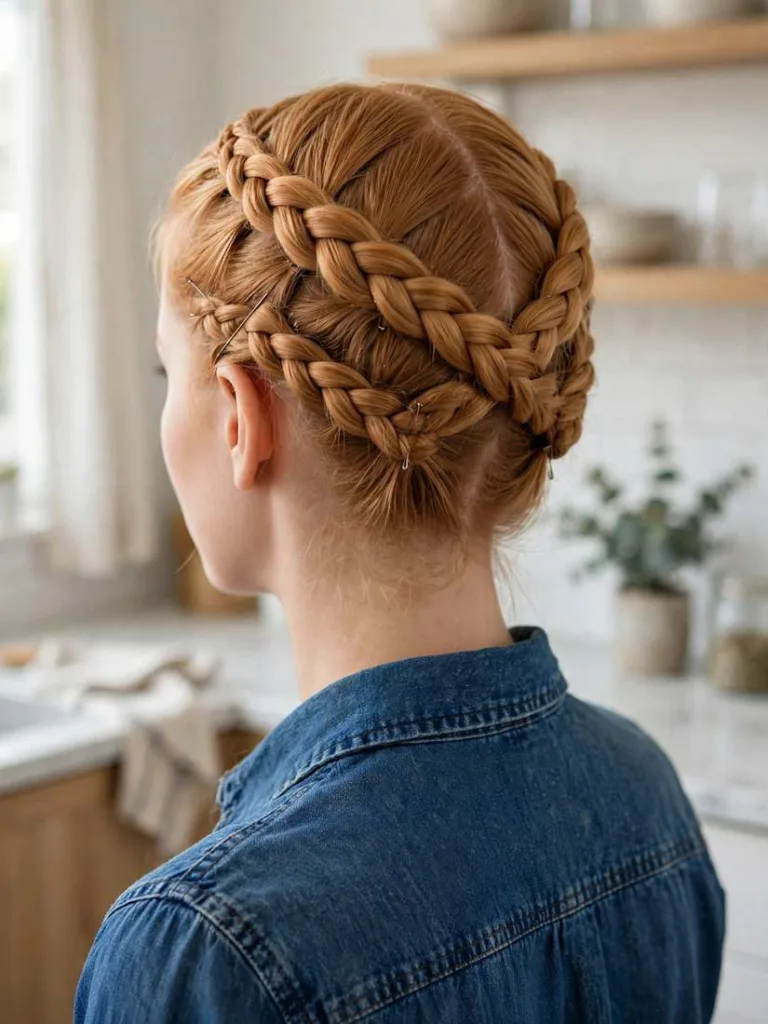
Milkmaid braids start as two low plaits, one behind each ear. Each plait crosses over the crown and pins on the other side. The crossed bands read soft and neat from the front view. Long hair wraps with ease and hides the pins well, while loose strands at the temples keep the look gentle.
Best for: Soft updos, warm days, and low chair time.
Ask your stylist for: Two low braids crossed over the crown and pinned.
9. Single Side Braid
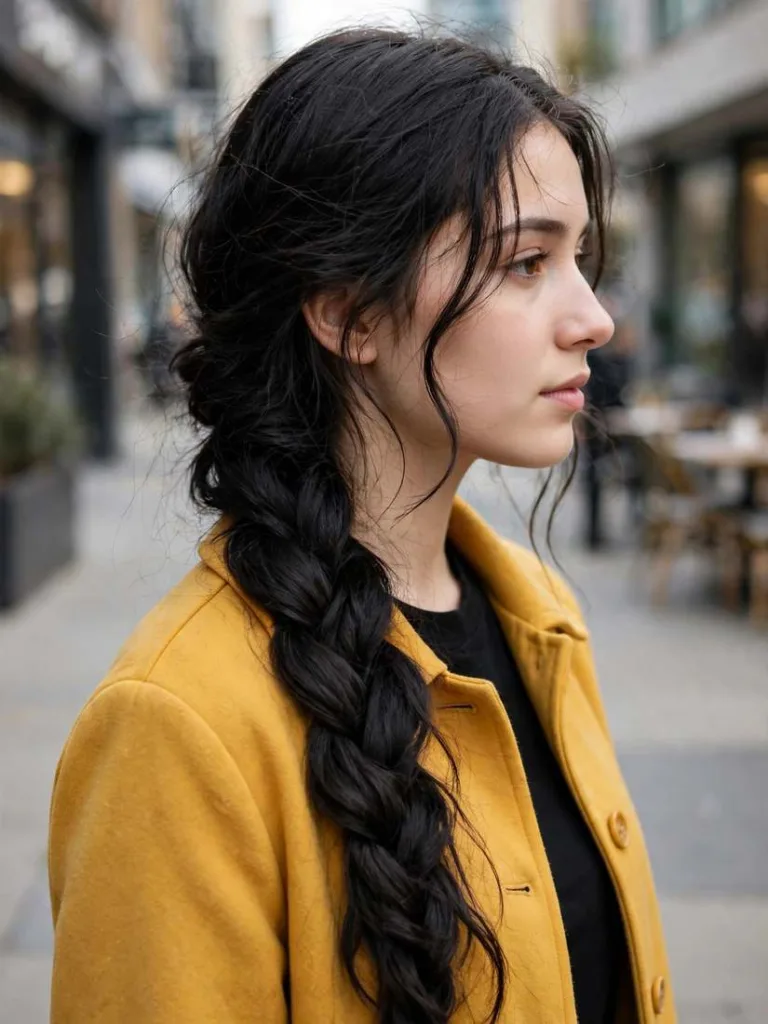
One plain three-strand braid sits low over a single shoulder here. It takes about three minutes and needs one elastic to finish. The loose fit keeps it soft, with wisps left free at the front. It suits second-day hair that needs quick control, and among easy braids for long hair it asks the least skill.
Best for: Fast control, beginners, and second-day hair.
Ask your stylist for: A loose low side braid over one shoulder.
10. Half-Up Braided Crown
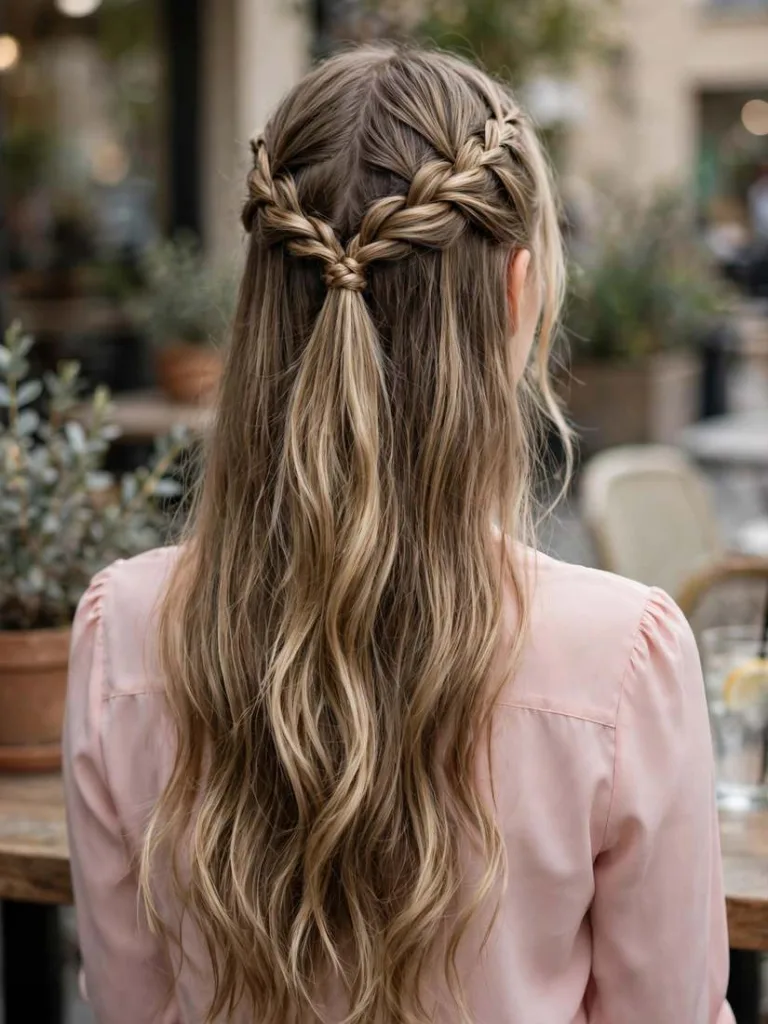
Only the top section braids here, while the lower hair stays loose. Two small plaits meet at the back and pin or tie together. The crown adds detail, and the loose lengths keep their movement below. Curl or wave the loose hair for a fuller finish among braided hairstyles for long hair at events.
Best for: Half-up wear, event hair, and loose length below.
Ask your stylist for: Two crown braids joined at the back, with lengths left loose.
11. Braided High Ponytail

Hair gathers high at the crown, then braids down in one tail. The gather lifts the face, and the braid stops tail tangles. Wrap one thin strand around the base to hide the elastic band. Long hair gives this tail real swing in motion, so keep the base firm to stop it sliding within hours.
Best for: Lift, swing, and hair off the neck.
Ask your stylist for: A high ponytail braided down, with a wrapped base.
12. Bubble Braid Ponytail
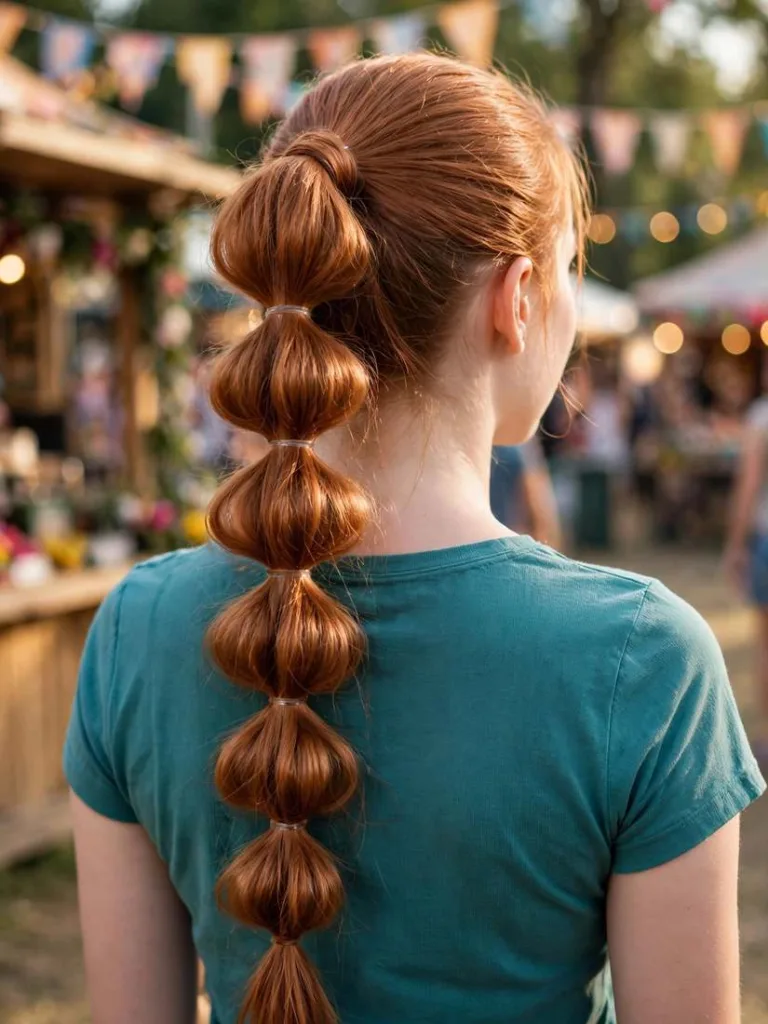
Small elastics pinch a high ponytail into round sections down its length. You pull each section outward to form an even bubble shape. No weaving skill is needed, which suits new braiders well at home. Space the elastics two fingers apart for matched bubbles, a playful form of long braids for photos and festivals.
Best for: Beginners, playful shape, and fast styling at home.
Ask your stylist for: A ponytail sectioned with elastics into even bubbles.
13. Rope Twist Braid

Two strands twist in one direction, then wrap around each other. The counter-wrap locks the rope braid and forms a spiral grain. It builds fast and holds with little surface frizz through the day. Twist each strand tight before wrapping, or the rope unwinds on straight and wavy long hair.
Best for: Clean texture, fast builds, and low frizz.
Ask your stylist for: A two-strand rope twist from crown to ends.
14. Four-Strand Braid
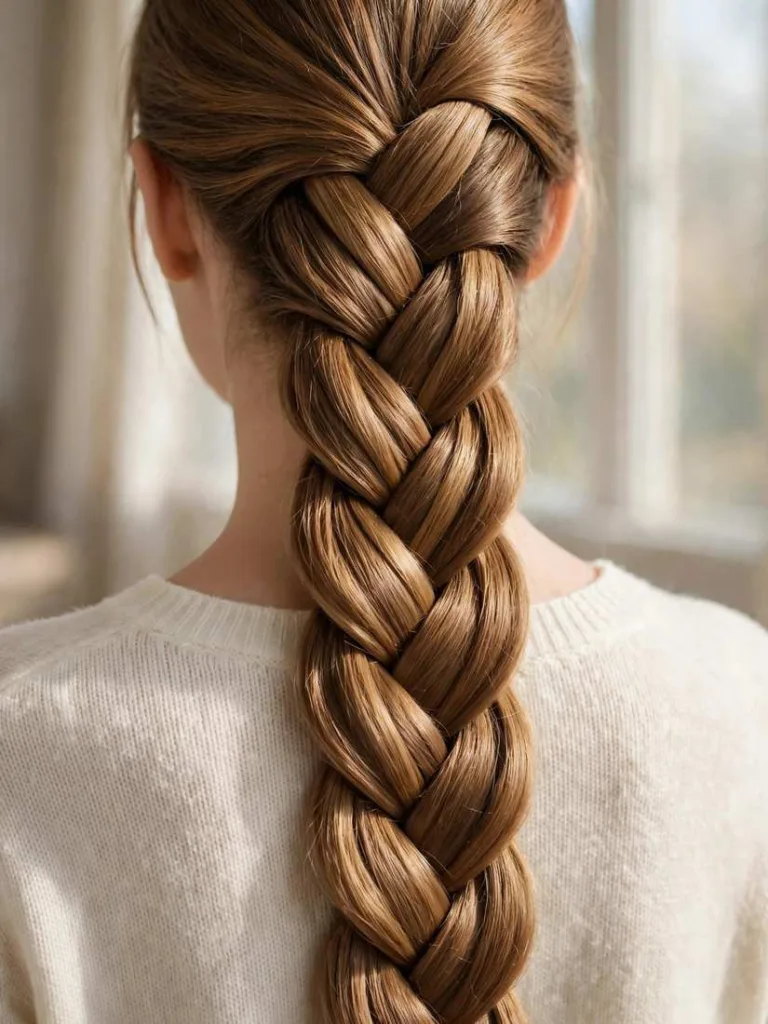
A four-strand braid weaves one extra strand through the classic pattern. The result looks wide, flat, and woven like a strip of cloth. It shows best on long hair with even thickness down the lengths. Work slow and keep each strand in its lane, one of the pretty braids worth the effort.
Best for: Wide flat texture and even, thick lengths.
Ask your stylist for: A four-strand braid woven flat down the back.
15. Lace Braid With Loose Lengths
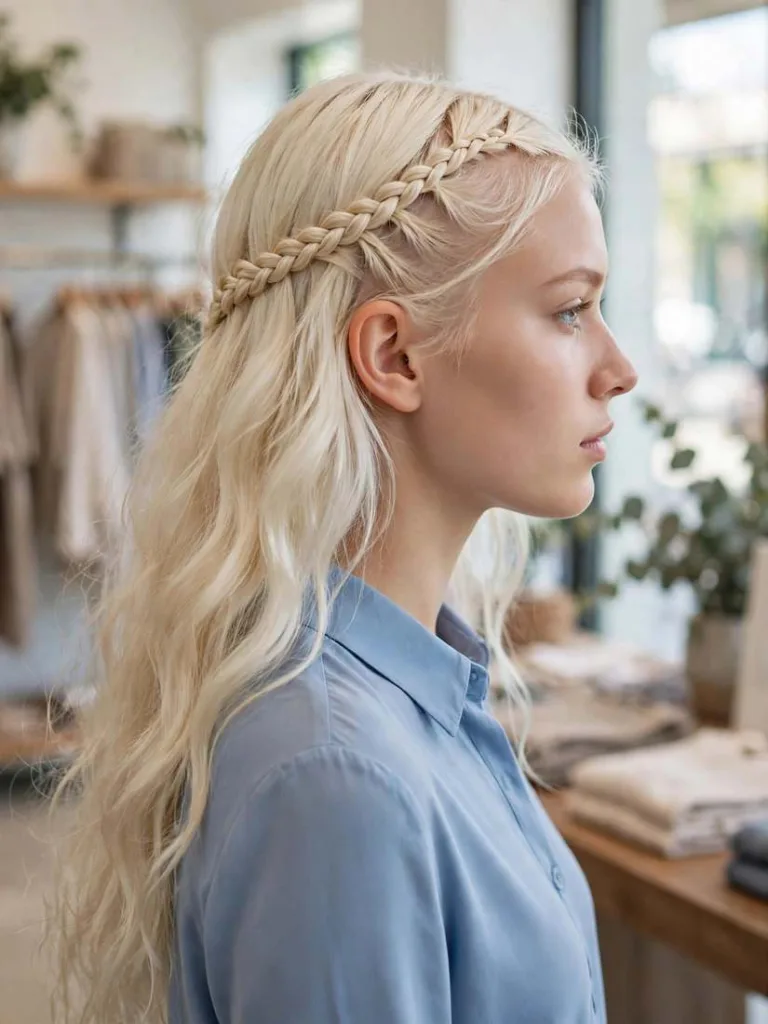
A lace braid adds hair from one side only as it travels. The braid traces the hairline or a side part like a trim. The rest of the hair hangs loose below the braid line. This detail keeps front hair off the face and takes about ten minutes once learned.
Best for: Front control, loose lengths, and soft detail.
Ask your stylist for: A one-sided lace braid along the part, lengths loose.
16. Boho Braids With Loose Waves

Thin plaits scatter through loose, wavy lengths in this relaxed style. The small braids sit at random depths for a natural, mixed look. Some start at the part, while others hide deeper mid-length. Add tiny gold cuffs on two or three braids, and these long braids suit outdoor days.
Best for: Relaxed wear, loose waves, and small accents.
Ask your stylist for: Thin braids scattered through loose wavy lengths.
17. Long Knotless Box Braids
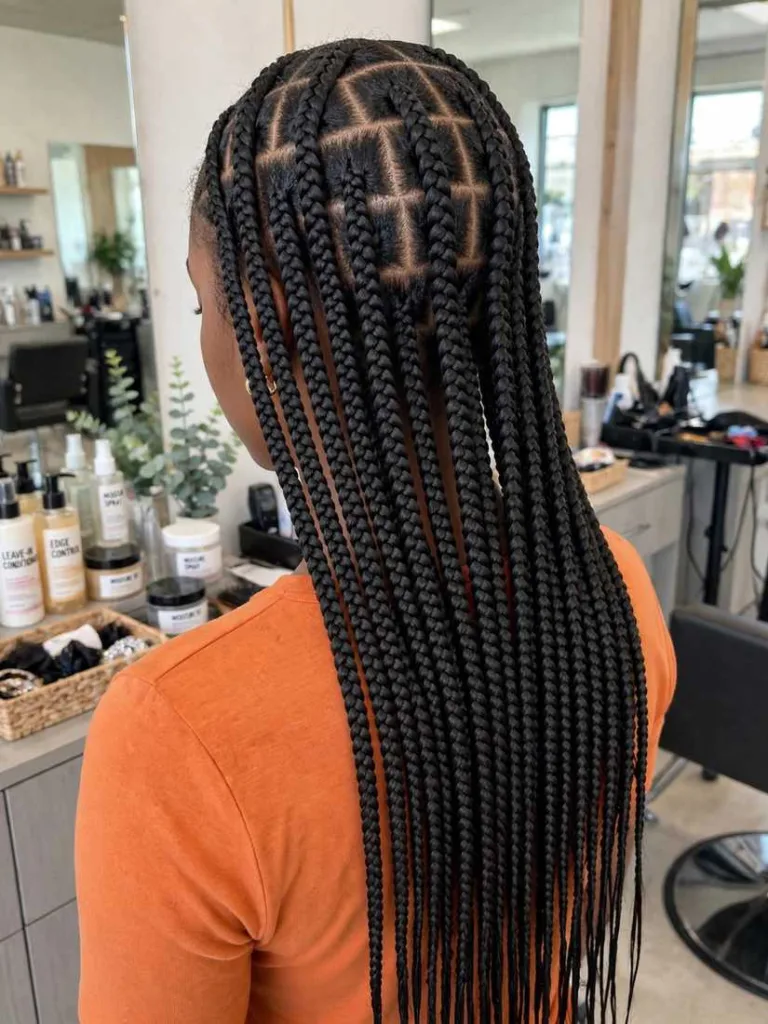
Knotless braids start with your own hair at each neat part. The braider feeds in extension hair in small pieces after that start. The base lies flat and can feel light at the root. Waist-length sets give weeks of wear, and this booked style leads the protective braids for long hair here.
Best for: Protective wear, flat bases, and weeks of hold.
Ask your stylist for: Waist-length knotless braids with a flat, fed-in base.
18. Feed-In Cornrows With Long Tails

Feed-in cornrows start thin at the hairline and grow fuller behind. Straight-back rows keep the pattern crisp and close to the scalp. The tails hang long and free past the last row. Even spacing makes the set read clean in photos, with four to six weeks of wear.
Best for: Crisp rows, protective wear, and long free tails.
Ask your stylist for: Straight-back feed-in cornrows with long loose tails.
19. Braided Low Bun
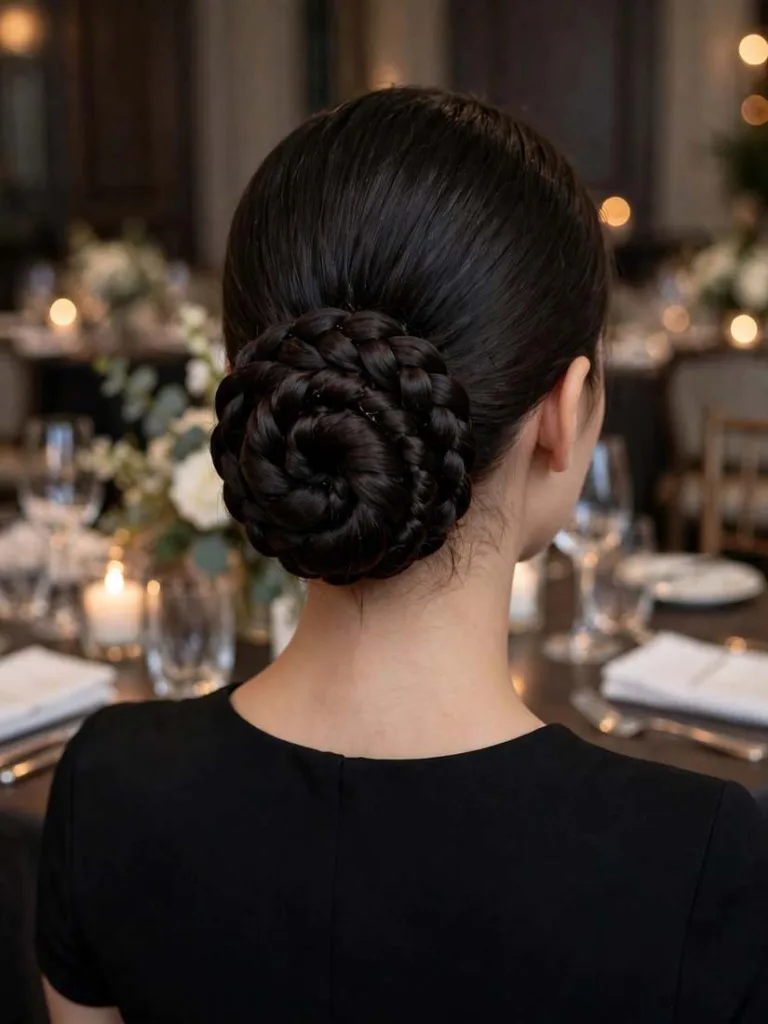
A low braid wraps around its own base to form this bun. Pins hold the coil flat at the nape, braid pattern facing outward. The wrap keeps long hair off the back and shoulders all day. It turns a day-old braid into a fresh shape, so smooth the front for neatness.
Best for: Formal days, hot weather, and quick restyles.
Ask your stylist for: A low braid wrapped and pinned into a bun.
20. Double French Braids Into One Tail

Two French braids run down each side and join at the nape. Below the join, they merge into one long tail braid. The top holds flat, while the tail swings free behind you. This build suits thick hair that overwhelms single braids, ranking high among braided hairstyles for long hair.
Best for: Thick hair, sport hold, and a merged tail.
Ask your stylist for: Two French braids joined into one tail at the nape.
21. Ribbon Braid
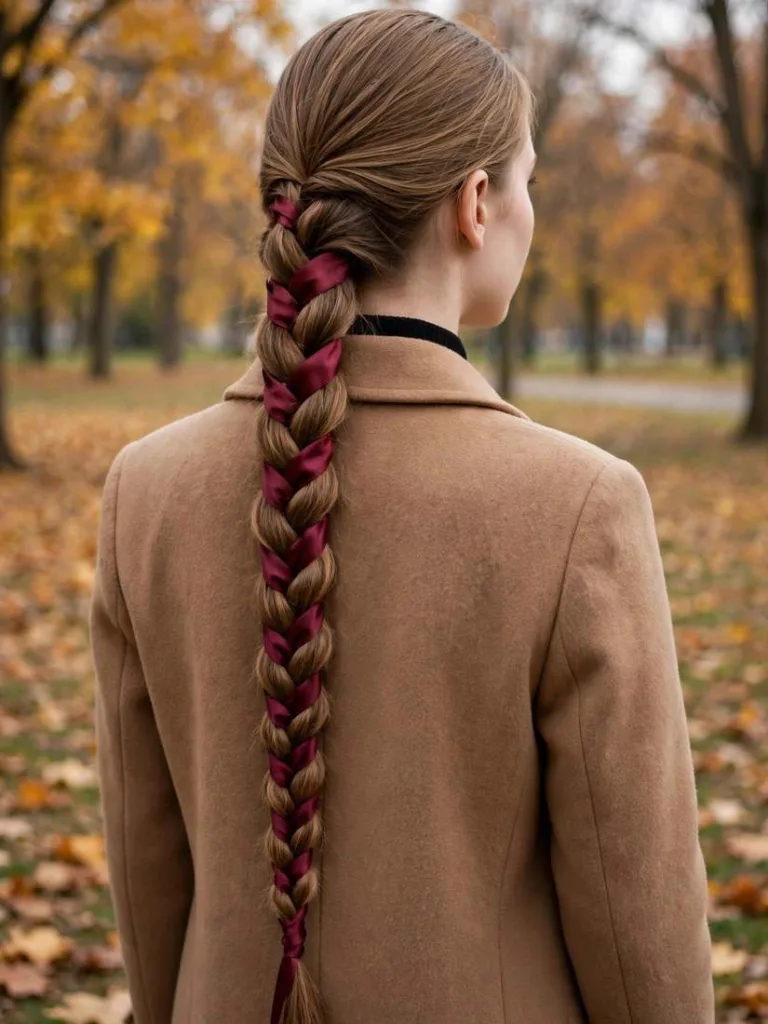
A satin ribbon weaves through a plain three-strand braid here. The color band shows at each cross down the full tail. Tie the ribbon at the top, then braid it in with one strand. Velvet suits fall outfits, satin suits events, and both make simple braids for long hair feel gift wrapped.
Best for: Color accents, events, and plain braids with flair.
Ask your stylist for: A three-strand braid with ribbon woven through it.
How to Make Braids for Long Hair Last
Braid on clean, dry hair for solo styles worn one day. Slight grip helps, so second-day hair often holds best overnight. Sleep with the braid under a satin scarf to cut friction. In the morning, smooth flyaways with damp palms and light oil, habits that keep braids neat for a second day.
FAQs
What Are the Easiest Braids for Long Hair?
Start with a single side braid or a rope twist. Both use few steps and one elastic. A bubble ponytail also skips weaving and still looks full.
How Long Do Braids for Long Hair Last?
Solo braids at home often last one full day. Booked knotless and feed-in sets can last four to six weeks. Sleep in satin to stretch either hold.
Do Braids Damage Long Hair?
Braids can protect ends by cutting daily friction and tangles. Damage risk rises when braids sit too tight at the hairline. Most braids for long hair stay safe at a comfortable tension.
How Do You Sleep With Long Braids?
Gather loose braids under a satin scarf or bonnet. For one long plait, braid it loose or fold it under. Satin cuts friction and keeps the pattern neat.
What Hair Length Works Best for These Braids?
Most styles here need hair past the shoulders. Halo and milkmaid wraps need extra length for the cross. Shorter hair can still wear lace and half-up braids.
How Do You Stop Braids From Slipping?
Start on dry, second-day hair for more grip. Use small clear elastics and pin loose ends flat. A light mist of water can help smooth each section. That grip helps braids for long hair hold all day.
Final Thoughts
Save three favorite braids for long hair before your next styling session. Note the braid type, the placement, and the hold each one gives. Screenshot the item photos so your stylist sees the exact placement and pattern. Comfort at the hairline matters more than a perfect finish.
Keep the tension comfortable and speak up during any booked install. Then braid or book the style that fits your next busy day.