DIY Lip Scrub: A Simple Recipe And Gentle Care Guide
Does lipstick catch on flakes even after you apply balm? A DIY lip scrub might seem like the quickest answer. But more exfoliation can leave irritated lips feeling worse, especially when dryness is the underlying problem. A gritty mixture is optional cosmetic care, not a treatment for chapping.
Before mixing sugar and oil, check whether your lips feel comfortable and intact. Cracks, soreness, persistent scaling, or a burning sensation are reasons to skip the scrub. Plain, non-irritating balm is a better starting point for dry lips. There is no need to remove every visible flake before moisturizing.
If you still choose to try a homemade scrub on healthy lips, keep the mixture simple and freshly prepared. The recipe below is a small mixing example, not a clinically tested formula. You’ll also find ingredient cautions, cleanup advice, and alternatives that involve no scrubbing.
What A DIY Lip Scrub Can And Cannot Do
Sugar particles provide mechanical exfoliation when rubbed against the skin. That contact may remove some loose surface material, but it also creates friction. Adding oil changes the texture without removing the possibility of irritation.
A scrub does not heal a split, replace daily lip care, or treat an allergic reaction. Smoothness immediately afterwards cannot tell you whether the mixture suited your lips. Discomfort matters more than the appearance of the finish.
The AAD’s lip-care guidance focuses on non-irritating products and sun protection. It does not establish a universal lip-scrub recipe or schedule.
You can have a complete lip-care routine without exfoliation. For lipstick preparation, balm and gentle removal of excess product may be enough. Avoid using makeup as a reason to scrub sore skin.
Check Your Lips Before Mixing
Look at how your lips feel as well as how they look. A small dry patch is not a diagnosis. Repeated peeling can have several causes, including irritating products or habits.
Skip exfoliation if lips are cracked, bleeding, sunburned, inflamed, or affected by a cold sore. Avoid rubbing sore mouth corners. A homemade scrub is not an appropriate treatment for those changes.
If a balm or lipstick repeatedly stings, stop using it rather than trying to scrub away the reaction. Keep the product name available if you need medical advice. Introducing several new ingredients together can make the trigger harder to identify.
One Small Mixing Example
A fresh portion avoids keeping a jar of leftovers between uses. The quantities below describe a small cosmetic mixture, not a proven treatment. You do not need to use the entire amount.
Ingredients And Preparation
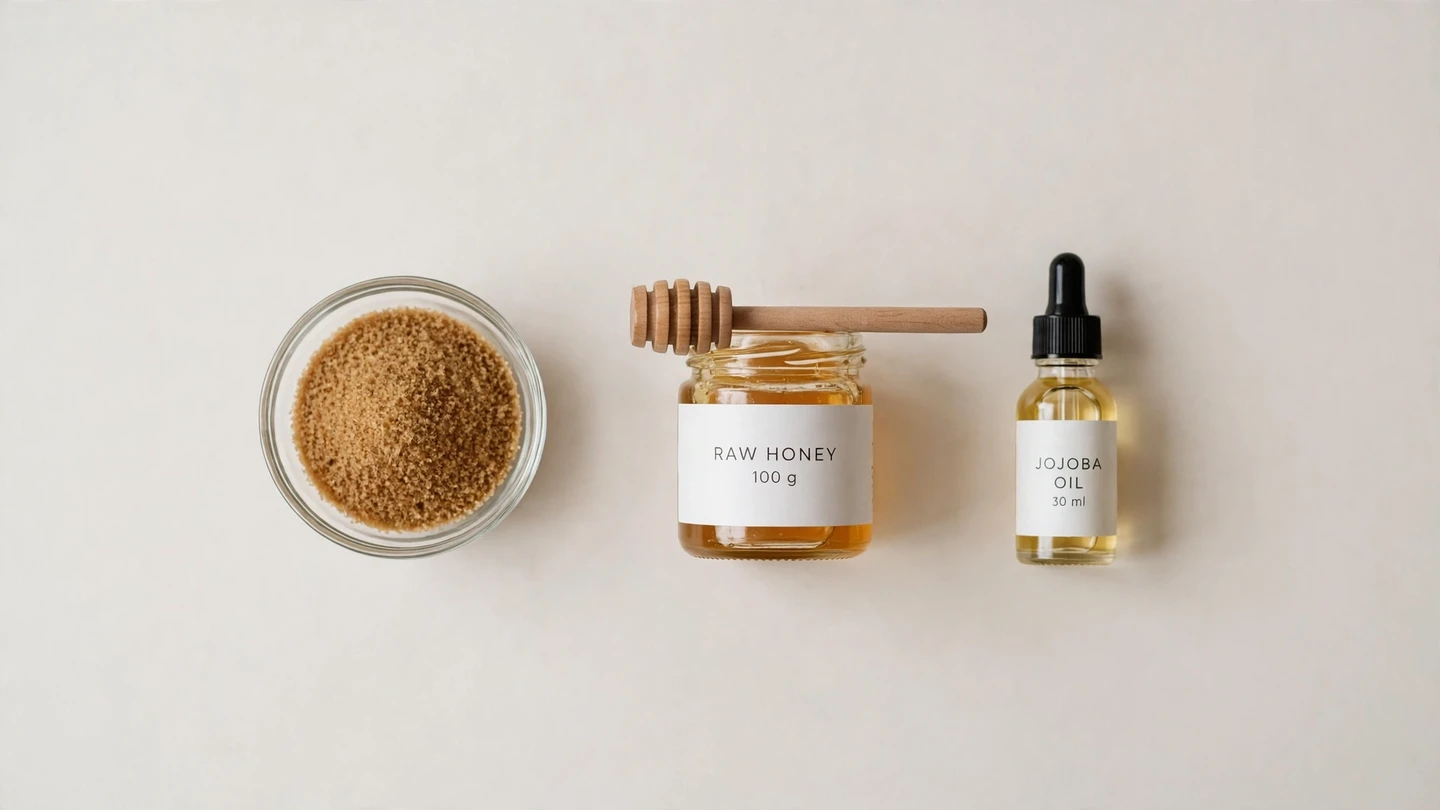
Combine one-quarter teaspoon of fine sugar with one-quarter teaspoon of a plain oil you already tolerate around your mouth. Use a clean bowl and spoon. Stir just until the particles are coated.
This is a starting texture, not a clinically established ratio. If the mixture feels sharp or uncomfortable, discard it instead of experimenting on your lips. More liquid cannot guarantee that the particles will be suitable.
Honey is unnecessary for this version. Leaving it out keeps the recipe consistent and avoids another possible source of sensitivity. Do not add ingredients you know cause reactions, even if they are edible.
Choosing Sugar And Oil
Brown and white sugar vary in crystal size. Colour alone does not establish gentleness, and molasses does not make brown sugar appropriate for sensitive lips. Avoid coarse crystals and salt.
Fine sugar can still irritate through friction. No sugar grade earns a universal safety claim. If your lips react easily, leaving the scrub out is more useful than searching for a softer grain.
Use a plain oil without added fragrance or flavouring. An oil tolerated on another body area may still feel uncomfortable near the mouth. Stop if the mixture causes symptoms rather than assuming a kitchen ingredient must be harmless.
For Very Dry Lips, Leave Out The Sugar
Use plain petroleum jelly or a non-irritating balm instead of making an abrasive ointment mixture. Very dry lips need care without extra friction. Adding jelly to sugar does not turn exfoliation into a treatment.
There is no need to calculate a sugar-to-jelly ratio. Apply the plain product without rubbing flakes loose. That keeps moisturizing separate from the optional scrub recipe.
If You Choose To Exfoliate: Five Steps
These steps apply only to comfortable, intact lips. They are not a prescription to exfoliate or a guarantee against irritation. Stop whenever the process feels uncomfortable.
Step 1: Gently Remove Makeup
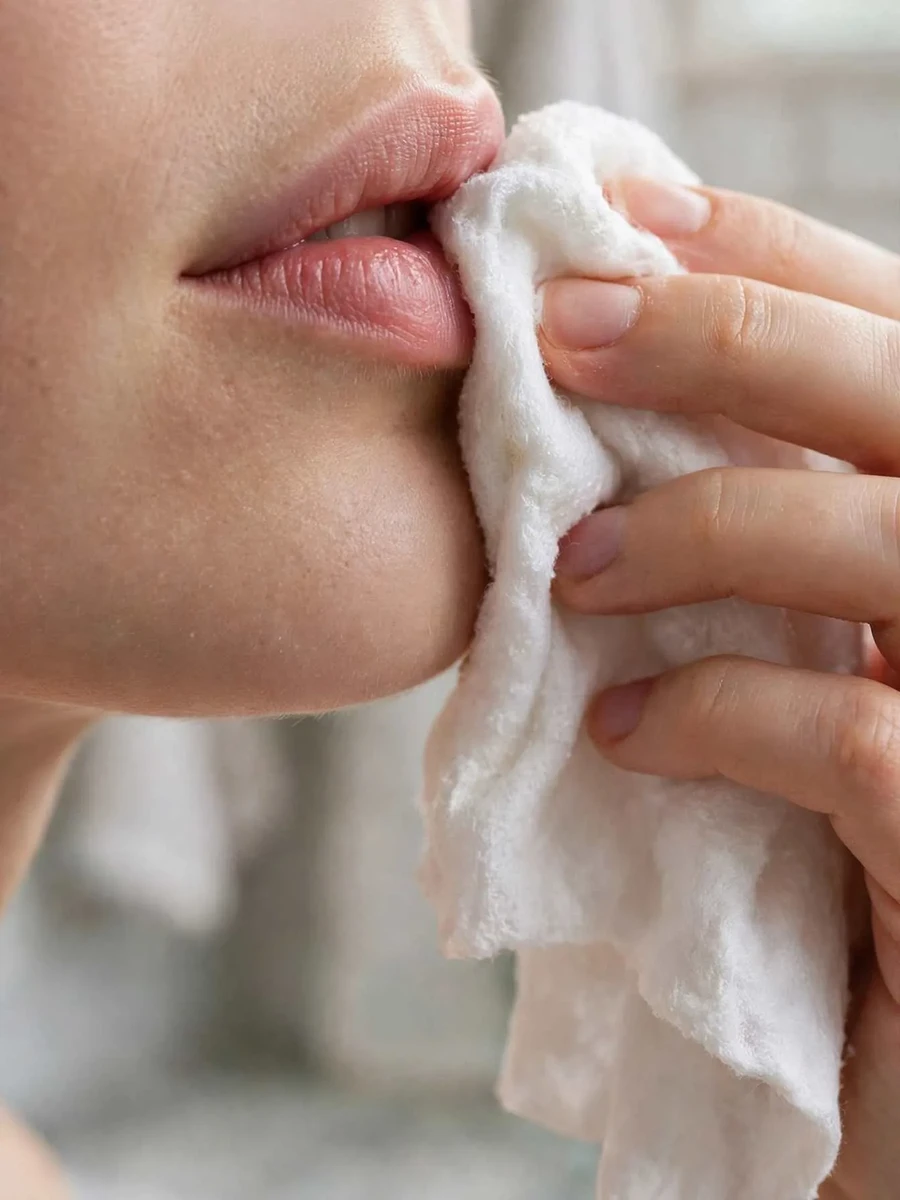
Remove lipstick with a product you already tolerate. Avoid repeated rubbing to remove every trace of colour. A clean, soft damp cloth can help with gentle cleanup.
Do not use hot water or rough towels. Dampness does not make gritty rubbing harmless. If cleansing alone leaves your lips tender, skip the scrub and use plain balm.
Step 2: Prepare A Small Fresh Portion
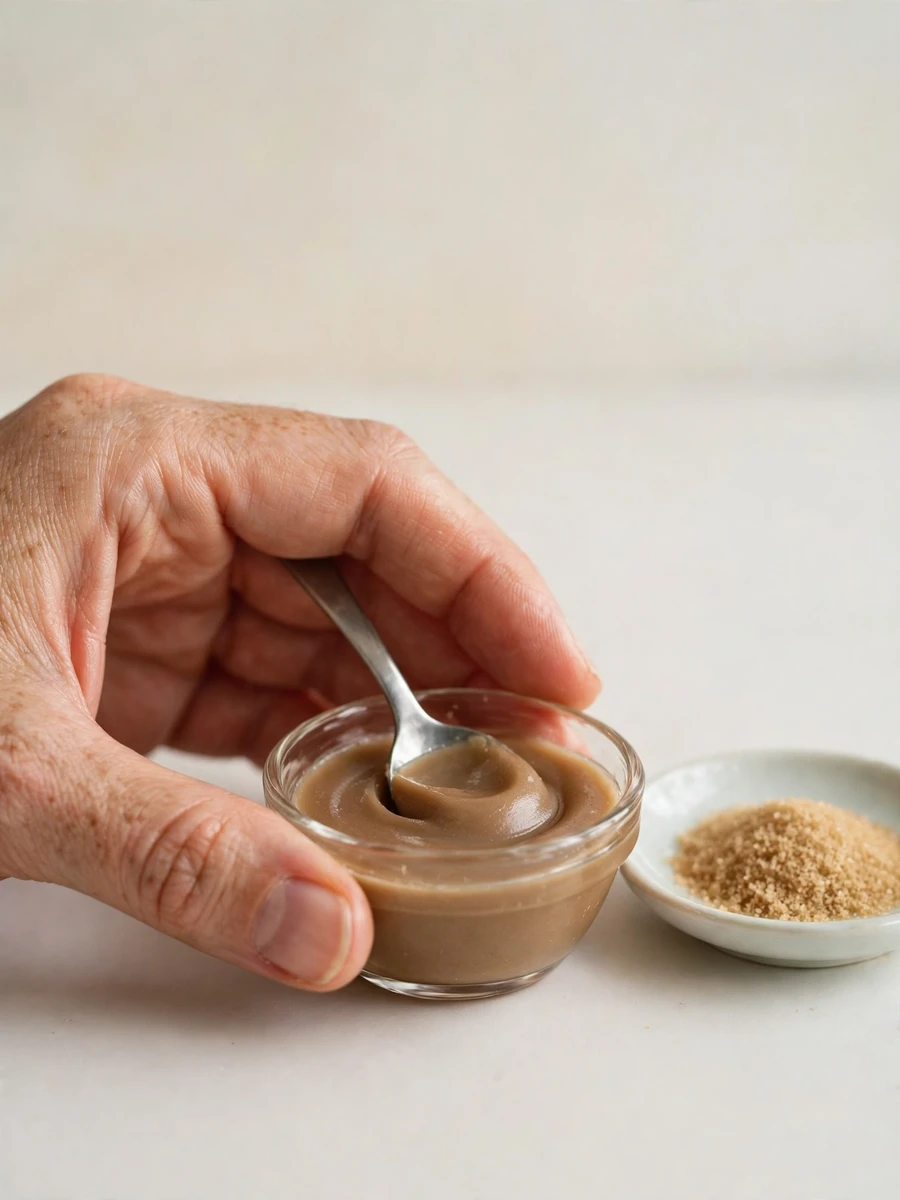
Mix the small portion immediately before use. Use a clean utensil rather than repeatedly dipping fingers into a storage jar. A large bowl of scrub is unnecessary.
Start with a tiny dab rather than covering the lips in a thick crust. There is no need to finish the mixture. Discard what remains after this use.
Step 3: Use Minimal Pressure
Touch the mixture lightly to the outer lip surface without stretching or dragging the skin. Keep it away from sore corners and the inside of the mouth. Avoid rubbing with brushes or toothbrushes.
Do not use a fixed timer as proof that scrubbing is safe. Stop at the first sign of discomfort. Extra passes are not necessary because some flakes remain.
Step 4: Remove The Mixture Gently
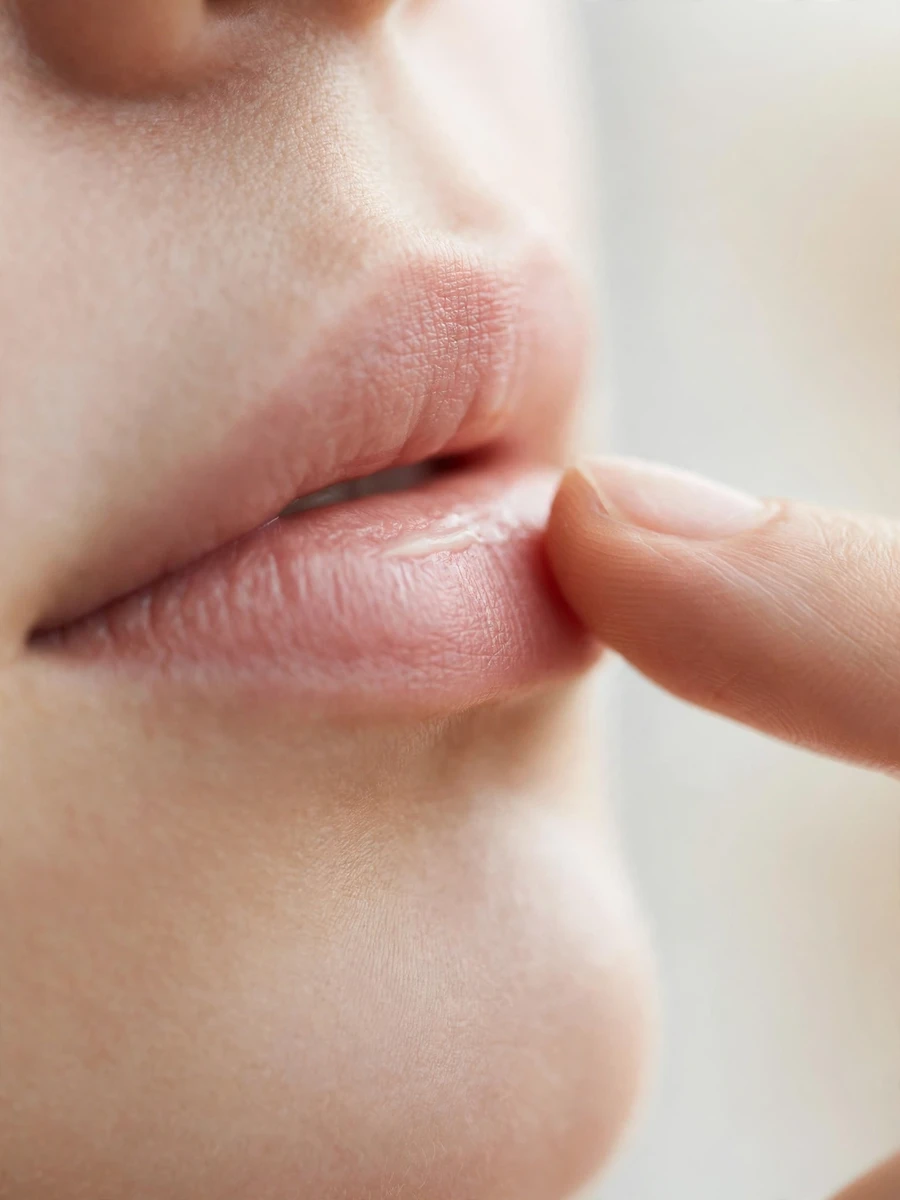
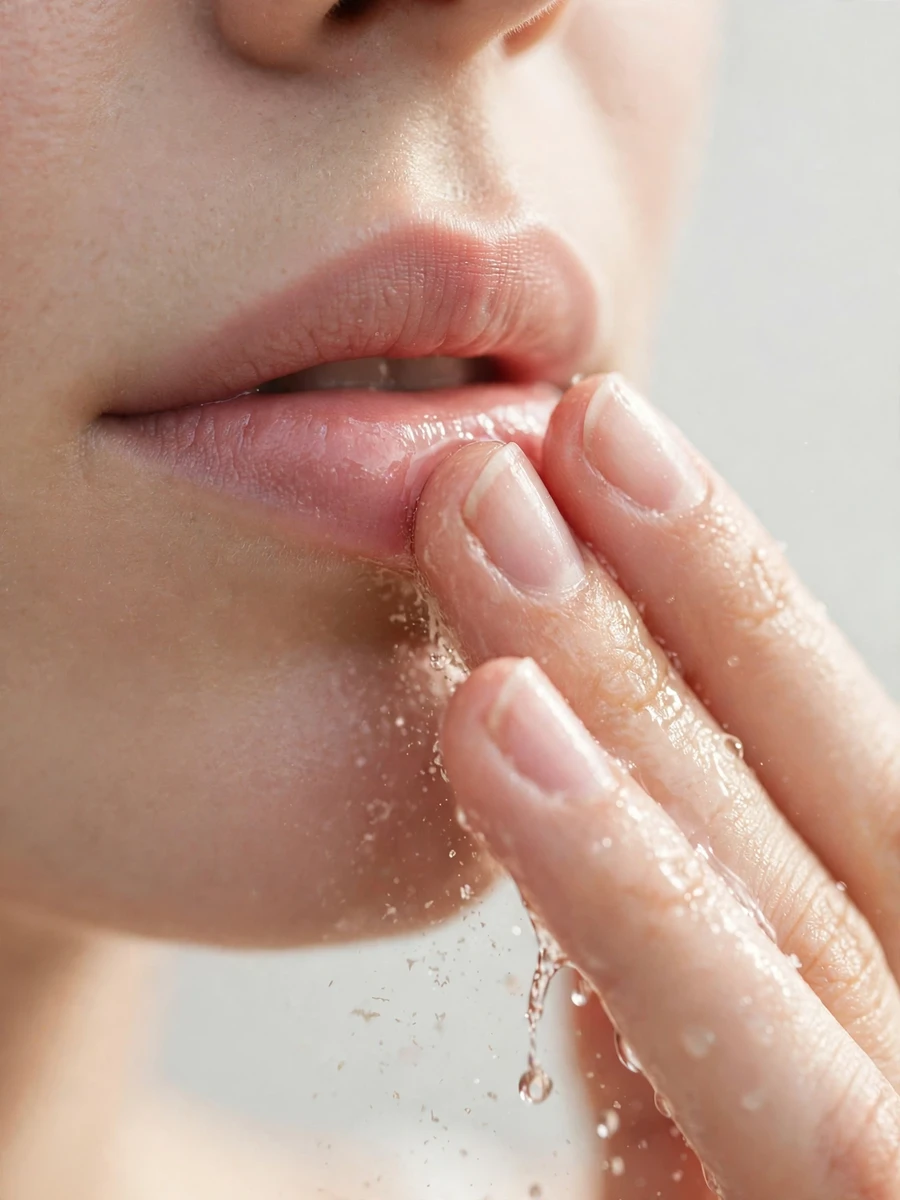
Use lukewarm water to remove the mixture without repeated rubbing. If needed, gently lift residue with a soft damp cloth. Avoid dragging gritty material across the surrounding skin.
Pat with a soft towel rather than polishing the lips dry. Leave any firmly attached skin alone. A scrub should not become a way to pull off flakes.
Step 5: Apply A Non-Irritating Balm
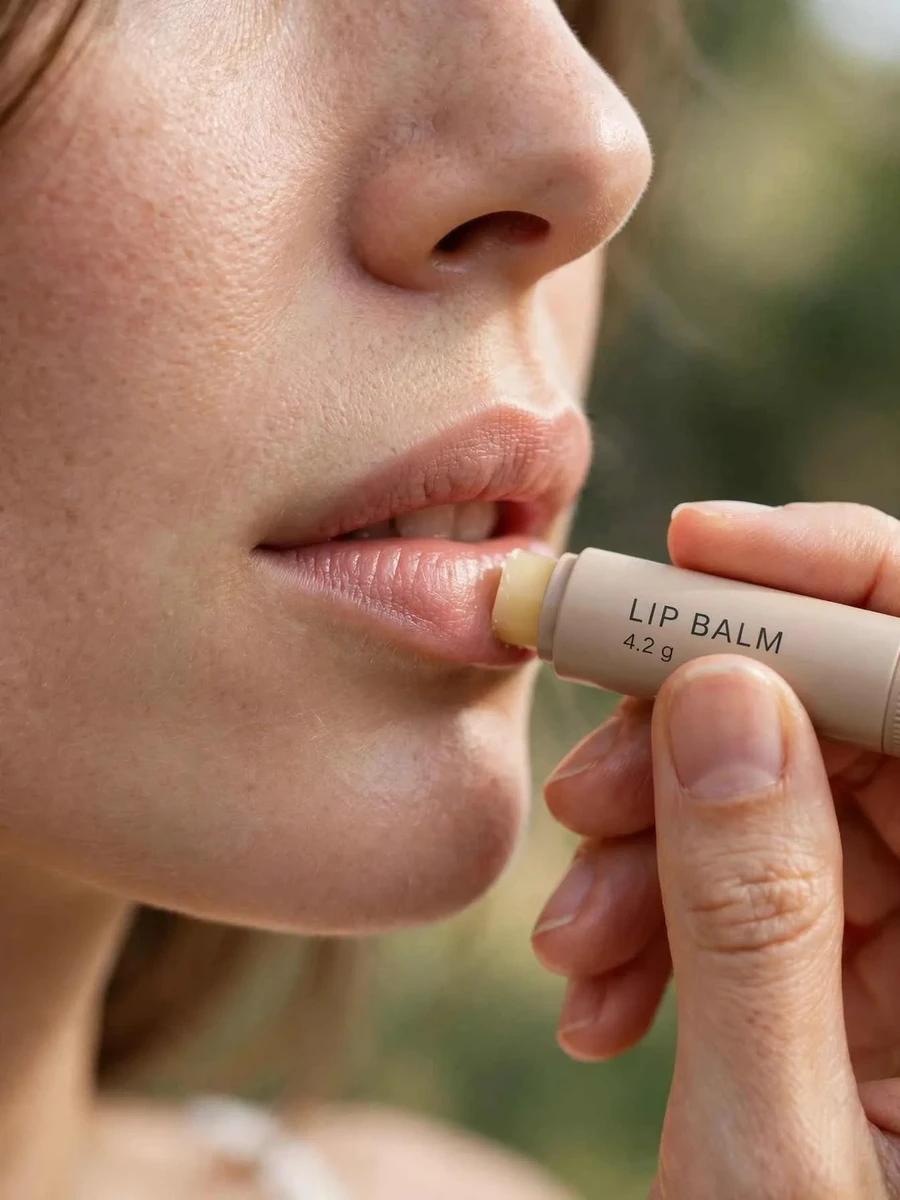
Follow with a plain balm or petroleum jelly you already tolerate. Moisturizing does not depend on a one-minute deadline. It also does not reverse any abrasion caused earlier.
Avoid fragranced or tingling products if they make your lips uncomfortable. Check how your lips feel afterwards rather than judging only their shine. Worsening dryness means the routine needs reassessment.
How Often Should You Use A Lip Scrub?
There is no established once-weekly rule that makes every homemade lip scrub safe. The recipe and timing here should not become a recurring appointment. Some people are better off avoiding mechanical lip exfoliation entirely.
Do not repeat the process because flakes return before a planned day. Recurrent dryness is a reason to review daily care. More friction may add irritation without addressing the cause.
If you develop tenderness, swelling, burning, or increased peeling, discontinue the mixture. Remove it gently and avoid further exfoliation. Persistent or significant symptoms need medical advice.
Ingredients To Leave Out
Extra ingredients are not required for a basic mixture. A short ingredient list makes it easier to avoid known triggers. Natural origin does not establish suitability for lips.
Lemon And Lime Juice
Certain citrus compounds can react with UVA after skin contact. A clinical review of phytophotodermatitis describes this reaction and identifies lemons and limes as common triggers.
Leave citrus juice out of the recipe. Its acidity is not evidence of useful lip exfoliation. Adding sugar or oil does not establish protection against a reaction.
Spices, Fragrance, And Essential Oils
Skip cinnamon, cayenne, and plumping mixtures that rely on an uncomfortable sensation. A burn is not a useful measure of effectiveness. Avoid adding fragrance or essential oils to make the recipe smell appealing.
A home patch test cannot certify a mixture as suitable for lips. Do not use a negative result to justify applying a known irritant. Past tolerance also cannot guarantee that every later application will feel comfortable.
Extra Exfoliating Products
Do not combine a sugar scrub with an exfoliating acid, a lip peel, or abrasive tools. A complicated routine makes the amount of irritation harder to judge. Keep ordinary care simple if you are already experiencing dryness.
Cleanup And Leftovers
Prepare a fresh portion each time rather than storing this mixture. Discard leftovers instead of topping up an old jar. The recipe has no validated preservation system or shelf life.
Wash the bowl and utensil after use, and keep ingredients in their original containers. Do not return used mixture to an oil bottle or sugar container. Avoid sharing a portion that has touched someone’s lips.
An unchanged smell does not prove that leftovers remain suitable. Refrigeration also does not establish a safe storage period. Making less is simpler than trying to preserve a homemade cosmetic batch.
Everyday Care Matters More Than Scrubbing
Regular balm use, less licking, and sun protection do not require exfoliation first. Avoid pulling loose skin while applying balm. Repeatedly wetting lips with saliva can worsen dryness.
Choose a non-irritating SPF 30 or higher lip balm for outdoor time. Reapply according to its label, including after eating, swimming, or wiping it away. Sun care belongs in the routine whether you scrub or not.
The everyday lip-care routine covers habits to use between makeup applications. If dryness persists despite gentle care, a dermatologist can assess the cause.
FAQs About Homemade Lip Scrubs
A recipe cannot predict how every person’s lips will respond. These answers distinguish optional cosmetic use from care for dry or irritated lips.
Can I Use A DIY Lip Scrub Every Day?
Daily scrubbing is not necessary for lip care. Frequent friction may worsen irritation, and no universal schedule makes a homemade mixture suitable for everyone.
Is Brown Sugar Gentler Than White Sugar?
Not automatically. Crystal size varies, and brown sugar is not proven suitable for sensitive lips simply because it contains molasses.
Should I Add Honey Or Lemon Juice?
Neither is necessary for this simple mixture. Leave citrus juice out, and avoid any ingredient that has caused you a reaction.
Should A Lip Scrub Tingle?
Burning, stinging, or uncomfortable tingling is a reason to stop. Remove the mixture gently and discontinue it rather than waiting for a supposed benefit.
Can I Scrub Chapped Or Cracked Lips?
Skip scrubbing cracked, sore, inflamed, or bleeding lips. Use non-irritating care and seek assessment for persistent changes rather than trying to remove the damaged surface.
Can I Keep Leftovers For Next Week?
This recipe has no validated shelf life. Discard leftovers and make a small fresh portion if you choose to use it again.
Choose Comfort Over A Scrub Schedule
A homemade lip scrub is optional, and a smoother-looking surface is not proof that your lips needed exfoliation. Plain balm may be enough, especially when dryness or irritation is present. The useful routine is one your lips tolerate without soreness, repeated peeling, or a growing list of products.
Save your preferred non-irritating lip balm as the first step in your next lip-care routine.