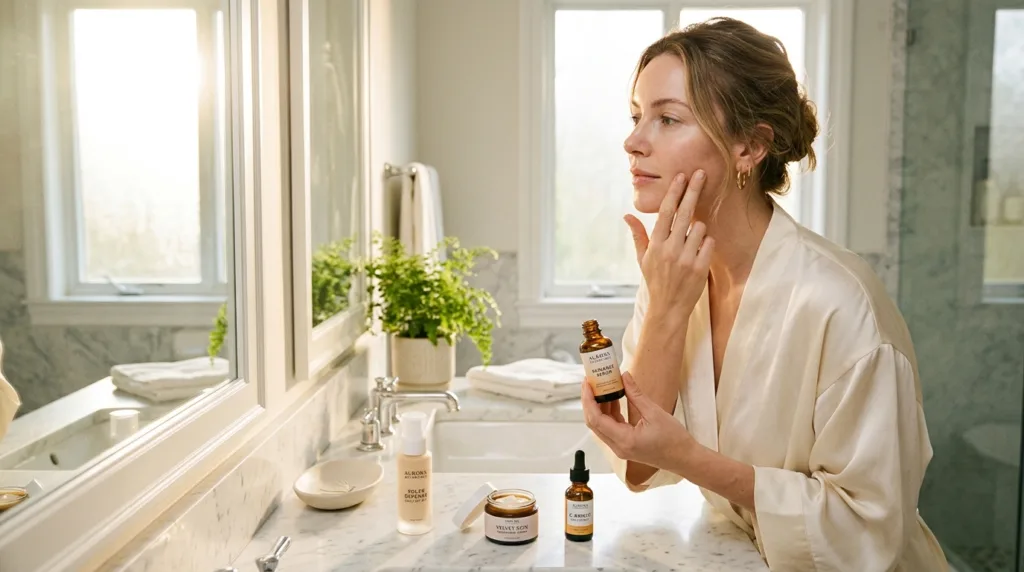
How To Get Glowing Skin: Best Turmeric Skincare Secrets
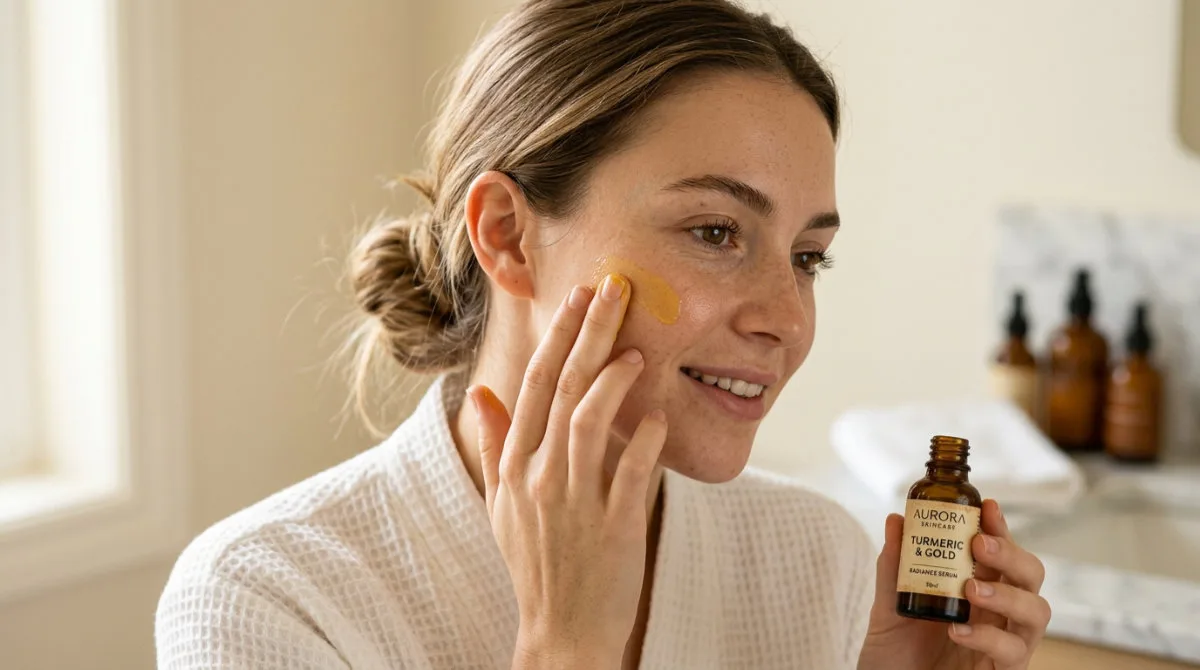
Does your skin look tired no matter how much product you layer on? Dull, uneven skin is rarely a product problem. Usually, the fix is sitting in your kitchen cabinet already.
Turmeric has brightened skin across South Asia for over 4,000 years, and modern dermatology finally confirms why. The active compound, curcumin, calms redness, fades dark spots, and slows early signs of aging. It also fights the free radicals behind dullness and uneven tone. Here is exactly how to get glowing skin using turmeric skincare products, matched to your skin type.
You will get a full routine by skin type, real recipes, and a weekly schedule. Plus the mistakes that quietly stall results.
Quick answer: Turmeric for glowing skin works because curcumin fights free radicals, reduces melanin buildup, and boosts circulation. Use it 2 to 3 times a week, matched to your skin type, and expect visible glow in 4 to 6 weeks.
Why This Golden Spice Actually Works On Skin
Turmeric is not a trend someone picked up on social media. The curcumin skin benefits behind it go back centuries, and modern research finally backs them up. Turmeric is a flowering plant in the ginger family, and its rhizome contains curcumin, an antioxidant and anti-inflammatory compound. Curcumin fights the free radicals that build up from sun exposure and pollution. Those free radicals are what break down collagen and cause dullness and fine lines.
Curcumin also reduces melanin production, which is why turmeric fades hyperpigmentation and evens out skin tone over several weeks. One clinical trial on a related turmeric species found it lightened skin tone within weeks of regular use. Turmeric also calms the bacteria behind acne breakouts. A 2017 study on turmeric rhizome extract looked at this directly. It found reduced activity of Cutibacterium acnes, the bacteria strain linked to inflamed pimples. That is measurable, not folklore.
Turmeric also boosts circulation under the skin’s surface. Better blood flow brings oxygen to skin cells faster. That is one reason brides across India still get a haldi ceremony days before their wedding. Call it chemistry with good timing.
How To Choose The Right Turmeric Skincare Product
Most guides tell you to buy “a turmeric product” and stop there. That advice is not enough on its own. The formulation matters just as much as the ingredient itself.
Check the ingredient list first. This spice should sit near the top, not buried after ten filler ingredients. Look for a stated curcumin extract percentage if the brand shares one on the label. Products under 1% curcumin rarely deliver visible results within eight weeks, no matter how the packaging looks.
Also check the second ingredient after water. A short, recognizable list usually signals a cleaner formula. Brands that pad labels with fragrance and alcohol tend to irritate reactive skin.
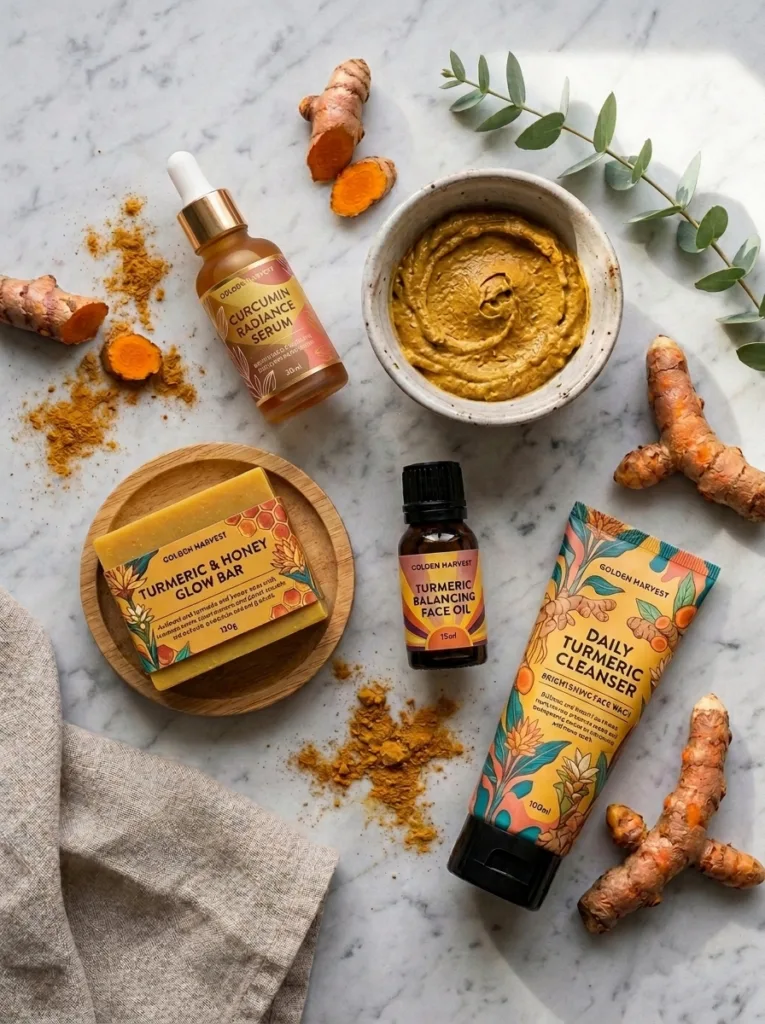
Match the product type to your goal:
- Turmeric serums work best for daily brightening since they absorb fast and layer easily under moisturizer.
- Turmeric masks suit weekly deep treatment for dullness and congestion around the nose and chin.
- Turmeric cleansers offer a gentle daily option for acne-prone skin that still needs cleaning twice a day.
- Turmeric oils work well for dry, mature skin that needs extra lipids to feel comfortable.
- Turmeric soap bars are the mildest option, good for sensitive first-timers who want a low commitment.
Avoid raw powder alone if you have fair skin prone to staining. Formulated products go through processing that prevents the yellow tint raw powder often leaves behind on the skin.
Build A Turmeric Skincare Routine For Your Skin Type
Generic advice fails because oily skin and dry skin need completely different formulas. Match the product to what your skin actually needs, not what worked for someone else’s feed.
| Skin Type | Best Format | Frequency |
| Oily / acne-prone | Serum + clay mask | Serum daily, mask weekly |
| Dry / flaky | Honey-yogurt mask + face oil | 2 times a week |
| Combination | Serum on T-zone, cream on cheeks | Twice weekly mask |
| Sensitive | Soap bar or diluted cleanser | Once weekly, after patch test |
| Mature | Oil blended with vitamin E | 2 times a week |
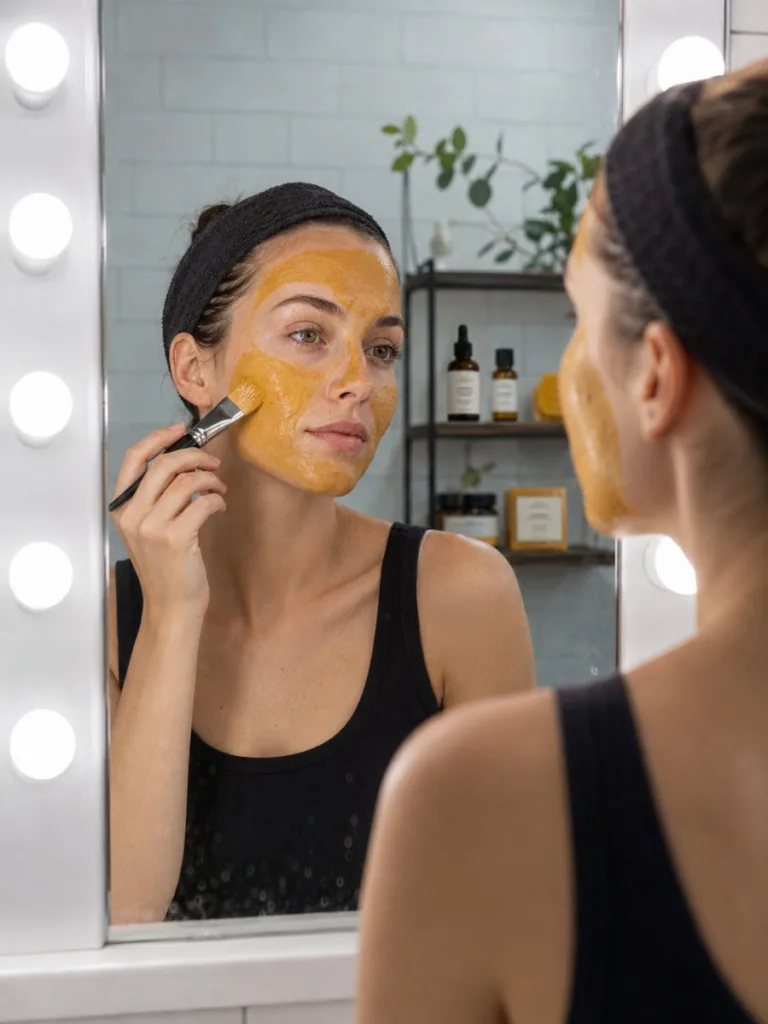
Oily And Acne-Prone Skin
Oily skin handles turmeric well since curcumin controls excess sebum and calms breakouts. Use a lightweight turmeric serum in the morning under a gel moisturizer. Add a clay mask blended with turmeric once a week to absorb oil and shrink the look of pores. Skip heavy oils here, since they can clog already congested skin.
Dry And Flaky Skin
Dry skin needs turmeric paired with something hydrating. Mix the powder with honey and plain yogurt for a mask that moisturizes while it brightens. A turmeric-infused face oil at night locks in moisture and repairs the skin barrier. Skip lemon-based mixes here, since citrus can worsen existing dryness.
Combination Skin
Combination skin benefits from a split approach. Apply a lightweight serum on the oilier T-zone and a richer, oil-based cream on drier cheeks. A twice-weekly mask keeps both zones balanced without overloading either one with product.
Sensitive Skin
Sensitive skin should start slow and simple. Choose a turmeric soap or a diluted cleanser rather than a concentrated mask. Always patch test on the inner arm for 48 hours before applying anything new to the face.
Mature Skin
Mature skin gains the most from turmeric’s collagen-boosting effect, a benefit tied to curcumin in aging research. Combine it with a vitamin E oil base to target fine lines. This pairing helps restore elasticity around the eyes and mouth, where skin thins fastest with age.
Proven Turmeric Recipes And Application Methods
Once you know your skin type, these methods turn a simple spice into visible results. Each one takes under fifteen minutes to prepare and apply.
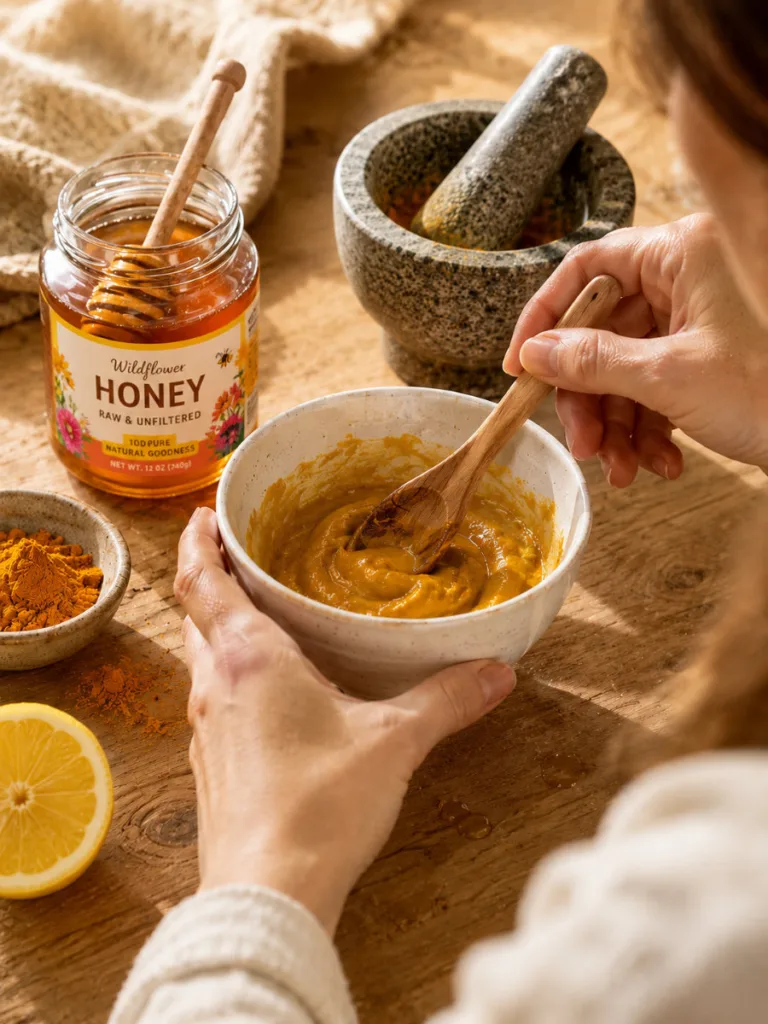
- Honey mask: Mix one teaspoon turmeric powder with two tablespoons raw honey. Leave on for ten minutes. This combination calms inflammation while honey pulls moisture into skin.
- Yogurt mask: Combine the powder with plain yogurt for gentle exfoliation and brightening. The lactic acid in yogurt helps buff away dull, dead cells naturally.
- Chickpea flour cleanser: Mix with milk to make a paste that lifts dirt without stripping the skin’s natural oils.
- Sandalwood paste: Add water to form a thick mask. It targets tan lines and sun damage on the neck.
- Oil massage: Combine two drops of turmeric essential oil with three tablespoons of olive oil. Massage before bed for overnight repair while you sleep.
- Aloe vera gel blend: Soothes sunburned or irritated skin while still delivering a brightening effect.
- Spot treatment: A tiny dab mixed with a moisturizing base targets single dark spots or old blemish scars overnight.
Apply any mask to clean, dry skin for the best absorption. Rinse with lukewarm water, never hot, since heat can worsen irritation and lock in staining around the hairline.
A Simple Weekly Turmeric Skincare Schedule
Consistency beats intensity with turmeric. Overuse it and you get irritation, not faster results.
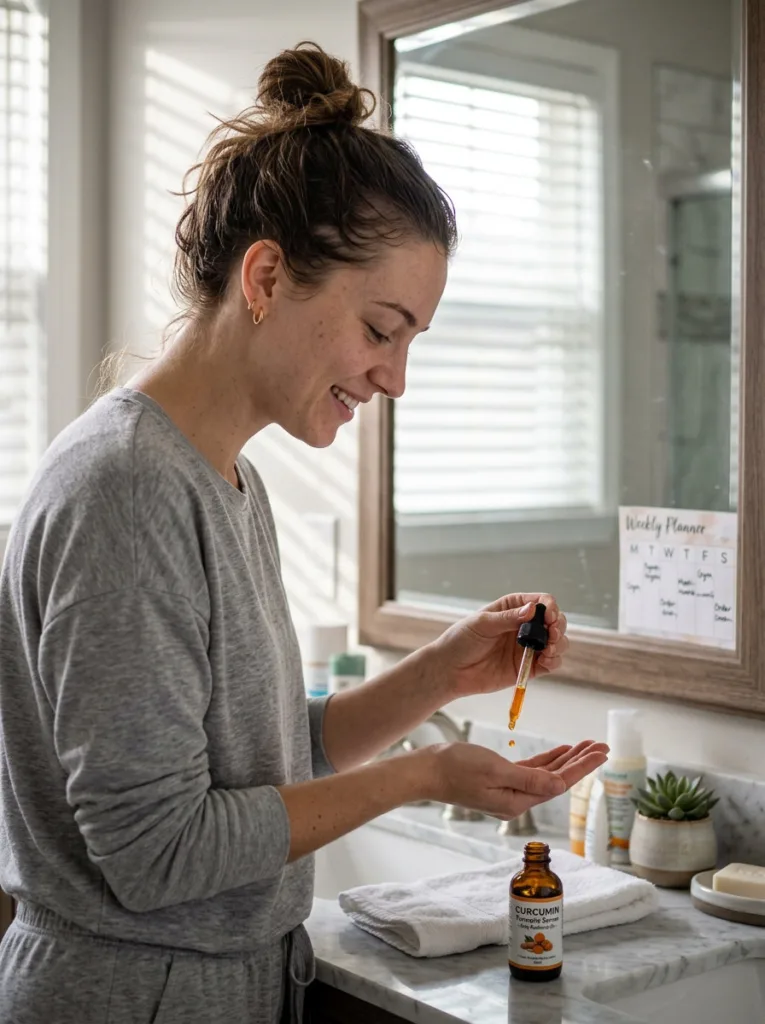
| Day | Treatment |
| Monday | Lightweight serum in the morning, under sunscreen |
| Tuesday | Rest day, regular cleanser and moisturizer |
| Wednesday | Honey or yogurt mask, fifteen minutes in the evening |
| Thursday | Lightweight serum in the morning, under sunscreen |
| Friday | Rest day, regular cleanser and moisturizer |
| Saturday | Deep treatment night, oil massage before bed |
| Sunday | Rest day, regular cleanser and moisturizer |
This schedule gives skin cells time to regenerate between treatments. That matters since skin cell turnover takes roughly 28 days in younger skin. It slows to closer to 40 days after age 35, which is why patience pays off more than frequency.
Mixing Turmeric With Other Active Ingredients
Most guides skip this part, which is exactly why so many people get irritated skin from an otherwise gentle spice. Turmeric pairs safely with some actives and clashes badly with others.
| Active Ingredient | Safe To Combine? | How To Use Together |
| Vitamin C | Yes | Vitamin C in the morning, turmeric in the evening |
| Niacinamide | Yes, daily | Layer together, both calm redness |
| Retinol | Caution | Alternate nights, never apply together |
| Exfoliating acids (glycolic, salicylic) | Caution | Space at least 12 hours apart |
Vitamin C and turmeric work well together since both fight oxidative stress and brighten tone. Niacinamide is gentle enough to layer with turmeric daily. That combination suits reactive or acne-prone skin well. Retinol needs more caution. It already increases sensitivity, so stacking another active on top can trigger irritation fast.
Common Mistakes And How To Avoid Them
Even careful users make errors that block results or cause irritation they could easily avoid.
- Leaving a mask on too long. Fifteen minutes is the maximum for any treatment. Longer contact time increases staining and dryness, not effectiveness.
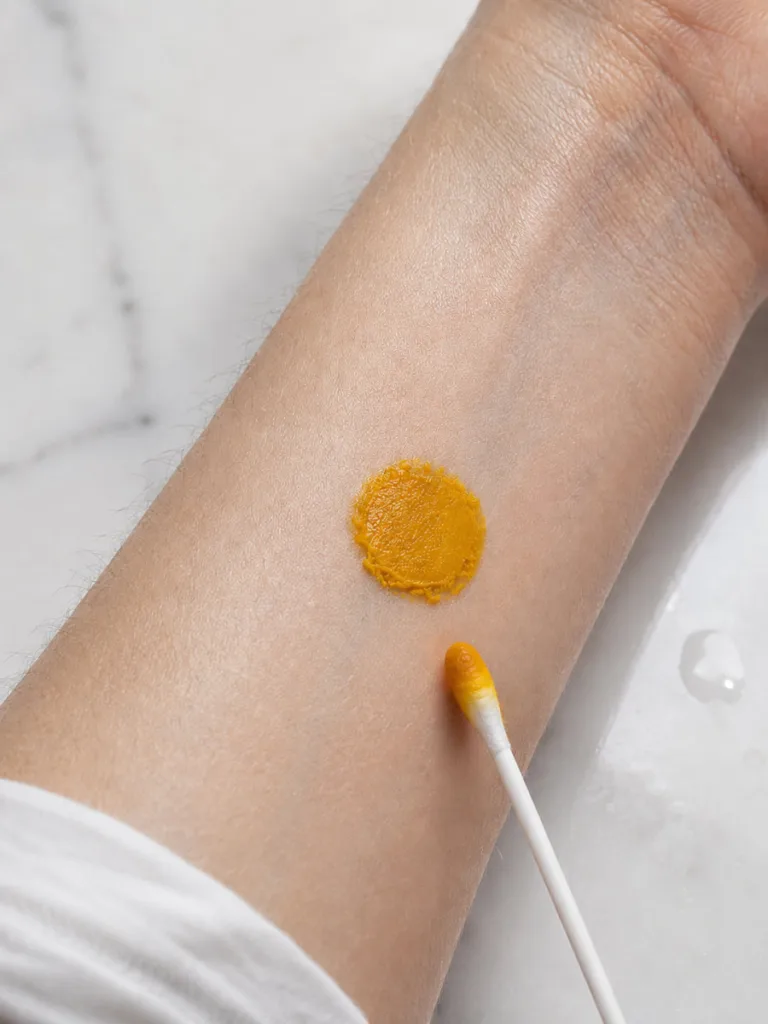
- Skipping the patch test. Allergies to this spice do exist, though they are rare. Test on the inner wrist first and wait two full days before applying it to your face.
- Forgetting sunscreen. Turmeric makes skin more receptive to brightening, but unprotected sun exposure reverses every gain within days. Apply SPF 30 or higher each morning, no exceptions.
If staining does happen, wipe the area with a milk-soaked cotton pad or a gentle oil cleanser. Never scrub the spot, since aggressive rubbing only irritates skin further and can spread the pigment.
A less obvious mistake is mixing too many new ingredients into one mask. Stick to two or three components at most so you can tell what actually caused any reaction.
How Long Until You See Real Results
Patience matters more than product strength here. Most users notice a temporary glow immediately after a mask, thanks to improved circulation under the surface. Real changes in tone and texture take quite a bit longer to show.
Expect visible brightening after four to six weeks of consistent, twice-weekly use. Full fading of stubborn dark spots can take eight to twelve weeks. Skin needs multiple cell turnover cycles to clear out old pigment. Stopping early is the most common reason people decide turmeric “does not work” for them.
Frequently Asked Questions
Does turmeric really make skin glow?
Yes. Curcumin’s antioxidant and anti-inflammatory properties boost circulation and calm dullness. This creates a visible glow within days of consistent use.
Can turmeric stain my face yellow?
Raw powder can leave a temporary tint on fair skin. Formulated products and short application times of ten to fifteen minutes prevent this from happening.
How often should I use turmeric on my face?
Two to three times a week is ideal for most skin types. Daily use of concentrated masks can irritate skin and cause excess dryness over time.
Is turmeric safe for sensitive skin?
Yes, with a patch test done first. Choose diluted formulas like a soap bar instead of a concentrated paste to start out safely.
Can I use turmeric with vitamin C or retinol?
Vitamin C pairs well in a morning and evening split routine. Alternate this spice and retinol on different nights to avoid irritation.
Your Next Step
That’s how to get glowing skin using turmeric skincare products. Match the routine to your skin type and stay consistent for six weeks straight. Turmeric will not fix dull skin overnight, but consistency works. Pick one method from this guide and start tonight, so your skin actually gets the time it needs.
For more skin care tips, please visit VelvetBoard.